1987 Polish Annapurna I Winter First Ascent Expedition
On February 3, 1987, Polish alpinists Artur Hajzer and Jerzy Kukuczka completed the historic first winter ascent of Annapurna I (8,091m), braving -40°C temperatures, hurricane-force winds, and hard blue ice along the North Face without supplemental bottled oxygen.
Mountain Safety & Conditions Disclaimer: High-altitude climbing, glacial travel, and technical ascents entail severe objective risks including avalanches, serac collapses, rapid weather collapse, and altitude illness. Historical route descriptions and summit claims on Mountanity reflect documented archival sources and must not be used as live operational safety assessments. Local regulations, permits, and physical glacial topography change continuously.
Peer Review: Senior Editorial Board & Historical Reviewers • Editorial Standards
Official Expedition Narrative & Archival Record
In the deep Himalayan winter of 1986–1987, legendary Polish mountaineer Jerzy Kukuczka and twenty-four-year-old rising powerhouse Artur Hajzer arrived at the foot of Annapurna I (8,091m). Annapurna was notoriously feared for spontaneous, sweeping avalanches on its northern flanks, and no climber had ever stood on its summit in astronomical winter. Determined to climb in lightweight style without supplemental oxygen or pre-placed siege camps, Hajzer and Kukuczka moved swiftly through the dangerous serac fields of the North Face. Operating in temperatures plunging past -40°C with severe frostbite threatening their fingers, they established an assault bivouac high on the glacier. On February 3, 1987, after an exhausting push across bullet-hard ice and windswept rock bands, Artur Hajzer and Jerzy Kukuczka stepped onto the 8,091-meter summit of Annapurna I, securing the first winter conquest of the mountain and claiming Poland's fifth winter eight-thousander first ascent.
Documented Team Composition
- Jerzy Kukuczka (Summit Climber, Poland)
- Artur Hajzer (Summit Climber, Poland)
- Krzysztof Wielicki
- Wanda Rutkiewicz
Key Statistics & Topographic Figures
- Summit Date
- February 3, 1987 (4:15 PM)
First Winter Ascent of Annapurna I (8,091m)
- Ascent Style
- Alpine Style Without Bottled Oxygen
Two-Man Push by Hajzer and Kukuczka
- Summit Temperature
- -40°C Ambient With Roaring Gales
Extreme Winter Conditions on North Face
- Polish Milestone
- 5th Winter 8,000m First Ascent
Solidified Polish Ice Warrior Supremacy
- Route
- North Face (French Route)
Navigated Hard Blue Ice and Avalanche Chutes
Archival Primary Source Quotations
“On Annapurna in winter, every breath freezes in your throat; you do not fight the cold, you simply endure.”
Defined Alpine Terminology & Concepts
- Annapurna North Face Route
- The glaciated climbing route on the northern cirque of Annapurna I, pioneered in 1950 by Maurice Herzog and Louis Lachenal.
- Winter Alpine Dash
- A rapid, lightweight assault push above 7,000 metres in winter designed to minimize exposure to frostbite and severe hypothermia.
Frequently Asked Questions: 1987 Polish Annapurna I Winter First Ascent Expedition
When was Annapurna I first climbed in winter?
Annapurna I (8,091m) was first climbed in winter on February 3, 1987, by Polish alpinists Artur Hajzer and Jerzy Kukuczka.
Who made the first winter ascent of Annapurna I?
The historic climb was achieved by twenty-four-year-old Artur Hajzer and veteran master Jerzy Kukuczka climbing in a fast two-man team.
What route was climbed during the 1987 Annapurna winter ascent?
They climbed the North Face French Route, navigating steep, crevasse-riddled ice couloirs and windswept rock bands.
Did Artur Hajzer and Jerzy Kukuczka use supplemental oxygen on Annapurna?
No, Hajzer and Kukuczka completed the climb entirely without supplemental bottled oxygen in pure lightweight alpine style.
What were the weather conditions on Annapurna in winter 1987?
Temperatures dropped below -40°C with hurricane gales that scoured the North Face down to bullet-hard blue ice.
How old was Artur Hajzer when he climbed Annapurna in winter?
Artur Hajzer was only twenty-four years old, making him one of the youngest climbers in history to achieve a winter eight-thousander first ascent.
How many eight-thousanders had Jerzy Kukuczka climbed before Annapurna winter?
Annapurna was Jerzy Kukuczka’s thirteenth 8,000-metre peak, placing him just one summit away from completing all fourteen peaks.
What was the significance of the 1987 Annapurna climb for Polish alpinism?
It marked Poland’s fifth first winter ascent of an eight-thousander, proving Polish Ice Warriors could conquer the most avalanche-prone peak in the world.
Ascent Route & Topography
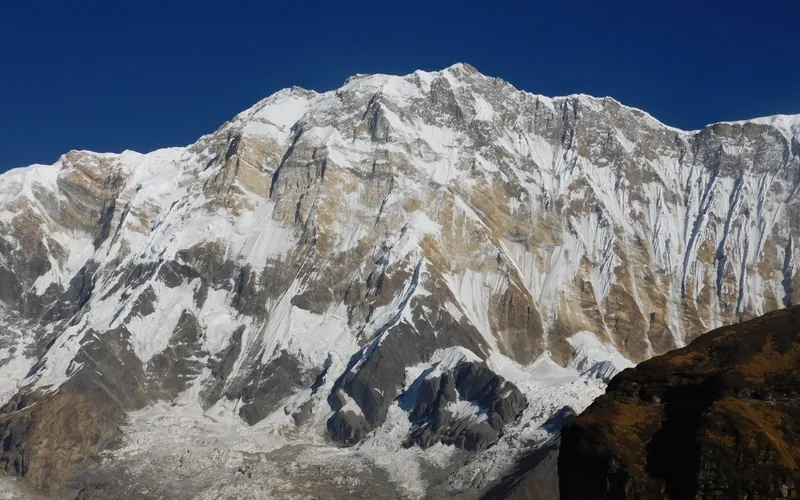
Annapurna I North Face (Herzog-Lachenal Route)
The North Face of Annapurna I is the historic first route ever climbed on an 8,000-meter peak, pioneered by French climbers Maurice Herzog and Louis Lachenal on June 3, 1950. Approached via the remote Miristi Khola valley, the route ascends the shattered North Annapurna Glacier, negotiates the terrifying avalanche-swept Sickle Glacier serac wall, and ascends steep snow gullies along the French Rib to gain the 8,091m summit.
Target Objective Peak
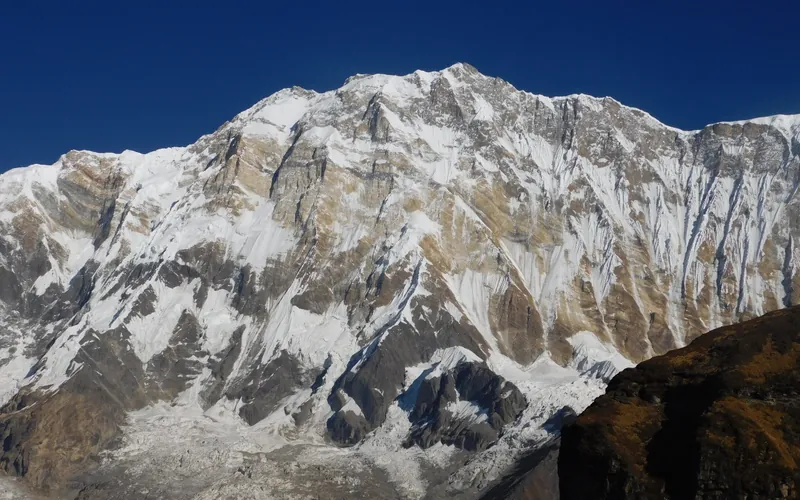

Annapurna I
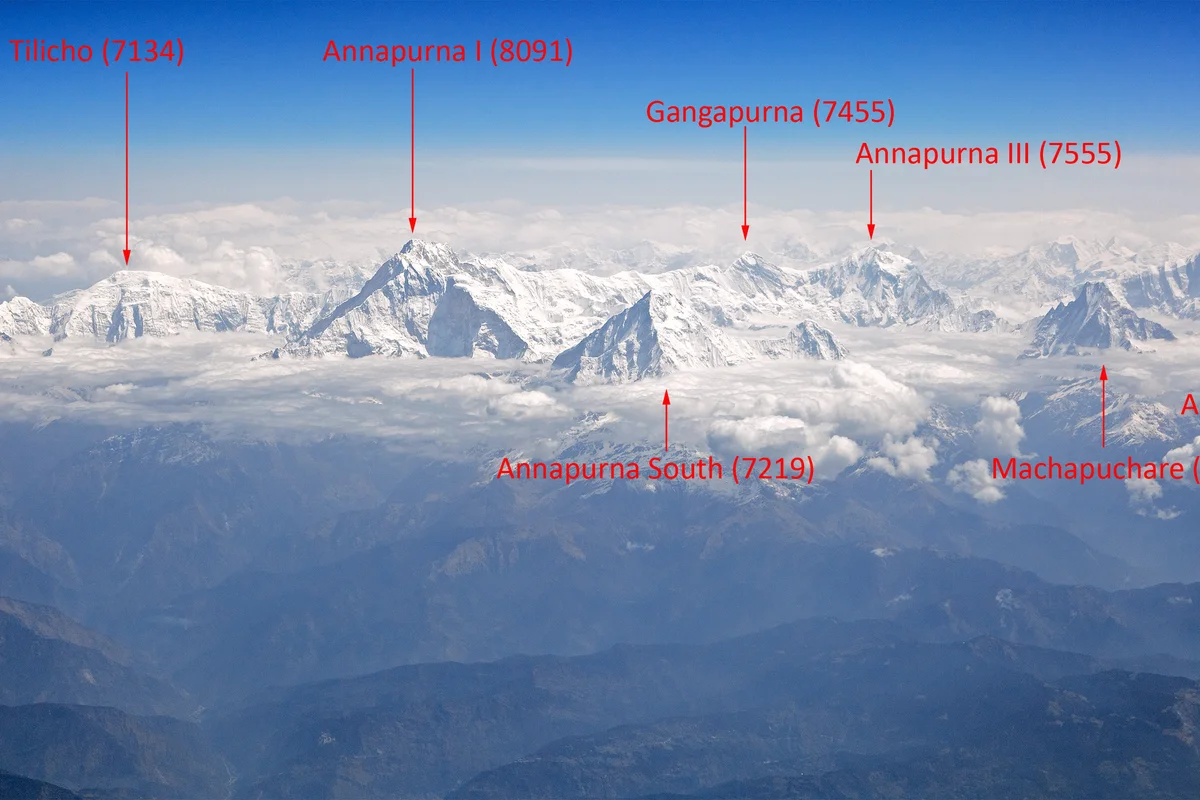
Annapurna I, at 8,091 meters (26,545 ft), is the tenth-highest mountain in the world and historically the first 8,000-meter peak ever summited (June 3, 1950 by Maurice Herzog and Louis Lachenal). Rising above the Annapurna Sanctuary, its north and south walls present extreme avalanche and serac fall hazards.
Featured Expedition Climbers
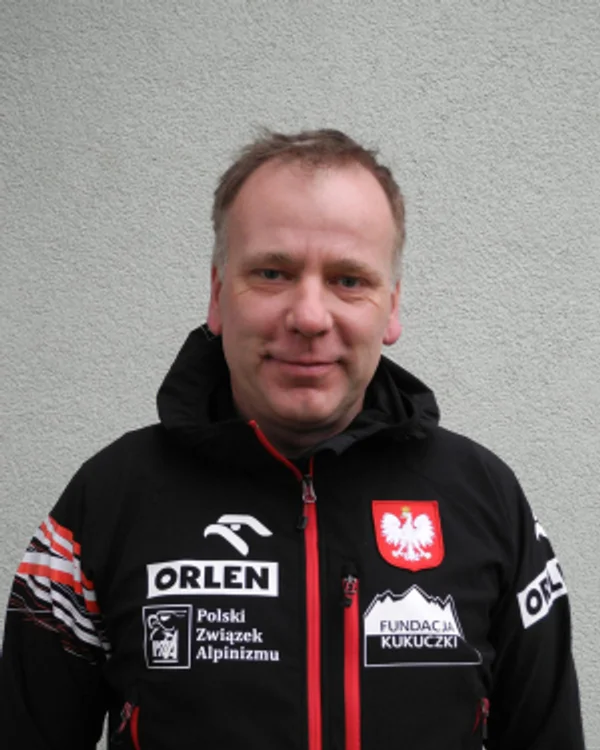
Artur Hajzer
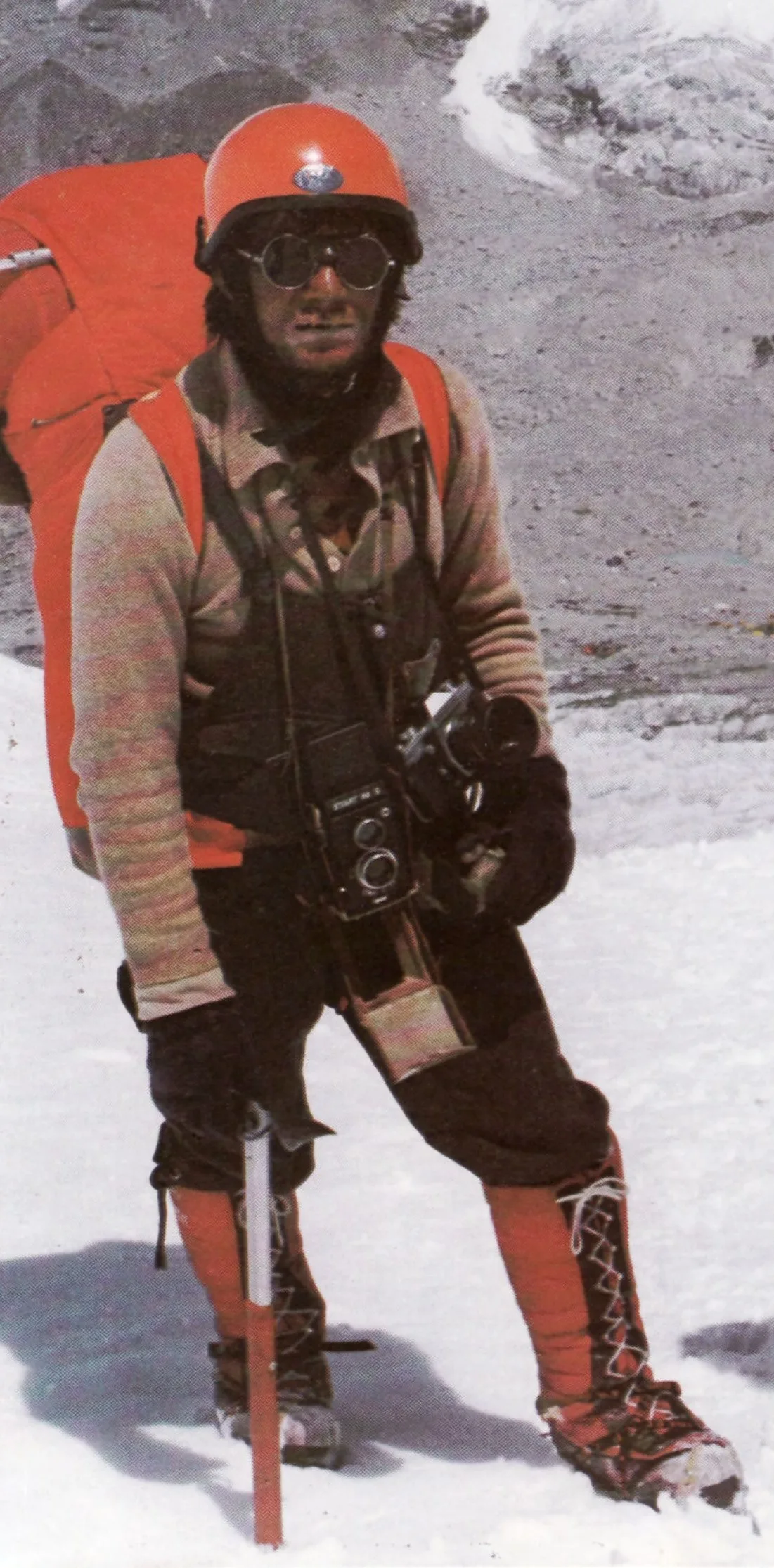
Artur Hajzer was born on June 28, 1962, in Zielona Góra, Poland, and began climbing at age fourteen in the Polish Jura and Tatras. Physically imposing, relentless in deep snow, and gifted with exceptional logistical talent, he earned the affectionate nickname 'Słoń' (The Elephant) among the Polish 'Ice Warriors'. In the mid-1980s, Hajzer became the primary climbing partner of legendary alpinist Jerzy Kukuczka, forming one of the most formidable duos in Himalayan history. Together with Kukuczka, Hajzer pulled off a sequence of audacious firsts. On February 3, 1987, Hajzer and Kukuczka achieved the historic first winter ascent of Annapurna I (8,091m), navigating the North Face in ferocious -40°C gales without supplemental oxygen. Later that same year, they opened a bold new technical route up the West Ridge of Shishapangma (8,027m) and conquered the East Ridge of Manaslu (8,163m). In 1989, Hajzer led the heroic international rescue mission on the West Ridge of Mount Everest, saving Andrzej Marciniak after five Polish climbers perished in a colossal avalanche on the Lho La. In the 2000s, realizing that Poland's golden era of winter alpinism was fading, Hajzer revitalized the national climbing community. In 2010, he launched the state-backed 'Polish Winter Himalayan Mountaineering 2010–2015' (Polski Himalaizm Zimowy) program, designed to discover, train, and support young Polish alpinists on unclimbed winter eight-thousanders. Under Hajzer's strategic directorship, Polish teams achieved the historic first winter ascents of Gasherbrum I (2012) and Broad Peak (2013). Tragically, on July 7, 2013, while descending the Japanese Couloir on Gasherbrum I during an alpine attempt, Hajzer suffered a fatal fall, leaving behind an immortal legacy as the visionary patron of winter Himalayan alpinism.
Jerzy Kukuczka
Jerzy Kukuczka was born on March 24, 1948, in Katowice, in the industrial heartland of Silesia, Poland. Working as an electrical technician in local coal mines, he found liberation and transcendence in the granite crags of the High Tatras during the 1960s. Despite severe material shortages under Communist rule, Kukuczka and his peers in the Katowice Mountaineering Club fabricated their own pitons, tents, and down parkas from discarded scraps. His immense physical stamina, quiet psychological resilience, and preternatural ability to withstand extreme cold soon set him apart from his contemporaries. Kukuczka burst onto the global mountaineering stage in 1979 with an ascent of Lhotse (8,516m) without supplemental oxygen. In the spring of 1980, he joined the Polish national expedition to Mount Everest led by Andrzej Zawada. Paired with Andrzej Czok, Kukuczka pioneered a daring new route up the South Pillar, summiting on May 19, 1980—his only 8,000-meter ascent using supplemental oxygen. The following year, in autumn 1981, he pulled off a stunning solo first ascent of Makalu (8,485m) via the Northwest Ridge, surviving multiple exposed bivouacs on the knife-edge crest in pure lightweight style. What distinguished Kukuczka from all other climbers was his refusal to repeat established normal routes. Between 1979 and 1987, he summited all fourteen 8,000-meter peaks in just under eight years—half the time it took Reinhold Messner. Remarkably, eleven of his fourteen ascents were accomplished by new routes, four were completed in the brutal depths of Himalayan winter, and one was executed completely solo. In winter 1985, he pulled off the near-impossible: after summiting Dhaulagiri I (8,167m) in winter on January 21, he raced across Nepal to join another team and made the first winter ascent of Cho Oyu (8,188m) on February 15—two winter 8,000m summits within 25 days. In July 1986, Kukuczka teamed up with Tadeusz Piotrowski to tackle the formidable South Face of K2 (8,611m). Over five grueling days in pure alpine style, they forced a direct route through catastrophic hanging seracs and vertical rock bands, establishing the 'Polish Line'. Reinhold Messner later famously termed the line 'suicidal'. Though they reached the summit on July 8, their descent down the Abruzzi Spur turned to tragedy when Piotrowski lost both crampons and plunged to his death, leaving Kukuczka to crawl into Base Camp alone and near death. The Polish Line has never been repeated. On September 18, 1987, Kukuczka summited Shishapangma (8,027m) via a new route on the Western Ridge, becoming the second person in history to climb all fourteen eight-thousanders. Reinhold Messner sent him a legendary congratulatory telegram: 'You are not the second; you are great.' At the 1988 Calgary Winter Olympics, Kukuczka was awarded the Silver Olympic Order for his mountaineering achievements. Driven by an unquenchable desire to test human limits, Kukuczka returned to Nepal in autumn 1989 to attempt the unclimbed 3,300-meter South Face of Lhotse—the 'Last Great Problem' of the Himalayas. On October 24, 1989, climbing at 8,200 meters near the summit headwall, a secondhand 7mm rope purchased in a Kathmandu bazaar snapped over a sharp rock rib. Kukuczka fell 2,000 meters into the abyss. His body remains entombed in the ice of Lhotse's South Face. He remains the undisputed benchmark for high-altitude suffering, boldness, and alpine creativity.
Associated Historical Chronicles & Stories
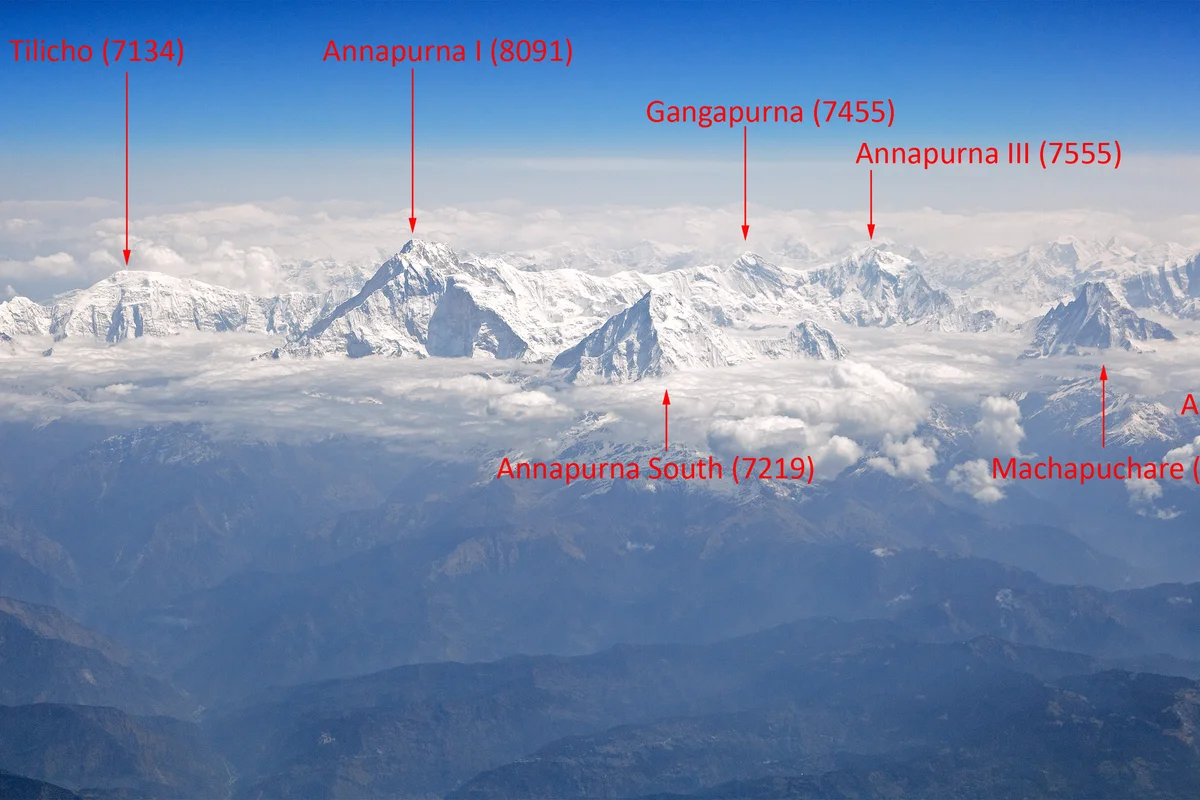
Cold Lightning: Artur Hajzer and Jerzy Kukuczka Conquer Annapurna in Winter
On February 3, 1987, Polish alpinists Artur Hajzer and Jerzy Kukuczka conquered Annapurna I in winter at -40°C, navigating blue ice and avalanche corridors without oxygen.
Documented Sources & Archival Citations
- American Alpine Journal: Annapurna Winter First Ascent by Artur Hajzer(American Alpine Club)
Supporting claim: Official expedition report and climb documentation for the first winter ascent of Annapurna I
Accessed/Documented: 1988 - My Vertical World: Climbing the 8000-Metre Peaks(Jerzy Kukuczka / Hodder & Stoughton)
Supporting claim: Detailed first-hand account of the winter summit push with Artur Hajzer
Accessed/Documented: 1992