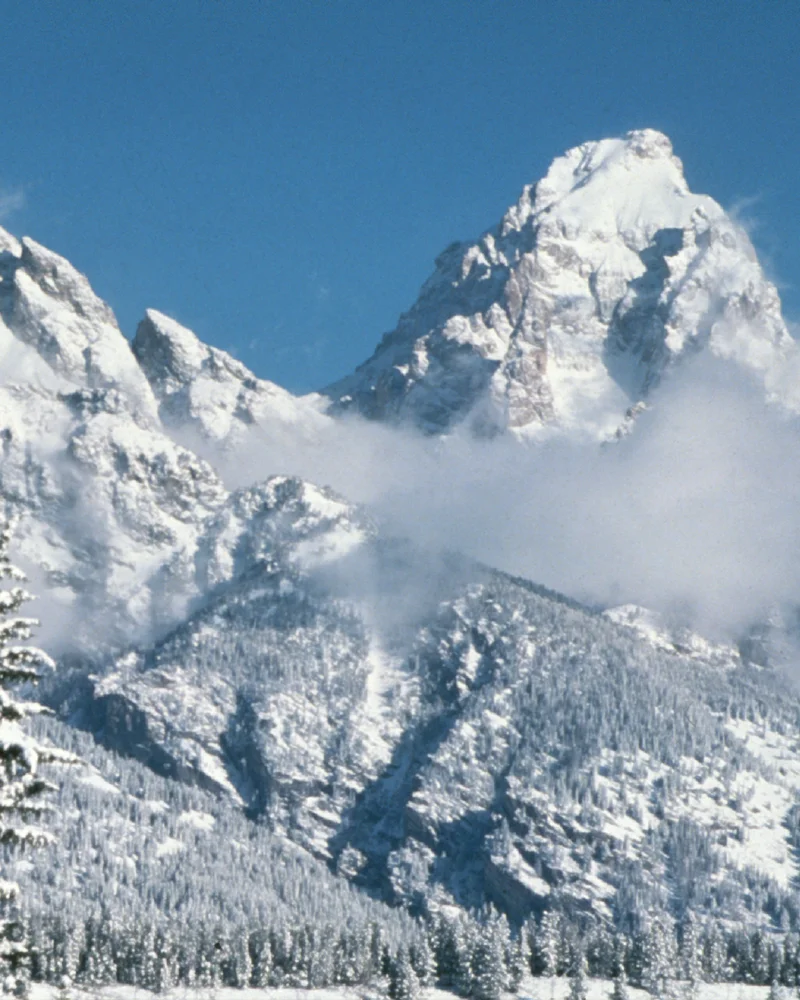
Paul Petzoldt
Paul Petzoldt was a towering American mountaineer, wilderness educator, and founder of the National Outdoor Leadership School. He achieved early pioneering ascents in Wyoming's Grand Tetons and reached 7,900 metres on K2 during the 1938 American Karakoram expedition without supplemental oxygen. His vision shaped modern wilderness leadership and outdoor safety across the globe.
Mountain Safety & Conditions Disclaimer: High-altitude climbing, glacial travel, and technical ascents entail severe objective risks including avalanches, serac collapses, rapid weather collapse, and altitude illness. Historical route descriptions and summit claims on Mountanity reflect documented archival sources and must not be used as live operational safety assessments. Local regulations, permits, and physical glacial topography change continuously.
Peer Review: Senior Editorial Board & Historical Reviewers • Editorial Standards
Biographical Record & Archival Chronicle
Born on January 16, 1908, in Creston, Iowa, Paul Petzoldt grew up working on farms in Idaho and Wyoming. In 1924, at just sixteen years of age, Petzoldt made a sensational ascent of the Grand Teton wearing cowboy boots, igniting a lifelong obsession with mountain exploration. By the early 1930s, Petzoldt had established Petzoldt's Climbing School in Jackson Hole and completed major first ascents across the Teton Range, including the North Face and East Ridge of the Grand Teton. In 1938, Petzoldt was chosen by Charles Houston as a lead climber for the first American Karakoram expedition to K2. Operating in pure expeditionary style, Petzoldt and Houston reached Camp VI at 7,900 metres on the Abruzzi Spur without supplemental oxygen, proving that American mountaineers could compete at the highest Himalayan levels. During the Second World War, Petzoldt served in the elite Tenth Mountain Division, training soldiers in alpine winter survival. In 1965, Petzoldt founded the National Outdoor Leadership School (NOLS) in Lander, Wyoming, and later established the Wilderness Education Association (WEA), pioneering modern principles of wilderness stewardship, group decision-making, and outdoor safety that transformed mountaineering education worldwide.
Notable Milestones & Ascents
- Founder of the National Outdoor Leadership School (NOLS) in 1965 and the Wilderness Education Association (WEA)
- Reached 7,900 metres on K2 during the 1938 American Karakoram expedition without supplemental oxygen
- Pioneered major early routes on the Grand Teton and founded Jackson Hole's first climbing school
- Instructor in the US Army 10th Mountain Division during World War II
- Author of The Wilderness Handbook (1974), establishing core outdoor safety and ethical guidelines
Key Statistics & Topographic Figures
- Lifespan
- January 16, 1908 – October 6, 1999 (Age 91)
- K2 1938 Altitude Reached
- 7,900 metres (Without supplemental oxygen)
- School Founded
- National Outdoor Leadership School (NOLS, 1965)
- Grand Teton Feat
- Summitted in cowboy boots at age 16 in 1924
- Military Service
- US Army 10th Mountain Division Instructor
Archival Primary Source Quotations
“Rules are for fools. A wilderness leader must possess judgment, awareness, and deep respect for the unforgiving mountain environment.”
Defined Alpine Terminology & Concepts
- Expedition Behavior
- A term coined by Paul Petzoldt denoting interpersonal cooperation, unselfishness, and group resilience under stressful wilderness conditions.
- Leave No Trace
- A set of outdoor ethics promoting responsible wilderness travel and camping that minimizes human impact on natural environments.
Frequently Asked Questions: Paul Petzoldt
Who was Paul Petzoldt in American mountaineering history?
Paul Petzoldt was a seminal American mountaineer, wilderness educator, and founder of the National Outdoor Leadership School (NOLS).
What was Paul Petzoldt's historic achievement on K2 in 1938?
During the 1938 American Karakoram expedition, Petzoldt reached Camp VI at 7,900 metres on K2's Abruzzi Spur without supplemental oxygen.
What outdoor institution did Paul Petzoldt establish in 1965?
He founded the National Outdoor Leadership School (NOLS) in Lander, Wyoming, to train outdoor leaders in wilderness safety and ethics.
What climbing school did Paul Petzoldt establish in the Grand Tetons?
In the early 1930s, Petzoldt established Petzoldt's Climbing School in Jackson Hole, pioneering commercial guiding on the Grand Teton.
What military service did Paul Petzoldt perform during World War II?
He served as an alpine winter survival and mountain evacuation specialist in the elite US Army 10th Mountain Division.
What other organization did Petzoldt co-found in 1977?
He co-founded the Wilderness Education Association (WEA) to promote standardized wilderness curriculum for colleges and universities.
What famous handbook on outdoor leadership did Paul Petzoldt write?
He authored The Wilderness Handbook in 1974, setting foundational guidelines for outdoor expedition planning, safety, and leadership.
When was Paul Petzoldt born and when did he pass away?
He was born on January 16, 1908, in Creston, Iowa, and passed away on October 6, 1999, in Portland, Maine, at age 91.
Associated Summits (1)
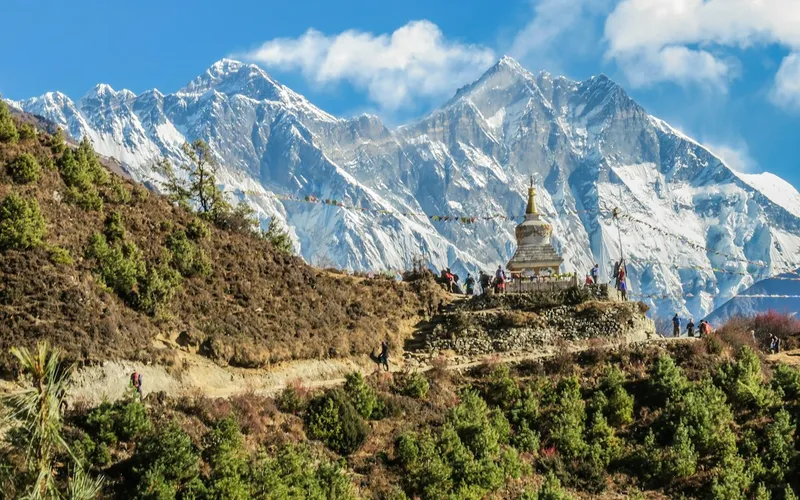


K2
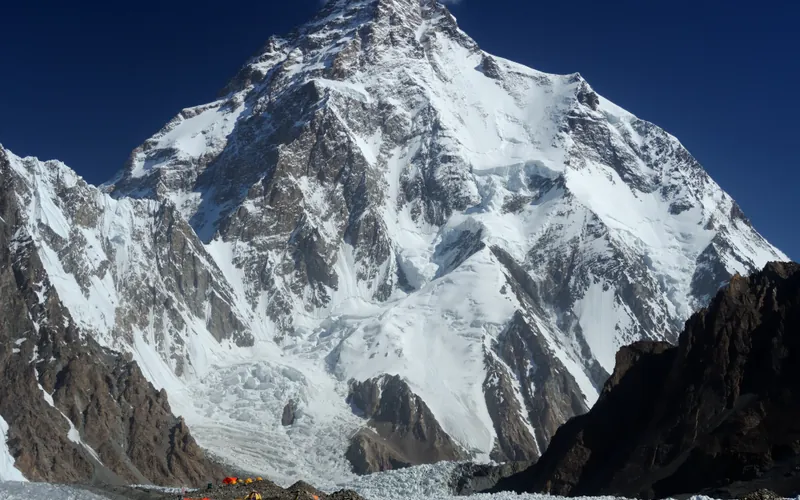
K2, at 8,611 meters (28,251 ft), is the second-highest mountain on Earth and widely regarded as the most technically demanding and lethal 8,000-meter peak. Located in the heart of the Karakoram on the border between Pakistan and China, K2 is characterized by sheer relief, severe weather anomalies, and persistent objective hazards including the notorious Bottleneck couloir.
Pioneered & Associated Routes (3)
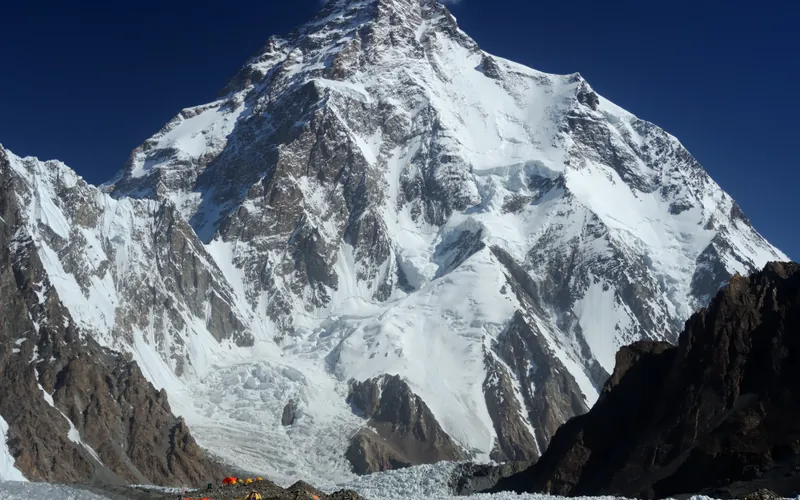
Abruzzi Spur (Southeast Ridge)
The Abruzzi Spur is the most famous and frequently climbed route on K2, tracing the mountain's steep southeast ridge from the Godwin-Austen Glacier to the summit. First explored in 1909 by Prince Luigi Amedeo, Duke of the Abruzzi, it was successfully climbed to the summit in 1954 by an Italian team. The route requires extreme physical endurance and high-grade technical climbing on rock, ice, and mixed terrain through legendary cruxes like House's Chimney, the Black Pyramid, and the Bottleneck couloir.
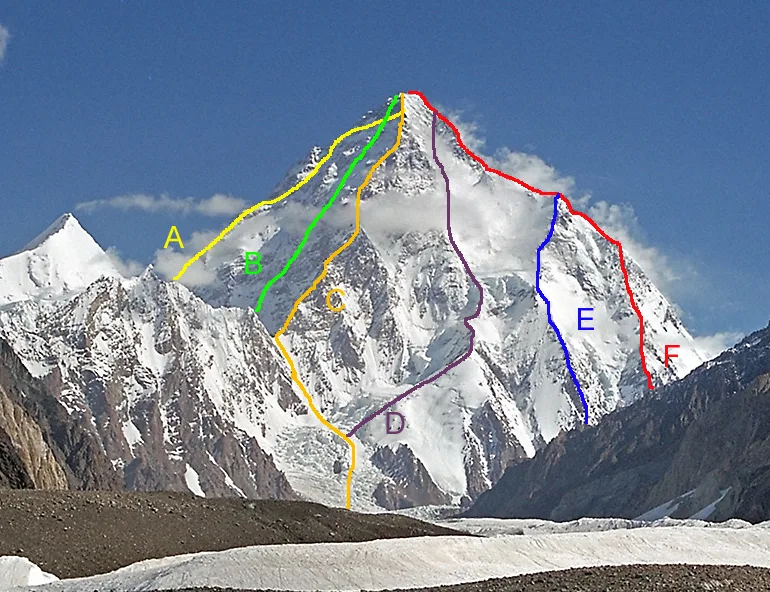
K2 South Face (The Polish Line)
The Polish Line on the South Face of K2 (8,611m) is widely regarded as one of the most perilous and audacious routes ever climbed in high-altitude mountaineering history. Tackling the direct 3,200-meter wall between the Abruzzi Spur and the Magic Line (South-Southwest Pillar), the route ascends through a chaotic labyrinth of hanging seracs, avalanche funnels, and vertical rock bands. Pioneered in alpine style over five harrowing days in July 1986 by Jerzy Kukuczka and Tadeusz Piotrowski without supplemental oxygen, Reinhold Messner famously dubbed it 'suicidal'. Kukuczka and Piotrowski reached the summit on July 8, but tragedy struck during their desperate descent via the Abruzzi Spur when Piotrowski lost both crampons and plunged to his death. To this day, the Polish Line remains unrepeated.
West Ridge (Japanese Route)
The West Ridge of K2 is one of the most formidable and sustained technical lines in high-altitude mountaineering. Pioneered in August 1981 by a joint Japanese-Pakistani expedition, it ascends directly from the Savoia Glacier along the exposed western crest before negotiating the severe Southwest Face directly into the Death Zone. Demanding immense commitment, it was first completed by Pakistani mountaineer Nazir Sabir and Japanese climber Eiho Ohtani after an epic bivouac near 8,500 meters.
Documented Sources & Archival Citations
- American Alpine Journal: The First American Karakoram Expedition to K2 (1939)(American Alpine Club)
Supporting claim: Official expedition journal by Charles Houston documenting Petzoldt's summit bid on K2
Accessed/Documented: 2026 - The Wilderness Handbook(Paul Petzoldt / W. W. Norton & Company)
Supporting claim: Foundational outdoor education and wilderness risk management textbook
Accessed/Documented: 2026