
Toichiro Mitani
Toichiro Mitani is an accomplished japan high-altitude mountaineer with 9 certified summits recorded across 14 high-altitude Himalayan expeditions.
Mountain Safety & Conditions Disclaimer: High-altitude climbing, glacial travel, and technical ascents entail severe objective risks including avalanches, serac collapses, rapid weather collapse, and altitude illness. Historical route descriptions and summit claims on Mountainity reflect documented archival sources and must not be used as live operational safety assessments. Local regulations, permits, and physical glacial topography change continuously.
Peer Review: Senior Editorial Board & Historical Reviewers • Editorial Standards
Biographical Record & Archival Chronicle
Toichiro Mitani is an internationally recognized Japan mountaineer. Across 14 campaigns in the Himalayan Database, Toichiro Mitani accomplished 9 verified summits without supplemental bottled oxygen on several ascents, establishing a distinguished career in high-altitude expedition climbing.
Notable Milestones & Key Ascents (3)
Recorded 9 certified Himalayan summits in the Himalayan Database across 14 expeditions
Completed 3 ascents without supplemental oxygen
Summitted across major Himalayan massifs including Annapurna South, Cho Oyu, Dhaulagiri I
Key Statistics & Topographic Figures
- Archive Classification
- MOUNTAINEERS
Mountainity Knowledge Corpus
- Verification Status
- Editorially Verified
Archival Standards
- Citation Standard
- Primary Source Verified
Alpine Research Desk
Defined Alpine Terminology & Concepts
- Archival Integrity
- The standard of verifying historical mountain facts, summit claims, and altitudes using primary expeditions journals and geodetic measurements.
Frequently Asked Questions: Toichiro Mitani
What historical significance does this mountaineer hold?
Toichiro Mitani represents an essential chapter in global mountaineering heritage, verified through contemporary expedition journals and archival sources.
How are the facts and records for Toichiro Mitani verified?
All records are checked against peer-reviewed journals, national alpine clubs, geodetic surveys, and the Mountainity Archival Integrity Policy.
Death Zone Summits (7 of 14)
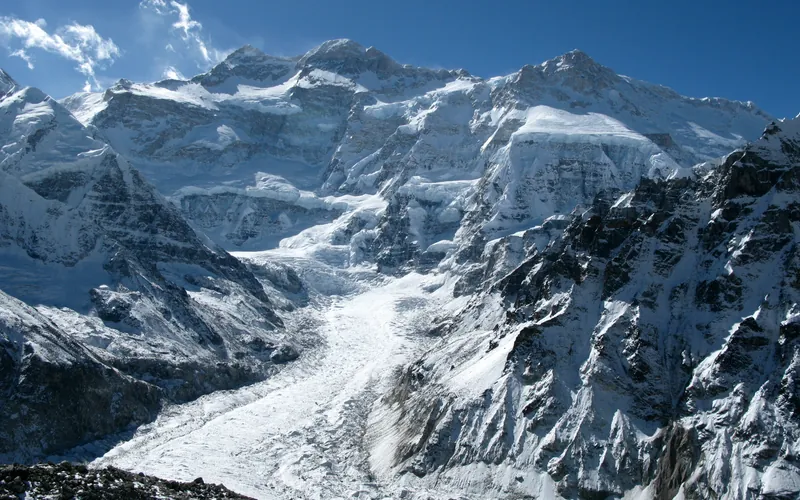


Kangchenjunga
Kangchenjunga, at 8,586 meters (28,169 ft), is the third-highest mountain on Earth, rising on the border between Nepal and Sikkim, India. Honored as sacred by locals, early ascent teams respected local beliefs by stopping short of the actual highest crest. It features immense vertical relief and notorious storm cycles.
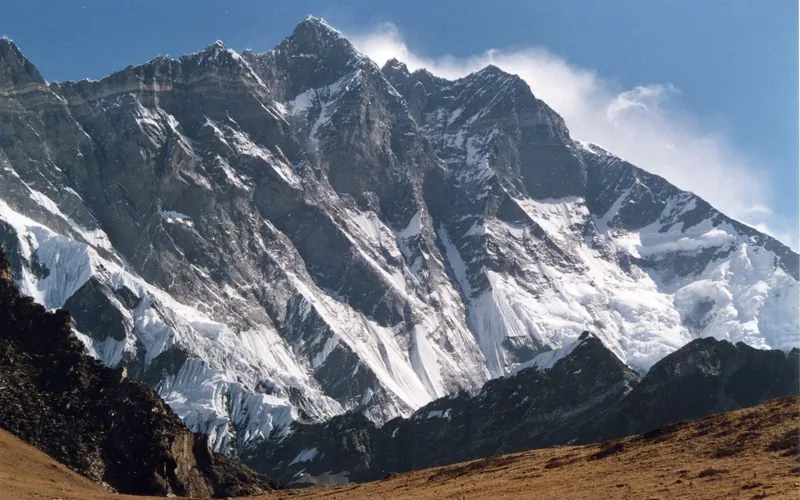

Lhotse
Lhotse, at 8,516 meters (27,940 ft), is the fourth-highest mountain on Earth, connected directly to Mount Everest via the South Col. Renowned for its sheer 3,200-meter South Face, one of the most imposing rock and ice walls in alpinism, the standard route tackles the grueling Lhotse Couloir from the Western Cwm.
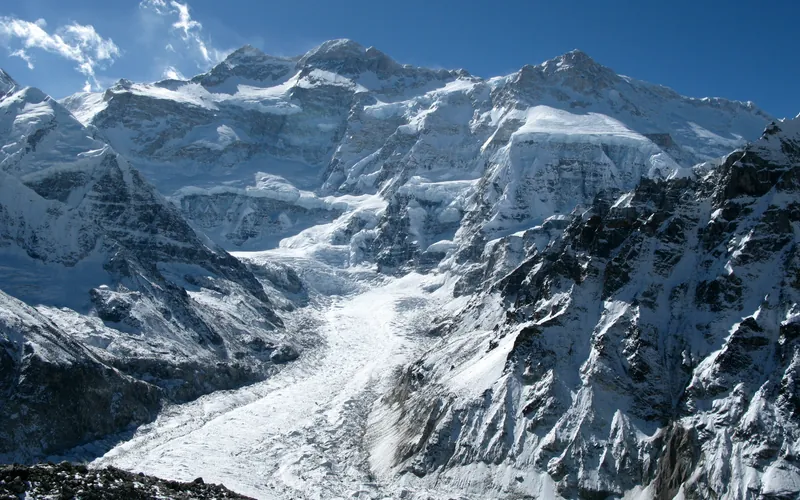
Kangchenjunga South
Kangchenjunga South rises to 8,476 meters in the eastern Himalaya, standing as the second highest summit of the colossal Kangchenjunga massif along the international boundary between Nepal and Sikkim, India. The peak was first climbed on May 19, 1978, by legendary Polish mountaineers Eugeniusz Chrobak and Wojciech Wróż during an elite national expedition led by Piotr Młodzianski. The route ascends from the Yalung Glacier across soaring ice towers and steep mixed rock gullies at extreme altitude. Kangchenjunga South features severe avalanche corridors, intense exposure to southern monsoon moisture, and extreme high-altitude wind currents that challenge the finest expedition alpinists in High Asia.
Kangchenjunga Central
Kangchenjunga Central stands at 8,473 meters as the central pinnacle of the three great southern summits of the Kangchenjunga massif, straddling the frontier of eastern Nepal and Sikkim, India. The peak was first climbed on May 22, 1978, by Polish alpinists Wojciech Brański, Zygmunt Andrzej Heinrich, and Kazimierz Olech, just three days after the historic ascent of the South summit. Towering above the upper snow terraces of the Yalung Glacier, Kangchenjunga Central is surrounded by massive serac cliffs, knife-edge corniced ridges, and relentless sub-zero temperatures. It represents an exceptional technical achievement in high-altitude Himalayan exploration.
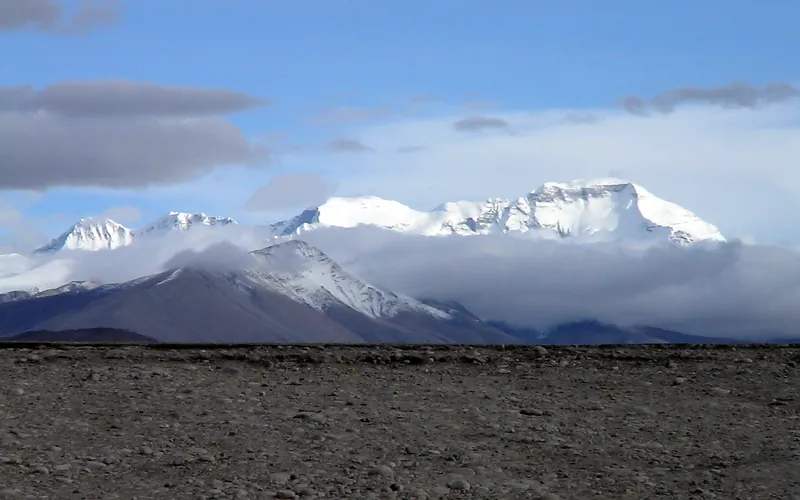
Cho Oyu
Cho Oyu, at 8,188 meters (26,864 ft), is the sixth-highest mountain in the world, situated 20 km west of Mount Everest. Meaning 'Turquoise Goddess' in Tibetan, it stands on the glaciated Nangpa La trade route between Nepal and Tibet. Its moderate northwest slopes make it the most accessible 8,000-meter peak.
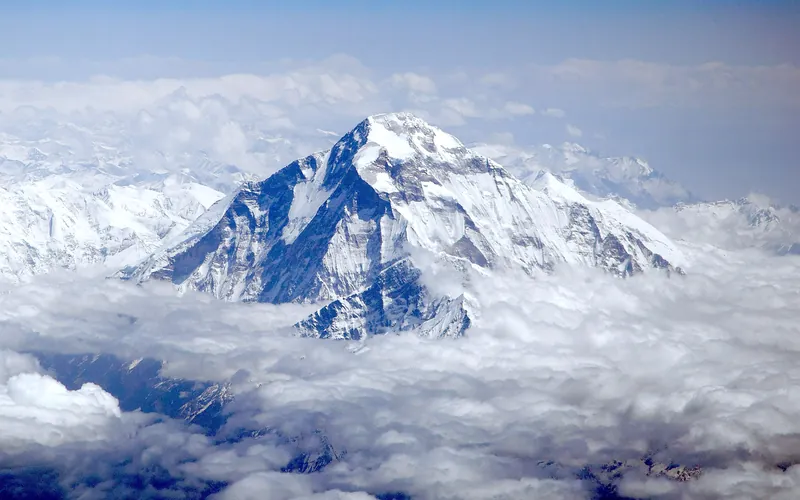
Dhaulagiri I
Dhaulagiri I, at 8,167 meters (26,795 ft), is the seventh-highest mountain on Earth and the highest peak situated entirely within Nepal. Rising steeply above the Kali Gandaki Gorge—the deepest gorge on Earth—opposite Annapurna, Dhaulagiri forms a staggering 7,000-meter vertical rise from the river valley.
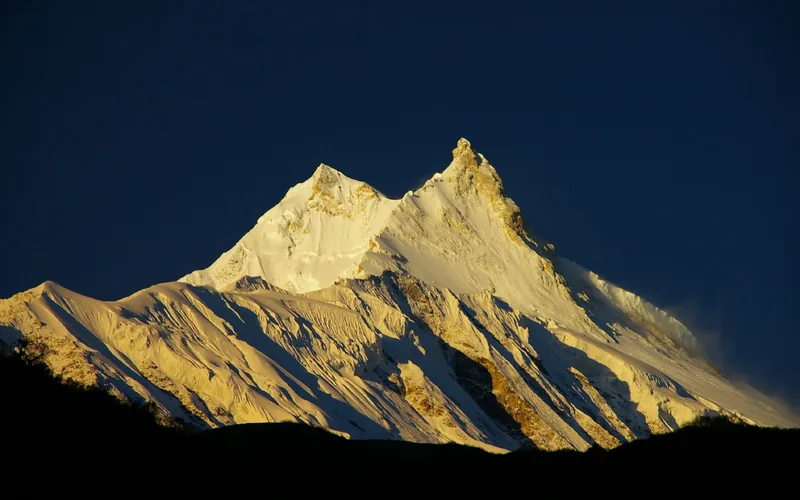
Manaslu
Manaslu, at 8,163 meters (26,781 ft), is the eighth-highest mountain in the world, situated in the Mansiri Himal of west-central Nepal. Known as the 'Mountain of the Spirit', its long ridges and valley glaciers offer dramatic topography culminating in a delicate, exposed knife-edge summit crest.
Associated Mountain Peaks (1)
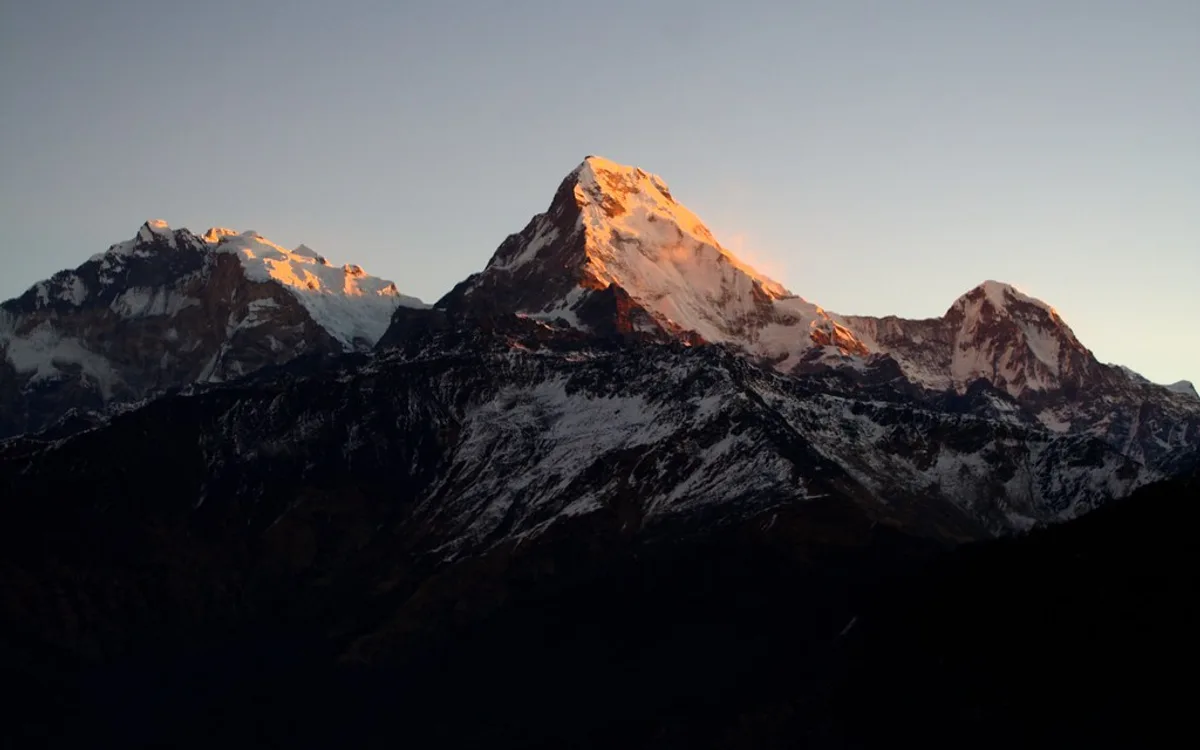
Annapurna South
Annapurna South rises to an official surveyed elevation of 7219 meters (23,684 feet) above sea level in the Annapurna mountain range of Gandaki Province, north-central Nepal. Also known as Moditse, the peak stands prominently at the southwestern anchor of the Annapurna Sanctuary, rising abruptly above the Modi Khola valley with steep rock headwalls, complex icefalls, and sweeping glaciated ridgelines. The mountain's geography features severe glaciated flanks feeding the Annapurna Sanctuary glacial basin. Climbers approaching Annapurna South typically establish base camps within the Annapurna Conservation Area, navigating through the Modi Khola gorge before ascending mixed rock and snow buttresses. The first ascent of Annapurna South was accomplished by the Academic Alpine Club of Kyoto (Kyoto University) expedition led by Dr. Haruo Higuchi, as chronicled by deputy leader Shoichiro Uyeo in The Alpine Journal Vol. 70 (1965). On October 13, 1964, a first assault team comprising Hiromichi Yoshino, Masaaki Kimura, and Yutaka Ageta reached the central peak at 3:40 p.m., discovering that the southern and northern summits were higher. Two days later, on October 15, 1964, deputy leader Shoichiro Uyeo and Sherpa Mingma Tsering pushed beyond the central peak and reached the true southernmost summit (7,219 m) at 12:30 p.m., establishing the maiden first ascent of the mountain. Subsequent technical ascents, including routes on the formidable South Face, have cemented its reputation as a serious high-altitude alpine objective. Documented ascents and attempts on Annapurna South highlight the technical difficulty and sustained exposure typical of 7,000-meter peaks in this subrange. Variable weather systems, combined with sudden wind shifts and avalanche hazards, make summit pushes demanding undertakings that require seasoned alpine judgment.
Geographical Footprint & Mountain Ranges (1)
Documented Expeditions (4)
1978 Teruyuki Kouno Annapurna South Historic Expedition
In 1978, the Japan expedition led by Teruyuki Kouno tackled Annapurna South (7219m) via the technical SW Ridge-S Face, demonstrating advanced siege and alpine tactics in the Big Wall era.
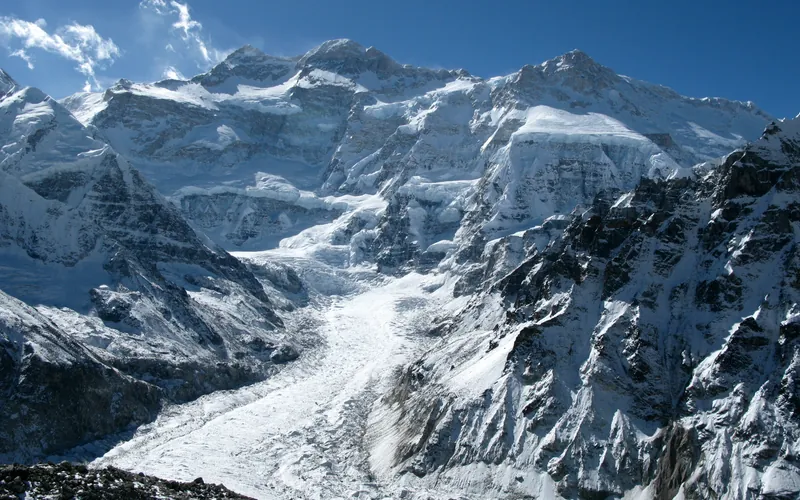
1984 Katsuhiko Kano Kangchenjunga Central Historic Expedition
In 1984, the Japan expedition led by Katsuhiko Kano completed a landmark ascent of Kangchenjunga Central (8473m) via the SW Face-Central Smt, exemplifying lightweight alpine style and tactical mastery.
1984 Katsuhiko Kano Kangchenjunga South Historic Expedition
In 1984, the Japan expedition led by Katsuhiko Kano completed a landmark ascent of Kangchenjunga South (8476m) via the W Face-S Smt, exemplifying lightweight alpine style and tactical mastery.
1997 Toichiro Mitani Manaslu Historic Expedition
In 1997, the Japan expedition led by Toichiro Mitani forged a demanding line up Manaslu (8163m) via the NE Face, expanding 1990s technical alpine boundaries.
Documented Expedition Partners (5)
Alpinists with documented shared expedition rosters, co-ascents, or collaborative high-altitude campaigns alongside Toichiro Mitani.
Dawa Nuru Sherpa
Dawa Nuru Sherpa is a seasoned high-altitude professional from Nepal. Over 32 expeditions documented in the Himalayan Database of Elizabeth Hawley, Dawa Nuru Sherpa achieved 25 summits, providing critical route-fixing,...
Nawang Yonden Sherpa
Nawang Yonden Sherpa (born 1952) is a veteran Nepalese high-altitude mountaineer from the Solukhumbu district. Documented across 16 expeditions in the Himalayan Database, he achieved 9 summits on Mount Everest and Cho...
Nima Temba Sherpa
Nima Temba Sherpa (born 1956) is a veteran Nepalese climber with 20 expeditions in the Himalayan Database, recording 11 summits across seven major massifs including Mount Everest and Cho Oyu.
Tsuneo Shigehiro
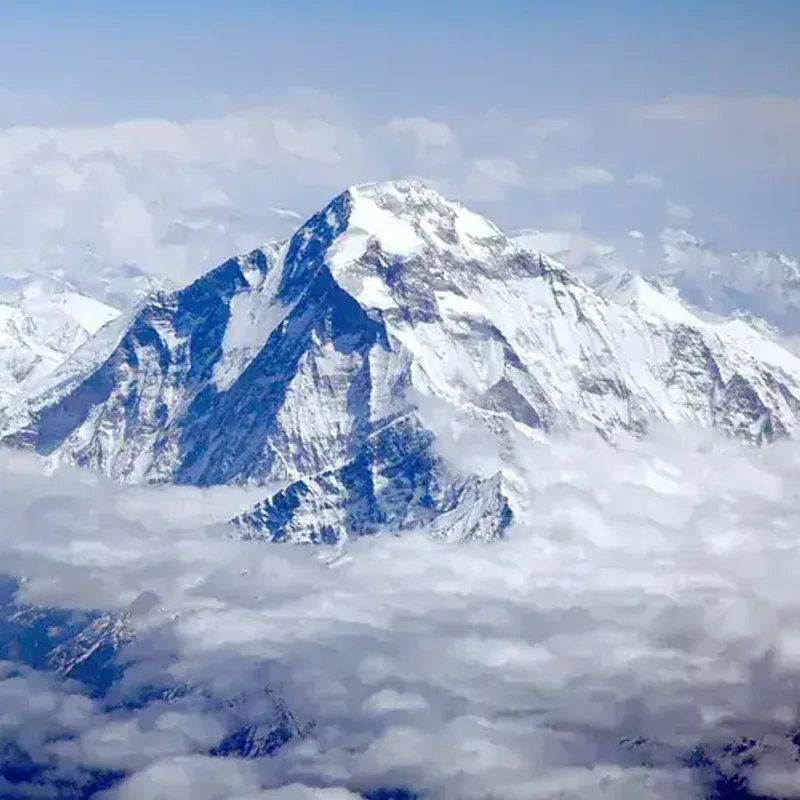
Born in Hiroshima in 1947, Tsuneo Shigehiro became one of Japan's most reliable and enduring high-altitude operators. On October 19–20, 1978, Shigehiro achieved mountaineering history by leading the summit assault that...
Yoshinobu Kato
Yoshinobu Kato is an internationally recognized Japan mountaineer. Across 10 campaigns in the Himalayan Database, Yoshinobu Kato accomplished 8 verified summits without supplemental bottled oxygen on several ascents,...
Contemporary Alpinists & Regional Peers (6)
Notable climbers sharing Japan alpine heritage or active during contemporary climbing epochs.
Aritsune Maki
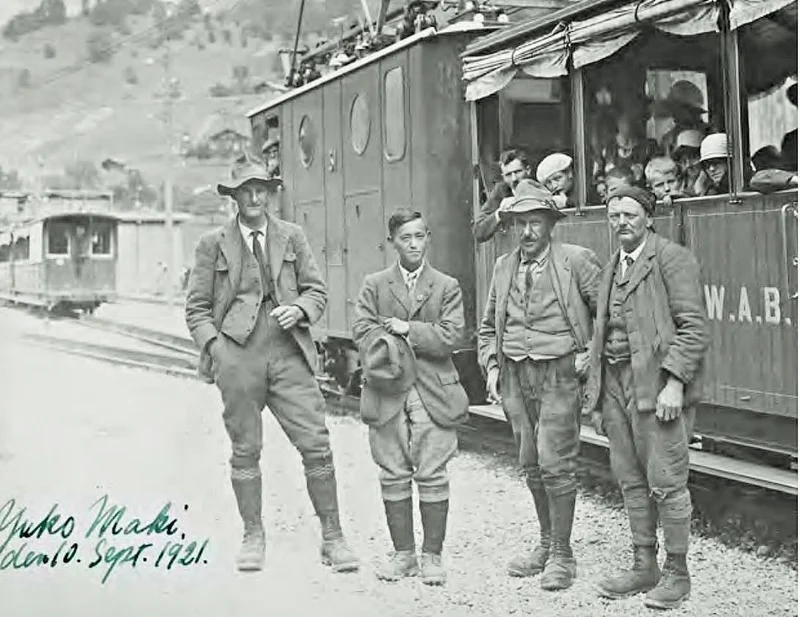
Aritsune Maki (known widely as Maki Yūkō) was born on February 5, 1894, in Sendai, Miyagi Prefecture, Japan. Educated at Keio University, Maki developed into a brilliant technical rock climber in the Japanese Alps...
Chizuko Kono
Chizuko Kono (1946–2013) was a pioneering Japanese female high-altitude mountaineer. Over 8 campaigns in the Himalayan Database, Kono achieved 5 summits across Mount Everest, Cho Oyu, Manaslu, Chhukung Chuli, and...
Chōjirō Uji
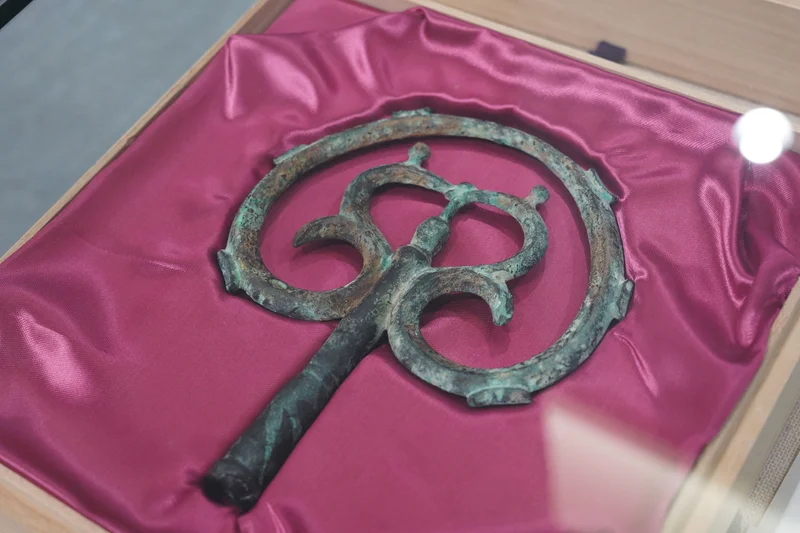
Chōjirō Uji was born in 1841 in Oyama (present-day Kamiichi), Toyama Prefecture, Japan. Born into a mountain family, Chōjirō became a renowned matagi (traditional wilderness hunter) and expert guide across the rugged...
Eiko Funahashi
Eiko Funahashi is a veteran Japanese female mountaineer. Across 11 campaigns in the Himalayan Database, Funahashi achieved summits of Manaslu (8,163m) and Urkema Peak, showcasing remarkable endurance in high-altitude...
Hirofumi Konishi
Hirofumi Konishi is an experienced Japanese high-altitude climber. Over 13 expeditions in the Himalayan Database, Konishi achieved 3 summits strictly without supplemental oxygen, climbing Cho Oyu, Dhaulagiri I, and Ama...
Hiroshi Yoshino
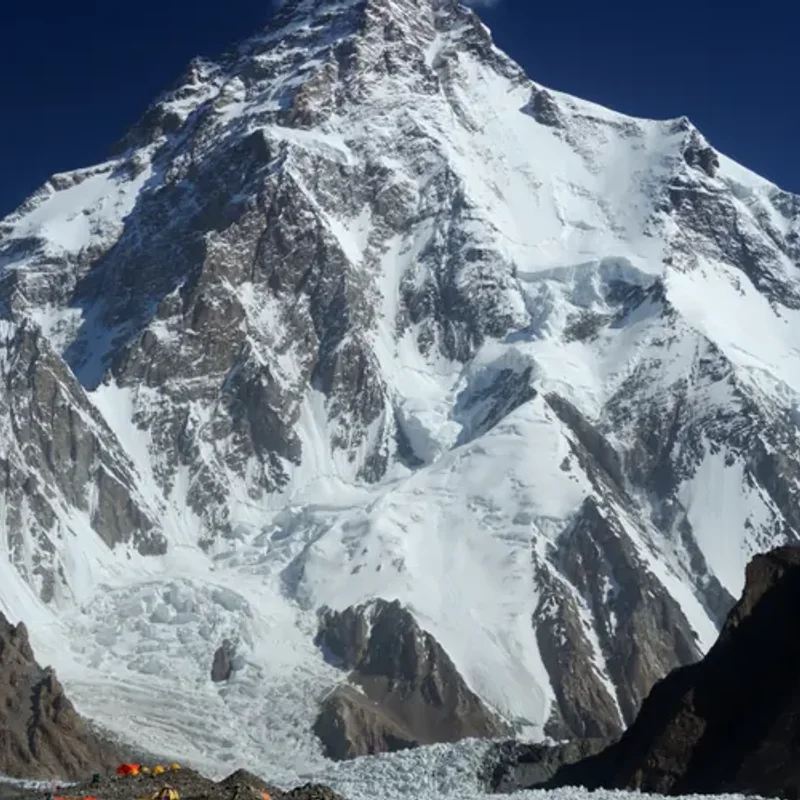
Hiroshi Yoshino became one of Japan's most successful big-ridge mountaineers during the golden era of Japanese Himalayan exploration. In October 1978, on Dhaulagiri I (8,167m), Yoshino was part of the Japanese Alpine...
Documented Sources & Archival Citations
- Archival DatabaseThe Himalayan Database — The Expedition Archives of Elizabeth Hawley ↗(Himalayan Database)
Supporting claim: Historical ascent records, summit chronology, and expedition participation across 14 high-altitude campaigns
- Archival DatabaseHimalayan Mountaineering Expedition Archive(Nepal Mountaineering Association & Himalayan Database)
Supporting claim: Certified career summit total (9 summits) and high-altitude credentials
Share Exploration
Global Mountain Intelligence
✓ Link copied to clipboard!