
First Ascent: 1949
Paldor
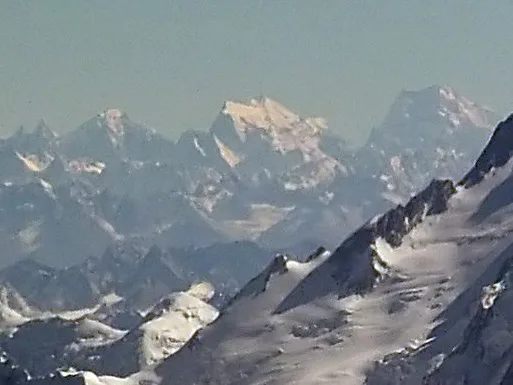
Paldor (5,903m) anchors the southern ramparts of the Ganesh Himal, historically climbed in 1949 during Bill Tilman's pioneering reconnaissance of central Nepal.
Explore Peak & Routes
Verified technical profiles, elevation data, historic first ascents, and routes for peaks across the Karakoram, Himalayas, Hindu Kush, and beyond.
Filter by mountain range, sovereign country, elevation threshold, or instant search.
No documented peaks match your current filter combination.
Paldor (5,903m) anchors the southern ramparts of the Ganesh Himal, historically climbed in 1949 during Bill Tilman's pioneering reconnaissance of central Nepal.
Ramdung (5,900m) is an expansive snow peak in the remote Rolwaling Valley, offering an unmatched vantage point facing the sacred twin towers of Gaurishankar.
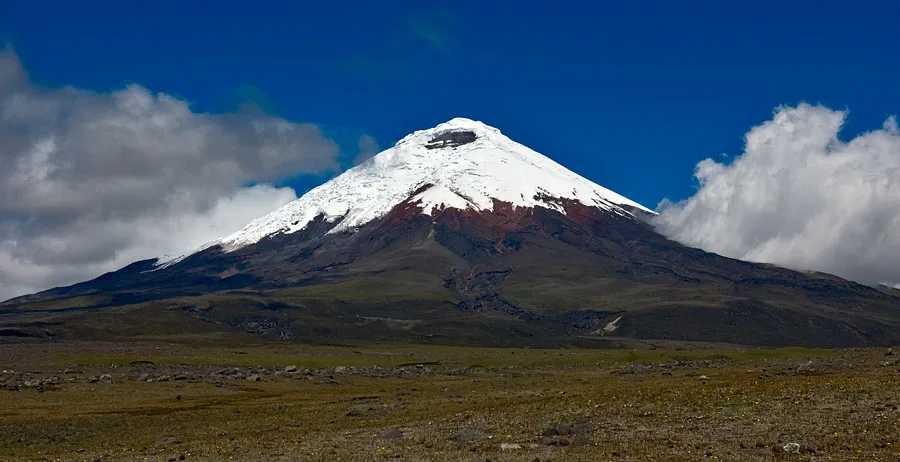
Volcán Cotopaxi is a near-perfect symmetrical stratovolcano rising to 5,897 metres in the Eastern Cordillera of the Ecuadorian Andes. One of the highest historically active volcanoes on Earth, its snow-mantled cone encases an 800-metre-wide crater emitting sulfurous steam vents and fumaroles. The volcano was first climbed on November 28, 1872, by German geologist Wilhelm Reiss and Colombian-Ecuadorian explorer Ángel María Escobar, who spent hours surveying the inner crater rim.
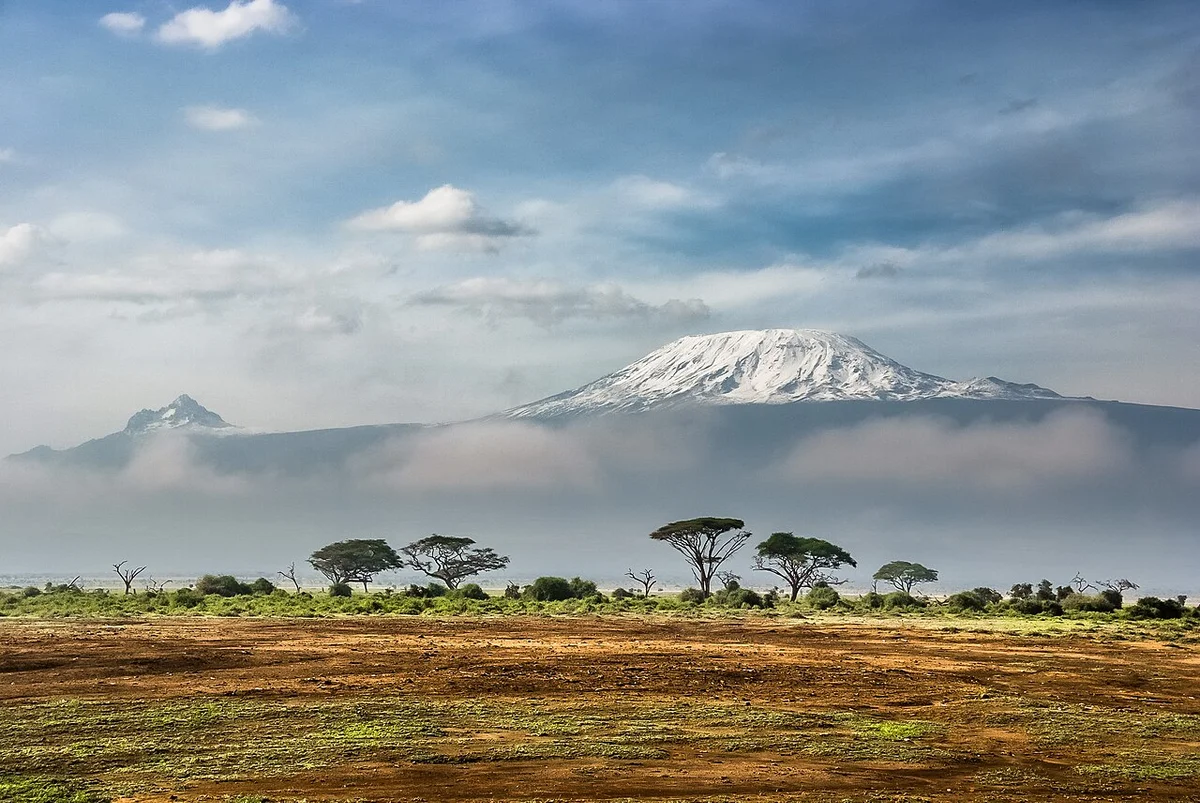
Mount Kilimanjaro is the highest mountain in Africa, the highest free-standing mountain in the world, and one of the Seven Summits, soaring to 5,895 metres (19,341 ft) above the plains of northeastern Tanzania. Consisting of three distinct volcanic cones—Kibo, Mawenzi (5,149 m), and Shira (4,005 m)—its summit at Uhuru Peak was first reached on October 6, 1889, by German geographer Hans Meyer, Austrian alpine pioneer Ludwig Purtscheller, and local Chagga mountain scout Yohani Lauwo.
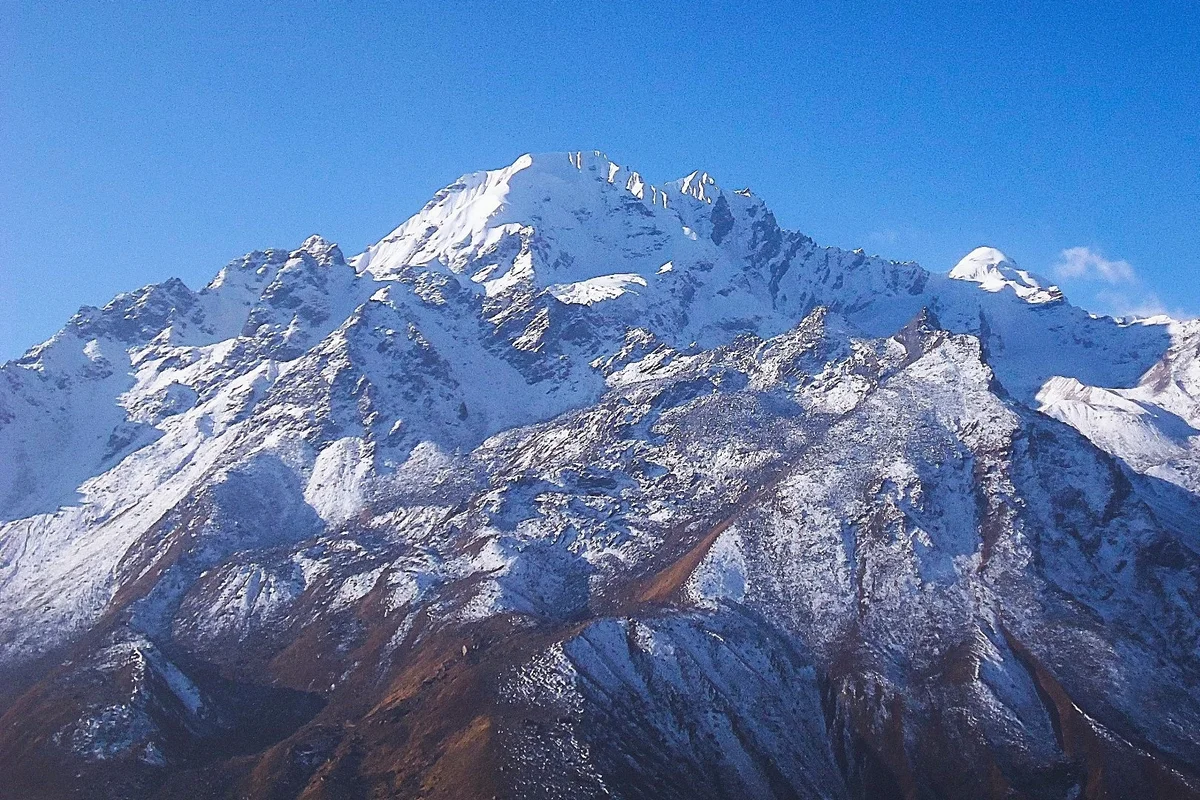
Urkema (5,890m) is an aesthetic rock and ice horn positioned west of Ganja La in the Langtang region, offering challenging alpine climbing away from crowded trails.
Naya Kanga (5,863m), prominently guarding the high Ganja La crossing in Langtang, is a classic glaciated peak offering dramatic views of Langtang Lirung and Shishapangma.
Chhukung Tse (5,833m) rises above Chhukung village on the Nuptse glacier rim, offering high-angle scrutiny of Nuptse's knife-edge ridges and the Baruntse wilderness.
Shingu Charpa is a colossal granite monolith rising directly out of the Nangma Valley in Baltistan. Renowned for its sheer 1,600-meter North Ridge—one of the longest and most perfect granite ridgelines on the planet—it is an international icon of technical big-wall alpinism.
Khongma Tse (5,798m) commands the high Kongma La pass in the Khumbu region, providing an exceptional panoramic perspective on Nuptse, Lhotse, and Makalu.
Pokalde (5,780m), also designated Dolma Ri, is an accessible trekking peak situated southwest of Kongma La in the Khumbu, offering unobstructed views of Makalu and Ama Dablam.
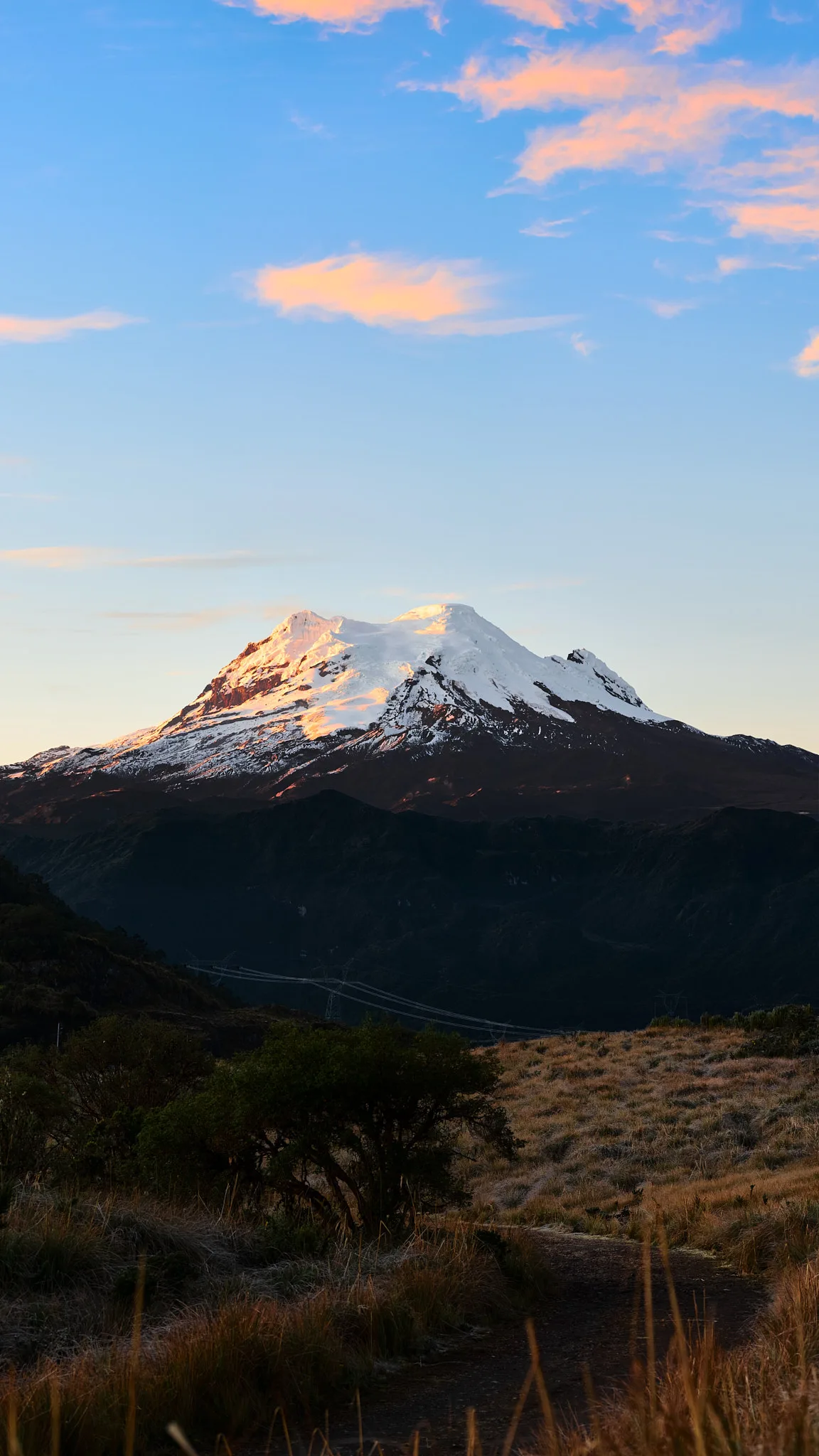
Volcán Antisana is an imposing, heavily glaciated 5,753-metre stratovolcano in the Cordillera Real of Ecuador, renowned for its complex glacier maze, massive seracs, and yawning crevasse fields. Widely recognized as one of the most technically demanding volcanic massifs in the northern Andes, Antisana was first climbed on March 10, 1880, by Edward Whymper, Louis Carrel, and Jean-Antoine Carrel. In 1906, pioneering Ecuadorian polymath Nicolás Martínez led the first national ascent, cementing modern Ecuadorian alpinism.
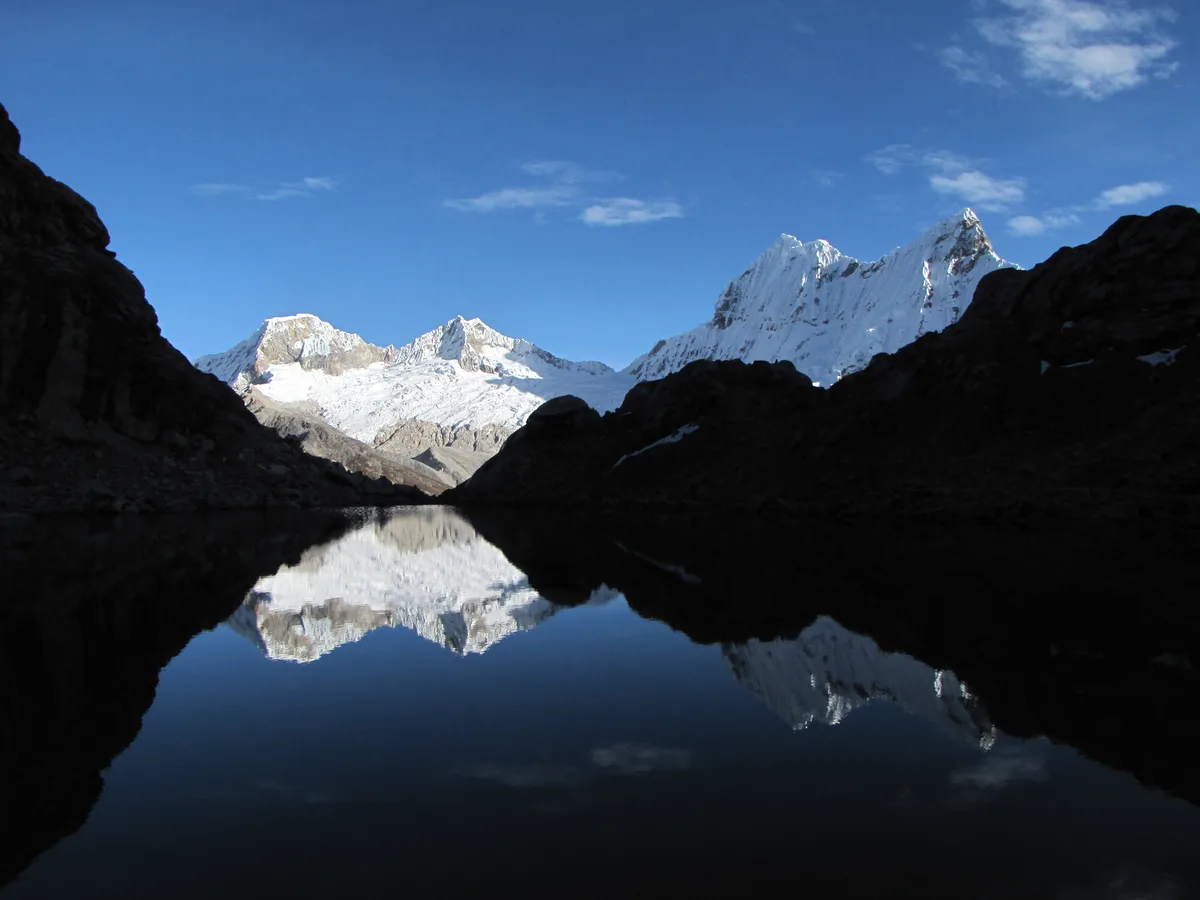
Nevado Pisco is a celebrated 5,752-metre glaciated summit located in the central Cordillera Blanca of Peru above the Quebrada Llanganuco. First climbed on July 12, 1951, by Austrian topographer Erwin Schneider alongside Claude Fabre and Fermo Marzari, it was named to toast their triumph with Peru's traditional pisco brandy. The summit offers an unparalleled 360-degree panorama of Huascarán, Chacraraju, and Artesonraju.



Share Exploration
Global Mountain Intelligence
✓ Link copied to clipboard!