
Home / Mountains / Page 114

Mountains & Summits — Page 114

Verified technical profiles, elevation data, historic first ascents, and routes for peaks across the Karakoram, Himalayas, Hindu Kush, and beyond.

Report an Error

Mountains Directory — Page 114

Filter by mountain range, sovereign country, elevation threshold, or instant search.

🔤 Quick A–Z Jump:
Showing all 1435 mountains & summits
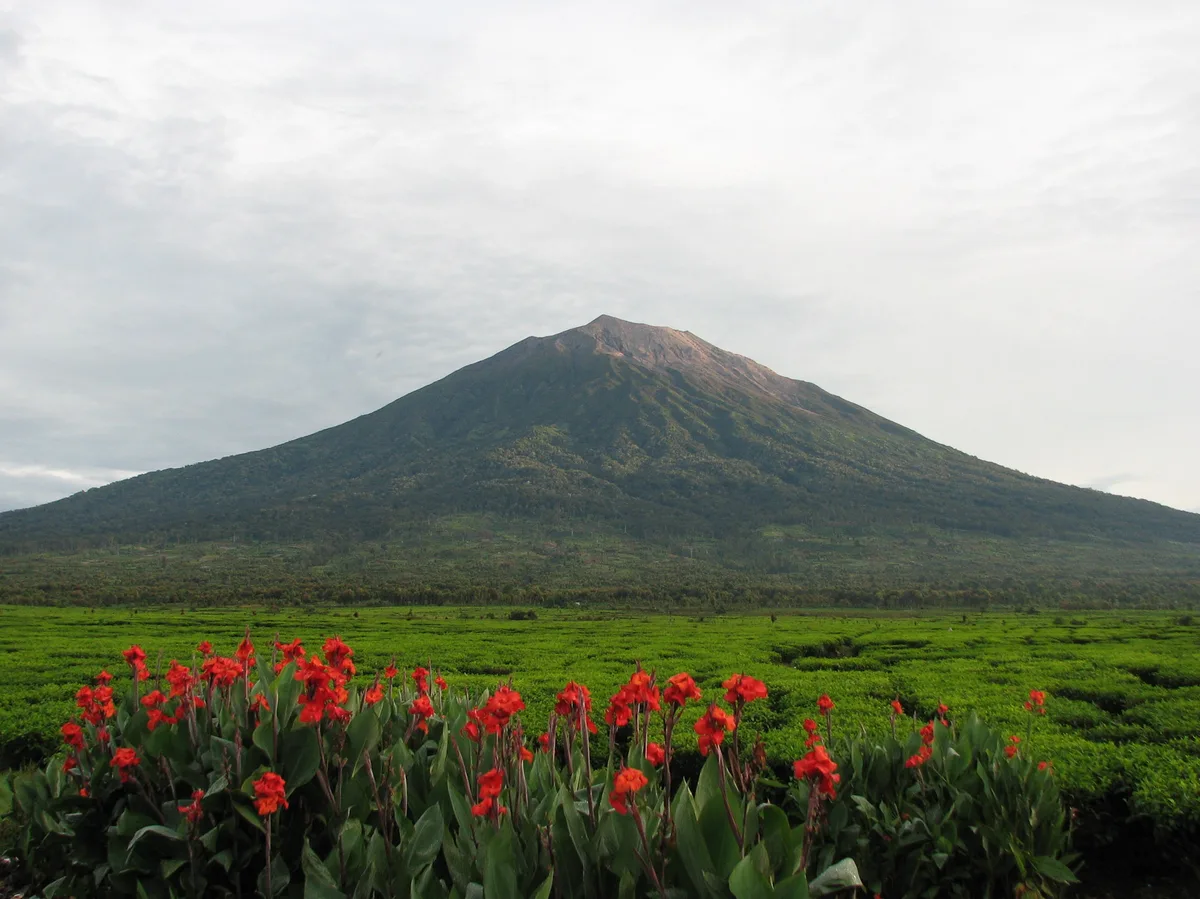
Volcanic summit and crater rim of Gunung Kerinci (3,805m), Barisan Mountains, Sumatra.
🚩 1 Expedition
3,805 m
First Ascent: 1877

Gunung Kerinci

Gunung Kerinci is the highest volcano in Indonesia and the highest peak on the island of Sumatra. Situated within Kerinci Seblat National Park in the Bukit Barisan range, this active andesitic stratovolcano features an active 600m-deep crater lake and is the habitat of the critically endangered Sumatran tiger.

Explore Peak & Routes
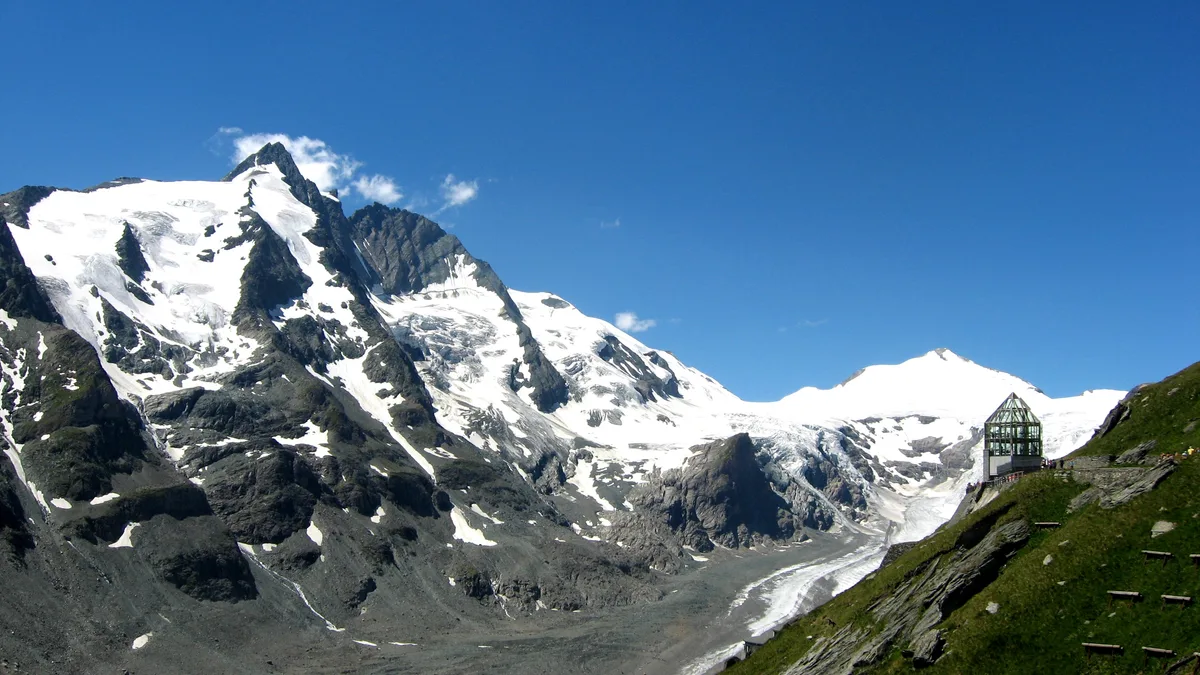
Großglockner (3,798m), highest peak of Austria, High Tauern.
3,798 m
First Ascent: 1800🧗 1 Route

Großglockner

Großglockner is the highest mountain in Austria and the highest peak in the Alps east of the Brenner Pass, rising to 3,798 meters. Crowned by the Pasterze Glacier—Austria’s largest ice sheet—its iconic pyramid of dark chlorite schist anchors the High Tauern National Park.

Explore Peak & Routes
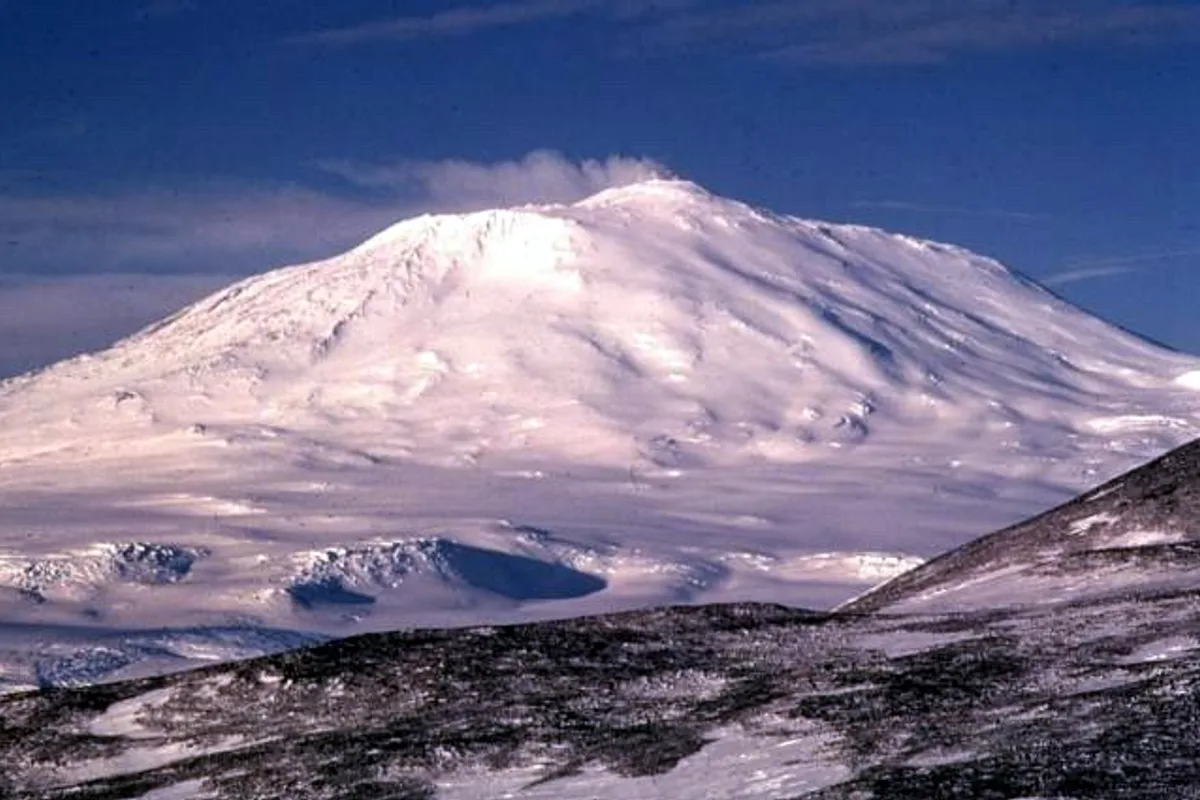
Mount Erebus emitting volcanic steam plumes above the Antarctic Ross Ice Shelf.
🚩 1 Expedition
3,794 m
First Ascent: March 10, 1908🧗 1 Route

Mount Erebus

Mount Erebus is an active stratovolcano rising to 3,794 metres (12,448 ft) on Ross Island in Antarctica, making it the southernmost active volcano on Earth and the second-highest volcano in Antarctica. Famous for its persistent, bubbling phonolitic lava lake inside its inner crater and unique fumarolic ice towers (ice fumaroles), it was discovered in 1841 by Sir James Clark Ross. In March 1908, a six-man party led by Professor Edgeworth David and including Douglas Mawson and Raymond Priestley during Sir Ernest Shackleton's Nimrod Expedition achieved the heroic maiden first ascent, hauling sledges through ferocious polar blizzards to peer into the glowing volcanic abyss.

Explore Peak & Routes
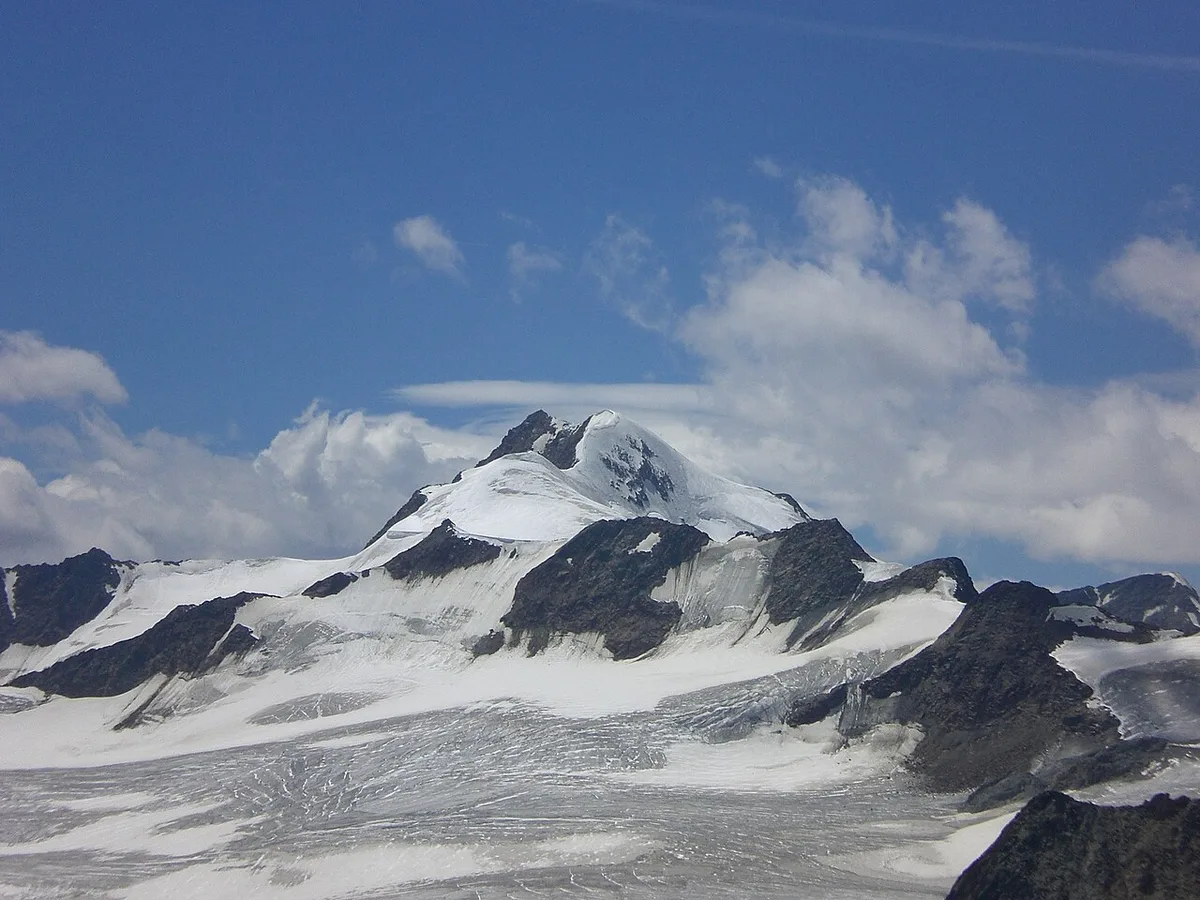
Wildspitze summit in the mountains
3,770 m
First Ascent: 1848

Wildspitze

The Wildspitze is the highest mountain in the Ötztal Alps and the second-highest peak in Austria at 3,770 meters. Heavily glaciated by the Taschach and Rofenkar glaciers, it commands the Tyrolean skyline with commanding views reaching into the Dolomites and Bernina.

Explore Peak & Routes
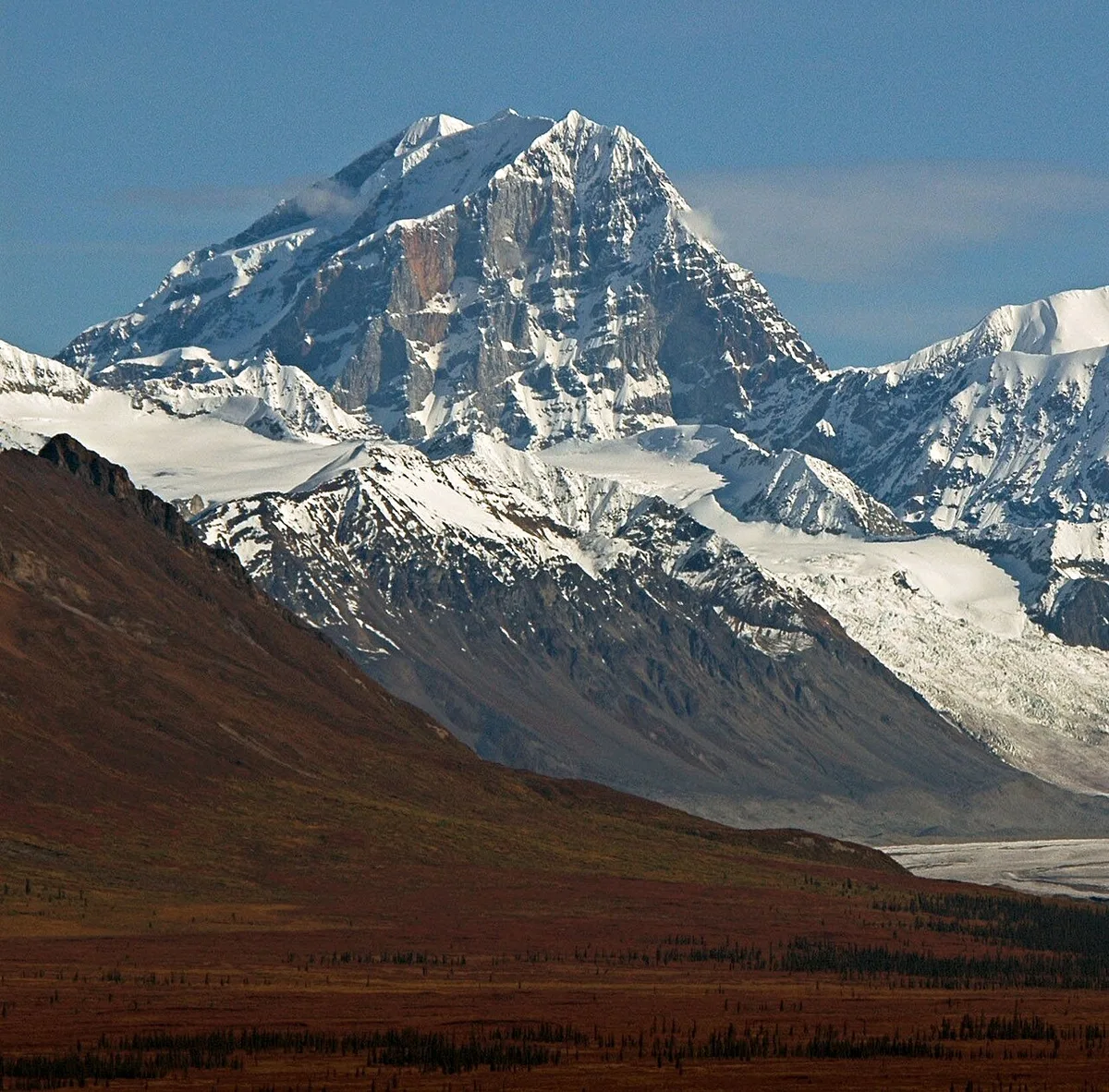
Mount Deborah summit in the mountains
3,761 m
First Ascent: 1954

Mount Deborah

Mount Deborah is a notoriously steep, knife-edged peak in the Hayes Range of eastern Alaska. Immortalized by mountaineer and author David Roberts in his classic book "Deborah: A Wilderness Narrative", its fearsome corniced arêtes and vicious sub-Arctic storms make it an elite alpine objective.

Explore Peak & Routes

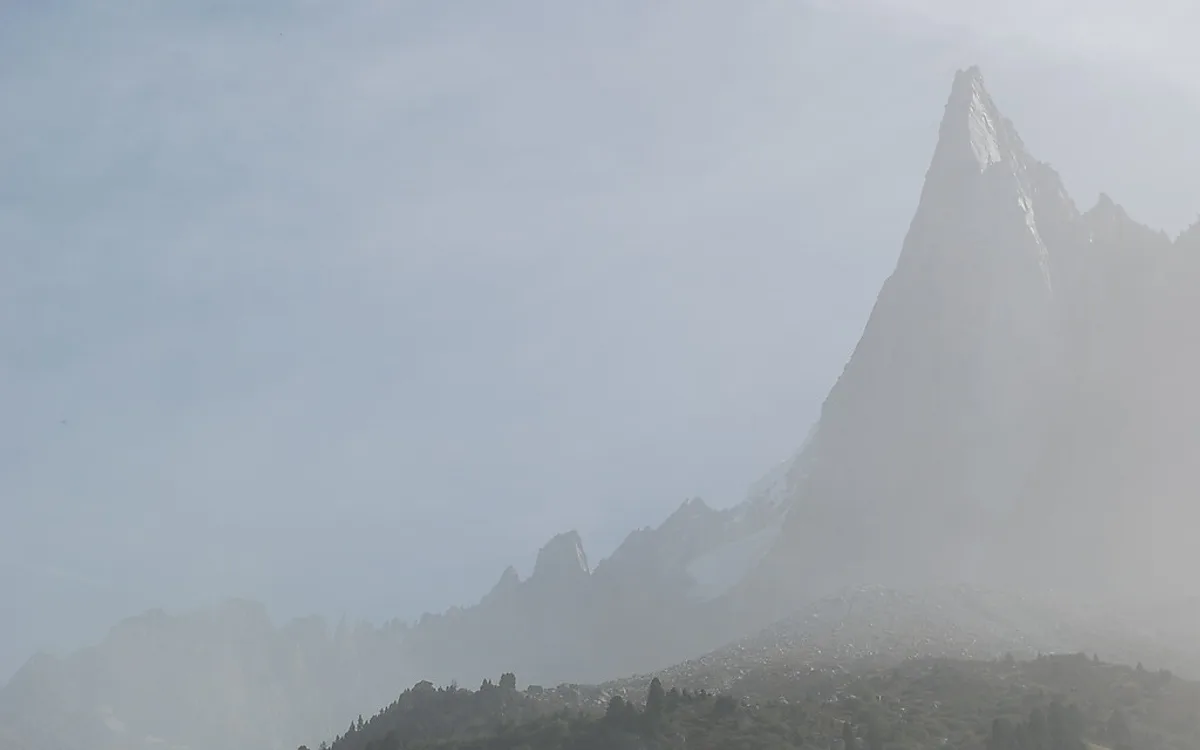
Granite spire of Aiguille du Dru (3,754 m) emerging through alpine mist above Montenvers.
3,754 m
First Ascent: 1878-09-12

Aiguille du Dru

Rising like an architectural cathedral blade above the Mer de Glace and Montenvers railway in Chamonix, the Aiguille du Dru comprises the Grand Dru (3,754 m) and Petit Dru (3,733 m). Clinched in 1878 after eighteen attempts by Clinton Dent and guides Alexander Burgener and Kaspar Maurer, its steepest legacy unfolds on the 1,000-meter West Face: unlocked in 1952 and forever elevated to myth when Walter Bonatti spent six solitary days establishing the Southwest Pillar ('Bonatti Pillar') in August 1955, before late-20th-century permafrost rockfalls reshaped the face.

Explore Peak & Routes
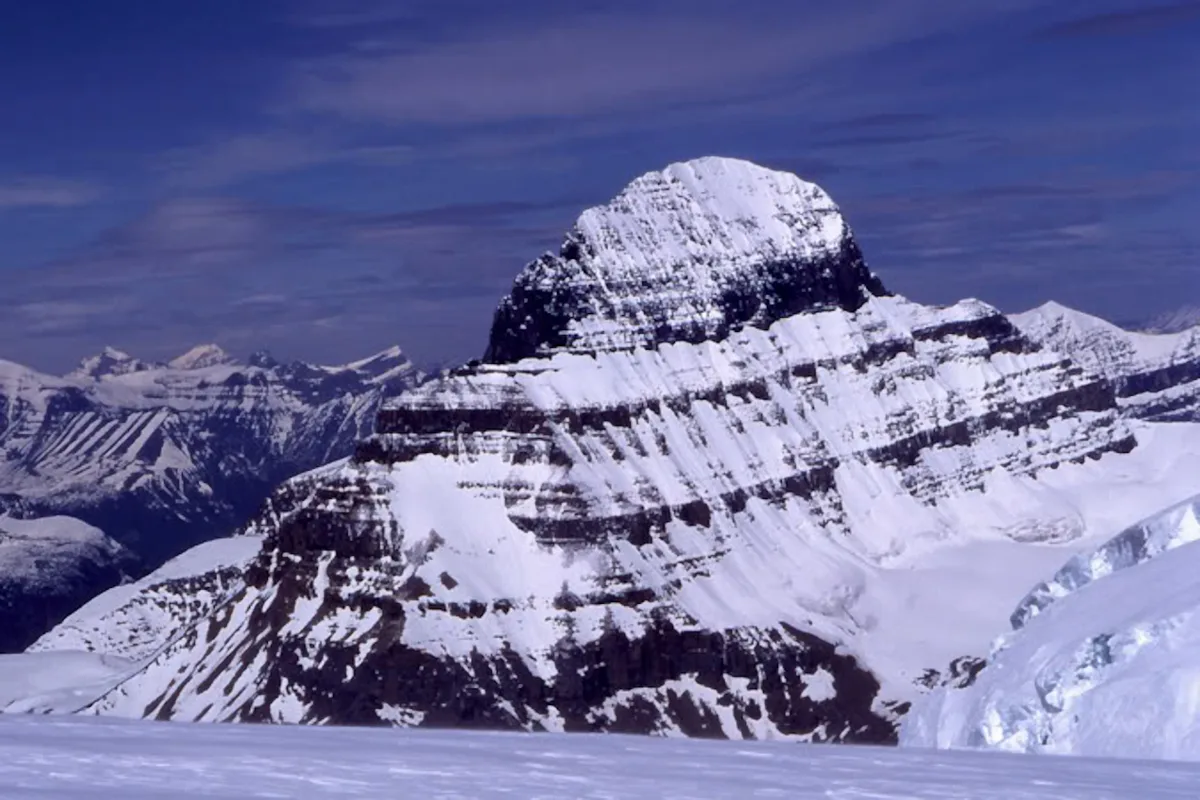
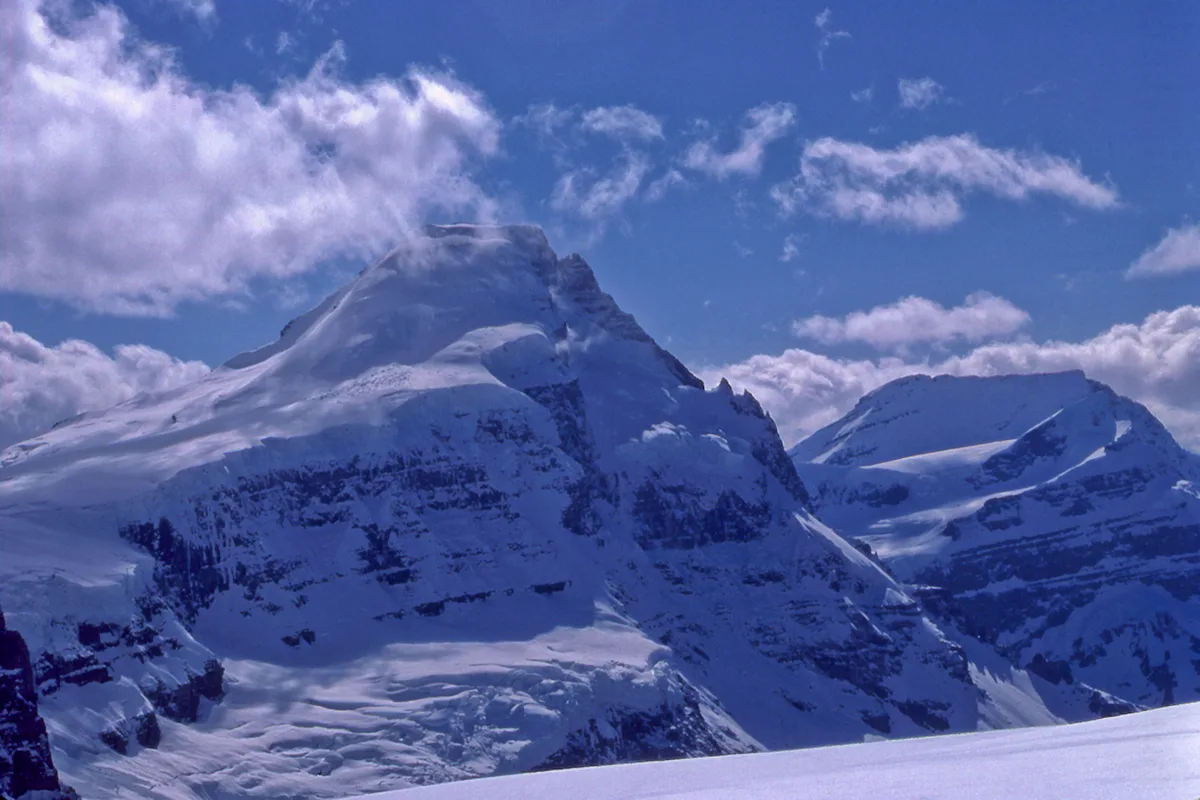
Mount Columbia (3,747m), highest peak in Alberta, rising above the Columbia Icefield.
🚩 1 Expedition
3,747 m
First Ascent: 1902

Mount Columbia

Mount Columbia is the highest mountain in Alberta and the second-highest peak in the Canadian Rockies at 3,747 meters. Situated at the northern edge of the immense Columbia Icefield on the Continental Divide, its broad glaciated dome rises above the Athabasca, Columbia, and Saskatchewan river systems.

Explore Peak & Routes
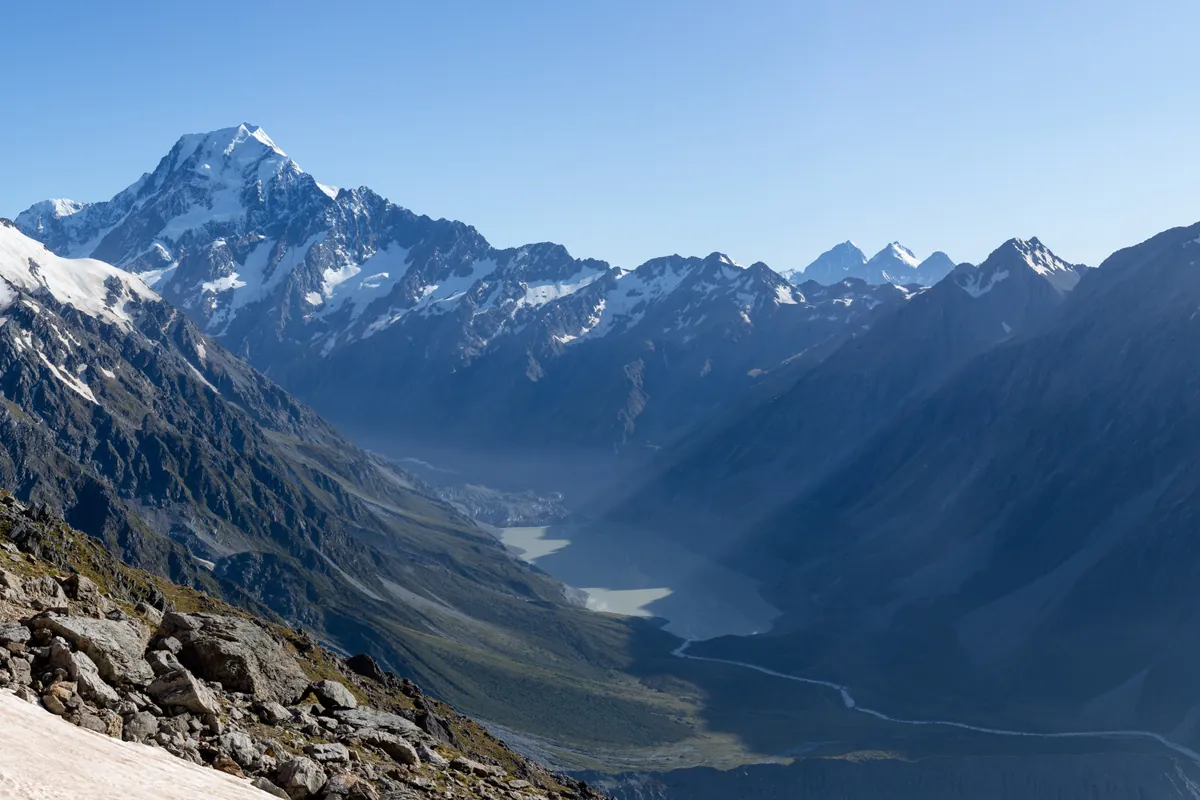
The sharp glaciated pyramid of Aoraki Mount Cook rising above alpine valleys in New Zealand.
🚩 4 Expeditions
3,724 m
First Ascent: December 25, 1894🧗 2 Routes

Aoraki / Mount Cook

Aoraki / Mount Cook is the highest mountain in New Zealand at 3,724 meters (12,218 ft). Located in the Southern Alps, it is an ultra-prominent glaciated peak rising dramatically above the Tasman Glacier. It is sacred in Māori mythology as the ancestor Aoraki. The mountain is renowned as the formative training ground where Sir Edmund Hillary developed his high-altitude icecraft. On January 30, 1948, Hillary completed the historic first ascent of the technical South Ridge alongside Harry Ayres. Climbing Aoraki requires expert crampon technique, glacier navigation, and vigilance against severe maritime storms.

Explore Peak & Routes
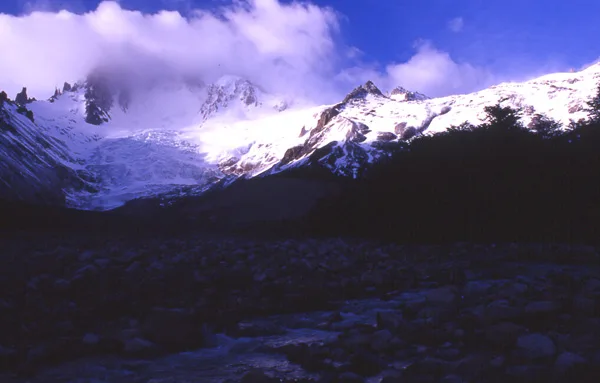
The vast glaciated south flank and pyramid summit of Cerro San Lorenzo rising above the Patagonian clouds.
🚩 1 Expedition
3,706 m
First Ascent: 1943-12-17

Cerro San Lorenzo

Cerro San Lorenzo, also known as Monte San Lorenzo or Mount Cochrane at 3,706 metres (12,159 ft), is the second highest peak in Patagonia, straddling the border between Chile and Argentina. Towering above the Patagonian steppes with a massive topographic prominence of 3,319 metres, it is an isolated giant surrounded by four heavily crevassed glaciers. In December 1943, sixty-year-old Salesian missionary and explorer Father Alberto María De Agostini led the historic first ascent with mountain guides Alejandro Hemmi and Heriberto Schmoll, overcoming brutal gales and treacherous sérac falls.

Explore Peak & Routes
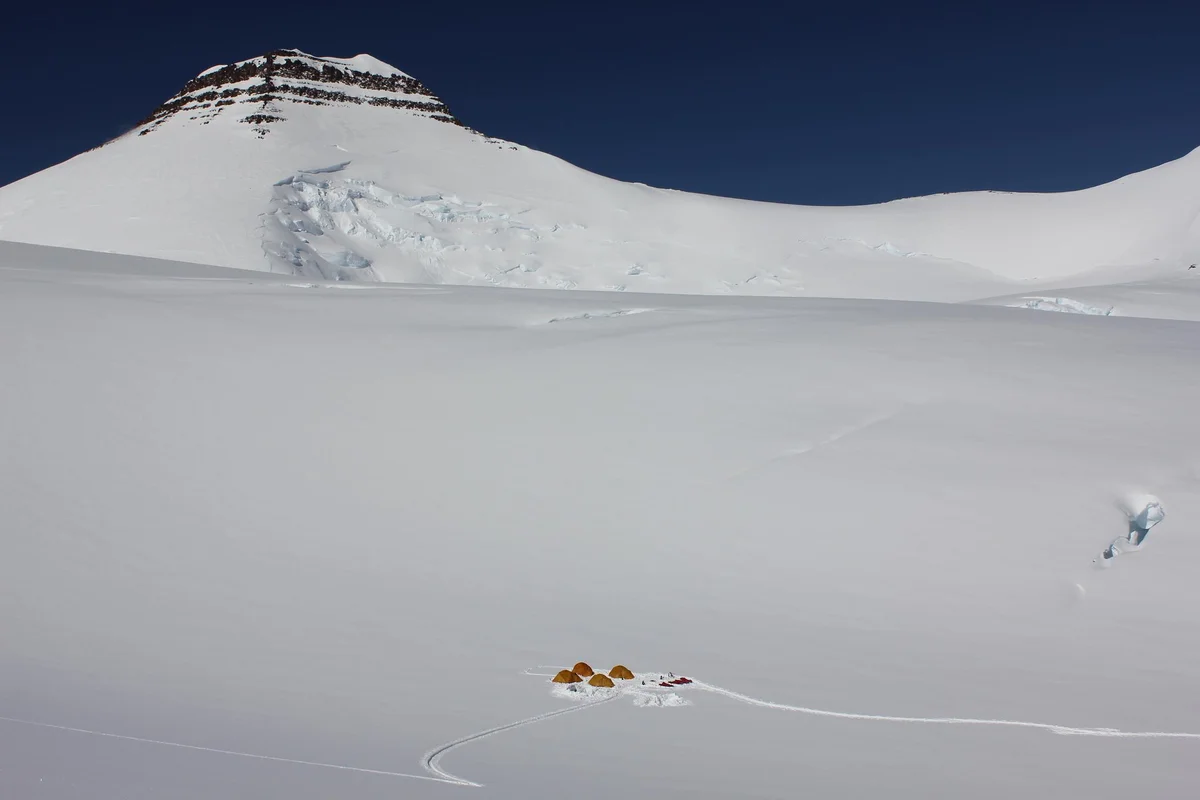
The stark snow-swept pyramid of Gunnbjørn Fjeld rising above the Arctic ice sheet.
🚩 2 Expeditions
3,694 m
First Ascent: August 16, 1935🧗 1 Route

Gunnbjørn Fjeld

Gunnbjørn Fjeld is the highest mountain in Greenland and the highest peak north of the Arctic Circle at 3,694 metres (12,119 ft). Rising as an enormous basaltic nunatak above the glaciated plateau of the Watkins Range in East Greenland, it was first sighted from the air in 1930 by Gino Watkins and named after the 9th-century Norse explorer Gunnbjørn Ulfsson. The maiden first ascent was achieved on August 16, 1935, by Lawrence Wager, Ebbe Munck, Jack Longland, and Patrick Courtauld during an Anglo-Danish expedition. Climbing Gunnbjørn Fjeld involves moderate alpine glacier ascents, but requires complete self-reliance against extreme polar gales, severe windchill, and isolated Arctic conditions.

Explore Peak & Routes
Wetterhorn summit in the mountains
🚩 1 Expedition
3,692 m
First Ascent: 1854

Wetterhorn

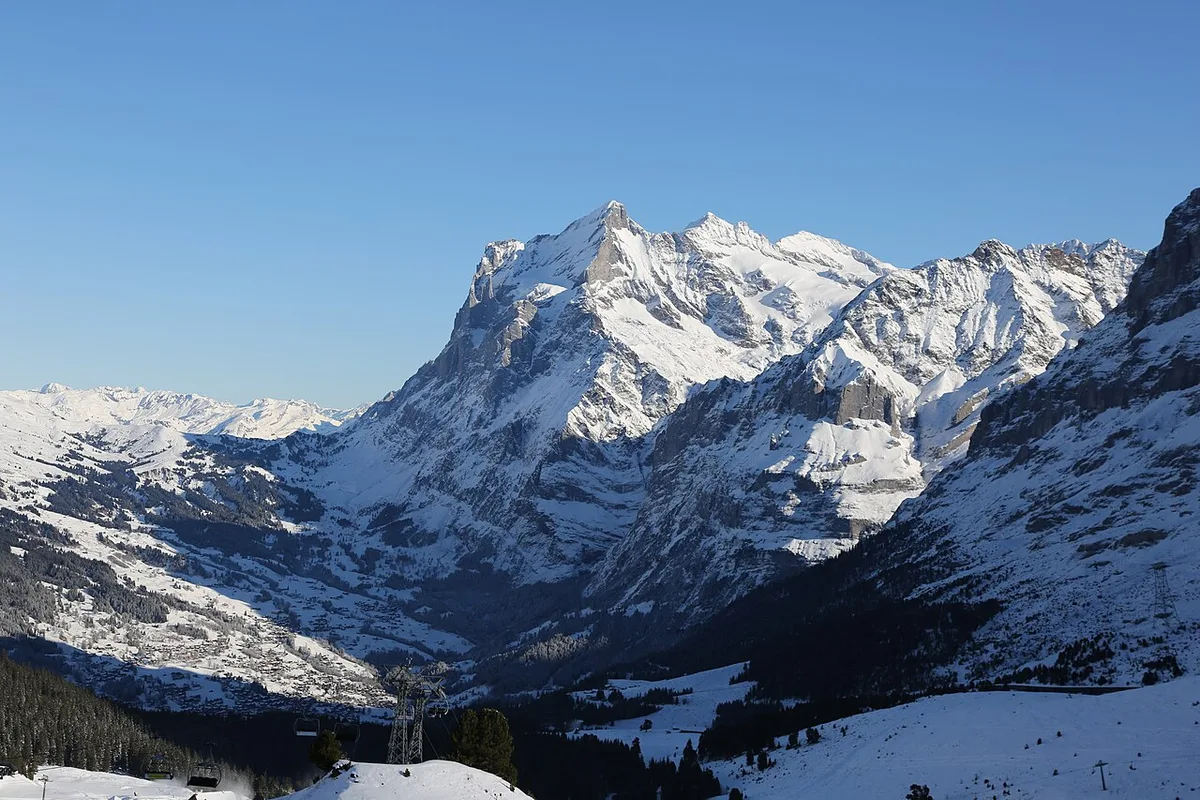
The Wetterhorn is a colossal limestone tower rising above the alpine village of Grindelwald in the Bernese Oberland. The successful ascent of the Hasli-Wetterhorn by Sir Alfred Wills in 1854 is universally recognized as the catalyst that ignited the Golden Age of Alpinism.

Explore Peak & Routes
Mount Alberta in the Canadian Rockies
🚩 1 Expedition
3,619 m
First Ascent: 1925

Mount Alberta

Mount Alberta is one of the most formidable, respected, and isolated peaks in the Canadian Rockies, rising to 3,619 meters in Jasper National Park. First climbed in 1925 by a legendary Japanese Alpine Club expedition who left an iconic silver ice axe on the summit, its sheer walls remain a badge of honor for alpinists.

Explore Peak & Routes
Showing 1357–1368 of 1435 mountains