Hunku
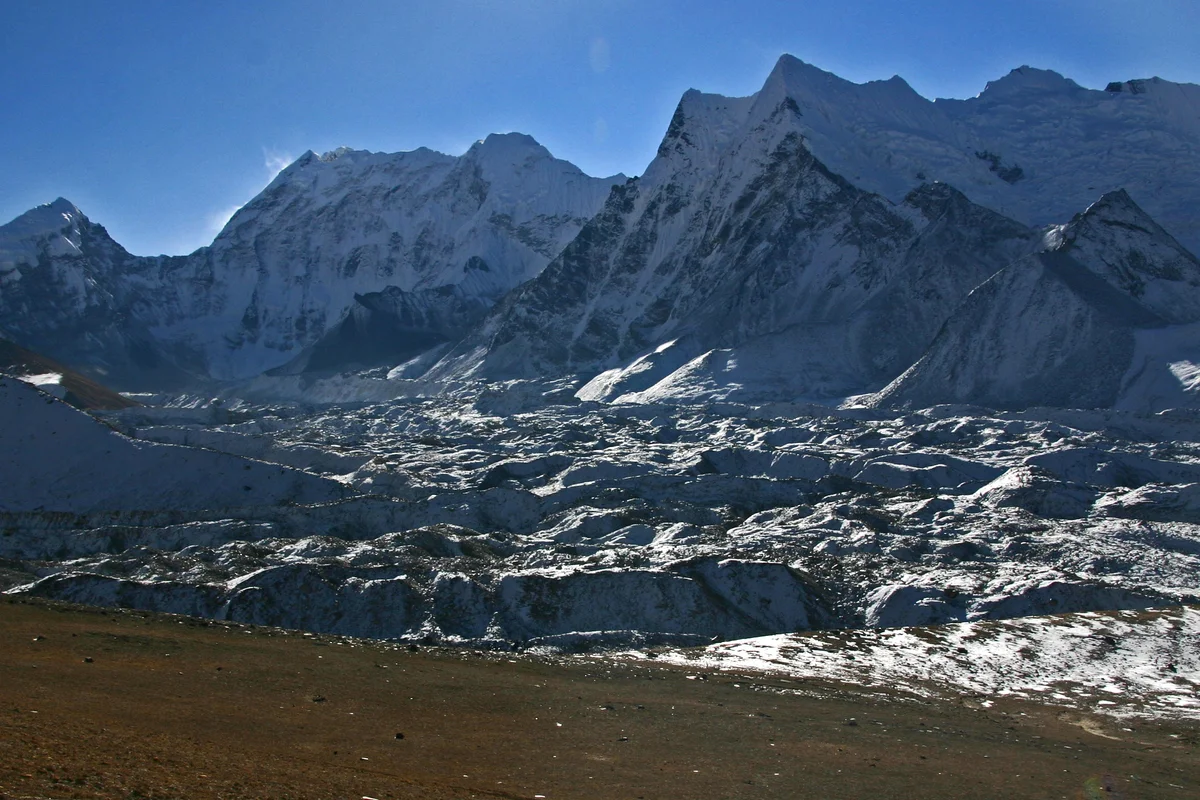
Hunku reaches 6,119 meters north-northeast of Peak 41 in the high Hongu valley of Solukhumbu, Nepal. The mountain was first climbed on October 18, 2002, by a Japanese expedition led by Hiroshi Yajima via the glaciated Southeast Ridge.
 Nepal
Mountain Safety & Conditions Disclaimer: High-altitude climbing, glacial travel, and technical ascents entail severe objective risks including avalanches, serac collapses, rapid weather collapse, and altitude illness. Historical route descriptions and summit claims on Mountainity reflect documented archival sources and must not be used as live operational safety assessments. Local regulations, permits, and physical glacial topography change continuously.
Peer Review: Senior Editorial Board & Historical Reviewers • Editorial Standards
Historic First Ascent
2012Key Statistics & Topographic Figures
- Official Elevation
- 6,119 m (20,075 ft)
Survey of Nepal / The Himalayan Database
- Topographic Prominence
- 390 m
Relief Metric
- First Ascent Date
- 2012
Nick Bullock, Andy Houseman
- Territory Codes
- NP
Sovereignty
Documented Historical Testimony
“The mountains are calling, and we must honor their grandeur with truth and historical precision.”
Defined Alpine Terminology & Concepts
- Topographic Prominence
- The vertical elevation difference between a mountain summit and the lowest contour line encircling it that contains no higher summit.
- Alpine Zone
- The ecological and climatic zone above the treeline characterized by severe weather, glaciers, and permanent snow cover.
Plan Your Hunku Expedition Budget & Flights
Model verified government royalties, commercial guide packages, equipment allocations, and compare gateway flights worldwide.
Search & Compare Expedition Flights
Find available flight connections to the airports serving your next mountain adventure.
Hunku Mountaineering Gear Checklist
Customise your equipment plan across 17 technical categories tailored to Hunku's 6,119 m altitude profile, technical route cruxes, and season.
Historical Expeditions (1)
2012 Nick Bullock Hunku Historic First Ascent
In 2012, the UK expedition led by Nick Bullock achieved the historic first ascent of Hunku (6119m) via the E Face, pioneering a bold new direct route.
Notable Mountaineers & Expedition Pioneers (1)
Nick Bullock
Nicholas Ivor 'Nick' Bullock (born 1965) is one of Britain's most accomplished modern alpinists and authors. A recipient of the 2017 Piolet d'Or for his first ascent of the north face of Nyenchen Tanglha South East...
Frequently Asked Questions: Hunku
What is the verified elevation of Hunku?
Hunku has an official elevation of 6,119 meters (20,075 feet) above sea level (Survey of Nepal / The Himalayan Database).
When was Hunku first climbed?
Hunku was first summited on 2012 by Nick Bullock, Andy Houseman.
What mountain range and territories encompass Hunku?
Hunku is situated in Solukhumbu across territory codes NP.
Documented Sources & Archival Citations
- Archival DatabaseThe Himalayan Database — Peak Archive (Hunku) ↗(Elizabeth Hawley / The Himalayan Database)
Supporting claim: Official Nepal Himalayan peak registry, coordinates and first ascent chronicle for Hunku
Share Exploration
Global Mountain Intelligence
✓ Link copied to clipboard!