Jyanglatunpu Peak
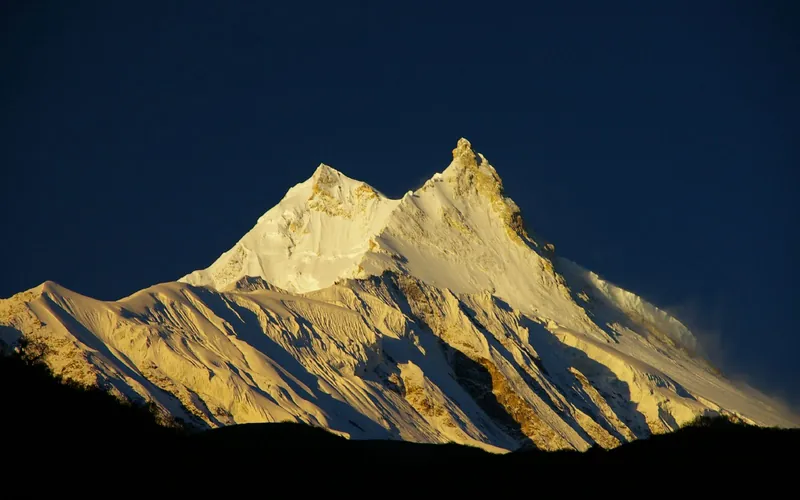
Jyanglatunpu Peak reaches 6,082 meters northeast of Araniko Chuli along the Nepal-Tibet border in the high Mustang Himal. The summit was first achieved in February 2026 by Chinese alpinist He Jing via the Southeast Face, traversing across to Kekyap Ri I.


Mountain Safety & Conditions Disclaimer: High-altitude climbing, glacial travel, and technical ascents entail severe objective risks including avalanches, serac collapses, rapid weather collapse, and altitude illness. Historical route descriptions and summit claims on Mountainity reflect documented archival sources and must not be used as live operational safety assessments. Local regulations, permits, and physical glacial topography change continuously.
Peer Review: Senior Editorial Board & Historical Reviewers • Editorial Standards
Historic First Ascent
2026Key Statistics & Topographic Figures
- Official Elevation
- 6,082 m (19,954 ft)
Survey of Nepal / The Himalayan Database
- Topographic Prominence
- 320 m
Relief Metric
- First Ascent Date
- 2026
He Jing, Dawa Finjo Lama Bhote, Ming Temba Sherpa, Phurba Sonam Sherpa, Dawa Sherpa
- Territory Codes
- NP / CN
Sovereignty
Documented Historical Testimony
“The mountains are calling, and we must honor their grandeur with truth and historical precision.”
Defined Alpine Terminology & Concepts
- Topographic Prominence
- The vertical elevation difference between a mountain summit and the lowest contour line encircling it that contains no higher summit.
- Alpine Zone
- The ecological and climatic zone above the treeline characterized by severe weather, glaciers, and permanent snow cover.
Plan Your Jyanglatunpu Peak Expedition Budget & Flights
Model verified government royalties, commercial guide packages, equipment allocations, and compare gateway flights worldwide.
Search & Compare Expedition Flights
Find available flight connections to the airports serving your next mountain adventure.
Jyanglatunpu Peak Mountaineering Gear Checklist
Customise your equipment plan across 17 technical categories tailored to Jyanglatunpu Peak's 6,082 m altitude profile, technical route cruxes, and season.
Historical Expeditions (1)
2025 He Jing Jyanglatunpu Peak Historic First Winter Ascent
In 2025, the China winter expedition led by He Jing conquered Jyanglatunpu Peak (6082m) via the SE Face (from JYAL), SW Ridge (to KEK1), demonstrating cutting-edge technical direct climbing in sub-zero Himalayan conditions.
Frequently Asked Questions: Jyanglatunpu Peak
What is the verified elevation of Jyanglatunpu Peak?
Jyanglatunpu Peak has an official elevation of 6,082 meters (19,954 feet) above sea level (Survey of Nepal / The Himalayan Database).
When was Jyanglatunpu Peak first climbed?
Jyanglatunpu Peak was first summited on 2026 by He Jing, Dawa Finjo Lama Bhote, Ming Temba Sherpa, Phurba Sonam Sherpa, Dawa Sherpa.
What mountain range and territories encompass Jyanglatunpu Peak?
Jyanglatunpu Peak is situated in Mustang across territory codes NP, CN.
Documented Sources & Archival Citations
- Archival DatabaseThe Himalayan Database — Peak Archive (Jyanglatunpu Peak) ↗(Elizabeth Hawley / The Himalayan Database)
Supporting claim: Official Nepal Himalayan peak registry, coordinates and first ascent chronicle for Jyanglatunpu Peak
Share Exploration
Global Mountain Intelligence
✓ Link copied to clipboard!