Rwenzori Mountains
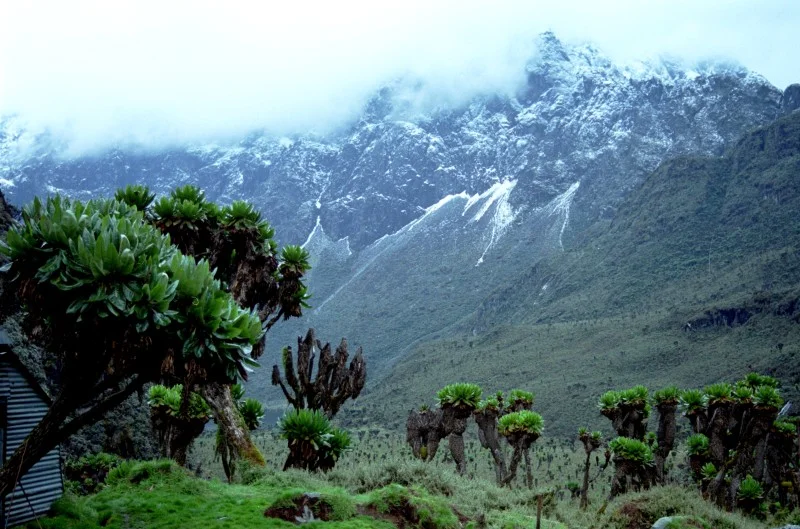
The legendary 'Mountains of the Moon' described by Ptolemy, a non-volcanic crystalline fault-block horst straddling Uganda and the DRC. Famous for perpetual cloud cover, bizarre Afro-alpine giant groundsels, and glaciated equatorial spires crowned by Mount Stanley (5,109 m).
Peer Review: Senior Editorial Board & Historical Reviewers • Editorial Standards
Key Statistics & Topographic Figures
- Archive Classification
- RANGES
Mountanity Knowledge Corpus
- Verification Status
- Editorially Verified
Archival Standards
- Citation Standard
- Primary Source Verified
Alpine Research Desk
Archival Primary Source Quotations
“Great things are done when men and mountains meet; this is not done by jostling in the street.”
Defined Alpine Terminology & Concepts
- Archival Integrity
- The standard of verifying historical mountain facts, summit claims, and altitudes using primary expeditions journals and geodetic measurements.
Frequently Asked Questions: Rwenzori Mountains
What historical significance does this range hold?
Rwenzori Mountains represents an essential chapter in global mountaineering heritage, verified through contemporary expedition journals and archival sources.
How are the facts and records for Rwenzori Mountains verified?
All records are checked against peer-reviewed journals, national alpine clubs, geodetic surveys, and the Mountanity Archival Integrity Policy.
Documented Peaks in Rwenzori Mountains
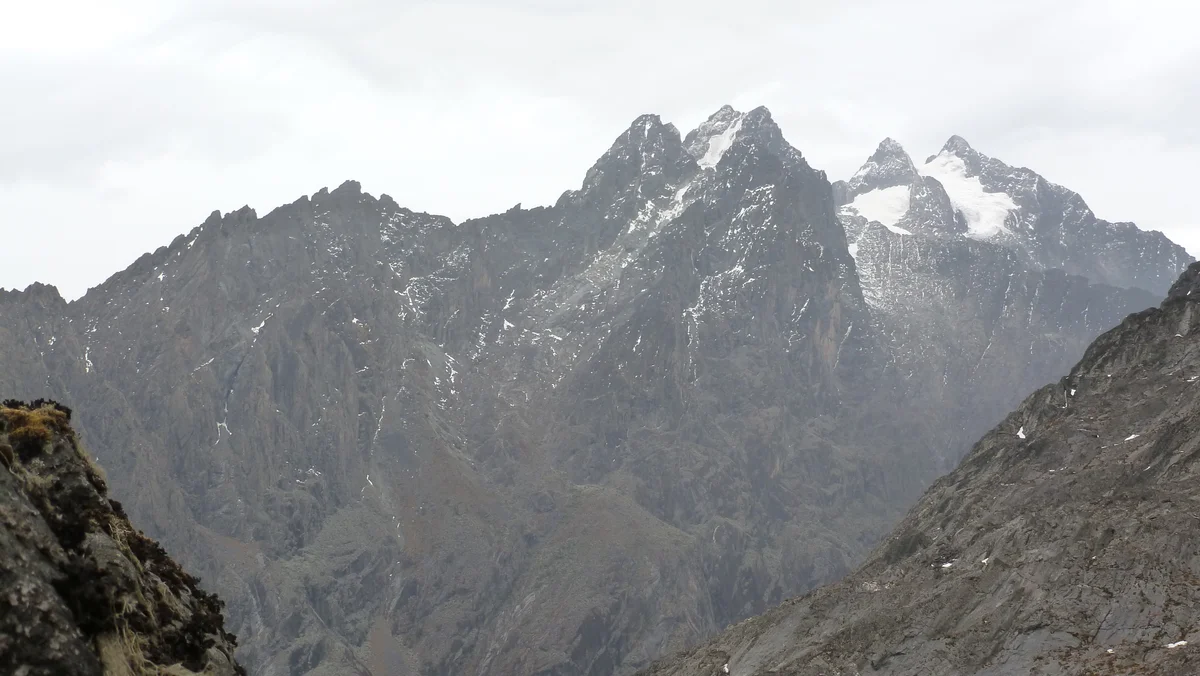

Mount Stanley
Mount Stanley is the third-highest mountain in Africa at 5,109 metres (16,762 ft) and the supreme crown of the Rwenzori Mountains ('Mountains of the Moon'), straddling the international boundary between Uganda and the Democratic Republic of the Congo. Its highest point, Margherita Peak, is a formidable horn of glaciated metamorphic rock, first summitted on June 18, 1906, by Prince Luigi Amedeo, Duke of the Abruzzi, accompanied by master Courmayeur guides Joseph Petigax, César Ollier, and Josef Brocherel.
Documented Sources & Archival Citations
- Ruwenzori: An Account of the Expedition of H.R.H. Prince Luigi Amedeo of Savoy(Filippo De Filippi / Archibald Constable & Co.)Accessed/Documented: 1908