Everest Great Couloir (Norton Couloir)
The Great Couloir, often called the Norton Couloir, is a colossal 1,000-meter vertical cleft tearing down the center of Everest's immense North Face from just beneath the summit pyramid to the Central Rongbuk Glacier.
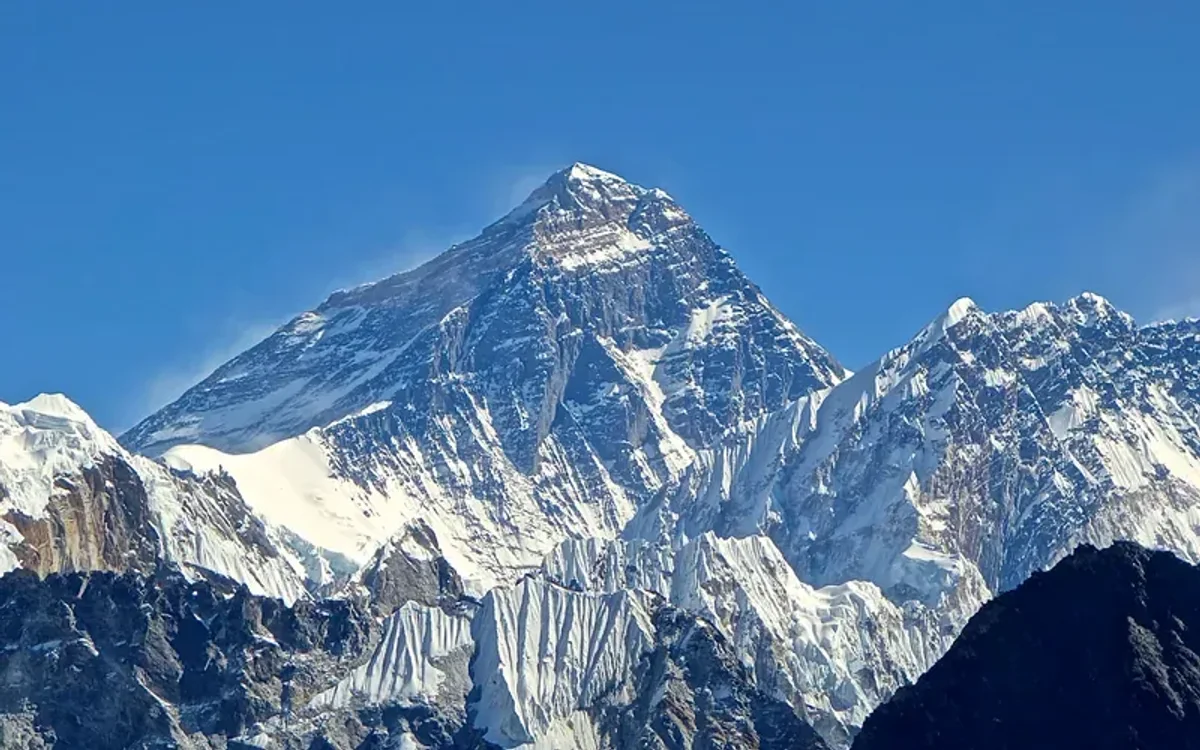
Alpine Ridge & Wall Profile for Everest Great Couloir (Norton Couloir)
Mountain Safety & Conditions Disclaimer: High-altitude climbing, glacial travel, and technical ascents entail severe objective risks including avalanches, serac collapses, rapid weather collapse, and altitude illness. Historical route descriptions and summit claims on Mountainity reflect documented archival sources and must not be used as live operational safety assessments. Local regulations, permits, and physical glacial topography change continuously.
Peer Review: Senior Editorial Board & Historical Reviewers • Editorial Standards
Tactical & Camp Notes
A sheer, direct line exposed to terrifying snow avalanches and rock bombardment. Demands fast alpine style or lightweight fixed ropes on steep couloir snow and brittle limestone.
Identified Objective Hazards
- •Devastating powder-snow avalanches sweeping down the 1,000m couloir funnel
- •Lethal rockfall dislodged from the upper Yellow Band limestone cliff face
- •Severe exhaustion and hypothermia during oxygenless climbing above 8,000m
- •Zero retreat options in sudden post-monsoon Tibetan blizzards
Historical Context
Edward Norton made his solo bid here in 1924, reaching 8,570m before eye-inflammation forced a retreat. In 1984, the small Australian team achieved the first complete ascent of the route in pure lightweight style without bottled oxygen.
Interactive Elevation Profile
Vertical profile, technical cruxes, and camp staging progression for Everest Great Couloir (Norton Couloir) on Mount Everest.
This route currently provides an illustrative climbing progression, not a verified GPS track. Downloadable navigation files are not available.
Located at the foot of the Rongbuk Glacier moraines.
Camp-by-Camp Topography
Key staging altitudes, technical cruxes, and terrain transitions for Everest Great Couloir (Norton Couloir).
Base Camp
Located at the foot of the Rongbuk Glacier moraines.
North Face Advanced Base Camp
Situated directly below the towering North Face walls on the Central Rongbuk Glacier.
Couloir Base Camp (Camp 1)
Carved into steep ice slopes at the opening fan of the Great Couloir.
Upper Couloir Bivouac
A tiny snow ledge hacked into the 55-degree couloir ice deep in the Death Zone.
Summit Headwall
Steep mixed slabs leading out of the couloir to the summit crest.
Build Your Own Route
Explore the surrounding mountain terrain in Mountainity Route Studio and build your own custom climbing route or approach track.
Topographic Location & Terrain Map
Cartographic datum, massif coordinates, and terrain context for Everest Great Couloir (Norton Couloir) on Mount Everest.
Interactive Topographic Terrain Map
Click below to load live cartographic contours, glacier approaches, and geographic markers for Mount Everest (27°59′17″ N, 86°55′30″ E).
Key Statistics & Topographic Figures
- Route Type
- Direct Face Couloir
Topography
- Technical Difficulty
- Extremely Demanding / Grade VI, ED+
Alpine VI, 60° hard ice, UIAA V mixed
- Country / Region
- China (Tibet Autonomous Region / Tingri County)
Location
Documented Historical Testimony
“A mountain route is not merely a path of rock and ice; it is a test of human endurance, judgment, and humility.”
Defined Alpine Terminology & Concepts
- Crux
- The most difficult and technically demanding pitch or section of a climbing route.
- Normal Route (Voie Normale)
- The most frequently climbed, least technical, and historically standard path to a mountain summit.
Frequently Asked Questions: Everest Great Couloir (Norton Couloir)
What is the climbing difficulty and grade of Everest Great Couloir (Norton Couloir)?
Everest Great Couloir (Norton Couloir) on mount-everest is graded as Extremely Demanding / Grade VI, ED+, with technical climbing requirements including Alpine VI, 60° hard ice, UIAA V mixed.
What are the primary hazards on the Everest Great Couloir (Norton Couloir)?
Climbers on Everest Great Couloir (Norton Couloir) must navigate severe objective hazards including Devastating powder-snow avalanches sweeping down the 1,000m couloir funnel, Lethal rockfall dislodged from the upper Yellow Band limestone cliff face, Severe exhaustion and hypothermia during oxygenless climbing above 8,000m, Zero retreat options in sudden post-monsoon Tibetan blizzards.
What camps are established on Everest Great Couloir (Norton Couloir)?
Everest Great Couloir (Norton Couloir) typically features 5 staging camps, progressing from Base Camp (5200m) up toward the summit.
Mountain Ascended
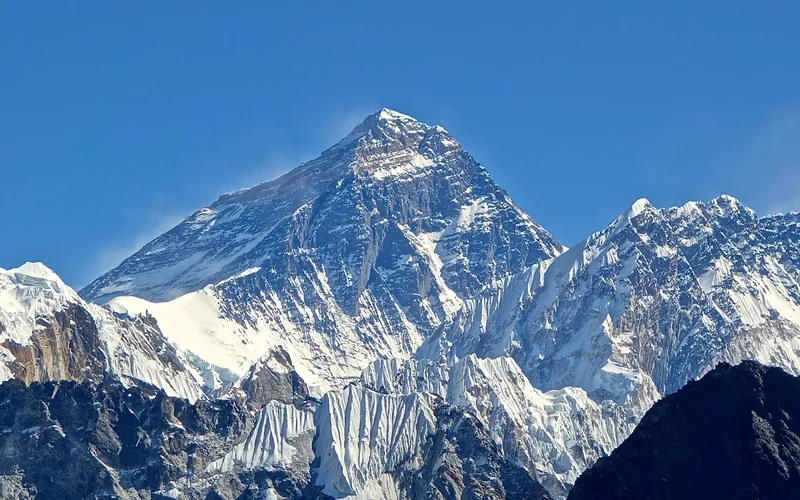


Mount Everest
Mount Everest is the highest mountain above sea level on Earth, standing at an official elevation of 8,848.86 meters (29,031.7 ft). Straddling the international frontier between Nepal and China, it is known locally as Sagarmatha in Nepali ('Goddess of the Sky') and Chomolungma in Tibetan ('Mother Goddess of the World'). The peak rises into the extreme upper troposphere, where oxygen levels drop to barely one-third of sea-level pressure. Climbers face hurricane-force jet stream winds, severe frostbite conditions, shifting ice crevasses in the Khumbu Icefall, and the dangerous Death Zone above 8,000 meters.
Other Climbing Routes on Mount Everest
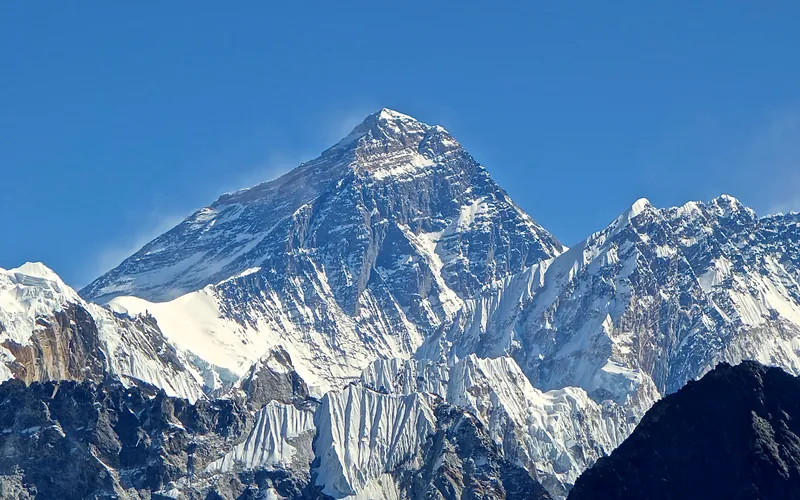
Mount Everest North Face (Hornbein Couloir Direct)
The North Face of Mount Everest via the Japanese Couloir and the sheer Hornbein Couloir is one of the most direct and formidable ice lines in the Himalayas. Rising 3,000 vertical meters from the...
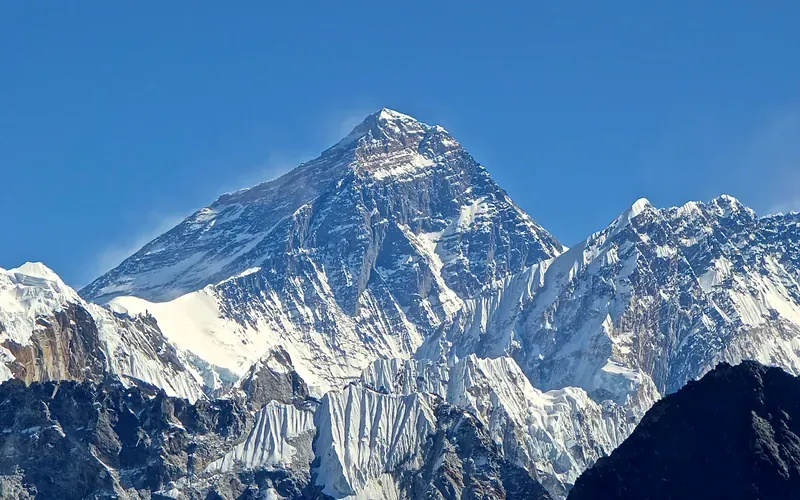
Everest Kangshung (East) Face (American Buttress & Neverest)
Rising above Tibet’s isolated Kangshung Glacier, Everest’s Eastern amphitheater sees scarcely a handful of ascents per decade—defined by the 1983 American Buttress and the 1988 small-team Neverest...
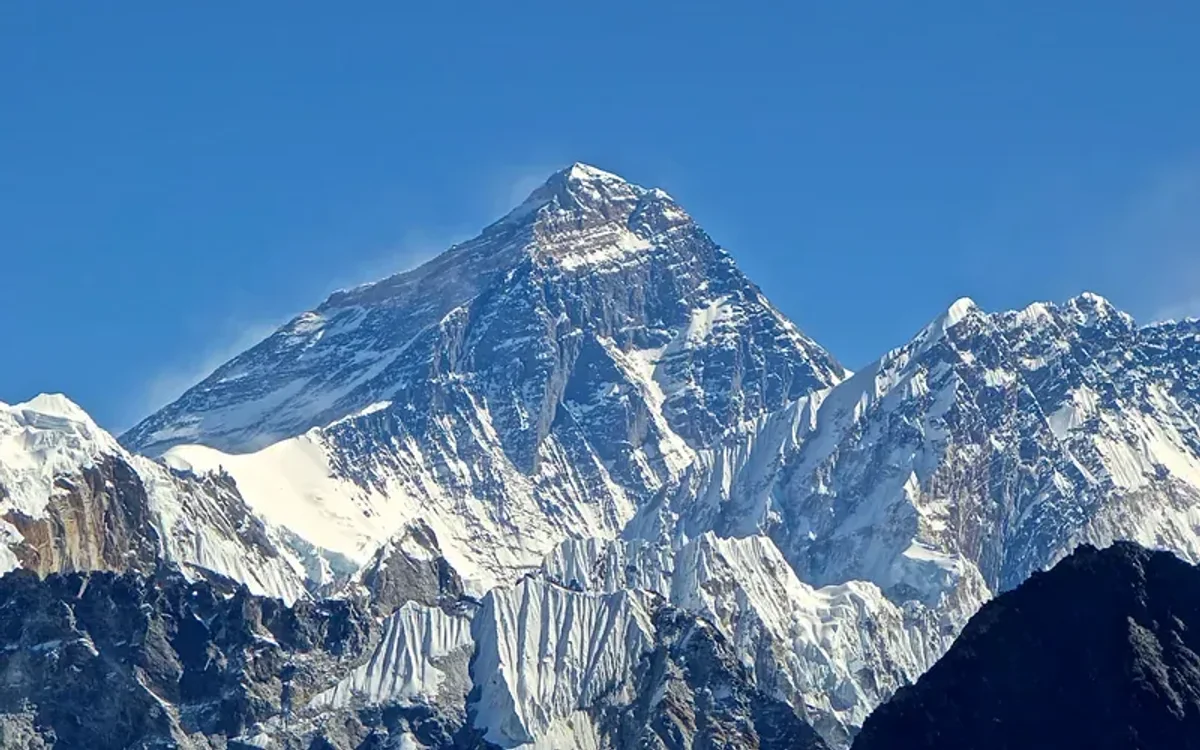
Everest North Col and Northeast Ridge
The North Col and Northeast Ridge is the standard northern climbing route on Mount Everest, beginning on the East Rongbuk Glacier in Tibet. First pioneered during the 1920s British expeditions and...
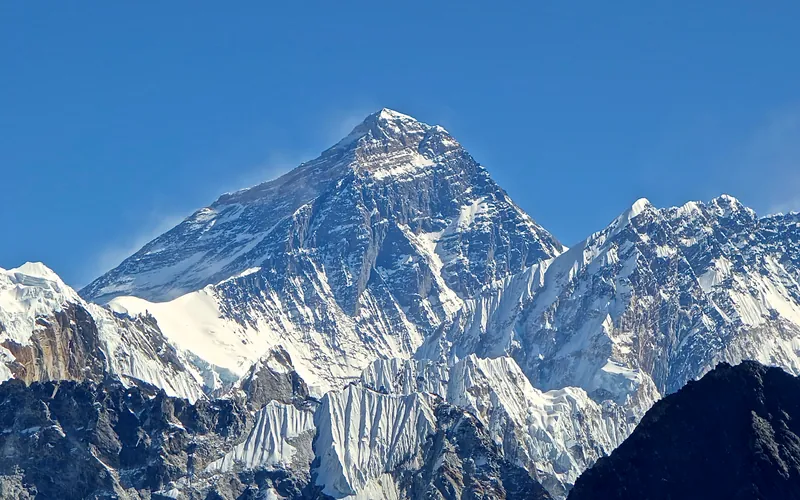
North Col & Northeast Ridge Route
The historic northern route on Mount Everest (8,848.86m), ascending from the Rongbuk and East Rongbuk glaciers to breach the icy wall of the North Col (7,020m). From the col, the route traverses the...
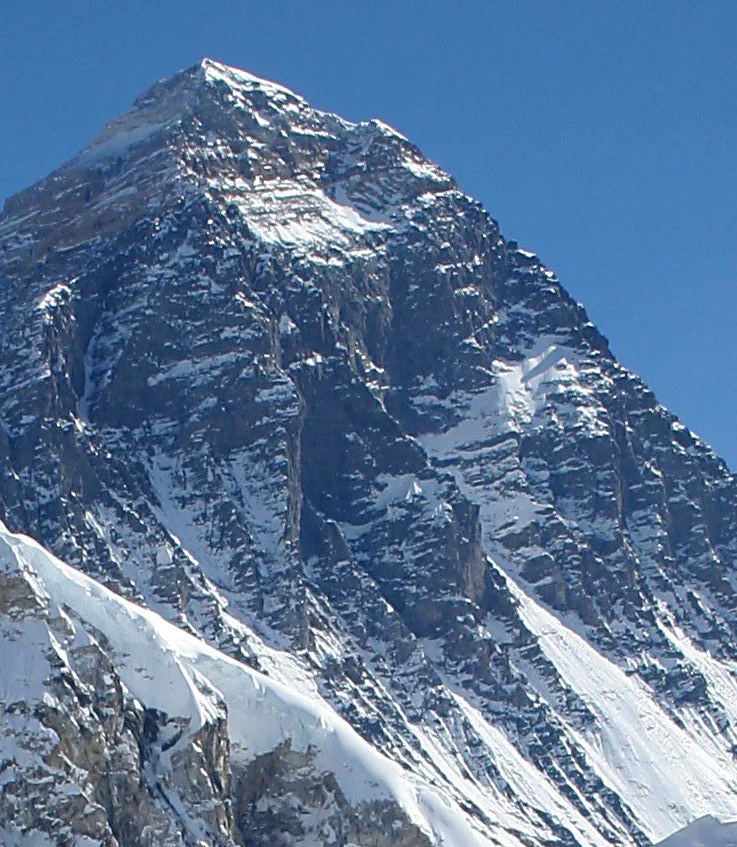
Mount Everest Southwest Face (Bonington Route)
The Southwest Face of Mount Everest (8,848.86m) rises 2,300 vertical meters from the Western Cwm to the summit, presenting one of the largest and most forbidding rock and ice faces in the world....
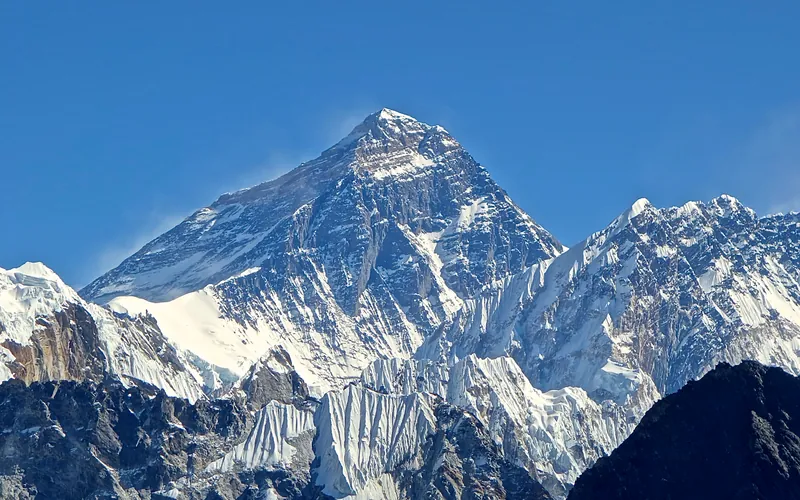
Mount Everest Complete West Ridge (Yugoslav Direct)
The Complete West Ridge of Mount Everest is one of the most formidable and sustained technical routes on the mountain. Pioneered in spring 1979 by an elite Yugoslav expedition led by Tone Škarja, the...
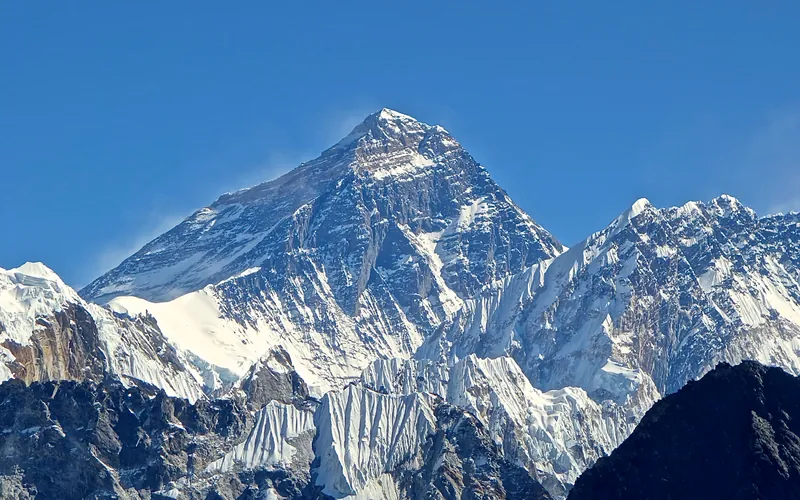
South Col & Southeast Ridge (Normal Route)
The South Col Route along the Southeast Ridge is the historic path of the 1953 first ascent and the most popular route on Mount Everest. Starting from Base Camp on the Khumbu Glacier in Nepal,...
Mountaineers & Ascent Pioneers (3)
Climbers associated with Everest Great Couloir (Norton Couloir) through documented ascents and expeditions.
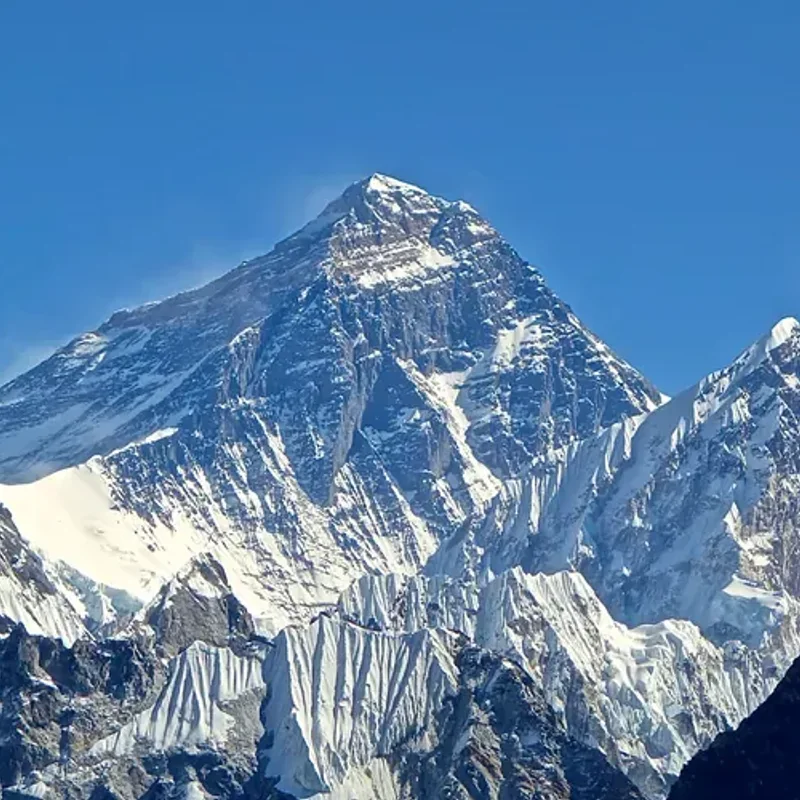
Greg Mortimer
Born in Sydney in 1952, Greg Mortimer trained as a geologist before turning to professional mountaineering. In 1981, he made the first ascent of Gasherbrum IV (7,925m) South Face in the Karakoram with Tim...

Dr. Howard Somervell
Dr. Theodore Howard Somervell was an extraordinary polymath whose courage on Mount Everest is legend. A decorated World War I battlefield surgeon, Somervell joined the 1922 and 1924 British Mount Everest Expeditions. On...
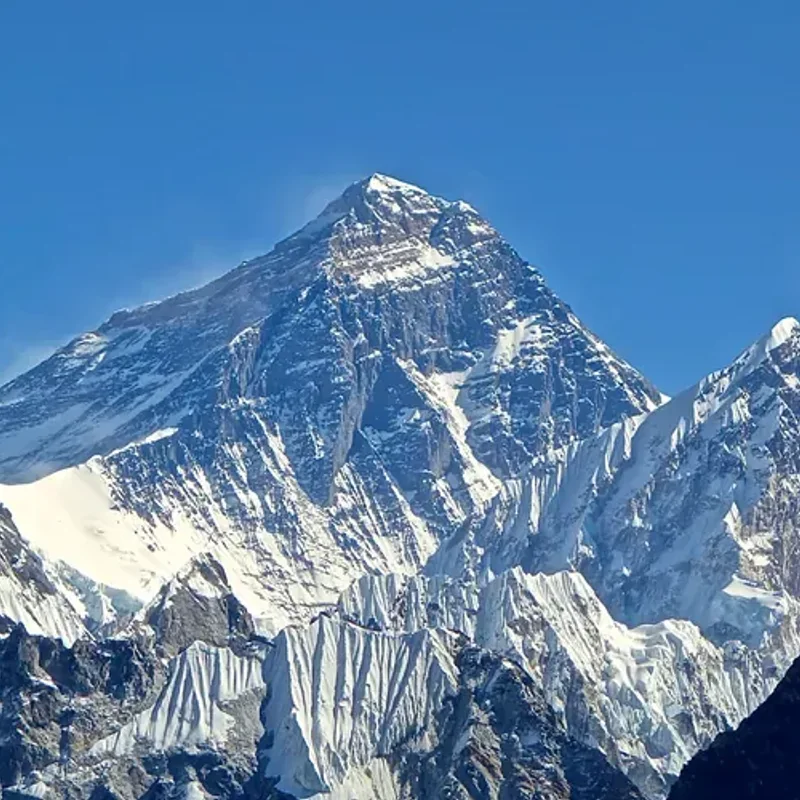
Tim Macartney-Snape
Born in Tanganyika (now Tanzania) in 1956 and raised in Australia, Macartney-Snape developed a passion for extreme wilderness adventure in the Snowy Mountains and New Zealand Southern Alps. In 1978, he climbed Dunagiri...
Documented Expeditions on this Route
Verified historical summits, siege campaigns, and pioneer attempts recorded on Everest Great Couloir (Norton Couloir).
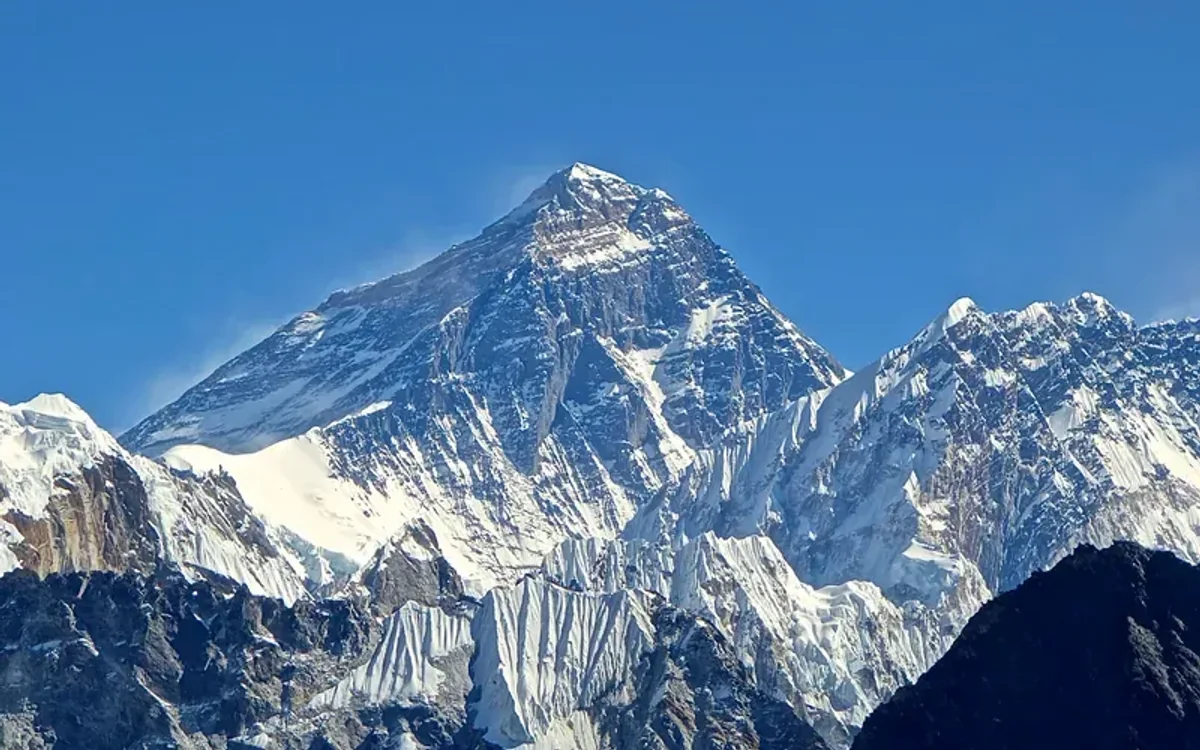
1984 Australian Mount Everest North Face Expedition
On October 3, 1984, Australian climbers Tim Macartney-Snape and Greg Mortimer conquered Mount Everest's North Face via the Great Couloir ('White Limbo') in pure lightweight style without supplemental oxygen.
Archival Chronicles & Stories on this Route
In-depth longform historical narratives, harrowing survival accounts, and firsthand alpine journals on Everest Great Couloir (Norton Couloir).
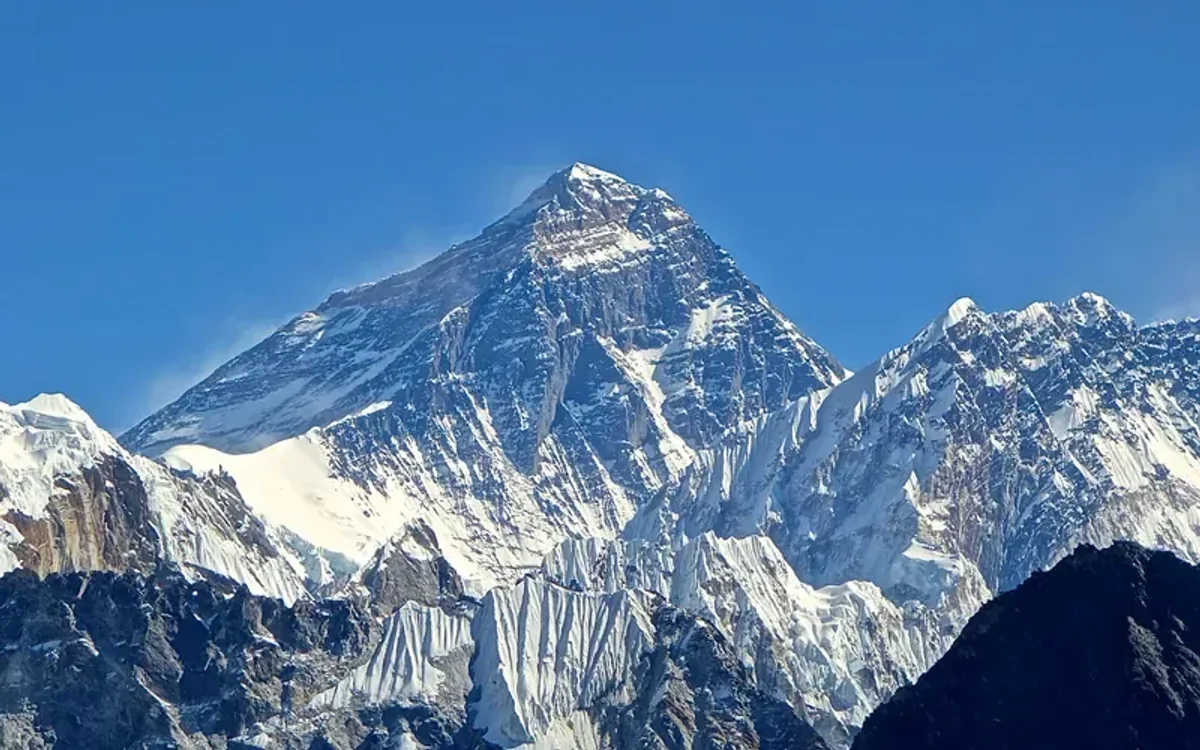
1984 Everest White Limbo: The Great Couloir Alpine Epic
In October 1984, an unheralded five-man Australian expedition tackled Mount Everest's Great Couloir in lightweight alpine style without supplemental oxygen.
Documented Sources & Archival Citations
- Archival PublicationWhite Limbo: The First Australian Ascent of Mount Everest(Lincoln Hall / Weldons)
- Primary Alpine JournalAmerican Alpine Journal: Mount Everest, North Face, Great Couloir ↗(American Alpine Club)
Share Exploration
Global Mountain Intelligence
✓ Link copied to clipboard!