1984 Everest White Limbo: The Great Couloir Alpine Epic
In October 1984, an unheralded five-man Australian expedition tackled Mount Everest's Great Couloir in lightweight alpine style without supplemental oxygen.
Mountain Safety & Conditions Disclaimer: High-altitude climbing, glacial travel, and technical ascents entail severe objective risks including avalanches, serac collapses, rapid weather collapse, and altitude illness. Historical route descriptions and summit claims on Mountainity reflect documented archival sources and must not be used as live operational safety assessments. Local regulations, permits, and physical glacial topography change continuously.
Peer Review: Senior Editorial Board & Historical Reviewers • Editorial Standards
The Untouched Chasm of the North Face
Mount Everest’s Tibetan North Face is one of the most formidable natural amphitheatres on Earth. Plunging over 3,000 meters from the summit pyramid to the Central Rongbuk Glacier, it is cleft down its center by a colossal vertical trench: the Great Couloir (also known as the Norton Couloir). In 1924, Edward Norton had reached an astonishing 8,570 meters within this couloir without oxygen before sheer exhaustion and downward-sloping rock slabs turned him back.
For the next sixty years, the full direct ascent of the Great Couloir from base to summit remained unclimbed.
In the post-monsoon autumn of 1984, an audacious group of five young Australian climbers—Tim Macartney-Snape, Greg Mortimer, Lincoln Hall, Andrew Henderson, and Geof Bartram—arrived in Tibet. They had zero corporate sponsors, carried no supplemental oxygen apparatus, employed no high-altitude Sherpa support, and had never attempted an 8,000-metre peak as a team.
The Strategy: Stripped to the Bone
Rather than constructing an elaborate siege, the Australians adopted a lightweight capsule style:
- They established Base Camp on the Central Rongbuk Glacier at 5,400 meters.
- They carried their own loads, fixing minimal rope only across dangerous crevassed bergschrunds.
- They established lightweight assault camps directly inside the couloir: Camp I (6,900m), Camp II (7,500m), and Camp III (8,150m).
Inside the couloir, they were trapped in an acoustic and visual echo-chamber—what Lincoln Hall immortalized as “White Limbo.” Avalanches triggered by high-altitude jetstream winds roared down the funnel daily, raining powder and ice down upon their tiny assault tents.
The Summit Push in the Autumn Death Zone
On the morning of October 3, 1984, Macartney-Snape, Mortimer, and Henderson departed Camp III at 8,150 meters for their final summit dash. Hall remained at Camp III to provide communications and emergency descent support.
The physical exertion of climbing unroped through waist-deep unconsolidated powder at 8,400 meters without supplemental oxygen pushed their physiology to the absolute brink. Henderson suffered frostbite in his hands and was forced to halt near 8,500 meters.
Macartney-Snape and Mortimer pressed upward through the Yellow Band, navigating loose, downward-shelving limestone slabs covered in ice glaze. At 8:00 PM on October 3, under a canopy of stars and with ambient temperatures plunging below -40°C, Tim Macartney-Snape and Greg Mortimer pulled themselves onto the summit of Mount Everest.
They had accomplished three historic firsts in a single day:
- The first Australian ascent of Mount Everest.
- The first complete ascent of the Great Couloir direct from the North Face.
- The first time Everest had been climbed by a new route without supplemental oxygen.
The Epic Midnight Descent
Summitting at 8:00 PM left the climbers trapped in darkness 3,000 meters above the glacier. Their headlamps soon failed in the extreme cold. For nine hours, Macartney-Snape and Mortimer navigated the precipitous slabs of the Yellow Band blind, feeling for handholds in the dark and downclimbing backward through the couloir.
Mortimer lost several toes to severe frostbite during the descent, but both men reached the shelter of Camp III by dawn on October 4. Their ascent is universally celebrated by mountaineering historians as one of the purest, most uncompromising alpine achievements ever realized on Mount Everest.
Key Statistics & Topographic Figures
- Category
- Historic Expeditions
Archival Subject
- Reading Time
- 13 min read
Narrative Length
- Key Mountain
- mount-everest
Objective
- Ascent Route
- everest-great-couloir-norton
Topography
- Verification
- Editorially Verified
Archival Standard
Defined Alpine Terminology & Concepts
- Summit Push
- The final continuous climbing effort from the highest established camp to the mountain apex and back.
- Death Zone Chronicle
- A verified, research-backed historical narrative documenting the human, technical, and environmental realities of an alpine expedition.
Frequently Asked Questions: 1984 Everest White Limbo: The Great Couloir Alpine Epic
What is the core chronicle and subject of "1984 Everest White Limbo: The Great Couloir Alpine Epic"?
In October 1984, an unheralded five-man Australian expedition tackled Mount Everest's Great Couloir in lightweight alpine style without supplemental oxygen.
Which mountain peaks and routes are featured in "1984 Everest White Limbo: The Great Couloir Alpine Epic"?
This narrative documents climbs on mount-everest along the everest-great-couloir-norton in China.
Which documented expedition is chronicled in this story?
This historical chronicle captures the events of the 1984-australian-mount-everest-north-face, verified through contemporary journals and archival records.
Who authored and researched this archival chronicle?
Authored and researched by Mountainity Historical Research Desk, drawing on primary eyewitness testimonies, alpine club registries, and verified summit logs.
What makes this high-altitude chronicle historically significant?
Categorized under "Historic Expeditions", this chronicle preserves critical lessons in alpine leadership, survival, tactical speed, and human endurance in the death zone.
Related Mountains


Mount Everest
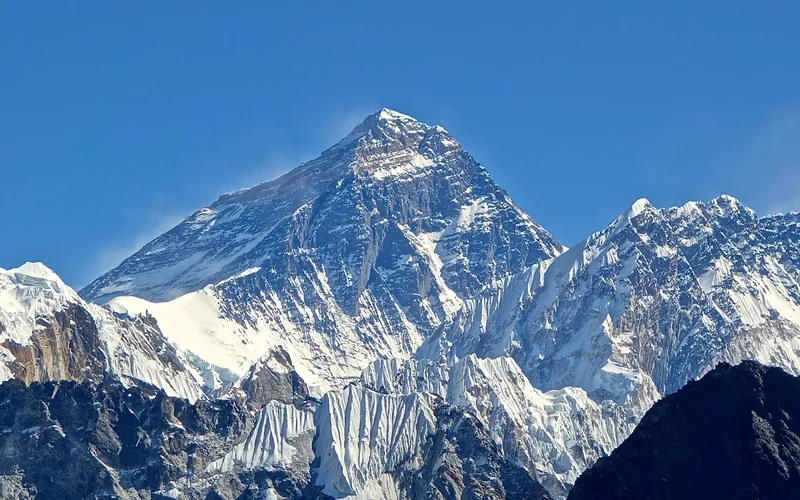
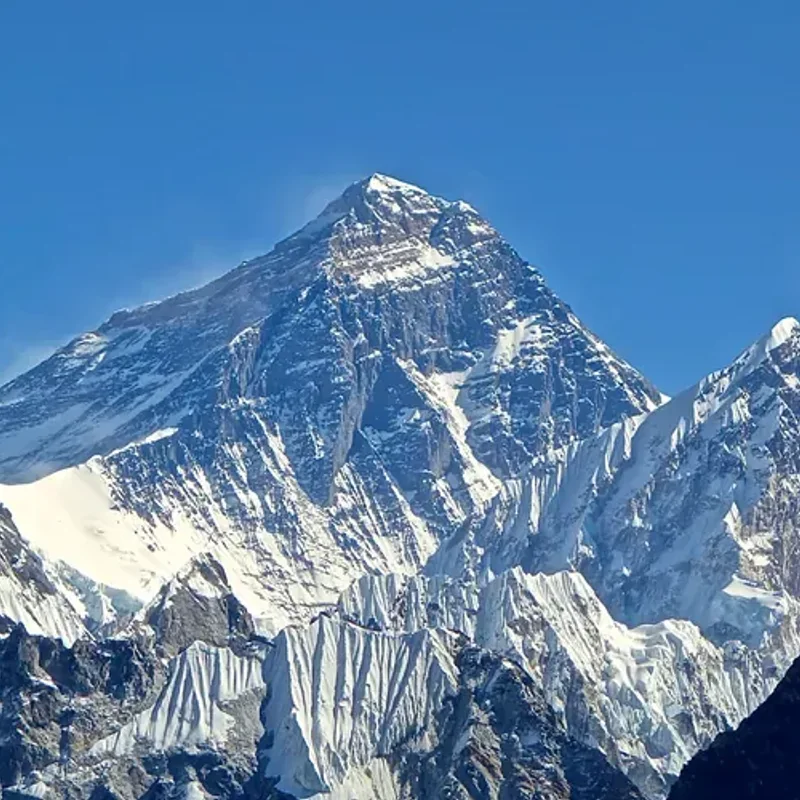
Mount Everest is the highest mountain above sea level on Earth, standing at an official elevation of 8,848.86 meters (29,031.7 ft). Straddling the international frontier between Nepal and China, it is known locally as Sagarmatha in Nepali ('Goddess of the Sky') and Chomolungma in Tibetan ('Mother Goddess of the World'). The peak rises into the extreme upper troposphere, where oxygen levels drop to barely one-third of sea-level pressure. Climbers face hurricane-force jet stream winds, severe frostbite conditions, shifting ice crevasses in the Khumbu Icefall, and the dangerous Death Zone above 8,000 meters.
Ascent Route & Topography (1)
View All Routes →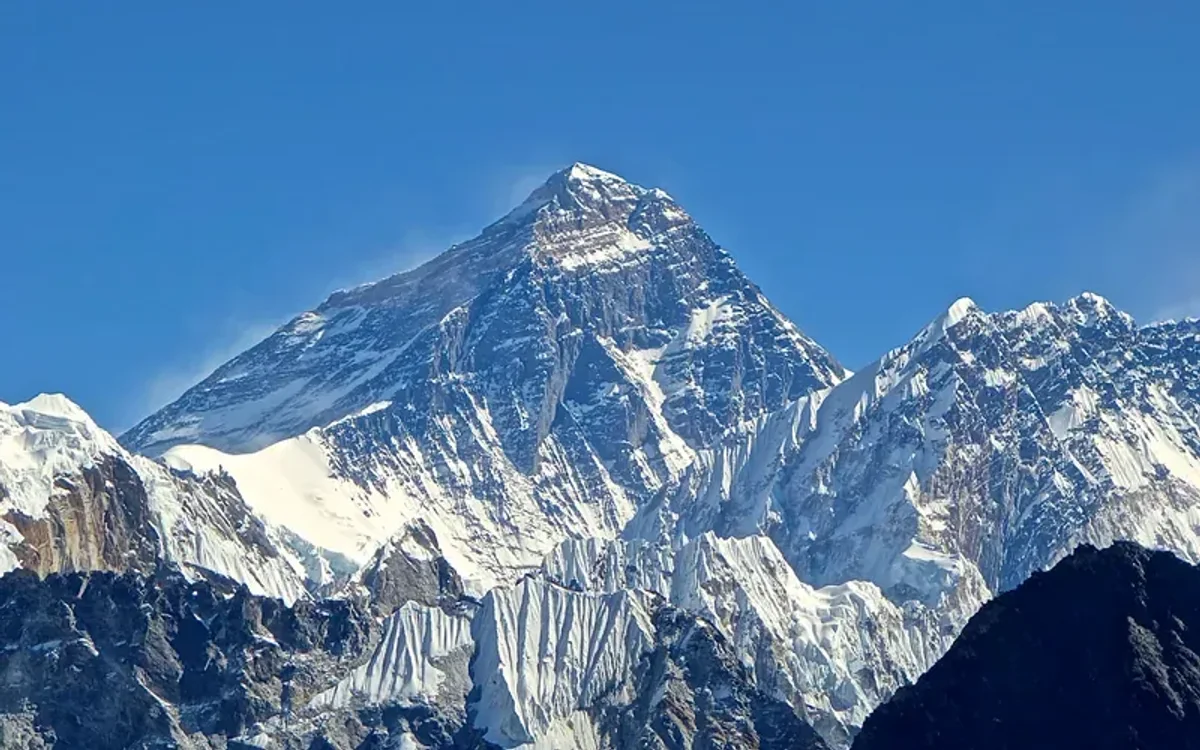
Everest Great Couloir (Norton Couloir)
The Great Couloir, often called the Norton Couloir, is a colossal 1,000-meter vertical cleft tearing down the center of Everest's immense North Face from just beneath the summit pyramid to the...
Featured Mountaineers & Pioneers (2)
Browse All Mountaineers →
Greg Mortimer
Born in Sydney in 1952, Greg Mortimer trained as a geologist before turning to professional mountaineering. In 1981, he made the first ascent of Gasherbrum IV (7,925m) South Face in the Karakoram with Tim...
Tim Macartney-Snape
Born in Tanganyika (now Tanzania) in 1956 and raised in Australia, Macartney-Snape developed a passion for extreme wilderness adventure in the Snowy Mountains and New Zealand Southern Alps. In 1978, he climbed Dunagiri...
Documented Expeditions (1)
View All Expeditions →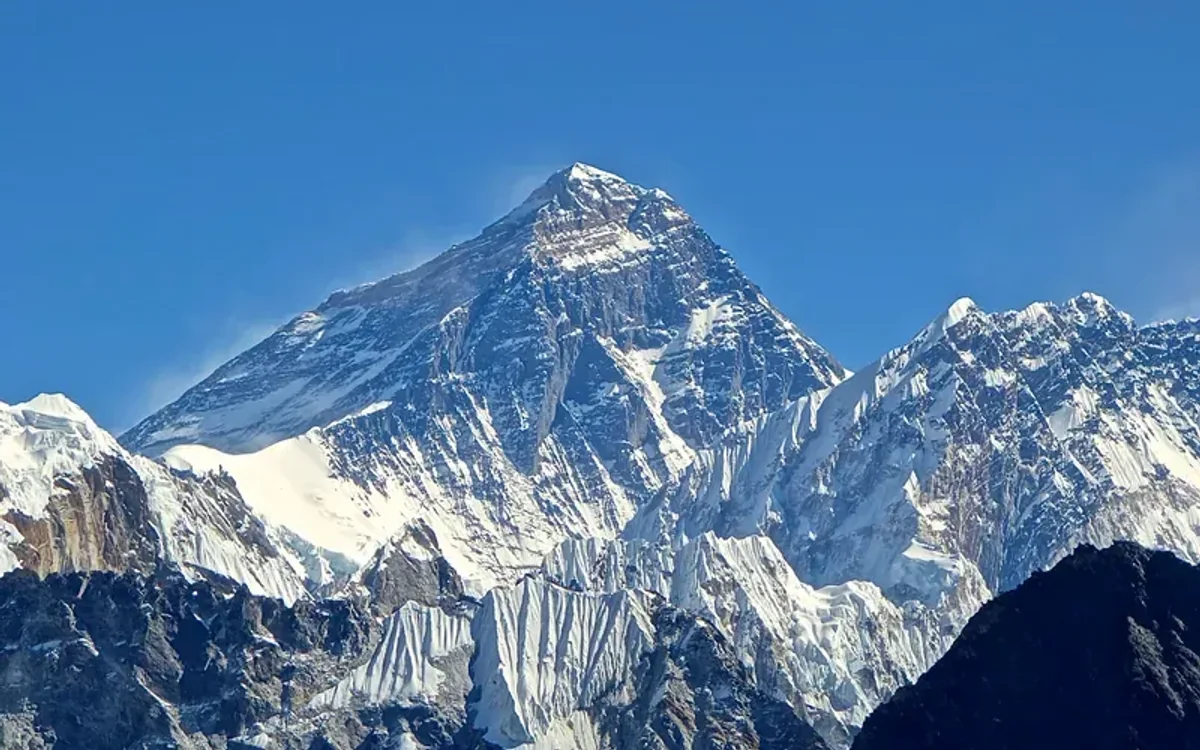
1984 Australian Mount Everest North Face Expedition
On October 3, 1984, Australian climbers Tim Macartney-Snape and Greg Mortimer conquered Mount Everest's North Face via the Great Couloir ('White Limbo') in pure lightweight style without supplemental oxygen.
Documented Sources & Archival Citations
- Primary Expedition ReportWhite Limbo: The First Australian Climb of Mt. Everest(Lincoln Hall / Weldons Pty Ltd)
- Alpine JournalThe Alpine Journal 1985: The Great Couloir of Everest(The Alpine Club UK)
Share Exploration
Global Mountain Intelligence
✓ Link copied to clipboard!