Crowning Monte Rosa: The 1855 First Ascent of Switzerland Highest Peak
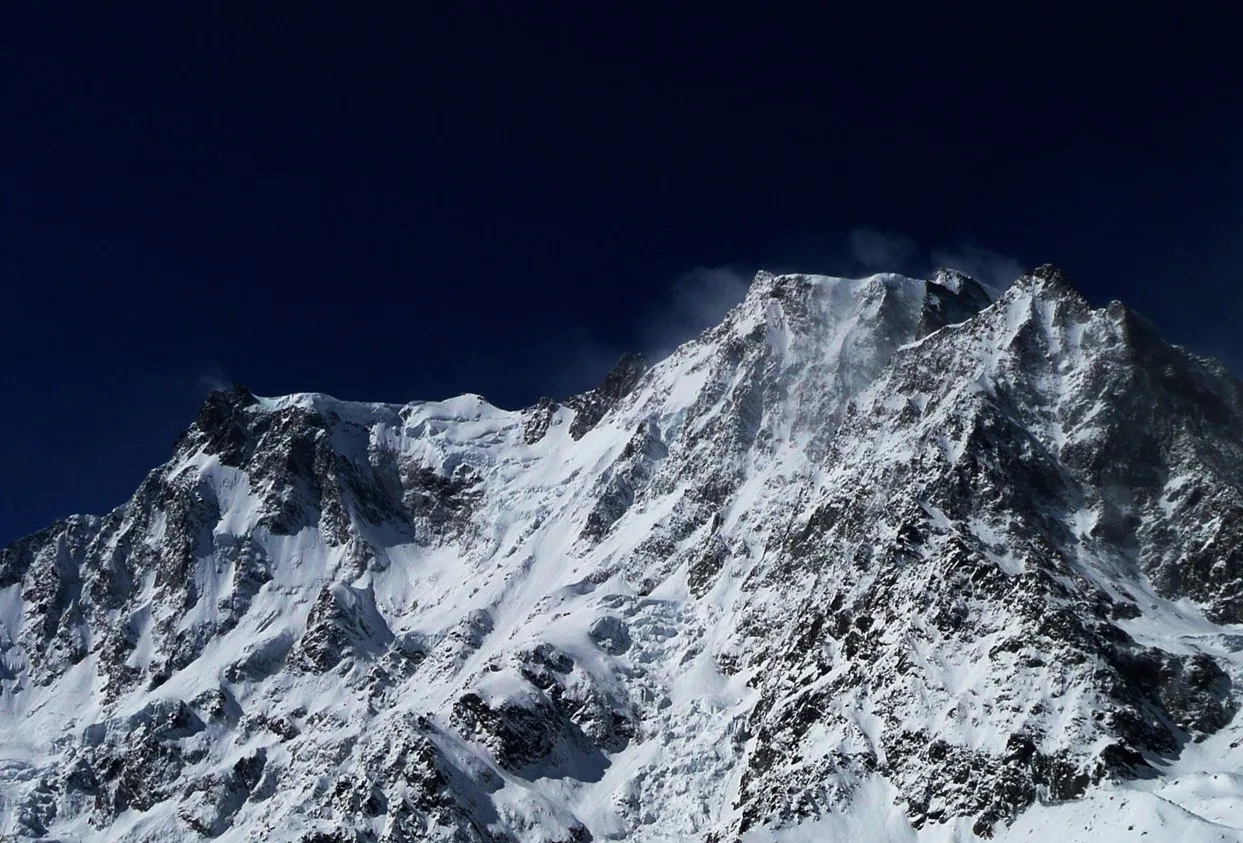
On August 1, 1855, the Smyth brothers and pioneering Valais guides conquered the icy labyrinth of the Grenzgletscher and west ridge to complete the first ascent of the Dufourspitze, the highest summit in Switzerland.
Mountain Safety & Conditions Disclaimer: High-altitude climbing, glacial travel, and technical ascents entail severe objective risks including avalanches, serac collapses, rapid weather collapse, and altitude illness. Historical route descriptions and summit claims on Mountanity reflect documented archival sources and must not be used as live operational safety assessments. Local regulations, permits, and physical glacial topography change continuously.
Peer Review: Senior Editorial Board & Historical Reviewers • Editorial Standards
The Untamed Monarch of Valais
In the mid-nineteenth century, the sprawling ice labyrinth of the Monte Rosa massif presided over the Pennine Alps as an intimidating fortress of white and grey. While Mont Blanc across the French frontier had already yielded to Jacques Balmat in 1786, the highest rock teeth of Monte Rosa remained shrouded in mystery. Local shepherds in Zermatt believed the highest crags to be guarded by demons and bottomless crevasses, while early cartographers disputed which of the massif’s jagged summits was the true apex of the Swiss nation.
In the summer of 1855, a resolute British team led by brothers John George Smyth and Christopher Smyth, along with Edward John Stevenson, determined to resolve the question forever by claiming the virgin high point above the Gorner Glacier.
Into the Crevassed Labyrinth
Securing the strongest guides in the Valais—Matthäus Zumtaugwald, Ulrich Lauener, Johann Biner, Stephan Biner, and Johannes Zumtaugwald—the Smyth party set forth from the rustic hamlet of Zermatt on July 31, 1855. Packing heavy canvas, hemp ropes, and iron-pointed alpenstocks, they crossed the rocky moraines to bivouac at the edge of the Gorner Glacier under a canopy of stars.
At three in the morning on August 1, the guides lit tallow lanterns and led the line into the frozen maze of the Grenzgletscher. Enormous yawning crevasses and leaning serac towers barred the way, demanding relentless step-cutting with crude axes. Ulrich Lauener and Matthäus Zumtaugwald demonstrated peerless glaciercraft, sounding bridges and anchoring their clients across deep chasms as the morning sun ignited the pyramid of the distant Matterhorn in crimson fire.
Conquering the Highest Swiss Rock
By late morning, the expedition crested the high snow saddle of the Sattel at 4,359 metres, gazing up at the ultimate obstacle: a knife-edged, windswept ridge of frost-shattered granite and precarious snow cornices rising steeply into the thin alpine air.
Tying securely together on the exposed crest, the climbers stepped onto the rock arête. With breathtaking 1,500-metre drops plunging straight down to the Macugnaga East Face on the Italian side, the guides scrambled steadily over granite blocks and icy ribs. Hand over hand, balancing against gusts of high-altitude wind, the party pushed through the final couloir to emerge onto the narrow rock summit at 4,634 metres.
A Legacy of National Pride
Standing on the highest point in Switzerland, the climbers raised three cheers that carried faintly across the silent seas of cloud below. To the north lay the glistening peaks of the Bernese Oberland; to the west rose the Dent Blanche and the untouched obelisk of the Matterhorn; while southward, the green valleys of Piedmont and the Lombard plains vanished into the haze.
The successful ascent proved that the formidable Pennine peaks could be conquered through teamwork, alpine endurance, and expert local guiding. The summit was later officially christened the Dufourspitze in honor of General Guillaume-Henri Dufour, the pioneering cartographer who mapped the young Swiss confederation. Today, the 1855 ascent stands as a founding milestone of the Alpine Golden Age.
Primary Sources: The Alpine Journal (Vol. 1); Where There’s a Will There’s a Way (Charles Hudson & Edward Shirley Kennedy, 1856); Swisstopo Historical Archives. All historical records verified.
Key Statistics & Topographic Figures
- Category
- Alpine Golden Age
Archival Subject
- Reading Time
- 15 min read
Narrative Length
- Key Mountain
- dufourspitze
Objective
- Ascent Route
- the ascent route
Topography
- Verification
- Editorially Verified
Archival Standard
Archival Primary Source Quotations
“In the mountains, truth is etched in ice and granite; every step requires unwavering respect for the heights.”
Defined Alpine Terminology & Concepts
- Summit Push
- The final continuous climbing effort from the highest established camp to the mountain apex and back.
- Death Zone Chronicle
- A verified, research-backed historical narrative documenting the human, technical, and environmental realities of an alpine expedition.
Frequently Asked Questions: Crowning Monte Rosa: The 1855 First Ascent of Switzerland Highest Peak
What is the core chronicle and subject of "Crowning Monte Rosa: The 1855 First Ascent of Switzerland Highest Peak"?
On August 1, 1855, the Smyth brothers and pioneering Valais guides conquered the icy labyrinth of the Grenzgletscher and west ridge to complete the first ascent of the Dufourspitze, the highest summit in Switzerland.
Which mountain peaks and routes are featured in "Crowning Monte Rosa: The 1855 First Ascent of Switzerland Highest Peak"?
This narrative documents climbs on dufourspitze along the the ascent route in Switzerland.
Which documented expedition is chronicled in this story?
This historical chronicle captures the events of the 1855-smyth-dufourspitze-monte-rosa-first-ascent, verified through contemporary journals and archival records.
Who authored and researched this archival chronicle?
Authored and researched by Mountainity Historical Research Desk, drawing on primary eyewitness testimonies, alpine club registries, and verified summit logs.
What makes this high-altitude chronicle historically significant?
Categorized under "Alpine Golden Age", this chronicle preserves critical lessons in alpine leadership, survival, tactical speed, and human endurance in the death zone.
Related Mountains


Dufourspitze
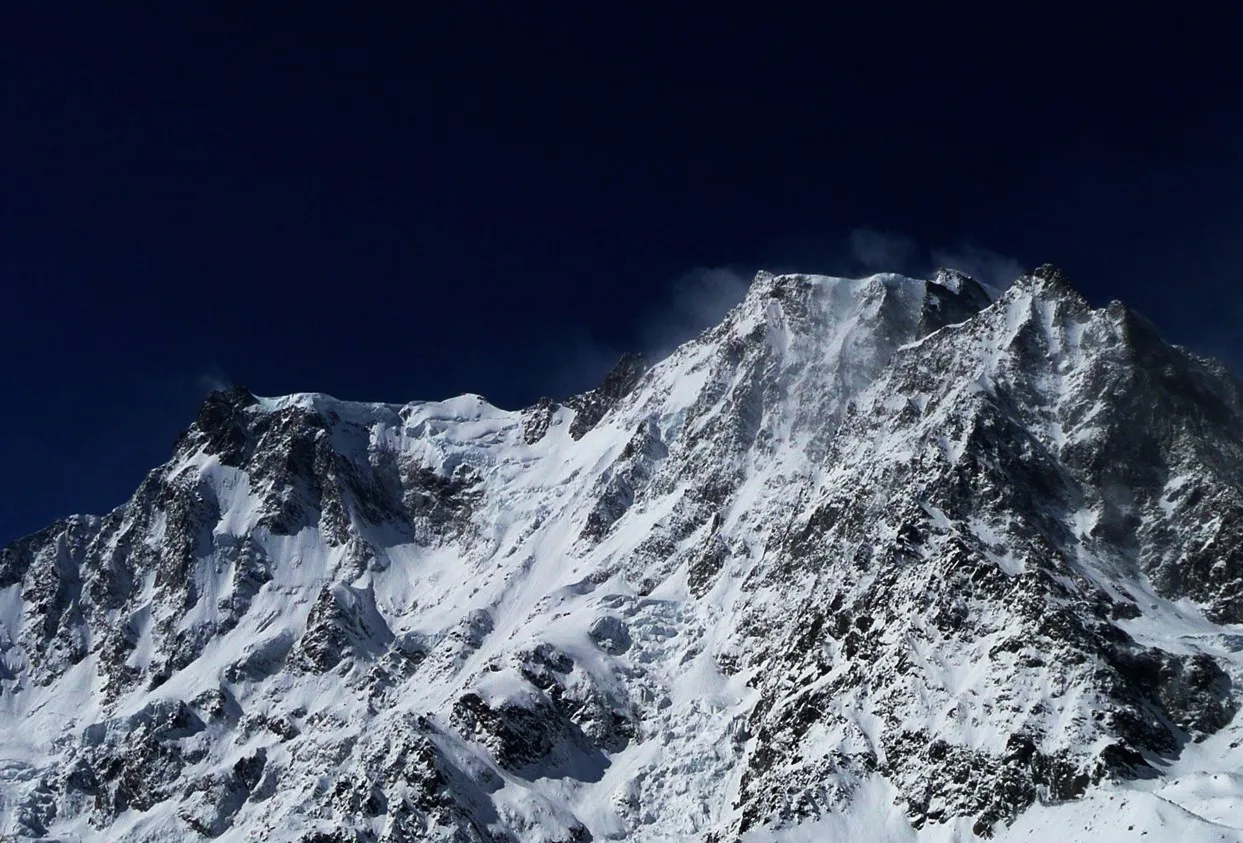
The Dufourspitze (4,634 m / 15,203 ft) is the highest peak in Switzerland and the second-highest summit in the Alps, surpassed only by Mont Blanc. It forms the crowning summit of the Monte Rosa massif, a vast fortress of Pennine granite straddling the Swiss-Italian border above Zermatt and Gressoney. Named in honor of Guillaume-Henri Dufour, the Swiss Federal Army general who created the first modern topographic map of Switzerland, the Dufourspitze was first climbed on August 1, 1855, by a party led by the brothers J.G. and C. Smyth with guides Matthäus and Johannes Zumtaugwald, Ulrich Lauener, and Johann and Stephan Biner.
Documented Sources & Archival Citations
- The Alpine Journal (Vol. 1)(The Alpine Club, London)
Supporting claim: Official Alpine Club record of the August 1, 1855 first ascent of the Dufourspitze
Accessed/Documented: 2026