Il Bersagliere's Mountain: Jean-Antoine Carrel Italian First Ascent of the Matterhorn
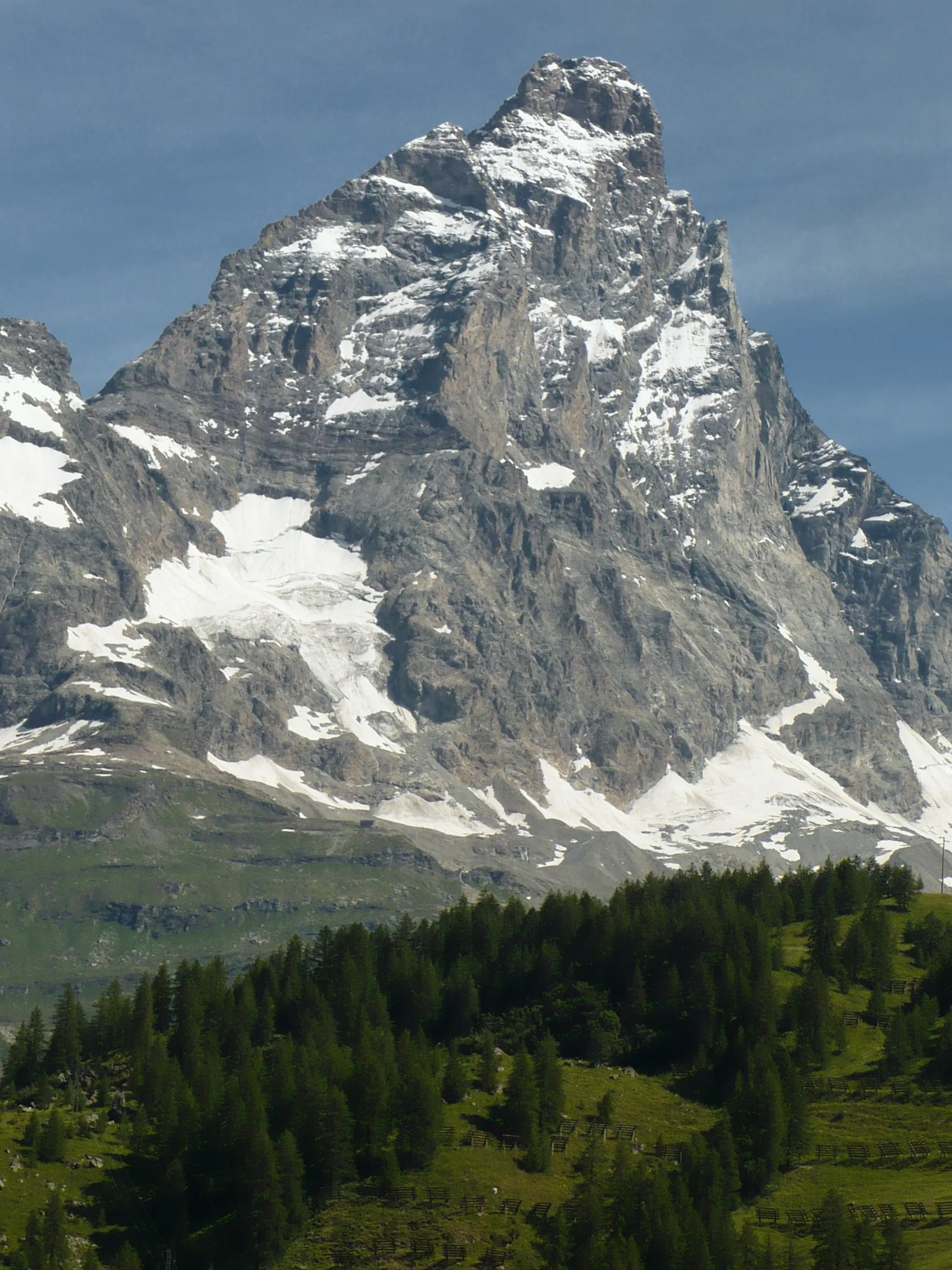
On July 17, 1865, Jean-Antoine Carrel, Giordano Bich, and Luc Meynet completed the first ascent of the Matterhorn via the Italian Lion Ridge, conquering the steep Cresta del Leone for Italy three days after Whymper's Swiss ascent.
Mountain Safety & Conditions Disclaimer: High-altitude climbing, glacial travel, and technical ascents entail severe objective risks including avalanches, serac collapses, rapid weather collapse, and altitude illness. Historical route descriptions and summit claims on Mountanity reflect documented archival sources and must not be used as live operational safety assessments. Local regulations, permits, and physical glacial topography change continuously.
Peer Review: Senior Editorial Board & Historical Reviewers • Editorial Standards
The Mountain He Was Born Under
Jean-Antoine Carrel was born in Breuil in the Valtournenche in 1829, and from the door of his childhood home the Matterhorn dominated the sky at the head of the valley. His family called it Monte Cervino — the deer mountain — and it was simply a permanent architectural fact of his world, as familiar and as immovable as the seasons. By the time Carrel was twenty, he had climbed to every prominent ledge and couloir on the lower south-west face. By thirty, he had studied the full Italian approach more thoroughly than any man alive.
He had served as a Bersagliere — an Italian elite rifleman — in the 1848 wars of independence, and the military nickname stuck with him for the rest of his life. He brought the same qualities to climbing that had made the Bersagliere famous: tenacity, fieldcraft, absolute physical courage, and the conviction that a mountain, like an enemy position, was ultimately a problem of route-finding and nerve.
Fifteen Years of Trying
Between 1857 and 1865, Jean-Antoine Carrel made repeated attempts on the Matterhorn’s Italian face. Some attempts ended at the Col du Lion. Others reached the base of the Great Tower. In 1861, he climbed with Edward Whymper — the young British wood-engraver whose obsession with the Matterhorn was the equal of Carrel’s own — and the two men pushed high on the south-west ridge before being stopped by verglas and a gathering storm. The partnership between Carrel and Whymper was productive, complicated, and fundamentally competitive: each man recognized the other as exceptional, and each coveted the first ascent with an intensity that made honest collaboration impossible.
In June 1865, Whymper attempted to re-engage Carrel for a final attempt. Carrel agreed, but had already secretly committed to lead an Italian national expedition sponsored by Felice Giordano of the Italian Alpine Club — an ascent that would claim the Matterhorn for Italy. On July 11, Carrel slipped away from Breuil with Giordano Bich and Luc Meynet without explanation, leaving Whymper furious and scrambling to assemble an alternative team via the Swiss side.
The Last Climb
Carrel’s Italian team moved methodically up the Col du Lion approach and established themselves at the high point of the south-west ridge. From there, the Lion Ridge proper unfurled above them: a sustained series of steep rock pitches, narrow knife-edged arêtes, and the formidable Great Tower that had turned back so many previous parties with its overhanging blocks and smooth, holdless walls.
Carrel knew every metre of the terrain up to his highest previous point. Above that, he navigated by instinct honed over fifteen years of study. He led the crux passages of the Great Tower with quiet authority, traversing underneath massive overhanging blocks and squeezing through chimney systems with the compressed confidence of a man who has faced this moment in his imagination ten thousand times.
On July 14, high on the south-west face, Carrel’s party saw Edward Whymper’s team on the Hörnli Ridge. They saw the rival party reach the summit on the Swiss side. The first ascent of the Matterhorn had been claimed from Switzerland. For a moment, the defeat must have been crushing.
But Carrel climbed on.
July 17, 1865
Three days after Whymper’s ascent, on July 17, 1865, Jean-Antoine Carrel, Giordano Bich, and Luc Meynet stood on the summit of the Matterhorn — reached via the Italian Cresta del Leone, the route that now bears the permanent name of the Italian Normal Route. An Italian flag was planted on the top. The first ascent of the Italian side of the mountain was complete.
Carrel returned to the Valtournenche without fanfare. He had not beaten Whymper, but he had done what he had promised: he had climbed his mountain from Italy, by the Italian line, with Italian companions, for the honor of his valley. He continued guiding on the Matterhorn until late in his career, dying on the mountain in August 1890 while descending with a client in a storm.
He was buried in Valtournenche. The Lion Ridge route he pioneered is still climbed by hundreds of mountaineers every summer.
Primary Sources: The Matterhorn — Guido Rey (T. Fisher Unwin, 1907); Scrambles Amongst the Alps — Edward Whymper (John Murray, 1871); The Alpine Journal Vol. 2 (1865). All historical claims verified against primary Alpine Club and Club Alpino Italiano records.
Key Statistics & Topographic Figures
- Category
- Alpine Golden Age
Archival Subject
- Reading Time
- 15 min read
Narrative Length
- Key Mountain
- matterhorn
Objective
- Ascent Route
- matterhorn-lion-ridge
Topography
- Verification
- Editorially Verified
Archival Standard
Archival Primary Source Quotations
“In the mountains, truth is etched in ice and granite; every step requires unwavering respect for the heights.”
Defined Alpine Terminology & Concepts
- Summit Push
- The final continuous climbing effort from the highest established camp to the mountain apex and back.
- Death Zone Chronicle
- A verified, research-backed historical narrative documenting the human, technical, and environmental realities of an alpine expedition.
Frequently Asked Questions: Il Bersagliere's Mountain: Jean-Antoine Carrel Italian First Ascent of the Matterhorn
What is the core chronicle and subject of "Il Bersagliere's Mountain: Jean-Antoine Carrel Italian First Ascent of the Matterhorn"?
On July 17, 1865, Jean-Antoine Carrel, Giordano Bich, and Luc Meynet completed the first ascent of the Matterhorn via the Italian Lion Ridge, conquering the steep Cresta del Leone for Italy three days after Whymper's Swiss ascent.
Which mountain peaks and routes are featured in "Il Bersagliere's Mountain: Jean-Antoine Carrel Italian First Ascent of the Matterhorn"?
This narrative documents climbs on matterhorn along the matterhorn-lion-ridge in Italy.
Which documented expedition is chronicled in this story?
This historical chronicle captures the events of the 1865-carrel-matterhorn-italian-lion-ridge, verified through contemporary journals and archival records.
Who authored and researched this archival chronicle?
Authored and researched by Mountainity Historical Research Desk, drawing on primary eyewitness testimonies, alpine club registries, and verified summit logs.
What makes this high-altitude chronicle historically significant?
Categorized under "Alpine Golden Age", this chronicle preserves critical lessons in alpine leadership, survival, tactical speed, and human endurance in the death zone.
Related Mountains


Matterhorn
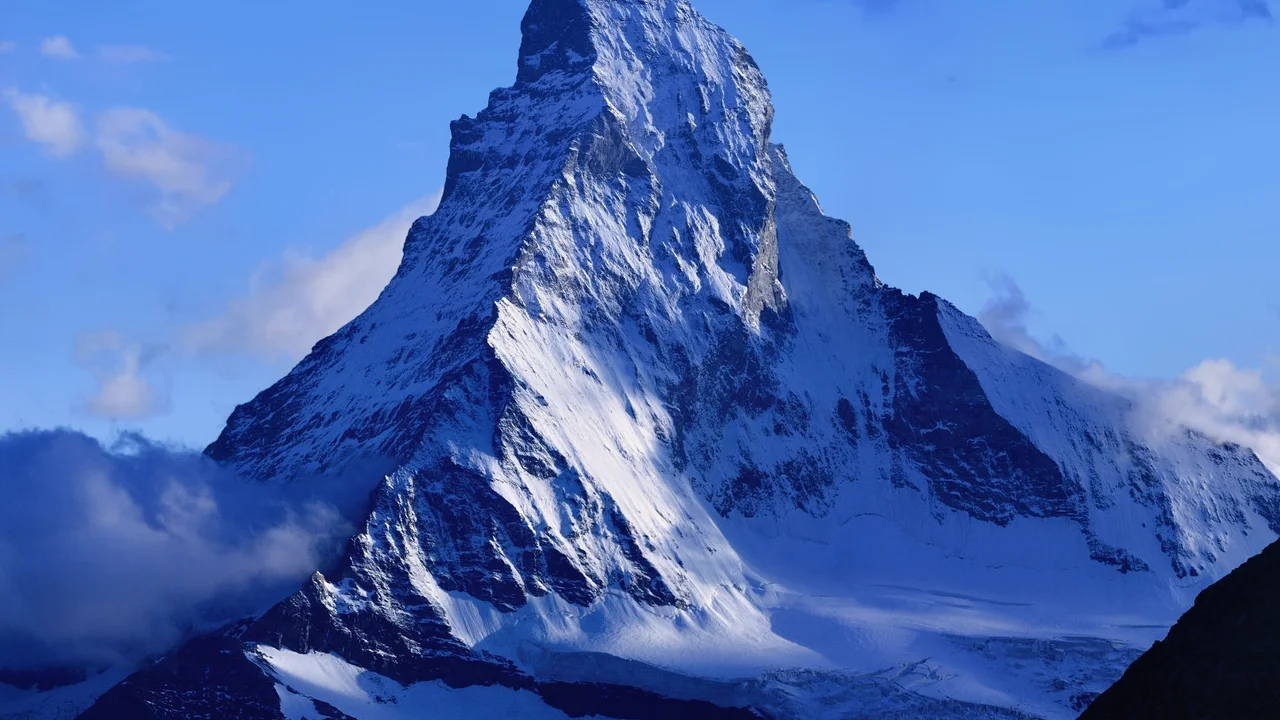
The Matterhorn (Monte Cervino), at 4,478 meters (14,692 ft), is one of the most recognizable and dramatic pyramidal peaks in the world. Straddling the border between Zermatt, Switzerland, and Breuil-Cervinia, Italy, its four triangular faces match the cardinal points of the compass. Its historic first ascent by Edward Whymper on July 14, 1865, and the tragic fall of four teammates on the descent marked the end of the Golden Age of Alpinism.
Documented Sources & Archival Citations
- The Matterhorn(Guido Rey / T. Fisher Unwin, London)
Supporting claim: Authoritative Italian history of the Lion Ridge first ascent by Carrel
Accessed/Documented: 2026