Labyrinth of the Condor: Whymper and the Carrels on Antisana in 1880
On March 10, 1880, Edward Whymper and Italian guides Louis Carrel and Jean-Antoine Carrel made the historic first ascent of Volcán Antisana (5,753 m), conquering its formidable maze of crevasses and icefalls.
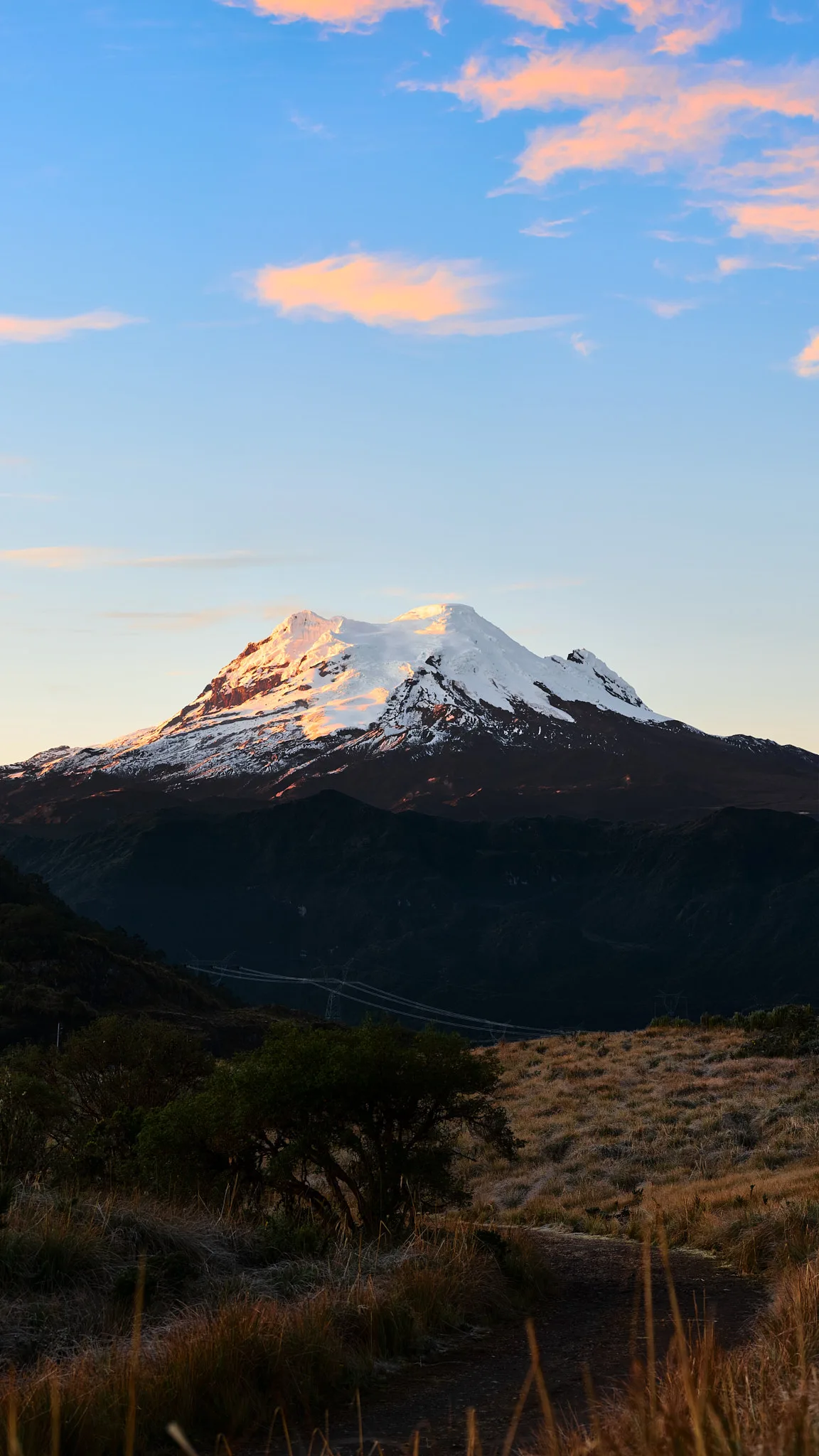
Mountain Safety & Conditions Disclaimer: High-altitude climbing, glacial travel, and technical ascents entail severe objective risks including avalanches, serac collapses, rapid weather collapse, and altitude illness. Historical route descriptions and summit claims on Mountanity reflect documented archival sources and must not be used as live operational safety assessments. Local regulations, permits, and physical glacial topography change continuously.
Peer Review: Senior Editorial Board & Historical Reviewers • Editorial Standards
Labyrinth of the Condor: Whymper and the Carrels on Antisana in 1880
The Cold Titan of the Eastern Cordillera
While Chimborazo was the highest and Cotopaxi the most fiery, Volcán Antisana (5,753 m) held the reputation as the most technically forbidding mountain in the northern Andes. Rising fifty kilometres southeast of Quito on the eastern rim of the Cordillera Real, Antisana sits squarely in the path of moisture-laden air masses boiling up from the Amazon basin. This unique climatic position drapes the volcano in gargantuan, hyperactive glaciers characterized by bottomless crevasses, unstable serac towers, and fragile ice bridges.
Following their historic triumph on Chimborazo in January 1880 and a harrowing overnight bivy inside the active crater of Cotopaxi in February, Edward Whymper, Jean-Antoine Carrel, and Louis Carrel turned their attention to Antisana. Local landowners warned them that the mountain’s glacier maze was an impassable trap that had repulsed every attempt for over a century.
“The glaciers of Antisana presented difficulties far exceeding anything we had encountered on Chimborazo: a fractured chaos of yawning fissures and leaning ice cliffs.” — Edward Whymper, Travels Amongst the Great Andes of the Equator
Entering the Ice Labyrinth
Setting out from the windswept paramo of Hacienda Antisana, Whymper established a high camp at 4,800 metres near the edge of the southern glacier. On the morning of March 10, 1880, roped closely together in dense, freezing fog, the trio stepped onto the lower icefall.
The climb immediately developed into a masterclass in glacier navigation. Louis Carrel and Jean-Antoine Carrel took turns leading the rope, probing snow bridges with their axe shafts before committing their weight. In several places, the route was blocked by colossal transverse crevasses thirty to fifty feet across. Rather than retreat, the Carrel cousins chopped delicate foot-ledges into sheer ice walls, traversing across narrow knife-edge ice bridges spanning bottomless abysses.
Above 5,200 metres, they encountered a formidable 50-degree firn headwall flanked by leaning seracs. Cutting hundreds of steps while buffeted by biting easterly winds, the Italians worked with relentless precision. Whymper followed, securing the belays and protecting their fragile barometers.
The Summit of March 10, 1880
By midday, the technical difficulties eased as they breached the upper icefall and stepped onto the gently inclined summit plateau. Navigating through blinding whiteout conditions with compass and barometric readings, they trudged across wind-carved penitentes toward the high point.
At 1:30 PM on March 10, 1880, Edward Whymper, Louis Carrel, and Jean-Antoine Carrel stood on the true summit of Volcán Antisana at 5,753 metres. The clouds momentarily parted beneath them, revealing a dizzying panorama: the green emerald carpet of the Amazon rainforest rolling away infinitely to the east, while to the west, the snow-mantled cones of Cotopaxi, Sincholagua, and Cayambe gleamed against the Andean sky.
Whymper set up his mercurial barometer, verifying the elevation and temperature (-2°C), before the party commenced a tense descent through thawing snow bridges. By nightfall, they were back in camp, having unlocked one of South America’s most complex alpine challenges. The ascent proved that modern European step-cutting and rope techniques could overcome even the most fractured equatorial glaciers.
Key Statistics & Topographic Figures
- Category
- Andean Pioneers
Archival Subject
- Reading Time
- 14 min read
Narrative Length
- Key Mountain
- antisana
Objective
- Ascent Route
- antisana-central-glacier
Topography
- Verification
- Editorially Verified
Archival Standard
Archival Primary Source Quotations
“In the mountains, truth is etched in ice and granite; every step requires unwavering respect for the heights.”
Defined Alpine Terminology & Concepts
- Summit Push
- The final continuous climbing effort from the highest established camp to the mountain apex and back.
- Death Zone Chronicle
- A verified, research-backed historical narrative documenting the human, technical, and environmental realities of an alpine expedition.
Frequently Asked Questions: Labyrinth of the Condor: Whymper and the Carrels on Antisana in 1880
What is the core chronicle and subject of "Labyrinth of the Condor: Whymper and the Carrels on Antisana in 1880"?
On March 10, 1880, Edward Whymper and Italian guides Louis Carrel and Jean-Antoine Carrel made the historic first ascent of Volcán Antisana (5,753 m), conquering its formidable maze of crevasses and icefalls.
Which mountain peaks and routes are featured in "Labyrinth of the Condor: Whymper and the Carrels on Antisana in 1880"?
This narrative documents climbs on antisana along the antisana-central-glacier in Ecuador.
Which documented expedition is chronicled in this story?
This historical chronicle captures the events of the 1880-whymper-carrel-antisana-first-ascent, verified through contemporary journals and archival records.
Who authored and researched this archival chronicle?
Authored and researched by Mountainity Historical Research Desk, drawing on primary eyewitness testimonies, alpine club registries, and verified summit logs.
What makes this high-altitude chronicle historically significant?
Categorized under "Andean Pioneers", this chronicle preserves critical lessons in alpine leadership, survival, tactical speed, and human endurance in the death zone.
Related Mountains
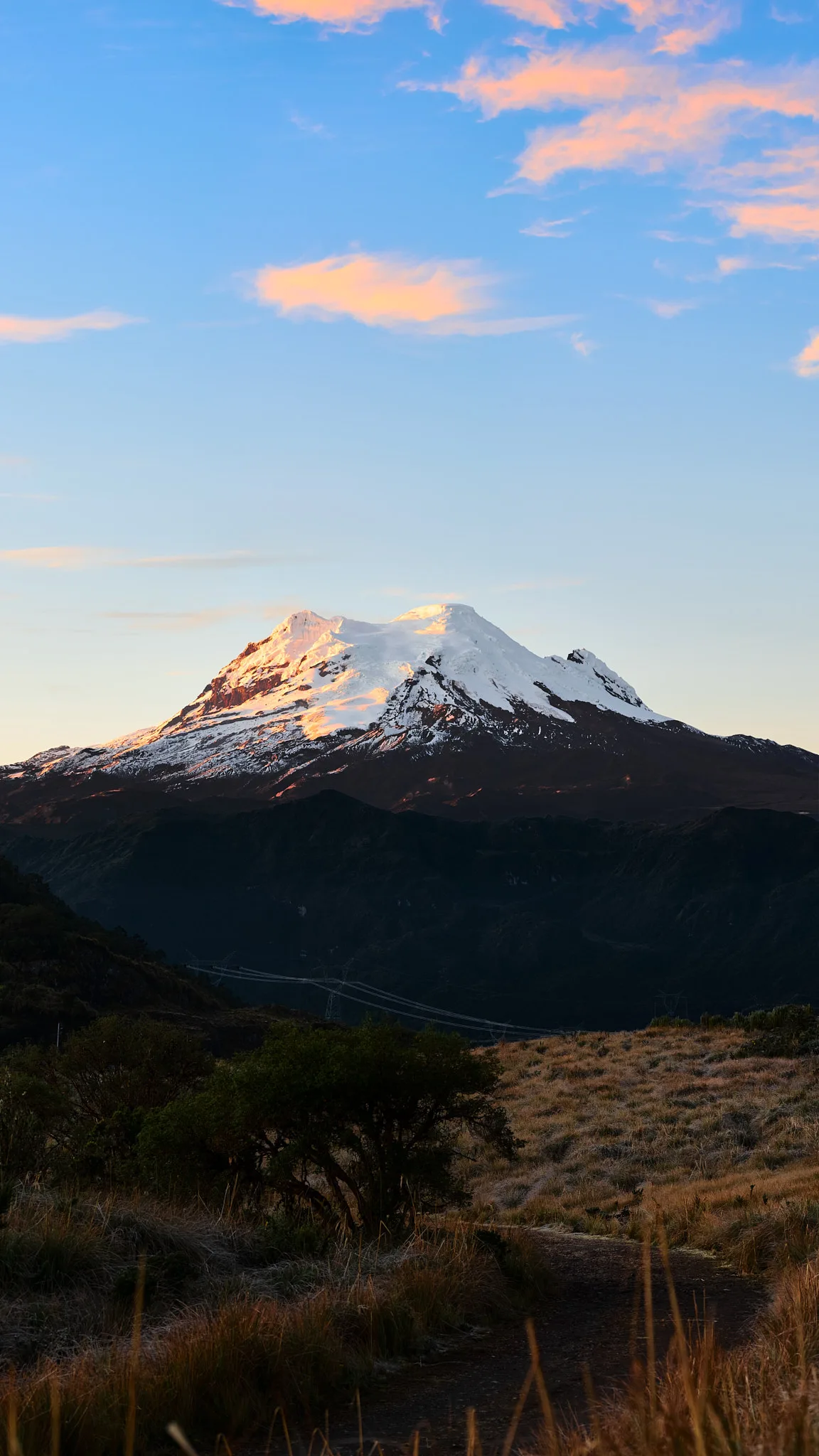
Antisana
Volcán Antisana is an imposing, heavily glaciated 5,753-metre stratovolcano in the Cordillera Real of Ecuador, renowned for its complex glacier maze, massive seracs, and yawning crevasse fields. Widely recognized as one of the most technically demanding volcanic massifs in the northern Andes, Antisana was first climbed on March 10, 1880, by Edward Whymper, Louis Carrel, and Jean-Antoine Carrel. In 1906, pioneering Ecuadorian polymath Nicolás Martínez led the first national ascent, cementing modern Ecuadorian alpinism.
Documented Sources & Archival Citations
- Travels Amongst the Great Andes of the Equator(Edward Whymper / John Murray)
Supporting claim: Primary technical route narrative and barometric logs of the 1880 Antisana first ascent
Accessed/Documented: 1892 - The Guiding Dynasty of Valtournenche(Club Alpino Italiano)
Supporting claim: Archival record of Louis and Jean-Antoine Carrel's route-finding on Antisana
Accessed/Documented: 1975