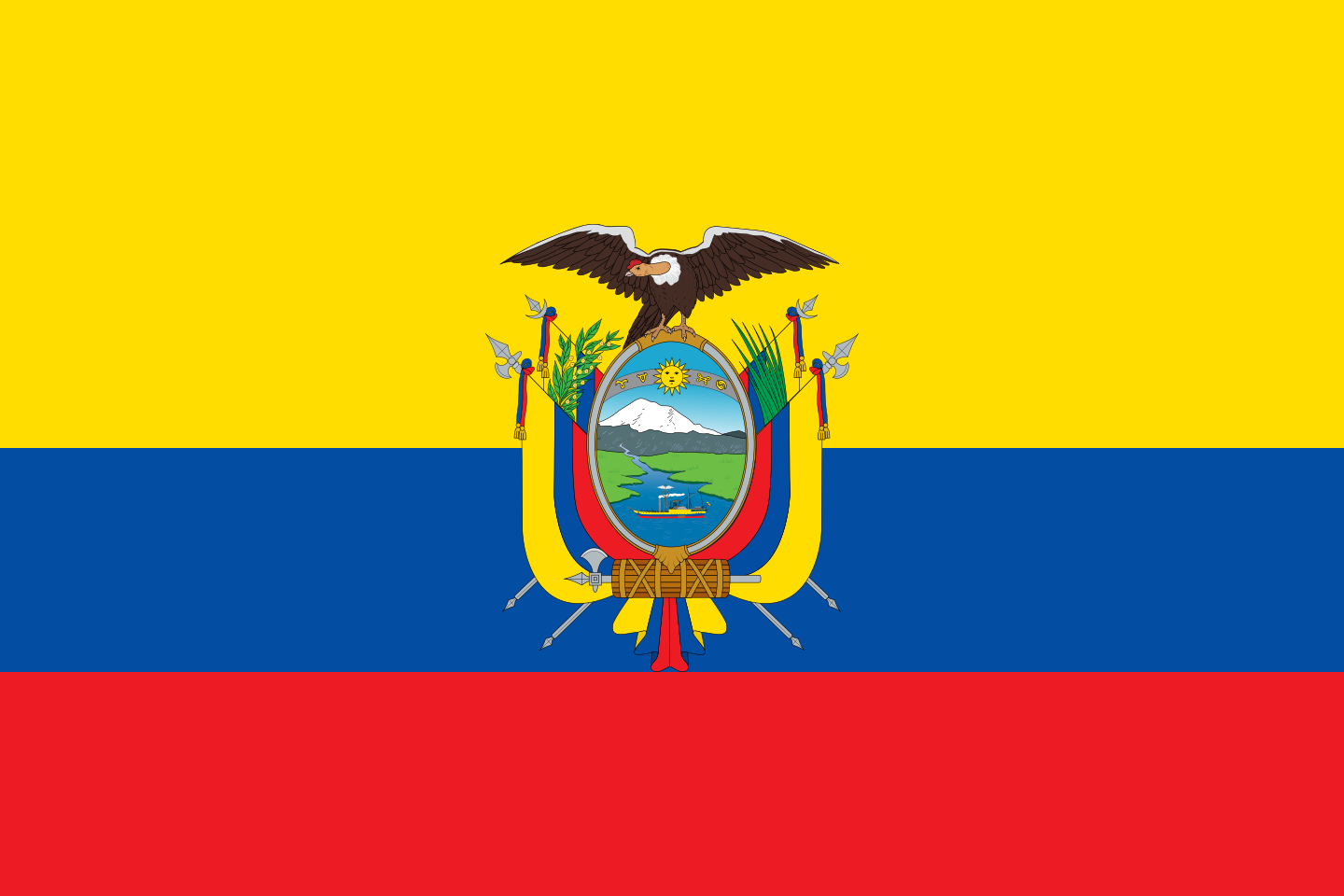
Ecuador
Ecuador straddles the equator along the high northern spine of the Andes, celebrated for its dramatic 'Avenue of the Volcanoes'. Crowned by the massive glaciated summit dome of Chimborazo—the closest point on Earth's surface to the Sun—and the majestic active cone of Cotopaxi, Ecuador has inspired scientific explorers and pioneer alpinists from Alexander von Humboldt to Edward Whymper.
Peer Review: Senior Editorial Board & Historical Reviewers • Editorial Standards
Key Statistics & Topographic Figures
- Archive Classification
- COUNTRIES
Mountanity Knowledge Corpus
- Verification Status
- Editorially Verified
Archival Standards
- Citation Standard
- Primary Source Verified
Alpine Research Desk
Mountain Peaks in Ecuador
Technical profiles, elevations, and ascent histories for summits located in or spanning Ecuador.
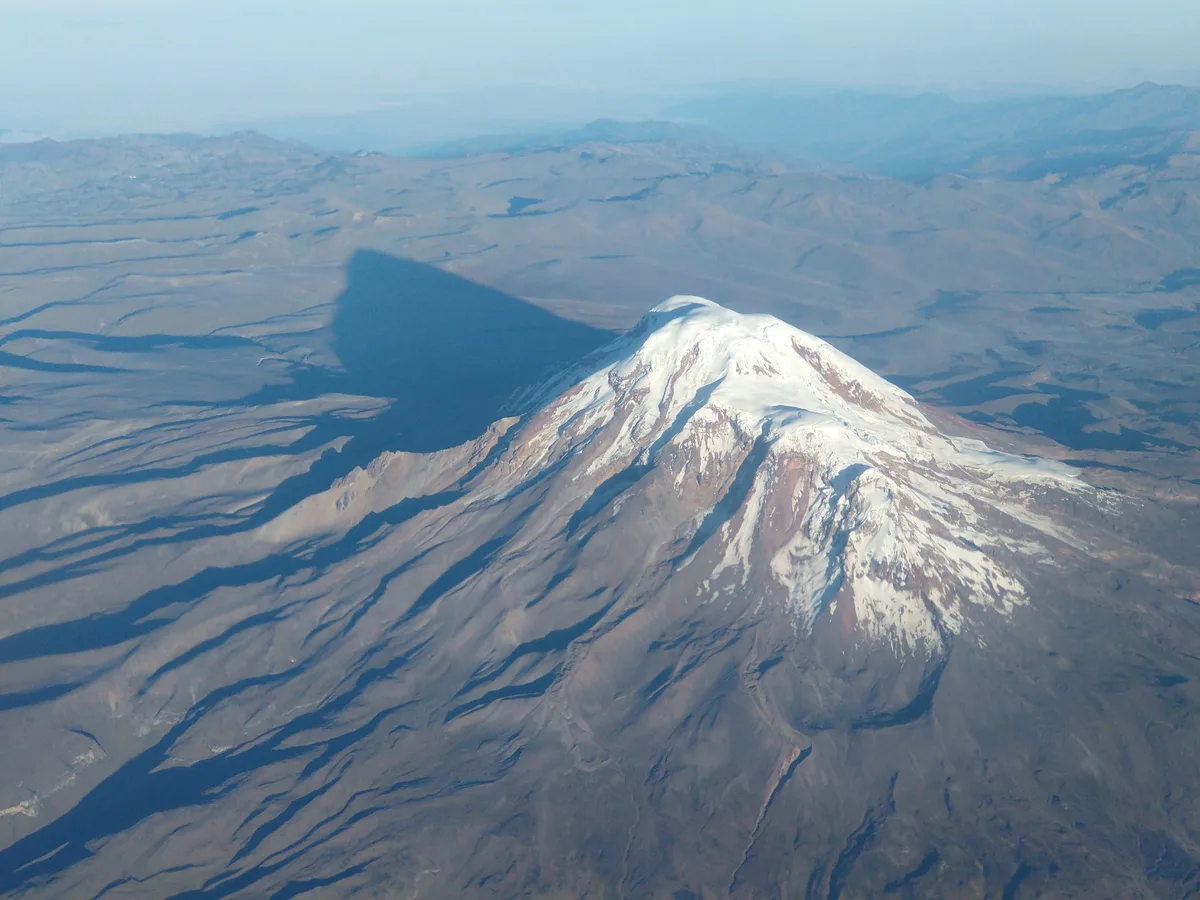
Chimborazo
Nevado Chimborazo is a colossal 6,263-metre glaciated stratovolcano in the Cordillera Occidental of Ecuador. Because Earth is an oblate spheroid with an equatorial bulge, Chimborazo's summit is the furthest terrestrial point from the center of the Earth (6,384.4 km), making it the closest place on the planet's surface to the Sun. Renowned in exploration history, it was attempted by Alexander von Humboldt in 1802 and finally summited on January 4, 1880, by Edward Whymper alongside Val Tournanche alpine guides Louis Carrel and Jean-Antoine Carrel.
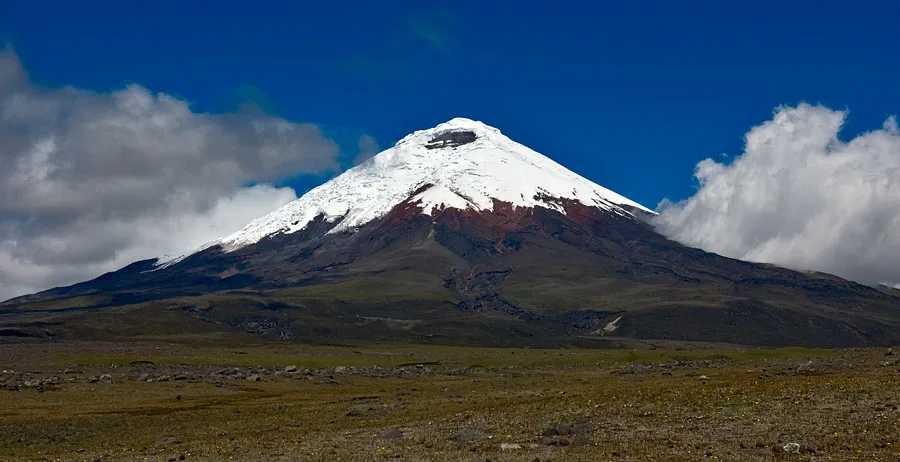
Cotopaxi
Volcán Cotopaxi is a near-perfect symmetrical stratovolcano rising to 5,897 metres in the Eastern Cordillera of the Ecuadorian Andes. One of the highest historically active volcanoes on Earth, its snow-mantled cone encases an 800-metre-wide crater emitting sulfurous steam vents and fumaroles. The volcano was first climbed on November 28, 1872, by German geologist Wilhelm Reiss and Colombian-Ecuadorian explorer Ángel María Escobar, who spent hours surveying the inner crater rim.
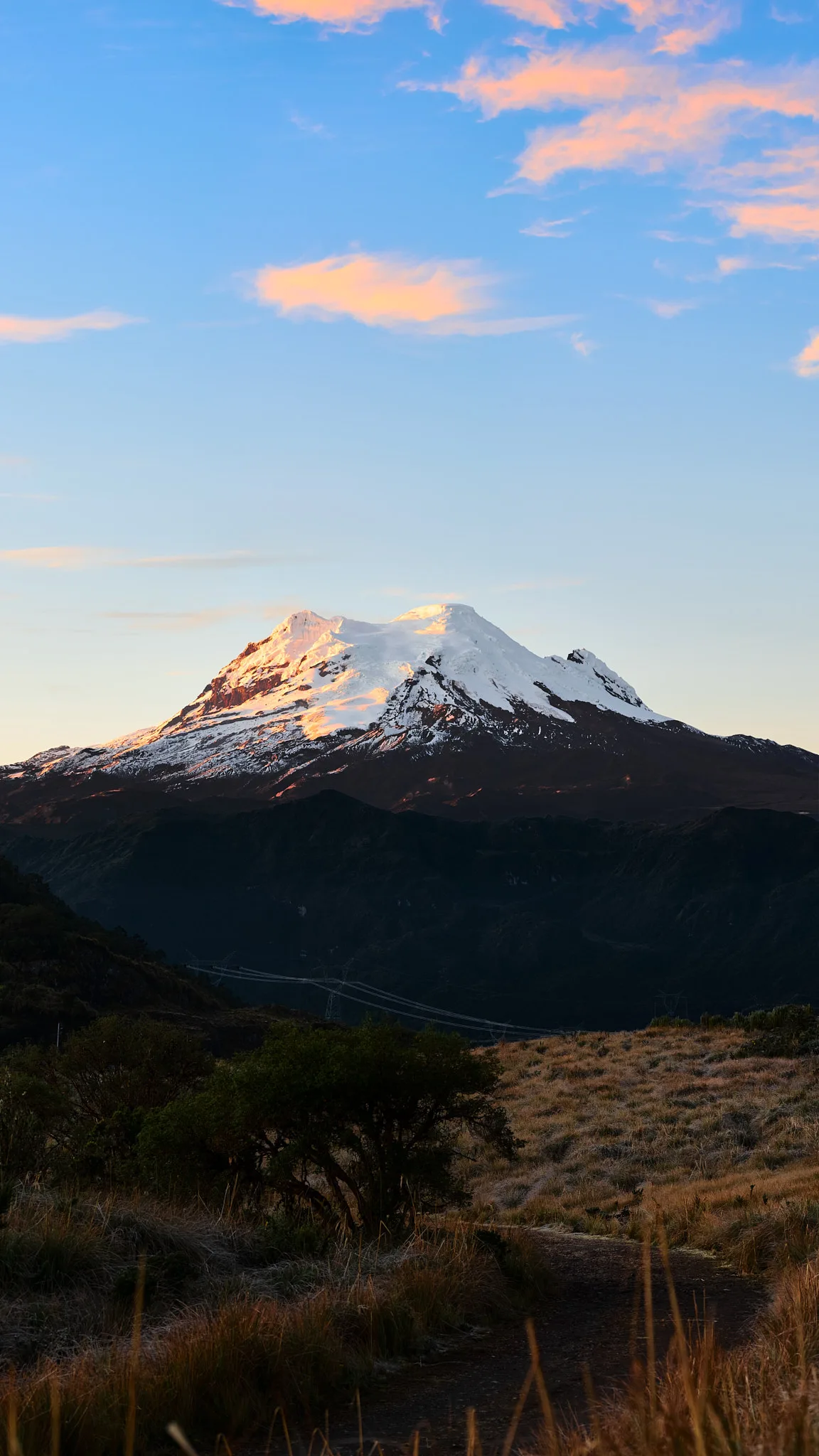
Antisana
Volcán Antisana is an imposing, heavily glaciated 5,753-metre stratovolcano in the Cordillera Real of Ecuador, renowned for its complex glacier maze, massive seracs, and yawning crevasse fields. Widely recognized as one of the most technically demanding volcanic massifs in the northern Andes, Antisana was first climbed on March 10, 1880, by Edward Whymper, Louis Carrel, and Jean-Antoine Carrel. In 1906, pioneering Ecuadorian polymath Nicolás Martínez led the first national ascent, cementing modern Ecuadorian alpinism.
Mountain Ranges Spanning Ecuador
Geographic mountain massifs, regional topography, and glaciated chains within Ecuador.
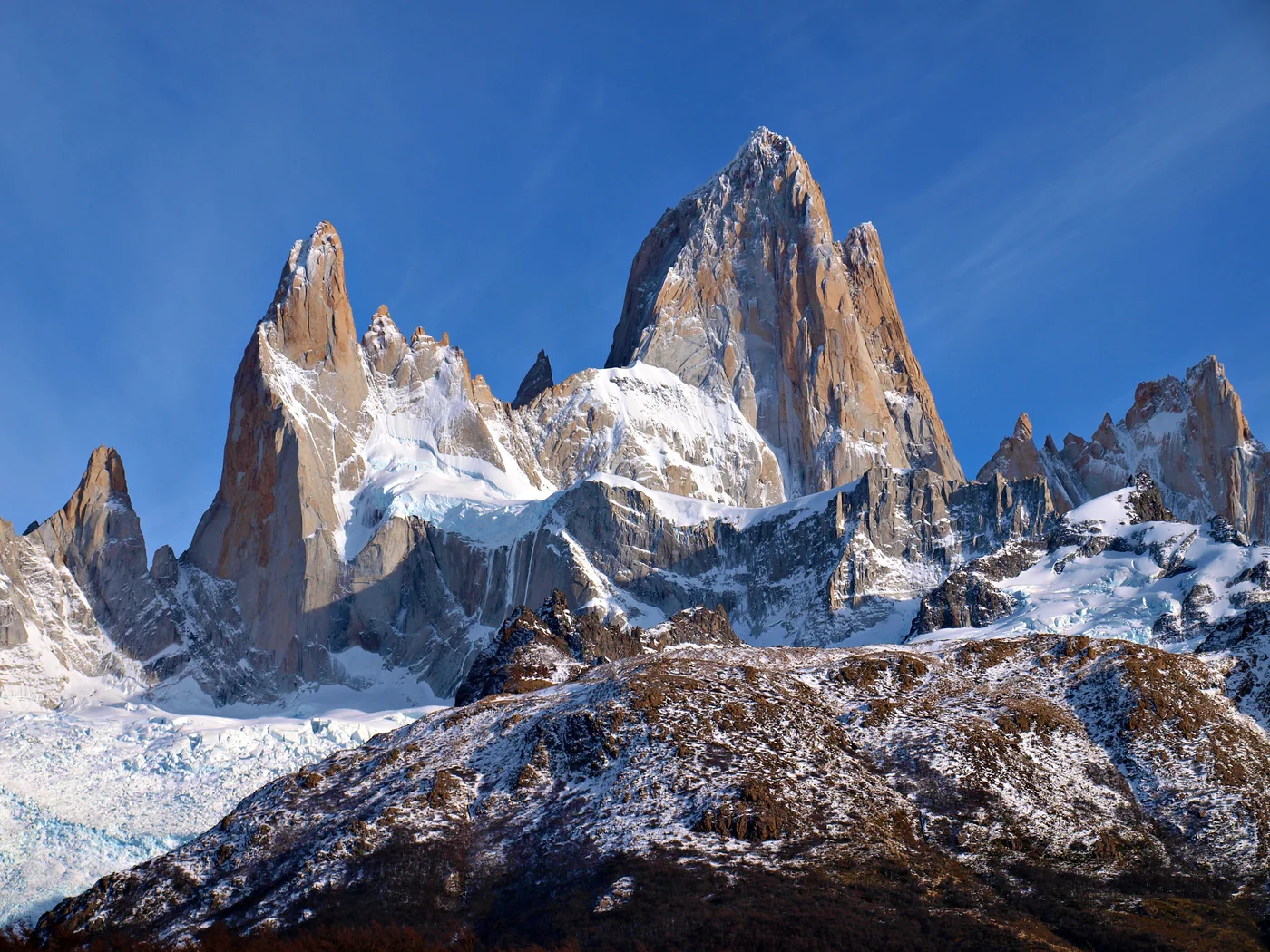
Andes
The Andes form the longest continental mountain range on Earth, stretching over 7,000 kilometres along the western margin of South America. Renowned for soaring glaciated volcanoes, high Altiplano plateaus, and the sheer wind-blasted granite spires of Patagonia, the range contains legendary alpine challenges including Aconcagua and Cerro Fitz Roy.
Documented Climbing Routes
Classic lines of ascent, technical difficulties, and objective hazards across Ecuador's summits.
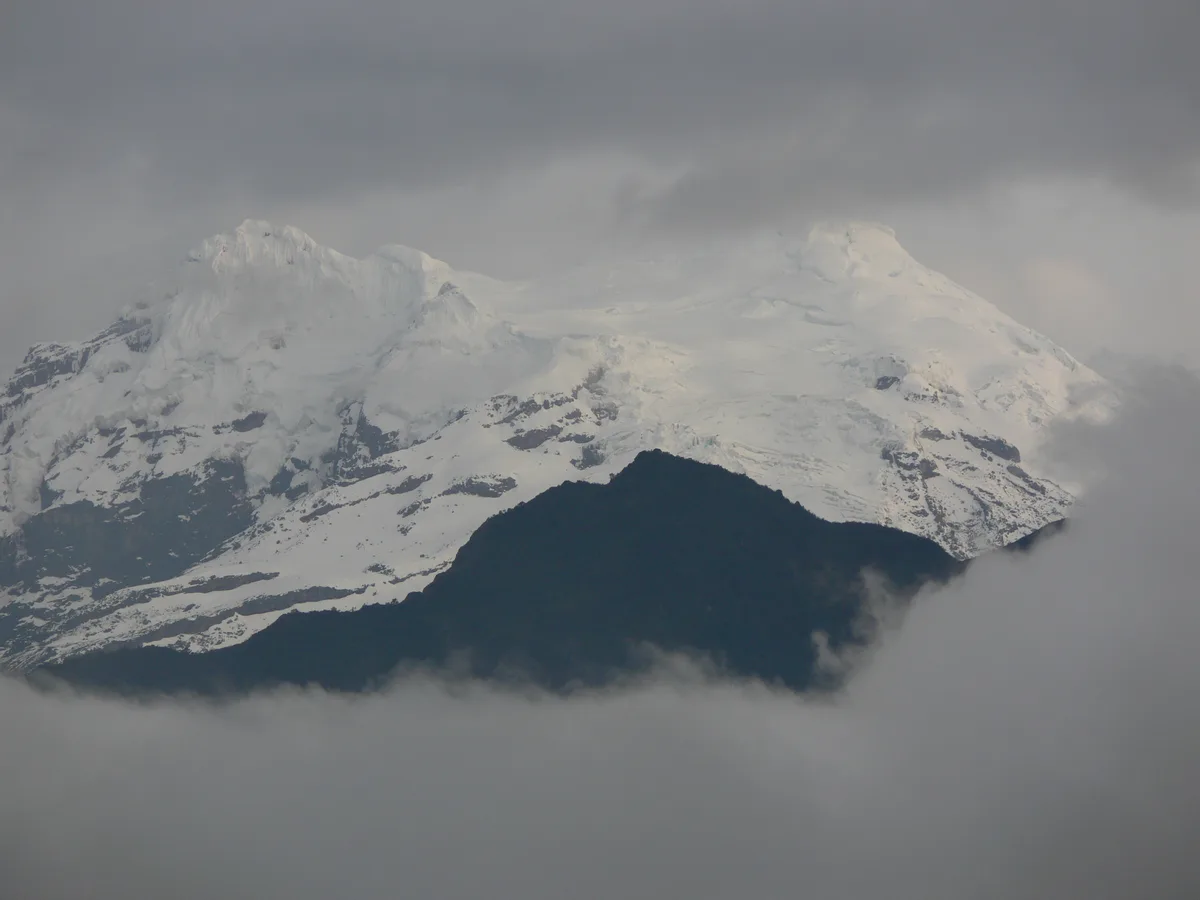
Antisana Normal Route (Central Glacier)
A serious, heavily crevassed glacier route navigating broken icefalls, towering seracs, and hidden bergschrunds on Antisana's southern slopes. Demanding advanced crevasse rescue skills and steep 50° firn climbing, the route surmounts intricate ice ramps to gain the main summit dome at 5,753 metres.
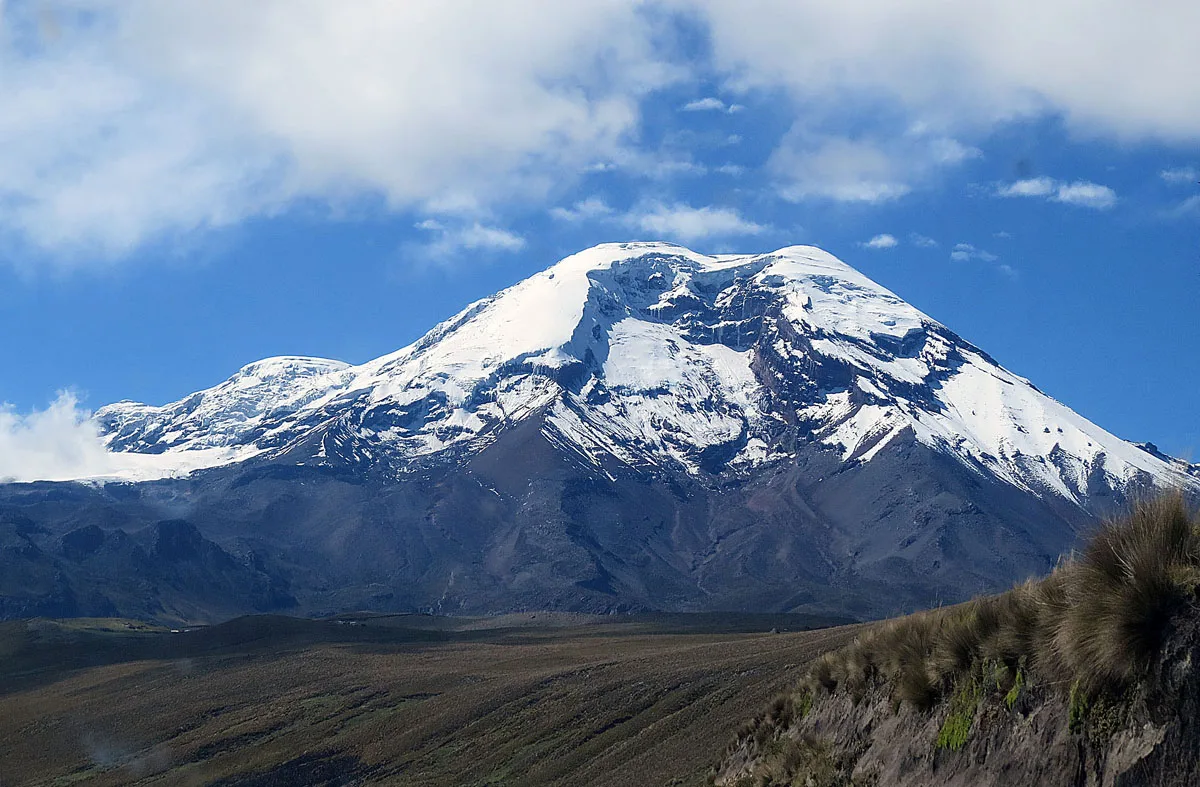
Chimborazo Normal Route (Whymper Route)
The Whymper Route follows the western ridges and glacier flanks of Chimborazo past the landmark rock buttress of El Castillo. Climbers ascend steep 40°-50° firn and penitentes before traversing expansive upper ice fields to reach Cumbre Veintimilla (6,230 m) and finally Cumbre Whymper at 6,263 metres.
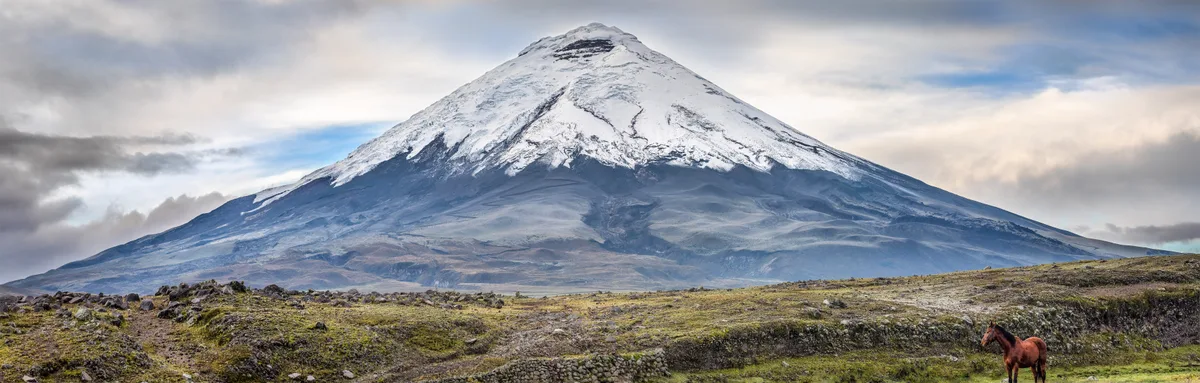
Cotopaxi Normal Route (North-Northeast Glacier)
The classic ascent of Cotopaxi ascends north-northeast glaciated slopes from the José Rivas Refuge (4,864 m). The route weaves through moderate 35°-45° snowfields and crevassed ramps, passing beneath the Yanasacha rock band before topping out on the rim of the steaming volcanic caldera at 5,897 metres.
Historic Expeditions & First Ascents
Epoch-making sieges and triumphant summits recorded within Ecuador's alpine history.
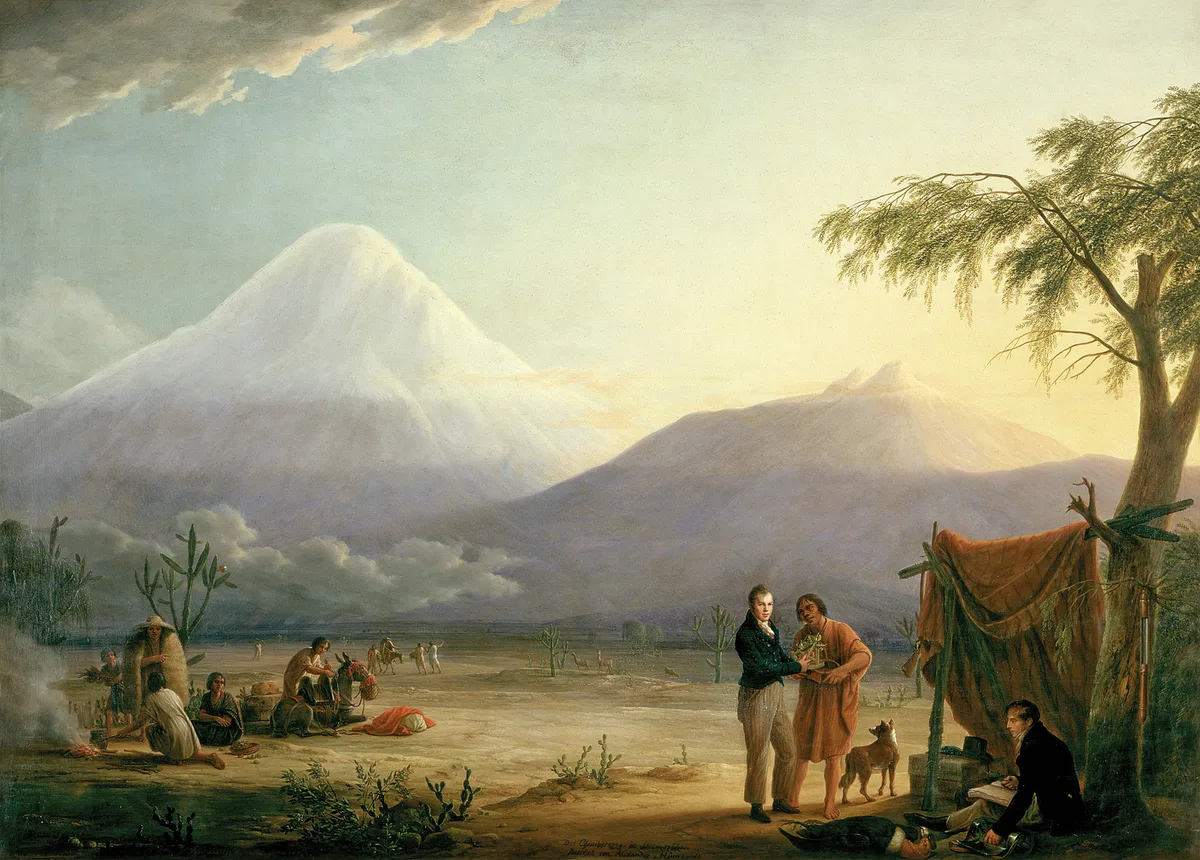
1802 Alexander von Humboldt Chimborazo World Altitude Record Expedition
On June 23, 1802, Prussian naturalist Alexander von Humboldt, French botanist Aimé Bonpland, and Ecuadorian nobleman Carlos Montúfar reached 5,878 metres on Chimborazo. Overcoming altitude sickness, freezing gales, and sheer rock precipices without modern alpine gear, they set a world altitude record that stood for thirty years.
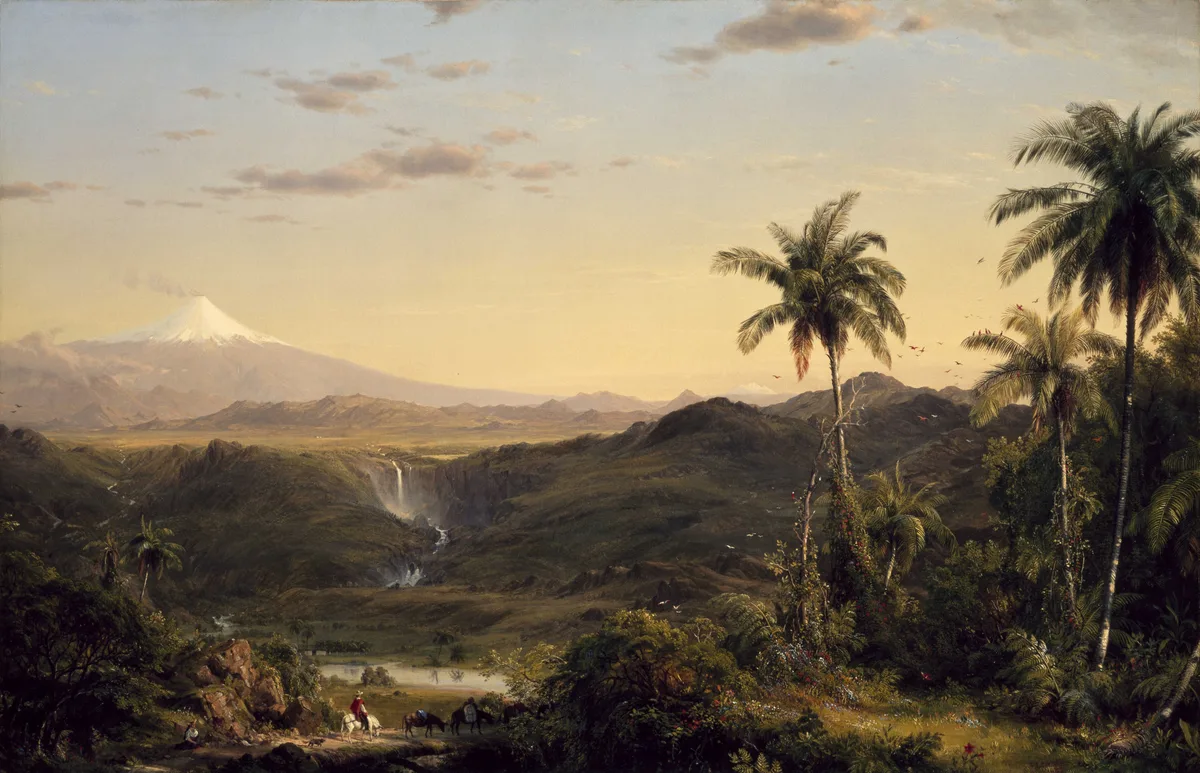
1872 Wilhelm Reiss and Ángel María Escobar Cotopaxi Historic First Ascent Expedition
On November 28, 1872, German geologist Wilhelm Reiss and Colombian explorer Ángel María Escobar achieved the historic first ascent of Volcán Cotopaxi (5,897 m). Traversing glaciated ramps and navigating gaping crevasses, they reached the active crater rim and conducted the first scientific observations inside Earth's highest active volcanic cauldron.
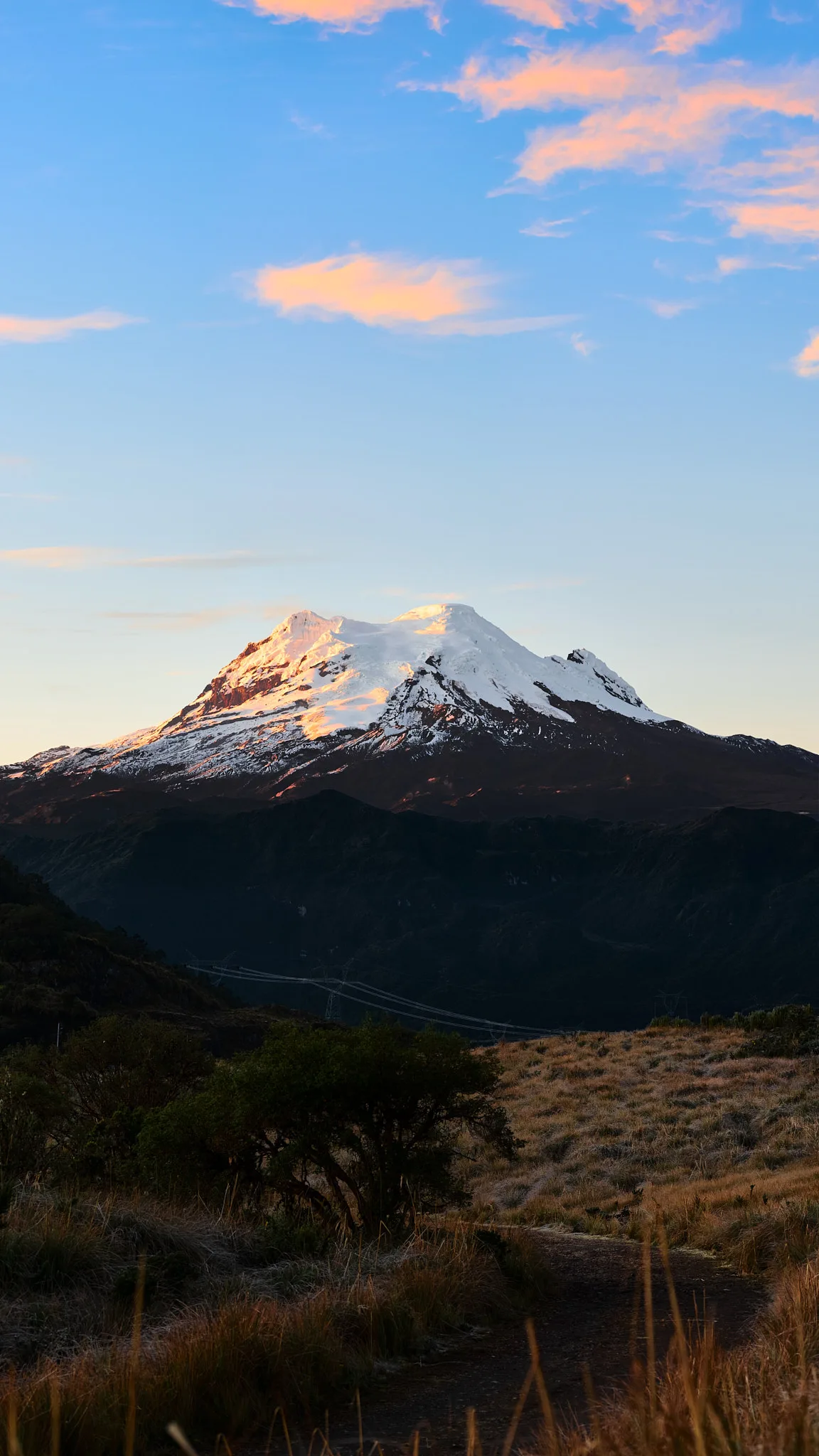
1880 Edward Whymper and Carrel Brothers Antisana Historic First Ascent Expedition
On March 10, 1880, Edward Whymper alongside Val Tournanche alpine guides Louis Carrel and Jean-Antoine Carrel achieved the historic first ascent of Volcán Antisana (5,753 m). Overcoming a treacherous maze of yawning crevasses and steep firn headwalls, the team unlocked one of the most technically formidable glaciated volcanic massifs in the northern Andes.
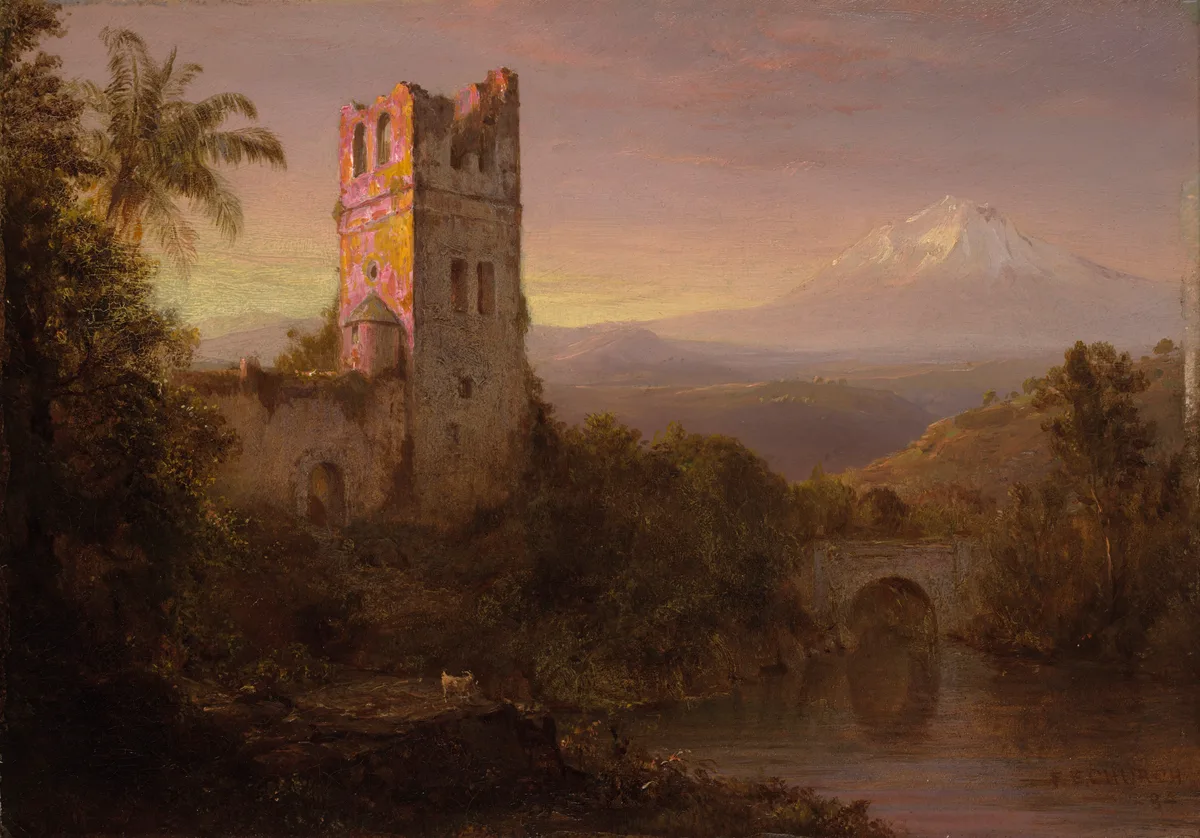
1880 Edward Whymper and Carrel Brothers Chimborazo Historic First Ascent Expedition
On January 4, 1880, British mountaineer Edward Whymper alongside legendary Italian guides Louis Carrel and Jean-Antoine Carrel completed the historic first ascent of Chimborazo (6,263 m). Navigating steep firn, seracs, and debilitating mountain sickness, they stood atop Earth's closest surface point to the Sun, completing a masterwork of nineteenth-century alpinism.
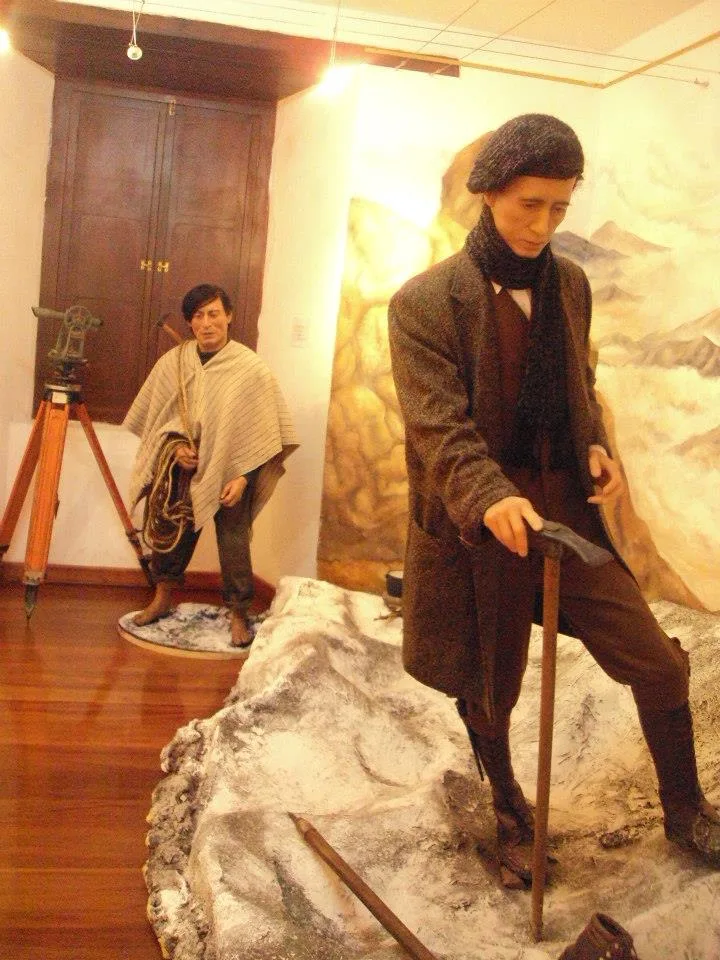
1906 Nicolás Martínez Antisana Historic First Ecuadorian Ascent Expedition
On March 15, 1906, Ecuadorian polymath and explorer Nicolás Martínez led the first national ascent of Volcán Antisana (5,753 m) alongside Ecuadorian companions. Negotiating the complex southern glaciers without foreign guides, Martínez established national self-reliance in the high Andes and inaugurated modern Ecuadorian mountaineering.
Pioneer Mountaineers of Ecuador
Biographical chronicles of legendary high-altitude alpinists hailing from Ecuador.
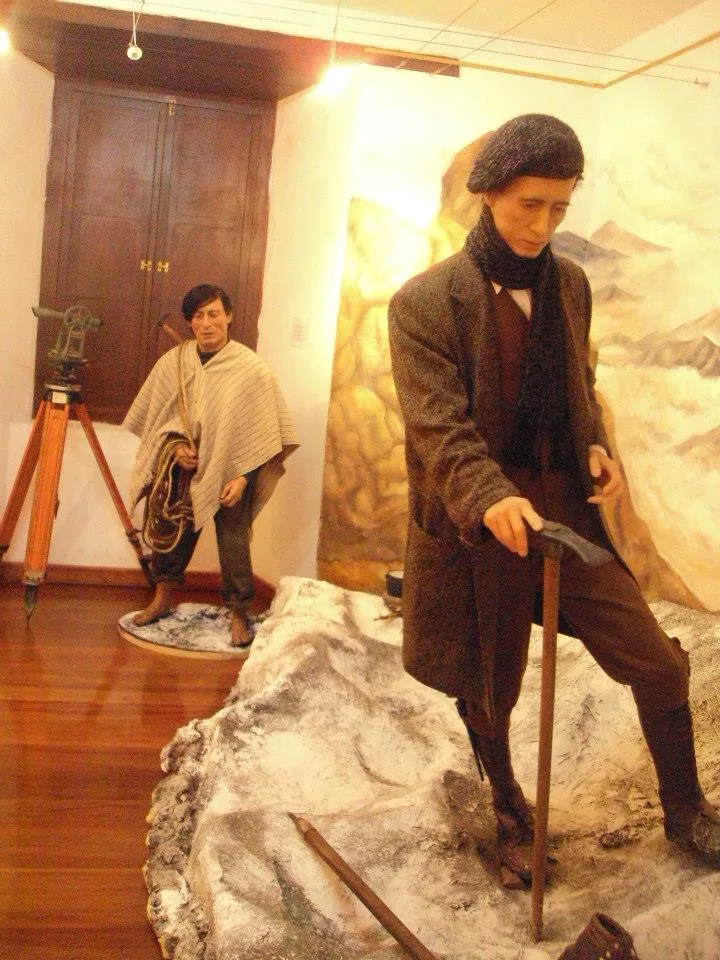
Nicolás Martínez
Born on March 25, 1860, in Ambato, Tungurahua Province, Ecuador, Augusto Nicolás Martínez Vásconez grew up at the foot of the magnificent central Ecuadorian volcanoes. Educated in sciences, geology, and meteorology, Martínez became a prolific scholar, educator, and director of the Quito Astronomical Observatory. Intensely patriotic, Martínez was determined to prove that Ecuadorian climbers could explore and master their own cordilleras without relying on foreign expeditions. Over four decades of relentless field exploration, Martínez ascended virtually every major volcanic peak in the country. During the violent eruptive cycles of Volcán Tungurahua between 1886 and 1902, Martínez ventured repeatedly into active ash fields and crater zones to conduct pioneering vulcanological studies. He made multiple ascents of Cotopaxi and attempted Chimborazo, documenting his journeys through breathtaking early photography and detailed scientific journals. On March 15, 1906, Martínez led an all-Ecuadorian party on a bold assault of Volcán Antisana (5,753 m), successfully negotiating its labyrinthine glacier maze to achieve the first national ascent of this notoriously difficult peak. His landmark book, 'Ascensiones a los Andes Ecuatorianos', served as the foundational manifesto of Ecuadorian mountaineering, inspiring generations of South American climbers. Martínez passed away in Ambato on March 19, 1934, revered across the continent as the founding father of national alpinism.
Archival Primary Source Quotations
“Great things are done when men and mountains meet; this is not done by jostling in the street.”
Defined Alpine Terminology & Concepts
- Archival Integrity
- The standard of verifying historical mountain facts, summit claims, and altitudes using primary expeditions journals and geodetic measurements.
Frequently Asked Questions: Ecuador Mountaineering
What historical significance does this countrie hold?
Ecuador represents an essential chapter in global mountaineering heritage, verified through contemporary expedition journals and archival sources.
How are the facts and records for Ecuador verified?
All records are checked against peer-reviewed journals, national alpine clubs, geodetic surveys, and the Mountanity Archival Integrity Policy.