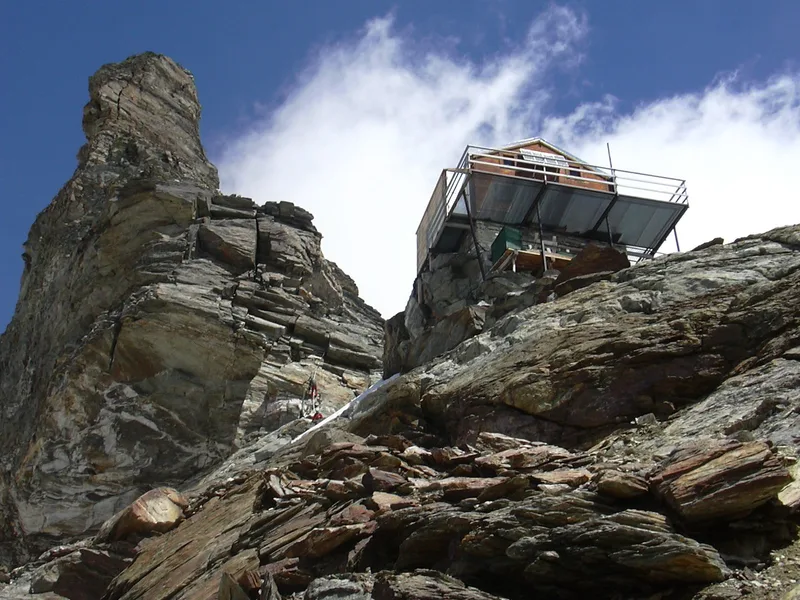
Louis Carrel
Louis Carrel was an elite Italian mountain guide from the Val Tournanche who accompanied Edward Whymper and his cousin Jean-Antoine Carrel on their historic 1880 expedition to Ecuador. He achieved the historic first ascents of Chimborazo (6,263 m), Antisana (5,753 m), and Cayambe (5,790 m), pioneering high-altitude Andean mountaineering.
Mountain Safety & Conditions Disclaimer: High-altitude climbing, glacial travel, and technical ascents entail severe objective risks including avalanches, serac collapses, rapid weather collapse, and altitude illness. Historical route descriptions and summit claims on Mountanity reflect documented archival sources and must not be used as live operational safety assessments. Local regulations, permits, and physical glacial topography change continuously.
Peer Review: Senior Editorial Board & Historical Reviewers • Editorial Standards
Biographical Record & Archival Chronicle
Born in 1858 in the alpine village of Valtournenche in the Valle d'Aosta, Italy, Louis Carrel ('Il Principino') belonged to one of the most celebrated mountaineering dynasties in the Alps. The younger cousin of the legendary Jean-Antoine Carrel, Louis developed exceptional rock-climbing technique and glacier navigation skills on the formidable precipices of the Matterhorn (Monte Cervino).
In late 1879, British explorer Edward Whymper engaged both Jean-Antoine Carrel and Louis Carrel to join him on an unprecedented expedition to the equatorial Andes of Ecuador. Whymper knew that tackling the untamed, glaciated giants of the equator demanded the greatest alpine guides in Europe. Arriving in Ecuador in December 1879, Louis Carrel immediately proved his worth, breaking trail through deep firn and navigating intricate serac mazes.
On January 4, 1880, Louis Carrel, Jean-Antoine Carrel, and Edward Whymper conquered Nevado Chimborazo (6,263 m), stepping onto the highest point on Earth from its core. Two months later, on March 10, 1880, Louis Carrel led the technical glacier navigation on Volcán Antisana (5,753 m), unlocking its labyrinthine crevasse systems to achieve its first ascent. On April 4, 1880, the trio also completed the first ascent of Volcán Cayambe (5,790 m). Returning to the Aosta Valley, Louis Carrel guided for decades, remembered as an elite ambassador of Italian alpine skill on the world stage.
Notable Milestones & Ascents
- Achieved the historic maiden first ascent of Chimborazo (6,263 m) on January 4, 1880
- Completed the first ascent of Volcán Antisana (5,753 m) through treacherous crevasses on March 10, 1880
- Summited Volcán Cayambe (5,790 m) on April 4, 1880, pioneering equatorial icecraft
- Guided Edward Whymper during exploratory campaigns across the northern Andes
- Celebrated as one of the finest ice-masters of the Valtournenche guiding tradition
Key Statistics & Topographic Figures
- Key First Ascents
- Chimborazo (6,263 m), Antisana (5,753 m), Cayambe (5,790 m)
- Guiding Origin
- Valtournenche, Valle d'Aosta, Italy
- Expedition Partner
- Edward Whymper & Jean-Antoine Carrel (1880)
- Ecuador Expedition Year
- 1880 (Monumental Andean campaign)
Archival Primary Source Quotations
“Louis Carrel moved across steep equatorial ice with the poise and grace of a master craftsman at his bench.”
Defined Alpine Terminology & Concepts
- Step-Cutting Icecraft
- The classical alpine technique of carving precise footholds in hard glacial firn and water ice using long wooden-shafted ice axes.
Frequently Asked Questions: Louis Carrel
Which major peaks did Louis Carrel first climb in Ecuador?
In 1880, Louis Carrel achieved the maiden first ascents of Chimborazo (6,263 m), Antisana (5,753 m), and Cayambe (5,790 m) alongside Edward Whymper and Jean-Antoine Carrel.
What was Louis Carrel's background before Ecuador?
Known as 'Il Principino', Louis was an elite guide from Valtournenche in the Italian Alps, renowned for supreme technical skill on rock and steep ice.
What role did Louis Carrel play on Chimborazo?
Louis led the rope, cutting hundreds of steps into steep firn past El Castillo and breaking trail through deep powder to Cumbre Whymper.
Associated Summits (2)
Chimborazo
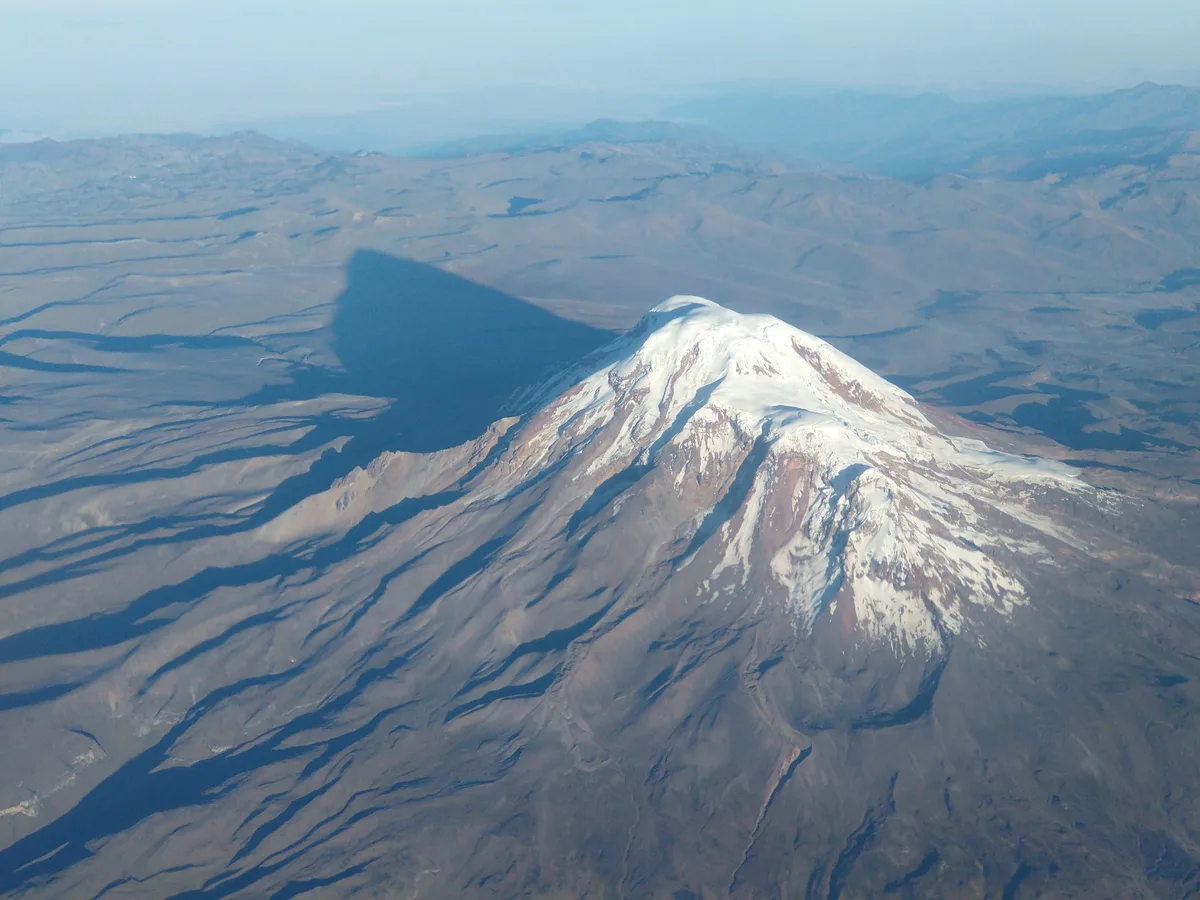
Nevado Chimborazo is a colossal 6,263-metre glaciated stratovolcano in the Cordillera Occidental of Ecuador. Because Earth is an oblate spheroid with an equatorial bulge, Chimborazo's summit is the furthest terrestrial point from the center of the Earth (6,384.4 km), making it the closest place on the planet's surface to the Sun. Renowned in exploration history, it was attempted by Alexander von Humboldt in 1802 and finally summited on January 4, 1880, by Edward Whymper alongside Val Tournanche alpine guides Louis Carrel and Jean-Antoine Carrel.
Antisana
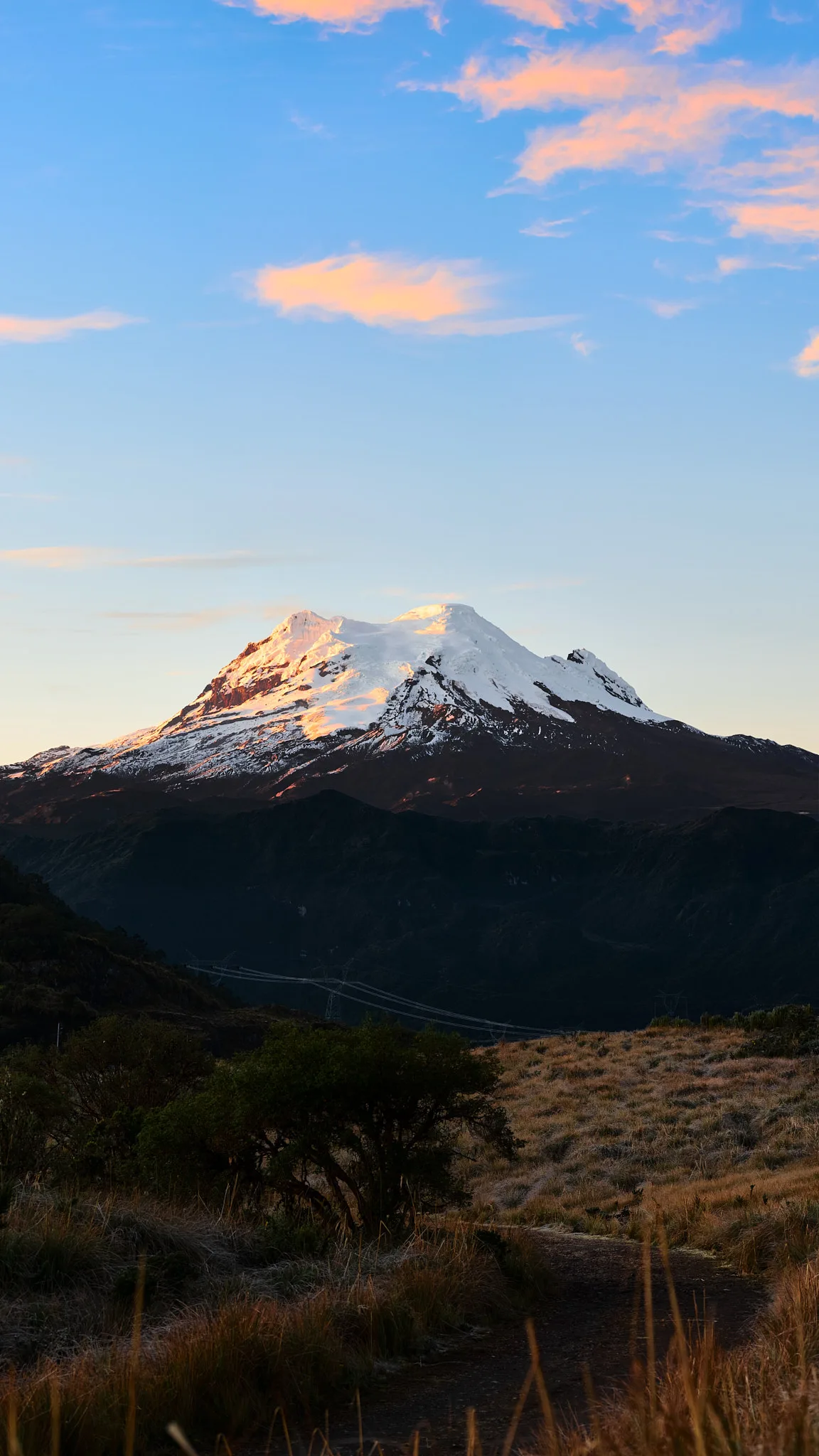
Volcán Antisana is an imposing, heavily glaciated 5,753-metre stratovolcano in the Cordillera Real of Ecuador, renowned for its complex glacier maze, massive seracs, and yawning crevasse fields. Widely recognized as one of the most technically demanding volcanic massifs in the northern Andes, Antisana was first climbed on March 10, 1880, by Edward Whymper, Louis Carrel, and Jean-Antoine Carrel. In 1906, pioneering Ecuadorian polymath Nicolás Martínez led the first national ascent, cementing modern Ecuadorian alpinism.
Pioneered & Associated Routes (2)
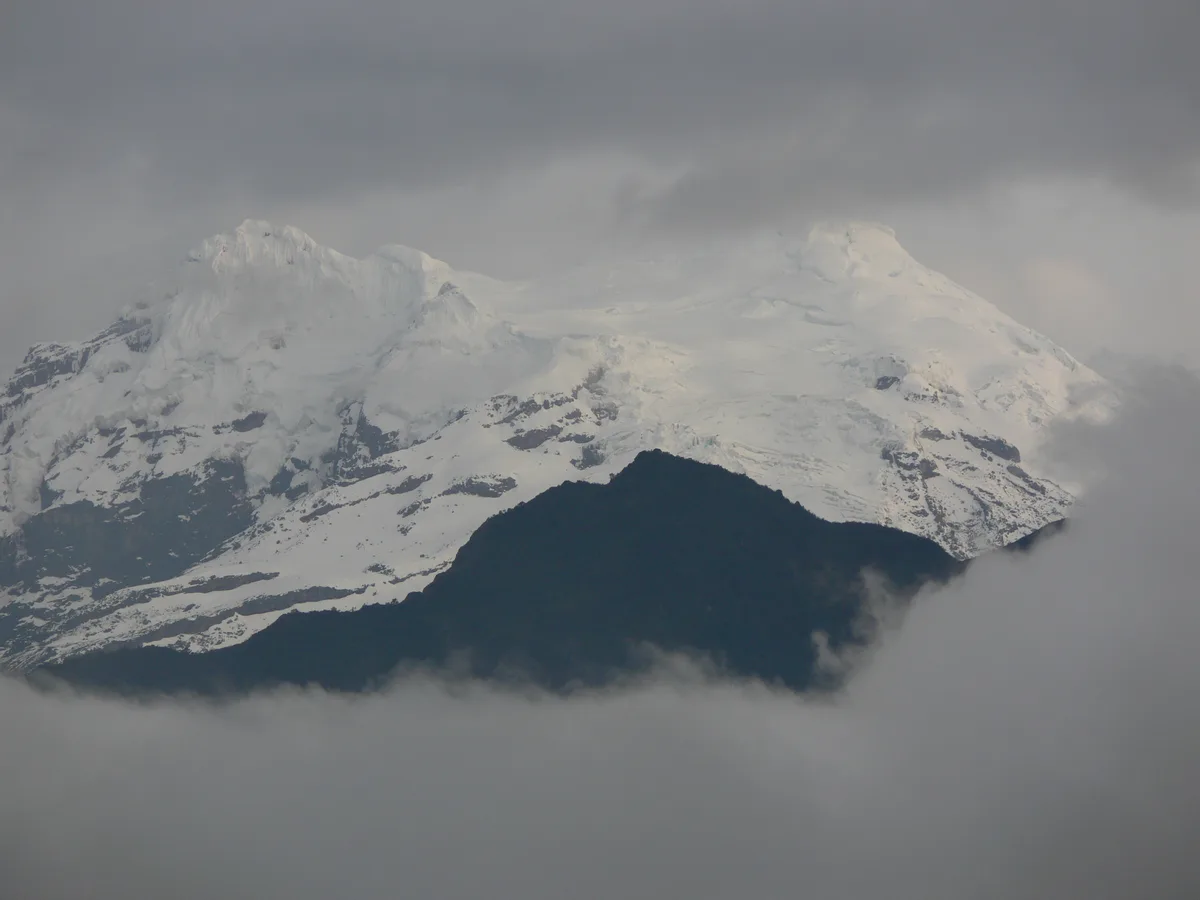
Antisana Normal Route (Central Glacier)
A serious, heavily crevassed glacier route navigating broken icefalls, towering seracs, and hidden bergschrunds on Antisana's southern slopes. Demanding advanced crevasse rescue skills and steep 50° firn climbing, the route surmounts intricate ice ramps to gain the main summit dome at 5,753 metres.
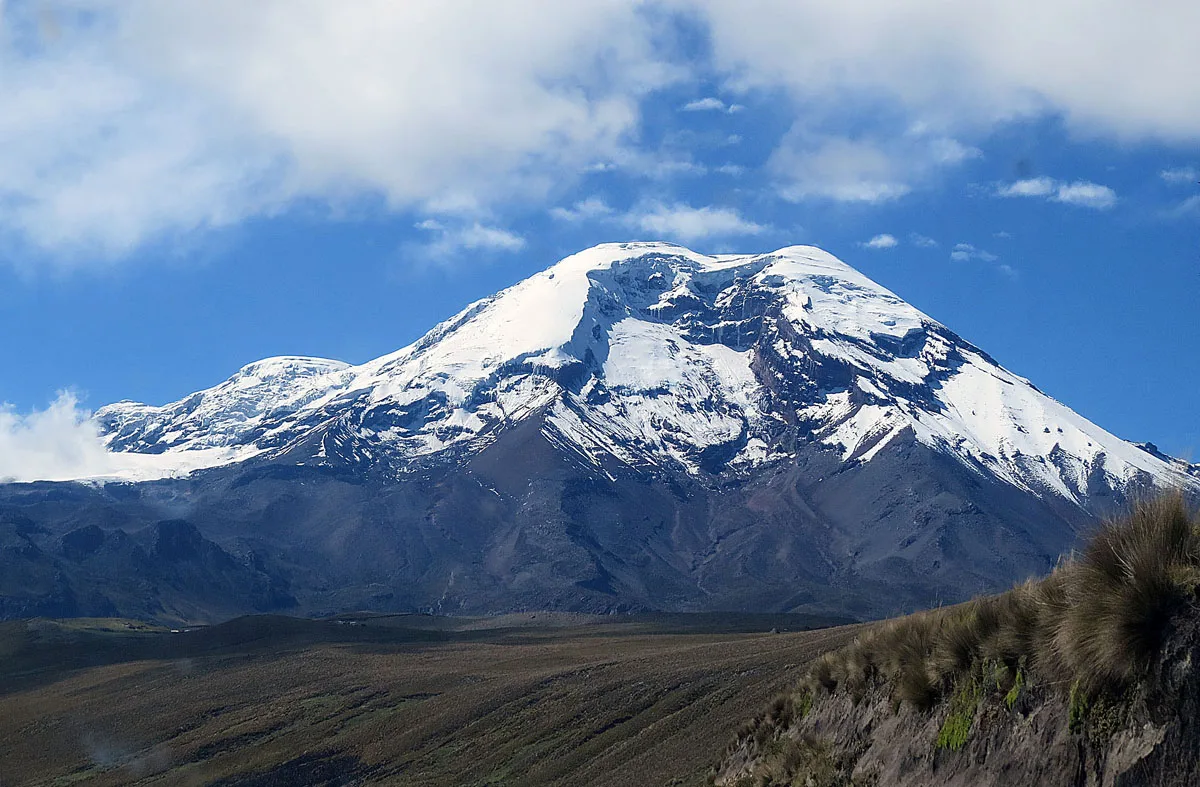
Chimborazo Normal Route (Whymper Route)
The Whymper Route follows the western ridges and glacier flanks of Chimborazo past the landmark rock buttress of El Castillo. Climbers ascend steep 40°-50° firn and penitentes before traversing expansive upper ice fields to reach Cumbre Veintimilla (6,230 m) and finally Cumbre Whymper at 6,263 metres.
Documented Expeditions (2)
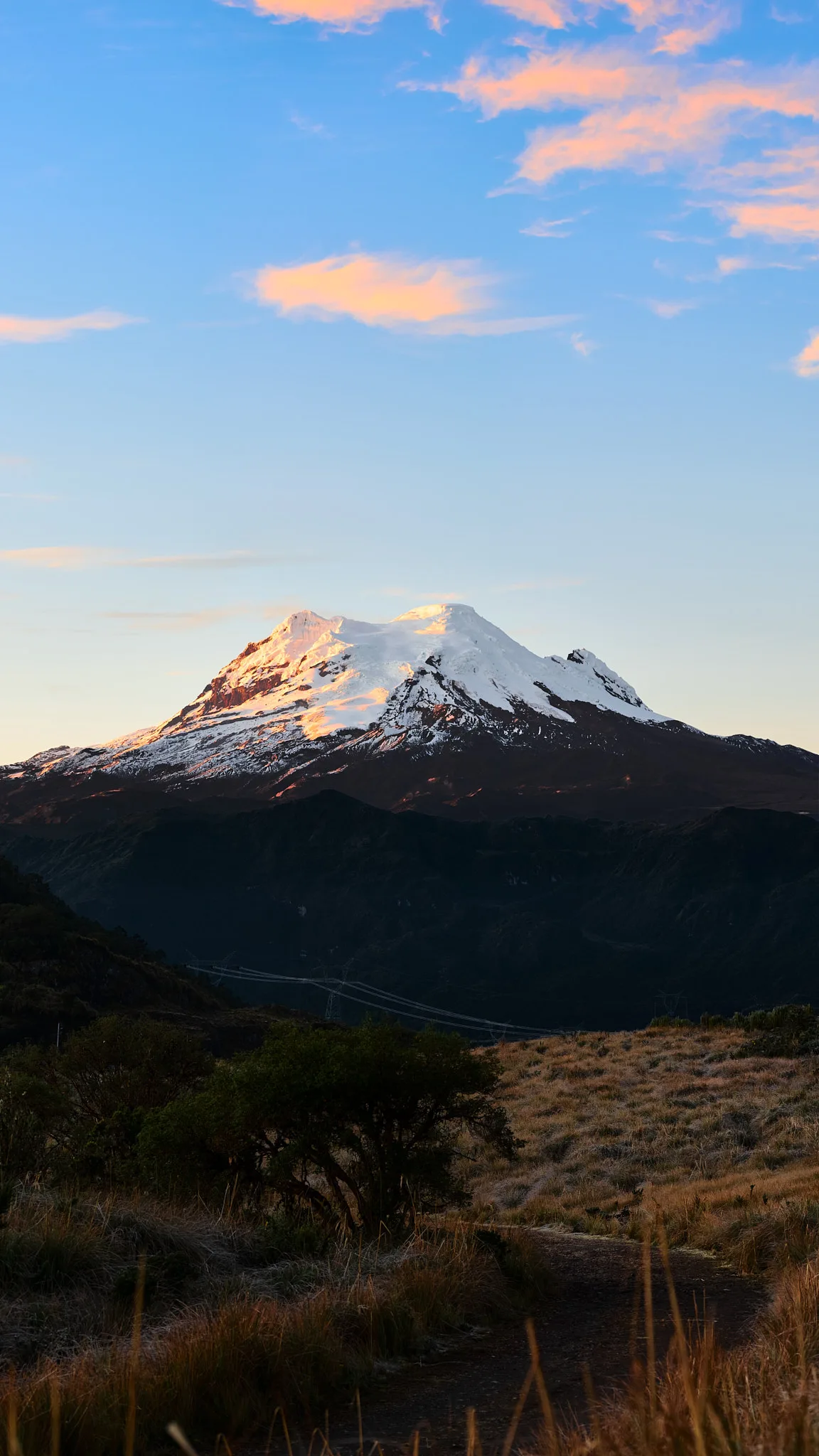
1880 Edward Whymper and Carrel Brothers Antisana Historic First Ascent Expedition
On March 10, 1880, Edward Whymper alongside Val Tournanche alpine guides Louis Carrel and Jean-Antoine Carrel achieved the historic first ascent of Volcán Antisana (5,753 m). Overcoming a treacherous maze of yawning crevasses and steep firn headwalls, the team unlocked one of the most technically formidable glaciated volcanic massifs in the northern Andes.
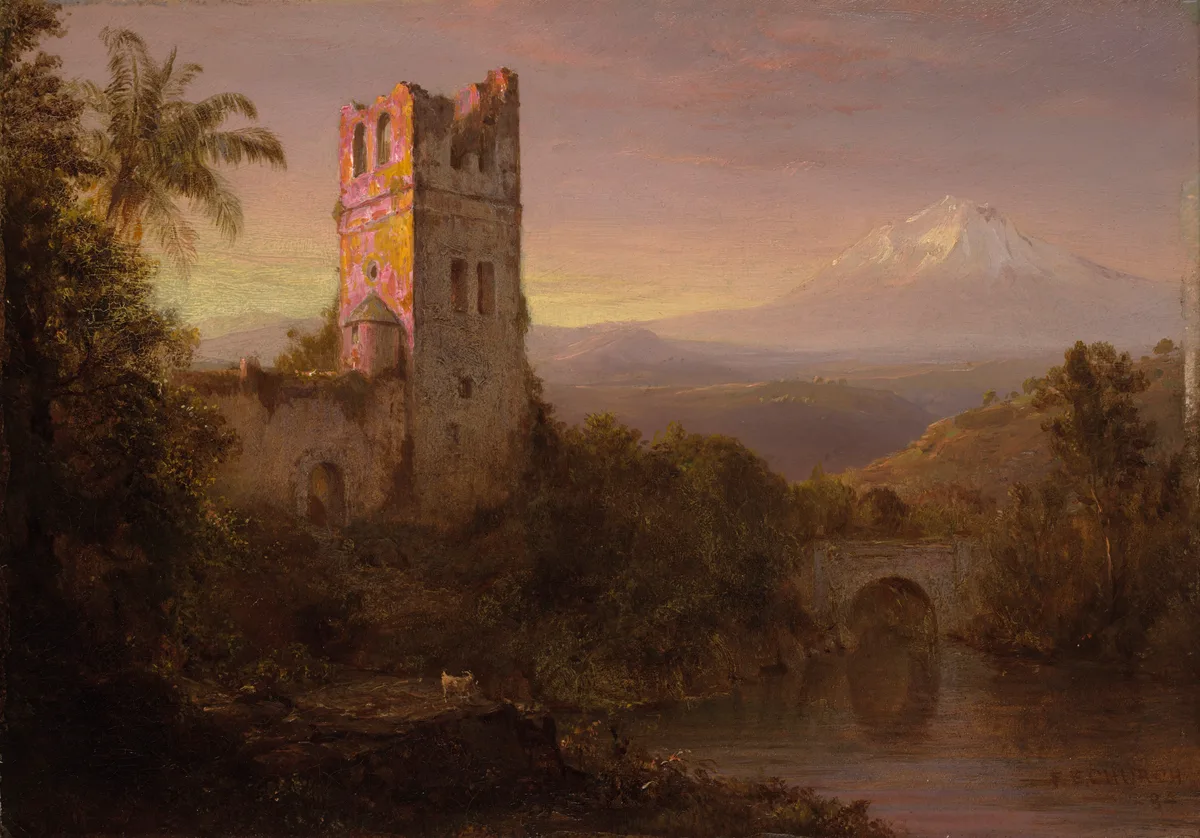
1880 Edward Whymper and Carrel Brothers Chimborazo Historic First Ascent Expedition
On January 4, 1880, British mountaineer Edward Whymper alongside legendary Italian guides Louis Carrel and Jean-Antoine Carrel completed the historic first ascent of Chimborazo (6,263 m). Navigating steep firn, seracs, and debilitating mountain sickness, they stood atop Earth's closest surface point to the Sun, completing a masterwork of nineteenth-century alpinism.
Associated Chronicles & Stories (2)
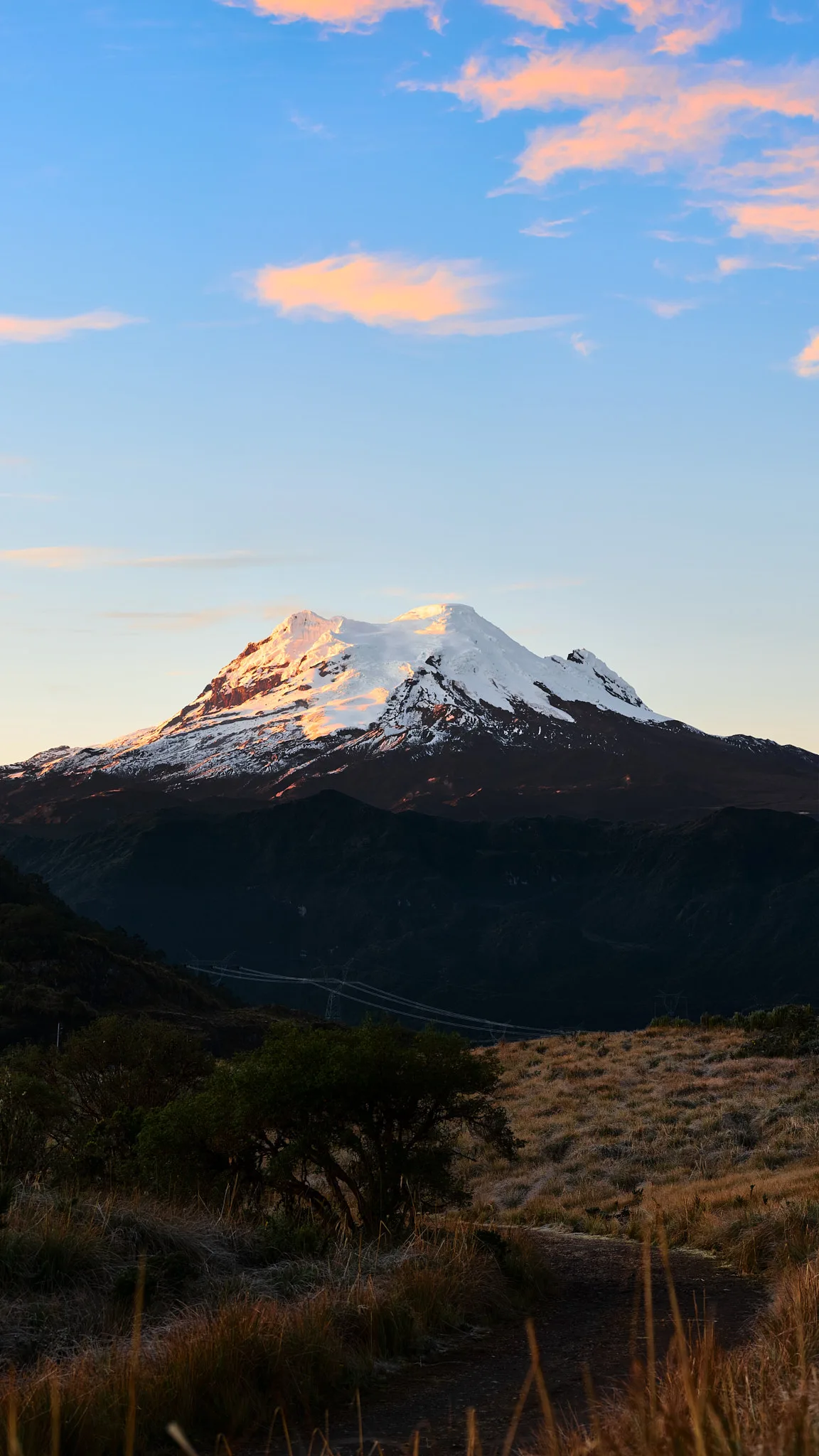
Labyrinth of the Condor: Whymper and the Carrels on Antisana in 1880
On March 10, 1880, Edward Whymper and Italian guides Louis Carrel and Jean-Antoine Carrel made the historic first ascent of Volcán Antisana (5,753 m), conquering its formidable maze of crevasses and icefalls.
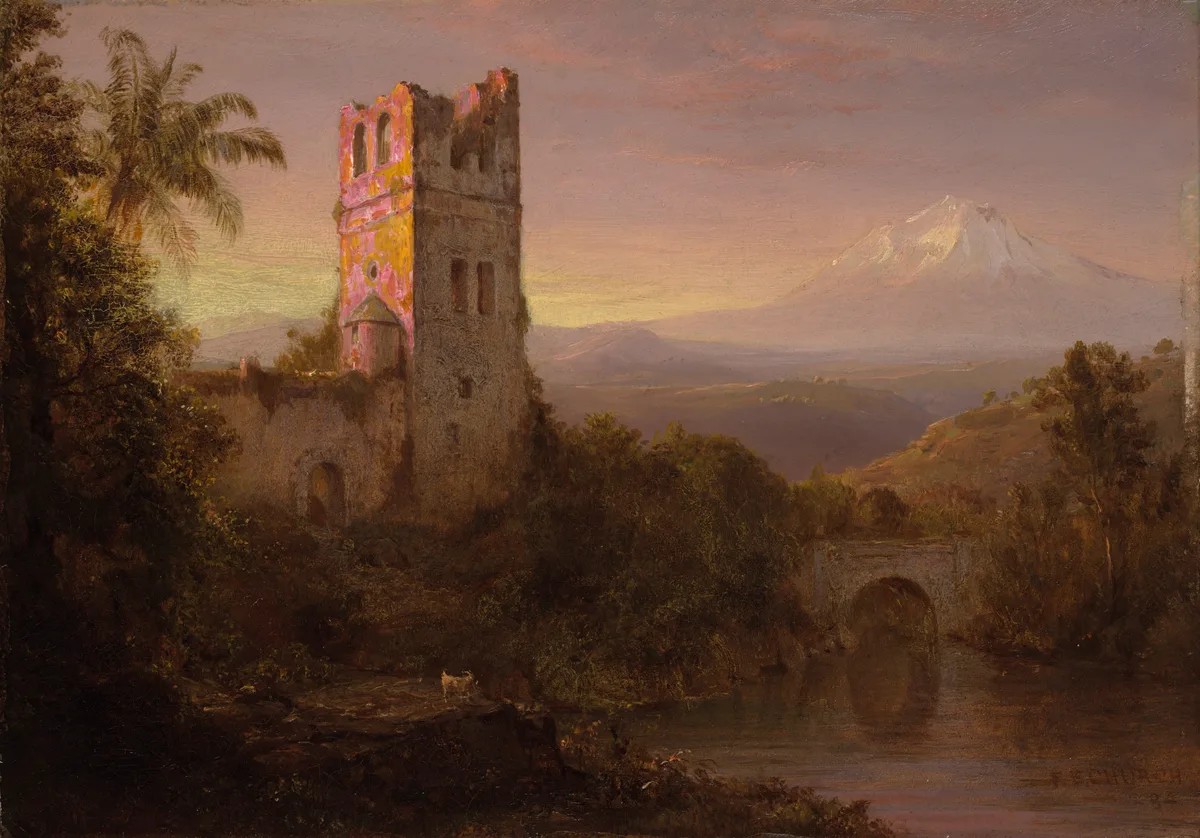
King of the Andes: Whymper and the Carrels Conquer Chimborazo in 1880
On January 4, 1880, legendary British climber Edward Whymper and Italian guides Louis Carrel and Jean-Antoine Carrel conquered Chimborazo (6,263 m), standing upon Earth's closest surface point to the Sun.
Documented Sources & Archival Citations
- Travels Amongst the Great Andes of the Equator(Edward Whymper / John Murray)
Supporting claim: Firsthand technical record of Louis Carrel's decisive leadership on Chimborazo, Antisana, and Cayambe
Accessed/Documented: 1892 - The Matterhorn(Guido Rey / T. Fisher Unwin)
Supporting claim: Historical chronicle of the Carrel family guiding legacy in the Val Tournanche
Accessed/Documented: 1907