1880 Edward Whymper and Carrel Brothers Antisana Historic First Ascent Expedition
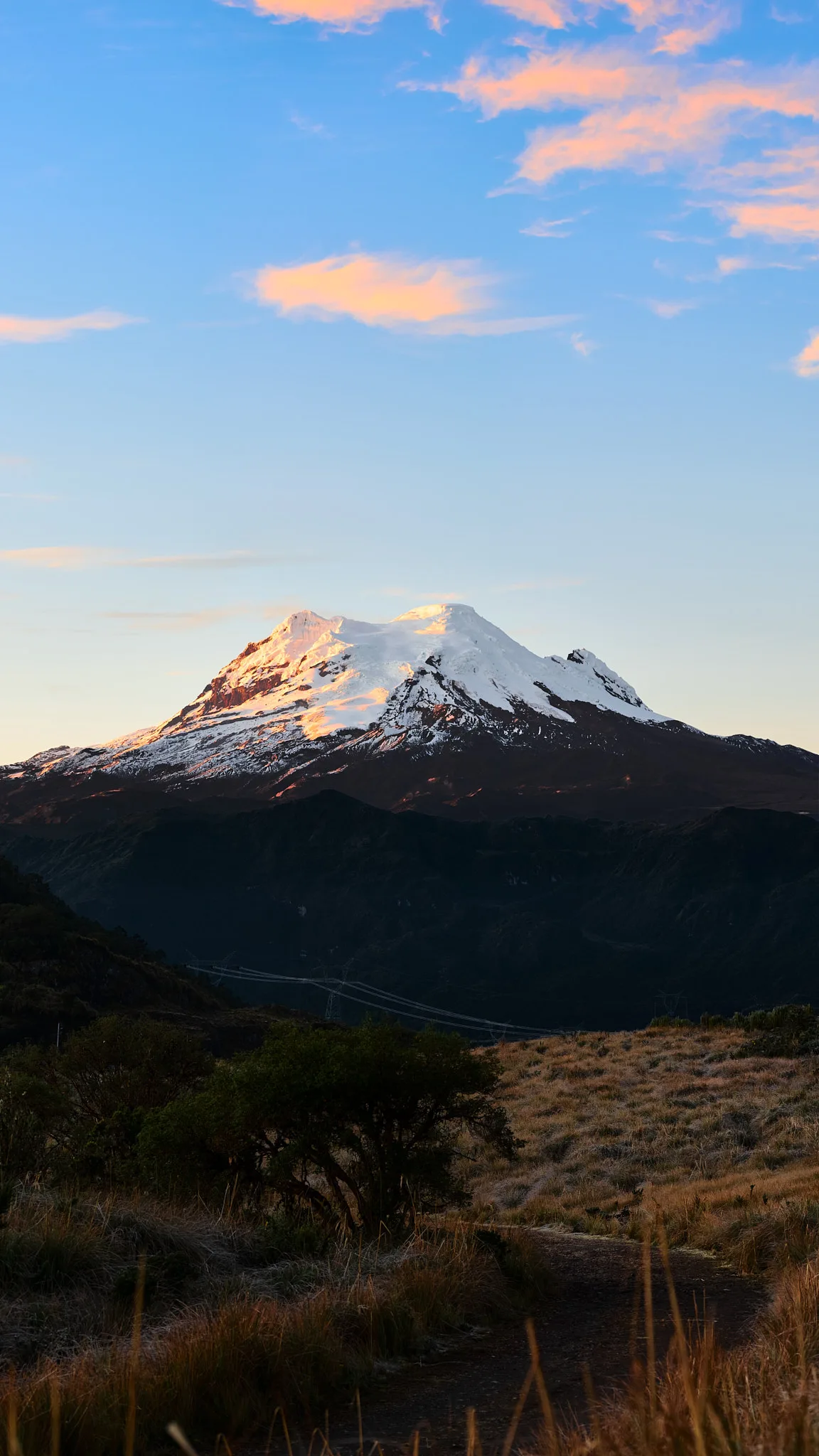
On March 10, 1880, Edward Whymper alongside Val Tournanche alpine guides Louis Carrel and Jean-Antoine Carrel achieved the historic first ascent of Volcán Antisana (5,753 m). Overcoming a treacherous maze of yawning crevasses and steep firn headwalls, the team unlocked one of the most technically formidable glaciated volcanic massifs in the northern Andes.
Mountain Safety & Conditions Disclaimer: High-altitude climbing, glacial travel, and technical ascents entail severe objective risks including avalanches, serac collapses, rapid weather collapse, and altitude illness. Historical route descriptions and summit claims on Mountanity reflect documented archival sources and must not be used as live operational safety assessments. Local regulations, permits, and physical glacial topography change continuously.
Peer Review: Senior Editorial Board & Historical Reviewers • Editorial Standards
Official Expedition Narrative & Archival Record
Following their triumphant ascent of Chimborazo and an adventurous night spent camping beside the active crater of Cotopaxi, Edward Whymper, Jean-Antoine Carrel, and Louis Carrel turned their focus toward the eastern cordillera. Their goal was Volcán Antisana (5,753 m), a magnificent stratovolcano heavily draped in chaotic glaciers fed by moisture-laden clouds drifting from the Amazon basin. Local guides considered Antisana completely inaccessible due to sheer ice cliffs, colossal seracs, and shifting crevasse chasms. Whymper's party established base camp at Hacienda Antisana on the high Andean plateau at 4,000 metres before pushing a high tent camp to 4,800 metres near the southern glacier snout. On March 10, 1880, roped closely together in dense mist and bitter cold, the climbers stepped onto the glacier. Louis Carrel and Jean-Antoine Carrel demonstrated mountaineering genius, probing snow bridges with wooden axe shafts and navigating a bewildering labyrinth of gaping bergschrunds and vertical serac walls. Climbing through 50-degree firn couloirs and chopping steps in hard glacial ice, the three alpinists bypassed massive hanging icefall blocks. After six hours of relentless technical effort, they broke through the final ice cornice onto the wind-blasted upper dome. At 1:30 PM, Edward Whymper, Jean-Antoine Carrel, and Louis Carrel stood on Antisana's main summit at 5,753 metres, completing the mountain's maiden ascent. Their successful descent through worsening fog cemented Antisana's status as the technical crown of Ecuadorian volcanism.
Documented Team Composition
- Edward Whymper (Expedition Leader & Climber, United Kingdom)
- Jean-Antoine Carrel (Master Mountain Guide, Italy)
- Louis Carrel (Master Mountain Guide, Italy)
Key Statistics & Topographic Figures
- Summit Elevation
- 5,753 m (18,875 ft)
- First Ascent Date
- March 10, 1880
- Climbing Team
- Edward Whymper, Louis Carrel, Jean-Antoine Carrel
- Route Difficulty
- AD, 50° Firn & Crevasse Labyrinth
- Summit Temperature
- -2°C (Recorded by mercurial thermometer)
Archival Primary Source Quotations
“The glaciers of Antisana presented difficulties far exceeding anything we had encountered on Chimborazo: a fractured chaos of yawning fissures and leaning ice cliffs.”
Defined Alpine Terminology & Concepts
- Serac Icefall
- A chaotic section of a steep glacier characterized by towering, precarious ice pinnacles formed by intersecting crevasses.
- Amazonian Cloud Interception
- The meteorological phenomenon where humid air masses from the Amazon basin condense against eastern Andean massifs, driving rapid glacial accumulation.
Frequently Asked Questions: 1880 Edward Whymper and Carrel Brothers Antisana Historic First Ascent Expedition
Who made the first ascent of Volcán Antisana in 1880?
Edward Whymper and Valtournenche master guides Louis Carrel and Jean-Antoine Carrel made the historic first ascent on March 10, 1880.
Why was Antisana considered more technically difficult than Chimborazo?
Antisana's position facing moist Amazonian air creates active, chaotic glacier systems filled with bottomless crevasses, towering serac walls, and delicate snow bridges.
What route did Whymper and the Carrels pioneer on Antisana?
They ascended the fractured Central Glacier on the volcano's southern slopes, climbing 50-degree firn headwalls to gain the summit ice plateau at 5,753 metres.
What views did the team witness from Antisana's summit?
They observed the Amazon rainforest rolling away into the eastern haze and panoramic views of the northern Andean volcanic arc including Cotopaxi and Cayambe.
Ascent Route & Topography
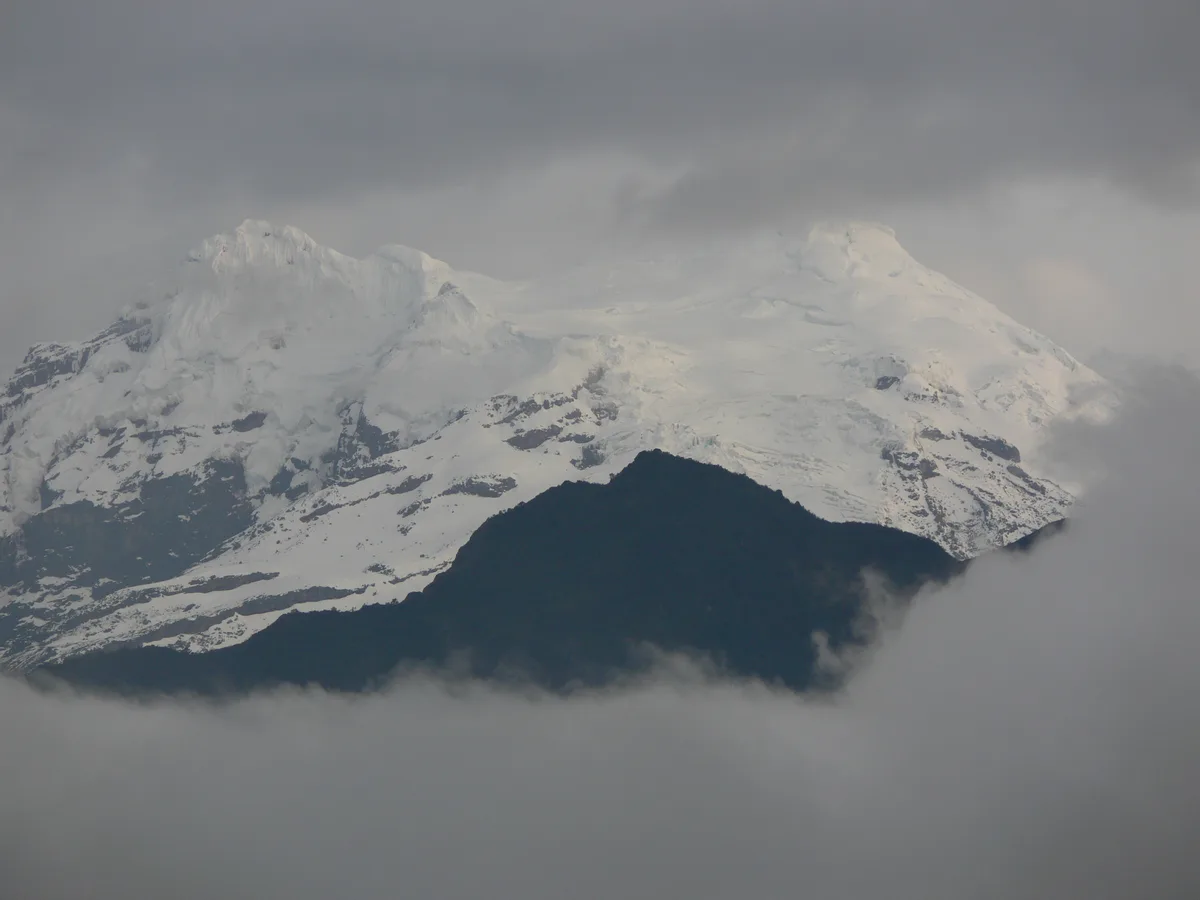
Antisana Normal Route (Central Glacier)
A serious, heavily crevassed glacier route navigating broken icefalls, towering seracs, and hidden bergschrunds on Antisana's southern slopes. Demanding advanced crevasse rescue skills and steep 50° firn climbing, the route surmounts intricate ice ramps to gain the main summit dome at 5,753 metres.
Target Objective Peak
Antisana
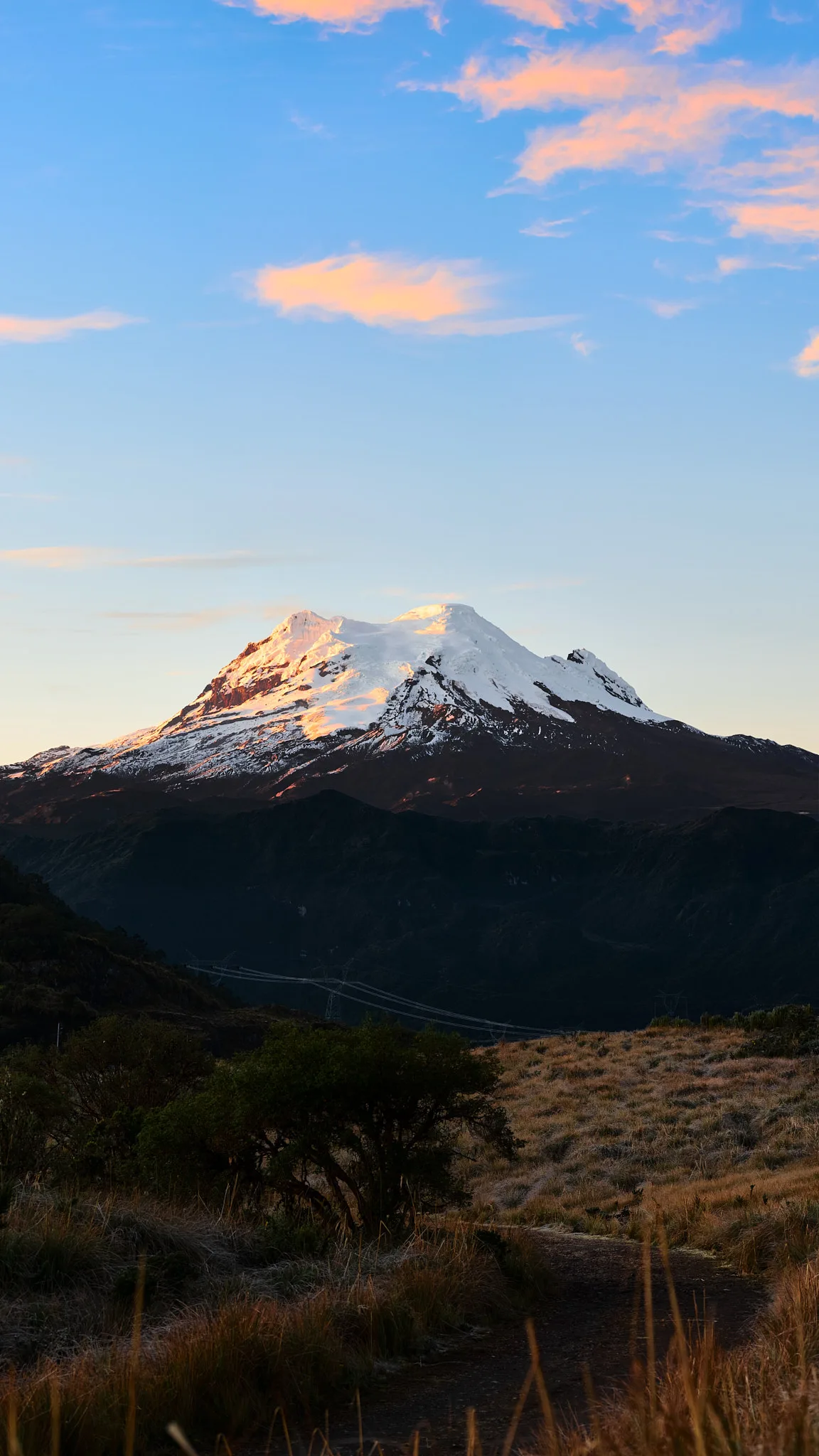
Volcán Antisana is an imposing, heavily glaciated 5,753-metre stratovolcano in the Cordillera Real of Ecuador, renowned for its complex glacier maze, massive seracs, and yawning crevasse fields. Widely recognized as one of the most technically demanding volcanic massifs in the northern Andes, Antisana was first climbed on March 10, 1880, by Edward Whymper, Louis Carrel, and Jean-Antoine Carrel. In 1906, pioneering Ecuadorian polymath Nicolás Martínez led the first national ascent, cementing modern Ecuadorian alpinism.
Featured Expedition Climbers
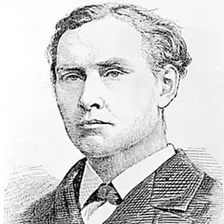
Edward Whymper
Edward Whymper was born on April 27, 1840, in London, England. Trained as a master wood engraver and artist, Whymper was dispatched to the Alps in 1860 by a London publisher to sketch alpine landscapes. Captivated by the sublime architecture of the high peaks, Whymper rapidly evolved into one of the most athletic and daring mountaineers of the Victorian era, pioneering first ascents of the Barre des Écrins (4,102m), the Aiguille Verte (4,122m), and the Grand Cornier. Between 1861 and 1865, Whymper became obsessed with the Matterhorn (4,478m)—the terrifying rock obelisk above Zermatt that was widely regarded by local guides as an inaccessible precipice. After seven unsuccessful attempts, primarily on the Italian Lion Ridge with Italian guide Jean-Antoine Carrel, Whymper shifted his focus to the Swiss Hörnli Ridge. Learning that Carrel was mounting an Italian national assault from Breuil, Whymper hastily assembled a seven-man party in Zermatt, including Lord Francis Douglas, Reverend Charles Hudson, Douglas Hadow, Chamonix guide Michel Croz, and Zermatt guides Peter Taugwalder father and son. On July 14, 1865, Whymper's party breached the steep upper Moseley Slabs and reached the 4,478-meter summit at 1:40 PM, beating Carrel's Italian team by hundreds of meters. However, the triumph turned into an enduring Victorian tragedy during the descent: inexperienced climber Douglas Hadow slipped on the steep ice below the summit, knocking Michel Croz off his feet and dragging Charles Hudson and Lord Francis Douglas with them. Whymper and the elder Taugwalder braced themselves, but the thin Manila reserve rope snapped under the dynamic load, plunging all four men four thousand feet down the North Face to their deaths. The Matterhorn catastrophe caused an international sensation, triggering inquiries and public debate that Whymper chronicled in his bestselling masterpiece *Scrambles Amongst the Alps* (1871). Undeterred, Whymper shifted his exploratory focus to the South American Andes in 1880, making the first ascent of Chimborazo (6,268m)—then believed to be the world's highest peak—and Cotopaxi. Whymper passed away on September 16, 1911, in Chamonix, immortalized as one of the defining giants of mountaineering history.
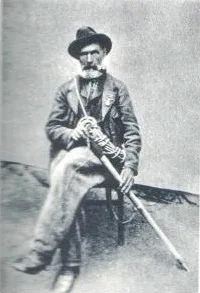
Jean-Antoine Carrel
Born in Breuil (Cervinia) in the Val Tournanche on January 17, 1829, Jean-Antoine Carrel grew up in the pastoral world of Italian mountain farming at the foot of the Matterhorn's south face, which his valley called Monte Cervino. A veteran of the 1848 wars of Italian independence who had served as a Bersagliere rifleman — a nickname he bore proudly for life — Carrel first attempted the Matterhorn in 1857 with a small local party, reaching a significant height on the Italian ridge before being forced back by savage weather. Carrel became the mountain's most persistent champion from the Italian side, combining guerrilla climbing tactics with deep knowledge of the mountain's south face buttresses. Between 1857 and 1865, Carrel made repeated attempts on the Matterhorn's Italian ridge, sometimes with British climbers, sometimes with Italian teams, always probing higher. His relationship with Edward Whymper was complicated — they climbed together on several attempts, with Whymper recognizing Carrel as the strongest man on the mountain. In the critical summer of 1865, Whymper secretly engaged Carrel for a Matterhorn attempt, but Carrel — already secretly committed to leading an Italian national expedition sponsored by the Italian Alpine Club — slipped away from Whymper without explanation on July 11, beginning his Italian attempt. Unaware of this betrayal, Whymper pivoted furiously and assembled an alternative team via the Swiss side. On July 14, Whymper reached the summit first via the Hörnli Ridge. Carrel, climbing with Giordano Bich and Luc Meynet on the steeper, longer Italian ridge, was already fighting to the summit. Three days later, on July 17, 1865, Carrel stood on the top of the Matterhorn via the Cresta del Leone, completing the first ascent of the Italian Normal Route. In later years, Carrel became one of the Alps' most respected and beloved guides, frequently guiding tourists on the Matterhorn until late in his career. He died on the mountain he had devoted his life to during a rescue in August 1890.
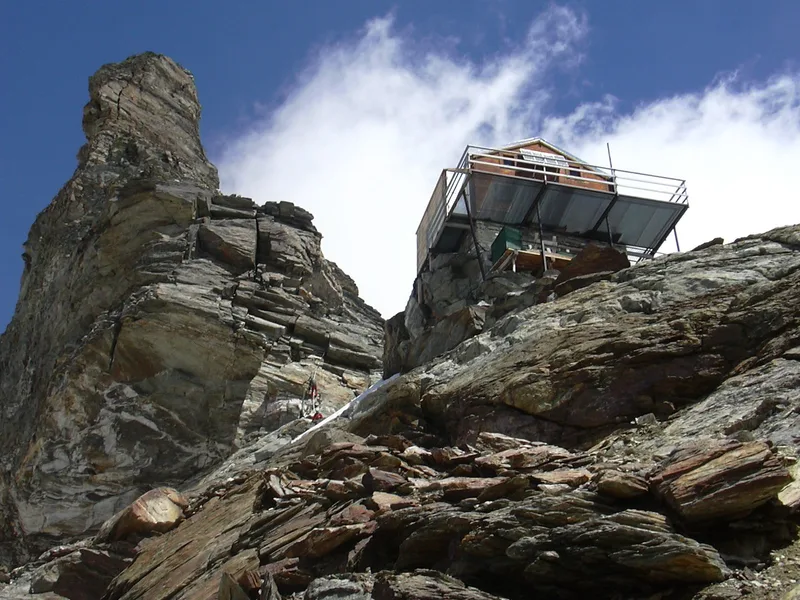
Louis Carrel
Born in 1858 in the alpine village of Valtournenche in the Valle d'Aosta, Italy, Louis Carrel ('Il Principino') belonged to one of the most celebrated mountaineering dynasties in the Alps. The younger cousin of the legendary Jean-Antoine Carrel, Louis developed exceptional rock-climbing technique and glacier navigation skills on the formidable precipices of the Matterhorn (Monte Cervino). In late 1879, British explorer Edward Whymper engaged both Jean-Antoine Carrel and Louis Carrel to join him on an unprecedented expedition to the equatorial Andes of Ecuador. Whymper knew that tackling the untamed, glaciated giants of the equator demanded the greatest alpine guides in Europe. Arriving in Ecuador in December 1879, Louis Carrel immediately proved his worth, breaking trail through deep firn and navigating intricate serac mazes. On January 4, 1880, Louis Carrel, Jean-Antoine Carrel, and Edward Whymper conquered Nevado Chimborazo (6,263 m), stepping onto the highest point on Earth from its core. Two months later, on March 10, 1880, Louis Carrel led the technical glacier navigation on Volcán Antisana (5,753 m), unlocking its labyrinthine crevasse systems to achieve its first ascent. On April 4, 1880, the trio also completed the first ascent of Volcán Cayambe (5,790 m). Returning to the Aosta Valley, Louis Carrel guided for decades, remembered as an elite ambassador of Italian alpine skill on the world stage.
Associated Historical Chronicles & Stories
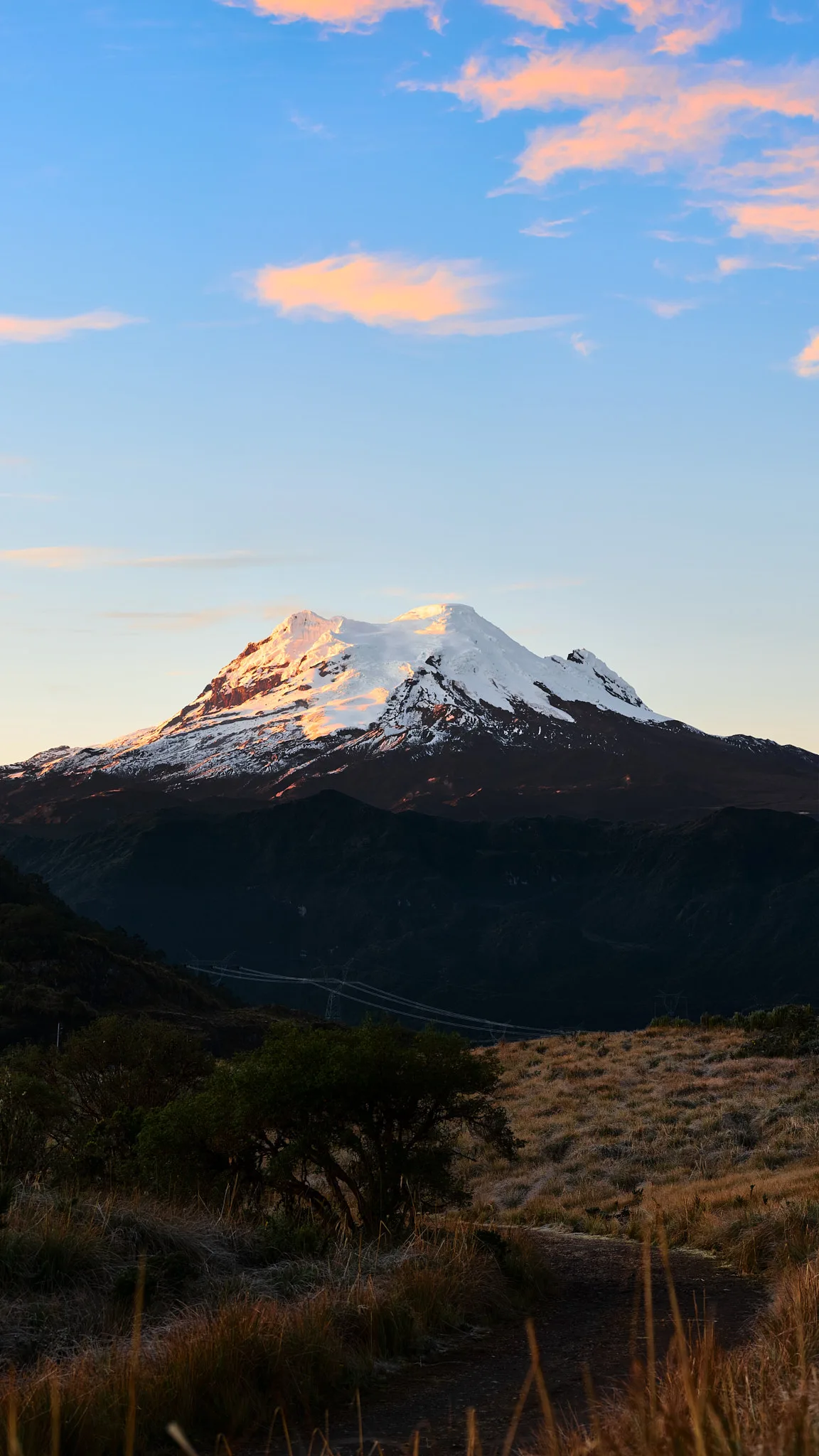
Labyrinth of the Condor: Whymper and the Carrels on Antisana in 1880
On March 10, 1880, Edward Whymper and Italian guides Louis Carrel and Jean-Antoine Carrel made the historic first ascent of Volcán Antisana (5,753 m), conquering its formidable maze of crevasses and icefalls.
Documented Sources & Archival Citations
- Travels Amongst the Great Andes of the Equator(Edward Whymper / John Murray)
Supporting claim: Primary technical route narrative and barometric logs of the 1880 Antisana first ascent
Accessed/Documented: 1892 - The Guiding Dynasty of Valtournenche(Club Alpino Italiano)
Supporting claim: Archival record of Louis and Jean-Antoine Carrel's route-finding on Antisana
Accessed/Documented: 1975