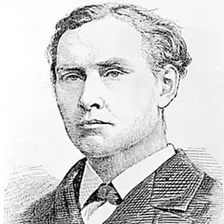
Edward Whymper
Edward Whymper was an iconic English illustrator, explorer, and mountaineer who achieved the historic first ascent of the Matterhorn (4,478m) on July 14, 1865, and the first ascent of Chimborazo (6,268m) in the Ecuadorian Andes in 1880. His triumph on the Matterhorn marked the dramatic conclusion of the Golden Age of Alpinism.
Mountain Safety & Conditions Disclaimer: High-altitude climbing, glacial travel, and technical ascents entail severe objective risks including avalanches, serac collapses, rapid weather collapse, and altitude illness. Historical route descriptions and summit claims on Mountanity reflect documented archival sources and must not be used as live operational safety assessments. Local regulations, permits, and physical glacial topography change continuously.
Peer Review: Senior Editorial Board & Historical Reviewers • Editorial Standards
Biographical Record & Archival Chronicle
Edward Whymper was born on April 27, 1840, in London, England. Trained as a master wood engraver and artist, Whymper was dispatched to the Alps in 1860 by a London publisher to sketch alpine landscapes. Captivated by the sublime architecture of the high peaks, Whymper rapidly evolved into one of the most athletic and daring mountaineers of the Victorian era, pioneering first ascents of the Barre des Écrins (4,102m), the Aiguille Verte (4,122m), and the Grand Cornier.
Between 1861 and 1865, Whymper became obsessed with the Matterhorn (4,478m)—the terrifying rock obelisk above Zermatt that was widely regarded by local guides as an inaccessible precipice. After seven unsuccessful attempts, primarily on the Italian Lion Ridge with Italian guide Jean-Antoine Carrel, Whymper shifted his focus to the Swiss Hörnli Ridge. Learning that Carrel was mounting an Italian national assault from Breuil, Whymper hastily assembled a seven-man party in Zermatt, including Lord Francis Douglas, Reverend Charles Hudson, Douglas Hadow, Chamonix guide Michel Croz, and Zermatt guides Peter Taugwalder father and son.
On July 14, 1865, Whymper's party breached the steep upper Moseley Slabs and reached the 4,478-meter summit at 1:40 PM, beating Carrel's Italian team by hundreds of meters. However, the triumph turned into an enduring Victorian tragedy during the descent: inexperienced climber Douglas Hadow slipped on the steep ice below the summit, knocking Michel Croz off his feet and dragging Charles Hudson and Lord Francis Douglas with them. Whymper and the elder Taugwalder braced themselves, but the thin Manila reserve rope snapped under the dynamic load, plunging all four men four thousand feet down the North Face to their deaths.
The Matterhorn catastrophe caused an international sensation, triggering inquiries and public debate that Whymper chronicled in his bestselling masterpiece *Scrambles Amongst the Alps* (1871). Undeterred, Whymper shifted his exploratory focus to the South American Andes in 1880, making the first ascent of Chimborazo (6,268m)—then believed to be the world's highest peak—and Cotopaxi. Whymper passed away on September 16, 1911, in Chamonix, immortalized as one of the defining giants of mountaineering history.
Notable Milestones & Ascents
- Historic maiden first ascent of the Matterhorn (4,478m) on July 14, 1865, via the Hörnli Ridge
- First ascent of Chimborazo (6,268m) in the Ecuadorian Andes in 1880, conducting groundbreaking altitude sickness studies
- First ascents of the Barre des Écrins (4,102m) and Aiguille Verte (4,122m) in the French Alps
- First ascent of Cotopaxi (5,897m), spending a night camping near the active volcanic crater
- Author and illustrator of 'Scrambles Amongst the Alps', one of the most widely read mountain books in history
Key Statistics & Topographic Figures
- Lifespan
- 1840–1911
London & Chamonix
- Matterhorn First Ascent
- July 14, 1865
Hörnli Ridge
- Chimborazo First Ascent
- 1880 (6,268m)
Ecuadorian Andes
- Major Literary Work
- Scrambles Amongst the Alps (1871)
Alpine Classic
Archival Primary Source Quotations
“Climb if you will, but remember that courage and strength are nought without prudence, and that a momentary negligence may destroy the happiness of a lifetime.”
Defined Alpine Terminology & Concepts
- Golden Age of Alpinism
- The decade from 1854 to 1865 during which British climbers and alpine guides scaled nearly all major virgin peaks in the Alps, culminating with the Matterhorn.
- Verglas
- A thin, transparent coating of extremely slick ice formed on rock surfaces, which made the upper Matterhorn descent extraordinarily hazardous in 1865.
Frequently Asked Questions: Edward Whymper
Who was Edward Whymper?
Edward Whymper (1840–1911) was a celebrated English illustrator, explorer, and mountaineer who achieved the historic first ascent of the Matterhorn (4,478m) on July 14, 1865, and the first ascent of Chimborazo (6,268m) in 1880.
How did Edward Whymper conquer the Matterhorn in 1865?
After seven failed attempts on the Italian ridge, Whymper led a seven-man team up the Swiss Hörnli Ridge on July 14, 1865, discovering that the rock strata leaned inward like a staircase, reaching the summit at 1:40 PM.
What happened during Whymper’s descent of the Matterhorn?
During the descent, novice climber Douglas Hadow slipped and knocked guide Michel Croz off his balance, dragging Charles Hudson and Lord Francis Douglas. The old reserve rope snapped, and all four men fell 4,000 feet down the North Face to their deaths.
What other major mountains did Edward Whymper climb?
In the Alps, Whymper made maiden first ascents of the Barre des Écrins (4,102m) and Aiguille Verte (4,122m). In the Ecuadorian Andes, he made the first ascent of Chimborazo (6,268m) and camped near the active crater of Cotopaxi (5,897m).
What is Edward Whymper’s book Scrambles Amongst the Alps about?
Published in 1871 with Whymper’s own masterful wood engravings, Scrambles Amongst the Alps is considered one of the greatest mountain books ever written, recounting his obsession with the Matterhorn and the fatal rope tragedy.
What profession was Edward Whymper trained in?
Whymper was trained in London as a professional artist and wood engraver, originally dispatched to the Alps in 1860 by a publisher to sketch alpine scenery.
Why was Edward Whymper in a race against Jean-Antoine Carrel?
Carrel, an Italian guide and Whymper’s former partner, secretly launched a patriotic Italian assault on the Matterhorn from Breuil. Whymper discovered the plan, sprinted to Zermatt, and climbed the Hörnli Ridge to beat Carrel to the summit by hundreds of meters.
Where did Edward Whymper die?
Edward Whymper died on September 16, 1911, at age 71 in Chamonix, France, and is buried in the Chamonix English Cemetery facing Mont Blanc.
Associated Summits (4)
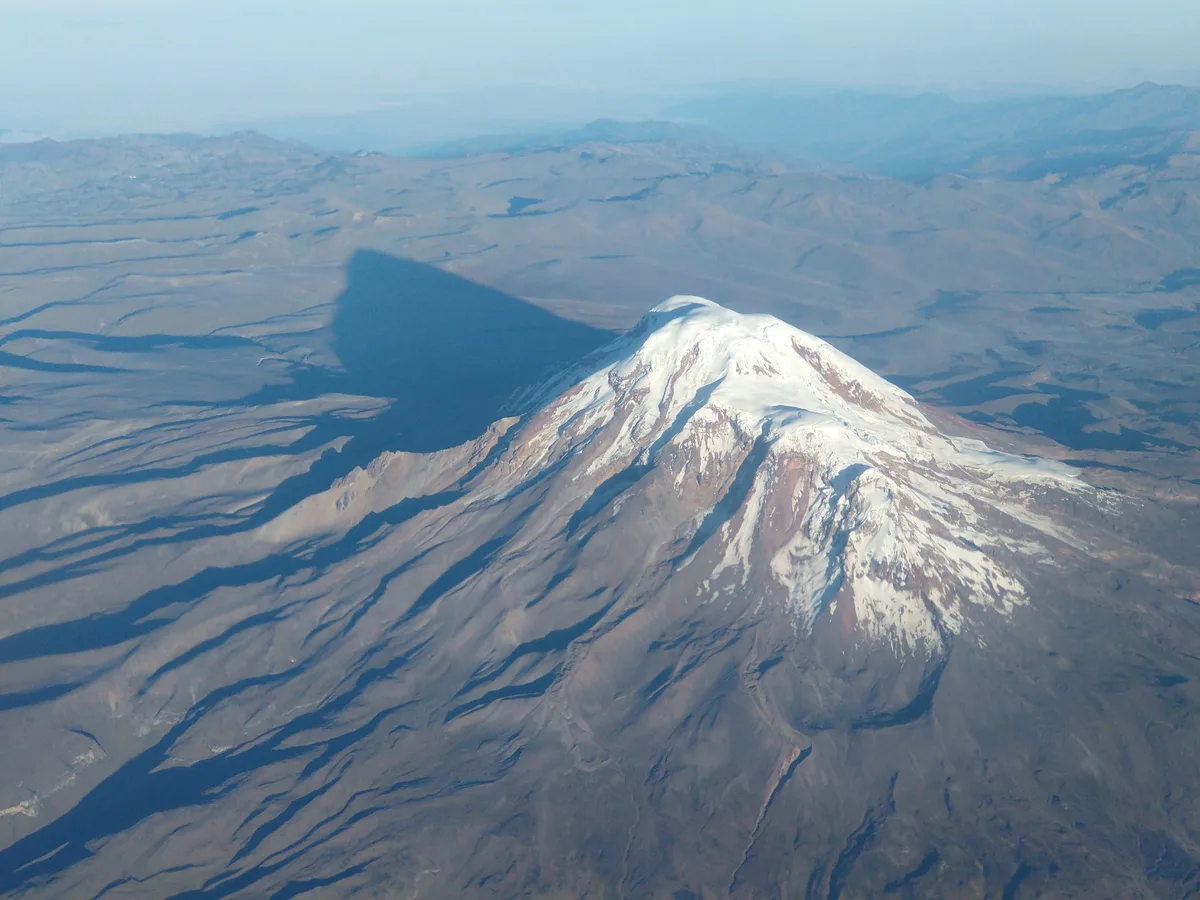
Chimborazo
Nevado Chimborazo is a colossal 6,263-metre glaciated stratovolcano in the Cordillera Occidental of Ecuador. Because Earth is an oblate spheroid with an equatorial bulge, Chimborazo's summit is the furthest terrestrial point from the center of the Earth (6,384.4 km), making it the closest place on the planet's surface to the Sun. Renowned in exploration history, it was attempted by Alexander von Humboldt in 1802 and finally summited on January 4, 1880, by Edward Whymper alongside Val Tournanche alpine guides Louis Carrel and Jean-Antoine Carrel.
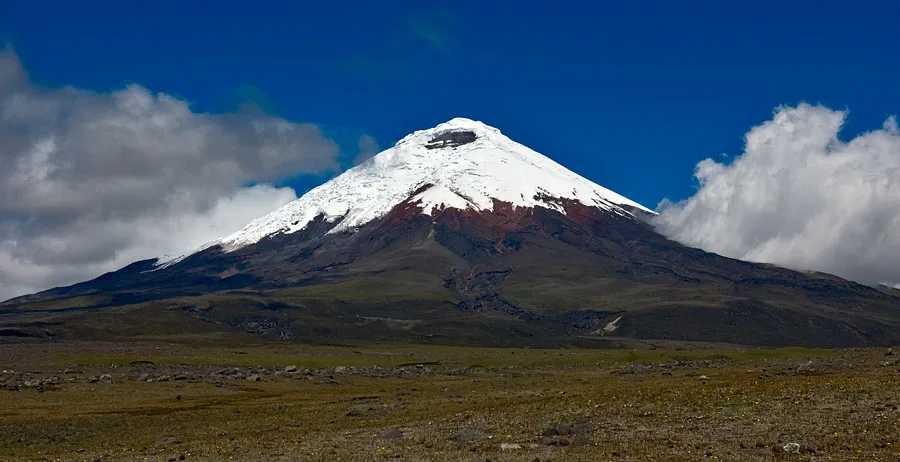
Cotopaxi
Volcán Cotopaxi is a near-perfect symmetrical stratovolcano rising to 5,897 metres in the Eastern Cordillera of the Ecuadorian Andes. One of the highest historically active volcanoes on Earth, its snow-mantled cone encases an 800-metre-wide crater emitting sulfurous steam vents and fumaroles. The volcano was first climbed on November 28, 1872, by German geologist Wilhelm Reiss and Colombian-Ecuadorian explorer Ángel María Escobar, who spent hours surveying the inner crater rim.
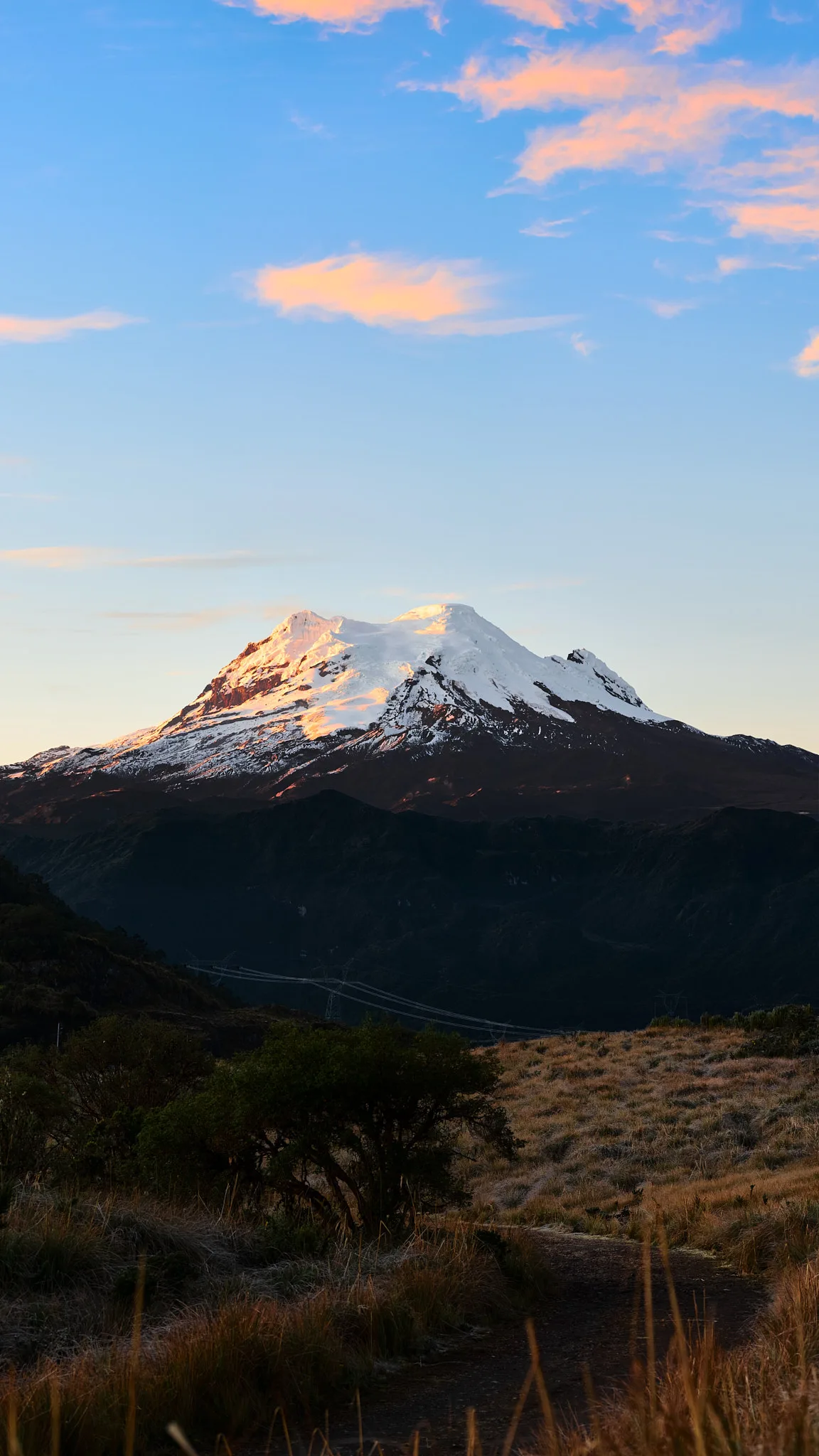
Antisana
Volcán Antisana is an imposing, heavily glaciated 5,753-metre stratovolcano in the Cordillera Real of Ecuador, renowned for its complex glacier maze, massive seracs, and yawning crevasse fields. Widely recognized as one of the most technically demanding volcanic massifs in the northern Andes, Antisana was first climbed on March 10, 1880, by Edward Whymper, Louis Carrel, and Jean-Antoine Carrel. In 1906, pioneering Ecuadorian polymath Nicolás Martínez led the first national ascent, cementing modern Ecuadorian alpinism.
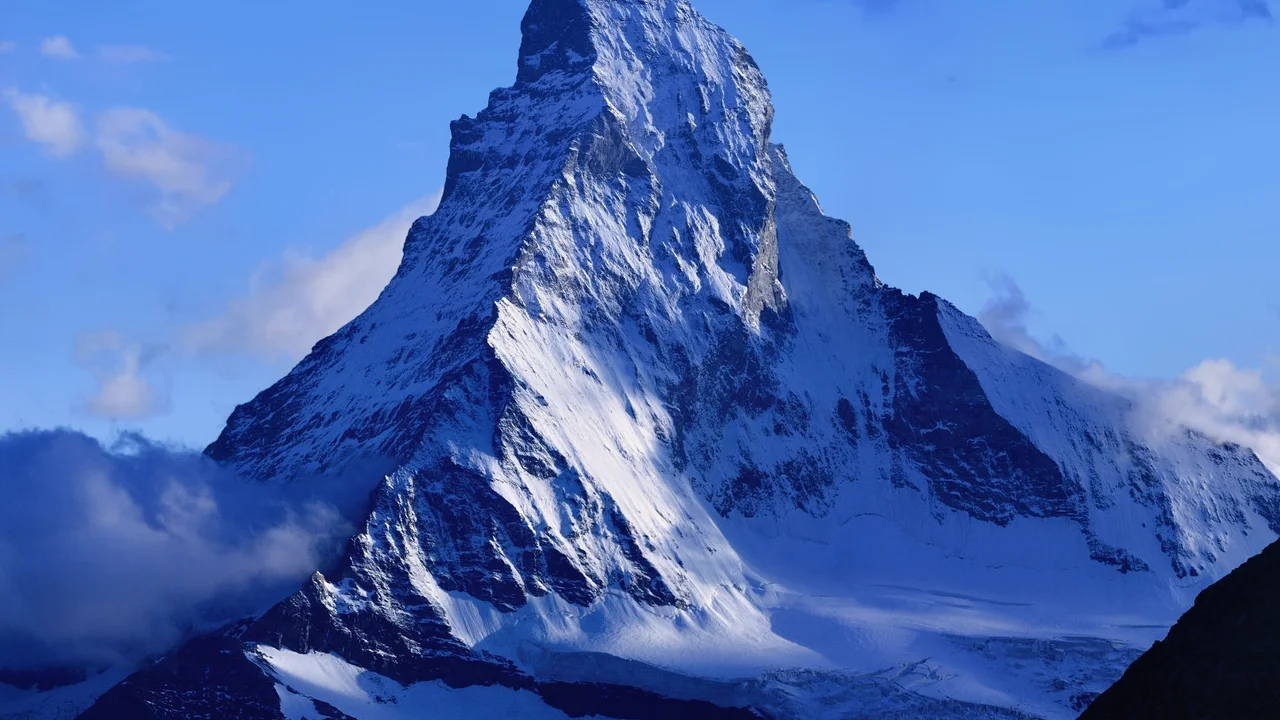


Matterhorn
The Matterhorn (Monte Cervino), at 4,478 meters (14,692 ft), is one of the most recognizable and dramatic pyramidal peaks in the world. Straddling the border between Zermatt, Switzerland, and Breuil-Cervinia, Italy, its four triangular faces match the cardinal points of the compass. Its historic first ascent by Edward Whymper on July 14, 1865, and the tragic fall of four teammates on the descent marked the end of the Golden Age of Alpinism.
Pioneered & Associated Routes (5)
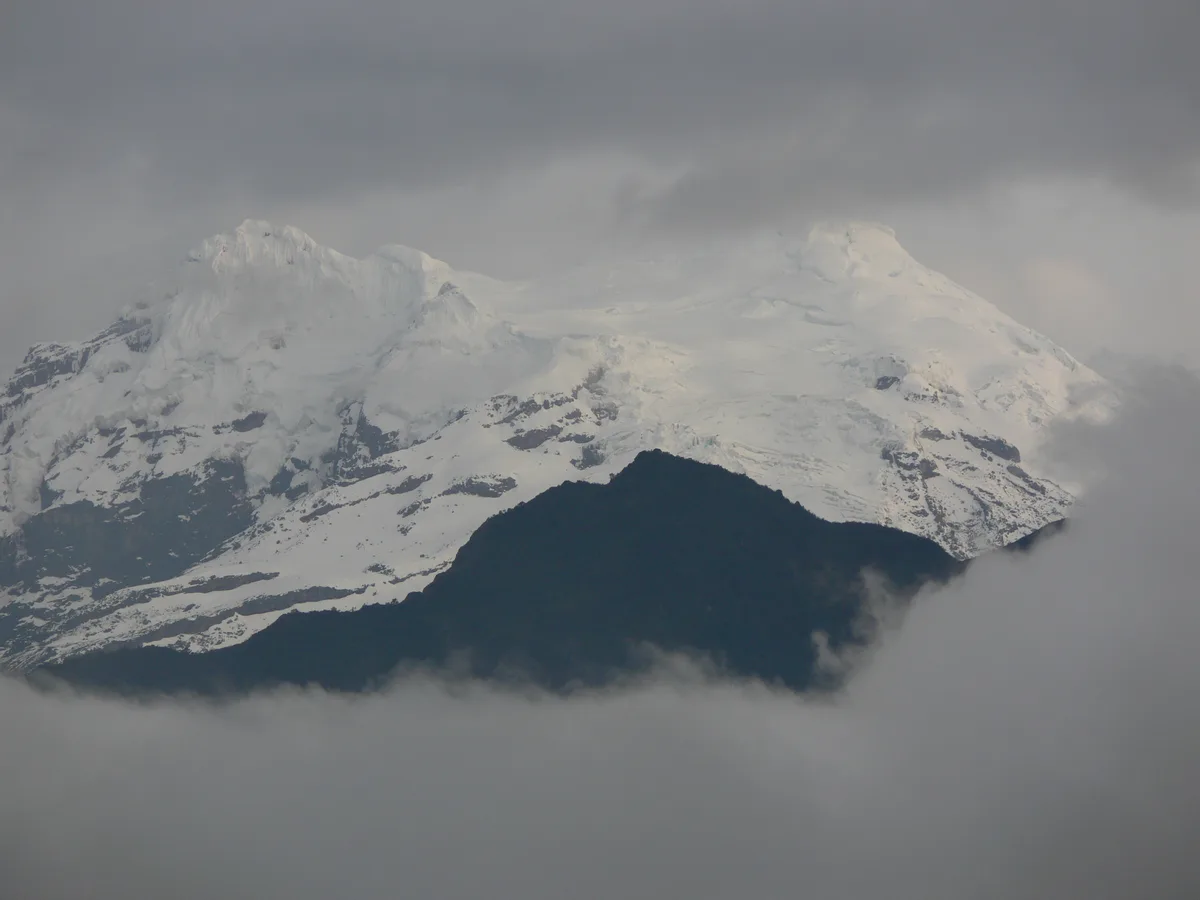
Antisana Normal Route (Central Glacier)
A serious, heavily crevassed glacier route navigating broken icefalls, towering seracs, and hidden bergschrunds on Antisana's southern slopes. Demanding advanced crevasse rescue skills and steep 50° firn climbing, the route surmounts intricate ice ramps to gain the main summit dome at 5,753 metres.
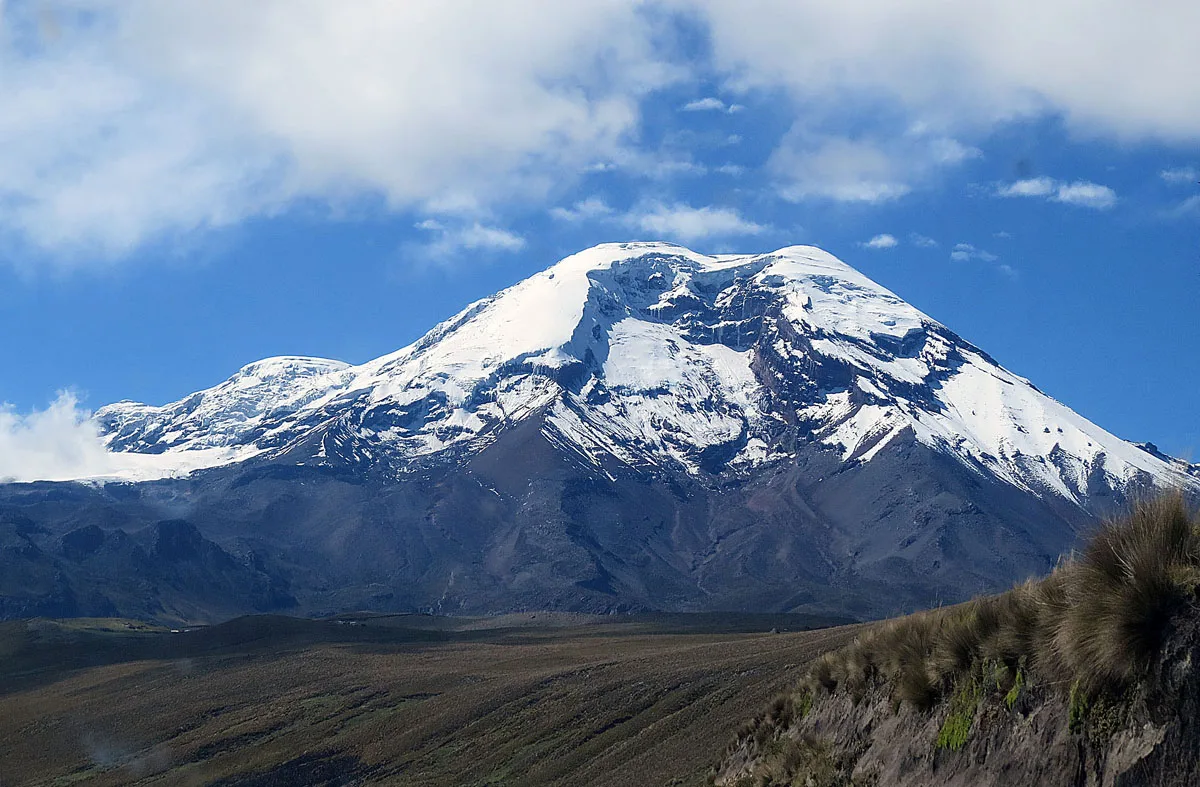
Chimborazo Normal Route (Whymper Route)
The Whymper Route follows the western ridges and glacier flanks of Chimborazo past the landmark rock buttress of El Castillo. Climbers ascend steep 40°-50° firn and penitentes before traversing expansive upper ice fields to reach Cumbre Veintimilla (6,230 m) and finally Cumbre Whymper at 6,263 metres.
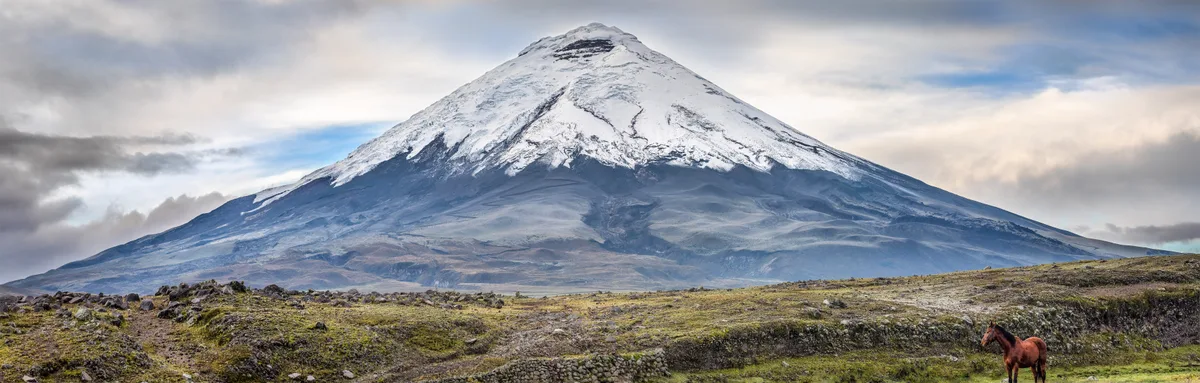
Cotopaxi Normal Route (North-Northeast Glacier)
The classic ascent of Cotopaxi ascends north-northeast glaciated slopes from the José Rivas Refuge (4,864 m). The route weaves through moderate 35°-45° snowfields and crevassed ramps, passing beneath the Yanasacha rock band before topping out on the rim of the steaming volcanic caldera at 5,897 metres.
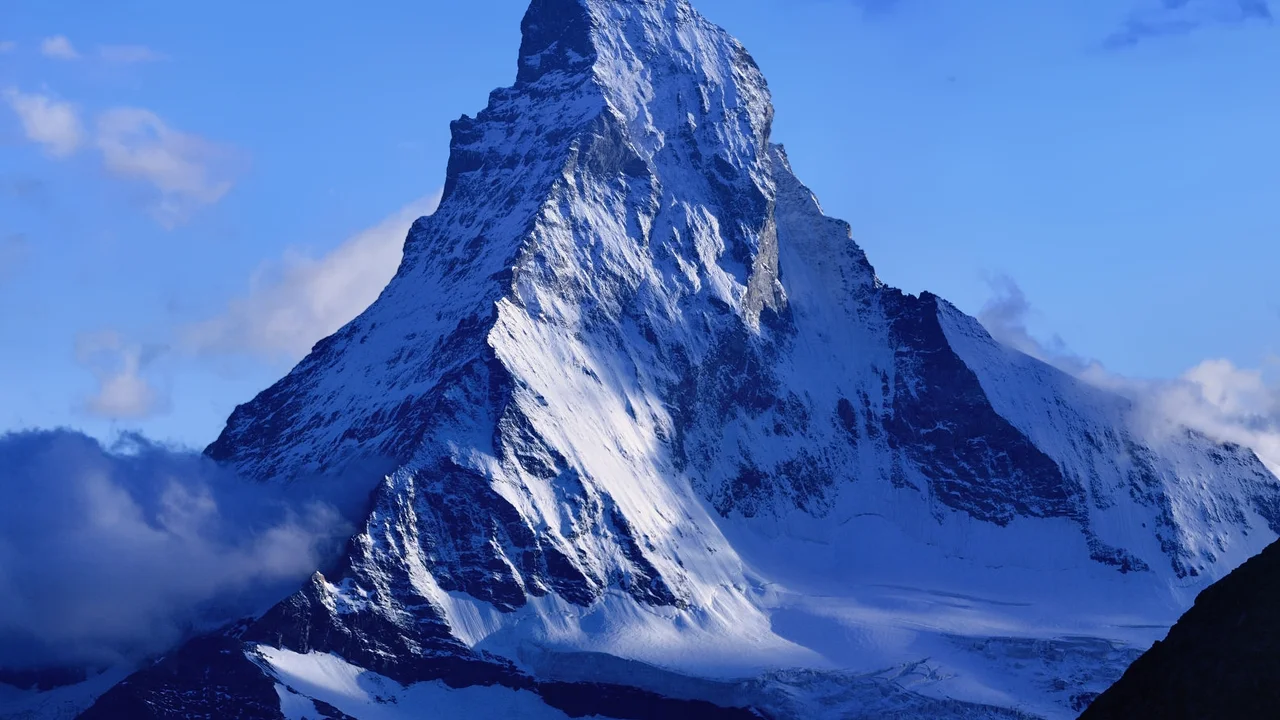
Hörnli Ridge (Normal Route)
The Hörnli Ridge (Hörnligrat) is the northeast ridge of the Matterhorn and the standard normal route from Zermatt. Starting from the Hörnli Hut (3,260m), the route follows the sharp, crumbling crystalline schist ridge, traversing steep rock steps, the Solvay emergency refuge (4,003m), and the steep upper Moseley Slabs. Fixed ropes assist climbers over the steep summit headwall (the Shoulder) before reaching the knife-edge Swiss summit crest at 4,478 meters. First climbed on July 14, 1865, by Edward Whymper's party.
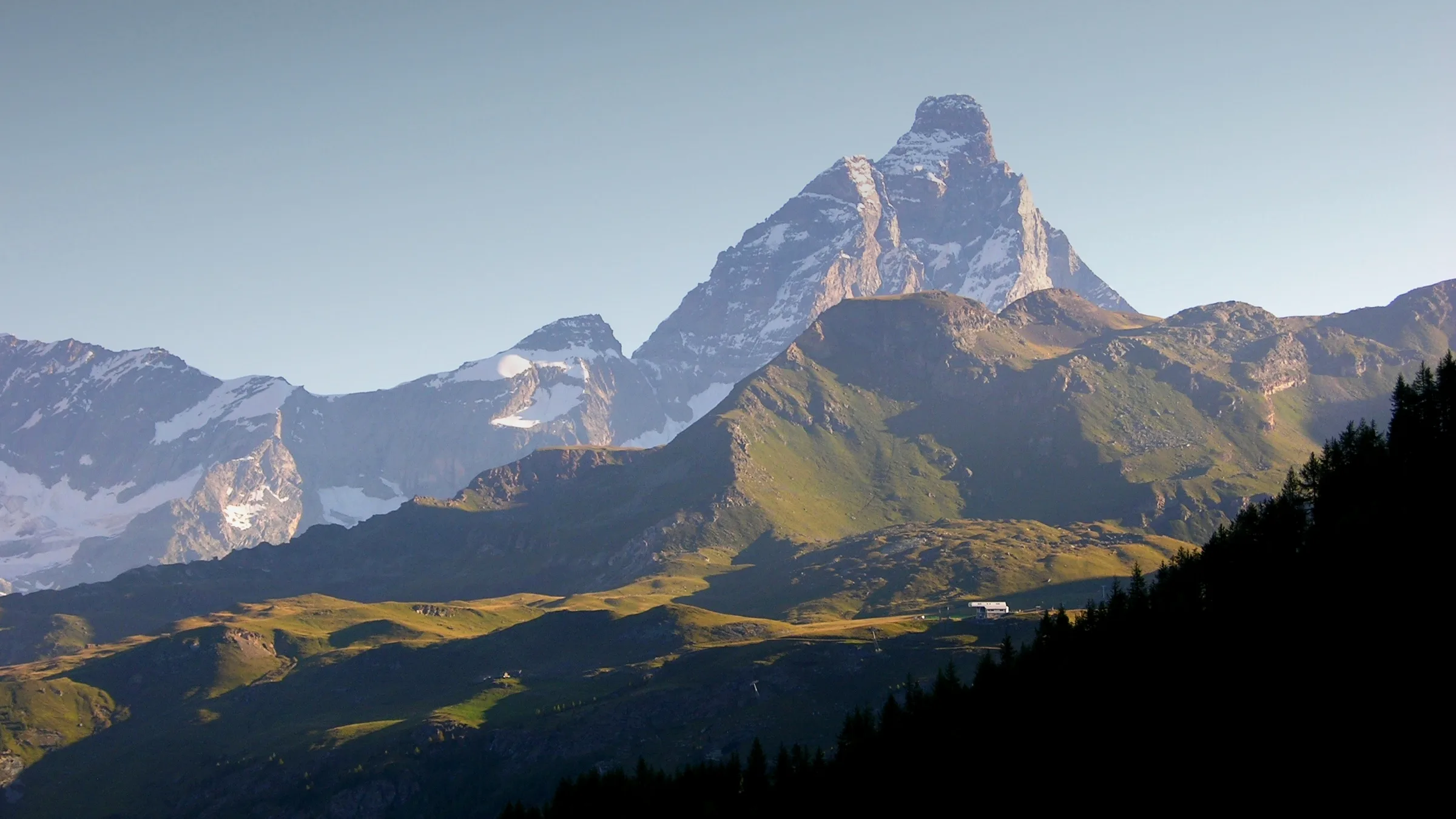
Matterhorn Lion Ridge (Cresta del Leone)
The Matterhorn Lion Ridge (Cresta del Leone / Italian Normal Route) is the historic Italian line to the Matterhorn summit, ascending from the Rifugio Theodul and Breuil-Cervinia on the Italian south-west face via the Col du Lion, the Tête du Lion, and the Great Tower. Pioneered by Jean-Antoine Carrel on July 17, 1865 — three days after Whymper's Hörnli ascent — the Lion Ridge remains the longer, more exposed, and more technically demanding of the two standard Matterhorn routes, graded AD+/D with sustained UIAA IV passages and dramatic 3,000-metre drops into the Valtournenche.
Documented Expeditions (3)
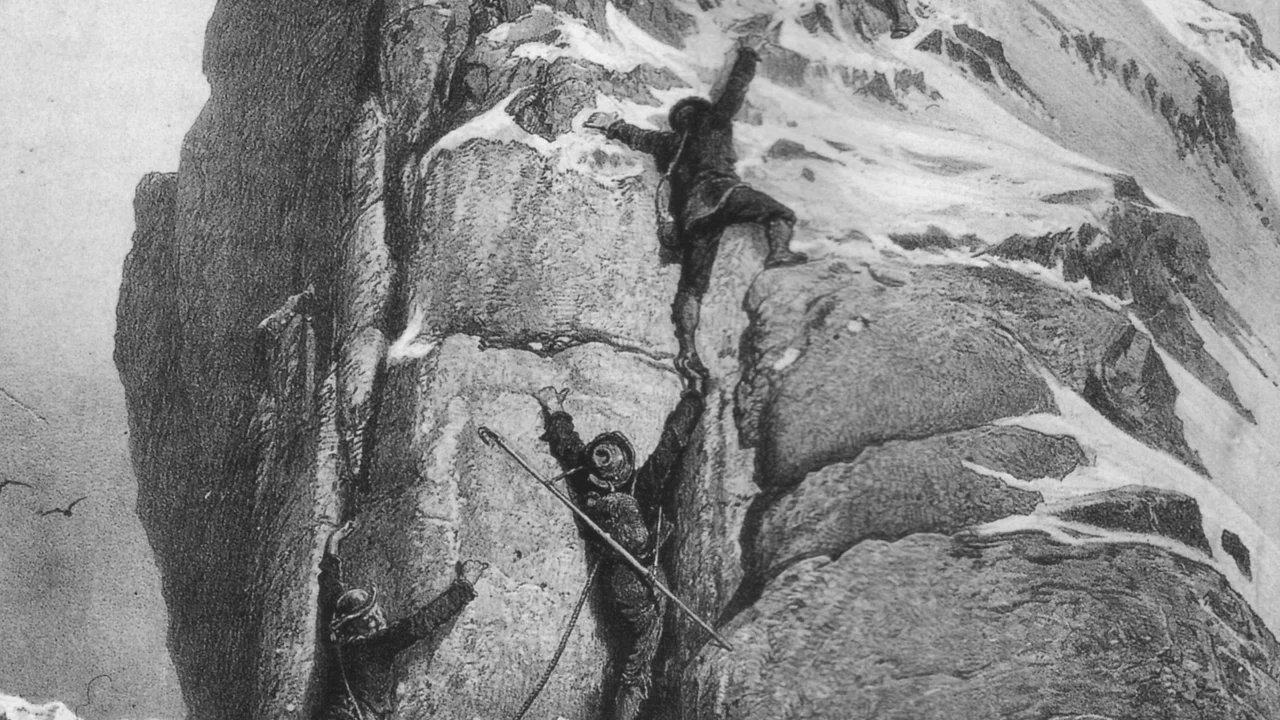
1865 Edward Whymper Matterhorn First Ascent Expedition
The dramatic July 1865 expedition led by English illustrator Edward Whymper that achieved the maiden first ascent of the Matterhorn (4,478m) via the Hörnli Ridge, ending in triumph overshadowed by the catastrophic rope snap that took four lives on descent.
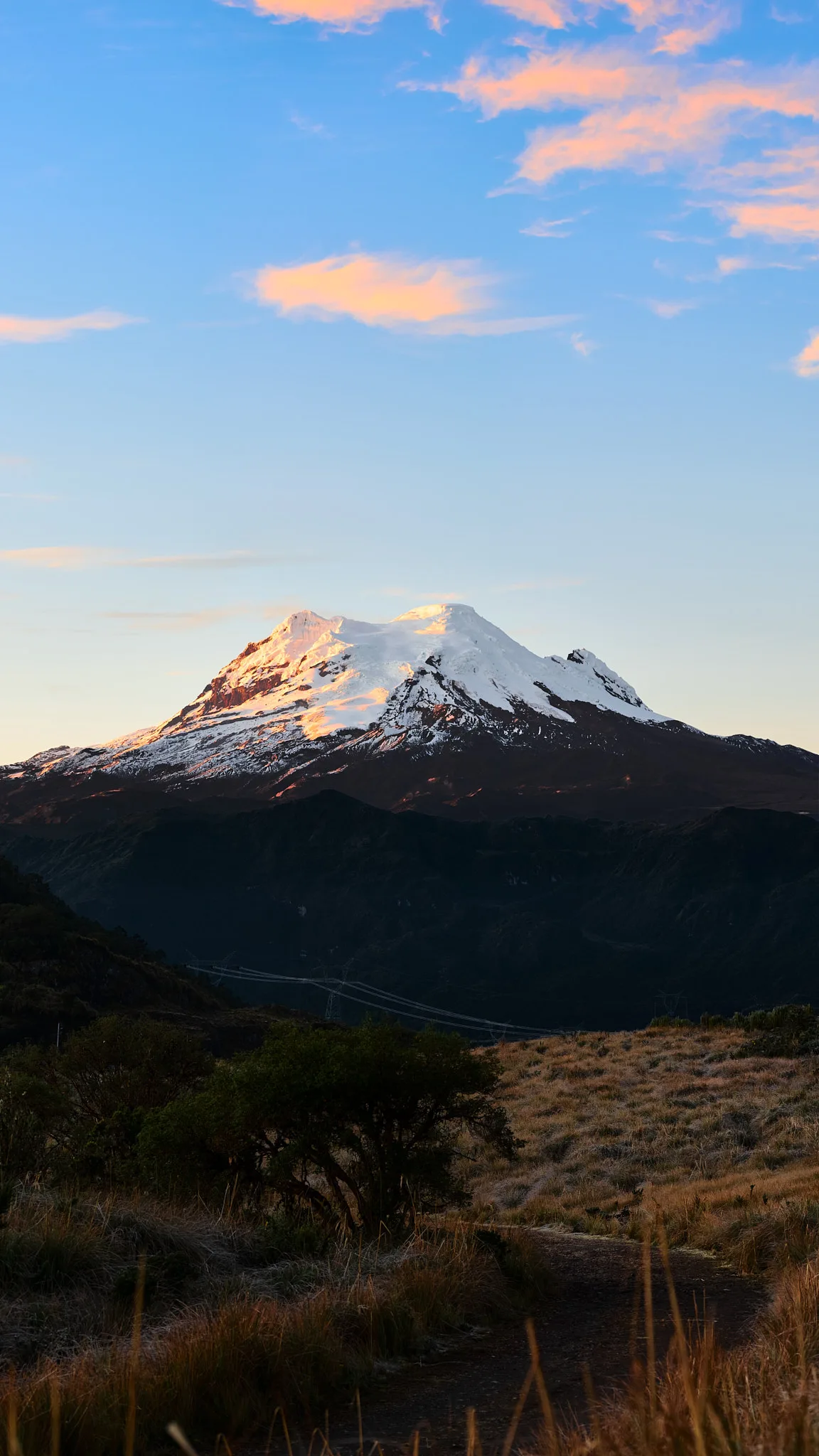
1880 Edward Whymper and Carrel Brothers Antisana Historic First Ascent Expedition
On March 10, 1880, Edward Whymper alongside Val Tournanche alpine guides Louis Carrel and Jean-Antoine Carrel achieved the historic first ascent of Volcán Antisana (5,753 m). Overcoming a treacherous maze of yawning crevasses and steep firn headwalls, the team unlocked one of the most technically formidable glaciated volcanic massifs in the northern Andes.
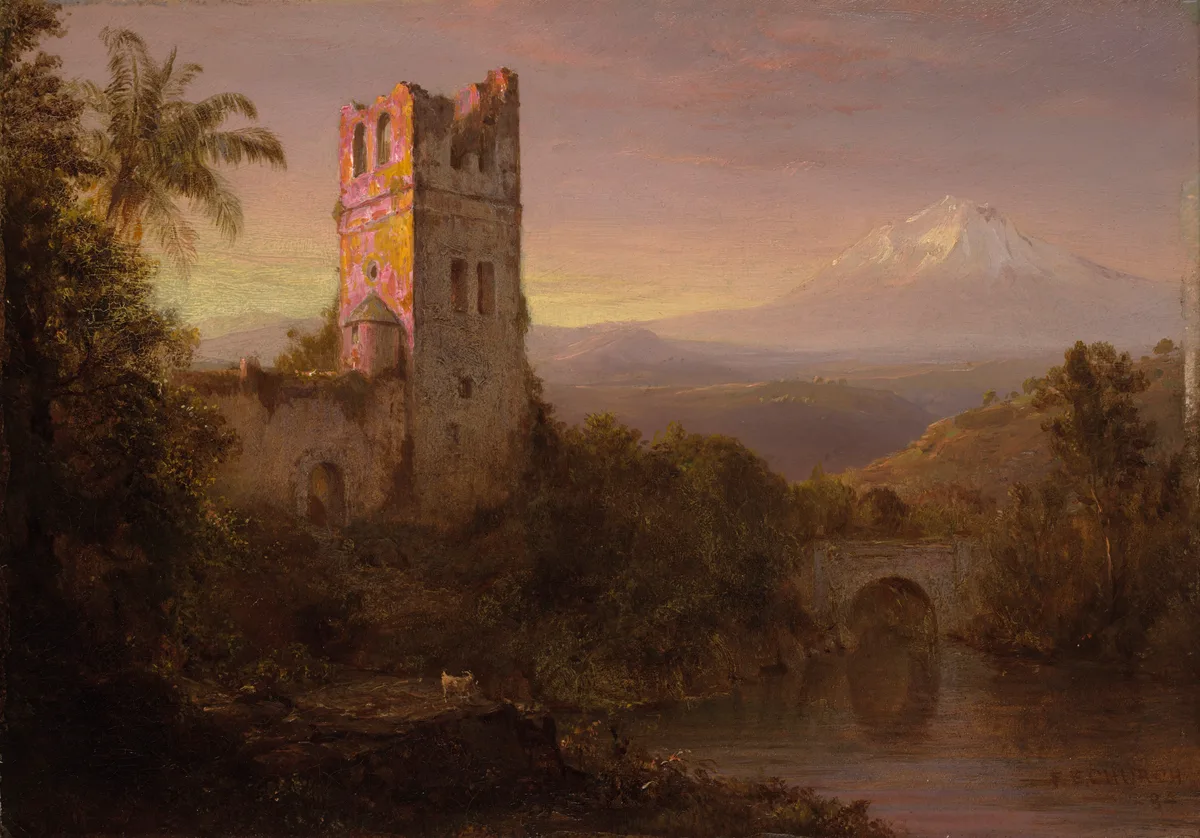
1880 Edward Whymper and Carrel Brothers Chimborazo Historic First Ascent Expedition
On January 4, 1880, British mountaineer Edward Whymper alongside legendary Italian guides Louis Carrel and Jean-Antoine Carrel completed the historic first ascent of Chimborazo (6,263 m). Navigating steep firn, seracs, and debilitating mountain sickness, they stood atop Earth's closest surface point to the Sun, completing a masterwork of nineteenth-century alpinism.
Associated Chronicles & Stories (4)
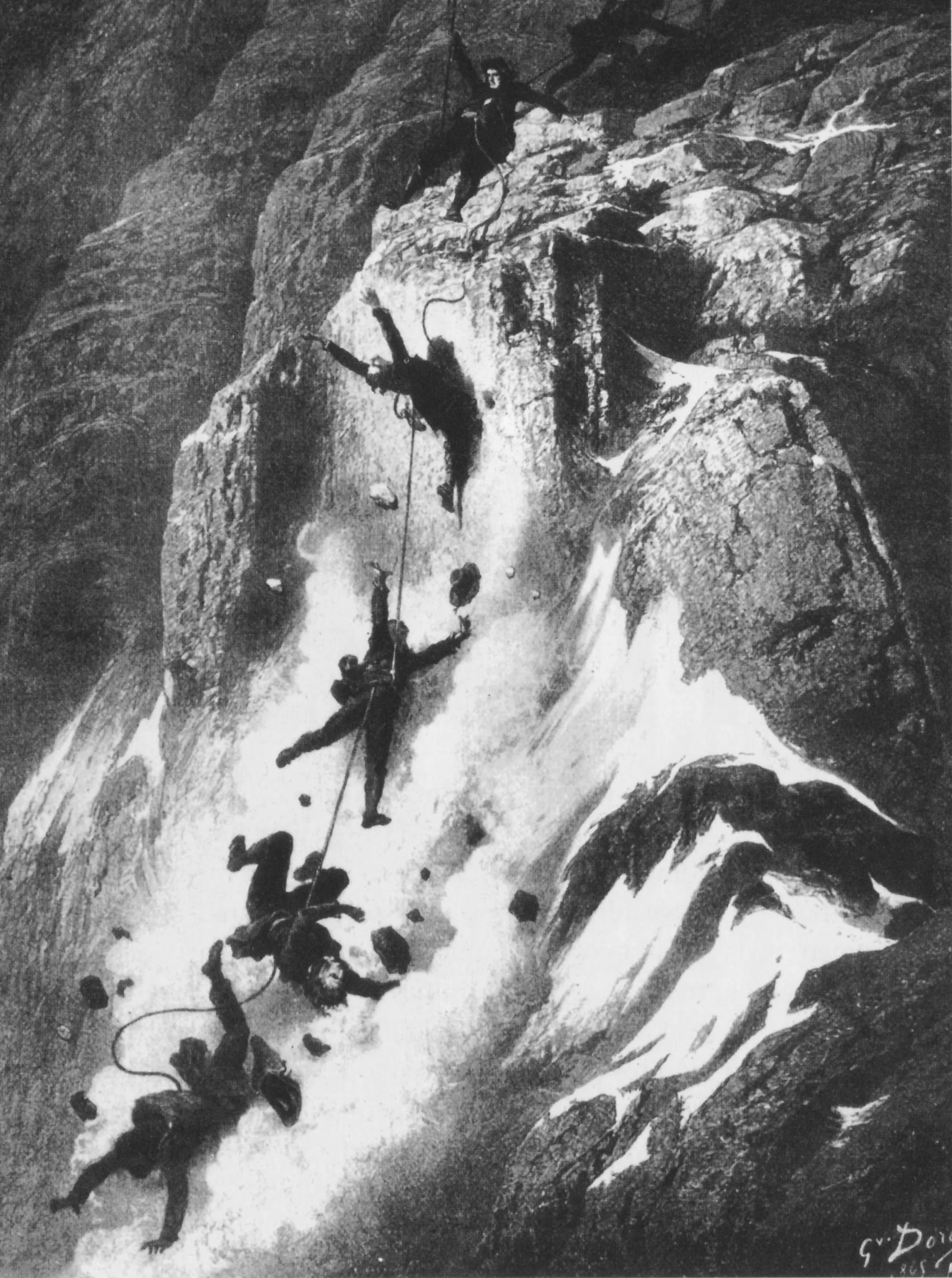
Triumph and Catastrophe: The 1865 Matterhorn First Ascent and the Broken Rope
On July 14, 1865, Edward Whymper, Michel Croz, and Peter Taugwalder Sr. claimed the summit of the Matterhorn, only for four teammates to plunge to their deaths on descent when the rope severed, closing the Golden Age of Alpinism.
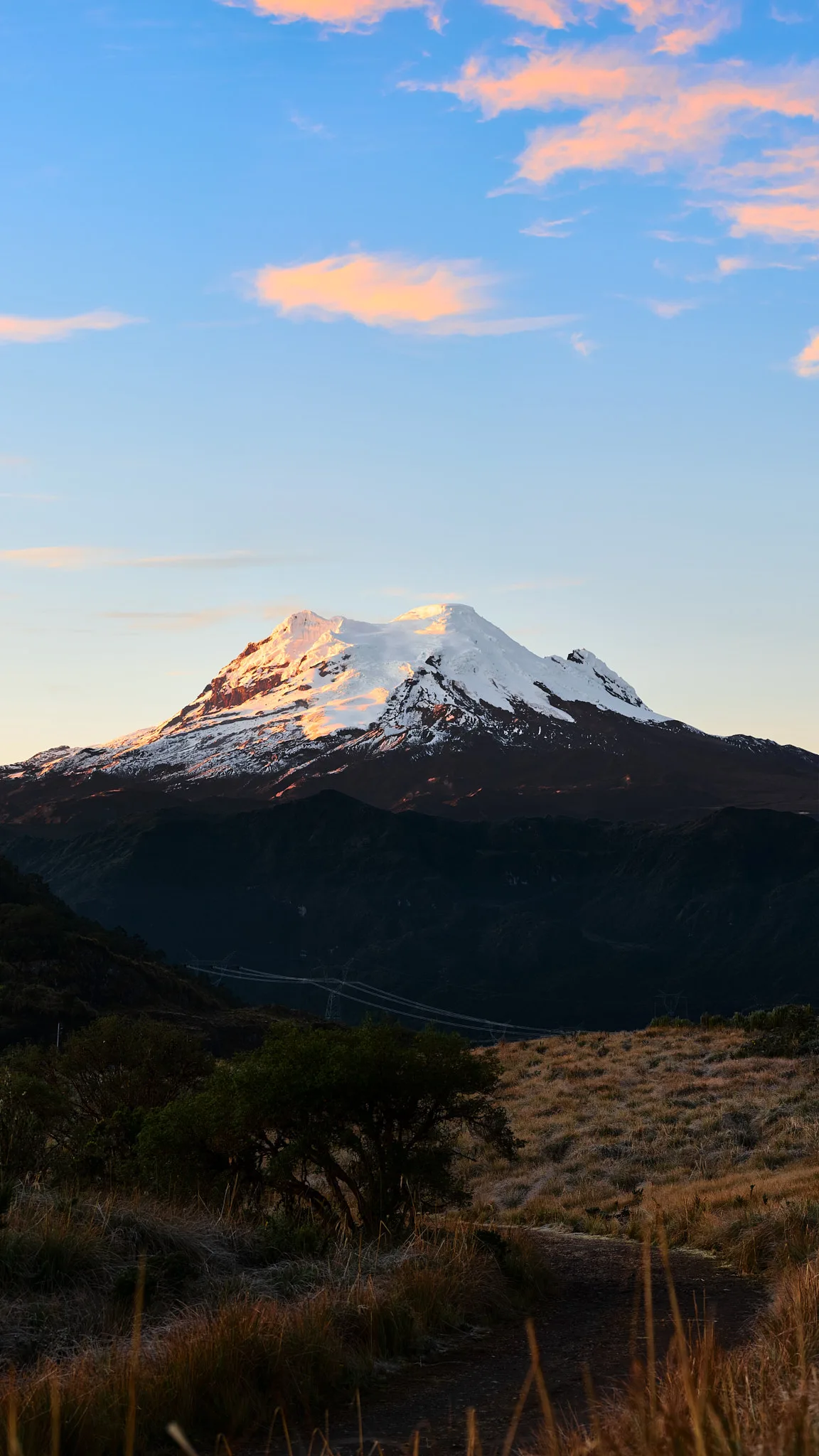
Labyrinth of the Condor: Whymper and the Carrels on Antisana in 1880
On March 10, 1880, Edward Whymper and Italian guides Louis Carrel and Jean-Antoine Carrel made the historic first ascent of Volcán Antisana (5,753 m), conquering its formidable maze of crevasses and icefalls.
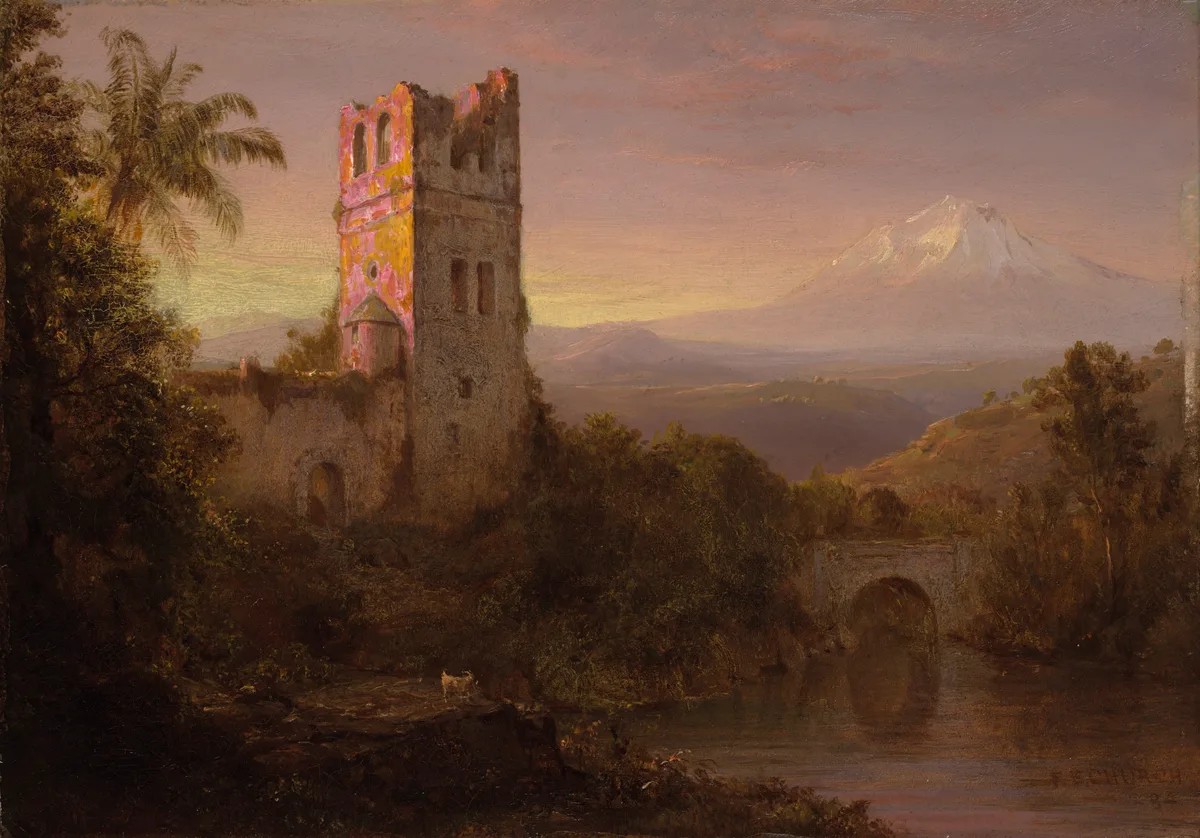
King of the Andes: Whymper and the Carrels Conquer Chimborazo in 1880
On January 4, 1880, legendary British climber Edward Whymper and Italian guides Louis Carrel and Jean-Antoine Carrel conquered Chimborazo (6,263 m), standing upon Earth's closest surface point to the Sun.
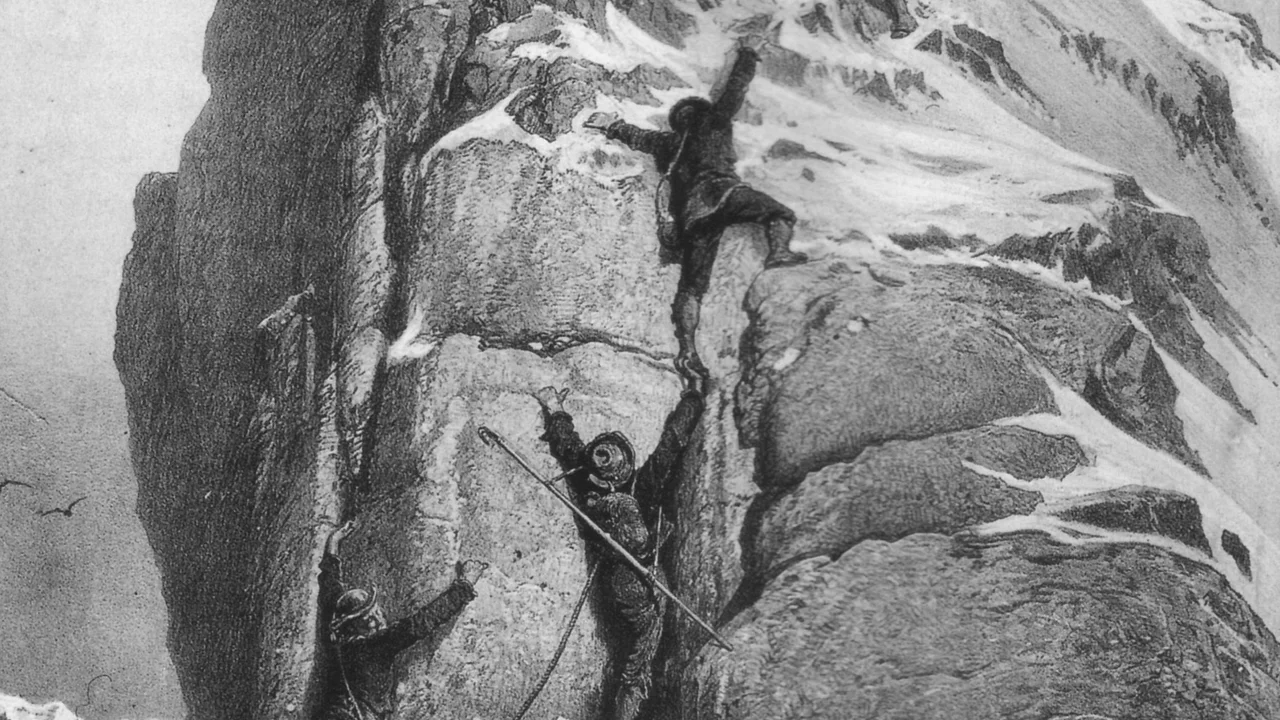
Matterhorn 1865: Whymper's Triumph and the Broken Rope Tragedy
On July 14, 1865, Edward Whymper conquered the supposedly unscalable Matterhorn (4,478m) via the Swiss Hörnli Ridge, only for victory to turn into one of mountaineering's greatest disasters when a rope snapped on descent, claiming four lives.
Documented Sources & Archival Citations
- Scrambles Amongst the Alps in the Years 1860–69(Edward Whymper / John Murray)
Supporting claim: Official autobiographical chronicle of the Matterhorn attempts, summit, and rope tragedy
Accessed/Documented: 1871 - Travels Amongst the Great Andes of the Equator(Edward Whymper / John Murray)
Supporting claim: Official expedition record of the 1880 Chimborazo first ascent and scientific observations
Accessed/Documented: 1892 - The Alpine Journal: Edward Whymper Centenary Tribute(The Alpine Club UK)
Supporting claim: Critical biographical survey and evaluation of Whymper's contributions to global mountaineering
Accessed/Documented: 2011