Antisana
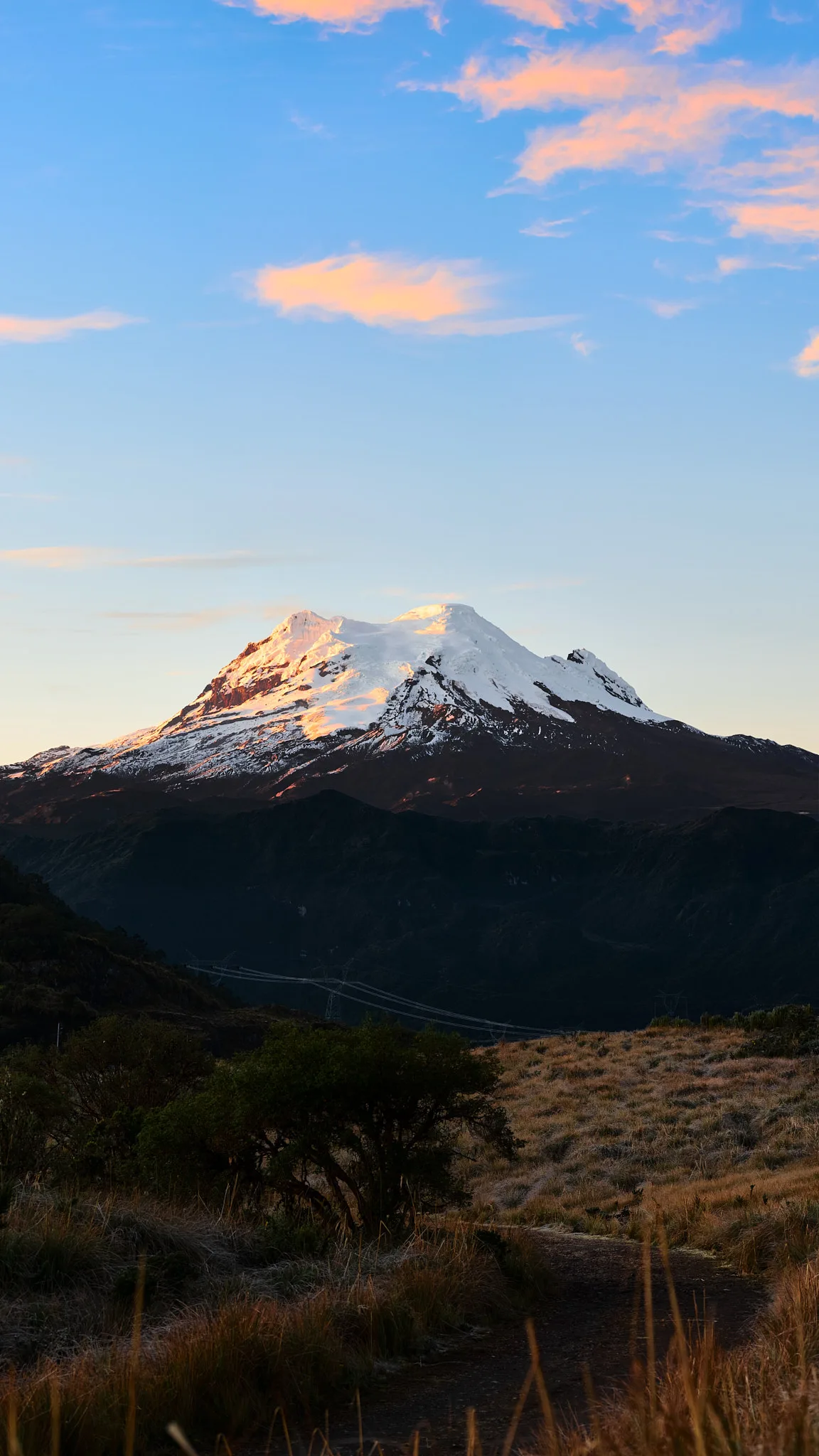
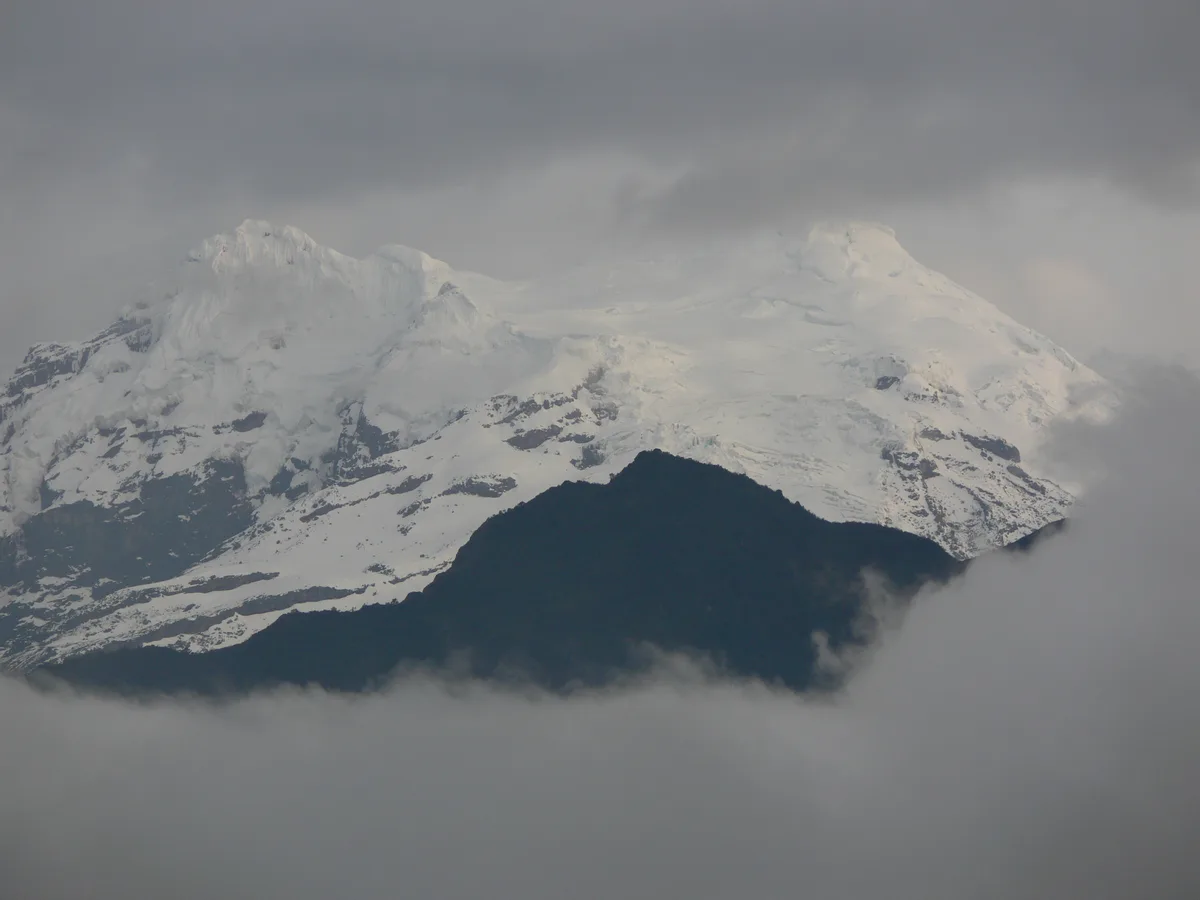
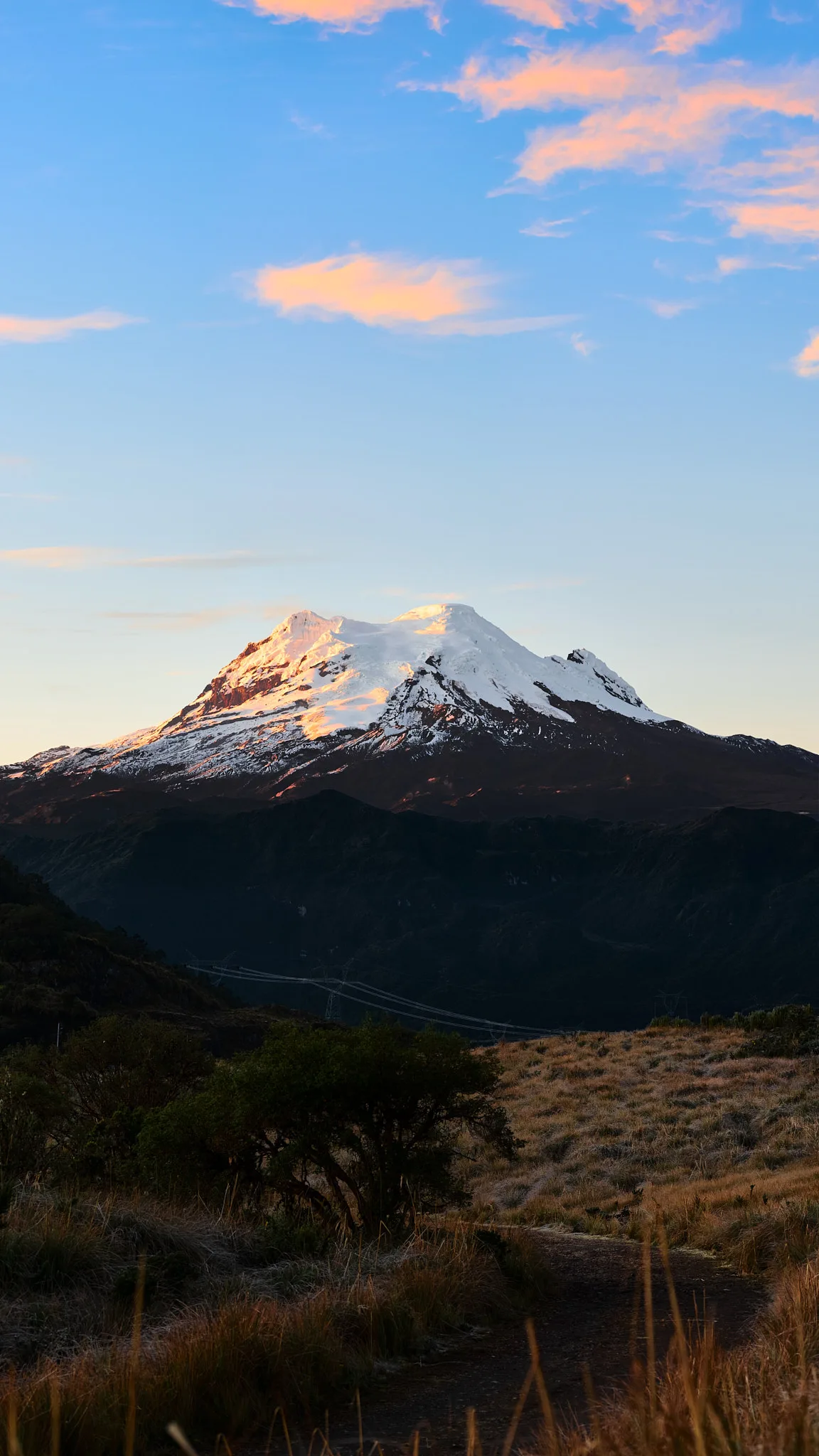
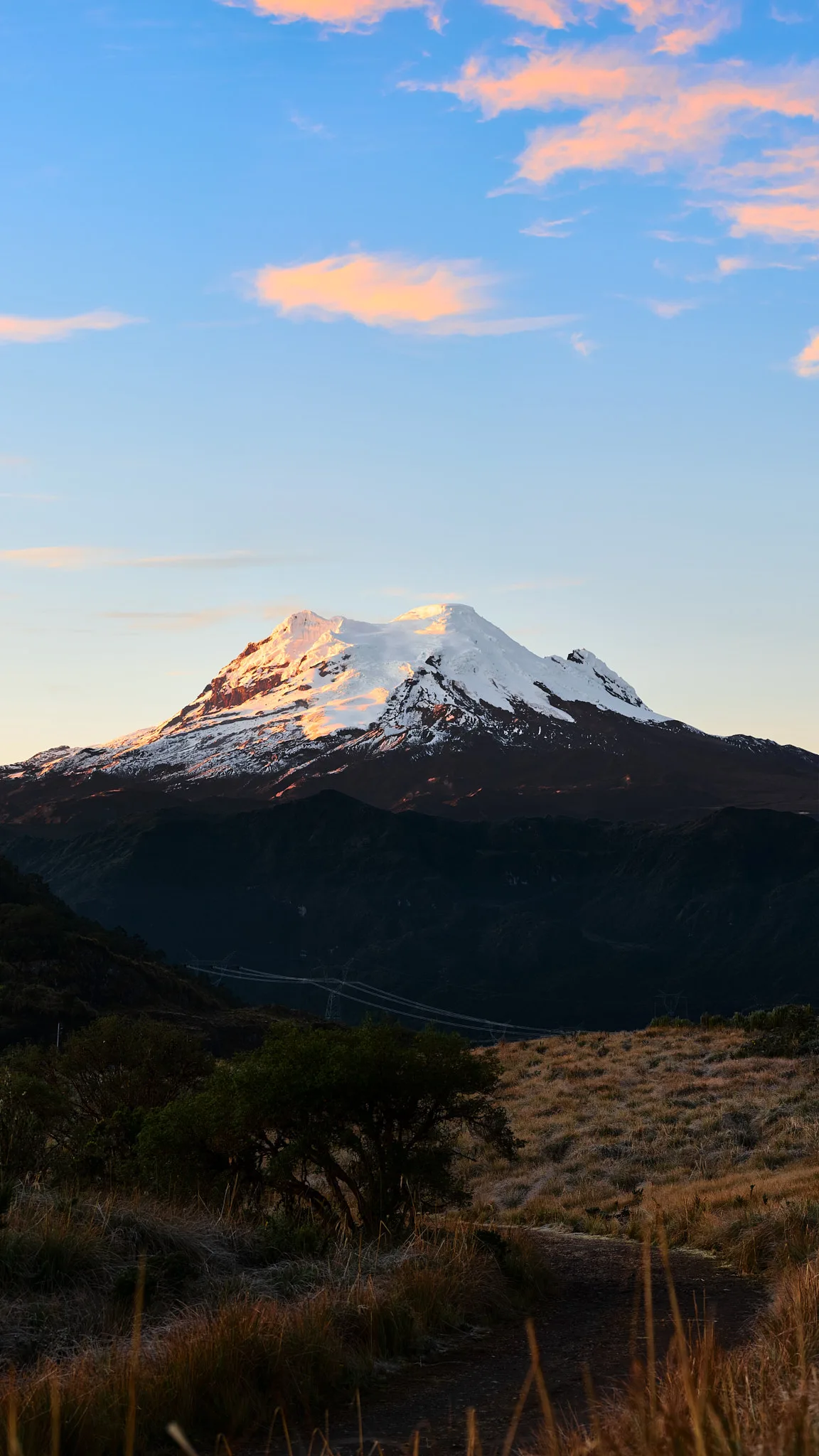
Volcán Antisana is an imposing, heavily glaciated 5,753-metre stratovolcano in the Cordillera Real of Ecuador, renowned for its complex glacier maze, massive seracs, and yawning crevasse fields. Widely recognized as one of the most technically demanding volcanic massifs in the northern Andes, Antisana was first climbed on March 10, 1880, by Edward Whymper, Louis Carrel, and Jean-Antoine Carrel.
Mountain Safety & Conditions Disclaimer: High-altitude climbing, glacial travel, and technical ascents entail severe objective risks including avalanches, serac collapses, rapid weather collapse, and altitude illness. Historical route descriptions and summit claims on Mountanity reflect documented archival sources and must not be used as live operational safety assessments. Local regulations, permits, and physical glacial topography change continuously.
Peer Review: Senior Editorial Board & Historical Reviewers • Editorial Standards
Geographical Setting & Topography
Antisana rises 50 kilometres southeast of Quito on the eastern crest of the Andes, directly intercepting humid air currents rising from the Amazon basin. This creates hyper-active glacier accumulation, carving labyrinthine crevasse fields and towering ice cliffs across its four distinct summits.
Historic First Ascent
Date: 1880-03-10
Ascent Team: Edward Whymper, Louis Carrel, and Jean-Antoine Carrel
Key Statistics & Topographic Figures
- Summit Elevation
- 5,753 m (18,875 ft)
- Topographic Prominence
- 1,752 m
- First Ascent
- March 10, 1880 (Whymper, L. Carrel, J.A. Carrel)
- First National Ascent
- March 15, 1906 (Nicolás Martínez)
- Technical Difficulty
- AD, 50° Snow/Ice & Crevasse Labyrinth
Archival Primary Source Quotations
“Antisana tests an alpinist's soul: navigating its broken glaciers is a true chess match against the living ice.”
Defined Alpine Terminology & Concepts
- Glacier Surcharge
- The rapid accumulation of glacial ice on eastern Andean volcanoes caused by continuous moisture updrafts from the Amazon rainforest.
Antisana Mountain Weather Forecast
Detailed 14-Day Summit Window & Weather Timeline
Explore day-by-day summit push safety windows, wind shear analysis, and extended multi-day forecasts for Antisana.
Explore Antisana (5,753 m) in Interactive 3D
Inspect steep glacial walls, hanging seracs, ridge approaches, and elevation relief with 360° rotation and terrain tilt in WebGL.
Documented Climbing Routes (1)
Antisana Normal Route (Central Glacier)
A serious, heavily crevassed glacier route navigating broken icefalls, towering seracs, and hidden bergschrunds on Antisana's southern slopes. Demanding advanced crevasse rescue skills and steep 50° firn climbing, the route surmounts intricate ice ramps to gain the main summit dome at 5,753 metres.
Historical Expeditions (2)
1880 Edward Whymper and Carrel Brothers Antisana Historic First Ascent Expedition
On March 10, 1880, Edward Whymper alongside Val Tournanche alpine guides Louis Carrel and Jean-Antoine Carrel achieved the historic first ascent of Volcán Antisana (5,753 m). Overcoming a treacherous maze of yawning crevasses and steep firn headwalls, the team unlocked one of the most technically formidable glaciated volcanic massifs in the northern Andes.
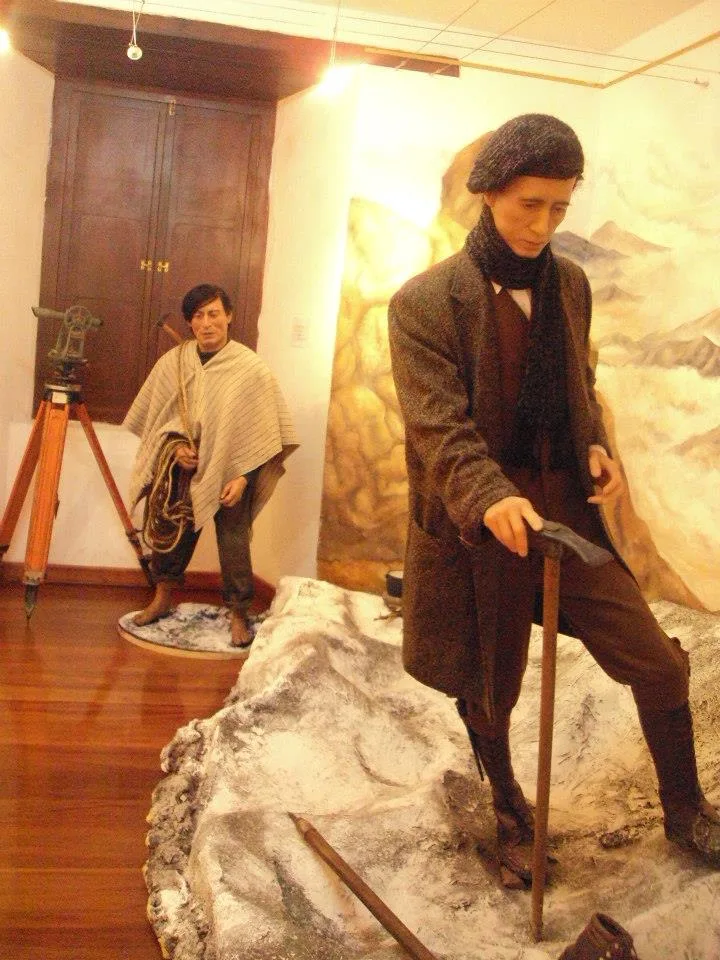
1906 Nicolás Martínez Antisana Historic First Ecuadorian Ascent Expedition
On March 15, 1906, Ecuadorian polymath and explorer Nicolás Martínez led the first national ascent of Volcán Antisana (5,753 m) alongside Ecuadorian companions. Negotiating the complex southern glaciers without foreign guides, Martínez established national self-reliance in the high Andes and inaugurated modern Ecuadorian mountaineering.
Summit Chronicles & Stories (2)
Labyrinth of the Condor: Whymper and the Carrels on Antisana in 1880
On March 10, 1880, Edward Whymper and Italian guides Louis Carrel and Jean-Antoine Carrel made the historic first ascent of Volcán Antisana (5,753 m), conquering its formidable maze of crevasses and icefalls.
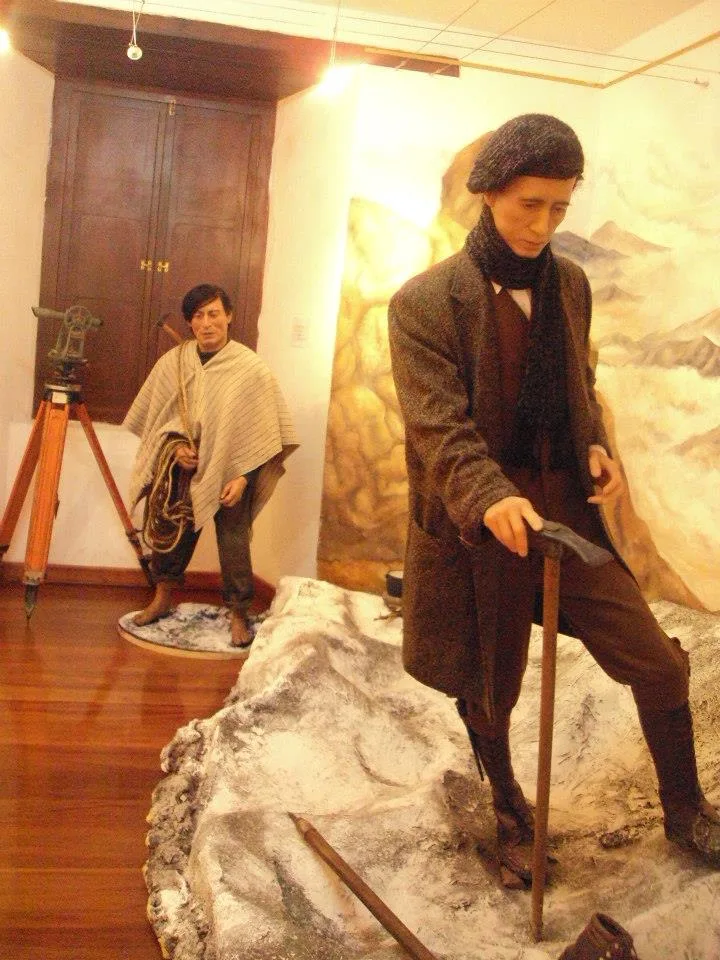
National Awakening: Nicolás Martínez and the 1906 Ascent of Antisana
On March 15, 1906, Ecuadorian polymath Nicolás Martínez led the first national ascent of Volcán Antisana (5,753 m), establishing domestic self-reliance and founding modern Ecuadorian mountaineering.
Frequently Asked Questions: Antisana
Why is Volcán Antisana considered a serious mountaineering objective?
Antisana's position facing Amazonian cloud moisture produces heavy, fractured glaciers with immense crevasse fields, active seracs, and steep 50-degree firn headwalls.
Who made the first ascent of Antisana?
Edward Whymper alongside Italian master guides Louis Carrel and Jean-Antoine Carrel completed the first ascent on March 10, 1880.
When was the first national Ecuadorian ascent of Antisana?
On March 15, 1906, pioneer Nicolás Martínez led the first all-Ecuadorian ascent, establishing national alpine self-reliance.
Where is Antisana located?
Antisana rises 50 kilometres southeast of Quito in the Cordillera Real, within the Antisana Ecological Reserve overlooking the Amazon basin.
Documented Sources & Archival Citations
- Travels Amongst the Great Andes of the Equator(Edward Whymper / John Murray)
Supporting claim: Firsthand technical narrative of the pioneering 1880 ascent of Antisana
Accessed/Documented: 1892 - Ascensiones a los Andes Ecuatorianos(Nicolás Martínez / Imprenta Nacional)
Supporting claim: Historical record of the 1906 first Ecuadorian ascent of Antisana
Accessed/Documented: 1907