1906 Nicolás Martínez Antisana Historic First Ecuadorian Ascent Expedition
On March 15, 1906, Ecuadorian polymath and explorer Nicolás Martínez led the first national ascent of Volcán Antisana (5,753 m) alongside Ecuadorian companions. Negotiating the complex southern glaciers without foreign guides, Martínez established national self-reliance in the high Andes and inaugurated modern Ecuadorian mountaineering.
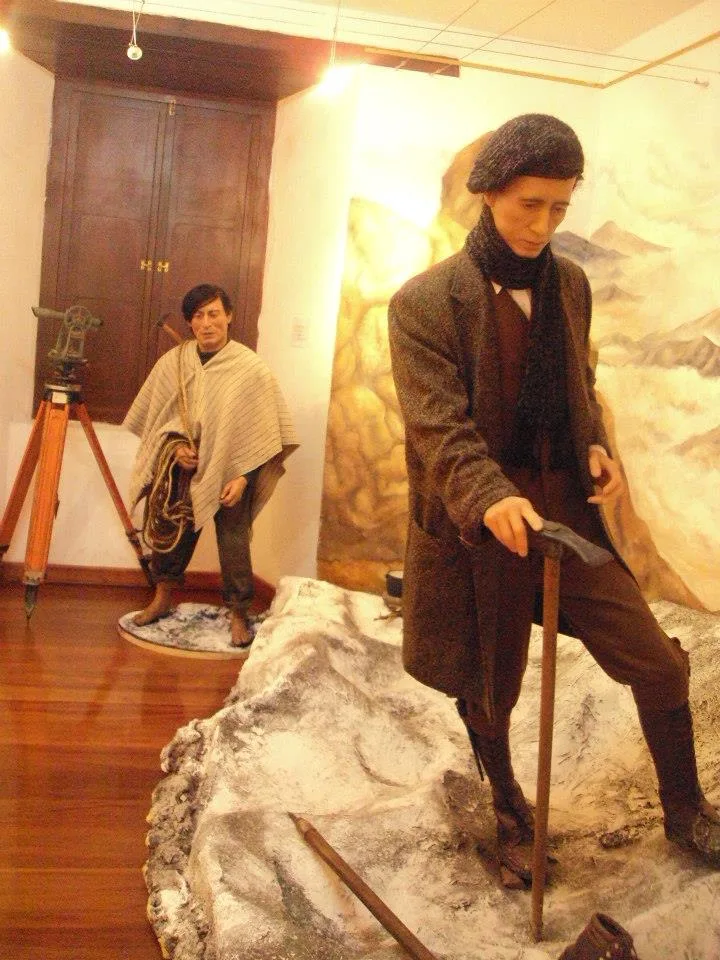
Mountain Safety & Conditions Disclaimer: High-altitude climbing, glacial travel, and technical ascents entail severe objective risks including avalanches, serac collapses, rapid weather collapse, and altitude illness. Historical route descriptions and summit claims on Mountanity reflect documented archival sources and must not be used as live operational safety assessments. Local regulations, permits, and physical glacial topography change continuously.
Peer Review: Senior Editorial Board & Historical Reviewers • Editorial Standards
Official Expedition Narrative & Archival Record
At the turn of the twentieth century, high-altitude mountaineering in the northern Andes remained almost exclusively the domain of wealthy European expeditions. Resenting the notion that native South Americans lacked the technical skill or courage to climb their own legendary peaks, Ecuadorian scholar, geologist, and photographer Nicolás Martínez resolved to organize an entirely domestic high-alpine assault. His chosen objective was Volcán Antisana (5,753 m)—a mountain that had turned back multiple parties since Whymper's 1880 triumph. In March 1906, Martínez assembled a small team of trusted Ecuadorian companions, including Alejandro Villacreses and Manuel Villacreses. Departing from Pintag, the expedition traversed the stormy paramo to establish a high camp near Laguna Santa Lucía at 4,500 metres. Equipped with locally fabricated ice gear, Manila ropes, and heavy cameras, Martínez's team tackled the fractured southern icefall on March 15, 1906. With masterful route-finding, Martínez threaded through shifting seracs and crossed precarious snow bridges across deep crevasse fields. Despite freezing headwinds and altitude sickness, the Ecuadorian climbers conquered the 50-degree firn headwall and stepped onto Antisana's summit plateau at midday. Martínez spent over an hour taking meteorological observations and capturing historic photographs from the 5,753-metre peak. The 1906 ascent proved that Ecuadorian alpinists were masters of their own mountains, permanently igniting national pride and establishing the foundation for modern Andean mountaineering clubs.
Documented Team Composition
- Nicolás Martínez (Expedition Leader & Polymath, Ecuador)
- Alejandro Villacreses (Climber, Ecuador)
- Manuel Villacreses (Climber, Ecuador)
Key Statistics & Topographic Figures
- Summit Elevation
- 5,753 m (18,875 ft)
- Ascent Date
- March 15, 1906
- First National Team
- Nicolás Martínez, Alejandro Villacreses, Manuel Villacreses
- High Camp
- Laguna Santa Lucía (4,500 m)
- Historical Milestone
- Founding of National Ecuadorian Mountaineering
Archival Primary Source Quotations
“Our mountains belong to us. It is our duty as sons of this soil to conquer their summits, chart their glaciers, and study their nature.”
Defined Alpine Terminology & Concepts
- Andinismo
- The tradition and practice of mountaineering in the high cordilleras of South America, emphasizing acclimatization and self-reliant expedition craft.
- Páramo Ecosystem
- A high-altitude tropical alpine grassland situated between the timberline and the snowline across the northern Andes.
Frequently Asked Questions: 1906 Nicolás Martínez Antisana Historic First Ecuadorian Ascent Expedition
Who led the first national Ecuadorian ascent of Volcán Antisana?
Pioneering polymath and explorer Nicolás Martínez led the first all-Ecuadorian ascent on March 15, 1906, alongside Alejandro and Manuel Villacreses.
Why is Nicolás Martínez called the Father of Ecuadorian Mountaineering?
Martínez proved that Ecuadorian climbers could conquer their own complex glaciated peaks without foreign guides, publishing seminal route guides and founding national alpinism.
What scientific instruments did Martínez carry on Antisana?
Martínez carried barometers, thermometers, and heavy glass-plate photographic cameras to document the glaciated crater and atmospheric conditions.
What book did Martínez publish documenting his Andean ascents?
He published 'Ascensiones a los Andes Ecuatorianos' in 1907, which became the foundational manifesto of high-altitude South American mountaineering literature.
Ascent Route & Topography
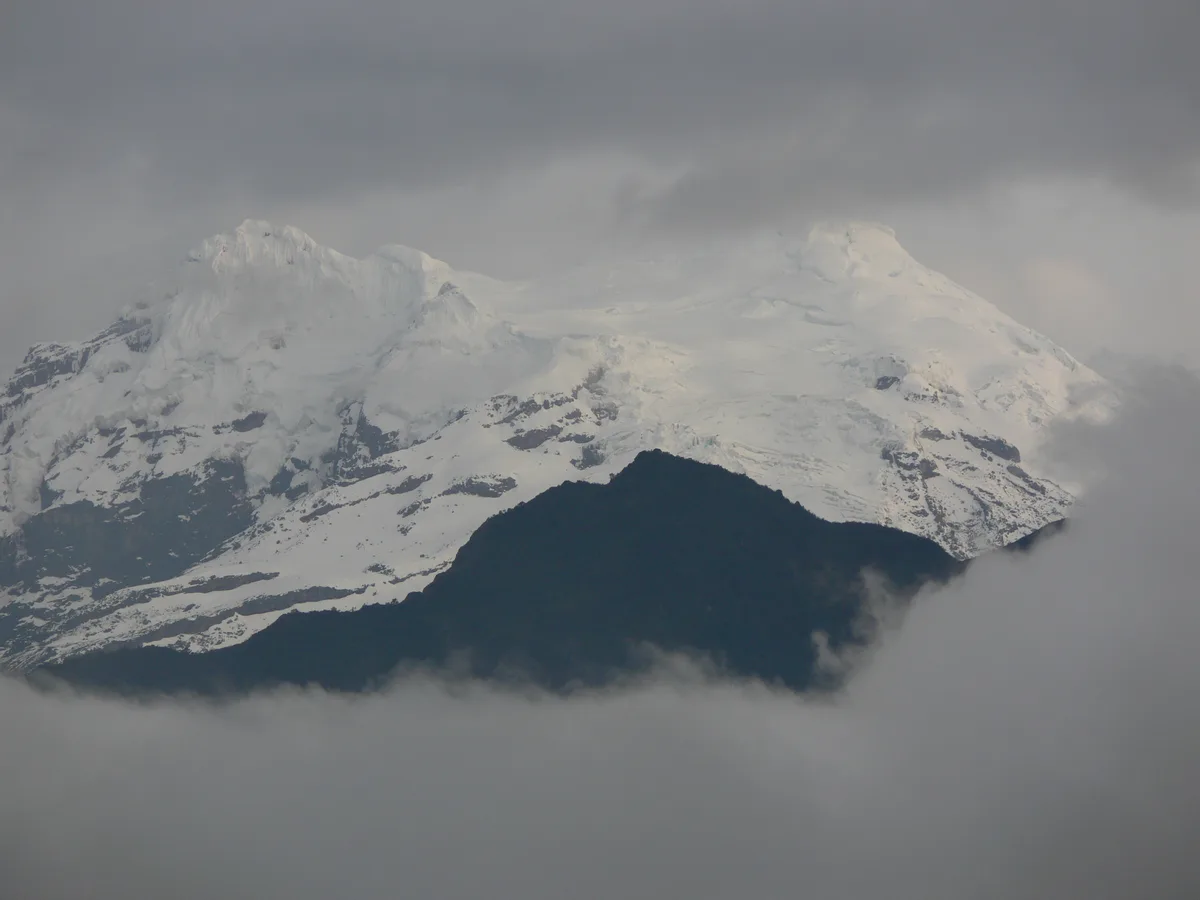
Antisana Normal Route (Central Glacier)
A serious, heavily crevassed glacier route navigating broken icefalls, towering seracs, and hidden bergschrunds on Antisana's southern slopes. Demanding advanced crevasse rescue skills and steep 50° firn climbing, the route surmounts intricate ice ramps to gain the main summit dome at 5,753 metres.
Target Objective Peak
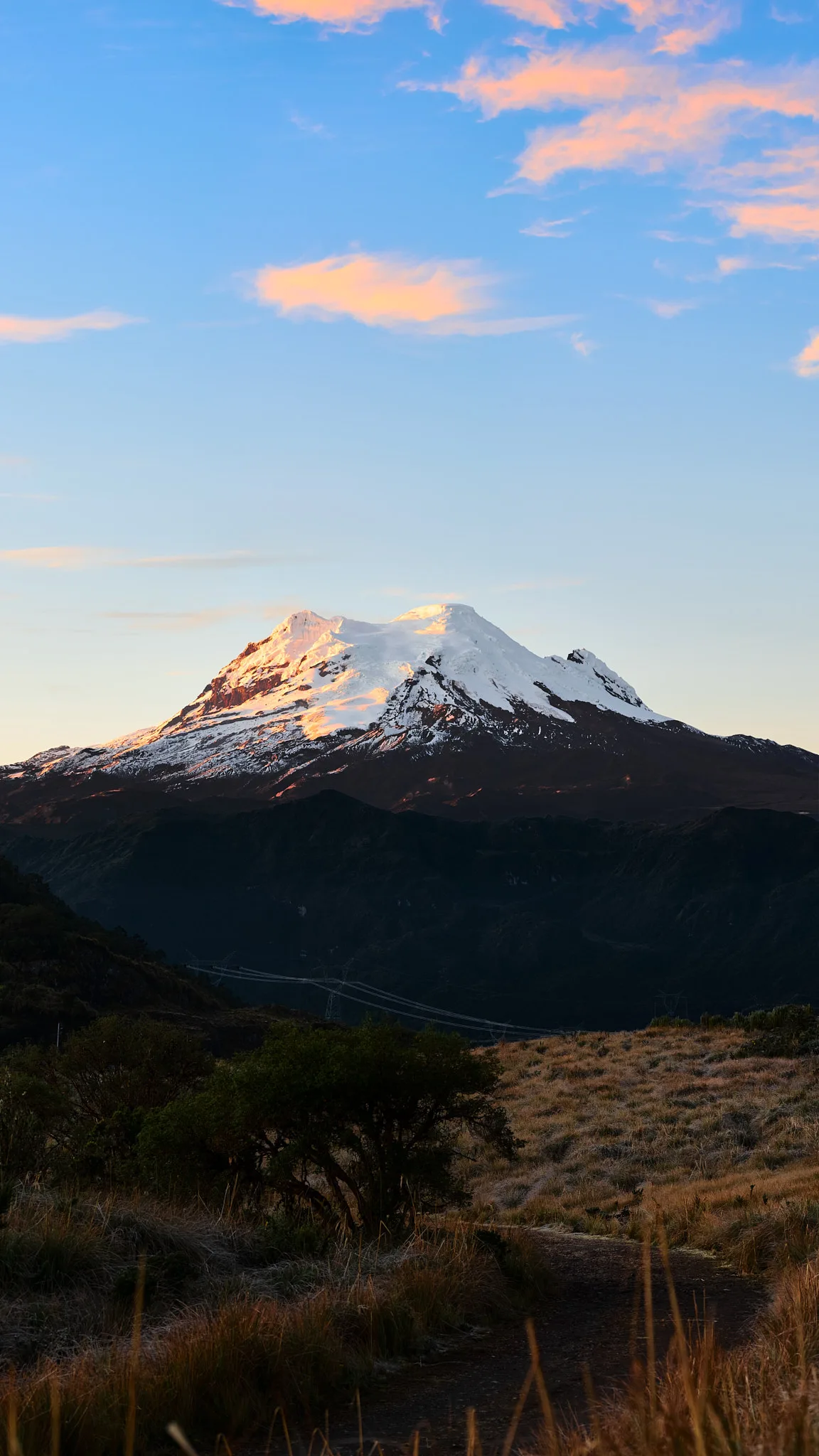

Antisana
Volcán Antisana is an imposing, heavily glaciated 5,753-metre stratovolcano in the Cordillera Real of Ecuador, renowned for its complex glacier maze, massive seracs, and yawning crevasse fields. Widely recognized as one of the most technically demanding volcanic massifs in the northern Andes, Antisana was first climbed on March 10, 1880, by Edward Whymper, Louis Carrel, and Jean-Antoine Carrel. In 1906, pioneering Ecuadorian polymath Nicolás Martínez led the first national ascent, cementing modern Ecuadorian alpinism.
Featured Expedition Climber
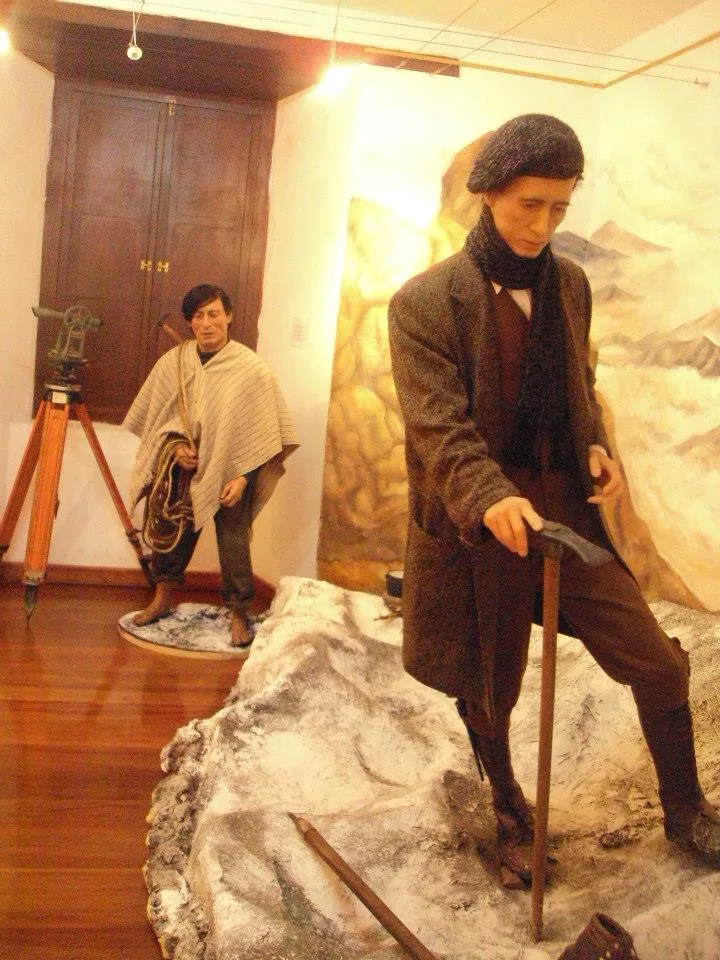
Nicolás Martínez
Born on March 25, 1860, in Ambato, Tungurahua Province, Ecuador, Augusto Nicolás Martínez Vásconez grew up at the foot of the magnificent central Ecuadorian volcanoes. Educated in sciences, geology, and meteorology, Martínez became a prolific scholar, educator, and director of the Quito Astronomical Observatory. Intensely patriotic, Martínez was determined to prove that Ecuadorian climbers could explore and master their own cordilleras without relying on foreign expeditions. Over four decades of relentless field exploration, Martínez ascended virtually every major volcanic peak in the country. During the violent eruptive cycles of Volcán Tungurahua between 1886 and 1902, Martínez ventured repeatedly into active ash fields and crater zones to conduct pioneering vulcanological studies. He made multiple ascents of Cotopaxi and attempted Chimborazo, documenting his journeys through breathtaking early photography and detailed scientific journals. On March 15, 1906, Martínez led an all-Ecuadorian party on a bold assault of Volcán Antisana (5,753 m), successfully negotiating its labyrinthine glacier maze to achieve the first national ascent of this notoriously difficult peak. His landmark book, 'Ascensiones a los Andes Ecuatorianos', served as the foundational manifesto of Ecuadorian mountaineering, inspiring generations of South American climbers. Martínez passed away in Ambato on March 19, 1934, revered across the continent as the founding father of national alpinism.
Associated Historical Chronicles & Stories
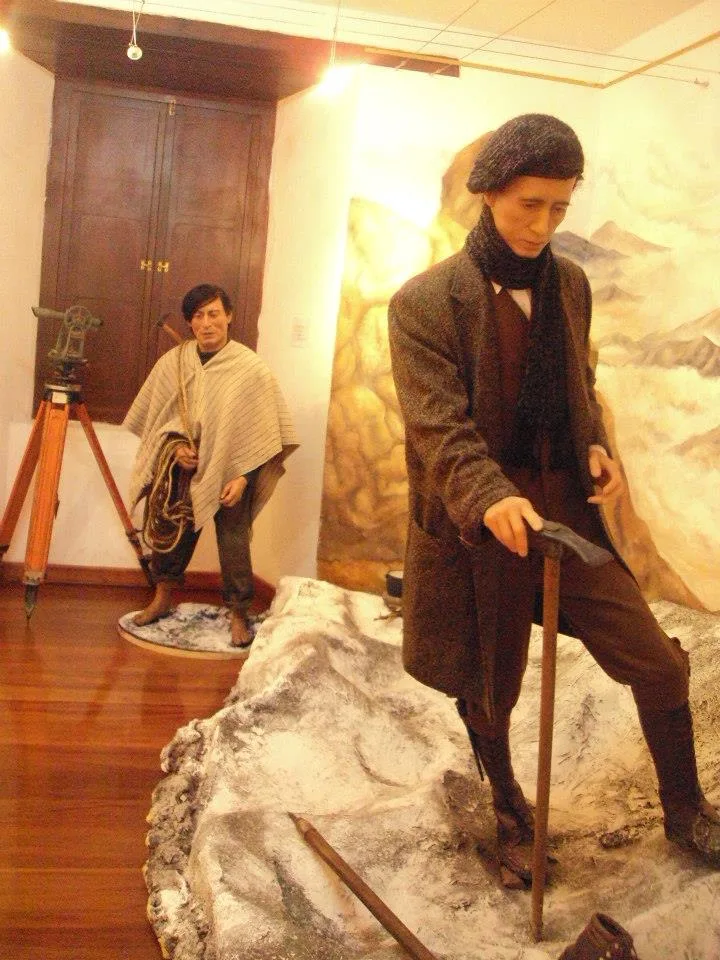
National Awakening: Nicolás Martínez and the 1906 Ascent of Antisana
On March 15, 1906, Ecuadorian polymath Nicolás Martínez led the first national ascent of Volcán Antisana (5,753 m), establishing domestic self-reliance and founding modern Ecuadorian mountaineering.
Documented Sources & Archival Citations
- Ascensiones a los Andes Ecuatorianos(Nicolás Martínez / Imprenta Nacional, Quito)
Supporting claim: Firsthand expedition memoirs and route details of the 1906 national ascent of Antisana
Accessed/Documented: 1907 - Historia del Andinismo en el Ecuador(Fabián Zurita / Club de Andinismo del Ecuador)
Supporting claim: Historical analysis of the 1906 ascent as the founding milestone of national Ecuadorian mountaineering
Accessed/Documented: 1990