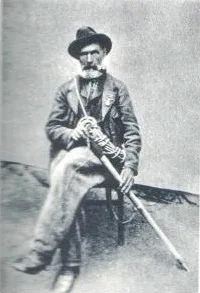
Jean-Antoine Carrel
Jean-Antoine Carrel was the legendary Valtournenche guide who spent fifteen years trying to claim the Matterhorn's first ascent for Italy. Three days after Edward Whymper's team summited via the Hörnli Ridge on July 14, 1865, Carrel's Italian team stood on the summit via the Cresta del Leone on July 17 — the first ascent of the Matterhorn from the Italian side, and one of mountaineering's greatest acts of sustained national pride and alpine resolve.
Mountain Safety & Conditions Disclaimer: High-altitude climbing, glacial travel, and technical ascents entail severe objective risks including avalanches, serac collapses, rapid weather collapse, and altitude illness. Historical route descriptions and summit claims on Mountanity reflect documented archival sources and must not be used as live operational safety assessments. Local regulations, permits, and physical glacial topography change continuously.
Peer Review: Senior Editorial Board & Historical Reviewers • Editorial Standards
Biographical Record & Archival Chronicle
Born in Breuil (Cervinia) in the Val Tournanche on January 17, 1829, Jean-Antoine Carrel grew up in the pastoral world of Italian mountain farming at the foot of the Matterhorn's south face, which his valley called Monte Cervino. A veteran of the 1848 wars of Italian independence who had served as a Bersagliere rifleman — a nickname he bore proudly for life — Carrel first attempted the Matterhorn in 1857 with a small local party, reaching a significant height on the Italian ridge before being forced back by savage weather. Carrel became the mountain's most persistent champion from the Italian side, combining guerrilla climbing tactics with deep knowledge of the mountain's south face buttresses. Between 1857 and 1865, Carrel made repeated attempts on the Matterhorn's Italian ridge, sometimes with British climbers, sometimes with Italian teams, always probing higher. His relationship with Edward Whymper was complicated — they climbed together on several attempts, with Whymper recognizing Carrel as the strongest man on the mountain. In the critical summer of 1865, Whymper secretly engaged Carrel for a Matterhorn attempt, but Carrel — already secretly committed to leading an Italian national expedition sponsored by the Italian Alpine Club — slipped away from Whymper without explanation on July 11, beginning his Italian attempt. Unaware of this betrayal, Whymper pivoted furiously and assembled an alternative team via the Swiss side. On July 14, Whymper reached the summit first via the Hörnli Ridge. Carrel, climbing with Giordano Bich and Luc Meynet on the steeper, longer Italian ridge, was already fighting to the summit. Three days later, on July 17, 1865, Carrel stood on the top of the Matterhorn via the Cresta del Leone, completing the first ascent of the Italian Normal Route. In later years, Carrel became one of the Alps' most respected and beloved guides, frequently guiding tourists on the Matterhorn until late in his career. He died on the mountain he had devoted his life to during a rescue in August 1890.
Notable Milestones & Ascents
- First ascent of the Matterhorn (4,478 m) Italian Normal Route (Cresta del Leone / Lion Ridge) on July 17, 1865
- First to climb the Italian south-west face of the Matterhorn, pioneering the most challenging and exposed approach to the summit
- Made repeated pioneering attempts on the Matterhorn from 1857 to 1865, progressively pushing higher on the south face
- Renowned as one of the strongest, most skilled, and most knowledgeable alpine guides in the entire Pennine Alps
- Died heroically in August 1890 on the Matterhorn during a client descent rescue operation
Key Statistics & Topographic Figures
- Born and Died
- January 17, 1829 – August 26, 1890 (aged 61)
- Matterhorn Italian Ascent
- July 17, 1865 (Lion Ridge / Cresta del Leone)
- Chimborazo First Ascent
- January 4, 1880 (Ecuador, 6,268 m)
- Memorial Hut
- Rifugio Carrel at 3,830 m on the Lion Ridge
Archival Primary Source Quotations
“Carrel was the only man who persistently believed the Matterhorn could be ascended from the south.”
Defined Alpine Terminology & Concepts
- Cresta del Leone
- The southwestern ridge of the Matterhorn ascending from the Italian Col du Lion to the Italian summit.
- Bersagliere
- A marksman corps of the Italian Army famous for mobility, endurance, and distinctive feathered hats.
Frequently Asked Questions: Jean-Antoine Carrel
Who was Jean-Antoine Carrel?
Jean-Antoine Carrel (1829–1890) was an Italian mountaineer and guide from Valtournenche nicknamed 'Il Bersagliere'.
What was Carrel's greatest climbing achievement?
Carrel made the first ascent of the Matterhorn from the Italian side via the Lion Ridge (Cresta del Leone) on July 17, 1865.
Why was there a rivalry between Carrel and Edward Whymper?
Both climbers spent years attempting the Matterhorn, competing fiercely to claim the first ascent for their respective nations.
How did Jean-Antoine Carrel die?
Carrel died of exhaustion on August 26, 1890, on the lower slopes of the Matterhorn after successfully guiding his client to safety during a fierce blizzard.
What military background did Carrel have?
Carrel served with distinction as a Bersagliere rifleman in the Italian wars of independence, developing unmatched physical resilience.
What high-altitude hut on the Matterhorn honors Carrel?
The Rifugio Jean-Antoine Carrel (3,830 m) perched on the Italian Lion Ridge honors his historic alpine legacy.
Did Carrel climb outside Europe?
Yes, in 1880 Carrel accompanied Edward Whymper to the Ecuadorian Andes, making the first ascent of Chimborazo (6,268 m).
What route did Carrel pioneer on the Matterhorn?
Carrel pioneered the Cresta del Leone (Lion Ridge / Italian Normal Route), graded AD+ with sustained rock scrambling.
Associated Summits (3)
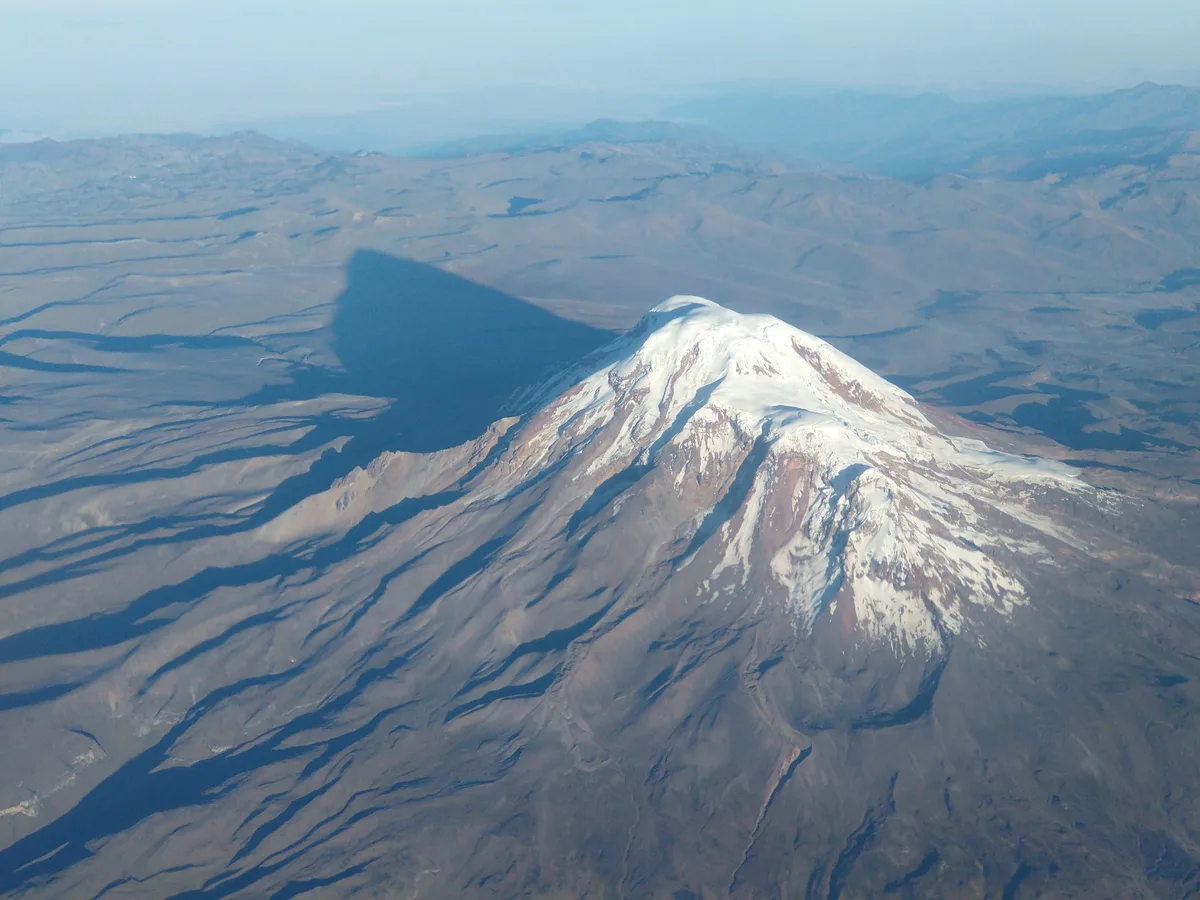
Chimborazo
Nevado Chimborazo is a colossal 6,263-metre glaciated stratovolcano in the Cordillera Occidental of Ecuador. Because Earth is an oblate spheroid with an equatorial bulge, Chimborazo's summit is the furthest terrestrial point from the center of the Earth (6,384.4 km), making it the closest place on the planet's surface to the Sun. Renowned in exploration history, it was attempted by Alexander von Humboldt in 1802 and finally summited on January 4, 1880, by Edward Whymper alongside Val Tournanche alpine guides Louis Carrel and Jean-Antoine Carrel.
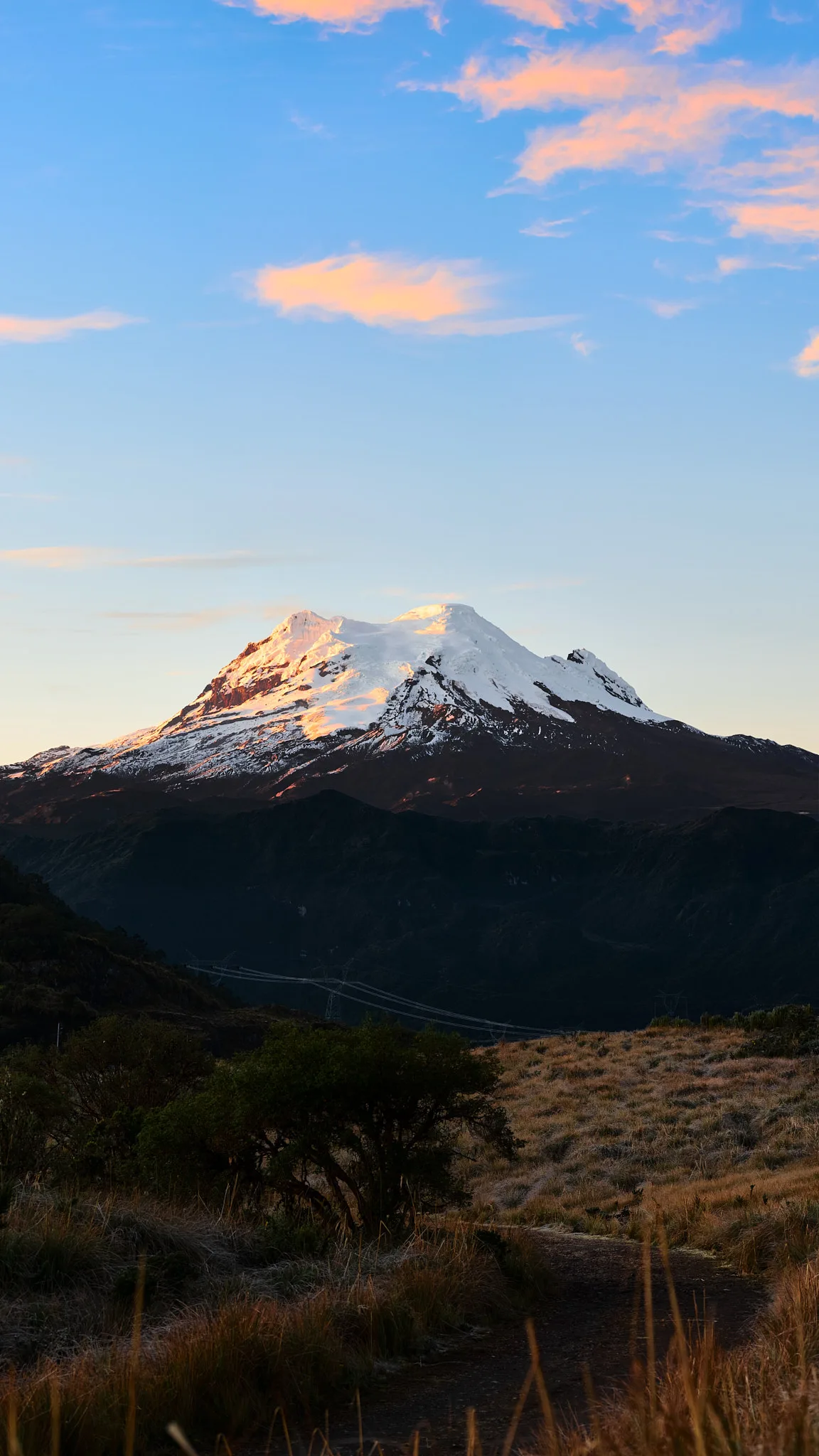
Antisana
Volcán Antisana is an imposing, heavily glaciated 5,753-metre stratovolcano in the Cordillera Real of Ecuador, renowned for its complex glacier maze, massive seracs, and yawning crevasse fields. Widely recognized as one of the most technically demanding volcanic massifs in the northern Andes, Antisana was first climbed on March 10, 1880, by Edward Whymper, Louis Carrel, and Jean-Antoine Carrel. In 1906, pioneering Ecuadorian polymath Nicolás Martínez led the first national ascent, cementing modern Ecuadorian alpinism.
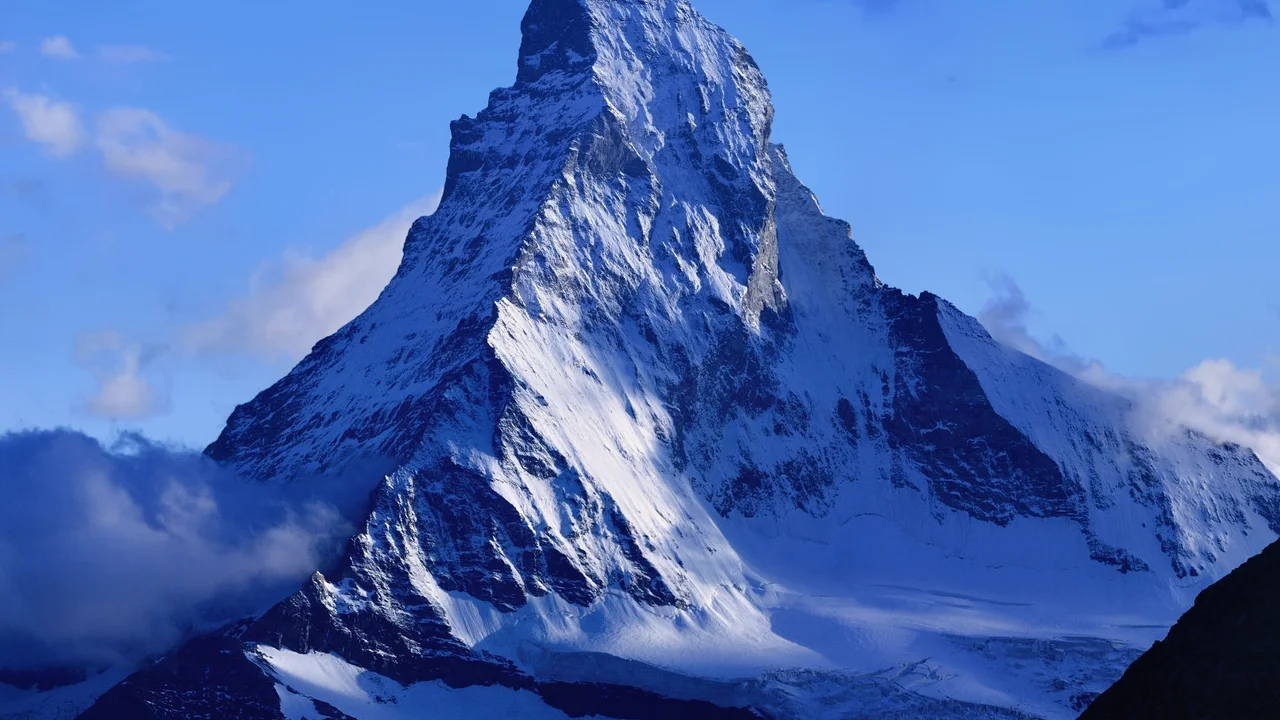


Matterhorn
The Matterhorn (Monte Cervino), at 4,478 meters (14,692 ft), is one of the most recognizable and dramatic pyramidal peaks in the world. Straddling the border between Zermatt, Switzerland, and Breuil-Cervinia, Italy, its four triangular faces match the cardinal points of the compass. Its historic first ascent by Edward Whymper on July 14, 1865, and the tragic fall of four teammates on the descent marked the end of the Golden Age of Alpinism.
Pioneered & Associated Routes (4)
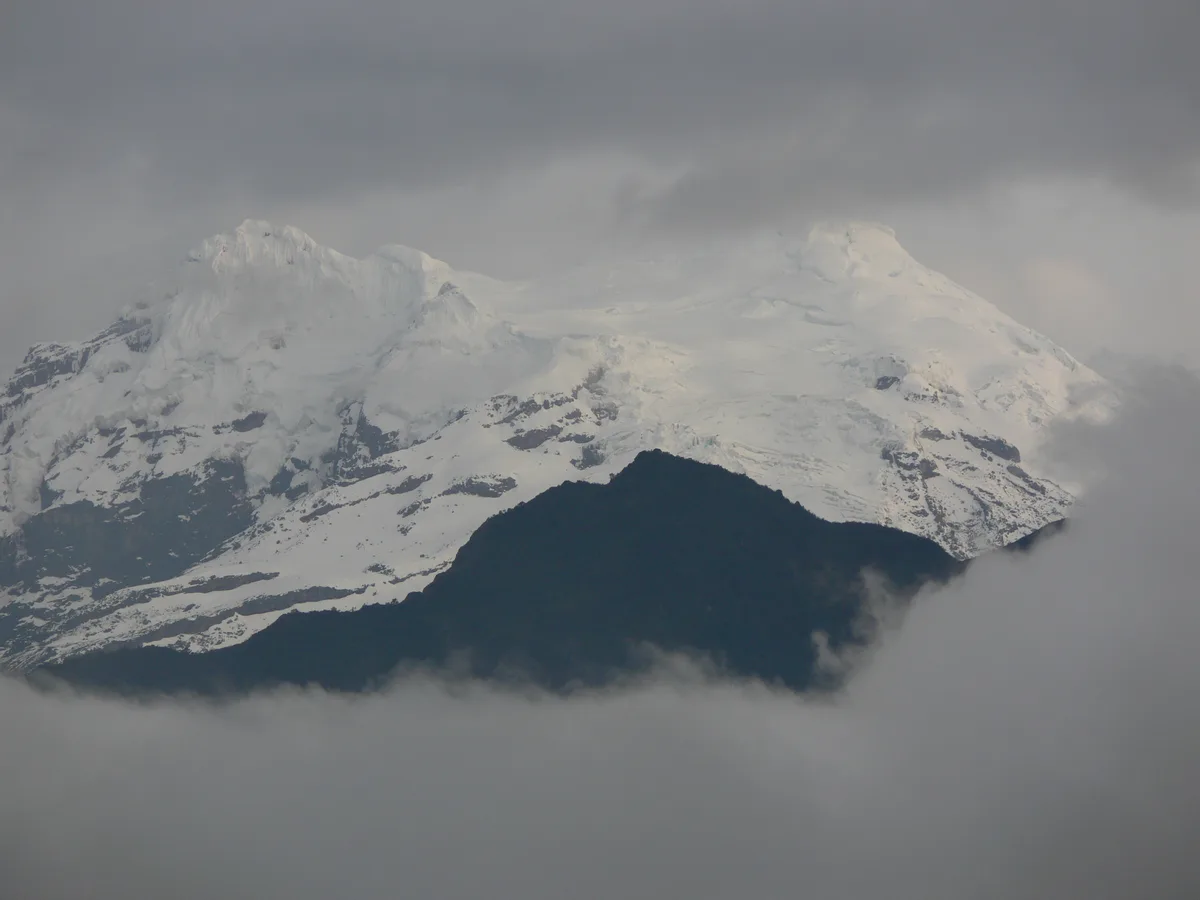
Antisana Normal Route (Central Glacier)
A serious, heavily crevassed glacier route navigating broken icefalls, towering seracs, and hidden bergschrunds on Antisana's southern slopes. Demanding advanced crevasse rescue skills and steep 50° firn climbing, the route surmounts intricate ice ramps to gain the main summit dome at 5,753 metres.
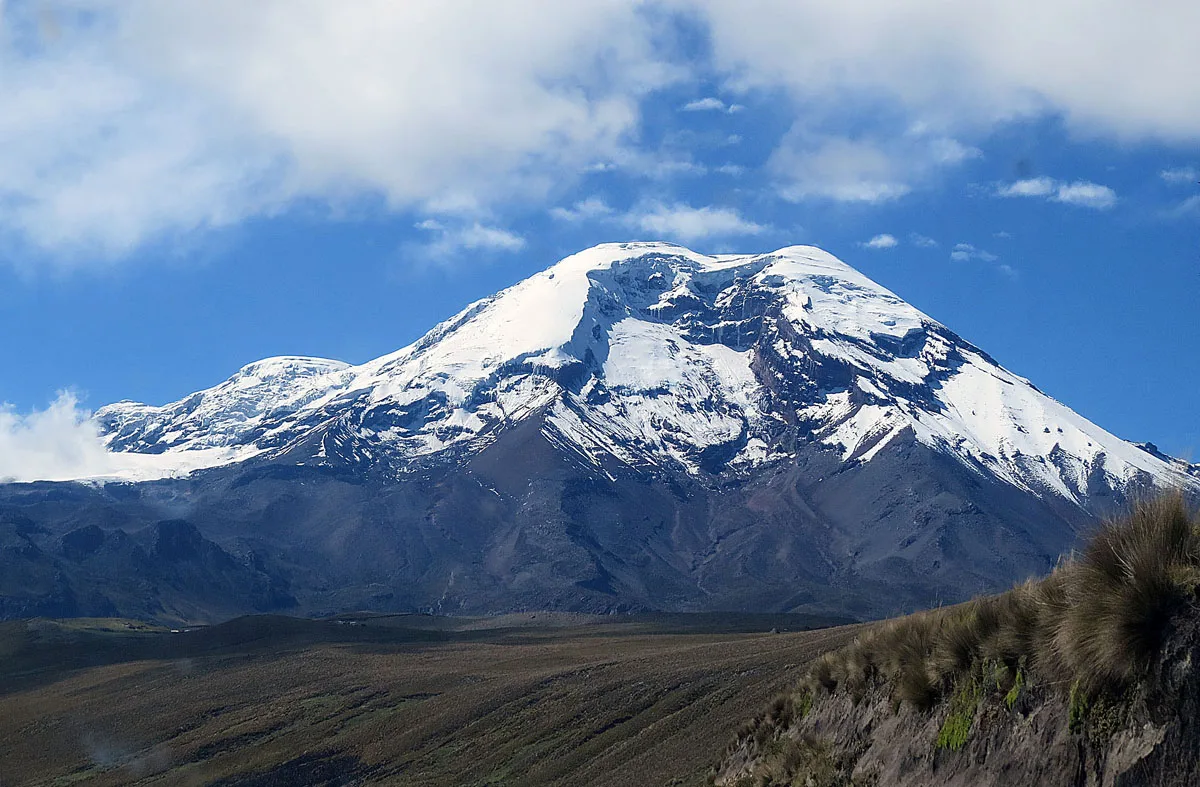
Chimborazo Normal Route (Whymper Route)
The Whymper Route follows the western ridges and glacier flanks of Chimborazo past the landmark rock buttress of El Castillo. Climbers ascend steep 40°-50° firn and penitentes before traversing expansive upper ice fields to reach Cumbre Veintimilla (6,230 m) and finally Cumbre Whymper at 6,263 metres.
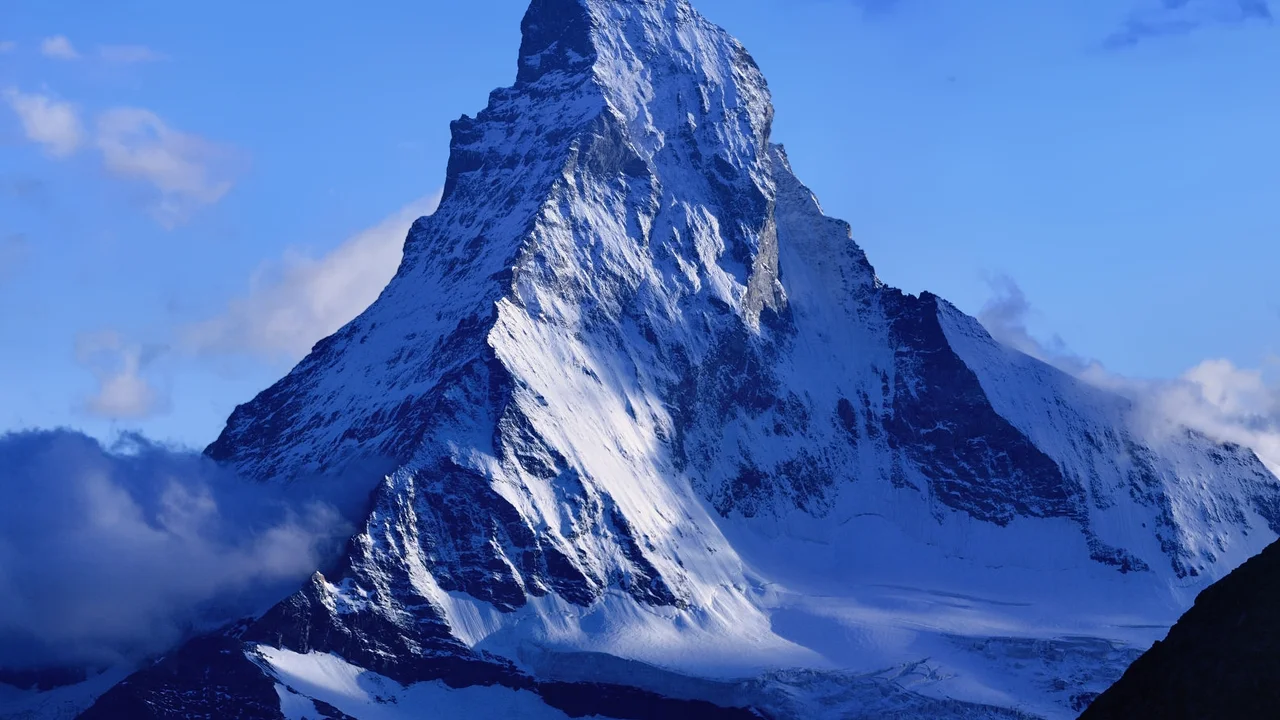
Hörnli Ridge (Normal Route)
The Hörnli Ridge (Hörnligrat) is the northeast ridge of the Matterhorn and the standard normal route from Zermatt. Starting from the Hörnli Hut (3,260m), the route follows the sharp, crumbling crystalline schist ridge, traversing steep rock steps, the Solvay emergency refuge (4,003m), and the steep upper Moseley Slabs. Fixed ropes assist climbers over the steep summit headwall (the Shoulder) before reaching the knife-edge Swiss summit crest at 4,478 meters. First climbed on July 14, 1865, by Edward Whymper's party.
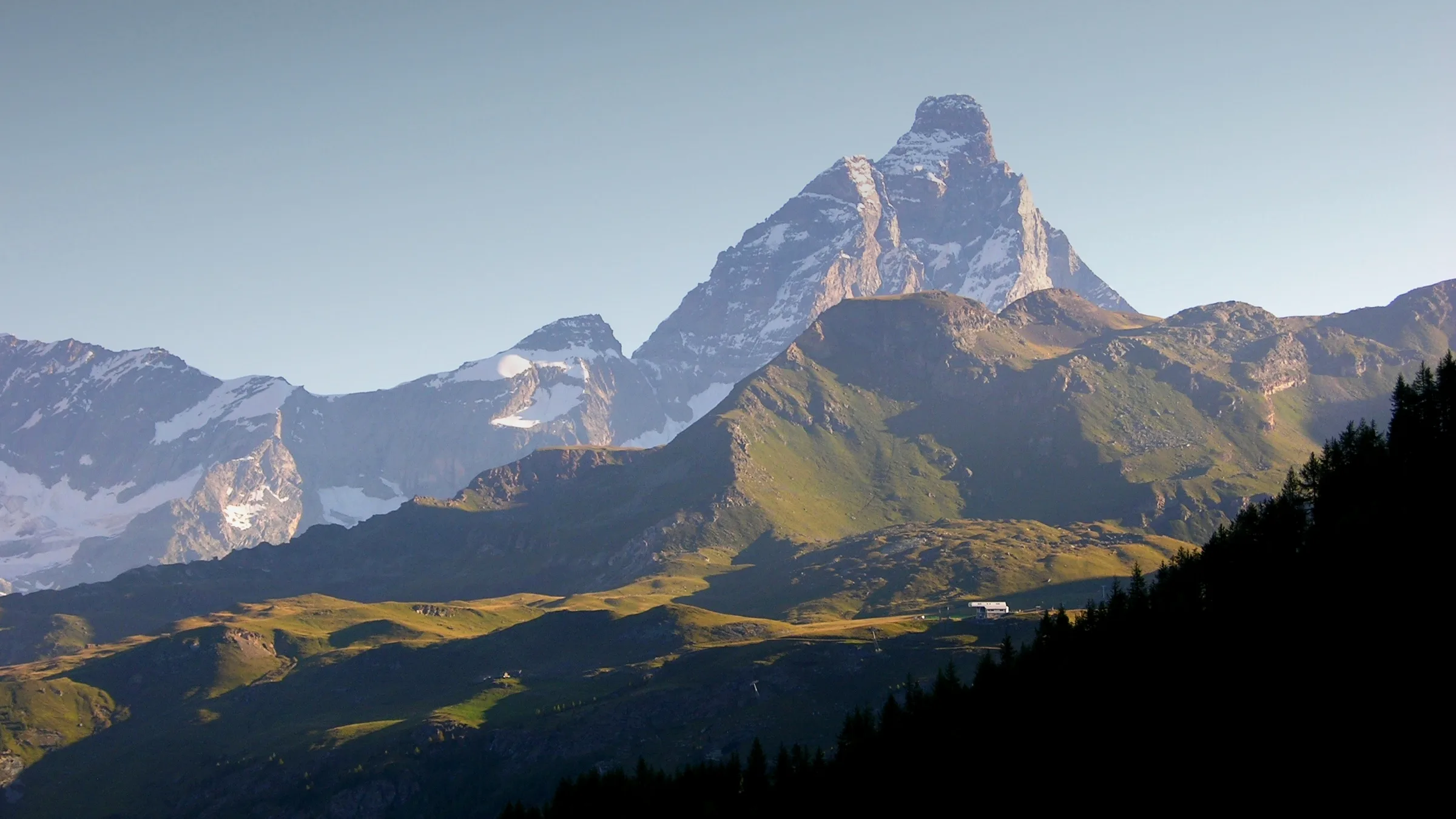
Matterhorn Lion Ridge (Cresta del Leone)
The Matterhorn Lion Ridge (Cresta del Leone / Italian Normal Route) is the historic Italian line to the Matterhorn summit, ascending from the Rifugio Theodul and Breuil-Cervinia on the Italian south-west face via the Col du Lion, the Tête du Lion, and the Great Tower. Pioneered by Jean-Antoine Carrel on July 17, 1865 — three days after Whymper's Hörnli ascent — the Lion Ridge remains the longer, more exposed, and more technically demanding of the two standard Matterhorn routes, graded AD+/D with sustained UIAA IV passages and dramatic 3,000-metre drops into the Valtournenche.
Documented Expeditions (3)
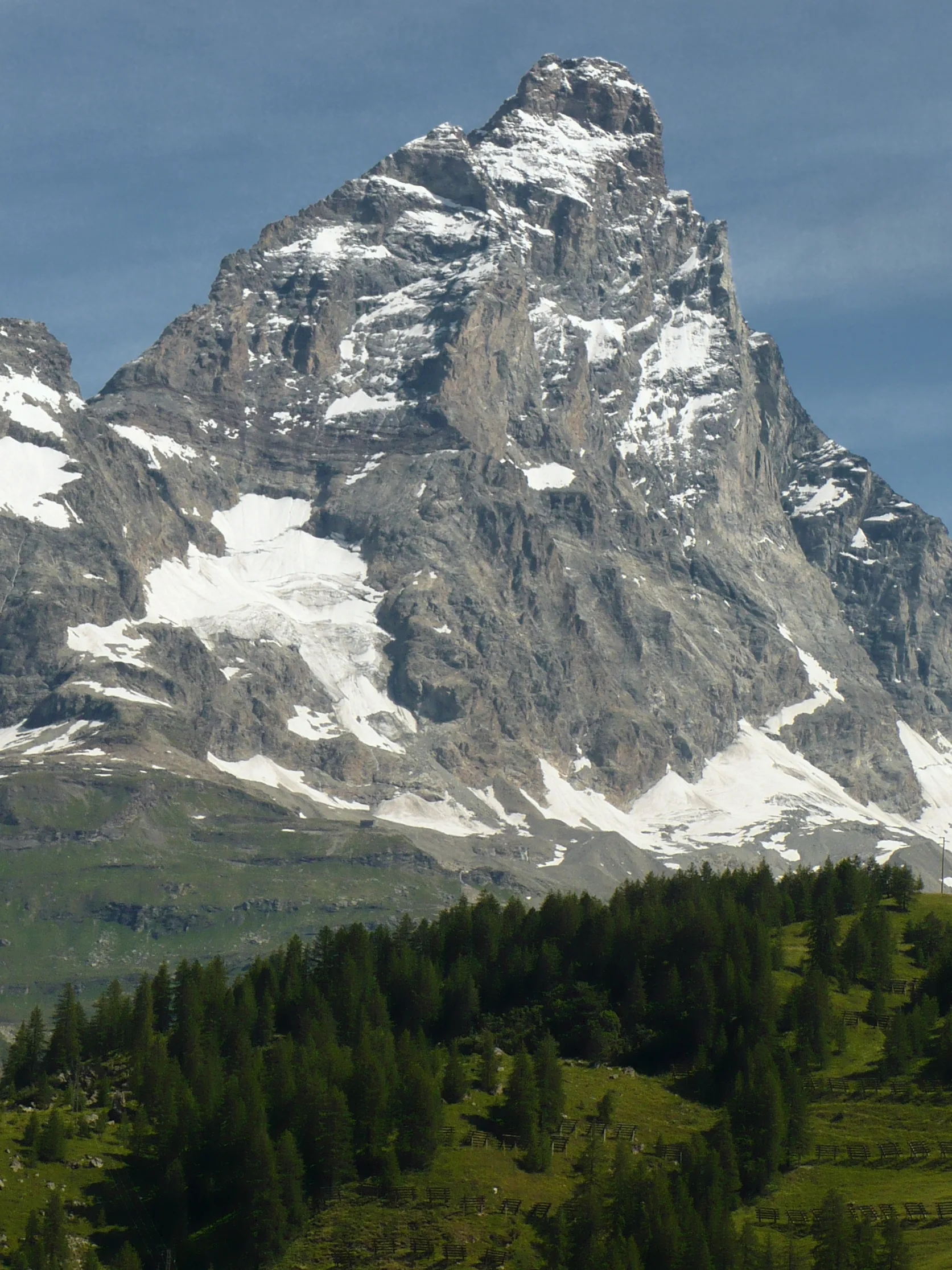
1865 Carrel Matterhorn Italian Lion Ridge First Ascent
On July 17, 1865 — three days after Edward Whymper's Hörnli Ridge ascent — Jean-Antoine Carrel, Giordano Bich, and Luc Meynet completed the first ascent of the Matterhorn via the Italian Lion Ridge (Cresta del Leone), fulfilling Carrel's fifteen-year national mission.
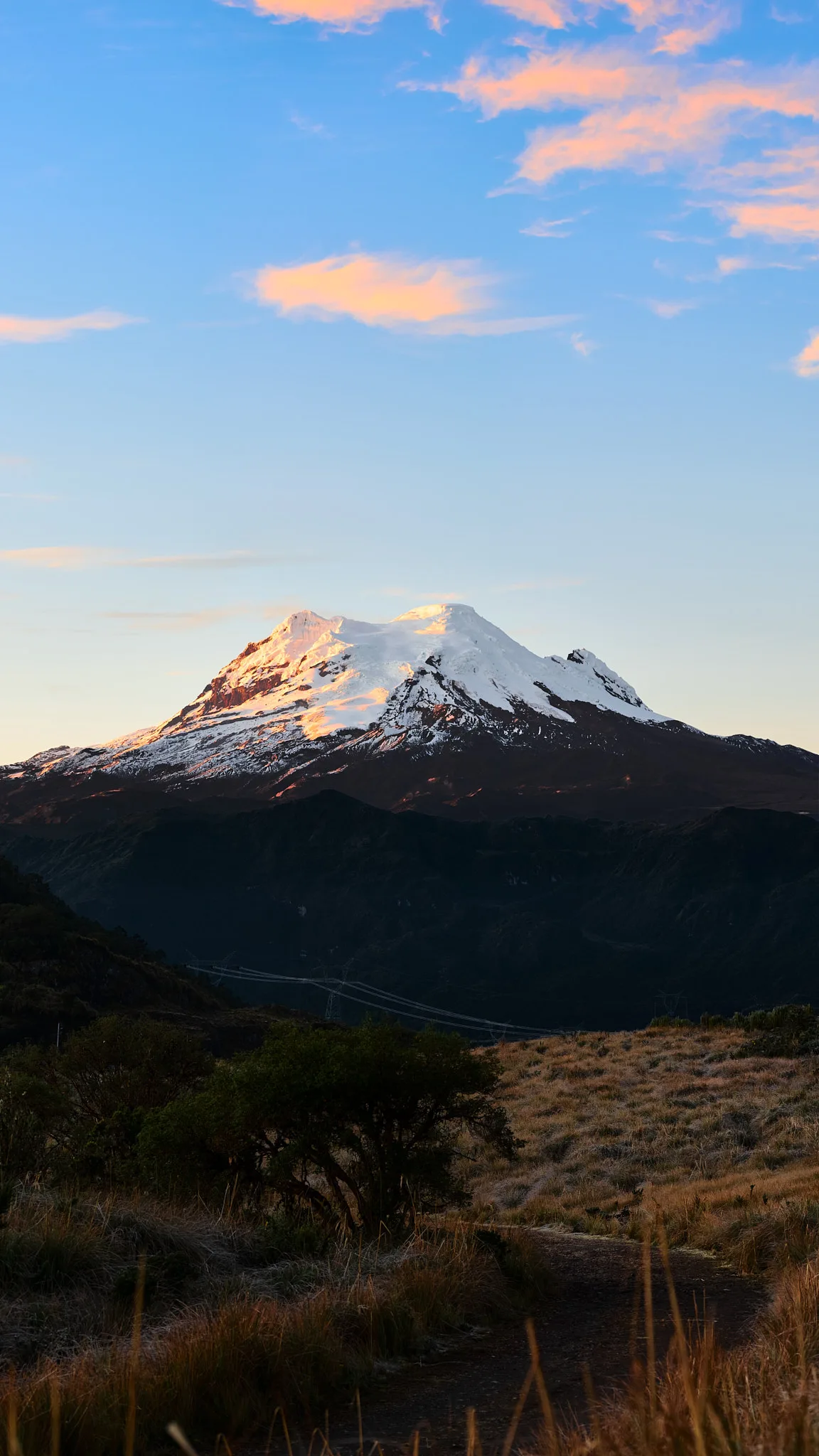
1880 Edward Whymper and Carrel Brothers Antisana Historic First Ascent Expedition
On March 10, 1880, Edward Whymper alongside Val Tournanche alpine guides Louis Carrel and Jean-Antoine Carrel achieved the historic first ascent of Volcán Antisana (5,753 m). Overcoming a treacherous maze of yawning crevasses and steep firn headwalls, the team unlocked one of the most technically formidable glaciated volcanic massifs in the northern Andes.
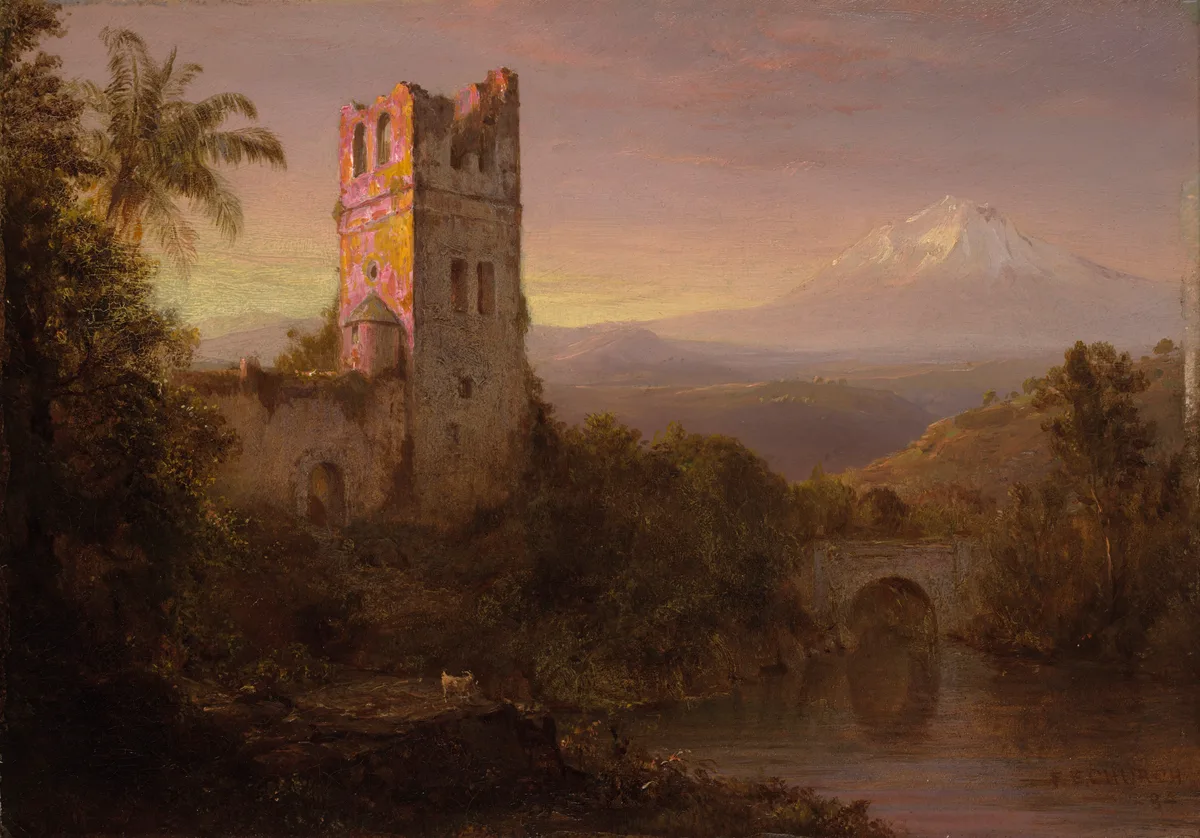
1880 Edward Whymper and Carrel Brothers Chimborazo Historic First Ascent Expedition
On January 4, 1880, British mountaineer Edward Whymper alongside legendary Italian guides Louis Carrel and Jean-Antoine Carrel completed the historic first ascent of Chimborazo (6,263 m). Navigating steep firn, seracs, and debilitating mountain sickness, they stood atop Earth's closest surface point to the Sun, completing a masterwork of nineteenth-century alpinism.
Associated Chronicles & Stories (3)
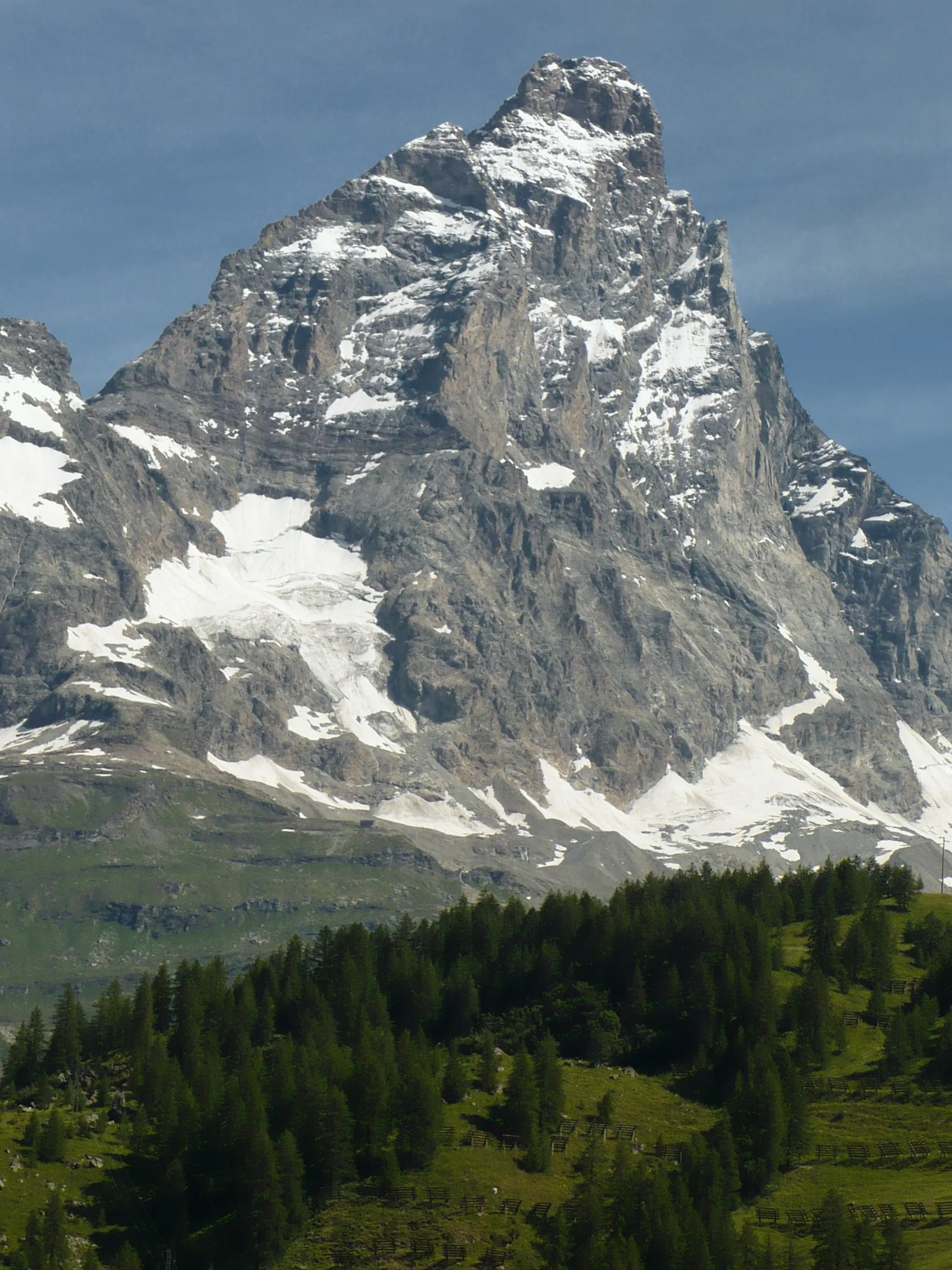
Il Bersagliere's Mountain: Jean-Antoine Carrel Italian First Ascent of the Matterhorn
On July 17, 1865, Jean-Antoine Carrel, Giordano Bich, and Luc Meynet completed the first ascent of the Matterhorn via the Italian Lion Ridge, conquering the steep Cresta del Leone for Italy three days after Whymper's Swiss ascent.
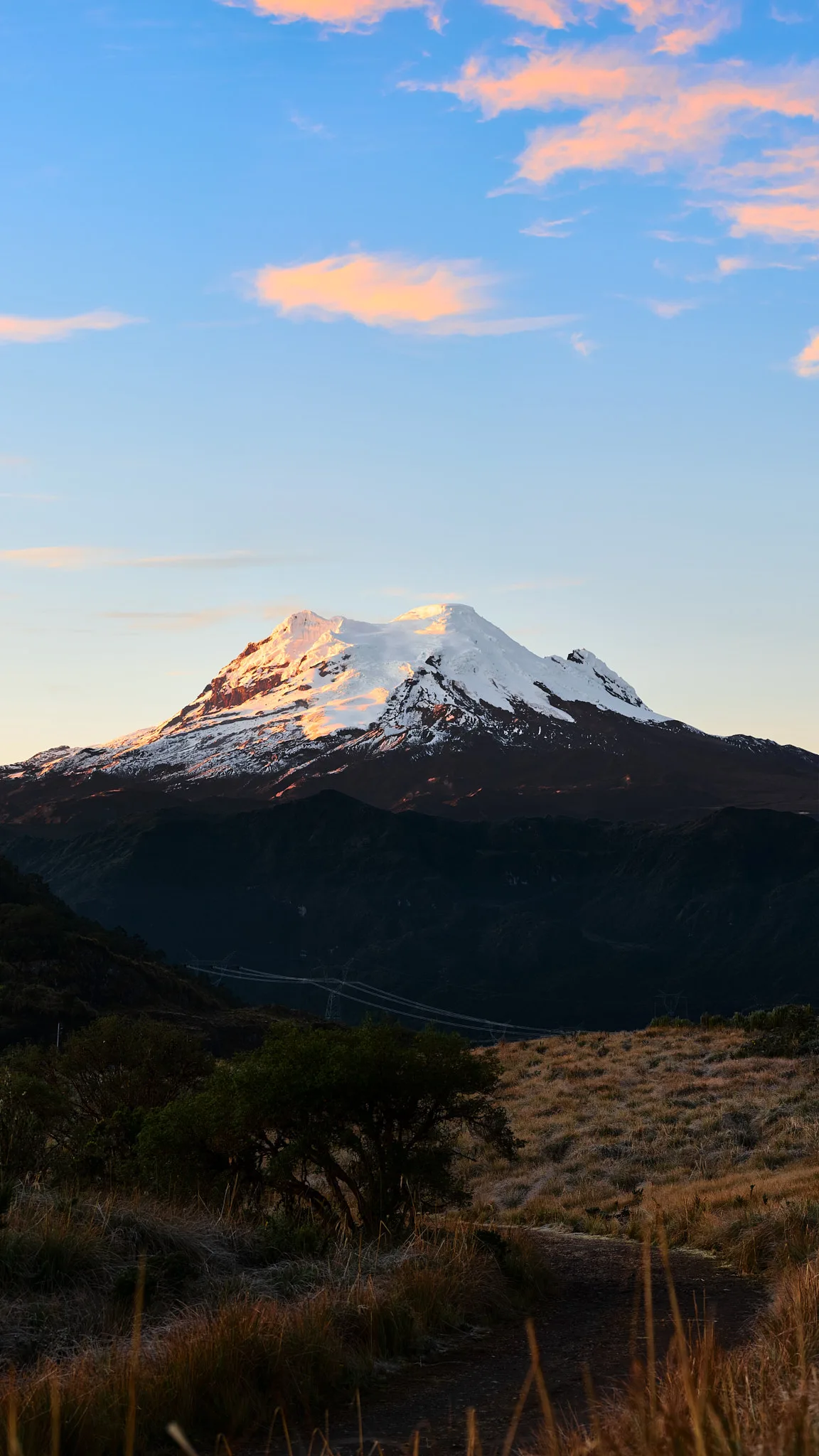
Labyrinth of the Condor: Whymper and the Carrels on Antisana in 1880
On March 10, 1880, Edward Whymper and Italian guides Louis Carrel and Jean-Antoine Carrel made the historic first ascent of Volcán Antisana (5,753 m), conquering its formidable maze of crevasses and icefalls.
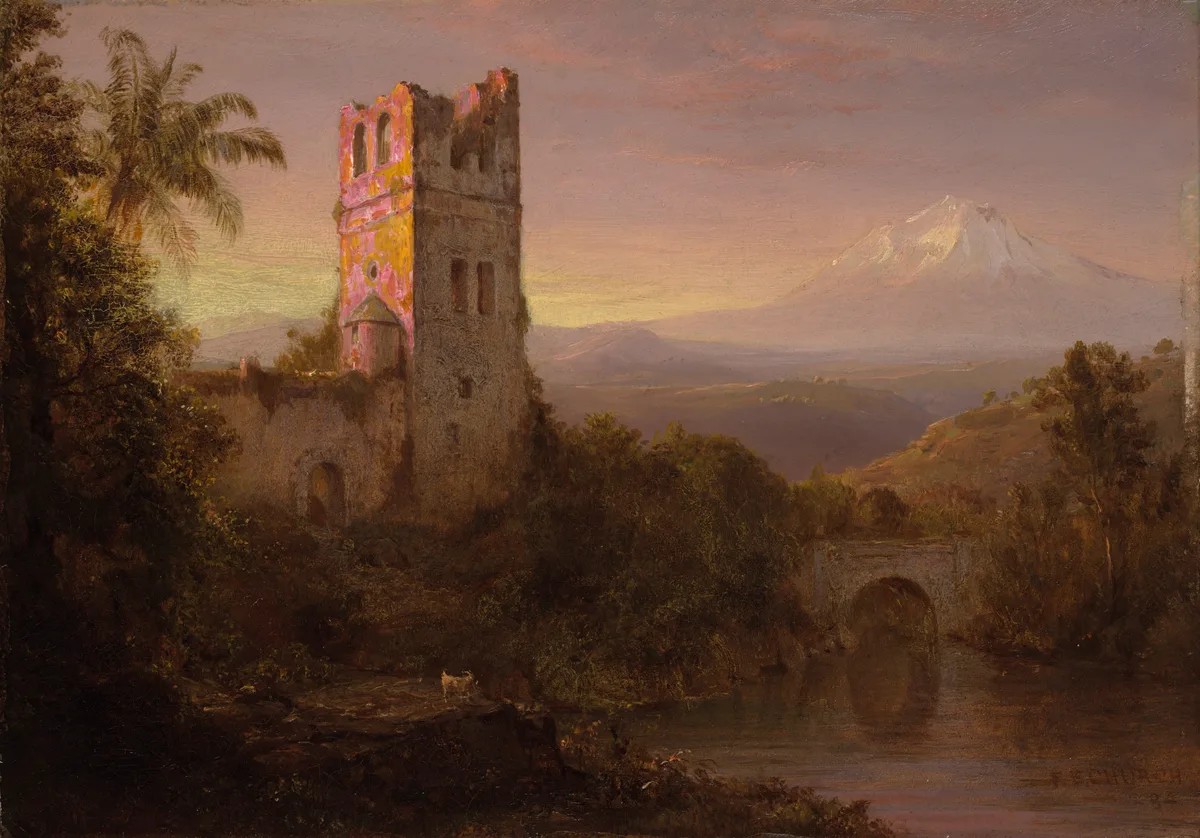
King of the Andes: Whymper and the Carrels Conquer Chimborazo in 1880
On January 4, 1880, legendary British climber Edward Whymper and Italian guides Louis Carrel and Jean-Antoine Carrel conquered Chimborazo (6,263 m), standing upon Earth's closest surface point to the Sun.
Documented Sources & Archival Citations
- Scrambles Amongst the Alps in the Years 1860–69(Edward Whymper / John Murray, London)
Supporting claim: Primary account by Whymper of shared attempts with Carrel and the circumstances of the rival 1865 Italian-Swiss summit race
Accessed/Documented: 2026 - The Matterhorn(Guido Rey / T. Fisher Unwin, London)
Supporting claim: Authoritative Italian history of the Matterhorn with detailed accounts of Carrel's fifteen-year campaign and July 17, 1865 Italian ascent
Accessed/Documented: 2026 - The Alpine Journal: Jean-Antoine Carrel Records(The Alpine Club, London)
Supporting claim: Official Alpine Club historical records of Carrel's first ascent of the Cresta del Leone and his subsequent guiding career
Accessed/Documented: 2026