1880 Edward Whymper and Carrel Brothers Chimborazo Historic First Ascent Expedition
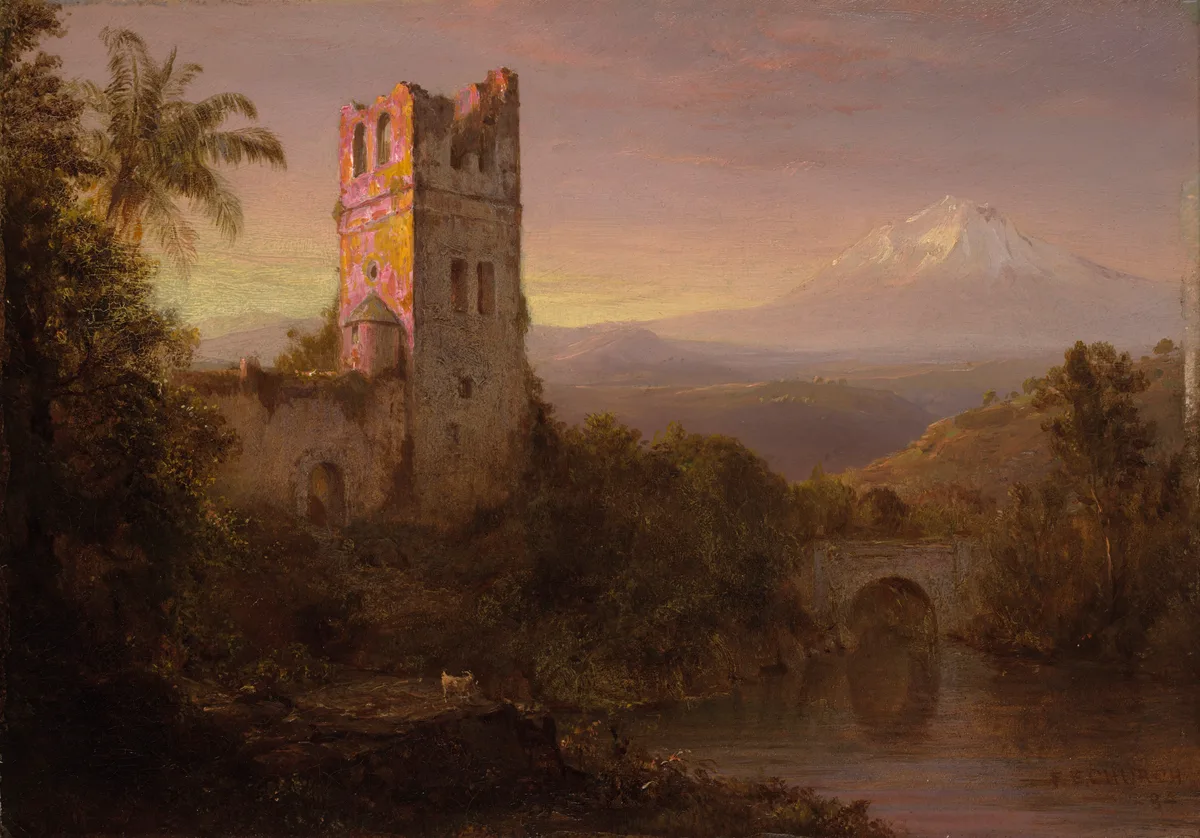
On January 4, 1880, British mountaineer Edward Whymper alongside legendary Italian guides Louis Carrel and Jean-Antoine Carrel completed the historic first ascent of Chimborazo (6,263 m). Navigating steep firn, seracs, and debilitating mountain sickness, they stood atop Earth's closest surface point to the Sun, completing a masterwork of nineteenth-century alpinism.
Mountain Safety & Conditions Disclaimer: High-altitude climbing, glacial travel, and technical ascents entail severe objective risks including avalanches, serac collapses, rapid weather collapse, and altitude illness. Historical route descriptions and summit claims on Mountanity reflect documented archival sources and must not be used as live operational safety assessments. Local regulations, permits, and physical glacial topography change continuously.
Peer Review: Senior Editorial Board & Historical Reviewers • Editorial Standards
Official Expedition Narrative & Archival Record
In late 1879, famed English mountaineer Edward Whymper arrived in Ecuador on a grand scientific mission: to conquer the highest summits of the equatorial Andes and rigorously investigate the physiological effects of low atmospheric pressure on human performance. Recognising that success demanded the finest icecraft in the world, Whymper hired his former Matterhorn rival Jean-Antoine Carrel and Carrel's cousin Louis Carrel from Valtournenche in the Italian Alps. Establishing their high camp at 5,000 metres on the western flanks of Chimborazo, all three men were struck down by excruciating altitude sickness—fever, splitting headaches, and incapacitating breathlessness—which Whymper methodically documented with mercurial barometers. After acclimatizing, the trio launched their summit bid at 5:35 AM on January 4, 1880. Guided by the Carrel cousins' brilliant step-cutting, they scrambled past the landmark rock buttress of El Castillo and negotiated steep 45-degree firn fields laced with brittle wind-crust. Crossing the expansive glaciated upper saddle through waist-deep snow, they attained the northern sub-peak, now known as Cumbre Veintimilla (6,230 m), at 3:45 PM. Realising the eastern dome was slightly higher, they pushed through dense fog and blinding snowdrifts across the summit plateau. At 4:45 PM, Edward Whymper, Louis Carrel, and Jean-Antoine Carrel stood upon the true summit of Chimborazo at 6,263 metres. Because Earth bulges at the equator, they were standing further from the center of the Earth than any humans in history. Whymper later repeated the ascent on July 3, 1880, via a new route to conclusively silence skeptics in Quito, cementing their triumph in alpine lore.
Documented Team Composition
- Edward Whymper (Expedition Leader & Climber, United Kingdom)
- Jean-Antoine Carrel (Master Mountain Guide, Italy)
- Louis Carrel (Master Mountain Guide, Italy)
Key Statistics & Topographic Figures
- Summit Elevation
- 6,263 m (20,548 ft, Cumbre Whymper)
- First Ascent Date
- January 4, 1880
- First Ascent Team
- Edward Whymper, Louis Carrel, Jean-Antoine Carrel
- Distance from Earth's Core
- 6,384.4 km (Furthest point on Earth's surface)
- Summit Arrival Time
- 4:45 PM (After traversing Veintimilla sub-peak)
Archival Primary Source Quotations
“We stood upon the highest point of the plateau... looking out over the Pacific clouds, conscious that we were on the great dome of the Americas.”
Defined Alpine Terminology & Concepts
- Equatorial Bulge
- The geodetic swelling of Earth's crust around the equator caused by planetary rotation, placing equatorial summits further from the center than Mount Everest.
- Penitentes
- Thin, blade-like spires of hardened snow and firn formed in high-altitude equatorial mountains by direct solar sublimation.
Frequently Asked Questions: 1880 Edward Whymper and Carrel Brothers Chimborazo Historic First Ascent Expedition
Who made the first ascent of Chimborazo?
English climber Edward Whymper alongside Italian alpine guides Louis Carrel and Jean-Antoine Carrel achieved the first ascent on January 4, 1880.
Why is Chimborazo's summit unique on Earth?
Due to Earth's equatorial bulge (oblate spheroid), Chimborazo's 6,263 m summit is the furthest point from the Earth's center (6,384.4 km), making it the closest terrestrial place to the Sun.
How did Whymper and the Carrels overcome acute mountain sickness?
After suffering prostrating headaches, fever, and nausea at their 5,000-metre high camp, they rested for four days to acclimatize before launching their successful summit push.
Why did Whymper climb Chimborazo a second time in July 1880?
To silence skeptics in Quito who doubted his first ascent, Whymper repeated the climb via a new route accompanied by two Ecuadorian companions while Cotopaxi erupted in the distance.
Ascent Route & Topography
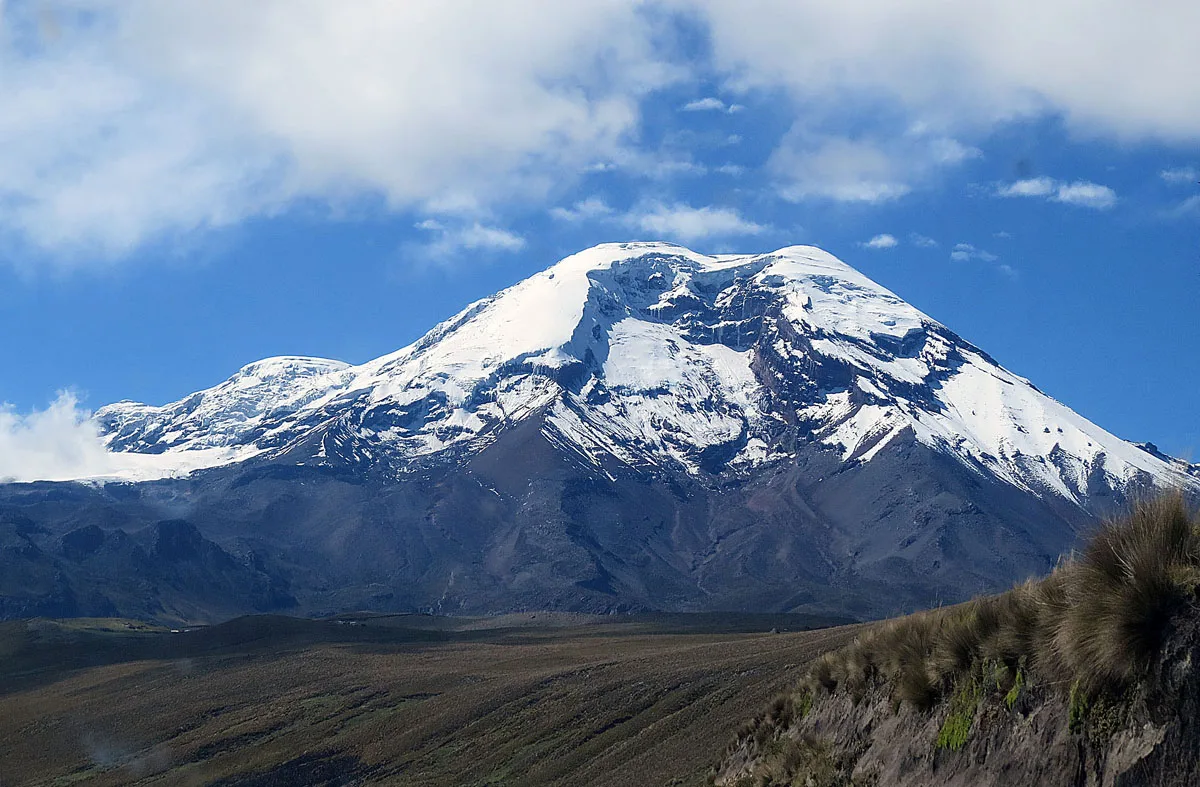
Chimborazo Normal Route (Whymper Route)
The Whymper Route follows the western ridges and glacier flanks of Chimborazo past the landmark rock buttress of El Castillo. Climbers ascend steep 40°-50° firn and penitentes before traversing expansive upper ice fields to reach Cumbre Veintimilla (6,230 m) and finally Cumbre Whymper at 6,263 metres.
Target Objective Peak
Chimborazo
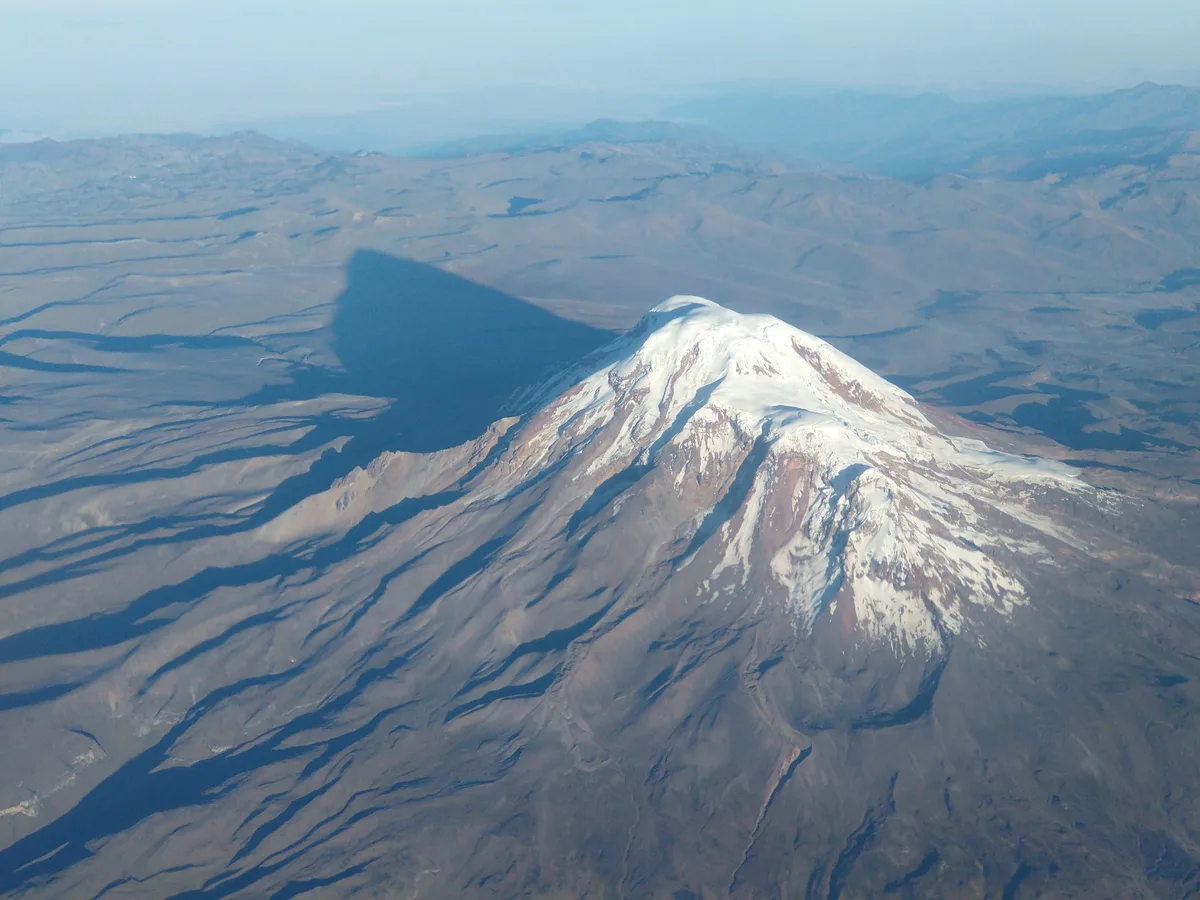
Nevado Chimborazo is a colossal 6,263-metre glaciated stratovolcano in the Cordillera Occidental of Ecuador. Because Earth is an oblate spheroid with an equatorial bulge, Chimborazo's summit is the furthest terrestrial point from the center of the Earth (6,384.4 km), making it the closest place on the planet's surface to the Sun. Renowned in exploration history, it was attempted by Alexander von Humboldt in 1802 and finally summited on January 4, 1880, by Edward Whymper alongside Val Tournanche alpine guides Louis Carrel and Jean-Antoine Carrel.
Featured Expedition Climbers
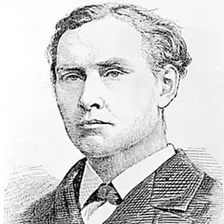
Edward Whymper
Edward Whymper was born on April 27, 1840, in London, England. Trained as a master wood engraver and artist, Whymper was dispatched to the Alps in 1860 by a London publisher to sketch alpine landscapes. Captivated by the sublime architecture of the high peaks, Whymper rapidly evolved into one of the most athletic and daring mountaineers of the Victorian era, pioneering first ascents of the Barre des Écrins (4,102m), the Aiguille Verte (4,122m), and the Grand Cornier. Between 1861 and 1865, Whymper became obsessed with the Matterhorn (4,478m)—the terrifying rock obelisk above Zermatt that was widely regarded by local guides as an inaccessible precipice. After seven unsuccessful attempts, primarily on the Italian Lion Ridge with Italian guide Jean-Antoine Carrel, Whymper shifted his focus to the Swiss Hörnli Ridge. Learning that Carrel was mounting an Italian national assault from Breuil, Whymper hastily assembled a seven-man party in Zermatt, including Lord Francis Douglas, Reverend Charles Hudson, Douglas Hadow, Chamonix guide Michel Croz, and Zermatt guides Peter Taugwalder father and son. On July 14, 1865, Whymper's party breached the steep upper Moseley Slabs and reached the 4,478-meter summit at 1:40 PM, beating Carrel's Italian team by hundreds of meters. However, the triumph turned into an enduring Victorian tragedy during the descent: inexperienced climber Douglas Hadow slipped on the steep ice below the summit, knocking Michel Croz off his feet and dragging Charles Hudson and Lord Francis Douglas with them. Whymper and the elder Taugwalder braced themselves, but the thin Manila reserve rope snapped under the dynamic load, plunging all four men four thousand feet down the North Face to their deaths. The Matterhorn catastrophe caused an international sensation, triggering inquiries and public debate that Whymper chronicled in his bestselling masterpiece *Scrambles Amongst the Alps* (1871). Undeterred, Whymper shifted his exploratory focus to the South American Andes in 1880, making the first ascent of Chimborazo (6,268m)—then believed to be the world's highest peak—and Cotopaxi. Whymper passed away on September 16, 1911, in Chamonix, immortalized as one of the defining giants of mountaineering history.
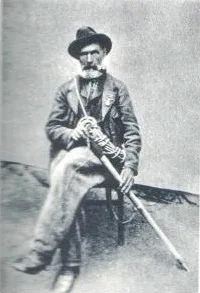
Jean-Antoine Carrel
Born in Breuil (Cervinia) in the Val Tournanche on January 17, 1829, Jean-Antoine Carrel grew up in the pastoral world of Italian mountain farming at the foot of the Matterhorn's south face, which his valley called Monte Cervino. A veteran of the 1848 wars of Italian independence who had served as a Bersagliere rifleman — a nickname he bore proudly for life — Carrel first attempted the Matterhorn in 1857 with a small local party, reaching a significant height on the Italian ridge before being forced back by savage weather. Carrel became the mountain's most persistent champion from the Italian side, combining guerrilla climbing tactics with deep knowledge of the mountain's south face buttresses. Between 1857 and 1865, Carrel made repeated attempts on the Matterhorn's Italian ridge, sometimes with British climbers, sometimes with Italian teams, always probing higher. His relationship with Edward Whymper was complicated — they climbed together on several attempts, with Whymper recognizing Carrel as the strongest man on the mountain. In the critical summer of 1865, Whymper secretly engaged Carrel for a Matterhorn attempt, but Carrel — already secretly committed to leading an Italian national expedition sponsored by the Italian Alpine Club — slipped away from Whymper without explanation on July 11, beginning his Italian attempt. Unaware of this betrayal, Whymper pivoted furiously and assembled an alternative team via the Swiss side. On July 14, Whymper reached the summit first via the Hörnli Ridge. Carrel, climbing with Giordano Bich and Luc Meynet on the steeper, longer Italian ridge, was already fighting to the summit. Three days later, on July 17, 1865, Carrel stood on the top of the Matterhorn via the Cresta del Leone, completing the first ascent of the Italian Normal Route. In later years, Carrel became one of the Alps' most respected and beloved guides, frequently guiding tourists on the Matterhorn until late in his career. He died on the mountain he had devoted his life to during a rescue in August 1890.
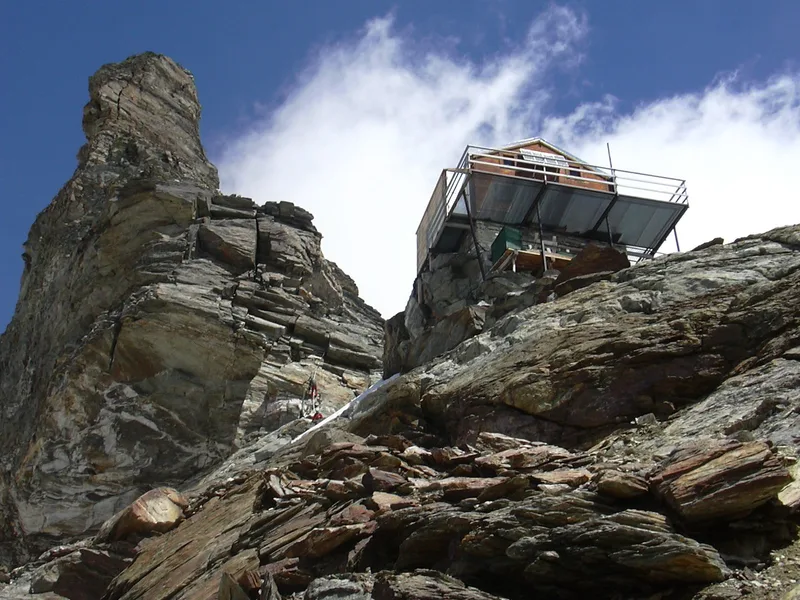
Louis Carrel
Born in 1858 in the alpine village of Valtournenche in the Valle d'Aosta, Italy, Louis Carrel ('Il Principino') belonged to one of the most celebrated mountaineering dynasties in the Alps. The younger cousin of the legendary Jean-Antoine Carrel, Louis developed exceptional rock-climbing technique and glacier navigation skills on the formidable precipices of the Matterhorn (Monte Cervino). In late 1879, British explorer Edward Whymper engaged both Jean-Antoine Carrel and Louis Carrel to join him on an unprecedented expedition to the equatorial Andes of Ecuador. Whymper knew that tackling the untamed, glaciated giants of the equator demanded the greatest alpine guides in Europe. Arriving in Ecuador in December 1879, Louis Carrel immediately proved his worth, breaking trail through deep firn and navigating intricate serac mazes. On January 4, 1880, Louis Carrel, Jean-Antoine Carrel, and Edward Whymper conquered Nevado Chimborazo (6,263 m), stepping onto the highest point on Earth from its core. Two months later, on March 10, 1880, Louis Carrel led the technical glacier navigation on Volcán Antisana (5,753 m), unlocking its labyrinthine crevasse systems to achieve its first ascent. On April 4, 1880, the trio also completed the first ascent of Volcán Cayambe (5,790 m). Returning to the Aosta Valley, Louis Carrel guided for decades, remembered as an elite ambassador of Italian alpine skill on the world stage.
Associated Historical Chronicles & Stories
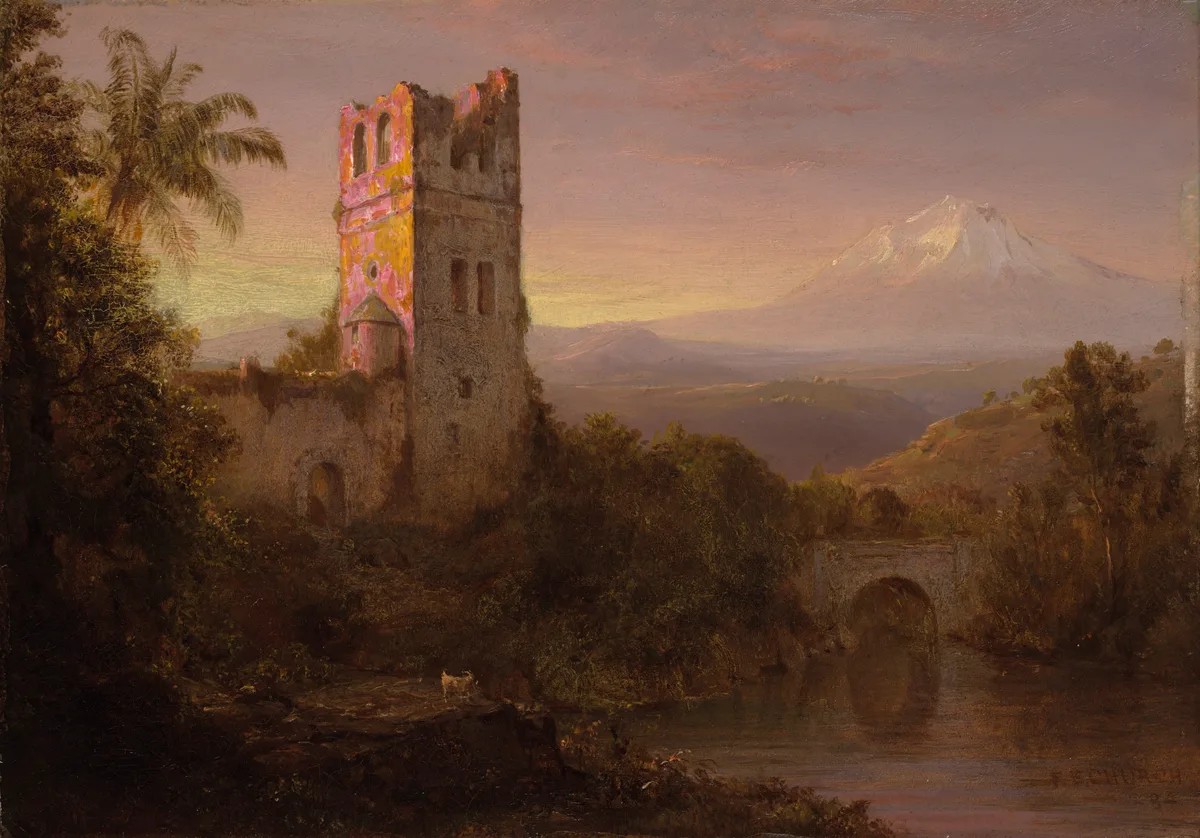
King of the Andes: Whymper and the Carrels Conquer Chimborazo in 1880
On January 4, 1880, legendary British climber Edward Whymper and Italian guides Louis Carrel and Jean-Antoine Carrel conquered Chimborazo (6,263 m), standing upon Earth's closest surface point to the Sun.
Documented Sources & Archival Citations
- Travels Amongst the Great Andes of the Equator(Edward Whymper / John Murray)
Supporting claim: Primary autobiographical account and technical data of the 1880 Chimborazo first ascent
Accessed/Documented: 1892 - The Matterhorn and Its Master: The Life of Edward Whymper(Frank S. Smythe / Hodder & Stoughton)
Supporting claim: Comprehensive historical evaluation of Whymper and the Carrels in the Andes
Accessed/Documented: 1940