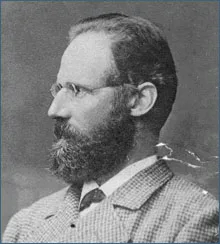
Wilhelm Reiss
Wilhelm Reiss was a distinguished German geologist and volcanologist who made the historic first ascent of Volcán Cotopaxi (5,897 m) on November 28, 1872, alongside Colombian-Ecuadorian explorer Ángel María Escobar. His scientific exploration provided the first comprehensive geological survey of the northern Andean volcanic chain.
Mountain Safety & Conditions Disclaimer: High-altitude climbing, glacial travel, and technical ascents entail severe objective risks including avalanches, serac collapses, rapid weather collapse, and altitude illness. Historical route descriptions and summit claims on Mountanity reflect documented archival sources and must not be used as live operational safety assessments. Local regulations, permits, and physical glacial topography change continuously.
Peer Review: Senior Editorial Board & Historical Reviewers • Editorial Standards
Biographical Record & Archival Chronicle
Born on June 13, 1838, in Mannheim, Grand Duchy of Baden, Wilhelm Reiss studied geology, natural sciences, and chemistry at Heidelberg, Erlangen, and Bonn. Fascinated by volcanic phenomena, Reiss conducted extensive field research across the Azores, Canary Islands, and Madeira before embarking on a transformative scientific expedition to South America in 1868 alongside fellow geologist Alphons Stübel.
Arriving in Colombia and subsequently travelling through Ecuador, Reiss dedicated years to the meticulous geological, geographical, and ethnographic exploration of the northern Andes. At the time, Volcán Cotopaxi (5,897 m) was widely regarded as an unscalable volcanic furnace, prone to catastrophic violent eruptions. Rejecting prevailing beliefs, Reiss and his companion Ángel María Escobar devised an assault from the southwest slopes.
On November 28, 1872, Reiss and Escobar conquered the glaciated ramps and stepped onto the northern rim of Cotopaxi's 800-metre-wide crater, completing the historic first ascent of one of Earth's highest active volcanoes. Reiss descended into the steaming fumarolic vents to collect rock samples and conduct barometric measurements. Reiss continued his exploratory surveys through Peru and Bolivia before returning to Germany in 1876. He served as President of the Gesellschaft für Erdkunde zu Berlin from 1888 to 1889 and passed away in Könitz, Thuringia, on September 29, 1908.
Notable Milestones & Ascents
- Historic maiden first ascent of Volcán Cotopaxi (5,897 m) on November 28, 1872
- Conducted the first scientific exploration of Cotopaxi's active summit caldera and fumaroles
- Completed extensive geological mapping and sample collection across Ecuador from 1868 to 1876
- Published monumental scientific monographs on northern Andean geology with Alphons Stübel
- Served as President of the Gesellschaft für Erdkunde zu Berlin (1888–1889)
Key Statistics & Topographic Figures
- Key First Ascent
- Volcán Cotopaxi (5,897 m, 1872)
- Lifespan
- 1838–1908 (Mannheim / Könitz, Germany)
- Fieldwork Duration
- 8 Years across South America (1868–1876)
- Scientific Focus
- Volcanology, Geology & Topographic Mapping
Archival Primary Source Quotations
“The volcanic peaks of Ecuador are living manuscripts written in basalt and ice, waiting for the geologist's hammer to read them.”
Defined Alpine Terminology & Concepts
- Andean Volcanic Mapping
- The systematic topographical and geological recording of volcanic strata and eruption cycles across the northern cordilleras.
Frequently Asked Questions: Wilhelm Reiss
What was Wilhelm Reiss's greatest mountaineering achievement?
Reiss achieved the historic first ascent of Volcán Cotopaxi (5,897 m) on November 28, 1872, alongside Ángel María Escobar.
What scientific research did Reiss conduct in the Andes?
Between 1868 and 1876, Reiss surveyed and mapped volcanic formations across Ecuador and Colombia, collecting landmark geological and ethnographic specimens.
What major geographical society did Reiss lead?
He served as President of the Gesellschaft für Erdkunde zu Berlin from 1888 to 1889.
Associated Summits (1)
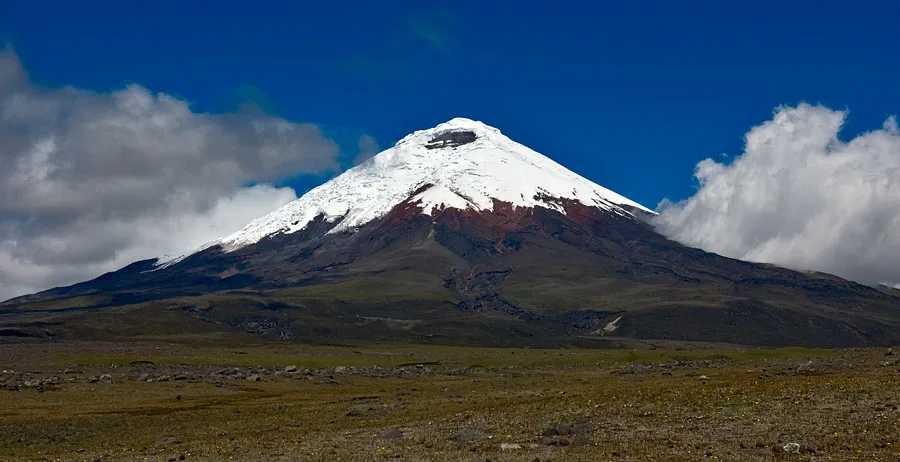
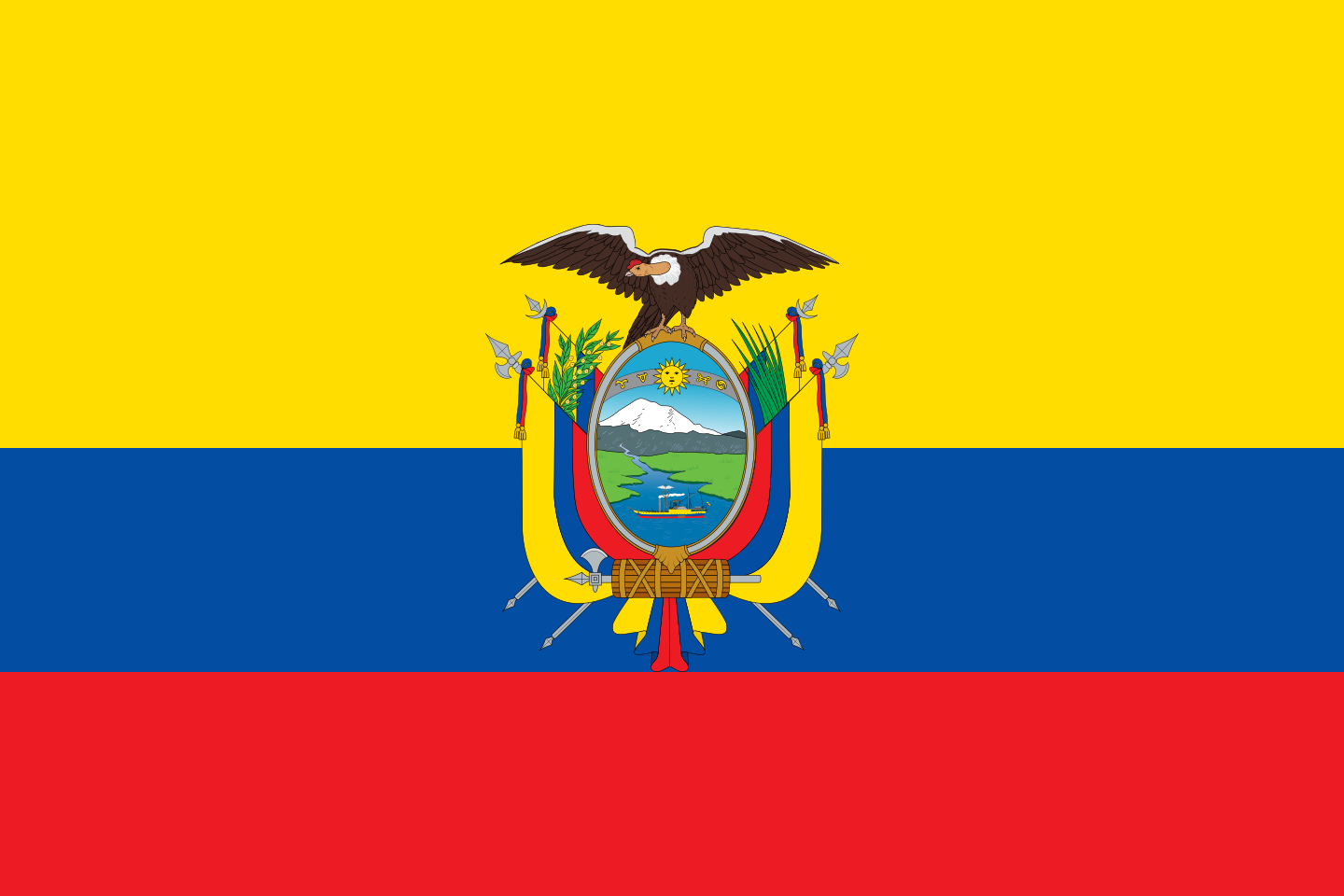
Cotopaxi
Volcán Cotopaxi is a near-perfect symmetrical stratovolcano rising to 5,897 metres in the Eastern Cordillera of the Ecuadorian Andes. One of the highest historically active volcanoes on Earth, its snow-mantled cone encases an 800-metre-wide crater emitting sulfurous steam vents and fumaroles. The volcano was first climbed on November 28, 1872, by German geologist Wilhelm Reiss and Colombian-Ecuadorian explorer Ángel María Escobar, who spent hours surveying the inner crater rim.
Pioneered & Associated Routes (1)
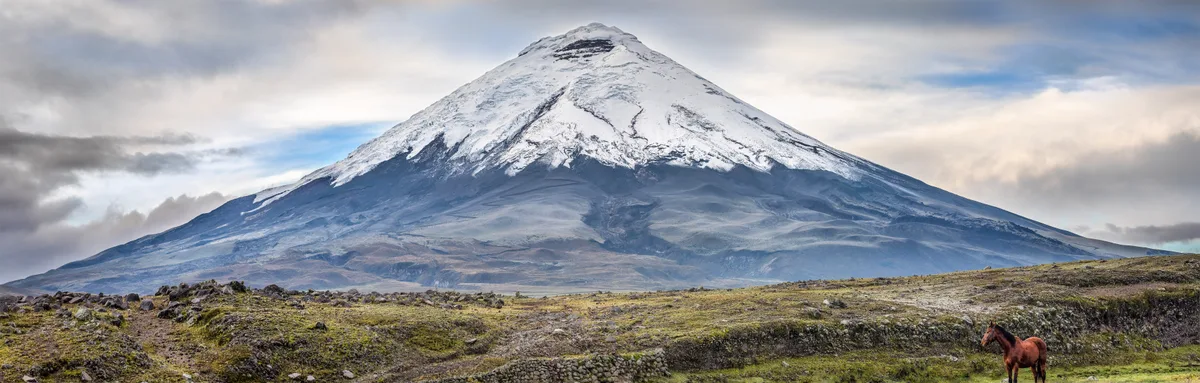
Cotopaxi Normal Route (North-Northeast Glacier)
The classic ascent of Cotopaxi ascends north-northeast glaciated slopes from the José Rivas Refuge (4,864 m). The route weaves through moderate 35°-45° snowfields and crevassed ramps, passing beneath the Yanasacha rock band before topping out on the rim of the steaming volcanic caldera at 5,897 metres.
Documented Expeditions (1)
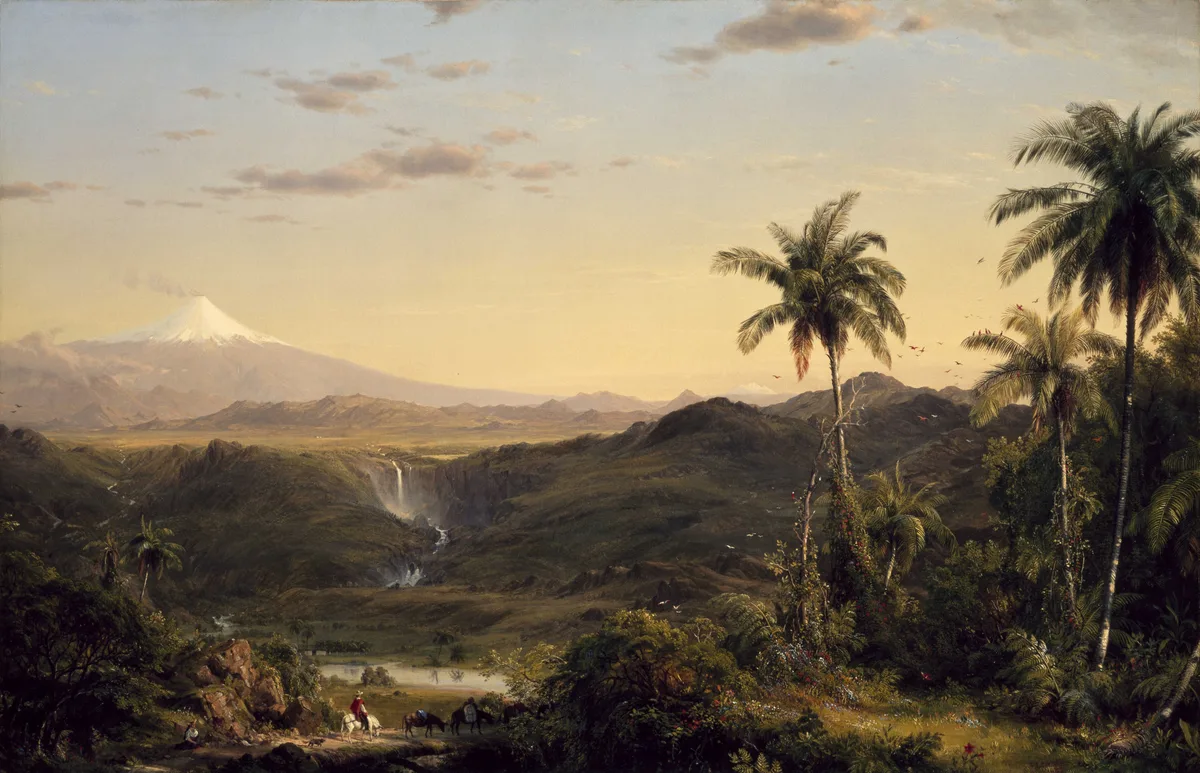
1872 Wilhelm Reiss and Ángel María Escobar Cotopaxi Historic First Ascent Expedition
On November 28, 1872, German geologist Wilhelm Reiss and Colombian explorer Ángel María Escobar achieved the historic first ascent of Volcán Cotopaxi (5,897 m). Traversing glaciated ramps and navigating gaping crevasses, they reached the active crater rim and conducted the first scientific observations inside Earth's highest active volcanic cauldron.
Associated Chronicles & Stories (1)
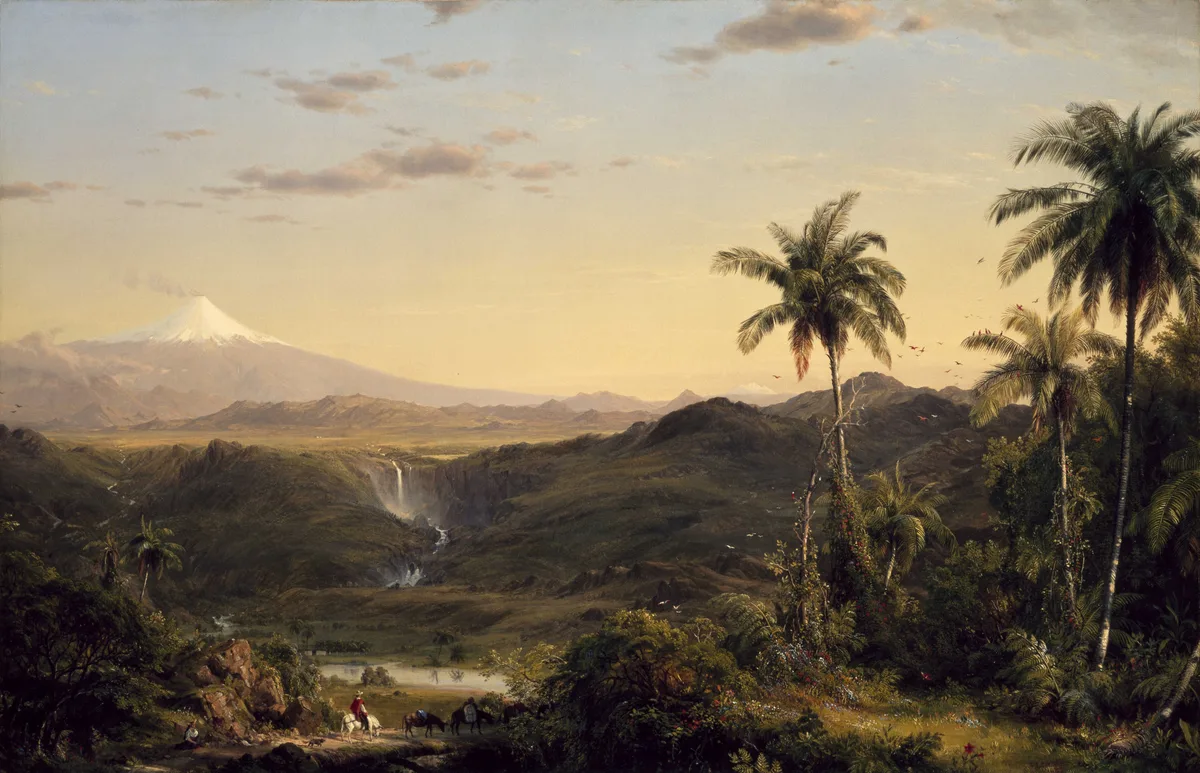
Into the Steaming Cauldron: Reiss and Escobar's 1872 Conquest of Cotopaxi
On November 28, 1872, German volcanologist Wilhelm Reiss and Colombian explorer Ángel María Escobar made the historic first ascent of Volcán Cotopaxi (5,897 m), standing on the steaming rim of its 800-metre active caldera.
Documented Sources & Archival Citations
- Über eine Ersteigung des Vulkans Cotopaxi(Wilhelm Reiss / Zeitschrift der Deutschen Geologischen Gesellschaft)
Supporting claim: Firsthand scientific report of the 1872 first ascent of Cotopaxi
Accessed/Documented: 1873 - Das Hochgebirge der Republik Ecuador(Wilhelm Reiss & Alphons Stübel / A. Asher & Co.)
Supporting claim: Comprehensive geological and topographical survey of the Ecuadorian Andes
Accessed/Documented: 1892