Ángel María Escobar
Ángel María Escobar was an intrepid South American explorer who achieved the historic first ascent of Volcán Cotopaxi (5,897 m) alongside German geologist Wilhelm Reiss on November 28, 1872. Demonstrating remarkable endurance, he was the first native South American to stand atop an active high Andean volcanic summit crater.
Mountain Safety & Conditions Disclaimer: High-altitude climbing, glacial travel, and technical ascents entail severe objective risks including avalanches, serac collapses, rapid weather collapse, and altitude illness. Historical route descriptions and summit claims on Mountanity reflect documented archival sources and must not be used as live operational safety assessments. Local regulations, permits, and physical glacial topography change continuously.
Peer Review: Senior Editorial Board & Historical Reviewers • Editorial Standards
Biographical Record & Archival Chronicle
Ángel María Escobar was a native South American explorer born in Colombia who lived and worked in Ecuador during the late nineteenth century. Possessing exceptional physical fitness, intimate knowledge of rugged paramo terrain, and profound adaptability to thin air, Escobar joined German geologist Wilhelm Reiss as an indispensable expedition partner during his multi-year scientific survey of the northern Andean cordilleras.
When Reiss resolved to attempt the untamed, steaming summit cone of Volcán Cotopaxi in late 1872, local superstitions and fear of volcanic wrath deterred nearly all local porters. Escobar stood steadfast, committing to accompany Reiss onto the unmapped glaciers. On November 28, 1872, roped together across steep firn ramps and navigating fragile snow bridges over bottomless crevasses, Escobar and Reiss fought through violent sulfuric gales to reach the crater rim at 5,897 metres.
Escobar's triumph represented the first recorded ascent of an active 5,800-metre volcano by a native South American mountaineer. He assisted Reiss for hours atop the freezing rim, helping secure delicate barometers and collecting volcanic mineral samples from steaming fissures. Escobar's courage helped dismantle the myth of South American volcanic inaccessibility, paving the way for future Andean alpinists.
Notable Milestones & Ascents
- Co-achieved the historic maiden first ascent of Volcán Cotopaxi (5,897 m) on November 28, 1872
- First recorded native South American to summit an active glaciated stratovolcano above 5,800 m
- Assisted in gathering landmark scientific and barometric data from Cotopaxi's crater rim
- Pioneered high-altitude route-finding through crevassed glacial terrain in the northern Andes
- Established native South American leadership in nineteenth-century Andean exploration
Key Statistics & Topographic Figures
- Historic First Ascent
- Volcán Cotopaxi (5,897 m, Nov 28, 1872)
- Nationality
- Colombia / South America
- Summit Elevation
- 5,897 m (Active volcanic caldera)
- Role
- Climbing Companion & High-Altitude Explorer
Archival Primary Source Quotations
“Standing beside Reiss on the rim of Cotopaxi, Escobar proved that South American courage matches the grandest summits of the earth.”
Defined Alpine Terminology & Concepts
- Pioneer South American Alpinism
- The early movement of native South American explorers who tackled unclimbed high-altitude Andean cordilleras during the nineteenth century.
Frequently Asked Questions: Ángel María Escobar
Who was Ángel María Escobar in mountaineering history?
Escobar was an intrepid Colombian-Ecuadorian explorer who achieved the first ascent of Volcán Cotopaxi (5,897 m) with Wilhelm Reiss on November 28, 1872.
What milestone did Escobar represent for South American alpinism?
He was the first recorded native South American mountaineer to conquer an active glaciated stratovolcano above 5,800 metres.
How did Escobar contribute to the 1872 Cotopaxi ascent?
Escobar provided exceptional high-altitude endurance, assisted in roping and step-cutting through crevassed glaciers, and gathered volcanic mineral samples on the crater rim.
Associated Summits (1)
Cotopaxi
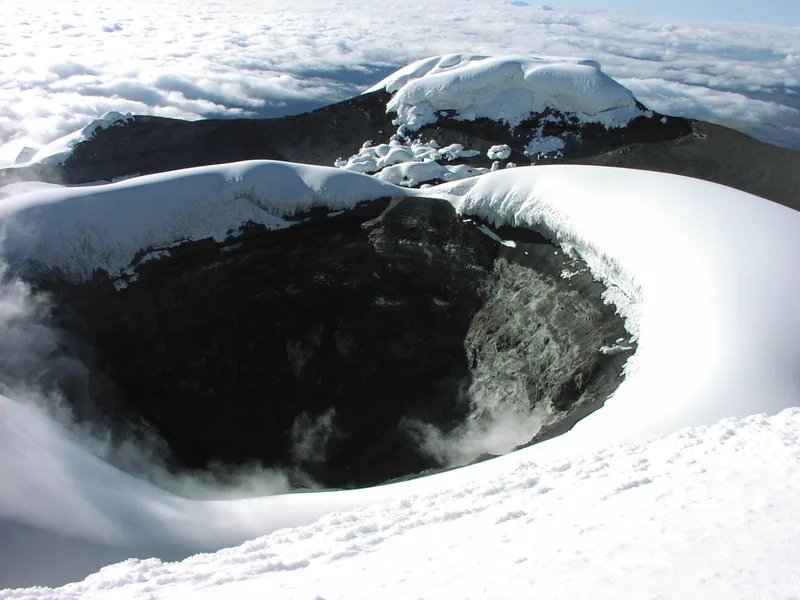
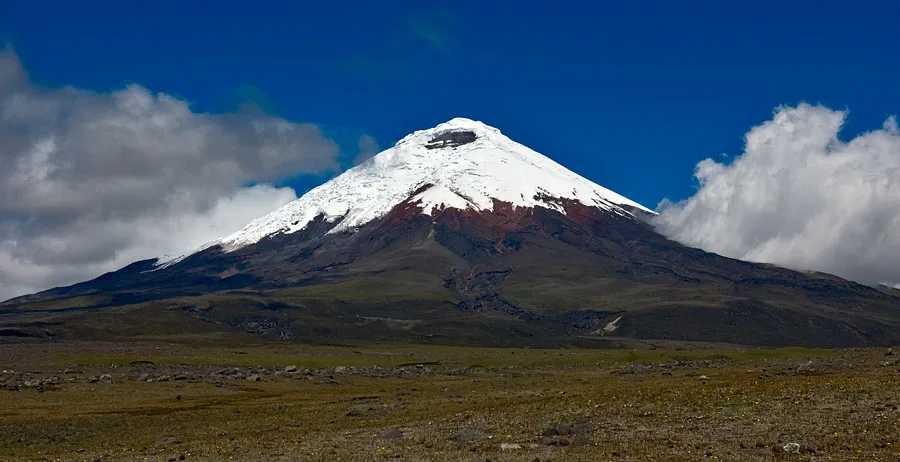
Volcán Cotopaxi is a near-perfect symmetrical stratovolcano rising to 5,897 metres in the Eastern Cordillera of the Ecuadorian Andes. One of the highest historically active volcanoes on Earth, its snow-mantled cone encases an 800-metre-wide crater emitting sulfurous steam vents and fumaroles. The volcano was first climbed on November 28, 1872, by German geologist Wilhelm Reiss and Colombian-Ecuadorian explorer Ángel María Escobar, who spent hours surveying the inner crater rim.
Pioneered & Associated Routes (1)
Cotopaxi Normal Route (North-Northeast Glacier)
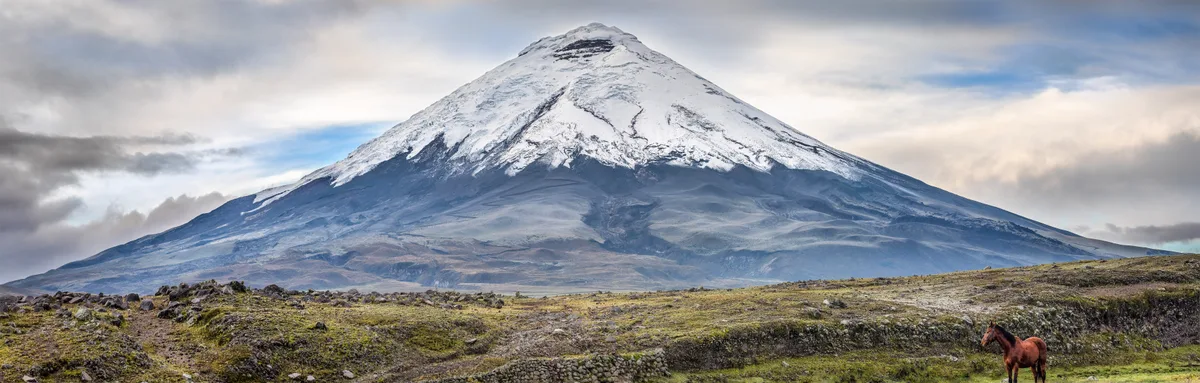
The classic ascent of Cotopaxi ascends north-northeast glaciated slopes from the José Rivas Refuge (4,864 m). The route weaves through moderate 35°-45° snowfields and crevassed ramps, passing beneath the Yanasacha rock band before topping out on the rim of the steaming volcanic caldera at 5,897 metres.
Documented Expeditions (1)
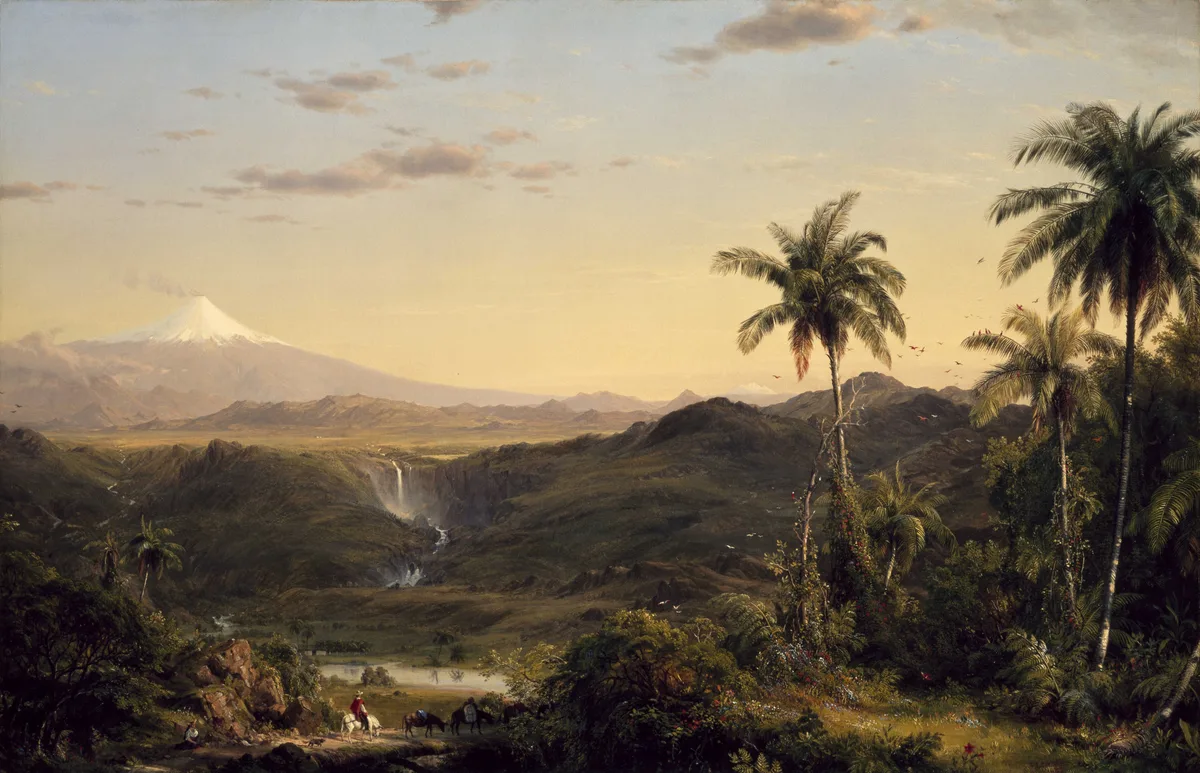
1872 Wilhelm Reiss and Ángel María Escobar Cotopaxi Historic First Ascent Expedition
On November 28, 1872, German geologist Wilhelm Reiss and Colombian explorer Ángel María Escobar achieved the historic first ascent of Volcán Cotopaxi (5,897 m). Traversing glaciated ramps and navigating gaping crevasses, they reached the active crater rim and conducted the first scientific observations inside Earth's highest active volcanic cauldron.
Associated Chronicles & Stories (1)
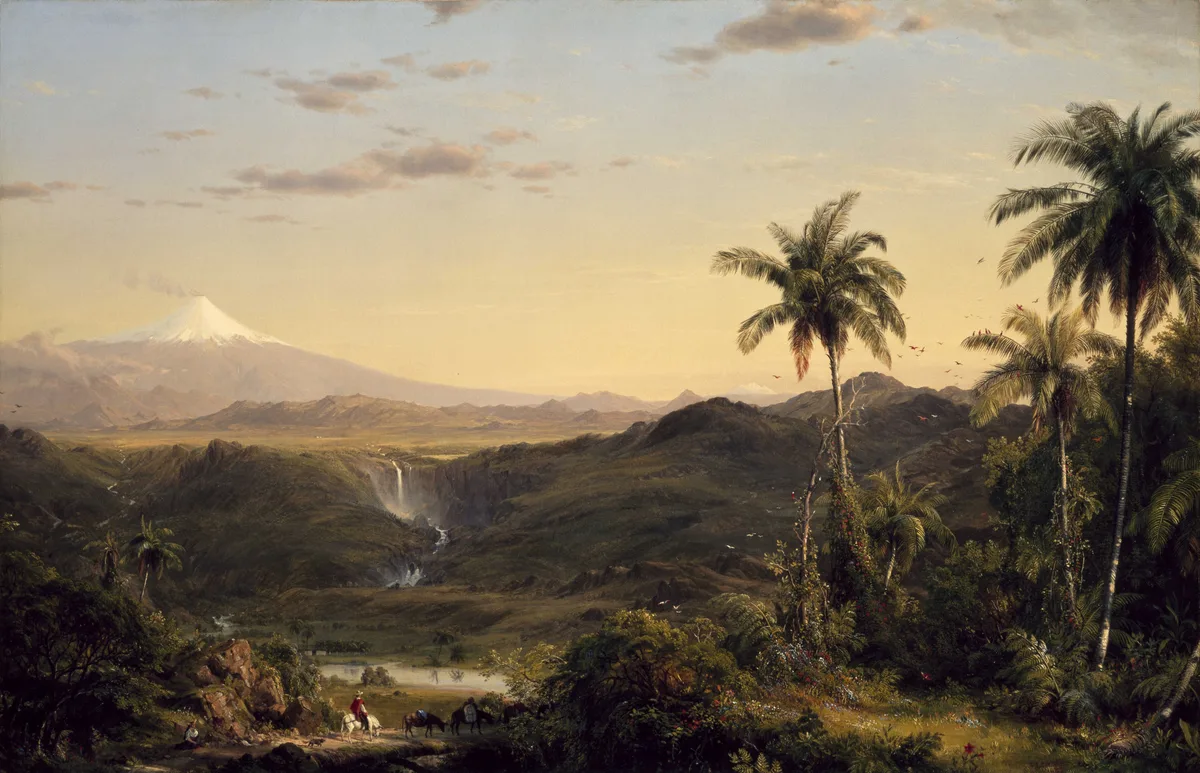
Into the Steaming Cauldron: Reiss and Escobar's 1872 Conquest of Cotopaxi
On November 28, 1872, German volcanologist Wilhelm Reiss and Colombian explorer Ángel María Escobar made the historic first ascent of Volcán Cotopaxi (5,897 m), standing on the steaming rim of its 800-metre active caldera.
Documented Sources & Archival Citations
- Über eine Ersteigung des Vulkans Cotopaxi(Wilhelm Reiss / Zeitschrift der Deutschen Geologischen Gesellschaft)
Supporting claim: Historical documentation crediting Ángel María Escobar with the first ascent of Cotopaxi
Accessed/Documented: 1873 - Travels Amongst the Great Andes of the Equator(Edward Whymper / John Murray)
Supporting claim: Acknowledgment of Escobar and Reiss's successful 1872 summit conquest
Accessed/Documented: 1892