1872 Wilhelm Reiss and Ángel María Escobar Cotopaxi Historic First Ascent Expedition
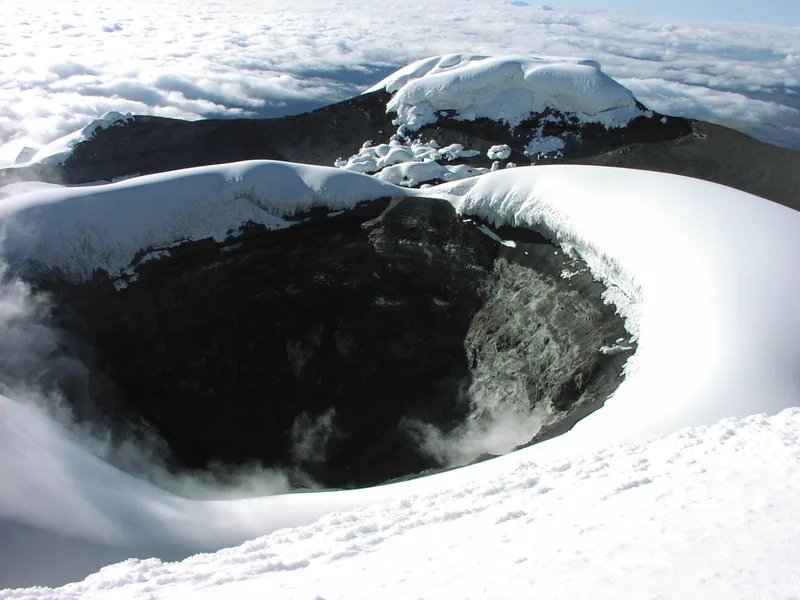
On November 28, 1872, German geologist Wilhelm Reiss and Colombian explorer Ángel María Escobar achieved the historic first ascent of Volcán Cotopaxi (5,897 m). Traversing glaciated ramps and navigating gaping crevasses, they reached the active crater rim and conducted the first scientific observations inside Earth's highest active volcanic cauldron.
Mountain Safety & Conditions Disclaimer: High-altitude climbing, glacial travel, and technical ascents entail severe objective risks including avalanches, serac collapses, rapid weather collapse, and altitude illness. Historical route descriptions and summit claims on Mountanity reflect documented archival sources and must not be used as live operational safety assessments. Local regulations, permits, and physical glacial topography change continuously.
Peer Review: Senior Editorial Board & Historical Reviewers • Editorial Standards
Official Expedition Narrative & Archival Record
In November 1872, German geologist and volcanologist Wilhelm Reiss mounted an exploratory campaign to solve one of the northern Andes' greatest geographical mysteries: whether the summit of Volcán Cotopaxi (5,897 m) could be attained by human climbers. Local legends and indigenous traditions held that the mountain was home to wrathful fire spirits who incinerated intruders with toxic fumes. Undeterred, Reiss partnered with Ángel María Escobar, an exceptionally hardy Colombian-Ecuadorian explorer with unmatched high-altitude stamina. Setting out from the high plains of Limpiopungo, Reiss and Escobar established an advance bivy at the edge of the ash fields at roughly 4,600 metres. In the freezing hours before dawn on November 28, 1872, the pair roped together and began ascending steep volcanic scree and firm glacial crust. Cutting steps across treacherous 40-degree firn slopes, they circumvented bottomless bergschrunds and navigated through the unstable debris field beneath the dark Yanasacha cliffs. At approximately 10:30 AM, gasping in the thin, sulfur-tainted air, Reiss and Escobar breached the final corniced snow ramp and stood upon the northern rim of Cotopaxi's colossal 800-metre-wide crater. Before them lay a swirling abyss of emerald sulfuric smoke, glowing fumaroles, and near-vertical caldera walls dropping hundreds of metres into the volcano's active belly. Reiss conducted barometric leveling, measuring the altitude at 5,897 metres, while Escobar gathered volcanic mineral specimens. Their successful descent that afternoon completed one of the finest first ascents in South American mountaineering history.
Documented Team Composition
- Wilhelm Reiss (Expedition Leader & Geologist, Germany)
- Ángel María Escobar (Climber & Explorer, Colombia)
Key Statistics & Topographic Figures
- Summit Elevation
- 5,897 m (19,347 ft)
- First Ascent Date
- November 28, 1872
- Climbing Pair
- Wilhelm Reiss (Germany) & Ángel María Escobar (Colombia)
- Crater Diameter
- 800 metres (Steaming caldera)
- Summit Time
- 10:30 AM (6 hours from high camp)
Archival Primary Source Quotations
“To behold the colossal crater of Cotopaxi smoking peacefully beneath an azure sky is to witness the primordial workshop of the planet.”
Defined Alpine Terminology & Concepts
- Volcanic Stratovolcano
- A tall, conical volcano composed of one layer of hardened tephra, pumice, and volcanic ash interspersed with glacial firn.
- Caldera Fumarole
- An opening in a volcano's crust that emits high-temperature sulfurous steam and gases directly from subterranean magma chambers.
Frequently Asked Questions: 1872 Wilhelm Reiss and Ángel María Escobar Cotopaxi Historic First Ascent Expedition
Who completed the first ascent of Volcán Cotopaxi?
German geologist Wilhelm Reiss and Colombian-Ecuadorian explorer Ángel María Escobar achieved the first recorded ascent on November 28, 1872.
What did Reiss and Escobar find inside Cotopaxi's crater?
They discovered a massive 800-metre-wide active caldera plunging over 300 metres deep, filled with steaming sulfur vents, roaring fumaroles, and volcanic basalt formations.
Why was Cotopaxi considered unclimbable before 1872?
Frequent catastrophic eruptions and indigenous beliefs in vengeful volcanic spirits caused local inhabitants to avoid the mountain's glaciated cone.
What was the significance of Ángel María Escobar's summit?
Escobar became the first native South American mountaineer recorded standing atop an active high Andean volcanic summit crater above 5,800 metres.
Ascent Route & Topography
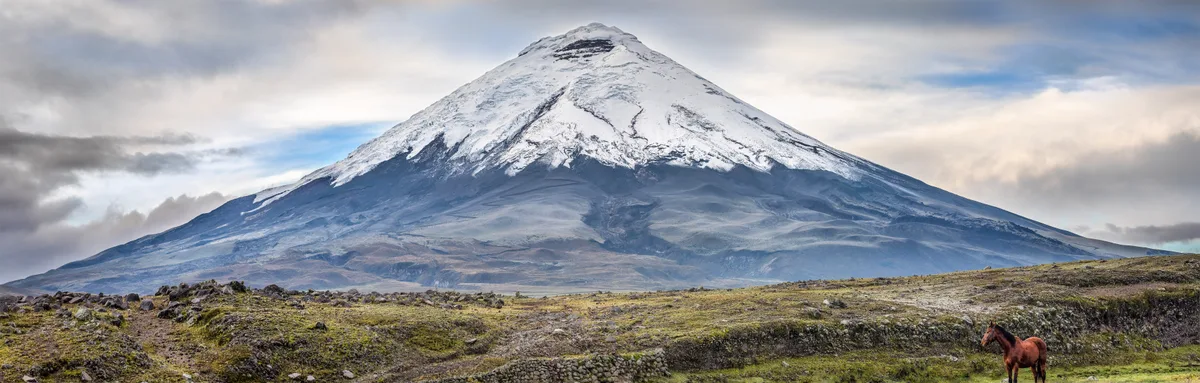
Cotopaxi Normal Route (North-Northeast Glacier)
The classic ascent of Cotopaxi ascends north-northeast glaciated slopes from the José Rivas Refuge (4,864 m). The route weaves through moderate 35°-45° snowfields and crevassed ramps, passing beneath the Yanasacha rock band before topping out on the rim of the steaming volcanic caldera at 5,897 metres.
Target Objective Peak
Cotopaxi
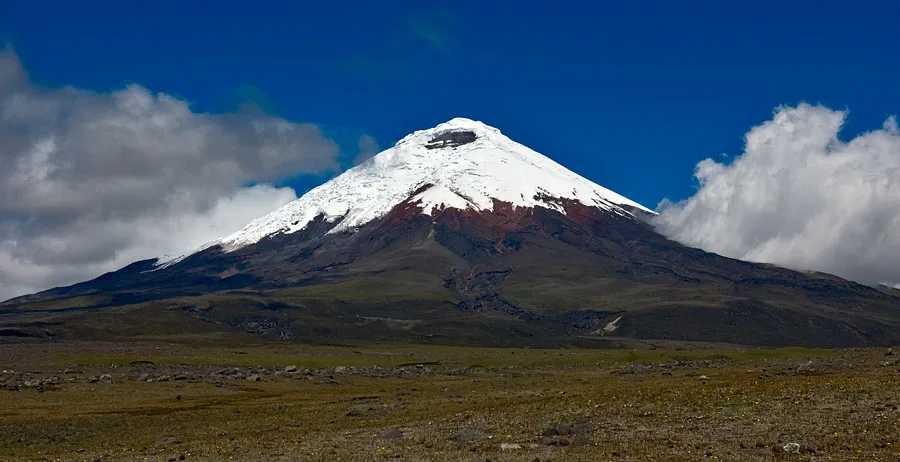
Volcán Cotopaxi is a near-perfect symmetrical stratovolcano rising to 5,897 metres in the Eastern Cordillera of the Ecuadorian Andes. One of the highest historically active volcanoes on Earth, its snow-mantled cone encases an 800-metre-wide crater emitting sulfurous steam vents and fumaroles. The volcano was first climbed on November 28, 1872, by German geologist Wilhelm Reiss and Colombian-Ecuadorian explorer Ángel María Escobar, who spent hours surveying the inner crater rim.
Featured Expedition Climbers
Ángel María Escobar
Ángel María Escobar was a native South American explorer born in Colombia who lived and worked in Ecuador during the late nineteenth century. Possessing exceptional physical fitness, intimate knowledge of rugged paramo terrain, and profound adaptability to thin air, Escobar joined German geologist Wilhelm Reiss as an indispensable expedition partner during his multi-year scientific survey of the northern Andean cordilleras. When Reiss resolved to attempt the untamed, steaming summit cone of Volcán Cotopaxi in late 1872, local superstitions and fear of volcanic wrath deterred nearly all local porters. Escobar stood steadfast, committing to accompany Reiss onto the unmapped glaciers. On November 28, 1872, roped together across steep firn ramps and navigating fragile snow bridges over bottomless crevasses, Escobar and Reiss fought through violent sulfuric gales to reach the crater rim at 5,897 metres. Escobar's triumph represented the first recorded ascent of an active 5,800-metre volcano by a native South American mountaineer. He assisted Reiss for hours atop the freezing rim, helping secure delicate barometers and collecting volcanic mineral samples from steaming fissures. Escobar's courage helped dismantle the myth of South American volcanic inaccessibility, paving the way for future Andean alpinists.
Wilhelm Reiss
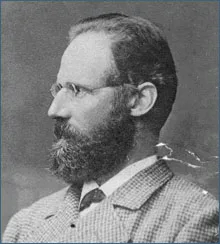
Born on June 13, 1838, in Mannheim, Grand Duchy of Baden, Wilhelm Reiss studied geology, natural sciences, and chemistry at Heidelberg, Erlangen, and Bonn. Fascinated by volcanic phenomena, Reiss conducted extensive field research across the Azores, Canary Islands, and Madeira before embarking on a transformative scientific expedition to South America in 1868 alongside fellow geologist Alphons Stübel. Arriving in Colombia and subsequently travelling through Ecuador, Reiss dedicated years to the meticulous geological, geographical, and ethnographic exploration of the northern Andes. At the time, Volcán Cotopaxi (5,897 m) was widely regarded as an unscalable volcanic furnace, prone to catastrophic violent eruptions. Rejecting prevailing beliefs, Reiss and his companion Ángel María Escobar devised an assault from the southwest slopes. On November 28, 1872, Reiss and Escobar conquered the glaciated ramps and stepped onto the northern rim of Cotopaxi's 800-metre-wide crater, completing the historic first ascent of one of Earth's highest active volcanoes. Reiss descended into the steaming fumarolic vents to collect rock samples and conduct barometric measurements. Reiss continued his exploratory surveys through Peru and Bolivia before returning to Germany in 1876. He served as President of the Gesellschaft für Erdkunde zu Berlin from 1888 to 1889 and passed away in Könitz, Thuringia, on September 29, 1908.
Associated Historical Chronicles & Stories
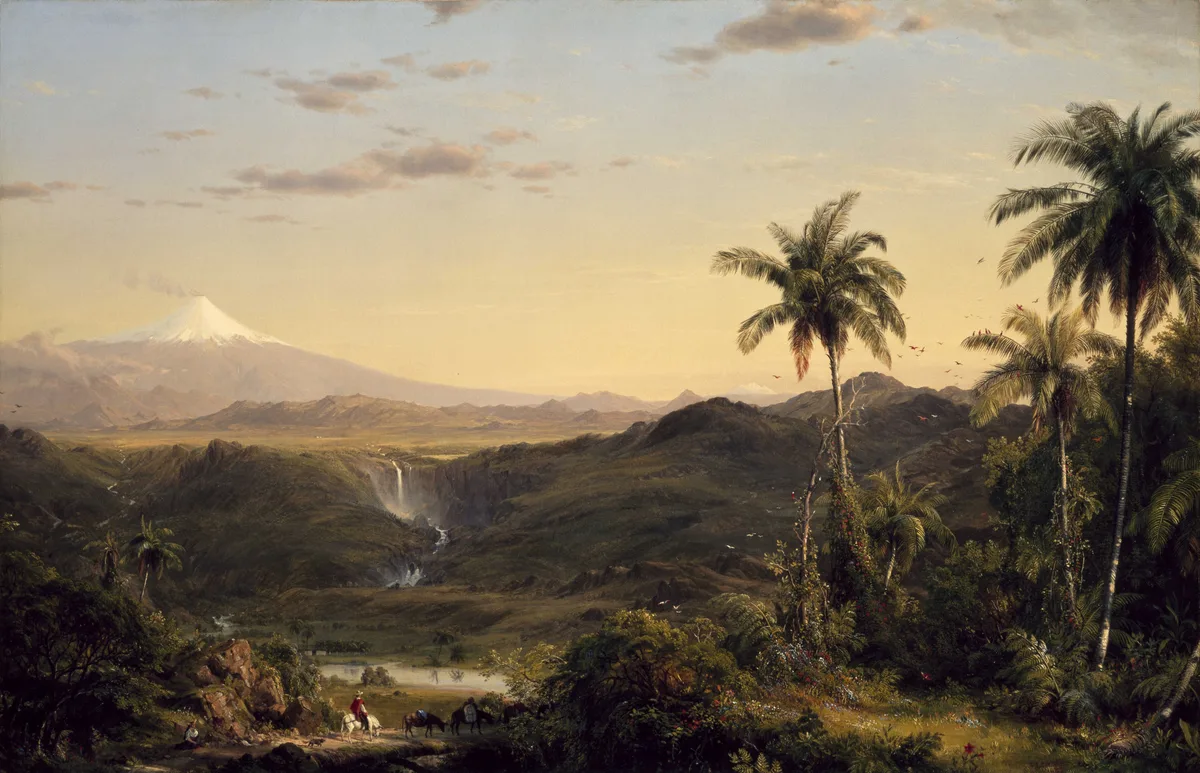
Into the Steaming Cauldron: Reiss and Escobar's 1872 Conquest of Cotopaxi
On November 28, 1872, German volcanologist Wilhelm Reiss and Colombian explorer Ángel María Escobar made the historic first ascent of Volcán Cotopaxi (5,897 m), standing on the steaming rim of its 800-metre active caldera.
Documented Sources & Archival Citations
- Über eine Ersteigung des Vulkans Cotopaxi(Wilhelm Reiss / Zeitschrift der Deutschen Geologischen Gesellschaft)
Supporting claim: Firsthand scientific report and chronological narrative of the 1872 Cotopaxi first ascent
Accessed/Documented: 1873 - Travels Amongst the Great Andes of the Equator(Edward Whymper / John Murray)
Supporting claim: Historical verification of the Reiss and Escobar crater rim ascent on Cotopaxi
Accessed/Documented: 1892