The Sighting of a Queen: Nikolai Korzhenevsky and the Discovery of Peak Korzhenevskaya
In the summer of 1910, the deep interior of the Pamir Mountains remained one of the final blank spaces on the cartographic map of Eurasia. Roaming across roarin...
Mountain Safety & Conditions Disclaimer: High-altitude climbing, glacial travel, and technical ascents entail severe objective risks including avalanches, serac collapses, rapid weather collapse, and altitude illness. Historical route descriptions and summit claims on Mountanity reflect documented archival sources and must not be used as live operational safety assessments. Local regulations, permits, and physical glacial topography change continuously.
Peer Review: Senior Editorial Board & Historical Reviewers • Editorial Standards
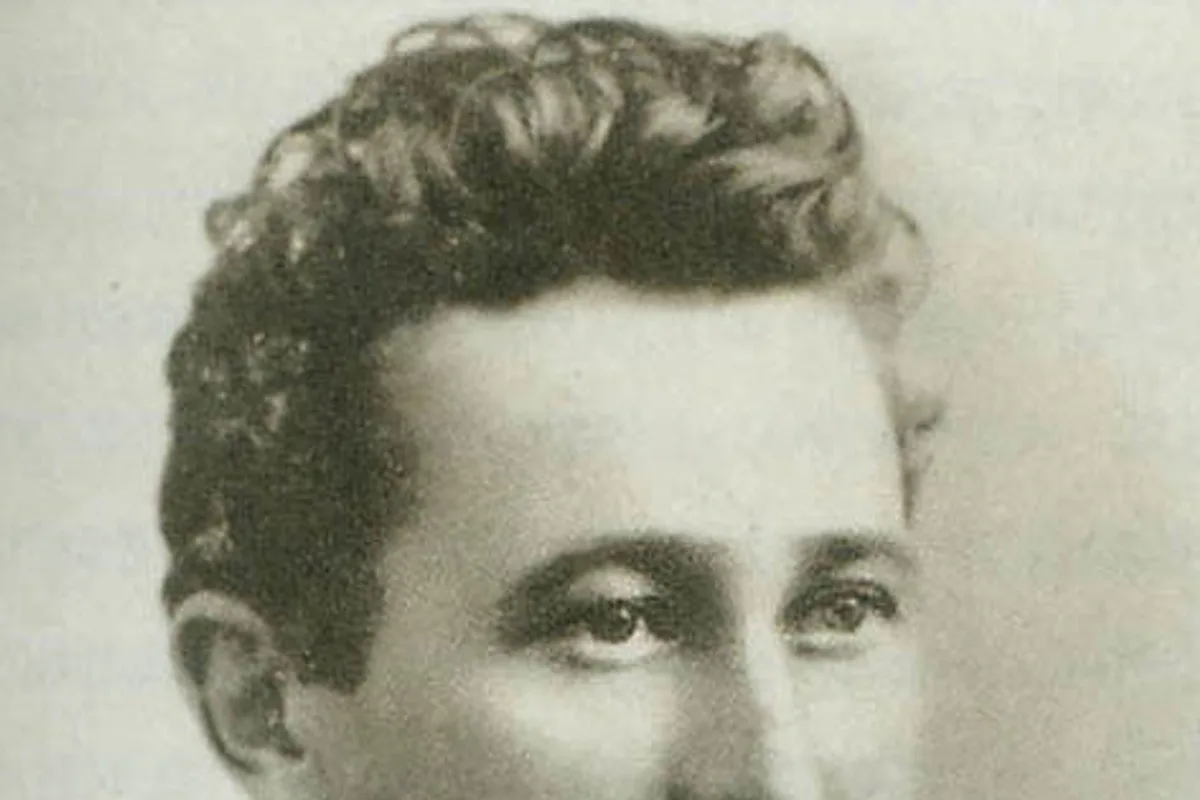
In the summer of 1910, the deep interior of the Pamir Mountains remained one of the final blank spaces on the cartographic map of Eurasia. Roaming across roaring glacial torrents along the Muksu River with local Pamiri horsemen and his intrepid wife Evgenia, geographer Nikolai Korzhenevsky pushed north into the uncharted Fortambek Glacier basin.
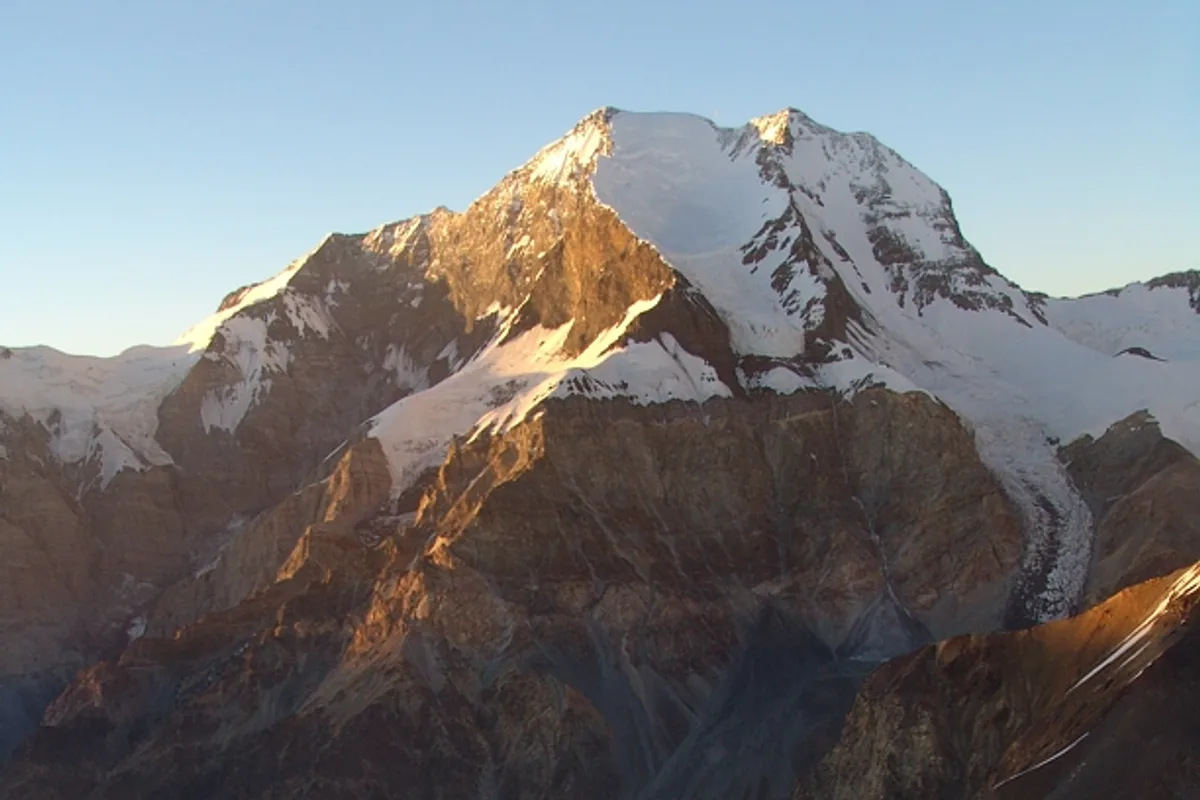
Rounding a massive moraine shoulder beneath the glaciated ramparts of the Academy of Sciences Range, Korzhenevsky looked up to behold a magnificent sight: a colossal pyramid of snow and rock thrusting serenely into the cobalt Central Asian sky. Taking baseline sextant bearings and calculating its altitude at over 7,000 metres, Korzhenevsky named the peak Peak Korzhenevskaya in honour of Evgenia, who had shared every hardship of the desert and alpine trail.
The discovery established the true architectural magnitude of the central Pamir knot, giving the world one of its most aesthetically perfect 7,000-metre giants and igniting four decades of mountaineering desire to reach its virgin crown.
Key Statistics & Topographic Figures
- Category
- Pamir Pioneers
Archival Subject
- Reading Time
- 15 min read
Narrative Length
- Key Mountain
- peak-korzhenevskaya
Objective
- Ascent Route
- korzhenevskaya-tsetlin-ridge
Topography
- Verification
- Editorially Verified
Archival Standard
Archival Primary Source Quotations
“In the mountains, truth is etched in ice and granite; every step requires unwavering respect for the heights.”
Defined Alpine Terminology & Concepts
- Summit Push
- The final continuous climbing effort from the highest established camp to the mountain apex and back.
- Death Zone Chronicle
- A verified, research-backed historical narrative documenting the human, technical, and environmental realities of an alpine expedition.
Frequently Asked Questions: The Sighting of a Queen: Nikolai Korzhenevsky and the Discovery of Peak Korzhenevskaya
What is the core chronicle and subject of "The Sighting of a Queen: Nikolai Korzhenevsky and the Discovery of Peak Korzhenevskaya"?
In the summer of 1910, the deep interior of the Pamir Mountains remained one of the final blank spaces on the cartographic map of Eurasia. Roaming across roarin...
Which mountain peaks and routes are featured in "The Sighting of a Queen: Nikolai Korzhenevsky and the Discovery of Peak Korzhenevskaya"?
This narrative documents climbs on peak-korzhenevskaya along the korzhenevskaya-tsetlin-ridge in Tajikistan.
Which documented expedition is chronicled in this story?
This historical chronicle captures the events of the 1910-korzhenevsky-pamir-exploration, verified through contemporary journals and archival records.
Who authored and researched this archival chronicle?
Authored and researched by Nikolai Korzhenevsky, drawing on primary eyewitness testimonies, alpine club registries, and verified summit logs.
What makes this high-altitude chronicle historically significant?
Categorized under "Pamir Pioneers", this chronicle preserves critical lessons in alpine leadership, survival, tactical speed, and human endurance in the death zone.
Related Mountains

Peak Korzhenevskaya
Peak Korzhenevskaya is the third-highest summit in the Pamir Mountains of Tajikistan at 7,105 metres (23,310 ft) and one of the five coveted Snow Leopard peaks. Discovered in August 1910 by Russian geographer Nikolai Korzhenevsky and named in honour of his courageous wife and travel companion Evgenia Korzhenevskaya, the peak stands prominently just 13 kilometres north of Ismoil Somoni Peak across the Moskvina Glade base camp. First conquered in 1953 by Evgeny Timashev's team, its standard Tsetlin Ridge offers sustained alpine climbing over hanging glaciers.
Documented Sources & Archival Citations
- The Pamir Explorations of 1910(Imperial Russian Geographical Society)
Supporting claim: Official discovery narrative of Peak Korzhenevskaya
Accessed/Documented: 1912