Tajikistan
Tajikistan is a dramatically mountainous Central Asian nation where over ninety-three percent of the terrain is covered by high alpine topography. Home to the supreme peaks of the Pamir knot and the rugged crystalline towers of the Fann Mountains, Tajikistan boasts three of the five legendary 7,000-metre Snow Leopard summits of the former Soviet Union, drawing elite international alpinists to its remote high-altitude wilderness.
Peer Review: Senior Editorial Board & Historical Reviewers • Editorial Standards
Key Statistics & Topographic Figures
- Archive Classification
- COUNTRIES
Mountanity Knowledge Corpus
- Verification Status
- Editorially Verified
Archival Standards
- Citation Standard
- Primary Source Verified
Alpine Research Desk
Mountain Peaks in Tajikistan
Technical profiles, elevations, and ascent histories for summits located in or spanning Tajikistan.
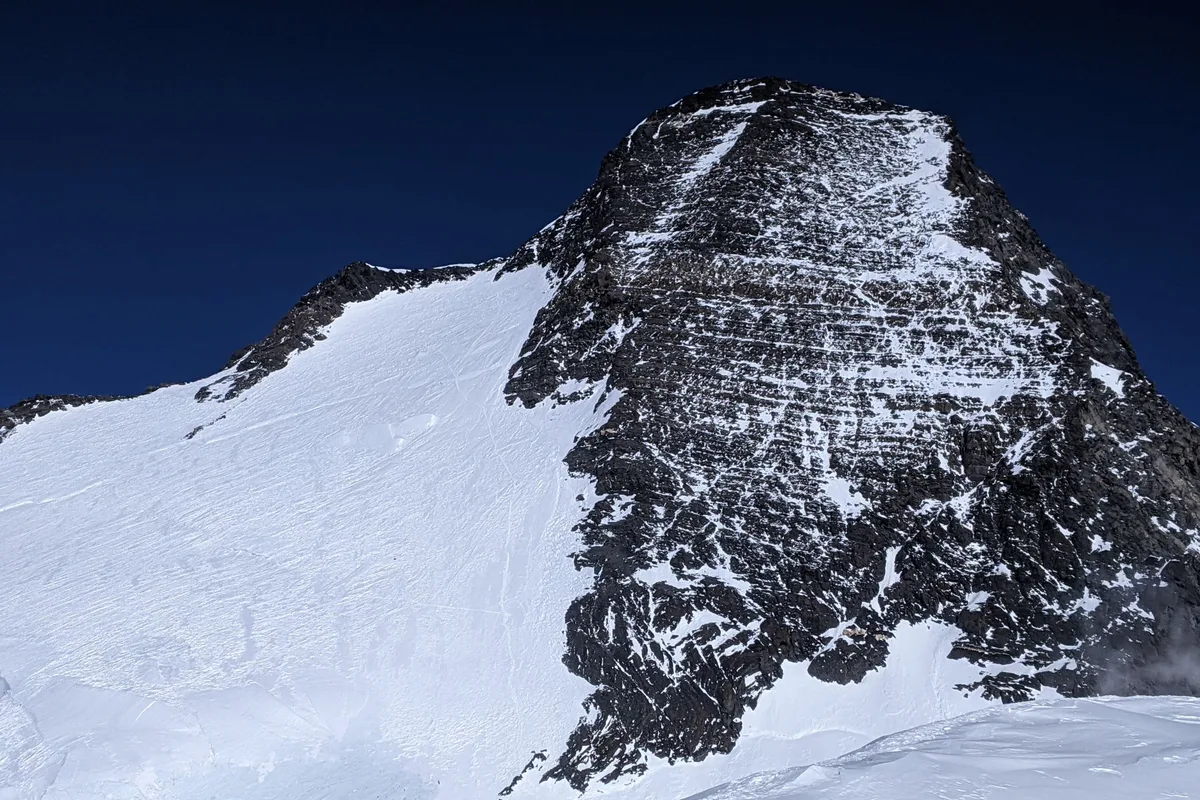
Ismoil Somoni Peak / Peak Communism
Ismoil Somoni Peak (formerly Peak Communism and Peak Stalin) is the highest mountain in Tajikistan, the supreme apex of the Pamir Mountains, and was the highest summit in the entire Soviet Union at 7,495 metres (24,590 ft). Rising dramatically above the Fortambek and Walter glaciers in the Academy of Sciences Range, the mountain features colossal vertical relief, massive avalanche chutes, and the sprawling Pamir Plateau of Pravda perched at over 6,000 metres. Conquered in a legendary solo ascent in 1933 by Evgeny Abalakov, it remains the crowning challenge of the Snow Leopard award.
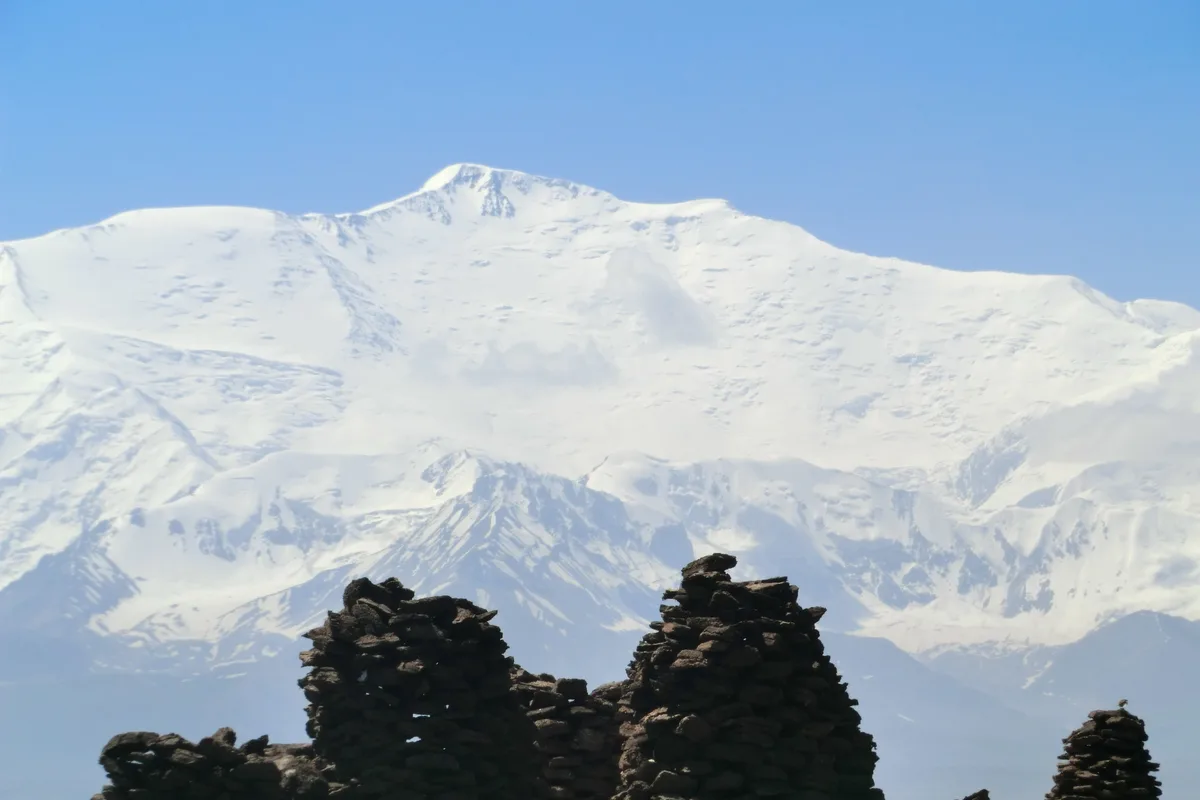
Lenin Peak / Ibn Sina Peak
Lenin Peak (officially Ibn Sina Peak in Tajikistan) is a colossal glaciated mountain rising to 7,134 metres (23,406 ft) on the border of Kyrgyzstan and Tajikistan in the Trans-Alay Range of the northern Pamirs. Famous for its massive non-technical snow slopes and broad summit plateau, it was first conquered during the 1928 German-Soviet Alay-Pamir Expedition by Karl Wien, Eugen Allwein, and Erwin Schneider, setting an international altitude record for that era. Today, it is revered as the world's most climbed and accessible 7,000-metre peak.
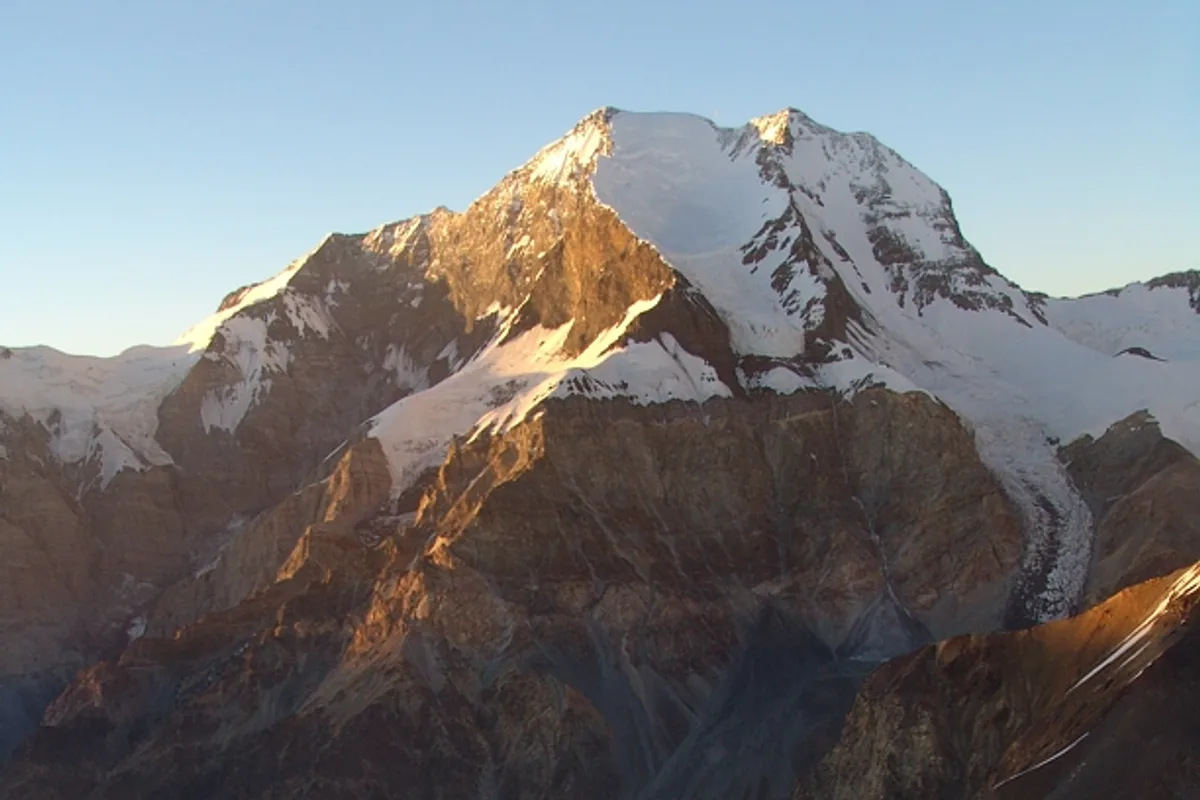
Peak Korzhenevskaya
Peak Korzhenevskaya is the third-highest summit in the Pamir Mountains of Tajikistan at 7,105 metres (23,310 ft) and one of the five coveted Snow Leopard peaks. Discovered in August 1910 by Russian geographer Nikolai Korzhenevsky and named in honour of his courageous wife and travel companion Evgenia Korzhenevskaya, the peak stands prominently just 13 kilometres north of Ismoil Somoni Peak across the Moskvina Glade base camp. First conquered in 1953 by Evgeny Timashev's team, its standard Tsetlin Ridge offers sustained alpine climbing over hanging glaciers.
Mountain Ranges Spanning Tajikistan
Geographic mountain massifs, regional topography, and glaciated chains within Tajikistan.
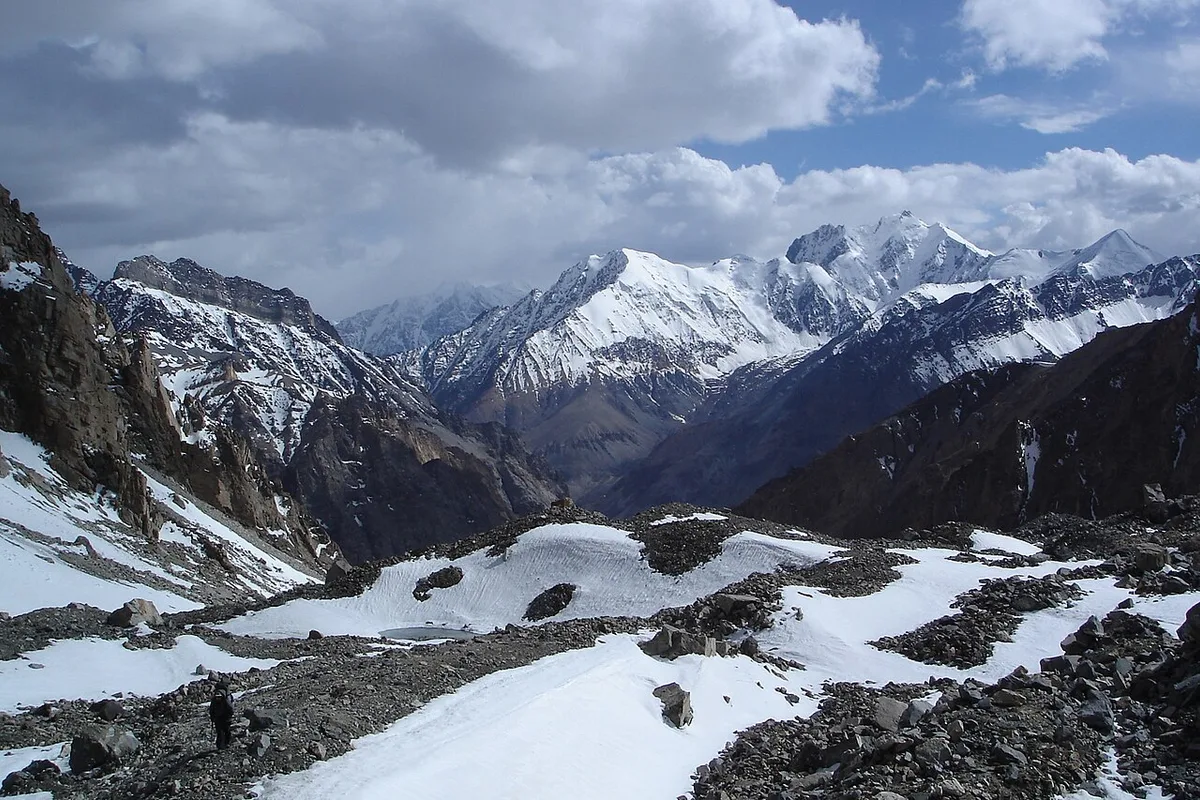
Pamir Mountains
The Pamir Mountains, famously revered across Central Asia as 'Bam-i-Dunya' ('Roof of the World'), form a colossal junction where the Himalayas, Karakoram, Hindu Kush, and Tien Shan mountain systems converge. Dominated by ice plateaus, vast braided valleys, and gigantic peaks soaring above 7,000 metres, the Pamirs served as the proving grounds of Soviet high-altitude mountaineering and the heart of the prestigious Snow Leopard challenge.
Documented Climbing Routes
Classic lines of ascent, technical difficulties, and objective hazards across Tajikistan's summits.
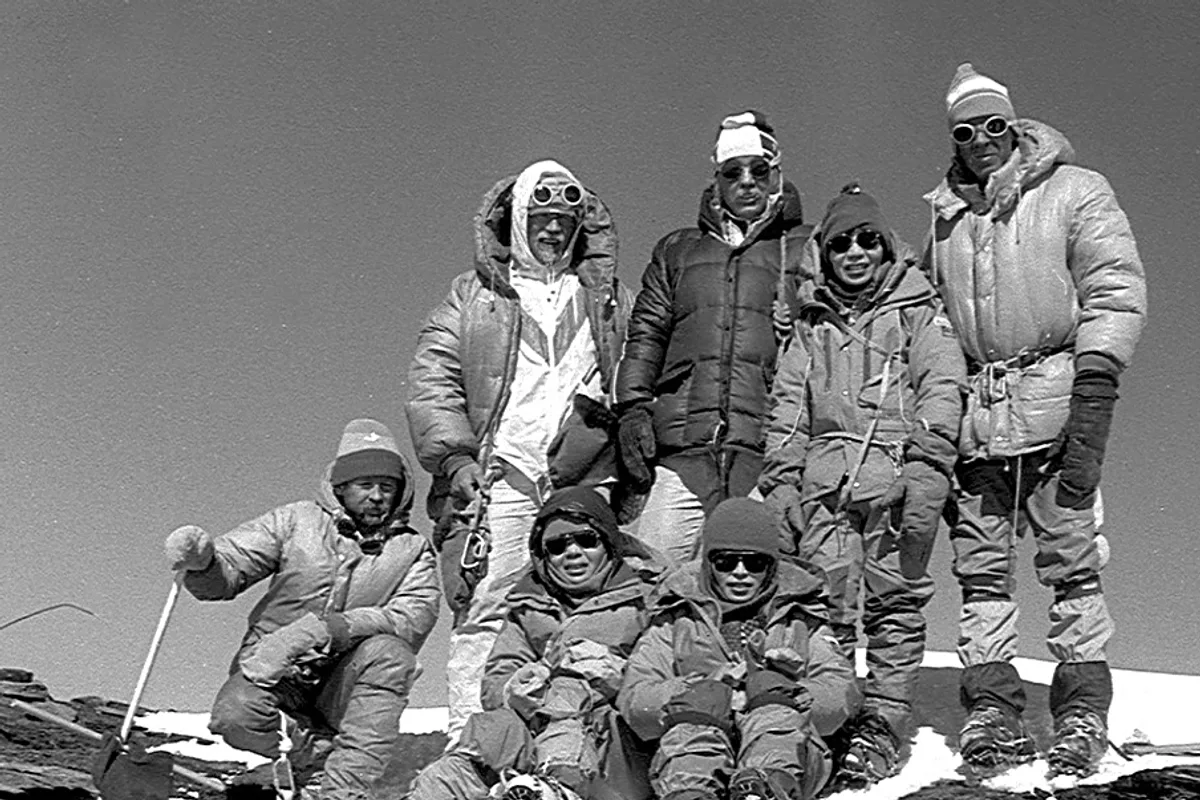
Ismoil Somoni Borodkin Pillar & Pamir Plateau Route
The Borodkin Pillar is the classic and most aesthetically renowned route up Ismoil Somoni Peak (7,495 m). Initiated from Moskvina Base Camp across the Walter Glacier, the route scales the steep rocky and mixed Borodkin Pillar to gain the immense Pamir Plateau of Pravda at 6,000 metres, traverses under Peak Dushanbe (6,950 m), and pushes up the final exposed summit crest to 7,495 metres.
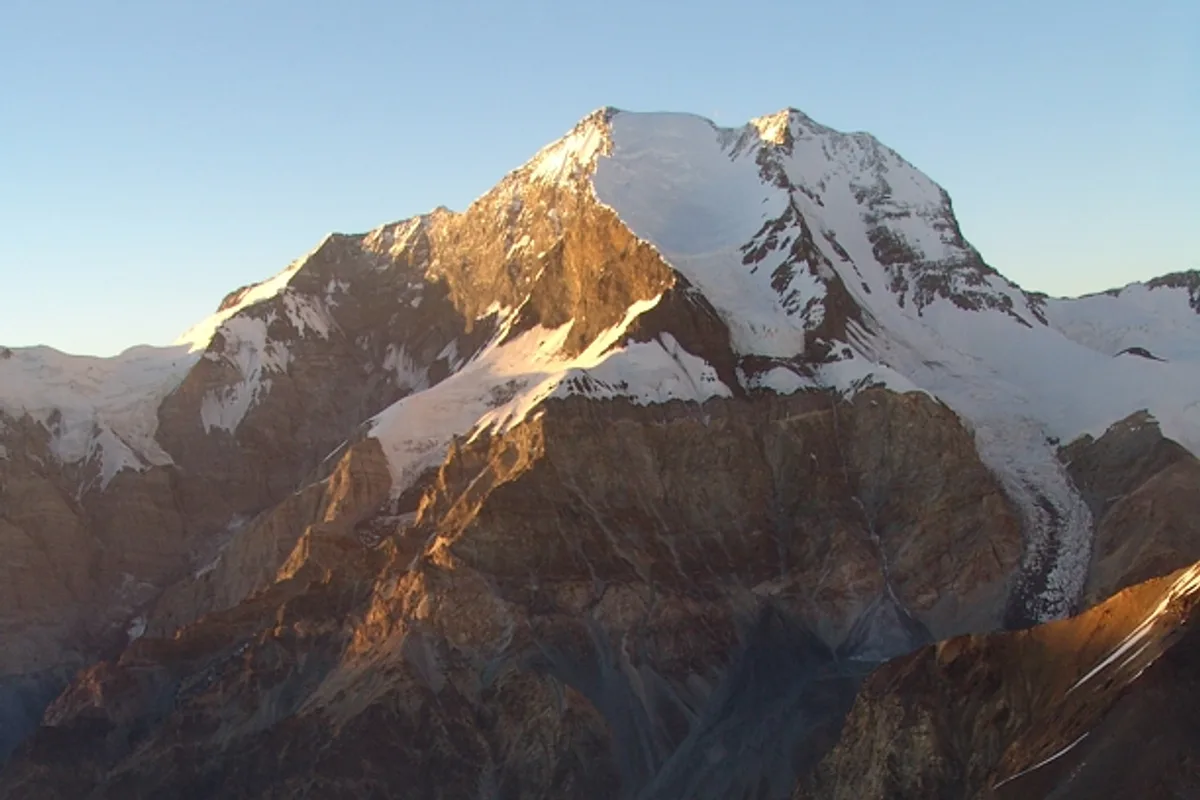
Peak Korzhenevskaya Tsetlin Ridge & South Face
The Tsetlin Ridge is the standard and most secure route to the summit of Peak Korzhenevskaya (7,105 m). Beginning at the Moskvina Base Camp (4,200 m), climbers ascend the moraines of the Moskvina Glacier, climb fixed ropes along the rocky Tsetlin Ridge to high camps at 5,800 m and 6,400 m, and negotiate steep snow gullies to reach the sharp summit ridge at 7,105 metres.
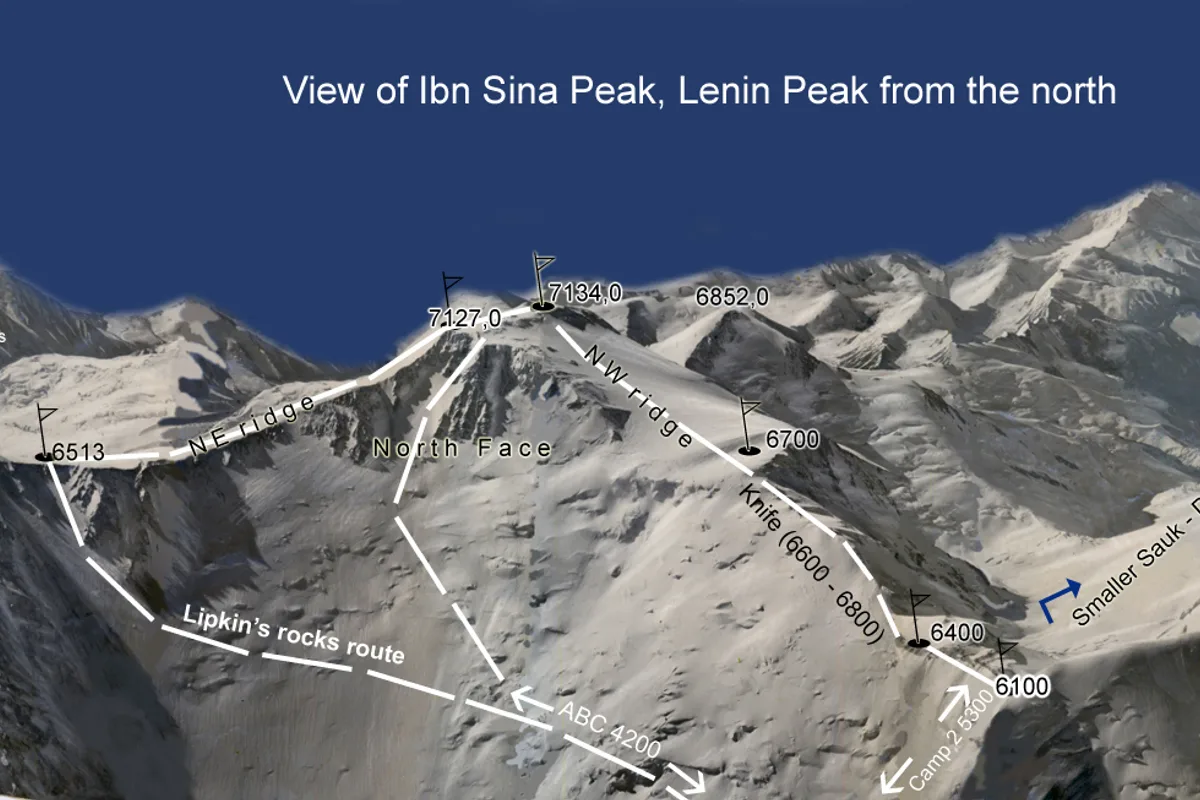
Lenin Peak Razdelnaya Route & West Ridge
The Razdelnaya Route via the North Face and West Ridge is the classic standard route on Lenin Peak (7,134 m). Starting from the Achik-Tash Base Camp (3,600 m), the route navigates the crevassed Lenin Glacier to Camp 2 (5,300 m), scales the steep snow slopes to Razdelnaya Peak (6,148 m) for Camp 3, and makes a sustained 1,000-metre summit push along the exposed West Ridge to 7,134 metres.
Historic Expeditions & First Ascents
Epoch-making sieges and triumphant summits recorded within Tajikistan's alpine history.
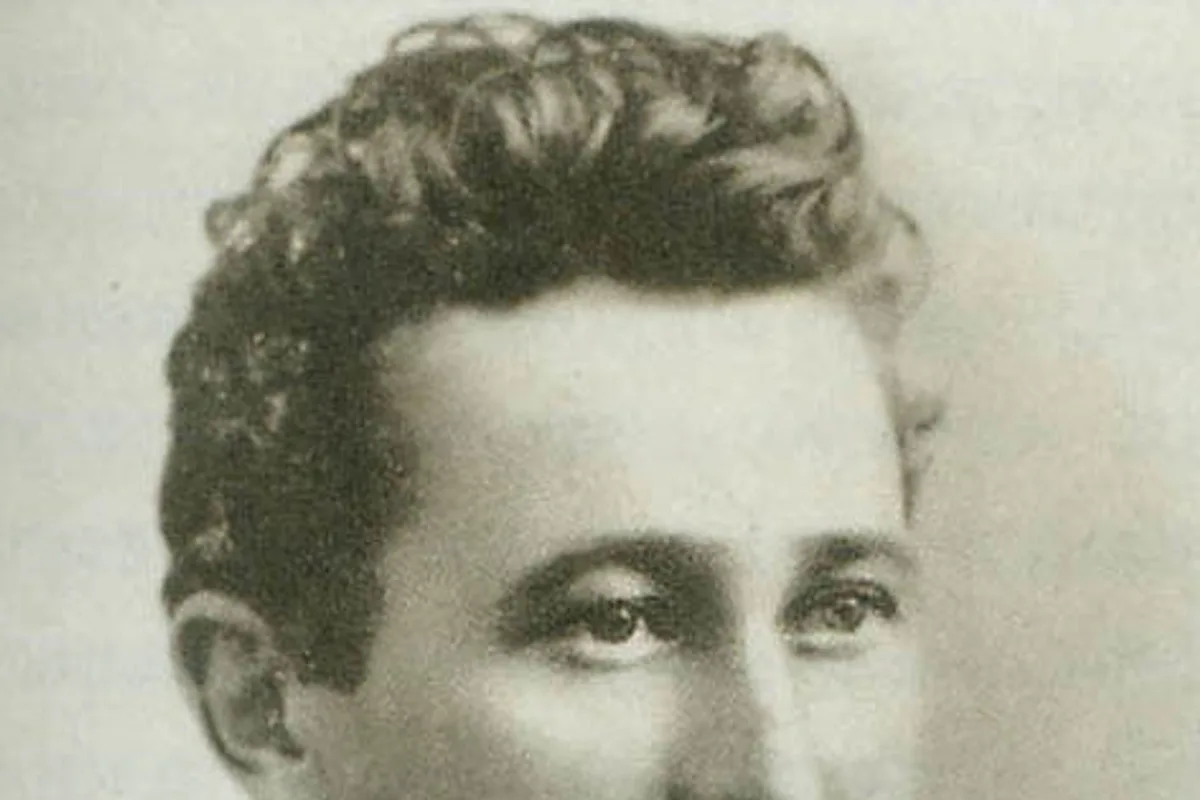
1910 Nikolai Korzhenevsky Discovery of Peak Korzhenevskaya
In August 1910, Russian geographer Nikolai Korzhenevsky led a daring scientific reconnaissance along the Muksu River basin into the unknown interior of the Pamir Mountains, discovering the colossal 7,105-metre peak and naming it in honour of his wife Evgenia.
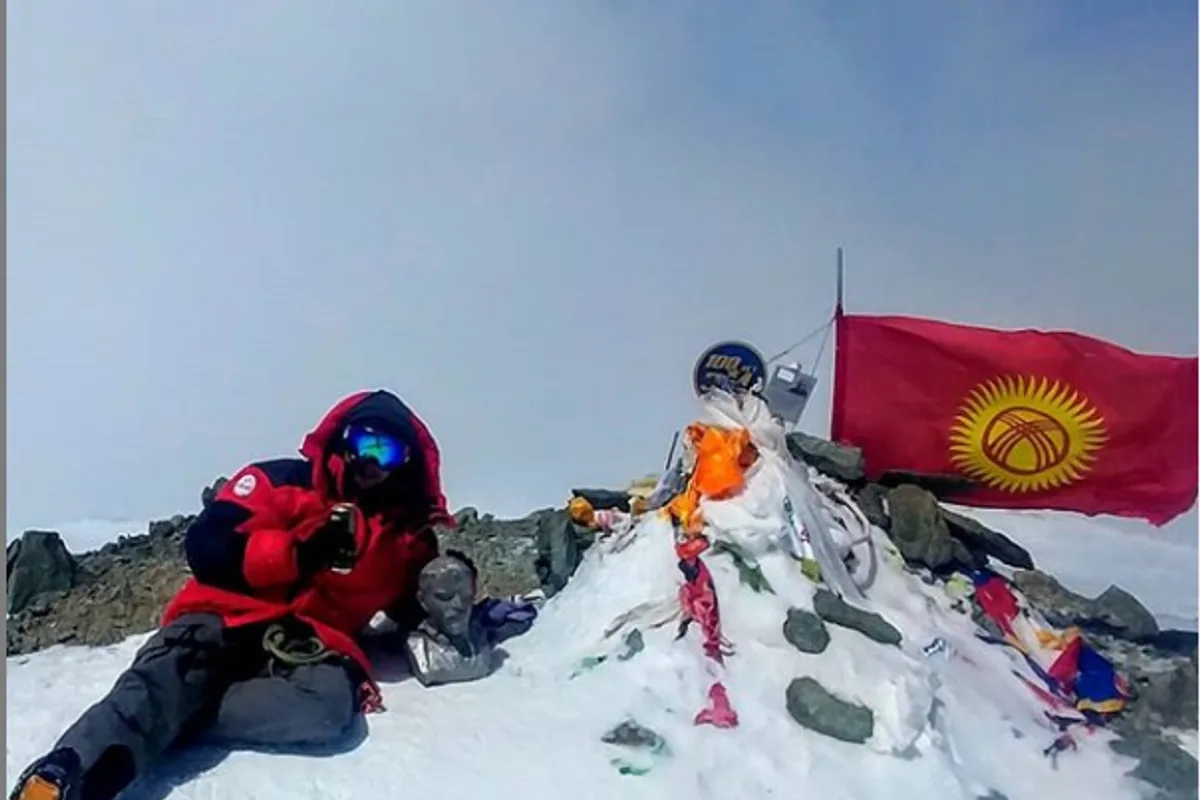
1928 German-Soviet Alay-Pamir Expedition: Maiden Ascent of Lenin Peak
On September 25, 1928, German and Austrian mountaineers Karl Wien, Eugen Allwein, and Erwin Schneider achieved the first ascent of Lenin Peak (7,134 m) in the Pamirs, setting a world climbing altitude record during the historic German-Soviet Alay-Pamir Expedition.
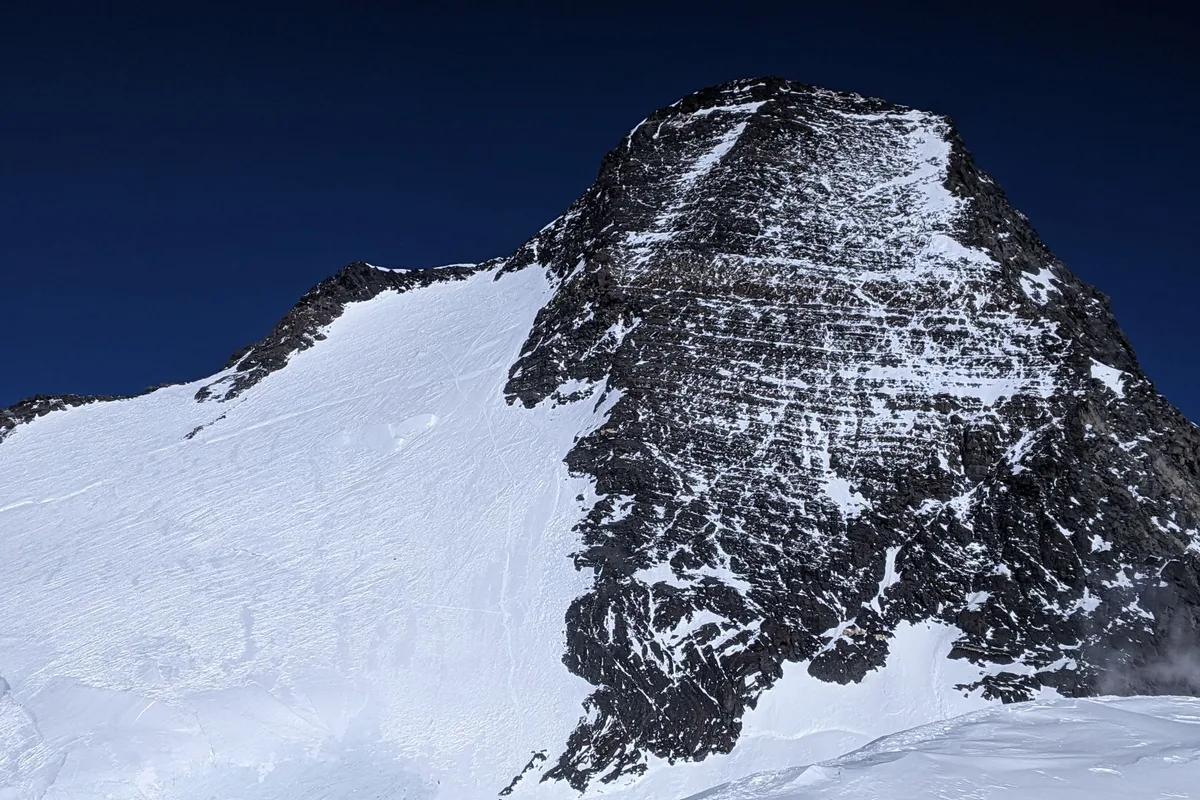
1933 Soviet Tajik-Pamir Expedition: Evgeny Abalakov Solo Summit of Peak Communism
On September 3, 1933, master Soviet climber and sculptor Evgeny Abalakov achieved the legendary solo first ascent of Peak Communism (7,495 m, now Ismoil Somoni Peak), establishing the national climbing record of the Soviet Union in a ferocious sub-zero blizzard.
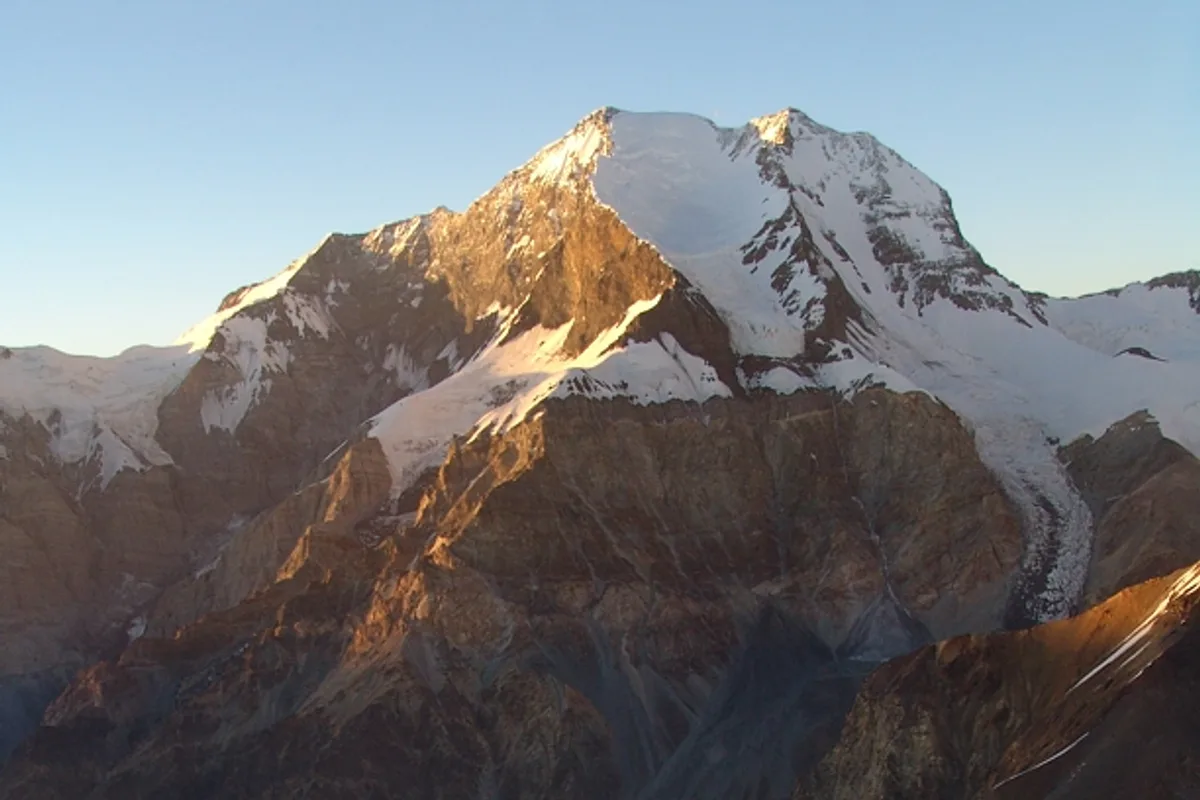
1953 Evgeny Timashev Expedition: First Ascent of Peak Korzhenevskaya
On August 22, 1953, Master of Soviet Alpinism Evgeny Timashev led an eight-man team to the maiden first ascent of Peak Korzhenevskaya (7,105 m) in the Pamir Mountains, completing the conquest of the range's great 7,000-metre triumvirate.
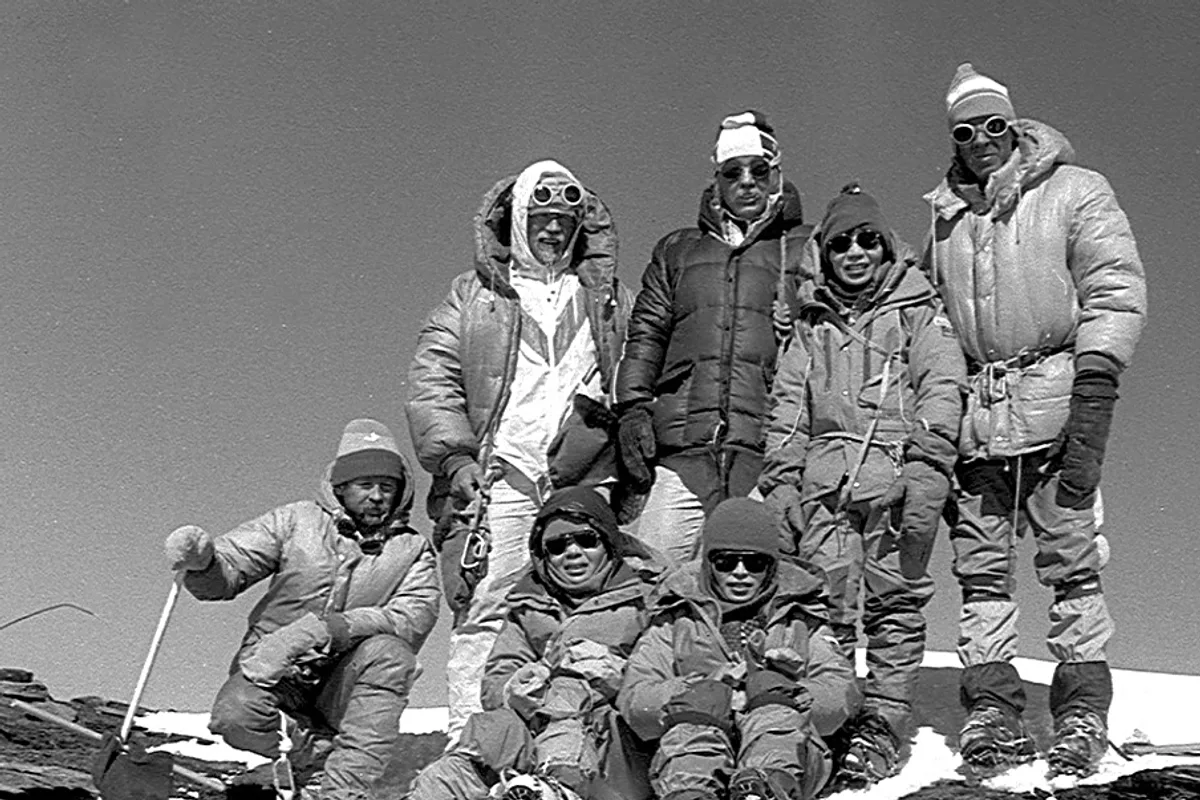
1968 Valentin Borodkin Expedition: Opening the Borodkin Pillar on Peak Communism
In August 1968, Soviet climber Valentin Borodkin pioneered the legendary Borodkin Pillar route up the North Face of Ismoil Somoni Peak (7,495 m), unlocking direct access to the Pamir Plateau of Pravda and establishing the modern standard route.
Archival Primary Source Quotations
“Great things are done when men and mountains meet; this is not done by jostling in the street.”
Defined Alpine Terminology & Concepts
- Archival Integrity
- The standard of verifying historical mountain facts, summit claims, and altitudes using primary expeditions journals and geodetic measurements.
Frequently Asked Questions: Tajikistan Mountaineering
What historical significance does this countrie hold?
Tajikistan represents an essential chapter in global mountaineering heritage, verified through contemporary expedition journals and archival sources.
How are the facts and records for Tajikistan verified?
All records are checked against peer-reviewed journals, national alpine clubs, geodetic surveys, and the Mountanity Archival Integrity Policy.