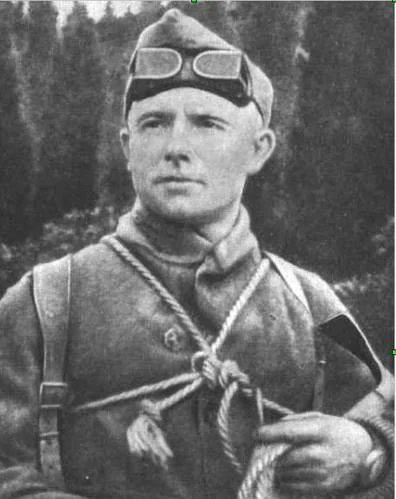
Evgeny Abalakov
Evgeny Mikhaylovich Abalakov was an elite Soviet mountaineer and sculptor who achieved the solitary maiden first ascent of Peak Communism at 7,495 metres in 1933, then the highest summit in the Soviet Union. Alongside his brother Vitaly, he conquered Khan Tengri in 1936 during one of the most perilous survival epics in Central Asian climbing history.
Mountain Safety & Conditions Disclaimer: High-altitude climbing, glacial travel, and technical ascents entail severe objective risks including avalanches, serac collapses, rapid weather collapse, and altitude illness. Historical route descriptions and summit claims on Mountanity reflect documented archival sources and must not be used as live operational safety assessments. Local regulations, permits, and physical glacial topography change continuously.
Peer Review: Senior Editorial Board & Historical Reviewers • Editorial Standards
Biographical Record & Archival Chronicle
Evgeny Mikhaylovich Abalakov was born on February 17, 1907, in Krasnoyarsk, Siberia. Like his elder brother Vitaly, Evgeny began climbing on the volcanic cliffs of the Krasnoyarsk Stolby. Possessing extraordinary physical stamina, grace, and an artistic soul, Evgeny graduated from the prestigious Surikov Moscow State Art Institute as a master sculptor, creating monuments that celebrated the heroic human spirit.
In 1933, as a key member of the Soviet-German Pamir Expedition, 26-year-old Evgeny accomplished one of the greatest feats in twentieth-century mountaineering. While teammates collapsed from severe altitude sickness and exhaustion on the unmapped slopes of Peak Communism (7,495 m, now Peak Ismail Somoni in Tajikistan), Evgeny pressed on alone into freezing gales. On September 3, 1933, he summited the peak solo, fixing a meteorological radio station on the roof of the Soviet Union.
In 1936, Evgeny joined Vitaly on the second ascent of Khan Tengri (7,010 m). When severe frostbite crippled his teammates on the descent, Evgeny shouldered superhuman burdens, breaking trail and carrying injured companions through blizzards down the Inylchek Glacier to safety. During World War II, Evgeny trained Soviet mountain warfare troops in the Caucasus. He tragically passed away in Moscow on March 24, 1948, honored as one of the bravest mountaineers in Soviet history.
Notable Milestones & Ascents
- Maiden first ascent of Peak Communism / Ismail Somoni (7,495 m) on September 3, 1933, completing the final pitches solo
- Conquered Khan Tengri (7,010 m) in 1936 and led the rescue of his frostbitten team through severe blizzards
- First ascents of more than 50 major peaks across the Pamirs, Caucasus, and Tien Shan
- Awarded the title of Honoured Master of Sports of the USSR (1934)
- Graduated from the Surikov Art Institute and sculpted celebrated alpine and athletic monuments
Key Statistics & Topographic Figures
- Lifespan
- 1907 – 1948
- Nationality
- Soviet
- Crown Achievement
- Solo First Ascent of Peak Communism (7,495 m) in 1933
- Tien Shan Summit
- Khan Tengri (7,010 m) in 1936
Archival Primary Source Quotations
“To carve a statue from granite requires the same love of stone that draws a climber up the high ridges of the Pamirs.”
Defined Alpine Terminology & Concepts
- Peak Communism
- Formerly known as Mount Garmo / Peak Stalin and today Ismoil Somoni Peak (7,495 m), the highest peak of the Pamir mountains and the former USSR.
Frequently Asked Questions: Evgeny Abalakov
What is Evgeny Abalakov most celebrated for in mountaineering history?
Evgeny Abalakov made the legendary solo first ascent of Peak Communism (7,495 m, highest peak in the USSR) in 1933 and reached the summit of Khan Tengri in 1936.
What other talents did Evgeny Abalakov have besides mountaineering?
Abalakov was an accomplished professional sculptor and member of the USSR Artists' Union, creating bronze monuments of mountaineers and heroic explorers.
Associated Summits (2)
Ismoil Somoni Peak / Peak Communism
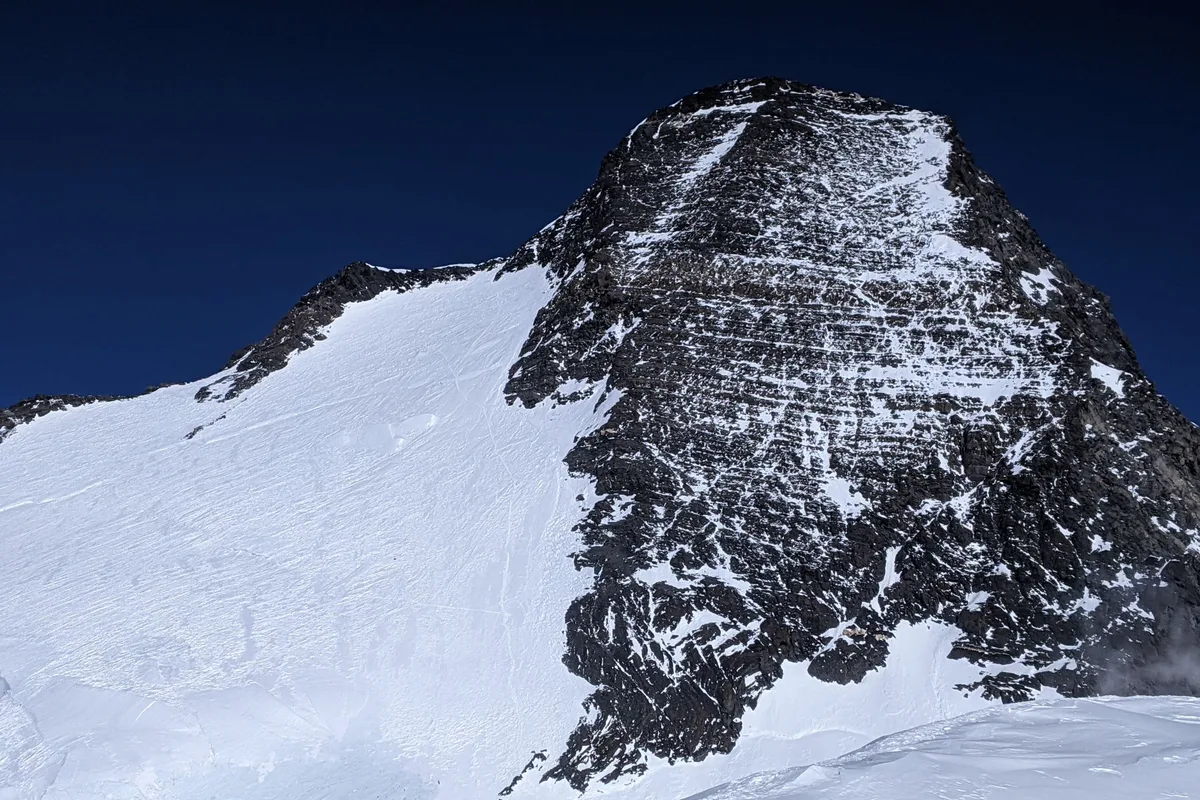
Ismoil Somoni Peak (formerly Peak Communism and Peak Stalin) is the highest mountain in Tajikistan, the supreme apex of the Pamir Mountains, and was the highest summit in the entire Soviet Union at 7,495 metres (24,590 ft). Rising dramatically above the Fortambek and Walter glaciers in the Academy of Sciences Range, the mountain features colossal vertical relief, massive avalanche chutes, and the sprawling Pamir Plateau of Pravda perched at over 6,000 metres. Conquered in a legendary solo ascent in 1933 by Evgeny Abalakov, it remains the crowning challenge of the Snow Leopard award.

Khan Tengri / Lord of the Spirits
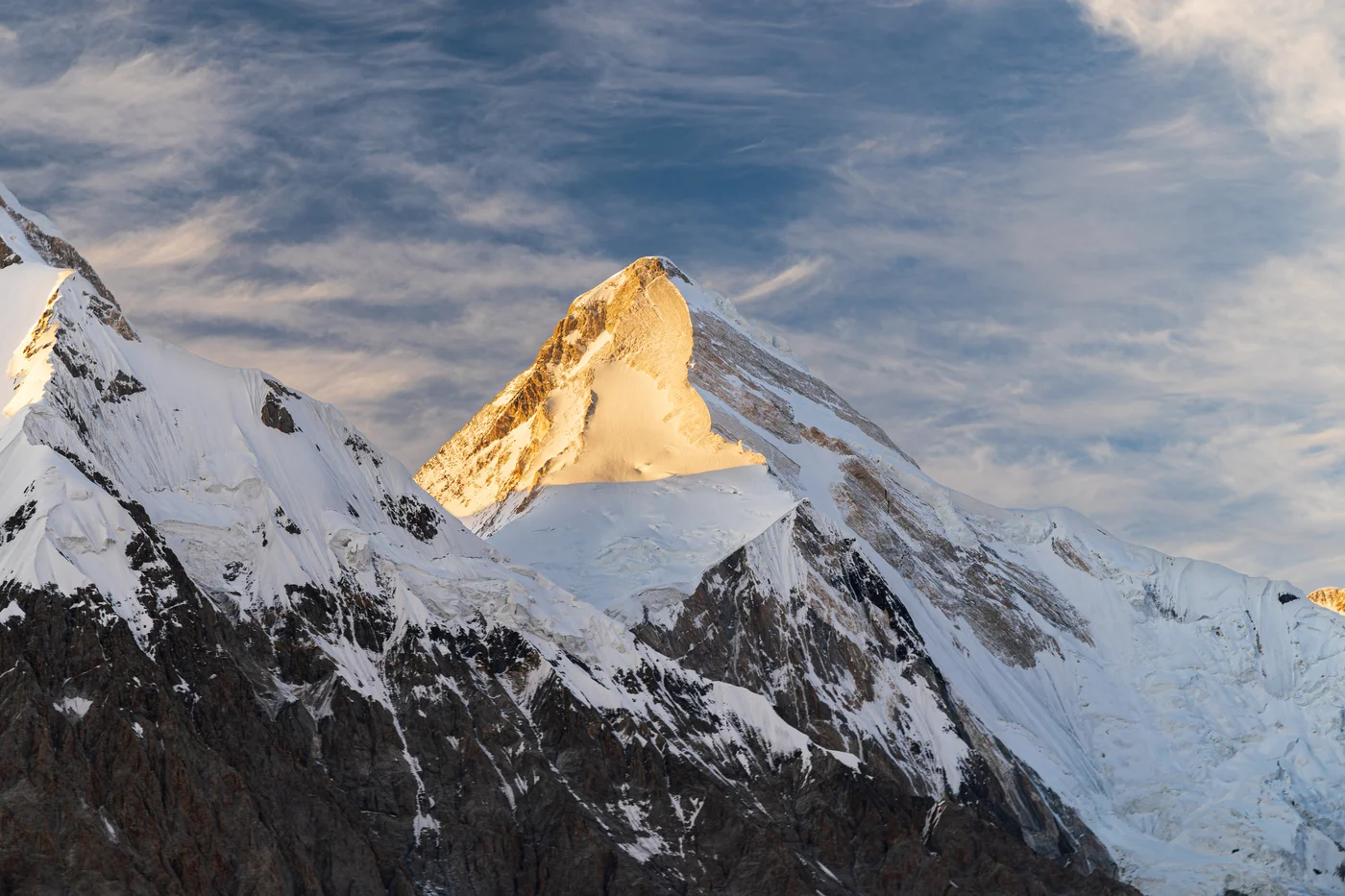
Khan Tengri is a breathtakingly symmetrical, marble-stratified pyramid rising to 7,010 metres (22,999 ft, including summit ice cap) in the Tengri-Tag range of the Central Tien Shan, straddling the borders of Kyrgyzstan, Kazakhstan, and China. Revered in ancient Tengrism as the sacred 'Lord of the Spirits' and famous for its fiery pink glow at sunset, the peak is one of the premier challenges of high-altitude mountaineering. First conquered on September 11, 1931, by a Ukrainian expedition led by Mikhail Pogrebetsky via the West Ridge, it was the scene of an epic survival climb in 1936 by the Abalakov brothers.
Pioneered & Associated Routes (2)
Ismoil Somoni Borodkin Pillar & Pamir Plateau Route
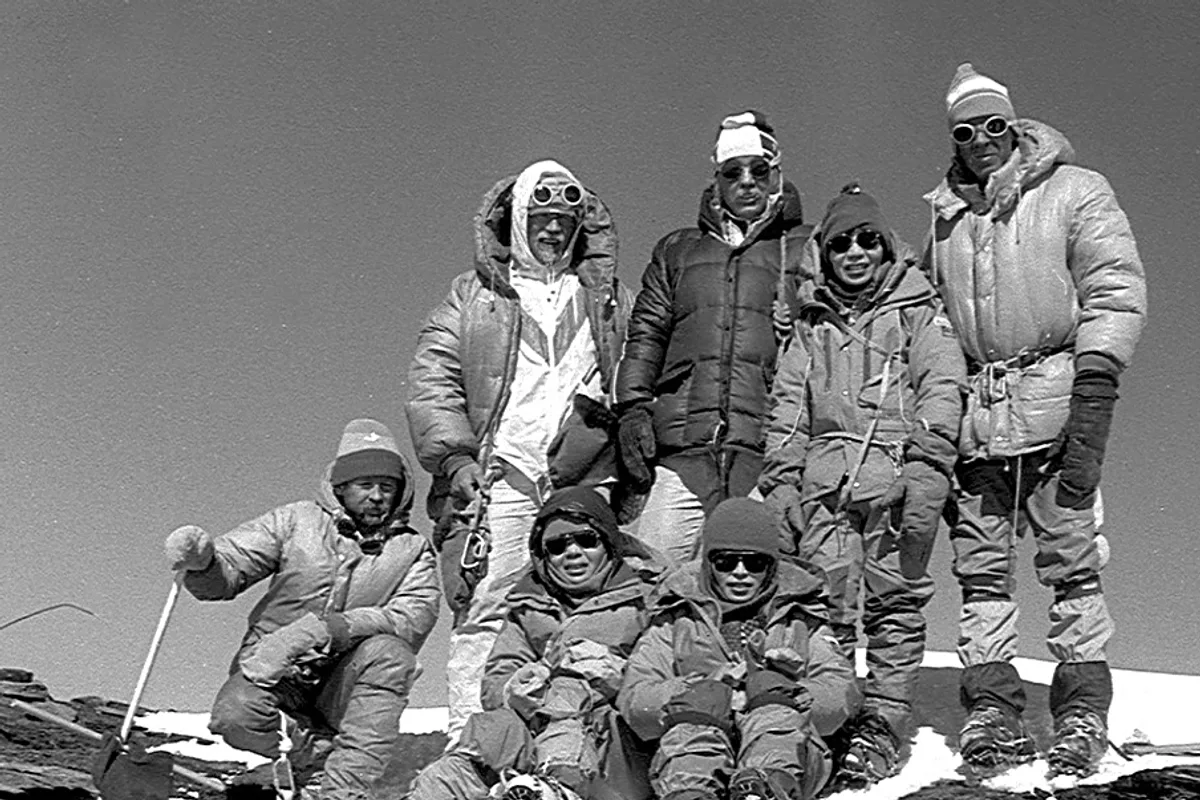
The Borodkin Pillar is the classic and most aesthetically renowned route up Ismoil Somoni Peak (7,495 m). Initiated from Moskvina Base Camp across the Walter Glacier, the route scales the steep rocky and mixed Borodkin Pillar to gain the immense Pamir Plateau of Pravda at 6,000 metres, traverses under Peak Dushanbe (6,950 m), and pushes up the final exposed summit crest to 7,495 metres.
Khan Tengri West Ridge & Pogrebetsky Route
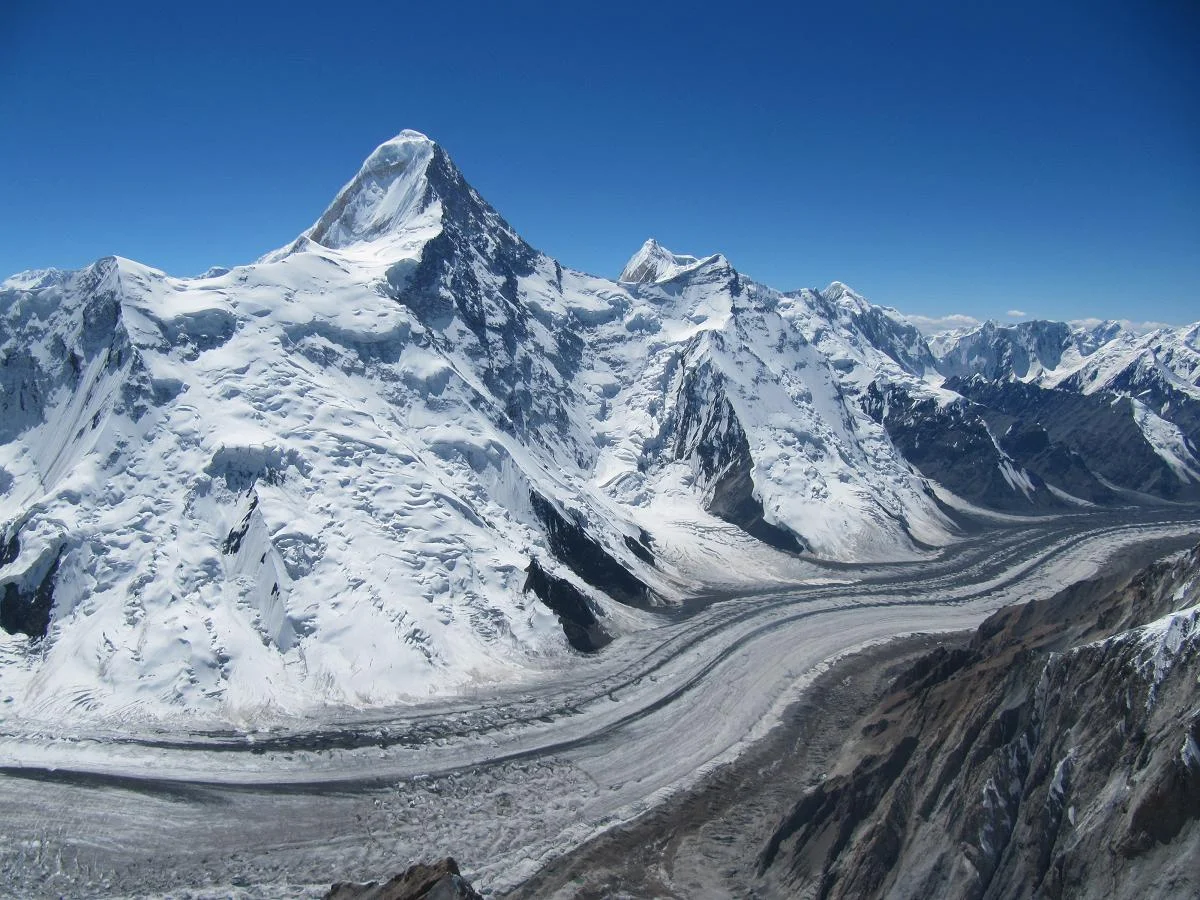
The West Ridge Pogrebetsky Route is the premier classic route on Khan Tengri (7,010 m), leading from the South Inylchek Glacier up the Semenovskiy Glacier to the West Col (Chakan-Tau, 5,900 m) and ascending the exposed western marble ridge. First climbed on September 11, 1931, by Mikhail Pogrebetsky, Boris Tyurin, and Franz-Josef Zauberer, the route involves sustained climbing on steep snow couloirs and technical marble rock bands above 6,700 metres. The route requires fixed-rope jumaring, rigorous acclimatization, and exceptional endurance against high-altitude hypothermia.
Documented Expeditions (2)
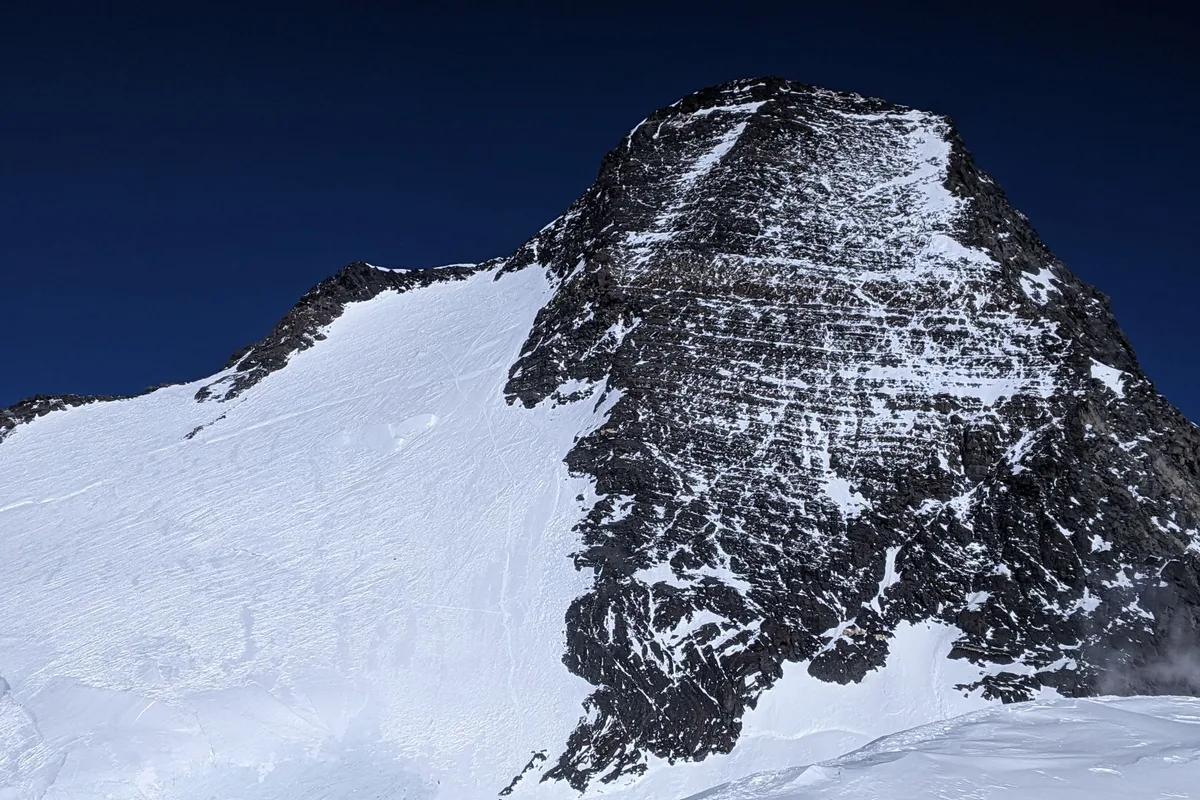
1933 Soviet Tajik-Pamir Expedition: Evgeny Abalakov Solo Summit of Peak Communism
On September 3, 1933, master Soviet climber and sculptor Evgeny Abalakov achieved the legendary solo first ascent of Peak Communism (7,495 m, now Ismoil Somoni Peak), establishing the national climbing record of the Soviet Union in a ferocious sub-zero blizzard.
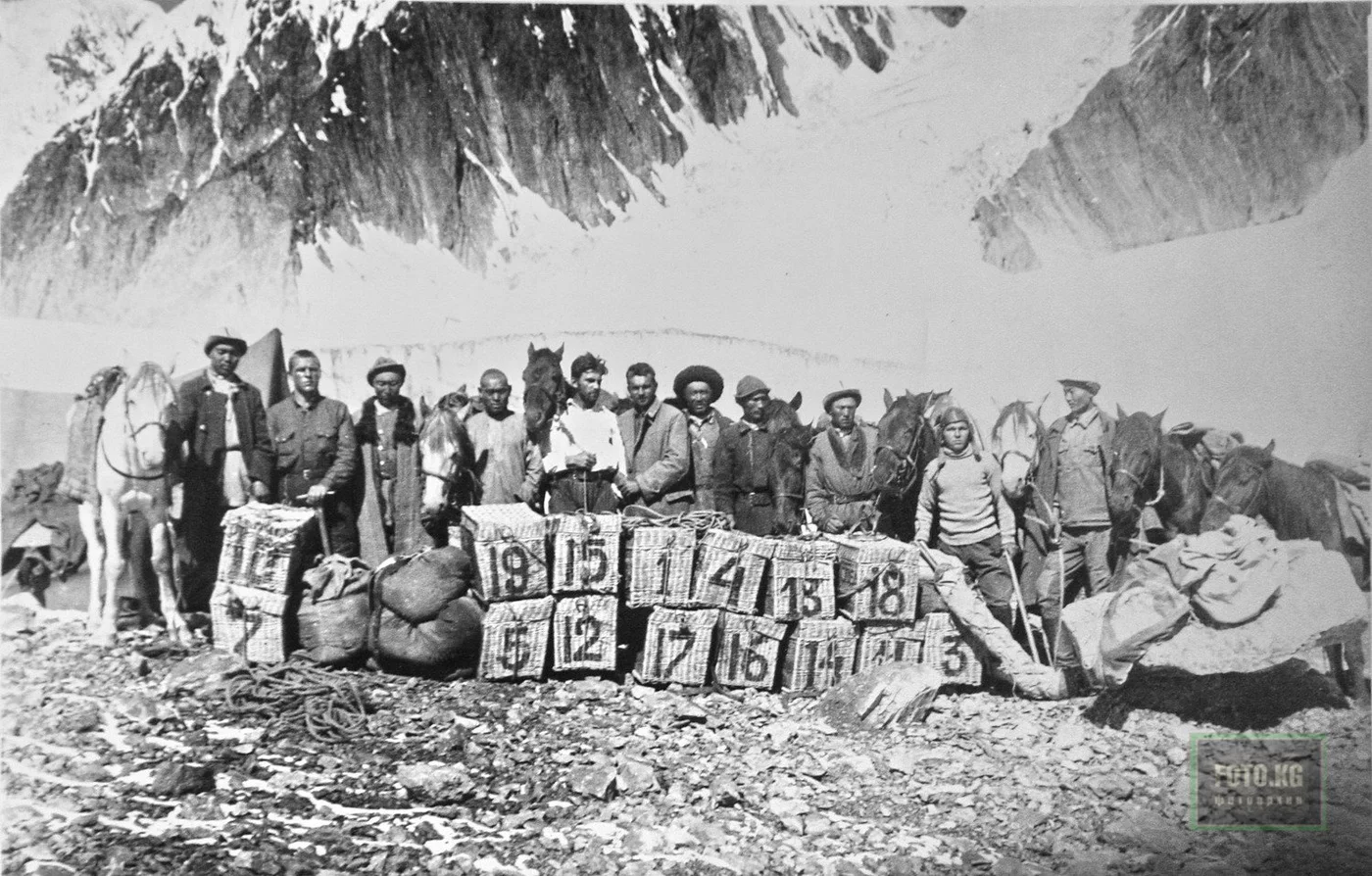
1936 Vitaly & Evgeny Abalakov Historic Khan Tengri Ascent & Survival Epic
In August 1936, legendary Siberian brothers Vitaly and Evgeny Abalakov led an assault up Khan Tengri (7,010 m), successfully summiting before battling through catastrophic sub-zero blizzards on a harrowing descent that became an epic of alpine courage.
Associated Chronicles & Stories (2)
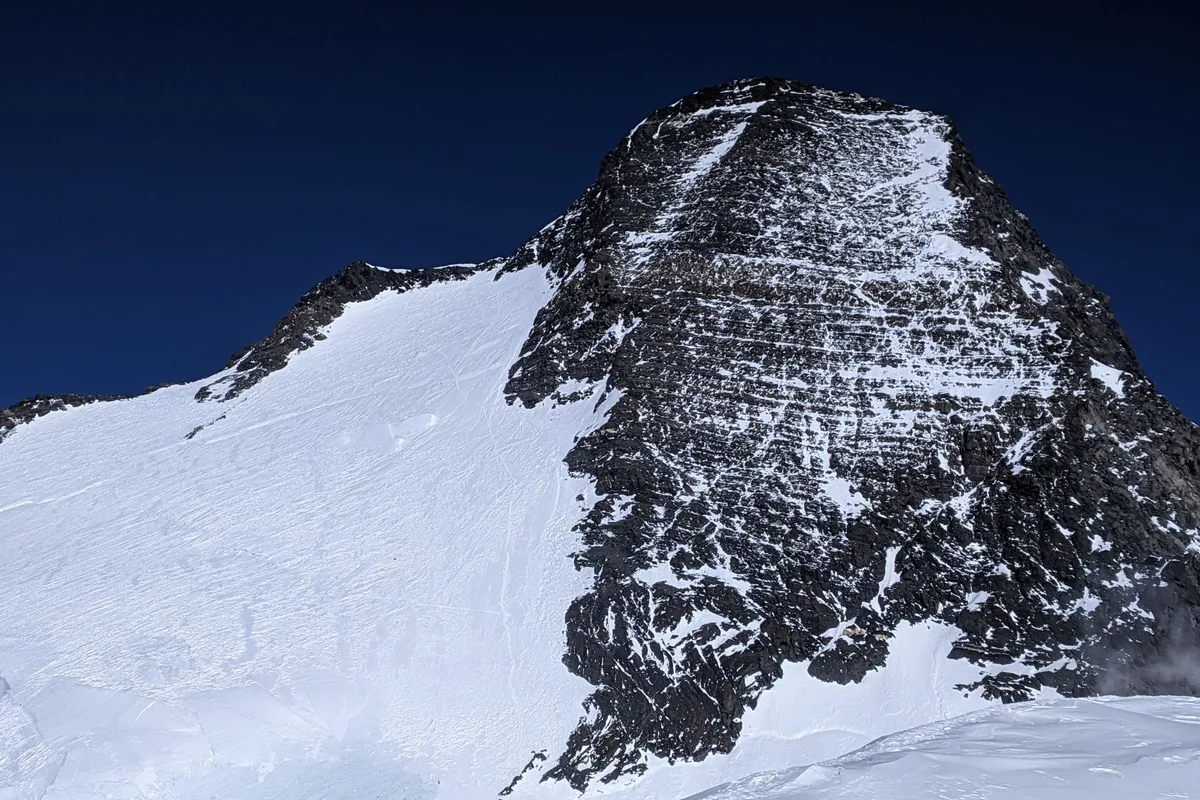
The Solitary Hero on the USSR's Summit: Evgeny Abalakov on Peak Communism, 1933
In the early 1930s, Soviet geographers were gripped by a profound mystery: what was the true supreme peak of the USSR? Initial surveys had misidentified Mount G...
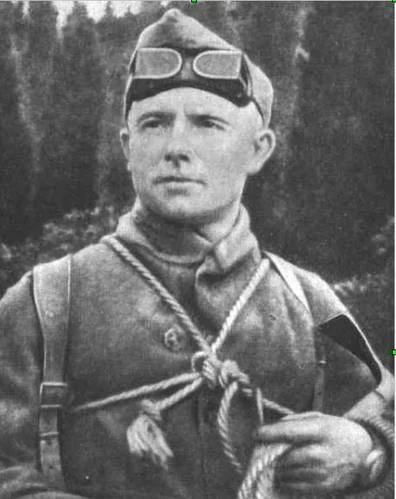
Brothers of Iron: Vitaly & Evgeny Abalakov's 1936 Khan Tengri Ordeal
Siberian brothers Vitaly and Evgeny Abalakov conquer Khan Tengri in 1936 and endure a legendary high-altitude blizzard survival epic on the Inylchek Glacier.
Documented Sources & Archival Citations
- On the Highest Summits of the Soviet Union(Geografgiz, Moscow / Evgeny Abalakov)
Supporting claim: Primary autobiographical exploration chronicles and summit logs
Accessed/Documented: 1948 - Stalin's Mountaineers: The Abalakov Brothers(Tyrolia-Verlag / Cédric Gras)
Supporting claim: Historical analysis of the 1933 Peak Communism and 1936 Khan Tengri expeditions
Accessed/Documented: 2021