Ismoil Somoni Peak / Peak Communism
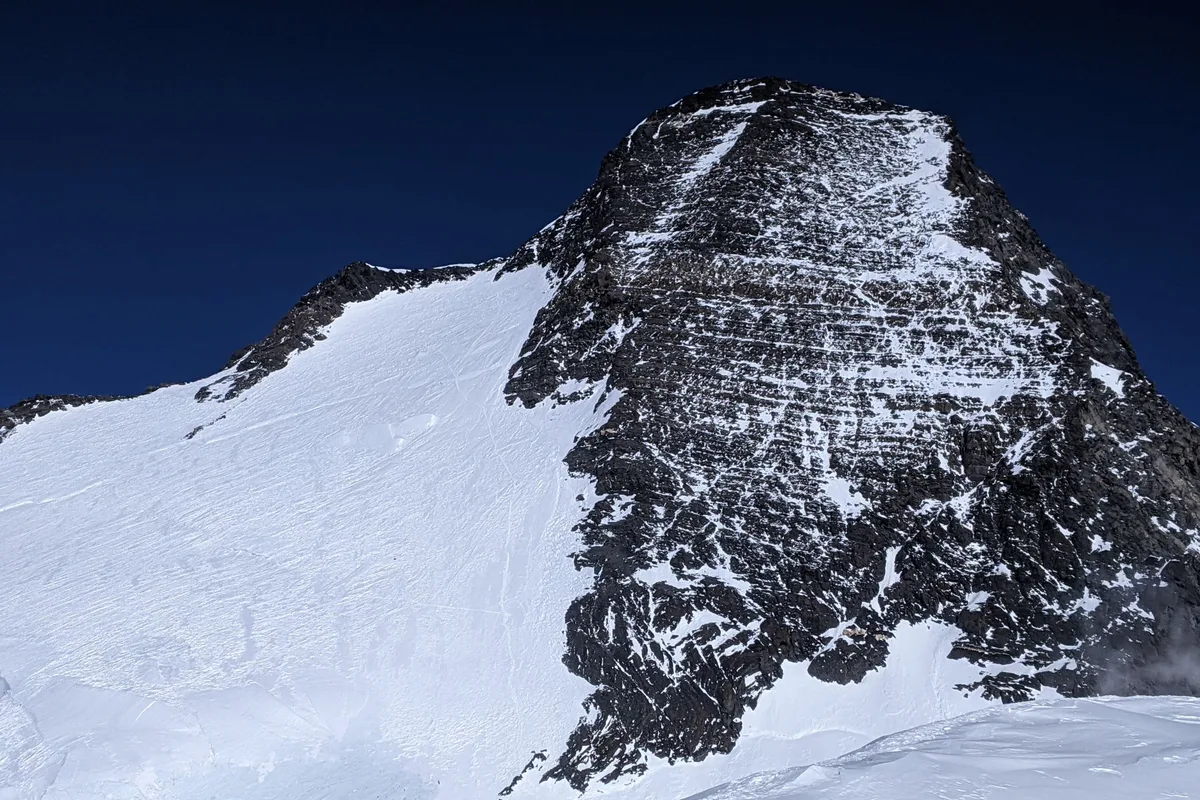
Ismoil Somoni Peak (formerly Peak Communism and Peak Stalin) is the highest mountain in Tajikistan, the supreme apex of the Pamir Mountains, and was the highest summit in the entire Soviet Union at 7,495 metres (24,590 ft).
 Tajikistan
Mountain Safety & Conditions Disclaimer: High-altitude climbing, glacial travel, and technical ascents entail severe objective risks including avalanches, serac collapses, rapid weather collapse, and altitude illness. Historical route descriptions and summit claims on Mountanity reflect documented archival sources and must not be used as live operational safety assessments. Local regulations, permits, and physical glacial topography change continuously.
Peer Review: Senior Editorial Board & Historical Reviewers • Editorial Standards
Geographical Setting & Topography
Academy of Sciences Range, Pamir Mountains, Gorno-Badakhshan, Tajikistan.
Historic First Ascent
Date: September 3, 1933
Ascent Team: Evgeny Abalakov (Solo Summit push, Tajik-Pamir Expedition)
Key Statistics & Topographic Figures
- Elevation
- 7,495 m (24,590 ft)
- Prominence
- 3,402 m (Ultra-prominent)
- First Ascent
- September 3, 1933 by Evgeny Abalakov
- Classic Route
- Borodkin Pillar & Pamir Plateau (Grade 5A)
- Snow Leopard Status
- Highest of the five Snow Leopard peaks
Archival Primary Source Quotations
“Peak Communism is the supreme throne of the Roof of the World, ruling over endless valleys of moving ice.”
Defined Alpine Terminology & Concepts
- Academy of Sciences Range
- The highest mountain range in the Pamirs, running north-south in western Tajikistan.
- Snow Leopard Award
- The highest Soviet mountaineering honor for climbing all five 7,000-metre peaks of the USSR, crowned by Ismoil Somoni Peak.
Ismoil Somoni Peak / Peak Communism Mountain Weather Forecast
Detailed 14-Day Summit Window & Weather Timeline
Explore day-by-day summit push safety windows, wind shear analysis, and extended multi-day forecasts for Ismoil Somoni Peak / Peak Communism.
Explore Ismoil Somoni Peak / Peak Communism (7,495 m) in Interactive 3D
Inspect steep glacial walls, hanging seracs, ridge approaches, and elevation relief with 360° rotation and terrain tilt in WebGL.
Documented Climbing Routes (1)
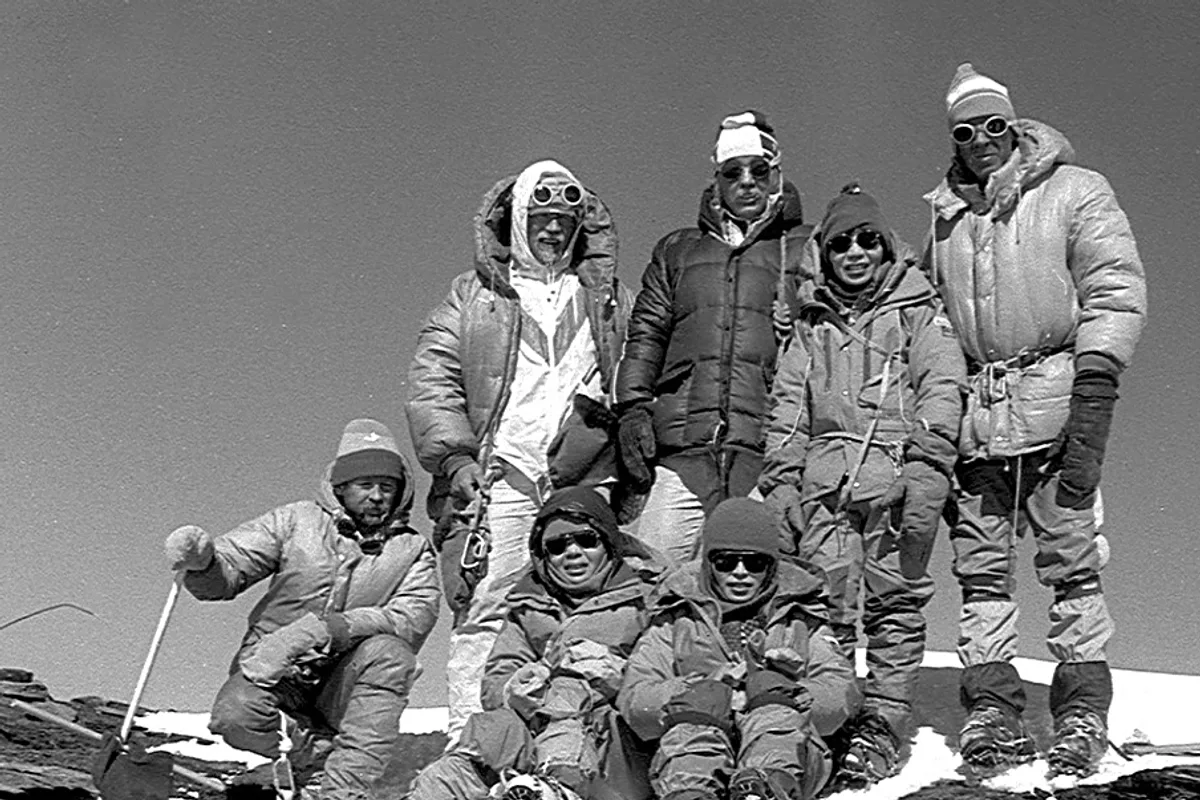
Ismoil Somoni Borodkin Pillar & Pamir Plateau Route
The Borodkin Pillar is the classic and most aesthetically renowned route up Ismoil Somoni Peak (7,495 m). Initiated from Moskvina Base Camp across the Walter Glacier, the route scales the steep rocky and mixed Borodkin Pillar to gain the immense Pamir Plateau of Pravda at 6,000 metres, traverses under Peak Dushanbe (6,950 m), and pushes up the final exposed summit crest to 7,495 metres.
Historical Expeditions (2)
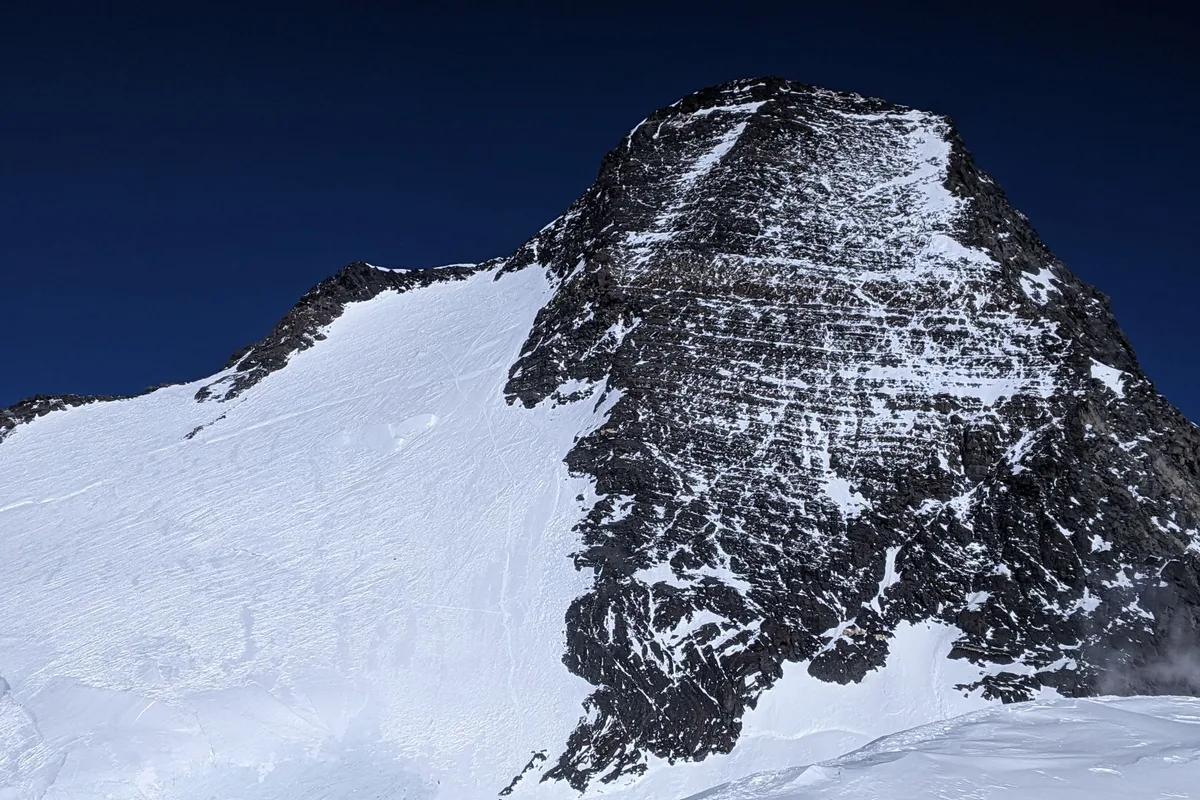
1933 Soviet Tajik-Pamir Expedition: Evgeny Abalakov Solo Summit of Peak Communism
On September 3, 1933, master Soviet climber and sculptor Evgeny Abalakov achieved the legendary solo first ascent of Peak Communism (7,495 m, now Ismoil Somoni Peak), establishing the national climbing record of the Soviet Union in a ferocious sub-zero blizzard.
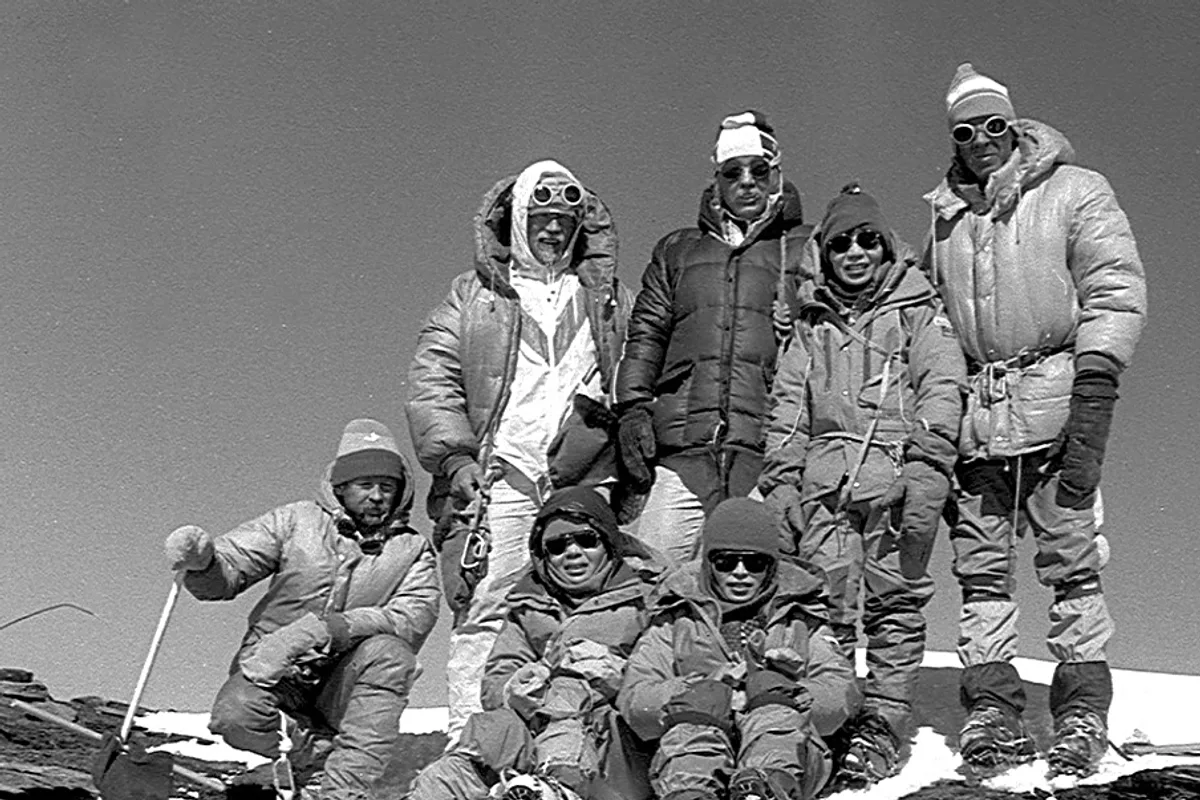
1968 Valentin Borodkin Expedition: Opening the Borodkin Pillar on Peak Communism
In August 1968, Soviet climber Valentin Borodkin pioneered the legendary Borodkin Pillar route up the North Face of Ismoil Somoni Peak (7,495 m), unlocking direct access to the Pamir Plateau of Pravda and establishing the modern standard route.
Summit Chronicles & Stories (2)
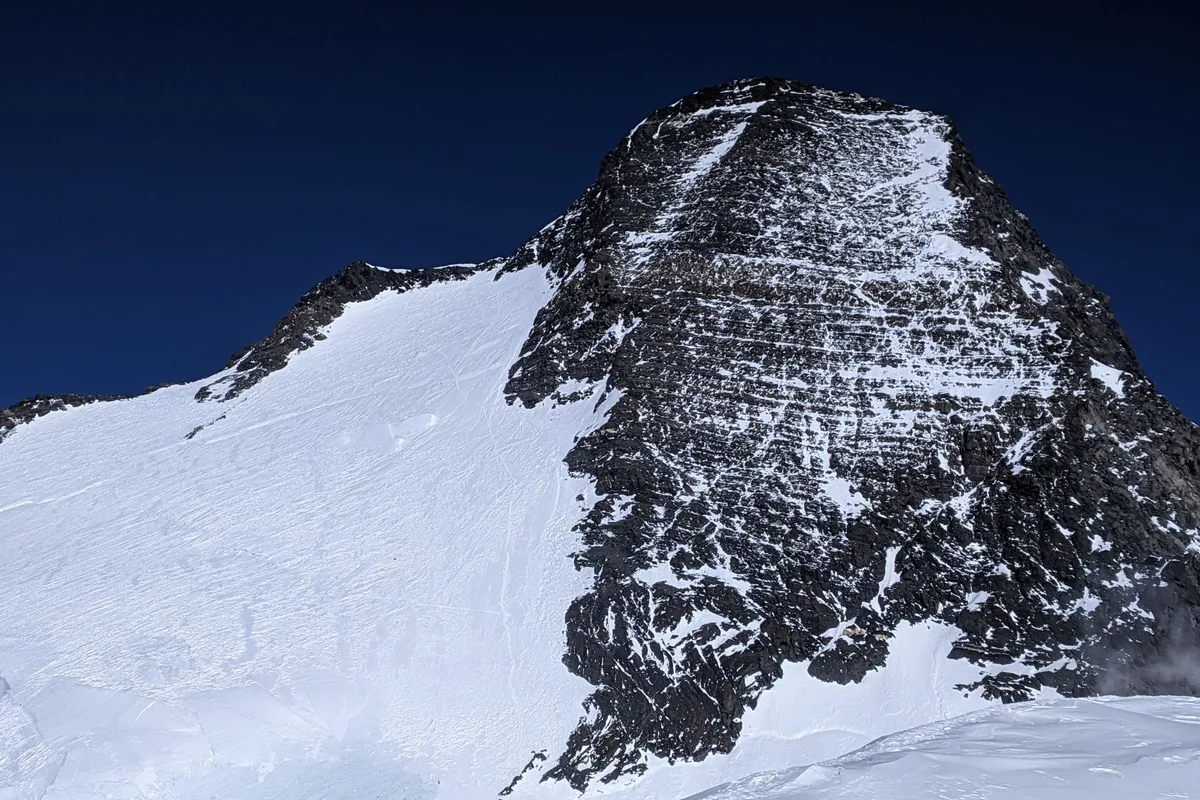
The Solitary Hero on the USSR's Summit: Evgeny Abalakov on Peak Communism, 1933
In the early 1930s, Soviet geographers were gripped by a profound mystery: what was the true supreme peak of the USSR? Initial surveys had misidentified Mount G...
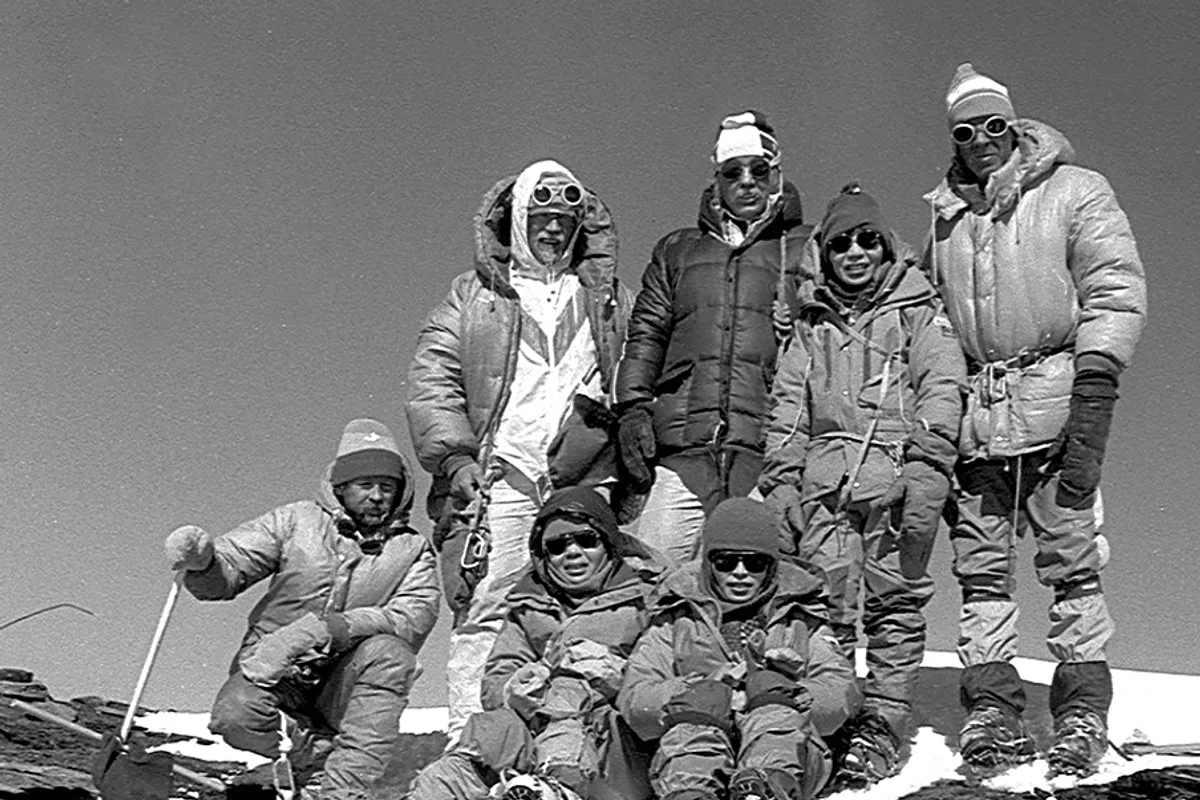
Scaling the Borodkin Pillar: The Route that Unlocked the Pamir Plateau, 1968
The colossal North Face of Ismoil Somoni Peak rises over 3,000 vertical metres above the Walter Glacier, guarded by the immense, sub-polar snow plateau known as...
Frequently Asked Questions: Ismoil Somoni Peak / Peak Communism
What is Ismoil Somoni Peak and how tall is it?
Ismoil Somoni Peak (formerly Peak Communism and Peak Stalin) is the highest mountain in Tajikistan and the Pamirs at 7,495 metres (24,590 ft).
Where is Ismoil Somoni Peak located?
Ismoil Somoni Peak is located in the Academy of Sciences Range in the Gorno-Badakhshan Autonomous Region of Tajikistan.
What was the previous name of Ismoil Somoni Peak?
The peak was named Peak Stalin from 1932 to 1962, Peak Communism from 1962 to 1998, and renamed Ismoil Somoni Peak in 1998 in honour of the founder of the Samanid dynasty.
Documented Sources & Archival Citations
- The Tajik-Pamir Expedition of 1933(Academy of Sciences of the USSR / Nikolai Gorbunov)
Supporting claim: Primary official documentation of the maiden ascent of Peak Communism by Evgeny Abalakov
Accessed/Documented: 1934