Scaling the Borodkin Pillar: The Route that Unlocked the Pamir Plateau, 1968
The colossal North Face of Ismoil Somoni Peak rises over 3,000 vertical metres above the Walter Glacier, guarded by the immense, sub-polar snow plateau known as...
Mountain Safety & Conditions Disclaimer: High-altitude climbing, glacial travel, and technical ascents entail severe objective risks including avalanches, serac collapses, rapid weather collapse, and altitude illness. Historical route descriptions and summit claims on Mountanity reflect documented archival sources and must not be used as live operational safety assessments. Local regulations, permits, and physical glacial topography change continuously.
Peer Review: Senior Editorial Board & Historical Reviewers • Editorial Standards
The colossal North Face of Ismoil Somoni Peak rises over 3,000 vertical metres above the Walter Glacier, guarded by the immense, sub-polar snow plateau known as the Pamir Plateau of Pravda. For decades, accessing this plateau required running the gauntlet of terrifying serac avalanches from the Fortambek Glacier.
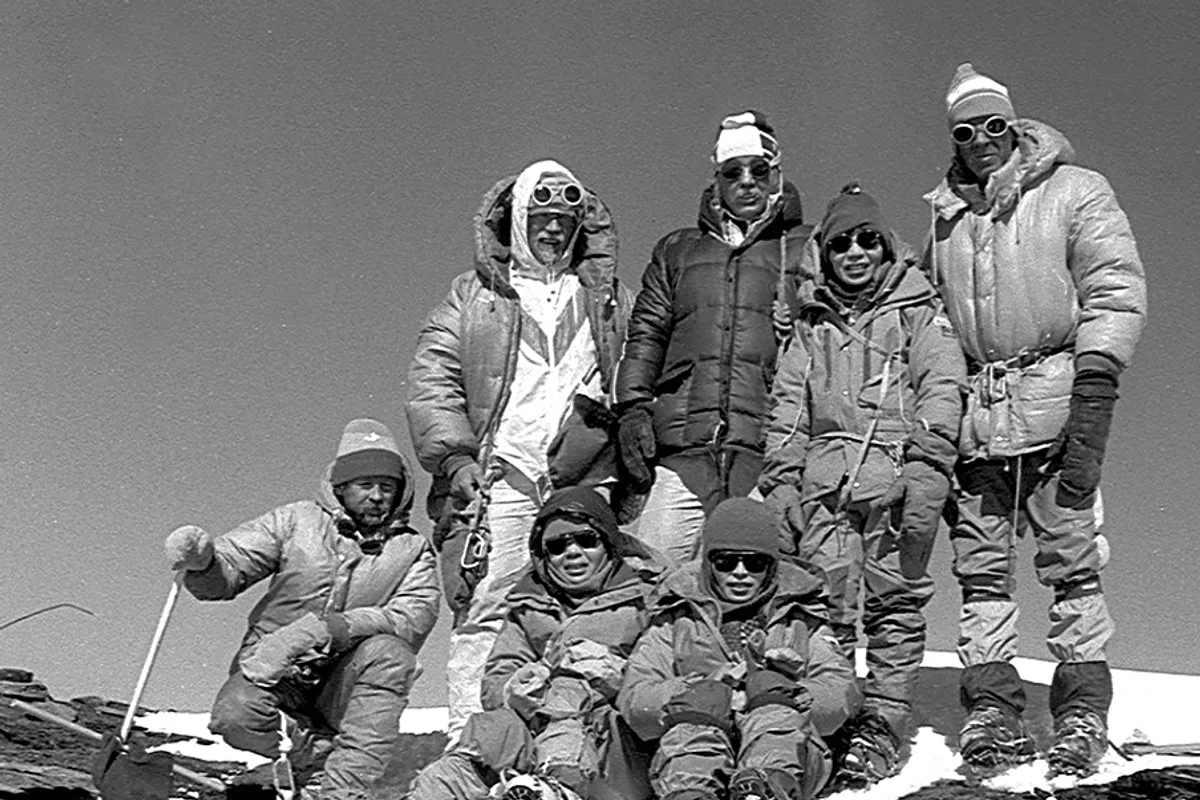
In July 1968, Valentin Borodkin led an elite team of Soviet climbers to find a direct, rock-buttressed line that bypassed the deadly avalanche chutes. Tackling steep granite pillars and hard water ice between 5,200 and 5,800 metres, Borodkin engineered what would become known as the Borodkin Pillar.
By surmounting the pillar and gaining the edge of the plateau, Borodkin created the classic and most popular highway to the 7,495-metre summit. Today, the Borodkin Route remains the definitive pathway walked by generations of Snow Leopard aspirants pursuing the highest point of Central Asia.
Key Statistics & Topographic Figures
- Category
- Pamir Pioneers
Archival Subject
- Reading Time
- 17 min read
Narrative Length
- Key Mountain
- ismoil-somoni-peak
Objective
- Ascent Route
- ismoil-somoni-borodkin-pillar
Topography
- Verification
- Editorially Verified
Archival Standard
Archival Primary Source Quotations
“In the mountains, truth is etched in ice and granite; every step requires unwavering respect for the heights.”
Defined Alpine Terminology & Concepts
- Summit Push
- The final continuous climbing effort from the highest established camp to the mountain apex and back.
- Death Zone Chronicle
- A verified, research-backed historical narrative documenting the human, technical, and environmental realities of an alpine expedition.
Frequently Asked Questions: Scaling the Borodkin Pillar: The Route that Unlocked the Pamir Plateau, 1968
What is the core chronicle and subject of "Scaling the Borodkin Pillar: The Route that Unlocked the Pamir Plateau, 1968"?
The colossal North Face of Ismoil Somoni Peak rises over 3,000 vertical metres above the Walter Glacier, guarded by the immense, sub-polar snow plateau known as...
Which mountain peaks and routes are featured in "Scaling the Borodkin Pillar: The Route that Unlocked the Pamir Plateau, 1968"?
This narrative documents climbs on ismoil-somoni-peak along the ismoil-somoni-borodkin-pillar in Tajikistan.
Which documented expedition is chronicled in this story?
This historical chronicle captures the events of the 1968-borodkin-peak-communism-pillar-route, verified through contemporary journals and archival records.
Who authored and researched this archival chronicle?
Authored and researched by Evgeny Timashev, drawing on primary eyewitness testimonies, alpine club registries, and verified summit logs.
What makes this high-altitude chronicle historically significant?
Categorized under "Pamir Pioneers", this chronicle preserves critical lessons in alpine leadership, survival, tactical speed, and human endurance in the death zone.
Related Mountains
Ismoil Somoni Peak / Peak Communism
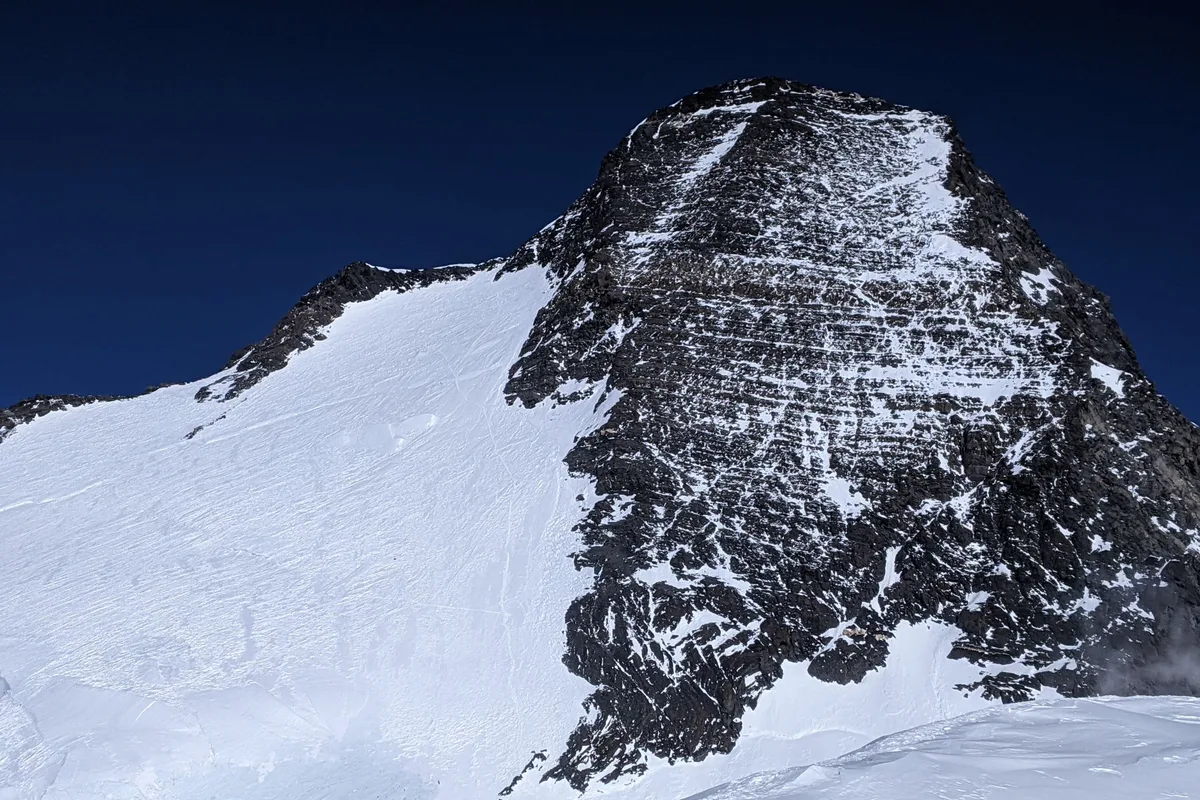
Ismoil Somoni Peak (formerly Peak Communism and Peak Stalin) is the highest mountain in Tajikistan, the supreme apex of the Pamir Mountains, and was the highest summit in the entire Soviet Union at 7,495 metres (24,590 ft). Rising dramatically above the Fortambek and Walter glaciers in the Academy of Sciences Range, the mountain features colossal vertical relief, massive avalanche chutes, and the sprawling Pamir Plateau of Pravda perched at over 6,000 metres. Conquered in a legendary solo ascent in 1933 by Evgeny Abalakov, it remains the crowning challenge of the Snow Leopard award.
Documented Sources & Archival Citations
- Routes of the Pamirs and Tien Shan(Soviet Mountaineering Federation)
Supporting claim: First ascent documentation of the Borodkin Pillar on Peak Communism
Accessed/Documented: 2026