1968 Valentin Borodkin Expedition: Opening the Borodkin Pillar on Peak Communism
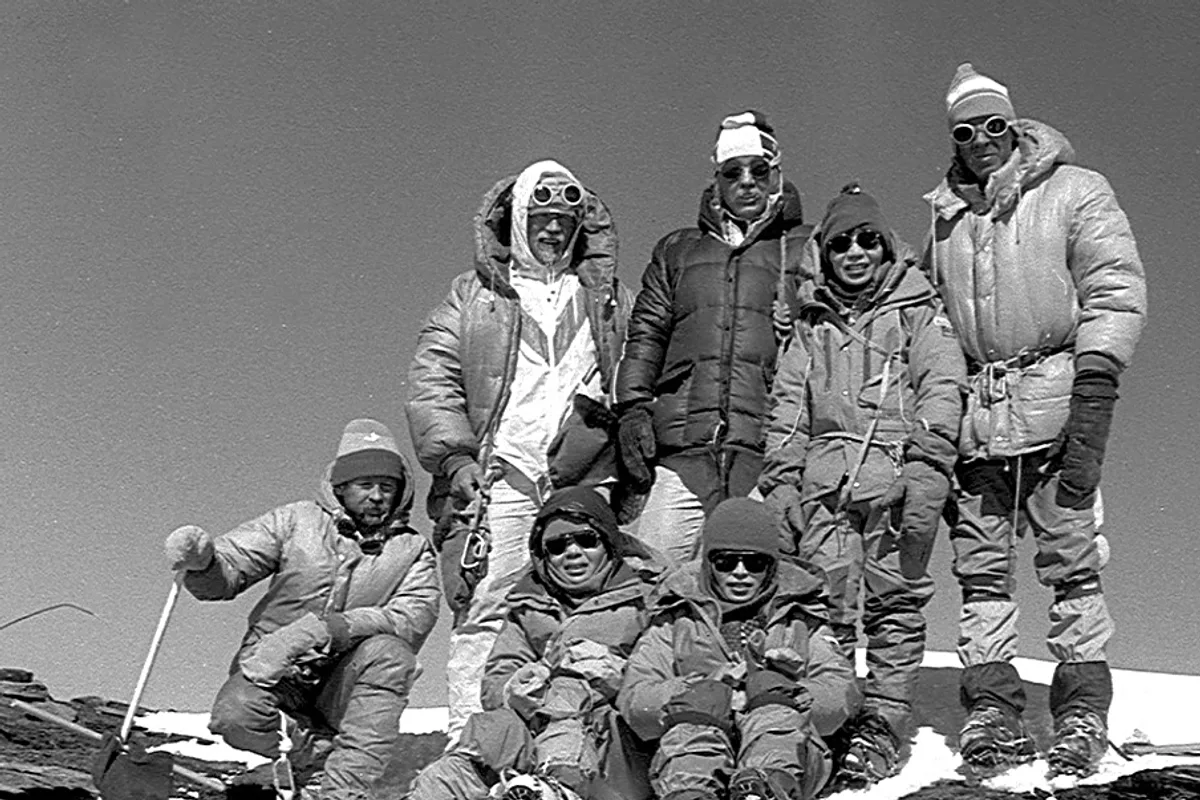
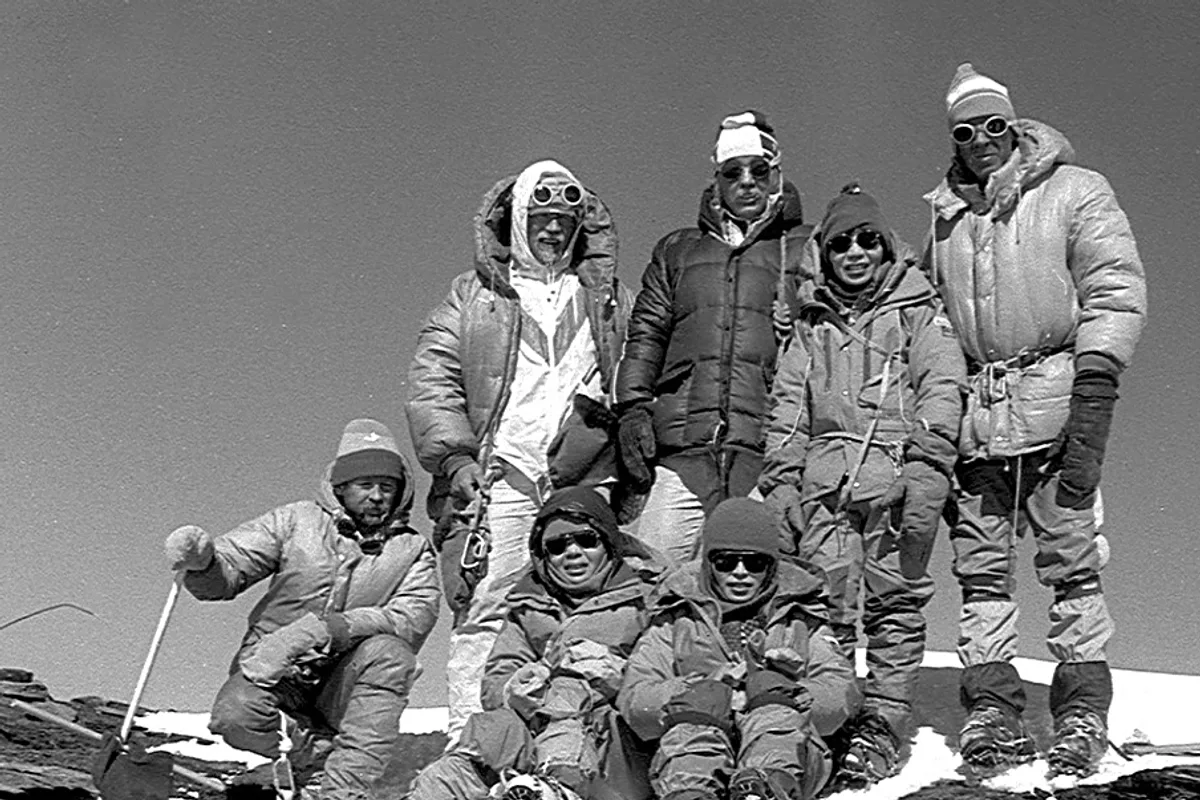
In August 1968, Soviet climber Valentin Borodkin pioneered the legendary Borodkin Pillar route up the North Face of Ismoil Somoni Peak (7,495 m), unlocking direct access to the Pamir Plateau of Pravda and establishing the modern standard route.
Mountain Safety & Conditions Disclaimer: High-altitude climbing, glacial travel, and technical ascents entail severe objective risks including avalanches, serac collapses, rapid weather collapse, and altitude illness. Historical route descriptions and summit claims on Mountanity reflect documented archival sources and must not be used as live operational safety assessments. Local regulations, permits, and physical glacial topography change continuously.
Peer Review: Senior Editorial Board & Historical Reviewers • Editorial Standards
Official Expedition Narrative & Archival Record
The colossal North Face of Ismoil Somoni Peak rises over 3,000 vertical metres above the Walter Glacier, guarded by the immense, sub-polar snow plateau known as the Pamir Plateau of Pravda. For decades, accessing this plateau required running the gauntlet of terrifying serac avalanches from the Fortambek Glacier. In July 1968, Valentin Borodkin led an elite team of Soviet climbers to find a direct, rock-buttressed line that bypassed the deadly avalanche chutes. Tackling steep granite pillars and hard water ice between 5,200 and 5,800 metres, Borodkin engineered what would become known as the Borodkin Pillar. By surmounting the pillar and gaining the edge of the plateau, Borodkin created the classic and most popular highway to the 7,495-metre summit. Today, the Borodkin Route remains the definitive pathway walked by generations of Snow Leopard aspirants pursuing the highest point of Central Asia.
Documented Team Composition
- Valentin Borodkin (Expedition Leader & Lead Climber, USSR)
- L. Kruchinin (High Climber, USSR)
- V. Makarov (High Climber, USSR)
- B. Studenkin (High Climber, USSR)
- Spartak Alpine Club Team Members
Key Statistics & Topographic Figures
- Summit Elevation
- 7,495 metres
- Pioneered Year
- 1968
- Expedition Leader
- Valentin Borodkin
- Route Difficulty
- Russian 5A / Alpine IV
- Plateau Elevation
- Pamir Plateau of Pravda (6,000 m)
Archival Primary Source Quotations
“Gaining the edge of the plateau off the Borodkin Pillar opened an entirely new highway to the summit of the USSR.”
Defined Alpine Terminology & Concepts
- Pamir Plateau of Pravda
- The highest and most expansive snow plateau in the Pamir Mountains, perched between 6,000 and 6,200 metres.
- Peak Dushanbe
- A 6,950-metre subsidiary summit along the high traverse between the Pamir Plateau and the main summit of Ismoil Somoni Peak.
Frequently Asked Questions: 1968 Valentin Borodkin Expedition: Opening the Borodkin Pillar on Peak Communism
What is the Borodkin Pillar on Peak Communism?
The Borodkin Pillar is a steep rock and mixed buttress on the North Face of Ismoil Somoni Peak, pioneered in 1968 by Valentin Borodkin.
Why is the Borodkin route the most popular route on Ismoil Somoni Peak?
The Borodkin Pillar bypasses deadly avalanche couloirs and leads directly to the vast Pamir Plateau of Pravda at 6,000 metres.
What is the Pamir Plateau of Pravda?
The Pamir Plateau of Pravda is a colossal high-altitude snow plateau over 3 kilometres wide situated at 6,000 to 6,200 metres beneath Peak Communism's summit.
Ascent Route & Topography
Ismoil Somoni Borodkin Pillar & Pamir Plateau Route
The Borodkin Pillar is the classic and most aesthetically renowned route up Ismoil Somoni Peak (7,495 m). Initiated from Moskvina Base Camp across the Walter Glacier, the route scales the steep rocky and mixed Borodkin Pillar to gain the immense Pamir Plateau of Pravda at 6,000 metres, traverses under Peak Dushanbe (6,950 m), and pushes up the final exposed summit crest to 7,495 metres.
Target Objective Peak
Ismoil Somoni Peak / Peak Communism
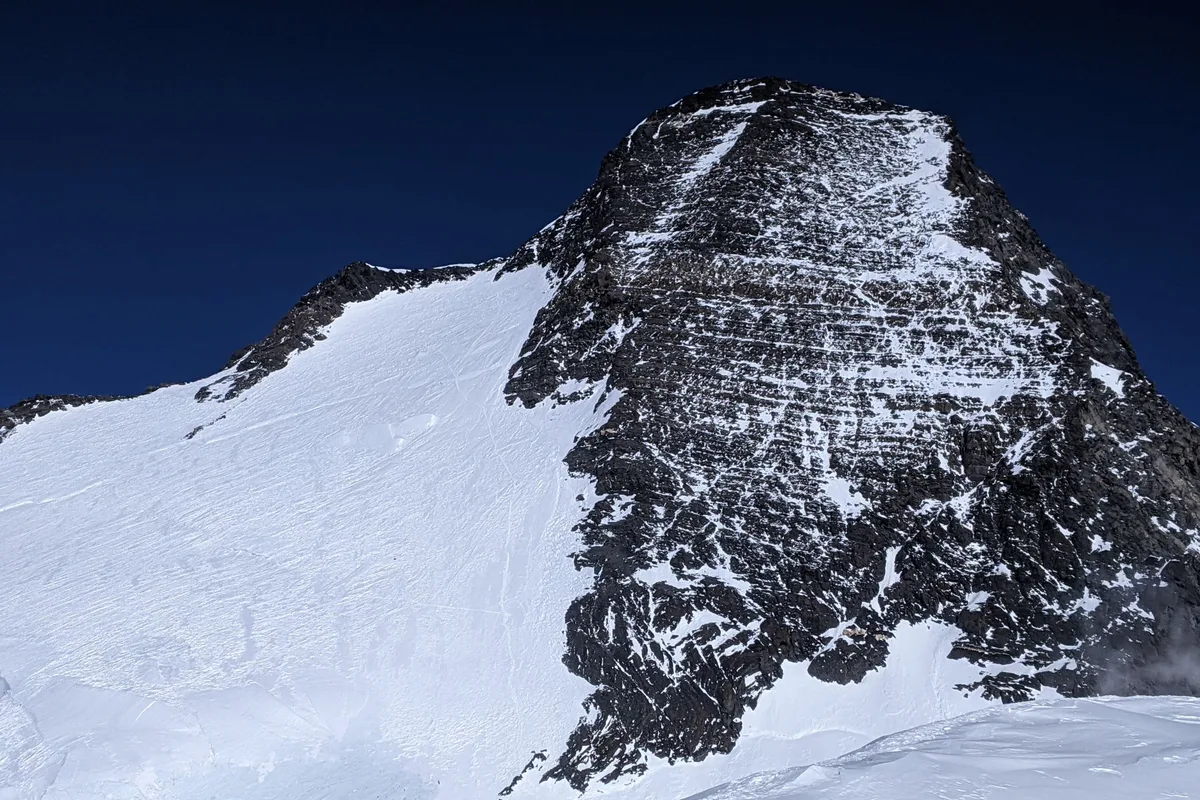
Ismoil Somoni Peak (formerly Peak Communism and Peak Stalin) is the highest mountain in Tajikistan, the supreme apex of the Pamir Mountains, and was the highest summit in the entire Soviet Union at 7,495 metres (24,590 ft). Rising dramatically above the Fortambek and Walter glaciers in the Academy of Sciences Range, the mountain features colossal vertical relief, massive avalanche chutes, and the sprawling Pamir Plateau of Pravda perched at over 6,000 metres. Conquered in a legendary solo ascent in 1933 by Evgeny Abalakov, it remains the crowning challenge of the Snow Leopard award.
Featured Expedition Climber
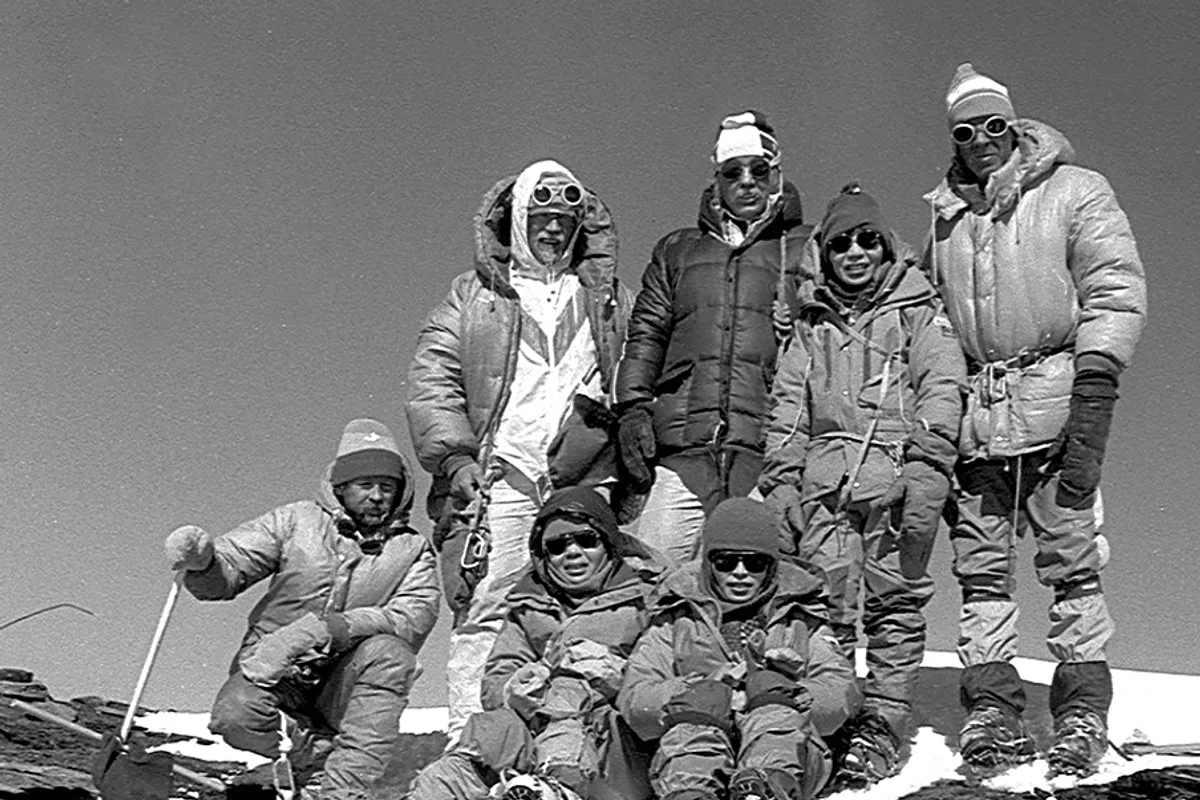
Evgeny Timashev
Evgeny Evgenyevich Timashev (1909–1969) was one of the foremost tacticians of Soviet high-altitude mountaineering during the post-war era. Serving as an instructor and elite leader in the Soviet trade union alpine clubs (VTsSPS), Timashev was renowned for his methodical expedition planning, emphasis on acclimatization, and exceptional alpine discipline. In 1953, Timashev organized and led a large, highly disciplined expedition targeting Peak Korzhenevskaya, which had repelled multiple earlier reconnaissance attempts. Overcoming treacherous serac falls on the Korzhenevskaya Glacier and scaling the steep ice flanks of the Northern Ridge, Timashev and his team reached the 7,105-metre summit on August 22, 1953, completing the first ascent of one of Central Asia's most majestic 7,000-metre giants.
Associated Historical Chronicles & Stories
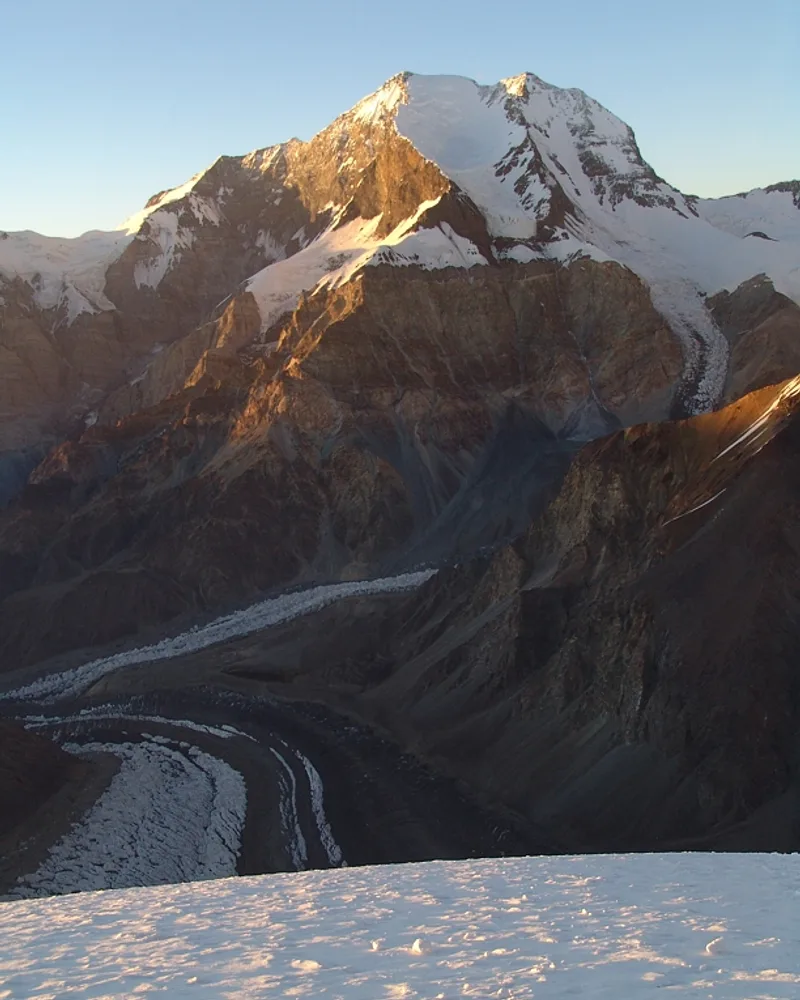
Scaling the Borodkin Pillar: The Route that Unlocked the Pamir Plateau, 1968
The colossal North Face of Ismoil Somoni Peak rises over 3,000 vertical metres above the Walter Glacier, guarded by the immense, sub-polar snow plateau known as...
Documented Sources & Archival Citations
- Routes of the Pamirs and Tien Shan(Soviet Mountaineering Federation)
Supporting claim: First ascent documentation of the Borodkin Pillar line on Peak Communism
Accessed/Documented: 2026