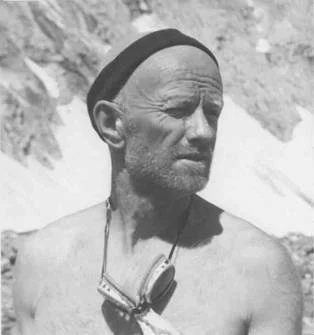
Vitaly Abalakov
Vitaly Mikhaylovich Abalakov was a legendary Soviet mountaineer, inventor, and Honoured Master of Sports who led the historic 1956 first ascent of Jengish Chokusu, known as Peak Pobeda. Renowned internationally for inventing the Abalakov V-thread ice anchor and camming devices, he revolutionized global ice climbing safety and technique.
Mountain Safety & Conditions Disclaimer: High-altitude climbing, glacial travel, and technical ascents entail severe objective risks including avalanches, serac collapses, rapid weather collapse, and altitude illness. Historical route descriptions and summit claims on Mountanity reflect documented archival sources and must not be used as live operational safety assessments. Local regulations, permits, and physical glacial topography change continuously.
Peer Review: Senior Editorial Board & Historical Reviewers • Editorial Standards
Biographical Record & Archival Chronicle
Vitaly Mikhaylovich Abalakov was born on January 13, 1906, in Krasnoyarsk, Siberia, Russian Empire. Raised near the towering granite spires of the Krasnoyarsk Stolby nature reserve, Vitaly and his younger brother Evgeny developed into formidable rock climbers from boyhood. Trained as a mechanical engineer at the Moscow Mendeleev Institute, Vitaly combined relentless athletic power with an extraordinary inventive mind.
In 1934, Vitaly led the first Soviet ascent of Peak Lenin (7,134 m) in the Pamirs. Two years later, in 1936, Vitaly and Evgeny conquered Khan Tengri (7,010 m). On the descent, trapped in a blizzard, the team endured horrific frostbite; Vitaly lost thirteen fingers and toes, as well as part of his foot. Defying doctors who insisted he would never climb again, Vitaly engineered custom prosthetics, orthopedic boots, and training apparatus, returning to the highest levels of Soviet mountaineering.
In 1956, at age 50, Vitaly led the triumphant Spartak expedition that achieved the maiden first ascent of Peak Pobeda (7,439 m), the most lethal and northernmost 7,000-metre peak in the world. Vitaly's greatest enduring contribution to global climbing was his invention of the Abalakov Thread (V-thread)—an anchor drilled through solid ice with a tubular screw and threaded with webbing—which remains the universal standard for ice abseiling worldwide. He died on May 26, 1986, universally recognized as a titan of world alpine history.
Notable Milestones & Ascents
- Led the historic first ascent of Jengish Chokusu / Peak Pobeda (7,439 m) on August 30, 1956
- Conquered Khan Tengri (7,010 m) in 1936 and survived an epic high-altitude blizzard
- Invented the Abalakov V-thread anchor, revolutionizing global ice climbing rappelling safety
- Pioneered early mechanical spring-loaded camming anchors and titanium carabiners in the 1960s
- Awarded the Order of Lenin, Order of the Badge of Honour, and Honoured Trainer of the USSR
Key Statistics & Topographic Figures
- Lifespan
- 1906 – 1986
- Nationality
- Soviet
- Key Ascents
- Khan Tengri (1936), Peak Pobeda (1956, First Ascent)
- Famous Inventions
- Abalakov V-thread ice anchor, camming devices, titanium ice screws
Archival Primary Source Quotations
“Safety in the mountains is not luck; it is meticulous technique, engineered gear, and unwavering comradeship.”
Defined Alpine Terminology & Concepts
- Abalakov Thread
- A technique using two angled holes drilled into glacial ice connecting at depth to form a secure anchor for rappelling.
Frequently Asked Questions: Vitaly Abalakov
What were Vitaly Abalakov's greatest achievements in mountaineering?
Vitaly Abalakov led the first ascent of Peak Pobeda (7,439 m) in 1956, climbed Khan Tengri in 1936, and invented the worldwide 'Abalakov V-thread' ice anchor.
How did Vitaly Abalakov continue climbing after severe frostbite on Khan Tengri?
Despite losing several fingers and parts of both feet to frostbite in 1936, Abalakov engineered custom crampons, prosthetics, and training regimes to lead elite expeditions for decades.
Associated Summits (2)
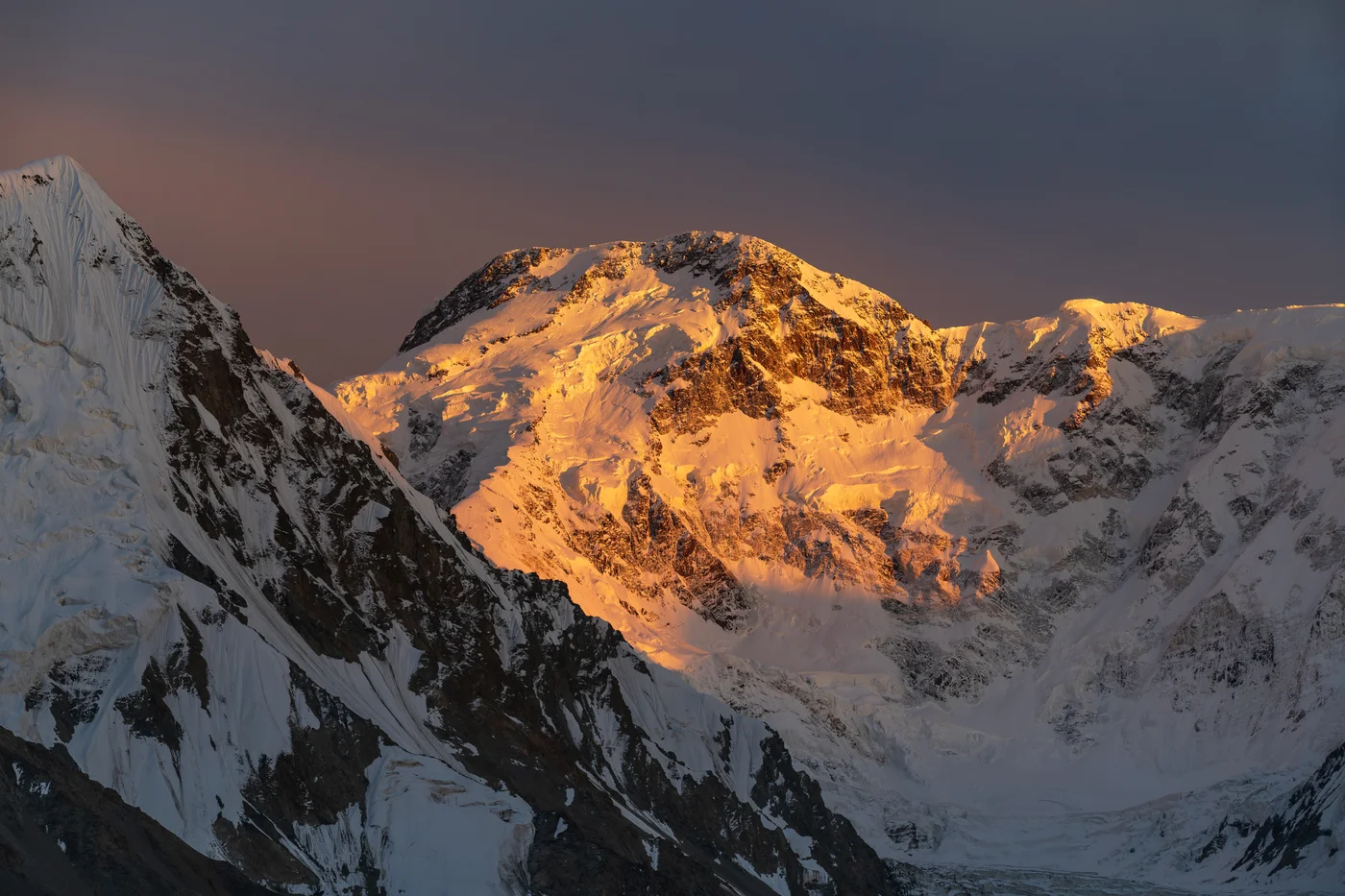


Jengish Chokusu / Peak Pobeda
Jengish Chokusu, historically renowned across the mountaineering world as Peak Pobeda ('Victory Peak'), is the supreme summit of the Tien Shan cordillera at 7,439 metres (24,406 ft) and the northernmost 7,000-metre peak on Earth. Rising along the formidable Kokshaal-Too range on the Kyrgyzstan-China border, Pobeda is notorious for catastrophic Arctic-like blizzards, sub-zero jet-stream gales, and massive hanging seracs that have claimed dozens of lives. The mountain was first conquered on August 30, 1956, by a legendary Soviet expedition led by Vitaly Abalakov via the harrowing North Ridge from the Zvyozdochka Glacier, marking one of the greatest high-altitude triumphs in Russian alpine history.
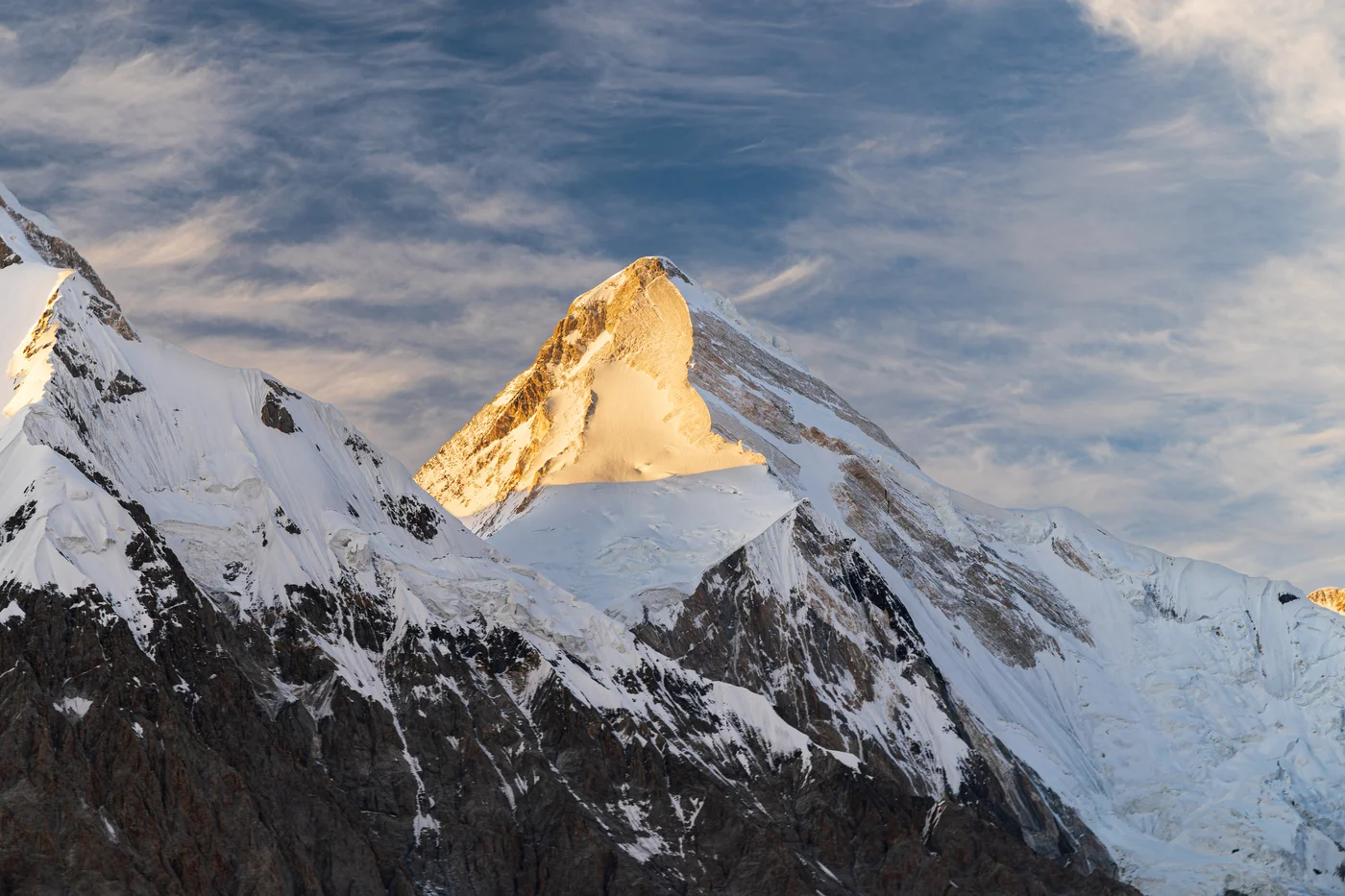

Khan Tengri / Lord of the Spirits
Khan Tengri is a breathtakingly symmetrical, marble-stratified pyramid rising to 7,010 metres (22,999 ft, including summit ice cap) in the Tengri-Tag range of the Central Tien Shan, straddling the borders of Kyrgyzstan, Kazakhstan, and China. Revered in ancient Tengrism as the sacred 'Lord of the Spirits' and famous for its fiery pink glow at sunset, the peak is one of the premier challenges of high-altitude mountaineering. First conquered on September 11, 1931, by a Ukrainian expedition led by Mikhail Pogrebetsky via the West Ridge, it was the scene of an epic survival climb in 1936 by the Abalakov brothers.
Pioneered & Associated Routes (2)
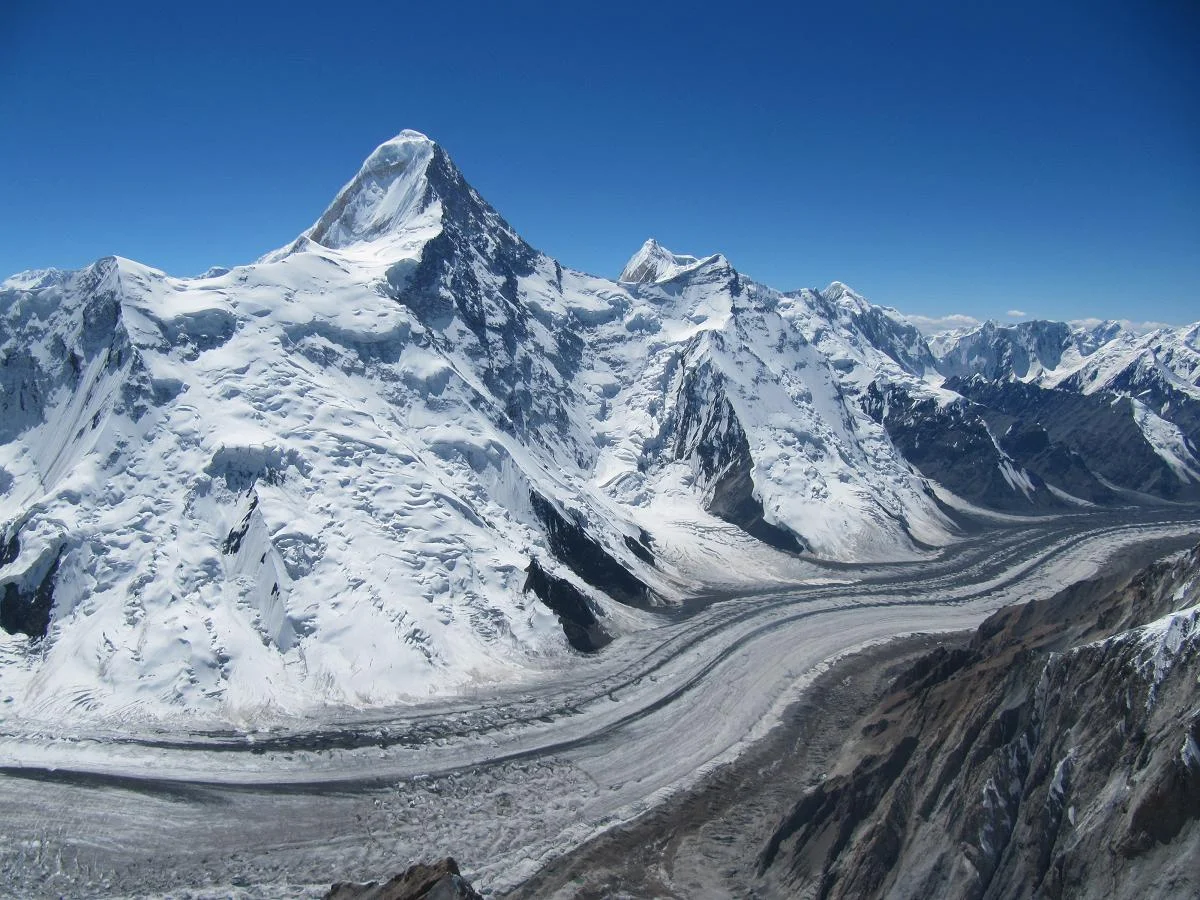
Khan Tengri West Ridge & Pogrebetsky Route
The West Ridge Pogrebetsky Route is the premier classic route on Khan Tengri (7,010 m), leading from the South Inylchek Glacier up the Semenovskiy Glacier to the West Col (Chakan-Tau, 5,900 m) and ascending the exposed western marble ridge. First climbed on September 11, 1931, by Mikhail Pogrebetsky, Boris Tyurin, and Franz-Josef Zauberer, the route involves sustained climbing on steep snow couloirs and technical marble rock bands above 6,700 metres. The route requires fixed-rope jumaring, rigorous acclimatization, and exceptional endurance against high-altitude hypothermia.
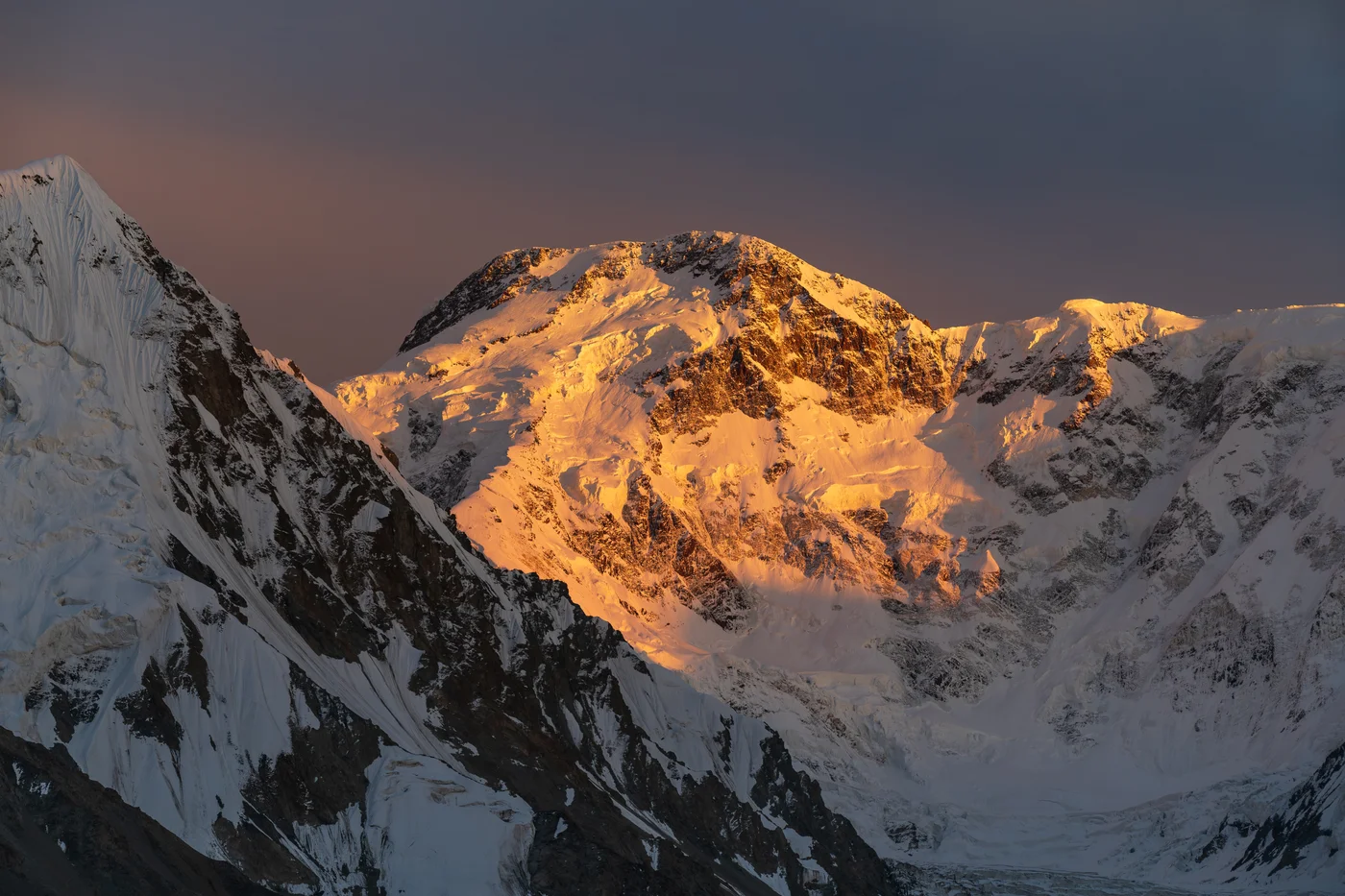
Peak Pobeda North Ridge & Abalakov Route
The North Ridge Abalakov Route on Jengish Chokusu / Peak Pobeda (7,439 m) is universally regarded as one of the most brutal and hazardous mountaineering endeavors on the planet. Originating from the Zvyozdochka Glacier, the route ascends the shattered icefalls of the North Ridge to gain the infamous Western Shoulder at 6,918 metres. From there, climbers must endure an exhausting, multi-day traverse along a knife-edge snow arête spanning several kilometres above 7,000 metres directly in the teeth of sub-zero Siberian winds before reaching the 7,439-metre summit crest. The descent requires complete self-reliance along the exposed ridge where rescue is virtually impossible.
Documented Expeditions (2)
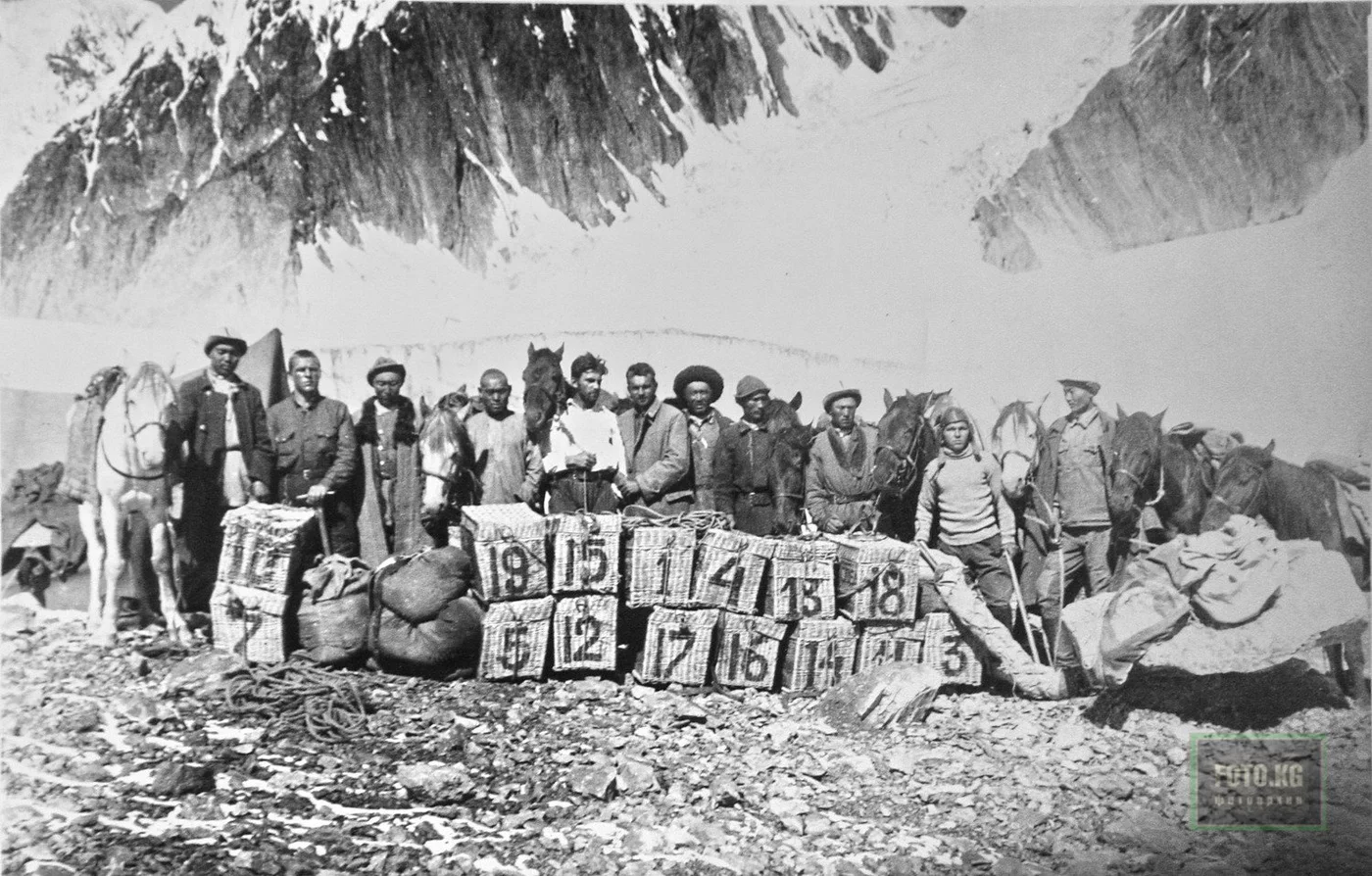
1936 Vitaly & Evgeny Abalakov Historic Khan Tengri Ascent & Survival Epic
In August 1936, legendary Siberian brothers Vitaly and Evgeny Abalakov led an assault up Khan Tengri (7,010 m), successfully summiting before battling through catastrophic sub-zero blizzards on a harrowing descent that became an epic of alpine courage.
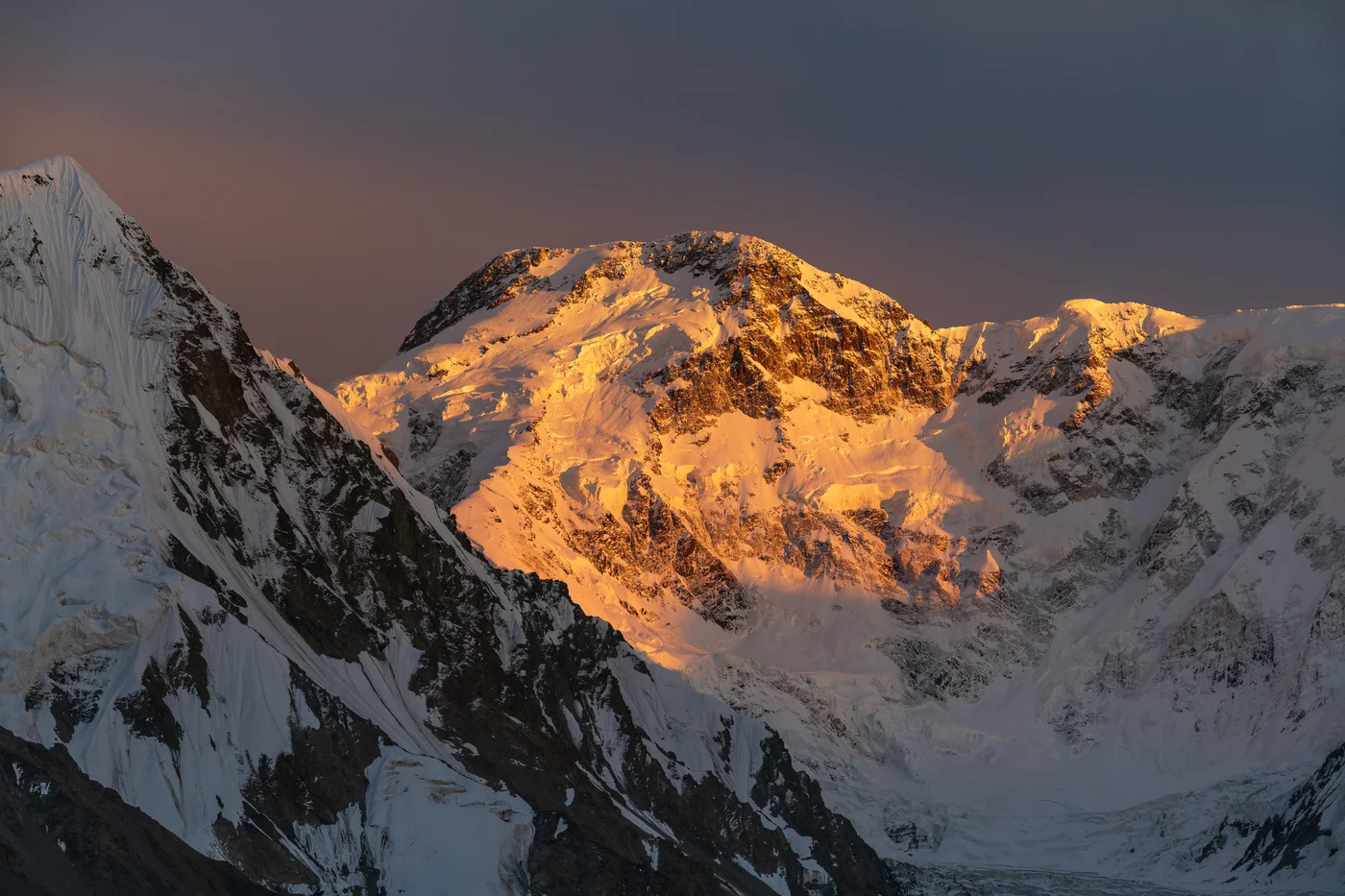
1956 Vitaly Abalakov Spartak Team Maiden First Ascent of Peak Pobeda
On August 30, 1956, a courageous 11-man Soviet Spartak expedition led by 50-year-old Vitaly Abalakov achieved the historic first ascent of Jengish Chokusu / Peak Pobeda (7,439 m), conquering the most lethal and northernmost 7,000-metre mountain on Earth via the treacherous North Ridge.
Associated Chronicles & Stories (2)
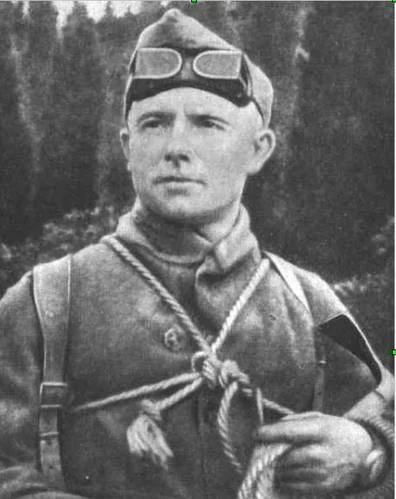
Brothers of Iron: Vitaly & Evgeny Abalakov's 1936 Khan Tengri Ordeal
Siberian brothers Vitaly and Evgeny Abalakov conquer Khan Tengri in 1936 and endure a legendary high-altitude blizzard survival epic on the Inylchek Glacier.
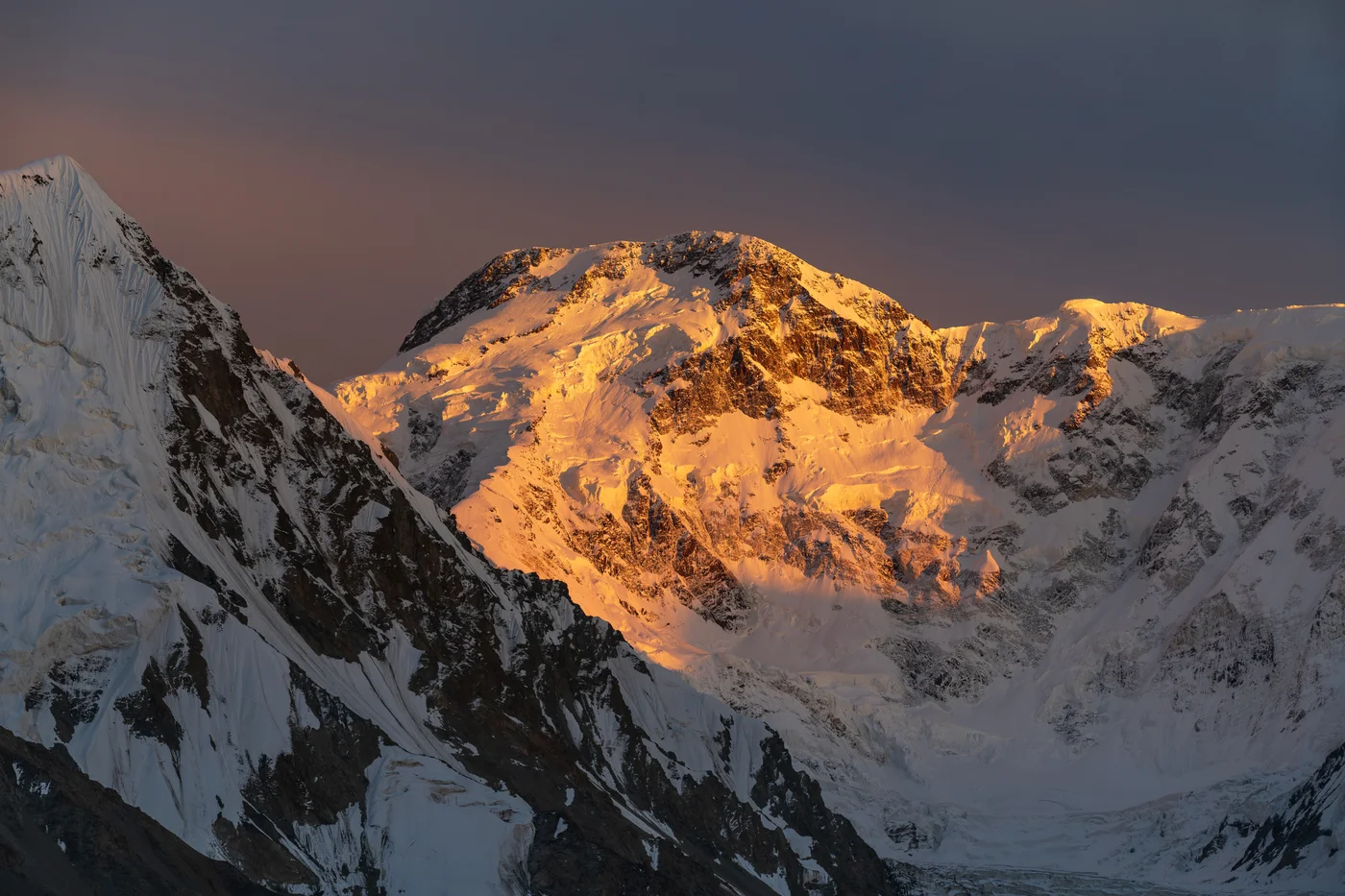
Triumph on the Victory Ridge: Vitaly Abalakov's 1956 Conquest of Peak Pobeda
At age 50, climbing with amputated toes and fingers, Vitaly Abalakov leads an 11-man team to conquer Peak Pobeda (7,439 m), the deadliest peak in the Tien Shan.
Documented Sources & Archival Citations
- Fundamentals of Mountaineering(Fizkultura i Sport, Moscow / Vitaly Abalakov)
Supporting claim: Primary technical textbook defining Soviet alpine tactics, equipment, and physics
Accessed/Documented: 1950 - Stalin's Mountaineers: The Abalakov Brothers(Tyrolia-Verlag / Cédric Gras)
Supporting claim: Documentary historical biography of Vitaly and Evgeny Abalakov
Accessed/Documented: 2021