Jengish Chokusu / Peak Pobeda
Jengish Chokusu, historically renowned across the mountaineering world as Peak Pobeda ('Victory Peak'), is the supreme summit of the Tien Shan cordillera at 7,439 metres (24,406 ft) and the northernmost 7,000-metre peak on Earth. Rising along the formidable Kokshaal-Too range on the Kyrgyzstan-China border, Pobeda is notorious for catastrophic Arctic-like blizzards, sub-zero jet-stream gales, and massive hanging seracs that have claimed dozens of lives.
 Kyrgyzstan,
 China
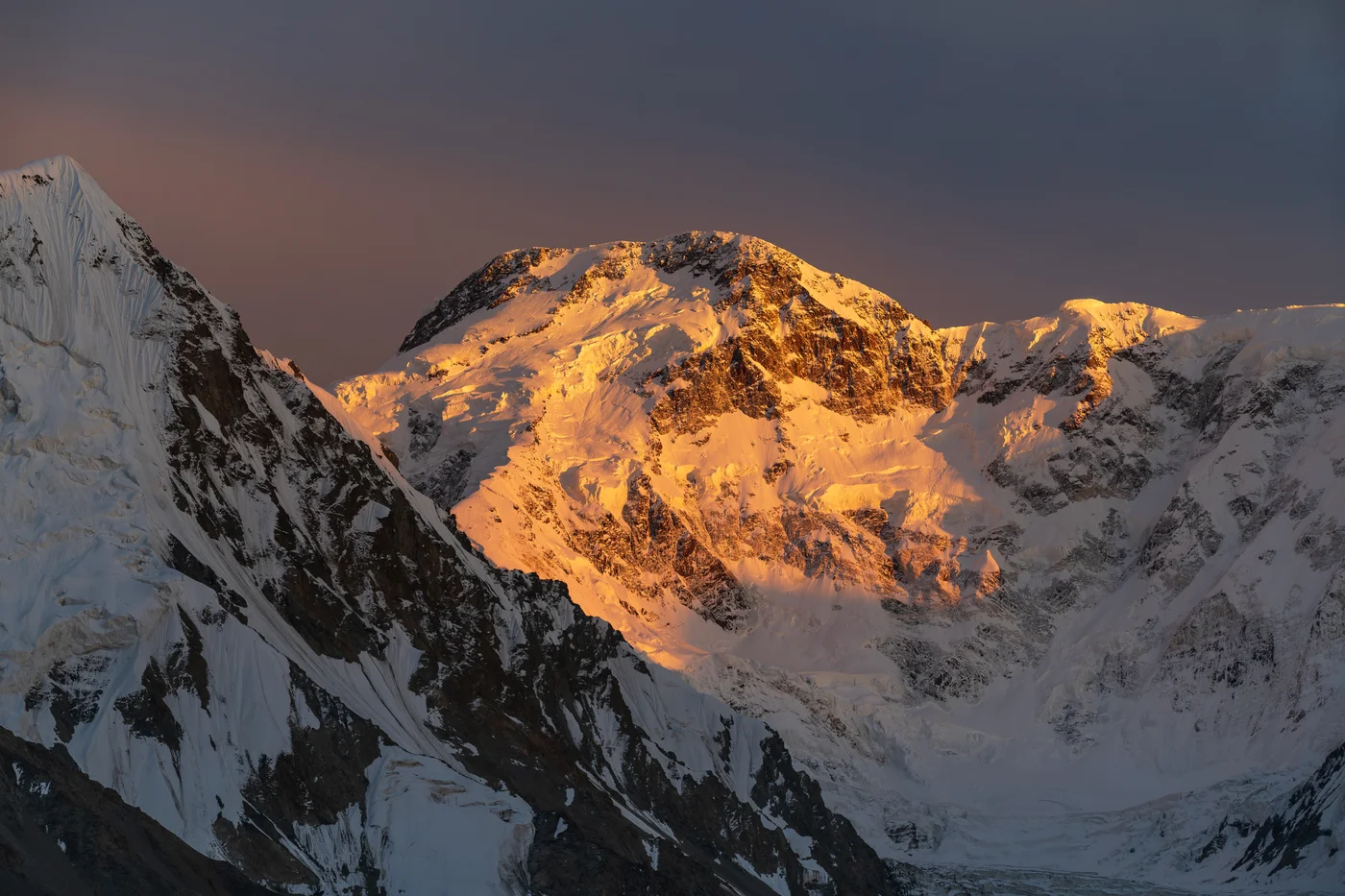
Mountain Safety & Conditions Disclaimer: High-altitude climbing, glacial travel, and technical ascents entail severe objective risks including avalanches, serac collapses, rapid weather collapse, and altitude illness. Historical route descriptions and summit claims on Mountanity reflect documented archival sources and must not be used as live operational safety assessments. Local regulations, permits, and physical glacial topography change continuously.
Peer Review: Senior Editorial Board & Historical Reviewers • Editorial Standards
Geographical Setting & Topography
Kokshaal-Too range, Central Tien Shan, border of Kyrgyzstan and Xinjiang, China.
Historic First Ascent
Date: August 30, 1956
Ascent Team: Vitaly Abalakov and the Spartak Soviet Mountaineering Team (11 climbers)
Key Statistics & Topographic Figures
- Elevation
- 7,439 m (24,406 ft)
- Prominence
- 3,452 m (Ultra-prominent)
- First Ascent
- August 30, 1956 by Vitaly Abalakov team
- Latitude
- 42°02' N (Northernmost 7,400m peak)
- Location
- Kyrgyzstan–China border (Kakshaal Too range)
Archival Primary Source Quotations
“Standing on Pobeda's knife-edge crest in the howling gale, the entire Taklamakan desert unfolded beneath us like an ocean of red dust.”
Defined Alpine Terminology & Concepts
- Kakshaal Too
- The highest mountain range in the Central Tien Shan, forming the rugged high-altitude frontier between Kyrgyzstan and the Xinjiang region of China.
- Jengish Chokusu
- The Kyrgyz name for the peak, commemorating victory in the Great Patriotic War (World War II).
Jengish Chokusu / Peak Pobeda Mountain Weather Forecast
Detailed 14-Day Summit Window & Weather Timeline
Explore day-by-day summit push safety windows, wind shear analysis, and extended multi-day forecasts for Jengish Chokusu / Peak Pobeda.
Explore Jengish Chokusu / Peak Pobeda (7,439 m) in Interactive 3D
Inspect steep glacial walls, hanging seracs, ridge approaches, and elevation relief with 360° rotation and terrain tilt in WebGL.
Documented Climbing Routes (1)
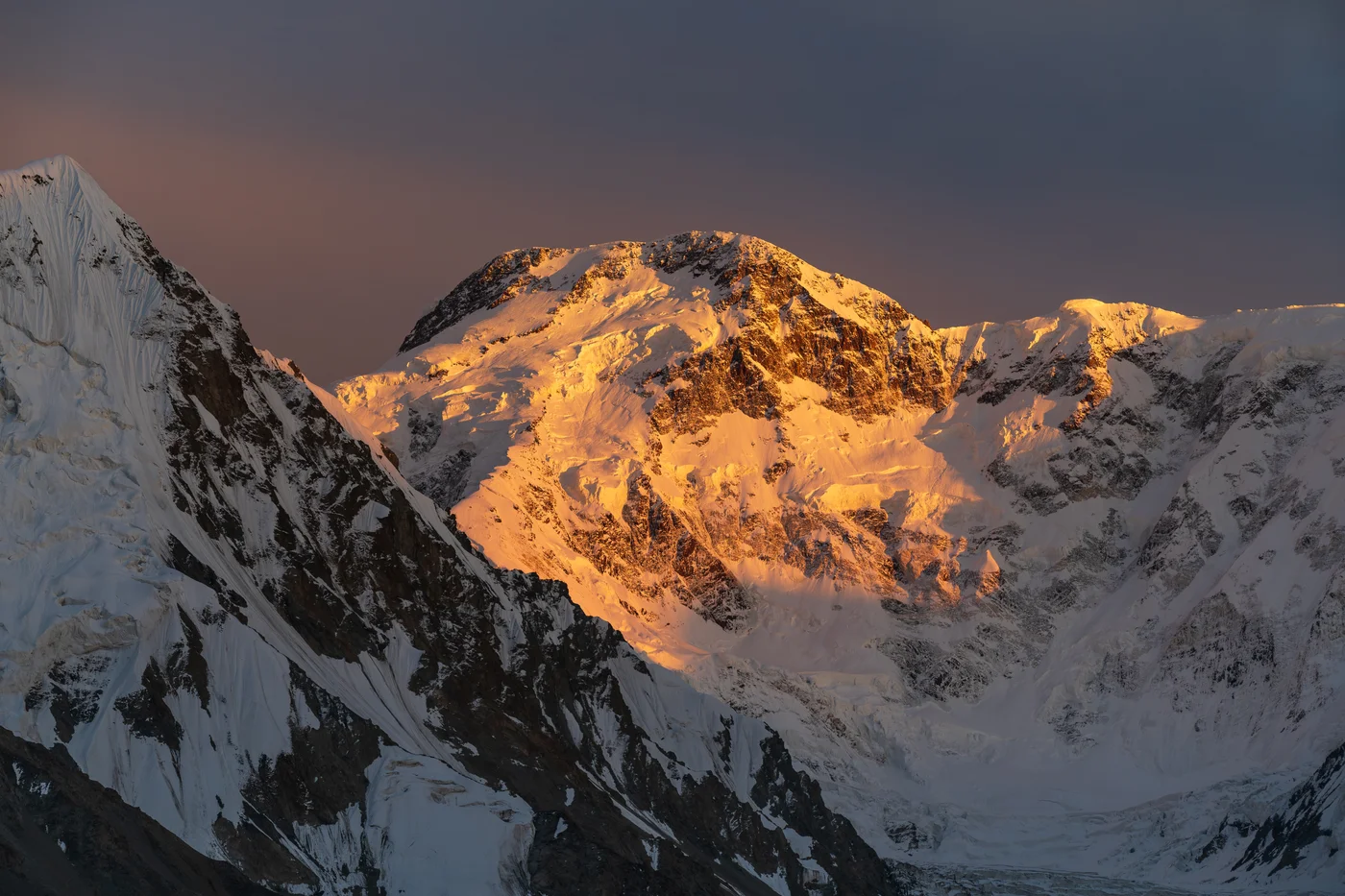
Peak Pobeda North Ridge & Abalakov Route
The North Ridge Abalakov Route on Jengish Chokusu / Peak Pobeda (7,439 m) is universally regarded as one of the most brutal and hazardous mountaineering endeavors on the planet. Originating from the Zvyozdochka Glacier, the route ascends the shattered icefalls of the North Ridge to gain the infamous Western Shoulder at 6,918 metres. From there, climbers must endure an exhausting, multi-day traverse along a knife-edge snow arête spanning several kilometres above 7,000 metres directly in the teeth of sub-zero Siberian winds before reaching the 7,439-metre summit crest. The descent requires complete self-reliance along the exposed ridge where rescue is virtually impossible.
Historical Expeditions (1)
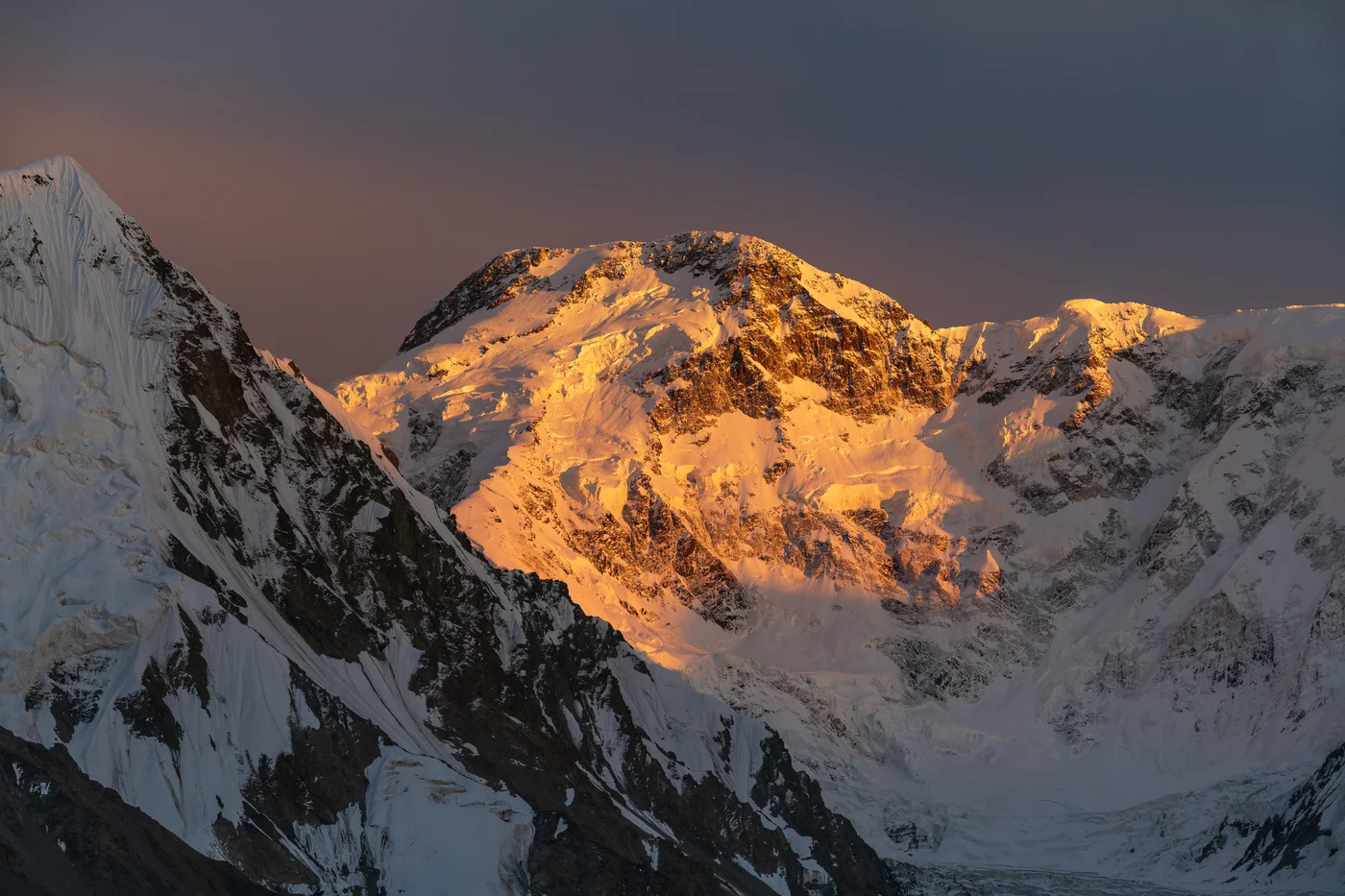
1956 Vitaly Abalakov Spartak Team Maiden First Ascent of Peak Pobeda
On August 30, 1956, a courageous 11-man Soviet Spartak expedition led by 50-year-old Vitaly Abalakov achieved the historic first ascent of Jengish Chokusu / Peak Pobeda (7,439 m), conquering the most lethal and northernmost 7,000-metre mountain on Earth via the treacherous North Ridge.
Summit Chronicles & Stories (1)
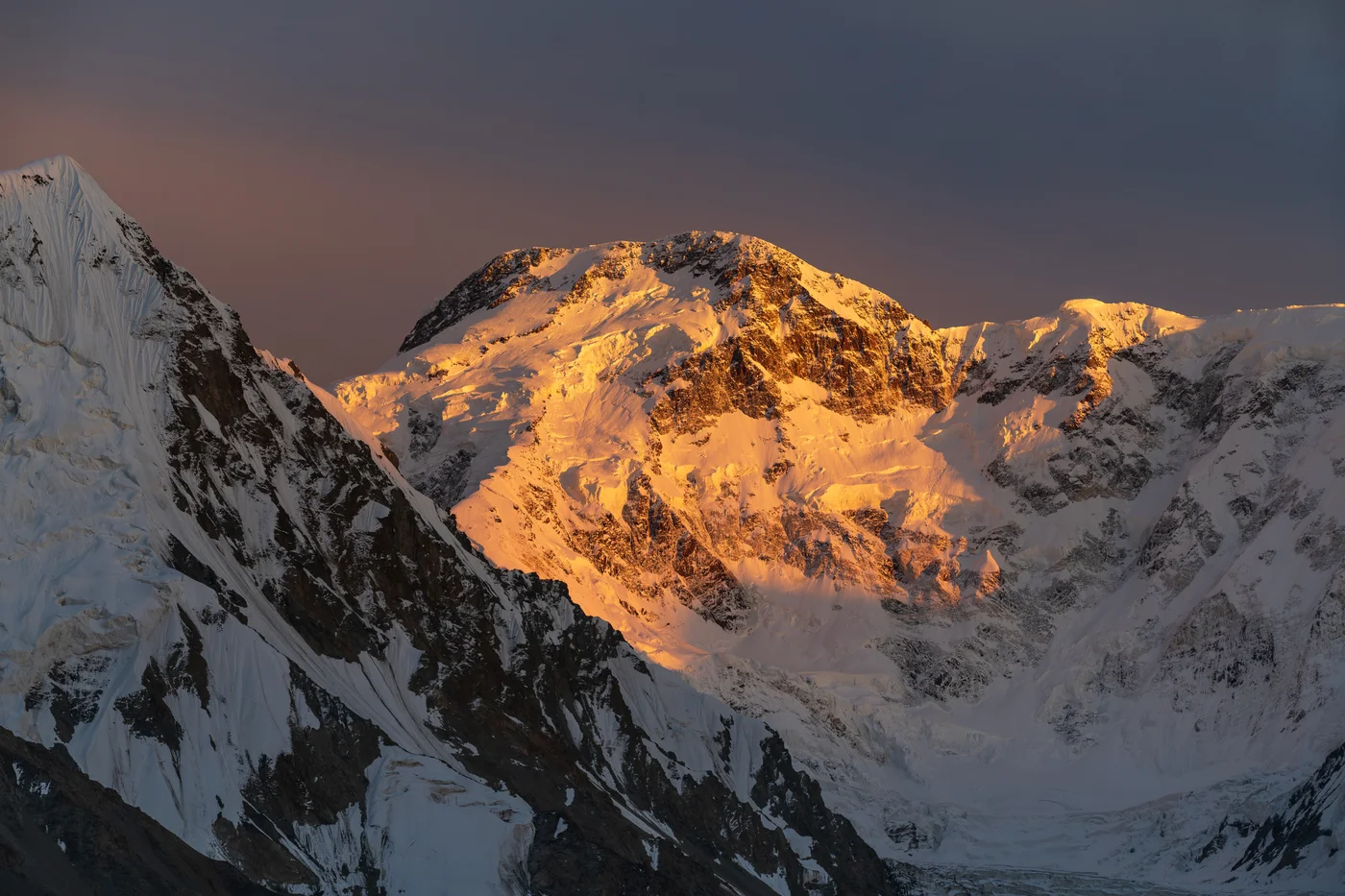
Triumph on the Victory Ridge: Vitaly Abalakov's 1956 Conquest of Peak Pobeda
At age 50, climbing with amputated toes and fingers, Vitaly Abalakov leads an 11-man team to conquer Peak Pobeda (7,439 m), the deadliest peak in the Tien Shan.
Frequently Asked Questions: Jengish Chokusu / Peak Pobeda
What is Peak Pobeda and what is its official Kyrgyz name?
Peak Pobeda is the highest peak in the Tien Shan range at 7,439 metres (24,406 ft); its official Kyrgyz name is Jengish Chokusu, meaning 'Victory Peak'.
Why is Peak Pobeda considered exceptionally dangerous to climb?
Situated at 42° North, Peak Pobeda is the northernmost 7,000-metre peak on Earth, exposing climbers to fierce Arctic winds, rapid temperature drops to -45°C, and huge avalanche flanks.
When was Peak Pobeda first climbed?
Peak Pobeda was first officially summited on August 30, 1956, by a Soviet team led by Vitaly Abalakov via the North Ridge from the Zvyozdochka Glacier.
Documented Sources & Archival Citations
- The Conquest of Peak Pobeda(Fizkultura i Sport, Moscow / Vitaly Abalakov)
Supporting claim: Primary official expedition report of the historic 1956 North Ridge first ascent
Accessed/Documented: 1957