Tien Shan
The Tien Shan, meaning the 'Celestial Mountains', form one of the grandest alpine cordilleras on Earth, spanning over 2,500 kilometres across Central Asia. Anchored by the marble pyramid of Khan Tengri (7,010 m) and the massive summit bastion of Jengish Chokusu (Peak Pobeda, 7,439 m), the range is famed for colossal glaciers, catastrophic weather, and pioneer Soviet expeditions.

Peer Review: Senior Editorial Board & Historical Reviewers • Editorial Standards
Key Statistics & Topographic Figures
- Archive Classification
- RANGES
Mountanity Knowledge Corpus
- Verification Status
- Editorially Verified
Archival Standards
- Citation Standard
- Primary Source Verified
Alpine Research Desk
Archival Primary Source Quotations
“Great things are done when men and mountains meet; this is not done by jostling in the street.”
Defined Alpine Terminology & Concepts
- Archival Integrity
- The standard of verifying historical mountain facts, summit claims, and altitudes using primary expeditions journals and geodetic measurements.
Frequently Asked Questions: Tien Shan
What historical significance does this range hold?
Tien Shan represents an essential chapter in global mountaineering heritage, verified through contemporary expedition journals and archival sources.
How are the facts and records for Tien Shan verified?
All records are checked against peer-reviewed journals, national alpine clubs, geodetic surveys, and the Mountanity Archival Integrity Policy.
Documented Peaks in Tien Shan
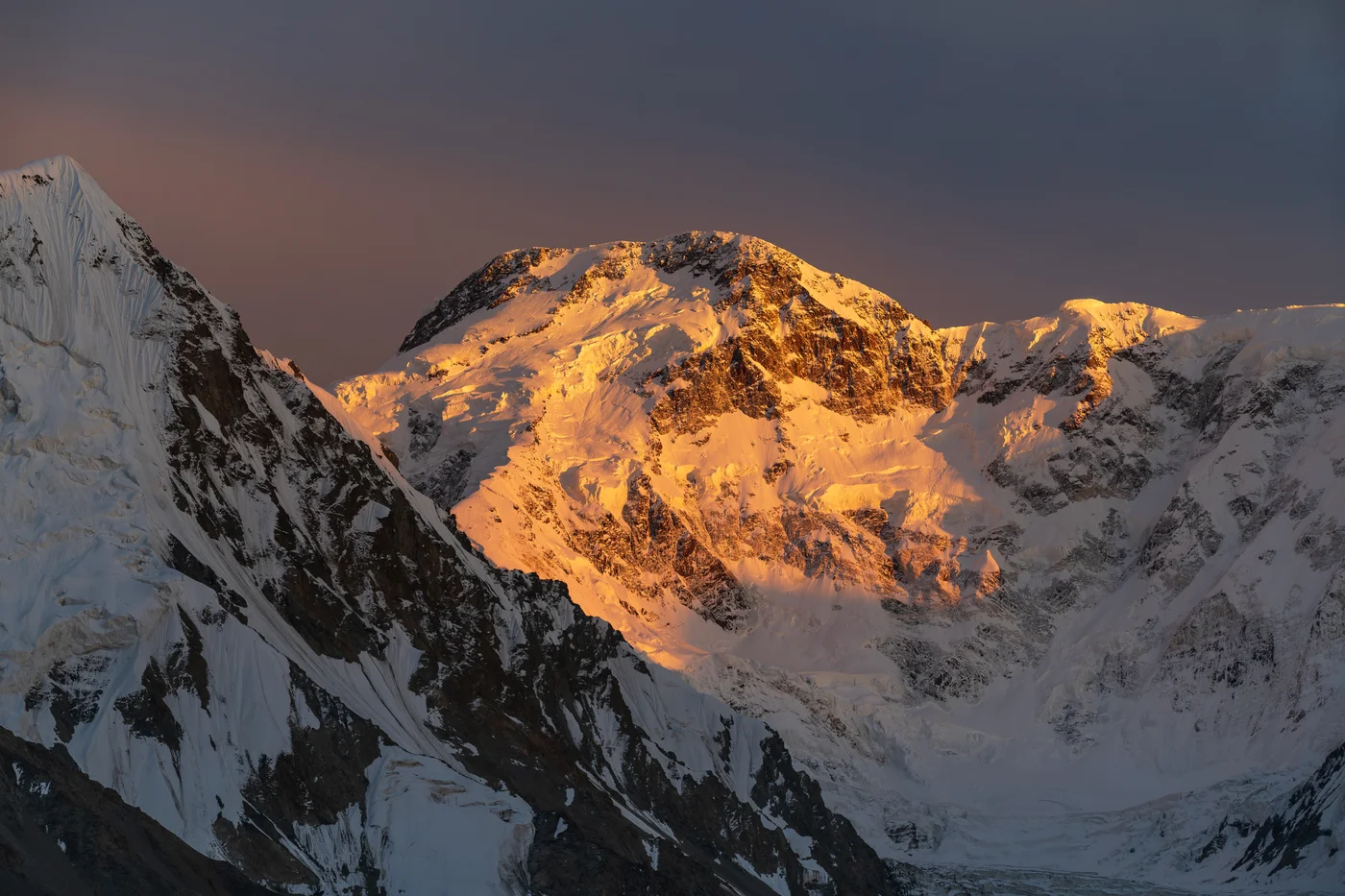


Jengish Chokusu / Peak Pobeda
Jengish Chokusu, historically renowned across the mountaineering world as Peak Pobeda ('Victory Peak'), is the supreme summit of the Tien Shan cordillera at 7,439 metres (24,406 ft) and the northernmost 7,000-metre peak on Earth. Rising along the formidable Kokshaal-Too range on the Kyrgyzstan-China border, Pobeda is notorious for catastrophic Arctic-like blizzards, sub-zero jet-stream gales, and massive hanging seracs that have claimed dozens of lives. The mountain was first conquered on August 30, 1956, by a legendary Soviet expedition led by Vitaly Abalakov via the harrowing North Ridge from the Zvyozdochka Glacier, marking one of the greatest high-altitude triumphs in Russian alpine history.
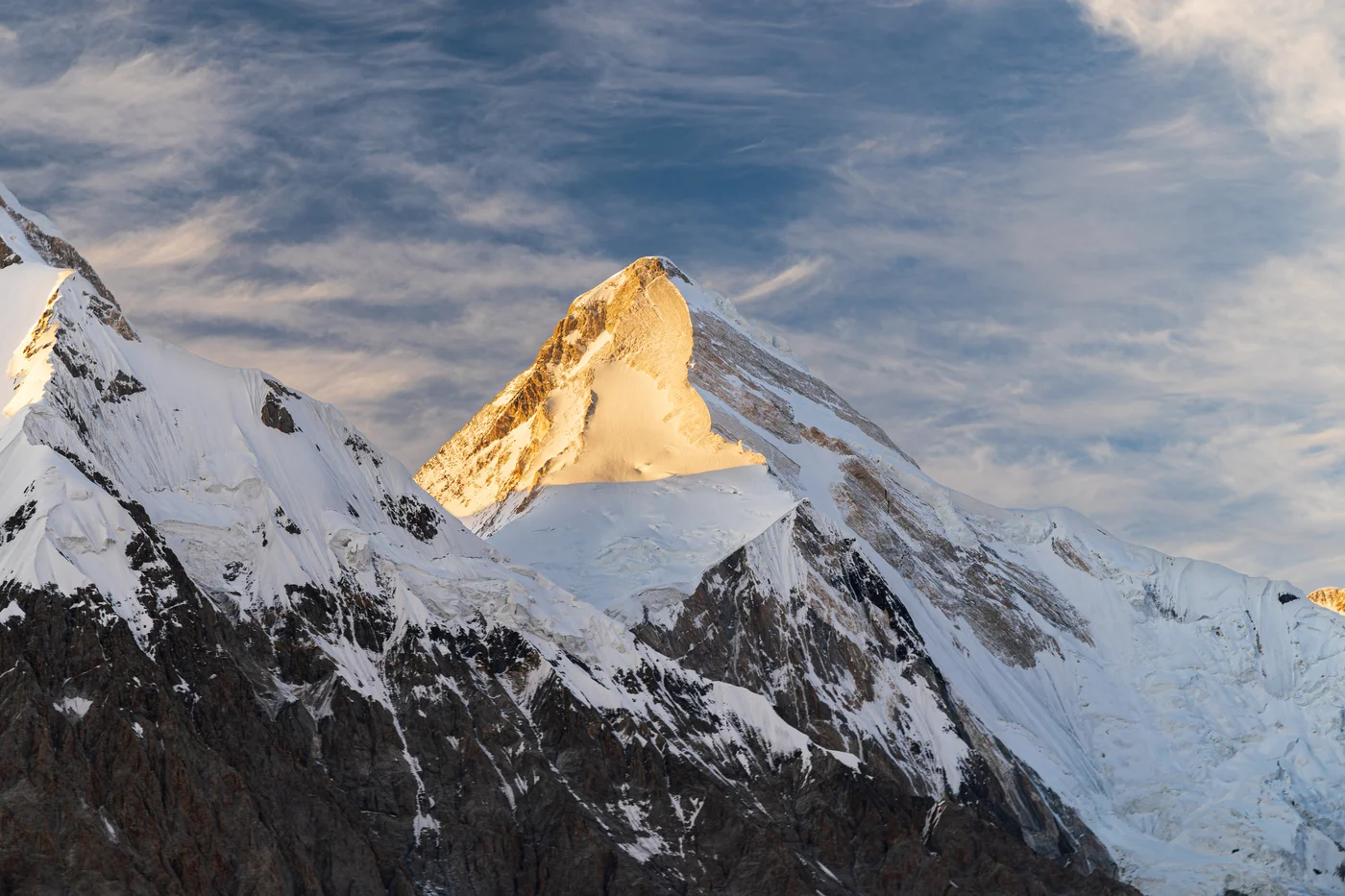

Khan Tengri / Lord of the Spirits
Khan Tengri is a breathtakingly symmetrical, marble-stratified pyramid rising to 7,010 metres (22,999 ft, including summit ice cap) in the Tengri-Tag range of the Central Tien Shan, straddling the borders of Kyrgyzstan, Kazakhstan, and China. Revered in ancient Tengrism as the sacred 'Lord of the Spirits' and famous for its fiery pink glow at sunset, the peak is one of the premier challenges of high-altitude mountaineering. First conquered on September 11, 1931, by a Ukrainian expedition led by Mikhail Pogrebetsky via the West Ridge, it was the scene of an epic survival climb in 1936 by the Abalakov brothers.
Documented Sources & Archival Citations
- The Central Tian-Shan Mountains: 1902–1903(John Murray, London / Gottfried Merzbacher)
Supporting claim: Foundational geographical survey and glaciological maps of the Central Tien Shan
Accessed/Documented: 1905