1956 Vitaly Abalakov Spartak Team Maiden First Ascent of Peak Pobeda
On August 30, 1956, a courageous 11-man Soviet Spartak expedition led by 50-year-old Vitaly Abalakov achieved the historic first ascent of Jengish Chokusu / Peak Pobeda (7,439 m), conquering the most lethal and northernmost 7,000-metre mountain on Earth via the treacherous North Ridge.
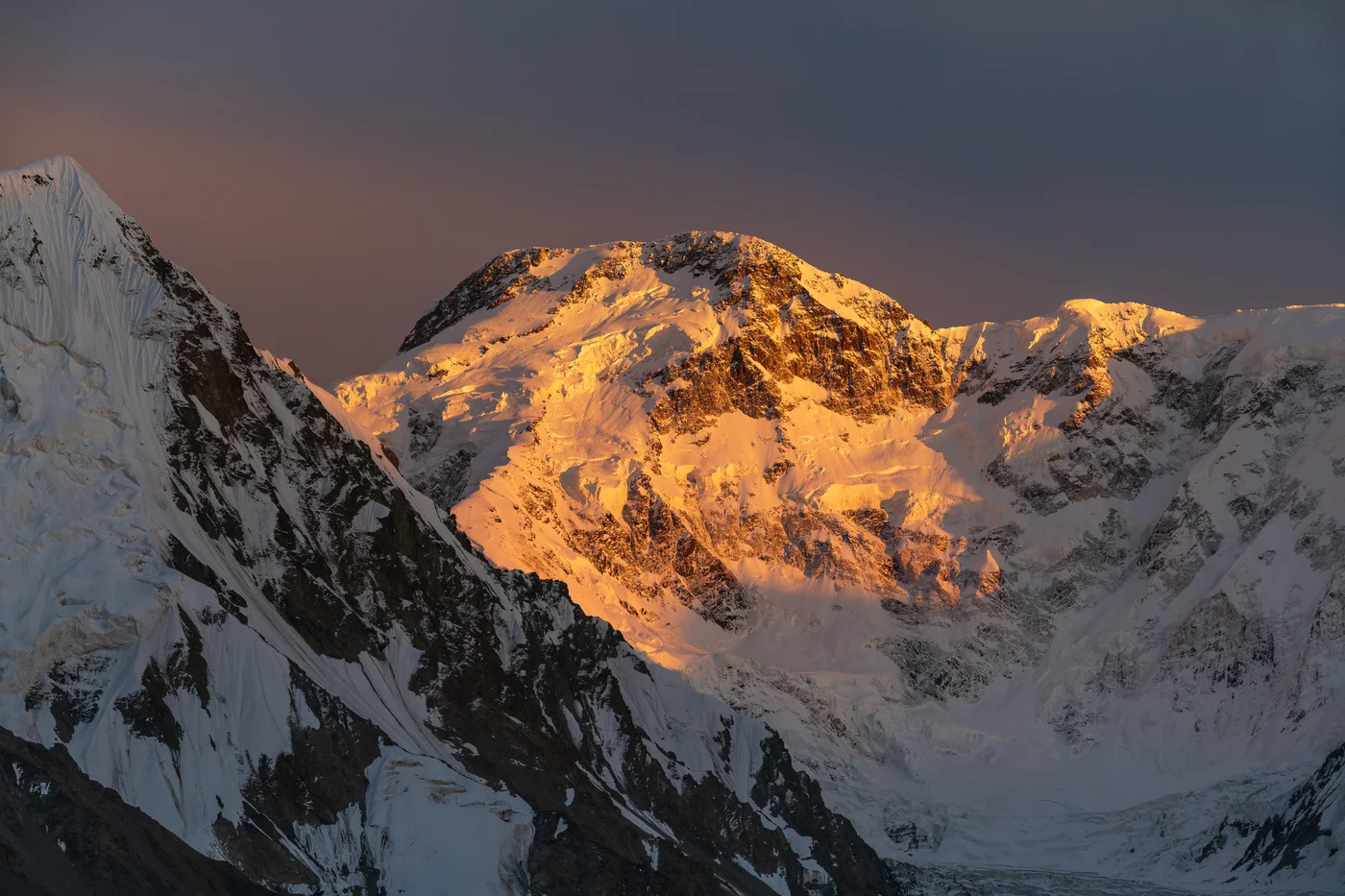
Mountain Safety & Conditions Disclaimer: High-altitude climbing, glacial travel, and technical ascents entail severe objective risks including avalanches, serac collapses, rapid weather collapse, and altitude illness. Historical route descriptions and summit claims on Mountanity reflect documented archival sources and must not be used as live operational safety assessments. Local regulations, permits, and physical glacial topography change continuously.
Peer Review: Senior Editorial Board & Historical Reviewers • Editorial Standards
Official Expedition Narrative & Archival Record
Jengish Chokusu (Peak Pobeda, 7,439 m), rising above the Kokshaal-Too range along the Kyrgyzstan-China frontier, held a fearsome reputation as a mountain of death. In 1955, an expedition of Kazakh climbers was wiped out by a monstrous storm on its upper ridges, with eleven climbers freezing to death in a single catastrophic night. In the summer of 1956, 50-year-old Vitaly Abalakov—climbing with amputated toes and fingers from his 1936 Khan Tengri ordeal—organized a meticulously engineered national expedition under the banner of the Spartak sports society. Employing custom snow caves rather than tents to withstand hurricane-force gales, Abalakov's team moved methodically up the North Ridge from the Zvyozdochka Glacier. On August 30, 1956, battling sub-zero jet-stream gales along a narrow knife-edge arête spanning several kilometres above 7,000 metres, Vitaly Abalakov and ten teammates stepped onto the 7,439-metre summit crest of Peak Pobeda. All eleven climbers returned safely without a single fatality, demonstrating that rigorous discipline, engineering innovation, and strategic snow-cave survival could master the most unforgiving mountain in Central Asia.
Documented Team Composition
- Vitaly Mikhaylovich Abalakov (Expedition Leader, Russia)
- Yakov Arkin (Deputy Leader, Russia)
- Konstantin Kletsko (Lead Alpinist)
- Ivan Lapashenkov (Lead Alpinist)
- Petr Budanov (Spartak Team Climber)
- Six Additional Soviet Alpinists
Key Statistics & Topographic Figures
- Official Outcome
- Maiden First Ascent of Jengish Chokusu / Peak Pobeda (7,439 m), Northernmost 7000er
Expedition Status
- Summit Date
- 1956-08-30
Ascent Timestamp
- Target Objective
- peak-pobeda
Mountain Peak
- Ascent Route
- peak-pobeda-north-ridge
Climbing Path
- Team Size
- 6 Climbers
High-Altitude Team
- Region / Country
- Kyrgyzstan (Kokshaal-Too Range, Central Tien Shan)
Geography
Archival Primary Source Quotations
“Jengish Chokusu (Peak Pobeda, 7,439 m), rising above the Kokshaal-Too range along the Kyrgyzstan-China frontier, held a fearsome reputation as a mountain of death. In 1955, an expe...”
Defined Alpine Terminology & Concepts
- Alpine Expedition
- A planned, self-contained high-altitude mountaineering undertaking operating in remote mountain terrain subject to extreme objective hazards.
- Death Zone
- The high-altitude region above 8,000 meters where atmospheric oxygen pressure is inadequate for sustained human survival.
Frequently Asked Questions: 1956 Vitaly Abalakov Spartak Team Maiden First Ascent of Peak Pobeda
What was the primary outcome and achievement of the 1956 Vitaly Abalakov Spartak Team Maiden First Ascent of Peak Pobeda?
Maiden First Ascent of Jengish Chokusu / Peak Pobeda (7,439 m), Northernmost 7000er. On August 30, 1956, a courageous 11-man Soviet Spartak expedition led by 50-year-old Vitaly Abalakov achieved the historic first ascent of Jengish Chokusu / Peak Pobeda (7,439 m), conquering the most lethal and northernmost 7,000-metre mountain on Earth via the treacherous North Ridge.
When did the 1956 Vitaly Abalakov Spartak Team Maiden First Ascent of Peak Pobeda reach the summit?
The expedition officially reached the summit on 1956-08-30, operating between 1956-07-20 and 1956-09-08.
Who were the documented climbing team members on the 1956 Vitaly Abalakov Spartak Team Maiden First Ascent of Peak Pobeda?
The documented climbing roster included: Vitaly Mikhaylovich Abalakov (Expedition Leader, Russia), Yakov Arkin (Deputy Leader, Russia), Konstantin Kletsko (Lead Alpinist), Ivan Lapashenkov (Lead Alpinist), Petr Budanov (Spartak Team Climber), Six Additional Soviet Alpinists.
What climbing route and mountain objective were tackled during the 1956 Vitaly Abalakov Spartak Team Maiden First Ascent of Peak Pobeda?
The expedition tackled peak-pobeda via the peak-pobeda-north-ridge in Kyrgyzstan (Kokshaal-Too Range, Central Tien Shan).
How are the records and summit claims of the 1956 Vitaly Abalakov Spartak Team Maiden First Ascent of Peak Pobeda verified?
Summit claims, route topography, and timeline logs for the 1956 Vitaly Abalakov Spartak Team Maiden First Ascent of Peak Pobeda are cross-referenced with official alpine registries, national mountaineering federations, and primary expedition journals.
Ascent Route & Topography
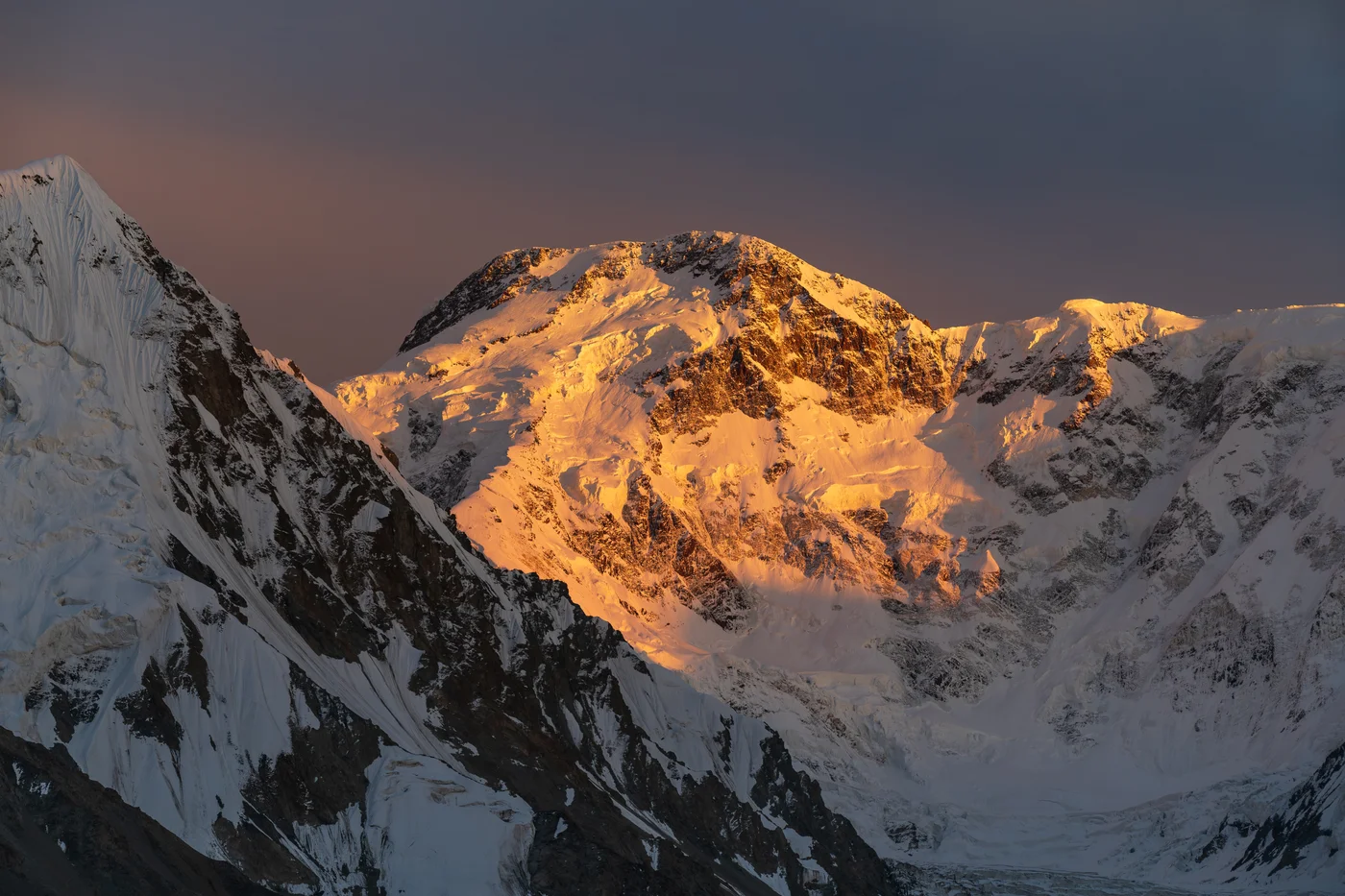
Peak Pobeda North Ridge & Abalakov Route
The North Ridge Abalakov Route on Jengish Chokusu / Peak Pobeda (7,439 m) is universally regarded as one of the most brutal and hazardous mountaineering endeavors on the planet. Originating from the Zvyozdochka Glacier, the route ascends the shattered icefalls of the North Ridge to gain the infamous Western Shoulder at 6,918 metres. From there, climbers must endure an exhausting, multi-day traverse along a knife-edge snow arête spanning several kilometres above 7,000 metres directly in the teeth of sub-zero Siberian winds before reaching the 7,439-metre summit crest. The descent requires complete self-reliance along the exposed ridge where rescue is virtually impossible.
Target Objective Peak
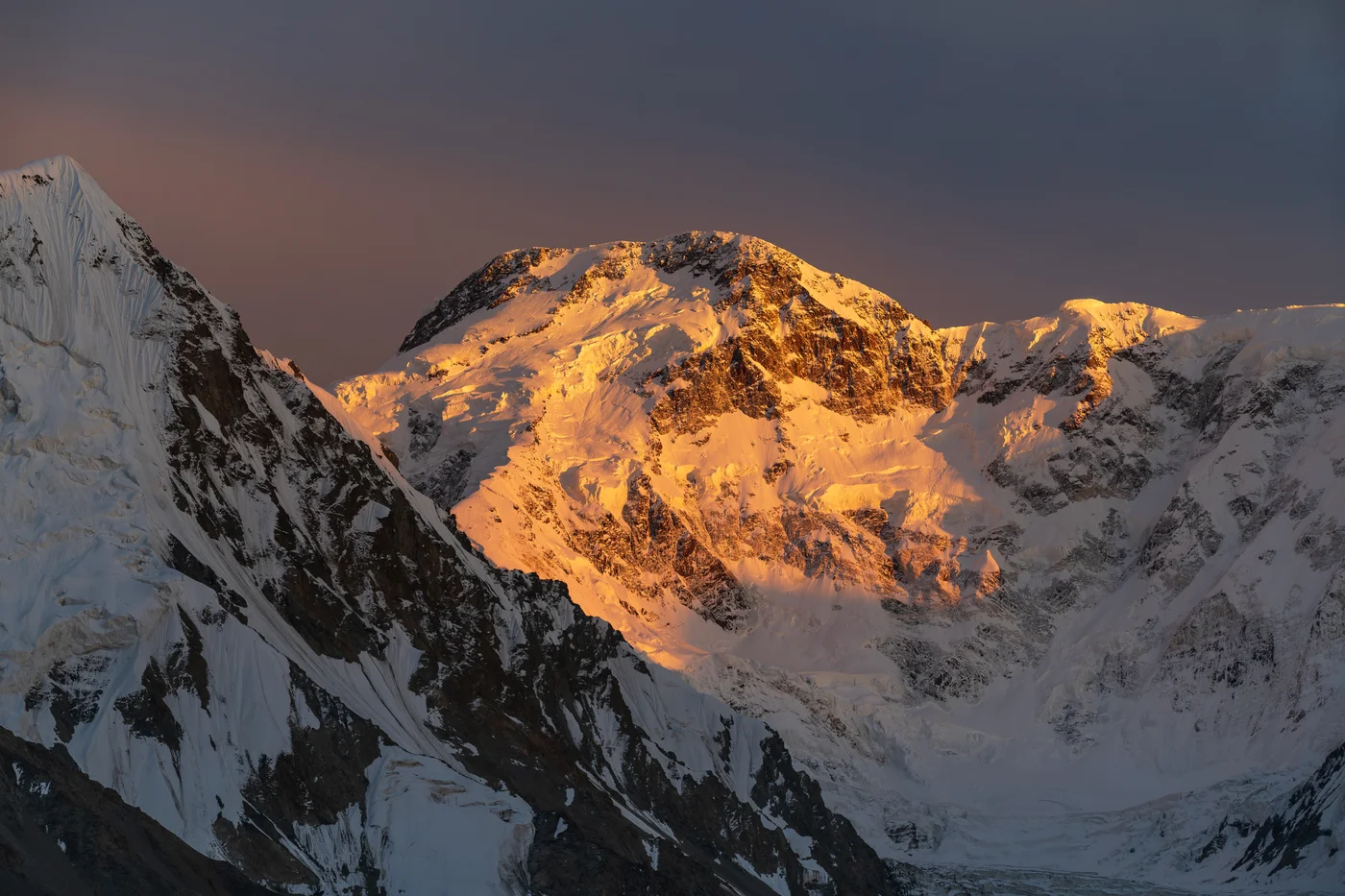


Jengish Chokusu / Peak Pobeda
Jengish Chokusu, historically renowned across the mountaineering world as Peak Pobeda ('Victory Peak'), is the supreme summit of the Tien Shan cordillera at 7,439 metres (24,406 ft) and the northernmost 7,000-metre peak on Earth. Rising along the formidable Kokshaal-Too range on the Kyrgyzstan-China border, Pobeda is notorious for catastrophic Arctic-like blizzards, sub-zero jet-stream gales, and massive hanging seracs that have claimed dozens of lives. The mountain was first conquered on August 30, 1956, by a legendary Soviet expedition led by Vitaly Abalakov via the harrowing North Ridge from the Zvyozdochka Glacier, marking one of the greatest high-altitude triumphs in Russian alpine history.
Featured Expedition Climber
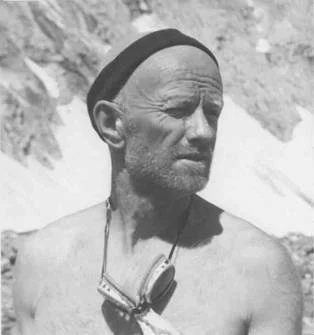
Vitaly Abalakov
Vitaly Mikhaylovich Abalakov was born on January 13, 1906, in Krasnoyarsk, Siberia, Russian Empire. Raised near the towering granite spires of the Krasnoyarsk Stolby nature reserve, Vitaly and his younger brother Evgeny developed into formidable rock climbers from boyhood. Trained as a mechanical engineer at the Moscow Mendeleev Institute, Vitaly combined relentless athletic power with an extraordinary inventive mind. In 1934, Vitaly led the first Soviet ascent of Peak Lenin (7,134 m) in the Pamirs. Two years later, in 1936, Vitaly and Evgeny conquered Khan Tengri (7,010 m). On the descent, trapped in a blizzard, the team endured horrific frostbite; Vitaly lost thirteen fingers and toes, as well as part of his foot. Defying doctors who insisted he would never climb again, Vitaly engineered custom prosthetics, orthopedic boots, and training apparatus, returning to the highest levels of Soviet mountaineering. In 1956, at age 50, Vitaly led the triumphant Spartak expedition that achieved the maiden first ascent of Peak Pobeda (7,439 m), the most lethal and northernmost 7,000-metre peak in the world. Vitaly's greatest enduring contribution to global climbing was his invention of the Abalakov Thread (V-thread)—an anchor drilled through solid ice with a tubular screw and threaded with webbing—which remains the universal standard for ice abseiling worldwide. He died on May 26, 1986, universally recognized as a titan of world alpine history.
Associated Historical Chronicles & Stories
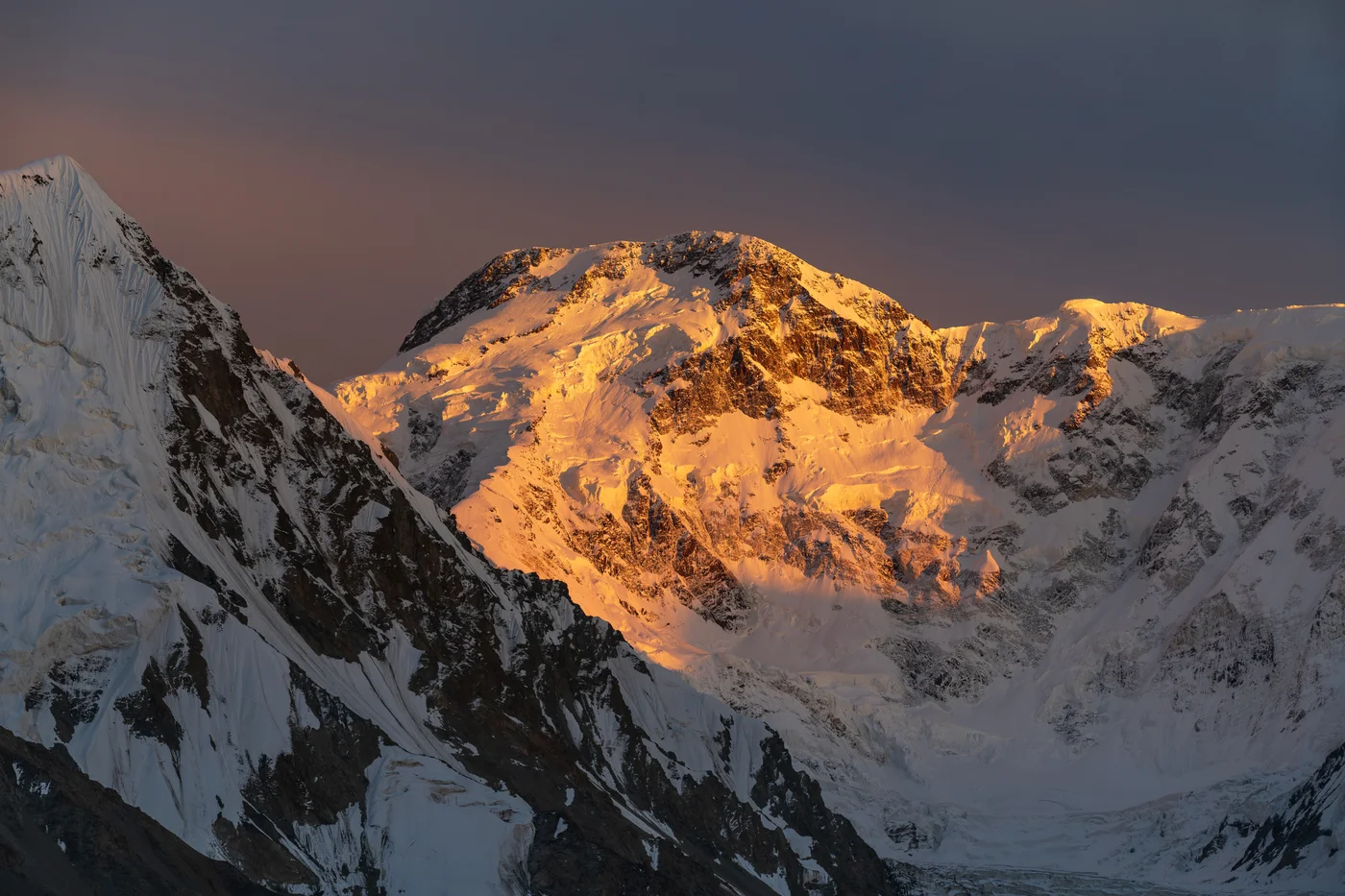
Triumph on the Victory Ridge: Vitaly Abalakov's 1956 Conquest of Peak Pobeda
At age 50, climbing with amputated toes and fingers, Vitaly Abalakov leads an 11-man team to conquer Peak Pobeda (7,439 m), the deadliest peak in the Tien Shan.
Documented Sources & Archival Citations
- The Conquest of Peak Pobeda(Fizkultura i Sport, Moscow / Vitaly Abalakov)
Supporting claim: Primary official expedition report and summit narrative of the 1956 North Ridge climb
Accessed/Documented: 1957