The Horn of the Liberator: Weiss and Peña Conquer Pico Bolívar in 1935
On January 5, 1935, Austrian climber Franz Josef Weiss and indigenous guide Domingo Peña conquered Pico Bolívar (4,978 m), completing the first ascent of Venezuela's highest mountain.
Mountain Safety & Conditions Disclaimer: High-altitude climbing, glacial travel, and technical ascents entail severe objective risks including avalanches, serac collapses, rapid weather collapse, and altitude illness. Historical route descriptions and summit claims on Mountanity reflect documented archival sources and must not be used as live operational safety assessments. Local regulations, permits, and physical glacial topography change continuously.
Peer Review: Senior Editorial Board & Historical Reviewers • Editorial Standards
The Horn of the Liberator: Weiss and Peña Conquer Pico Bolívar in 1935
The Unconquered Tooth of Mérida
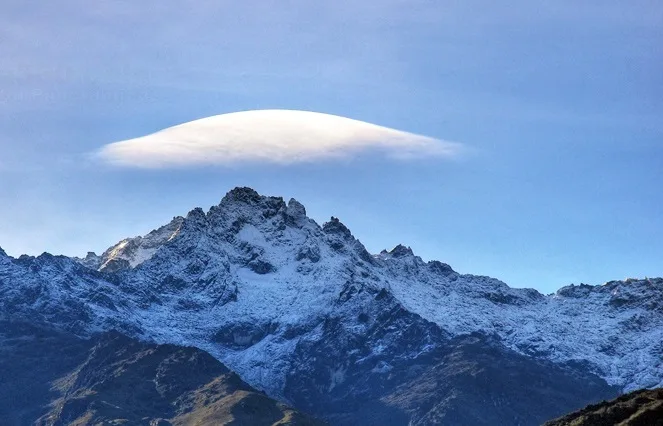
Soaring into the thin Andean atmosphere above the red-tiled roofs of Mérida, Pico Bolívar (4,978 m) was long regarded by Venezuelan mountaineers as an impossible precipice. Unlike the gentle, rolling firn domes of Pico Humboldt to the east, Bolívar was a savage, dark pyramid of fractured metamorphic gneiss, guarded on all sides by vertical rock buttresses, sheer couloirs, and hanging glaciers.
Several expeditions had probed its lower ramparts during the 1920s and early 1930s, only to be turned back by rotten rock, terrifying exposure, and sudden paramo storms. To stand atop the Liberator’s peak required a rare fusion: the disciplined rope techniques of the European Eastern Alps and the supernatural mountain instinct of a native Andean baquiano.
That fusion arrived in late 1934 when Austrian alpine engineer Franz Josef Weiss partnered with Domingo Peña, a forty-eight-year-old native of the isolated mountain village of Los Nevados. Peña was a legend in the Sierra: a man who walked the high ridges wrapped in a woolen ruana, gifted with an uncanny ability to find safe passage through freezing fog and loose scree.
“Without Domingo Peña, the mountain would have remained closed to us. He read the rock and the mists like an open book.” — Franz Josef Weiss, La Conquista del Pico Bolívar (1936)
The Assault of January 5, 1935
In the first days of January 1935, Weiss, Peña, and companion Herlindo Molina departed the high paramo, rounding the glaciated shoulder of Pico Espejo to reach the frozen shores of Laguna de Timoncito (4,600 m). Directly above them rose the formidable south face of Bolívar, its black gneiss buttresses rimmed with glistening frost.
At dawn on January 5, the trio roped together and began ascending the narrow, shadowed couloir known as La Garganta (‘The Throat’). The climbing was cold and treacherous: their boots slipped on frozen scree, and melting ice dripped continuously from overhangs above. Weiss led the technical pitches, hammering steel pitons into hairline cracks to secure their belays.
Emerging from the couloir onto an exposed rocky col, the climbers faced the final crux: a 50-metre wall of sheer, fractured rock dropping thousands of feet into the abyss of the Chama valley. Weiss carefully worked his way up delicate handholds, while Peña followed with effortless balance, testing every block of stone before committing his weight.
Standing on Venezuela’s Crown
At midday on January 5, 1935, Franz Josef Weiss, Domingo Peña, and Herlindo Molina scrambled over the final summit crest. They were standing on the highest point in Venezuela at 4,978 metres.
The panorama was breathtaking: to the north and west, the mountain dropped away into ocean-like cloud seas rolling toward Lake Maracaibo, while to the east, the ice-capped domes of Pico Humboldt and Pico Bonpland gleamed against an azure sky. Weiss assembled a summit cairn and deposited a tin canister containing their names and date, cementing Venezuela’s supreme mountaineering milestone.
Their return to Mérida triggered widespread national celebration. For Domingo Peña, it was the start of an extraordinary legacy: over the next forty years, the master guide from Los Nevados would ascend Pico Bolívar more than fifty times, permanently revered as the grand patriarch of Venezuelan alpinism.
Key Statistics & Topographic Figures
- Category
- Andean Pioneers
Archival Subject
- Reading Time
- 15 min read
Narrative Length
- Key Mountain
- pico-bolivar
Objective
- Ascent Route
- pico-bolivar-weiss-route
Topography
- Verification
- Editorially Verified
Archival Standard
Archival Primary Source Quotations
“In the mountains, truth is etched in ice and granite; every step requires unwavering respect for the heights.”
Defined Alpine Terminology & Concepts
- Summit Push
- The final continuous climbing effort from the highest established camp to the mountain apex and back.
- Death Zone Chronicle
- A verified, research-backed historical narrative documenting the human, technical, and environmental realities of an alpine expedition.
Frequently Asked Questions: The Horn of the Liberator: Weiss and Peña Conquer Pico Bolívar in 1935
What is the core chronicle and subject of "The Horn of the Liberator: Weiss and Peña Conquer Pico Bolívar in 1935"?
On January 5, 1935, Austrian climber Franz Josef Weiss and indigenous guide Domingo Peña conquered Pico Bolívar (4,978 m), completing the first ascent of Venezuela's highest mountain.
Which mountain peaks and routes are featured in "The Horn of the Liberator: Weiss and Peña Conquer Pico Bolívar in 1935"?
This narrative documents climbs on pico-bolivar along the pico-bolivar-weiss-route in Venezuela.
Which documented expedition is chronicled in this story?
This historical chronicle captures the events of the 1935-weiss-pena-pico-bolivar-first-ascent, verified through contemporary journals and archival records.
Who authored and researched this archival chronicle?
Authored and researched by Mountainity Historical Research Desk, drawing on primary eyewitness testimonies, alpine club registries, and verified summit logs.
What makes this high-altitude chronicle historically significant?
Categorized under "Andean Pioneers", this chronicle preserves critical lessons in alpine leadership, survival, tactical speed, and human endurance in the death zone.
Related Mountains
Pico Bolívar
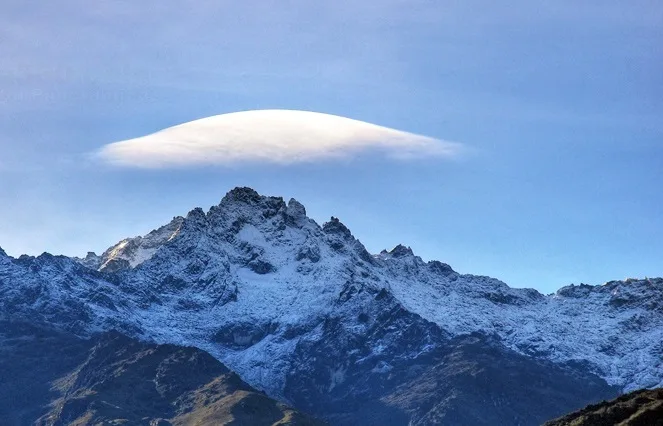
Pico Bolívar is the highest mountain in Venezuela, rising to 4,978 metres above the city of Mérida in the Venezuelan Andes. Historically crowned by northern equatorial glaciers, its jagged metamorphic horn stands as the geographical symbol of Venezuela's alpine heritage. First explored scientifically by German geographer Wilhelm Sievers in 1885, Pico Bolívar was first climbed on January 5, 1935, by Austrian alpinist Franz Josef Weiss alongside legendary Los Nevados guide Domingo Peña and Herlindo Molina.
Documented Sources & Archival Citations
- La Conquista del Pico Bolívar(Franz Josef Weiss / Boletín del Centro Excursionista Caracas)
Supporting claim: Firsthand technical account and chronology of the January 5, 1935 first ascent
Accessed/Documented: 1936 - Domingo Peña: El Guía de los Nevados(Universidad de Los Andes, Mérida)
Supporting claim: Biographical chronicle documenting Domingo Peña's leading role on the 1935 summit
Accessed/Documented: 1975