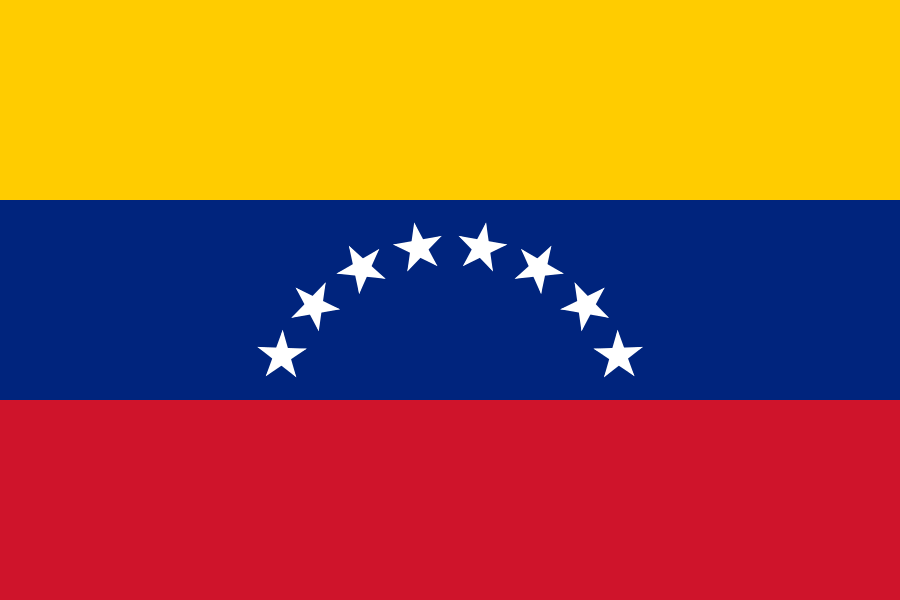
Venezuela
Venezuela is home to the northernmost glaciated peaks of South America in the Sierra Nevada de Mérida, the eastern branch of the Andean cordillera. Crowned by Pico Bolívar at 4,978 metres and dramatic granitic horns, Venezuela's high cordillera features unique high-altitude paramo ecosystems, colonial trans-Andean paths, and historic climbing routes explored since the late nineteenth century.
Peer Review: Senior Editorial Board & Historical Reviewers • Editorial Standards
Key Statistics & Topographic Figures
- Archive Classification
- COUNTRIES
Mountanity Knowledge Corpus
- Verification Status
- Editorially Verified
Archival Standards
- Citation Standard
- Primary Source Verified
Alpine Research Desk
Mountain Peaks in Venezuela
Technical profiles, elevations, and ascent histories for summits located in or spanning Venezuela.
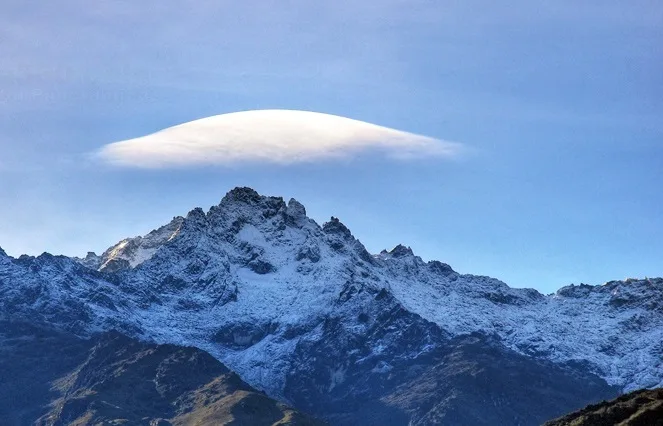
Pico Bolívar
Pico Bolívar is the highest mountain in Venezuela, rising to 4,978 metres above the city of Mérida in the Venezuelan Andes. Historically crowned by northern equatorial glaciers, its jagged metamorphic horn stands as the geographical symbol of Venezuela's alpine heritage. First explored scientifically by German geographer Wilhelm Sievers in 1885, Pico Bolívar was first climbed on January 5, 1935, by Austrian alpinist Franz Josef Weiss alongside legendary Los Nevados guide Domingo Peña and Herlindo Molina.
Mountain Ranges Spanning Venezuela
Geographic mountain massifs, regional topography, and glaciated chains within Venezuela.
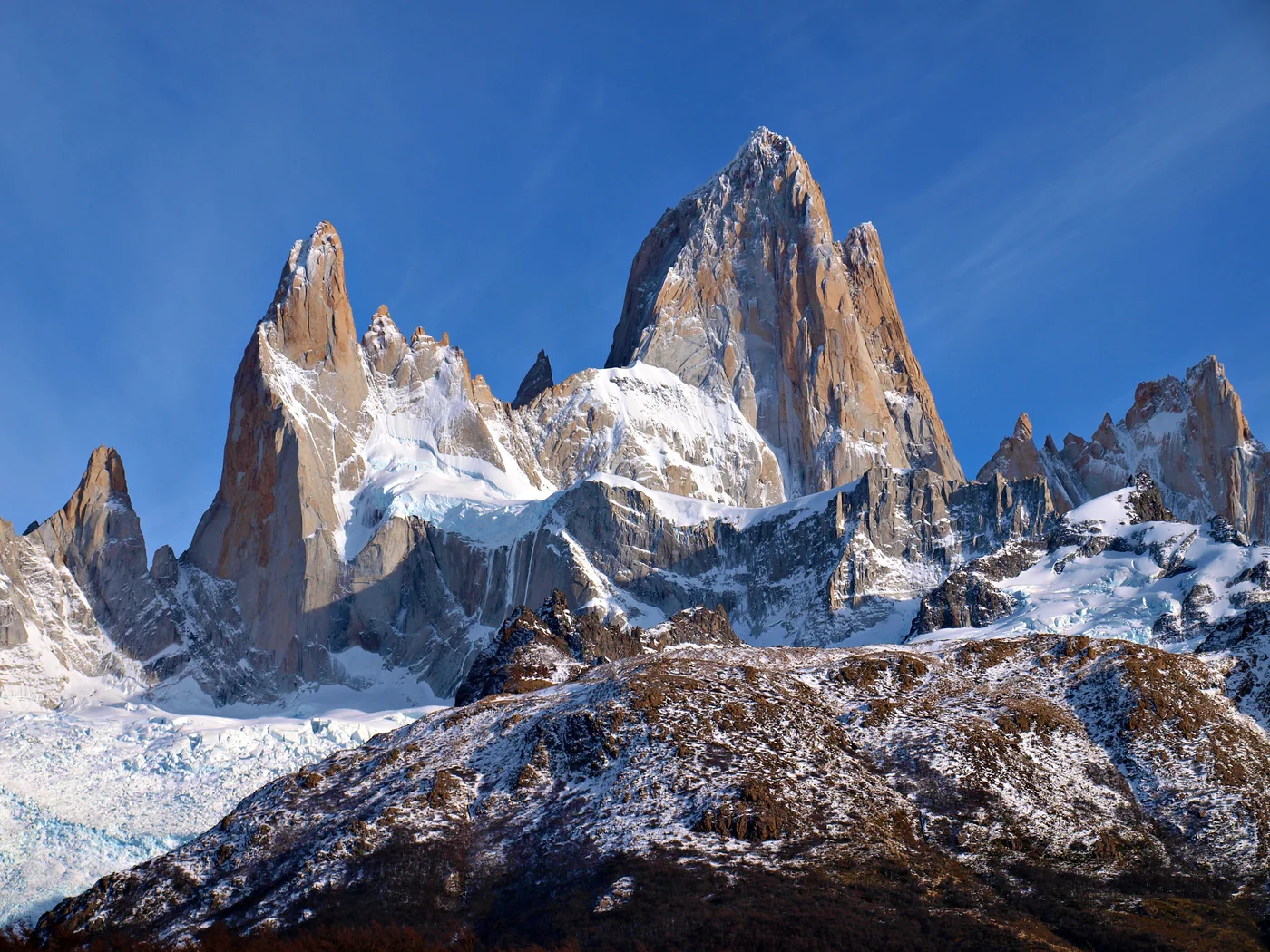
Andes
The Andes form the longest continental mountain range on Earth, stretching over 7,000 kilometres along the western margin of South America. Renowned for soaring glaciated volcanoes, high Altiplano plateaus, and the sheer wind-blasted granite spires of Patagonia, the range contains legendary alpine challenges including Aconcagua and Cerro Fitz Roy.
Documented Climbing Routes
Classic lines of ascent, technical difficulties, and objective hazards across Venezuela's summits.
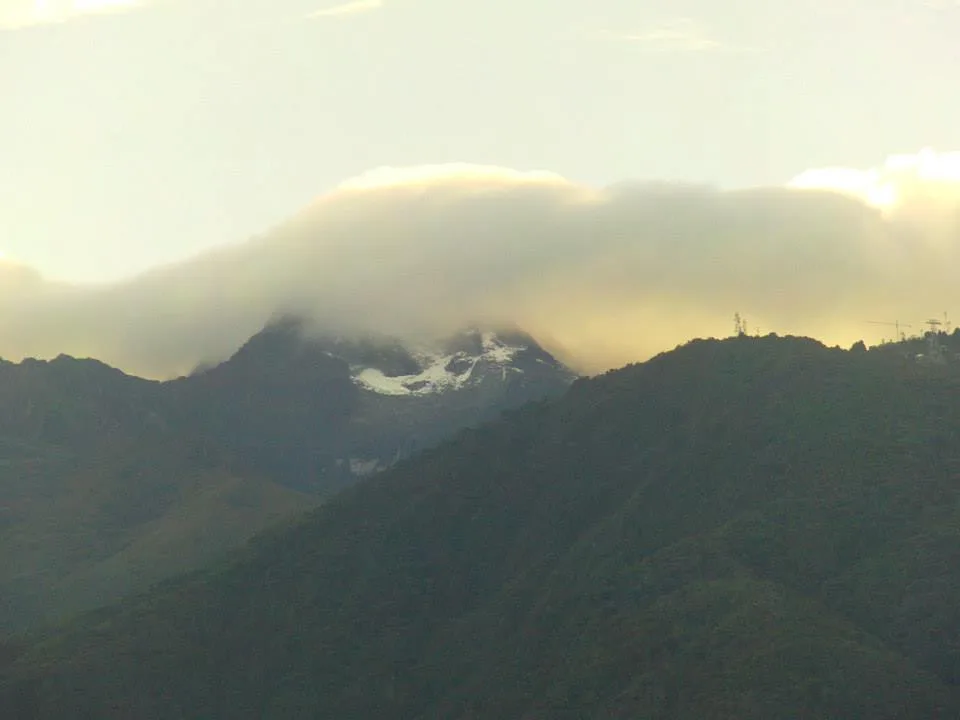
Pico Bolívar Normal Route (Weiss Route / La Garganta)
The historic Weiss Route ascends the southern flanks of Pico Bolívar through the high col of La Garganta ('The Throat') and the Timoncito couloir. The route combines high-altitude moraine hiking, 40°-45° firn gullies, and class 4 rock scrambling along exposed metamorphic ribs to reach the 4,978-metre summit bust of Simón Bolívar.
Historic Expeditions & First Ascents
Epoch-making sieges and triumphant summits recorded within Venezuela's alpine history.
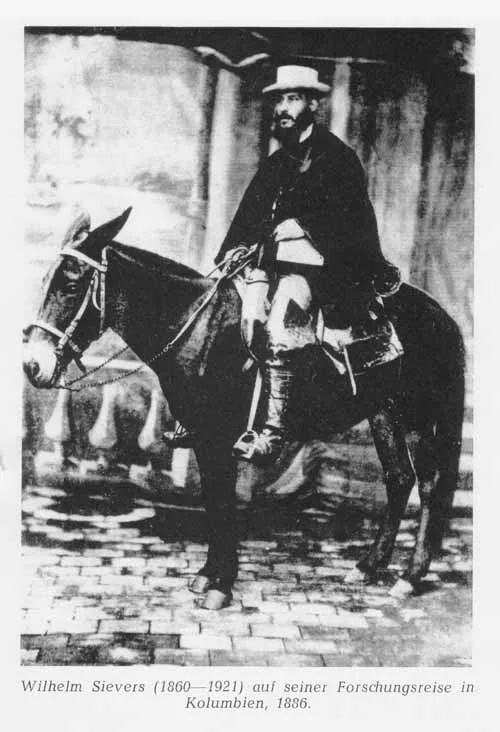
1885 Wilhelm Sievers Sierra Nevada de Mérida Scientific Exploration
In early 1885, German geographer Wilhelm Sievers conducted the first scientific expedition into the high glaciated paramos of the Sierra Nevada de Mérida. Mapping high-altitude glacial cirques and calculating summit altitudes, Sievers laid the scientific foundation for Venezuelan Andean cartography.
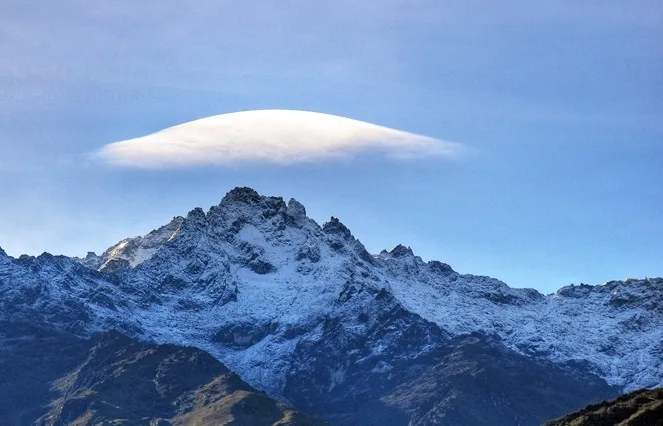
1935 Franz Josef Weiss and Domingo Peña Pico Bolívar Historic First Ascent Expedition
On January 5, 1935, Austrian mountaineer Franz Josef Weiss alongside Venezuelan guides Domingo Peña and Herlindo Molina achieved the historic first ascent of Pico Bolívar (4,978 m). Climbing through the steep couloir of La Garganta, they conquered Venezuela's highest alpine horn and deposited the first summit registry.
Pioneer Mountaineers of Venezuela
Biographical chronicles of legendary high-altitude alpinists hailing from Venezuela.
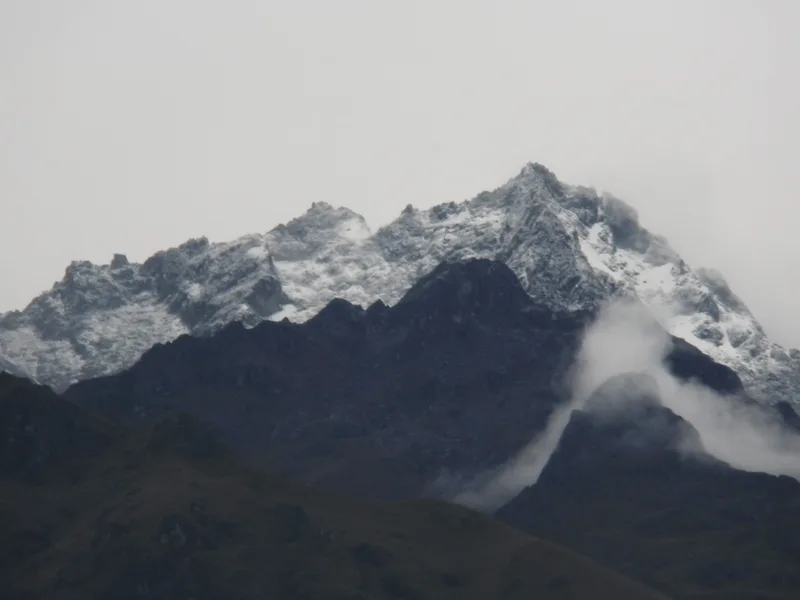
Domingo Peña
Born in 1886 in the remote mountain hamlet of Los Nevados, high in the Venezuelan Andes, Domingo Peña spent his entire life in the shadow of the great glaciated horns of Mérida. Possessing extraordinary physical stamina, complete immunity to altitude sickness, and intimate knowledge of treacherous paramo weather, Peña became the supreme *baquiano* (master trail-finder) of the Sierra Nevada. When Austrian mountaineer Franz Josef Weiss arrived in Mérida in 1934 seeking a route up the unclimbed summit pyramid of Pico Bolívar, he immediately hired Domingo Peña. On January 5, 1935, Peña guided Weiss and companion Herlindo Molina through the labyrinthine moraines below Pico Espejo to the base of the Timoncito couloir. Demonstrating agility on loose rock and icy ledges, Peña ascended La Garganta and stepped onto the 4,978-metre summit, sharing the historic first ascent. Following the 1935 conquest, Peña became the premier alpine guide of Venezuela, leading scientists, topographers, and excursionists onto Pico Bolívar more than fifty times over the next four decades. In 1951, he assisted in transporting the famous bronze bust of Simón Bolívar up the mountain on muleback and by foot to be permanently anchored on the summit. Revered as an Andean national hero, Domingo Peña lived in Mérida until his passing in 1970 at the age of 84.
Archival Primary Source Quotations
“Great things are done when men and mountains meet; this is not done by jostling in the street.”
Defined Alpine Terminology & Concepts
- Archival Integrity
- The standard of verifying historical mountain facts, summit claims, and altitudes using primary expeditions journals and geodetic measurements.
Frequently Asked Questions: Venezuela Mountaineering
What historical significance does this countrie hold?
Venezuela represents an essential chapter in global mountaineering heritage, verified through contemporary expedition journals and archival sources.
How are the facts and records for Venezuela verified?
All records are checked against peer-reviewed journals, national alpine clubs, geodetic surveys, and the Mountanity Archival Integrity Policy.