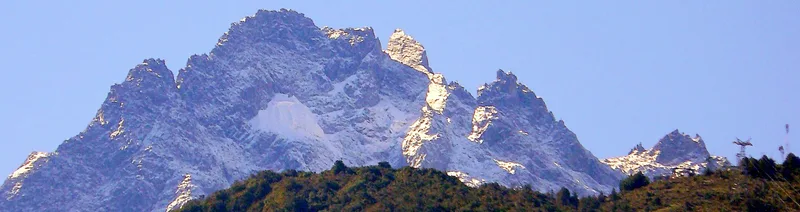
Franz Josef Weiss
Franz Josef Weiss was an Austrian alpine pioneer who completed the historic maiden first ascent of Pico Bolívar (4,978 m) on January 5, 1935, alongside Venezuelan guides Domingo Peña and Herlindo Molina. His bold ascent via La Garganta unlocked the highest summit of Venezuela and established modern mountaineering in the country.
Mountain Safety & Conditions Disclaimer: High-altitude climbing, glacial travel, and technical ascents entail severe objective risks including avalanches, serac collapses, rapid weather collapse, and altitude illness. Historical route descriptions and summit claims on Mountanity reflect documented archival sources and must not be used as live operational safety assessments. Local regulations, permits, and physical glacial topography change continuously.
Peer Review: Senior Editorial Board & Historical Reviewers • Editorial Standards
Biographical Record & Archival Chronicle
Born in Austria, Franz Josef Weiss grew up climbing in the limestone crags and glaciated cirques of the Eastern Alps. Emigrating to Venezuela in the 1920s as an engineer, Weiss was immediately captivated by the towering snow peaks of the Sierra Nevada de Mérida rising above the Andean city of Mérida. At the time, the supreme summit of Venezuela—Pico Bolívar (4,978 m), then often called La Columna—remained unclimbed despite multiple attempts by local and foreign parties.
Recognizing that tackling the vertical metamorphic walls of Bolívar demanded both European technical rockcraft and local terrain mastery, Weiss partnered with Domingo Peña, the renowned indigenous Andean guide from the village of Los Nevados, and companion Herlindo Molina. In early January 1935, the trio embarked on an ambitious summit push from the high paramos.
On January 5, 1935, Weiss led the rope team through the steep, narrow couloir of La Garganta ('The Throat'). Overcoming loose rock slabs, 45-degree frozen couloirs, and exposed class 4 rock chimneys, Weiss, Peña, and Molina reached the summit of Pico Bolívar at 4,978 metres. Weiss built a summit cairn and deposited the first summit registry in a tin canister, completing one of South America's most celebrated national first ascents. Weiss continued to climb in Mérida for years, helping train young Venezuelan mountaineers and fostering the country's earliest climbing clubs.
Notable Milestones & Ascents
- Achieved the historic maiden first ascent of Pico Bolívar (4,978 m) on January 5, 1935
- Pioneered the classic Weiss Route through the steep couloir of La Garganta
- Co-founded the earliest organized alpine climbing initiatives in the Venezuelan Andes
- Trained local Venezuelan guides in classical European rope and belaying techniques
- Deposited the first official summit registry on the highest peak of Venezuela
Key Statistics & Topographic Figures
- Key First Ascent
- Pico Bolívar (4,978 m, January 5, 1935)
- Origin
- Austria (Alpine engineer & climber)
- Summit Registry
- First recorded tin canister registry on Pico Bolívar
- Club Affiliation
- Centro Excursionista Caracas
Archival Primary Source Quotations
“Standing upon the summit horn of Bolívar, we knew that Venezuelan mountaineering had found its rightful place on the world stage.”
Defined Alpine Terminology & Concepts
- Alpine Registry Canister
- A sealed, weatherproof metal container deposited atop an unclimbed peak containing the signed ascent document of the first summit team.
Frequently Asked Questions: Franz Josef Weiss
What was Franz Josef Weiss's greatest alpine triumph?
Weiss achieved the maiden first ascent of Pico Bolívar (4,978 m), Venezuela's highest mountain, on January 5, 1935, with Domingo Peña.
What technical alpine skills did Weiss introduce to Venezuela?
Trained in the Austrian Alps, Weiss introduced modern rope management, piton placement, and belaying techniques to the Venezuelan climbing community.
What route on Pico Bolívar is named in his honour?
The Weiss Route, which ascends through the steep couloir of La Garganta and Timoncito.
Associated Summits (1)
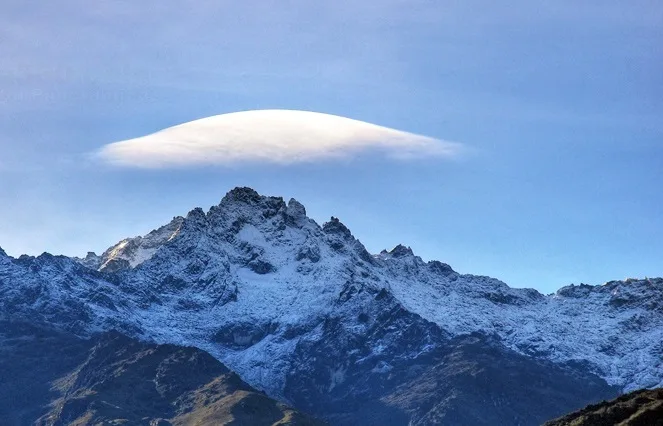
Pico Bolívar
Pico Bolívar is the highest mountain in Venezuela, rising to 4,978 metres above the city of Mérida in the Venezuelan Andes. Historically crowned by northern equatorial glaciers, its jagged metamorphic horn stands as the geographical symbol of Venezuela's alpine heritage. First explored scientifically by German geographer Wilhelm Sievers in 1885, Pico Bolívar was first climbed on January 5, 1935, by Austrian alpinist Franz Josef Weiss alongside legendary Los Nevados guide Domingo Peña and Herlindo Molina.
Pioneered & Associated Routes (1)
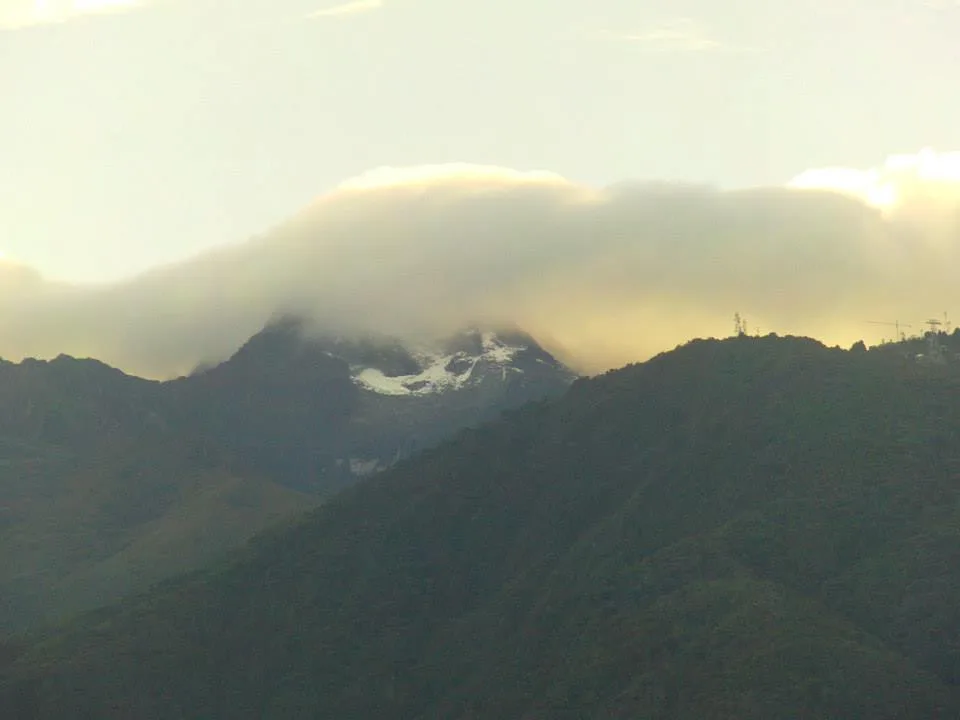
Pico Bolívar Normal Route (Weiss Route / La Garganta)
The historic Weiss Route ascends the southern flanks of Pico Bolívar through the high col of La Garganta ('The Throat') and the Timoncito couloir. The route combines high-altitude moraine hiking, 40°-45° firn gullies, and class 4 rock scrambling along exposed metamorphic ribs to reach the 4,978-metre summit bust of Simón Bolívar.
Documented Expeditions (1)
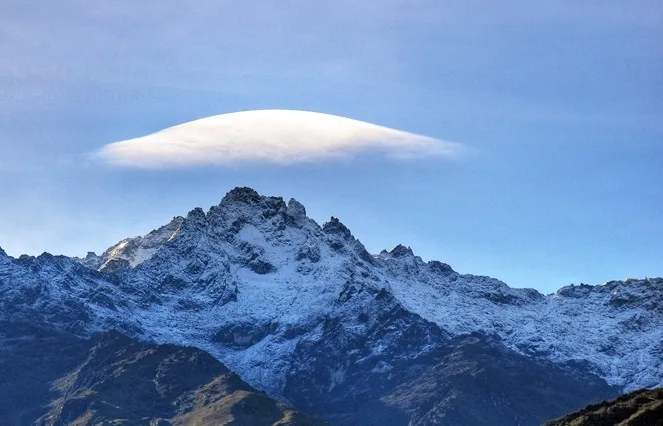
1935 Franz Josef Weiss and Domingo Peña Pico Bolívar Historic First Ascent Expedition
On January 5, 1935, Austrian mountaineer Franz Josef Weiss alongside Venezuelan guides Domingo Peña and Herlindo Molina achieved the historic first ascent of Pico Bolívar (4,978 m). Climbing through the steep couloir of La Garganta, they conquered Venezuela's highest alpine horn and deposited the first summit registry.
Associated Chronicles & Stories (1)
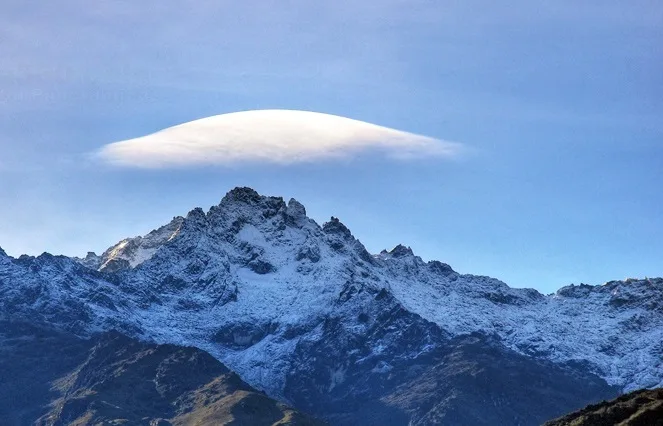
The Horn of the Liberator: Weiss and Peña Conquer Pico Bolívar in 1935
On January 5, 1935, Austrian climber Franz Josef Weiss and indigenous guide Domingo Peña conquered Pico Bolívar (4,978 m), completing the first ascent of Venezuela's highest mountain.
Documented Sources & Archival Citations
- La Conquista del Pico Bolívar(Franz Josef Weiss / Boletín del Centro Excursionista Caracas)
Supporting claim: Firsthand mountaineering account of the January 5, 1935 first ascent
Accessed/Documented: 1936 - Historia del Montañismo en Venezuela(Centro Excursionista Mérida)
Supporting claim: Comprehensive chronicle of Franz Josef Weiss and the pioneering 1935 summit
Accessed/Documented: 1985