Domingo Peña
Domingo Peña was a legendary Venezuelan indigenous mountain guide from Los Nevados who co-achieved the historic first ascent of Pico Bolívar (4,978 m) with Franz Josef Weiss on January 5, 1935. Renowned for his supernatural route-finding in the high paramos, he guided over fifty expeditions across the Sierra Nevada de Mérida.
Mountain Safety & Conditions Disclaimer: High-altitude climbing, glacial travel, and technical ascents entail severe objective risks including avalanches, serac collapses, rapid weather collapse, and altitude illness. Historical route descriptions and summit claims on Mountanity reflect documented archival sources and must not be used as live operational safety assessments. Local regulations, permits, and physical glacial topography change continuously.
Peer Review: Senior Editorial Board & Historical Reviewers • Editorial Standards
Biographical Record & Archival Chronicle
Born in 1886 in the remote mountain hamlet of Los Nevados, high in the Venezuelan Andes, Domingo Peña spent his entire life in the shadow of the great glaciated horns of Mérida. Possessing extraordinary physical stamina, complete immunity to altitude sickness, and intimate knowledge of treacherous paramo weather, Peña became the supreme *baquiano* (master trail-finder) of the Sierra Nevada.
When Austrian mountaineer Franz Josef Weiss arrived in Mérida in 1934 seeking a route up the unclimbed summit pyramid of Pico Bolívar, he immediately hired Domingo Peña. On January 5, 1935, Peña guided Weiss and companion Herlindo Molina through the labyrinthine moraines below Pico Espejo to the base of the Timoncito couloir. Demonstrating agility on loose rock and icy ledges, Peña ascended La Garganta and stepped onto the 4,978-metre summit, sharing the historic first ascent.
Following the 1935 conquest, Peña became the premier alpine guide of Venezuela, leading scientists, topographers, and excursionists onto Pico Bolívar more than fifty times over the next four decades. In 1951, he assisted in transporting the famous bronze bust of Simón Bolívar up the mountain on muleback and by foot to be permanently anchored on the summit. Revered as an Andean national hero, Domingo Peña lived in Mérida until his passing in 1970 at the age of 84.
Notable Milestones & Ascents
- Co-achieved the historic maiden first ascent of Pico Bolívar (4,978 m) on January 5, 1935
- Completed more than fifty successful ascents of Pico Bolívar during a four-decade guiding career
- Pioneered the traditional trans-Andean route from Mérida through Los Nevados to the high paramos
- Revered across Venezuela as the nation's greatest historic high-altitude guide
- Guided the expedition that installed the iconic bronze bust of Simón Bolívar on the summit in 1951
Key Statistics & Topographic Figures
- Historic First Ascent
- Pico Bolívar (4,978 m, Jan 5, 1935)
- Lifespan
- 1886–1970 (Los Nevados / Mérida, Venezuela)
- Career Ascents of Bolívar
- Over 50 Successful Summits
- Status
- Grand Patriarch of Venezuelan High Guides
Archival Primary Source Quotations
“The mountain does not yield to pride; it opens only to those who walk its rocks with patience and humility.”
Defined Alpine Terminology & Concepts
- Los Nevados Village
- A historic high-altitude colonial Andean hamlet in Mérida state that serves as the ancestral home of Venezuela's legendary mountain guides.
Frequently Asked Questions: Domingo Peña
Why is Domingo Peña a legendary figure in Venezuelan history?
Peña was an indigenous mountain guide from Los Nevados who co-achieved the first ascent of Pico Bolívar in 1935 and ascended the peak over fifty times.
What role did Domingo Peña play on the 1935 first ascent?
Peña provided decisive route-finding through the high moraines and paramos, guiding Franz Josef Weiss safely up the steep couloir of La Garganta.
How did Peña contribute to the Bolívar summit monument in 1951?
He helped transport the famous bronze bust of Simón Bolívar across the rugged ridges and secured it permanently on the 4,978 m summit.
Associated Summits (1)
Pico Bolívar
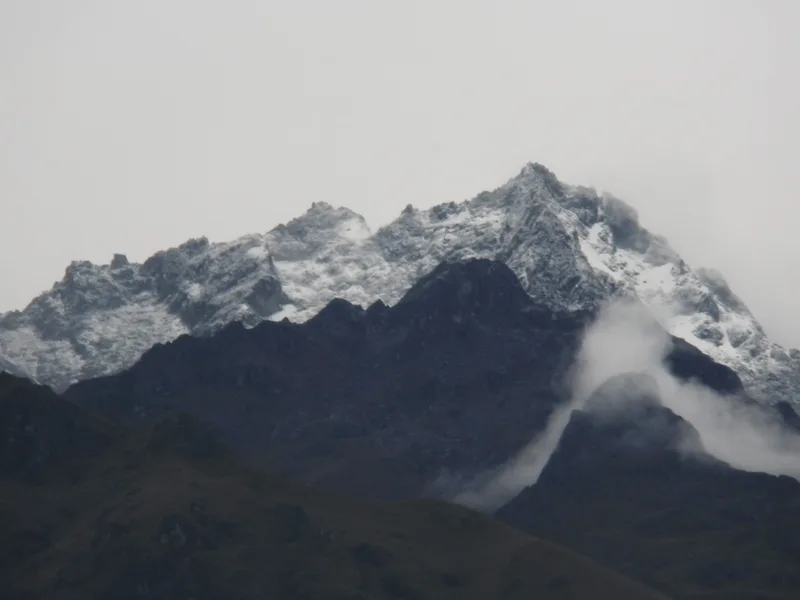
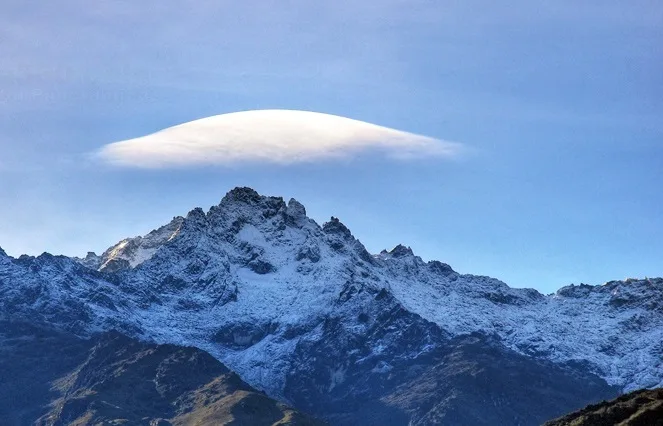
Pico Bolívar is the highest mountain in Venezuela, rising to 4,978 metres above the city of Mérida in the Venezuelan Andes. Historically crowned by northern equatorial glaciers, its jagged metamorphic horn stands as the geographical symbol of Venezuela's alpine heritage. First explored scientifically by German geographer Wilhelm Sievers in 1885, Pico Bolívar was first climbed on January 5, 1935, by Austrian alpinist Franz Josef Weiss alongside legendary Los Nevados guide Domingo Peña and Herlindo Molina.
Pioneered & Associated Routes (1)
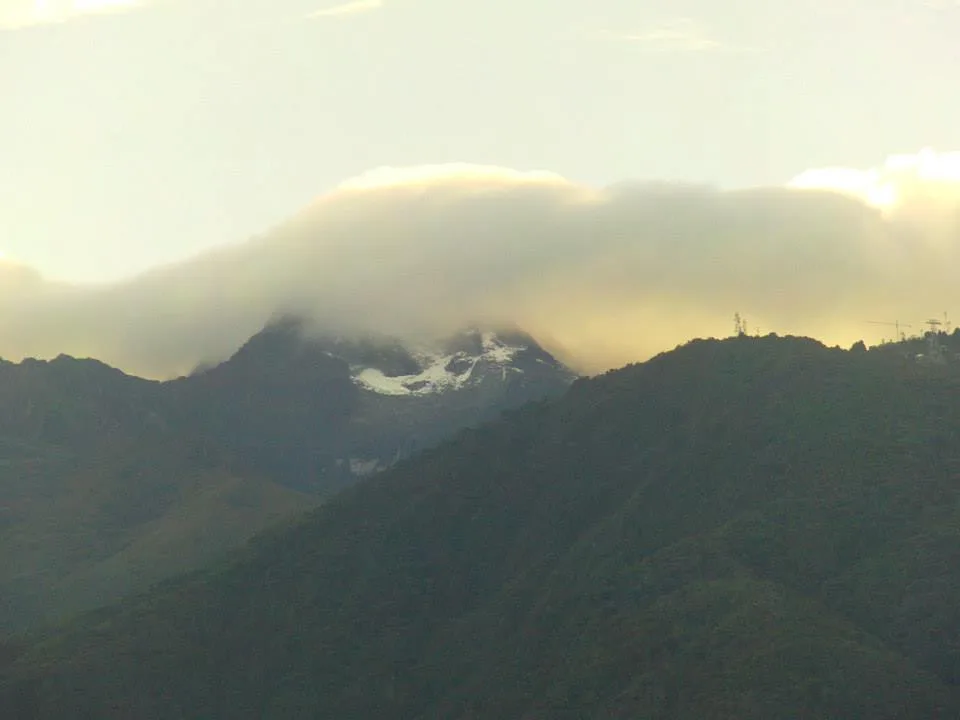
Pico Bolívar Normal Route (Weiss Route / La Garganta)
The historic Weiss Route ascends the southern flanks of Pico Bolívar through the high col of La Garganta ('The Throat') and the Timoncito couloir. The route combines high-altitude moraine hiking, 40°-45° firn gullies, and class 4 rock scrambling along exposed metamorphic ribs to reach the 4,978-metre summit bust of Simón Bolívar.
Documented Expeditions (1)
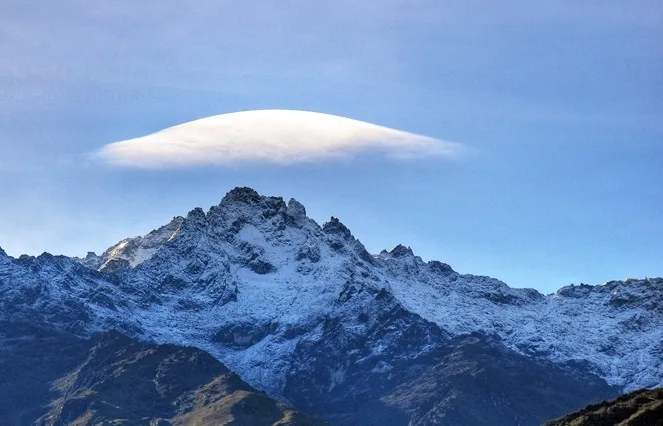
1935 Franz Josef Weiss and Domingo Peña Pico Bolívar Historic First Ascent Expedition
On January 5, 1935, Austrian mountaineer Franz Josef Weiss alongside Venezuelan guides Domingo Peña and Herlindo Molina achieved the historic first ascent of Pico Bolívar (4,978 m). Climbing through the steep couloir of La Garganta, they conquered Venezuela's highest alpine horn and deposited the first summit registry.
Associated Chronicles & Stories (1)
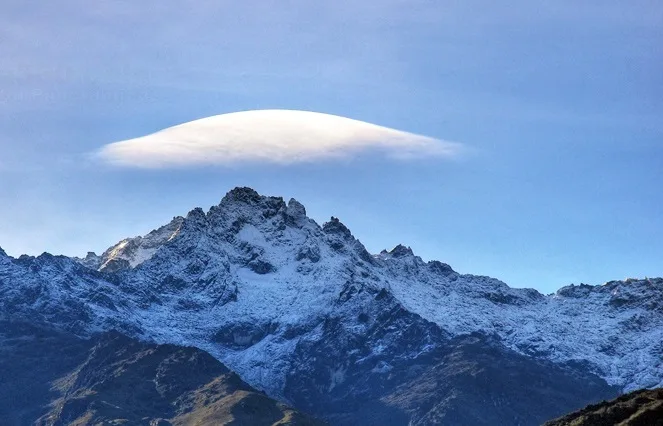
The Horn of the Liberator: Weiss and Peña Conquer Pico Bolívar in 1935
On January 5, 1935, Austrian climber Franz Josef Weiss and indigenous guide Domingo Peña conquered Pico Bolívar (4,978 m), completing the first ascent of Venezuela's highest mountain.
Documented Sources & Archival Citations
- La Conquista del Pico Bolívar(Franz Josef Weiss / Boletín del Centro Excursionista Caracas)
Supporting claim: Firsthand tribute to Domingo Peña's decisive route-finding on the 1935 first ascent
Accessed/Documented: 1936 - Domingo Peña: El Guía de los Nevados(Universidad de Los Andes, Mérida)
Supporting claim: Biographical tribute commemorating Domingo Peña's fifty ascents of Pico Bolívar
Accessed/Documented: 1975