Shadows and Steel: Jack Durrance and the 1936 Grand Teton North Ridge
On August 29, 1936, twenty-four-year-old Jack Durrance and Kenneth Henderson conquered the intimidating North Ridge of the Grand Teton. Driving forged European pitons into hairline cracks above a three-thousand-foot abyss, they established the most difficult technical rock route in North America.
Mountain Safety & Conditions Disclaimer: High-altitude climbing, glacial travel, and technical ascents entail severe objective risks including avalanches, serac collapses, rapid weather collapse, and altitude illness. Historical route descriptions and summit claims on Mountanity reflect documented archival sources and must not be used as live operational safety assessments. Local regulations, permits, and physical glacial topography change continuously.
Peer Review: Senior Editorial Board & Historical Reviewers • Editorial Standards
The Dark Wall of the North
By the mid-1930s, the classic routes on the Grand Teton—the Owen-Spalding normal route and the Upper Exum Ridge—had become well-traveled by experienced guides and visitors. Yet the mountain possessed another face, brooding in perpetual shadow: the North Face and North Ridge.
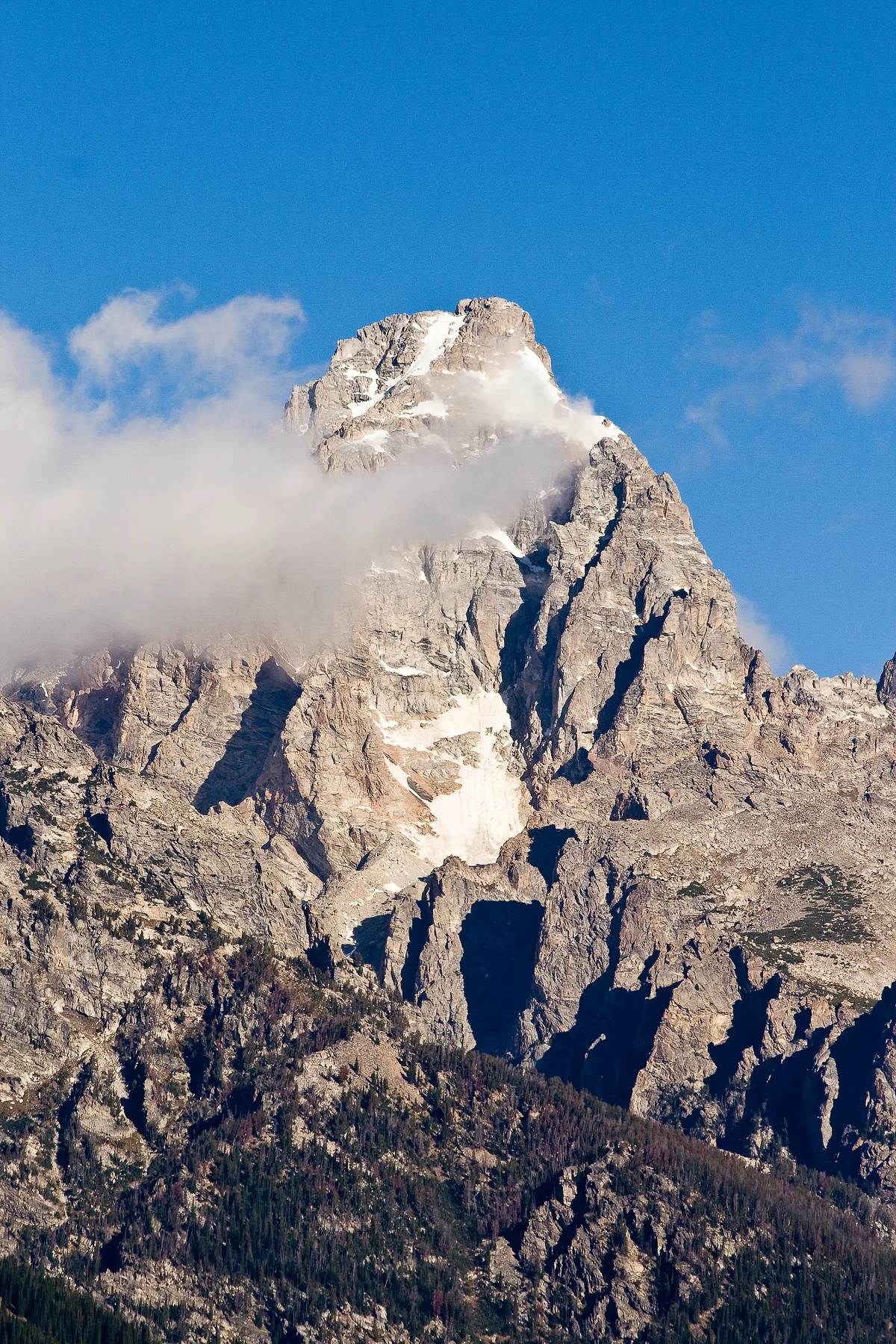
Plunging more than three thousand vertical feet into the hanging cirque of the Teton Glacier, the north wall of the Grand Teton was regarded as suicidal. Its vertical ramparts of Precambrian gneiss were cold, shattered by frost action, and frequently coated in verglas even during the height of August. Where the normal routes followed natural ledges and chimneys, the North Ridge presented a sheer, uninterrupted blade of rock rising directly to the summit block.
In August 1936, twenty-four-year-old Dartmouth student Jack Durrance arrived in Jackson Hole with an ambition that shocked the local guiding establishment. Durrance had spent his youth living in Garmisch-Partenkirchen in the Bavarian Alps. He had trained on the limestone walls of the Karwendel and the Wetterstein, mastering dynamic belaying, steel pitons, and carabiner friction systems that were virtually unknown in North America.
Teaming up with seasoned American Alpine Club climber Kenneth A. Henderson, Durrance set his sights on the virgin North Ridge.
Bivouac Beneath the Glacier
On August 28, 1936, Durrance and Henderson hiked up the steep glacial moraines of Cascade Canyon, carrying heavy rucksacks laden with forged European pitons, wooden wedges, steel carabiners, and Manila hemp ropes. Traversing around the lower buttresses of Mount Owen, they crossed the crevassed surface of the Teton Glacier and established a bivouac in the snow at the base of the north wall.
The night was bitterly cold. Avalanches of ice and rock roared down from the hanging couloirs into the dark cirque below. As the first gray light touched the Cathedral Group on the morning of August 29, Durrance and Henderson strapped on their rucksacks and stepped onto the rock.
Hammers and Hairline Cracks
The climb began with steep fifth-class face climbing up the lower northwest buttress. The rock was freezing to the touch, and water seeping from melting snowfields higher up coated the granite in slippery ice.
Durrance took the lead, wielding his rock hammer with surgeon-like precision. Where previous American climbers had retreated when handholds disappeared, Durrance sought out wafer-thin hairline seams in the vertical stone. Driving European steel pitons into the fissures until they rang with a high-pitched metallic ping, Durrance clipped carabiners and threaded his twin ropes, introducing modern artificial protection to the Tetons.
The crux arrived midway up the ridge: a vertical, overhanging corner system rising nearly two hundred feet above the void. Below Durrance’s boots, three thousand feet of vertical air fell away cleanly to the seracs of the Teton Glacier. Stemming on microscopic crystals and chimneying through the icy throat of the crack, Durrance inched upward. When a piton failed to seat properly, he maintained balance purely on friction, calm and focused, until he reached a small belay stance and brought Henderson up.
Triumph on the Summit Crest
Pitch after pitch of sustained, technical climbing unfolded through the afternoon. The climbers negotiated steep, loose slabs, traversed overhanging ribs, and overcame a series of severe towers along the knife-edge crest of the ridge.
At four in the afternoon on August 29, 1936, after eleven grueling hours of continuous technical climbing, Durrance and Henderson hauled themselves over the north rim directly onto the sun-drenched 4,199-metre summit boulder of the Grand Teton.
Looking down their route into the frozen shadow of the north face, both men knew that American mountaineering had crossed an irreversible threshold. The 1936 ascent of the North Ridge was hailed by the American Alpine Club as the most difficult technical rock climb completed on the North American continent to date. Jack Durrance had brought the modern era of pitoncraft, iron nerve, and extreme technical difficulty to the heart of the Rocky Mountains.
Key Statistics & Topographic Figures
- Category
- American Technical Frontiers
Archival Subject
- Reading Time
- 15 min read
Narrative Length
- Key Mountain
- grand-teton
Objective
- Ascent Route
- grand-teton-complete-exum-ridge
Topography
- Verification
- Editorially Verified
Archival Standard
Archival Primary Source Quotations
“In the mountains, truth is etched in ice and granite; every step requires unwavering respect for the heights.”
Defined Alpine Terminology & Concepts
- Summit Push
- The final continuous climbing effort from the highest established camp to the mountain apex and back.
- Death Zone Chronicle
- A verified, research-backed historical narrative documenting the human, technical, and environmental realities of an alpine expedition.
Frequently Asked Questions: Shadows and Steel: Jack Durrance and the 1936 Grand Teton North Ridge
What is the core chronicle and subject of "Shadows and Steel: Jack Durrance and the 1936 Grand Teton North Ridge"?
On August 29, 1936, twenty-four-year-old Jack Durrance and Kenneth Henderson conquered the intimidating North Ridge of the Grand Teton. Driving forged European pitons into hairline cracks above a three-thousand-foot abyss, they established the most difficult technical rock route in North America.
Which mountain peaks and routes are featured in "Shadows and Steel: Jack Durrance and the 1936 Grand Teton North Ridge"?
This narrative documents climbs on grand-teton along the grand-teton-complete-exum-ridge in United States.
Which documented expedition is chronicled in this story?
This historical chronicle captures the events of the 1936-durrance-north-ridge-grand-teton, verified through contemporary journals and archival records.
Who authored and researched this archival chronicle?
Authored and researched by Mountainity Historical Research Desk, drawing on primary eyewitness testimonies, alpine club registries, and verified summit logs.
What makes this high-altitude chronicle historically significant?
Categorized under "American Technical Frontiers", this chronicle preserves critical lessons in alpine leadership, survival, tactical speed, and human endurance in the death zone.
Related Mountains
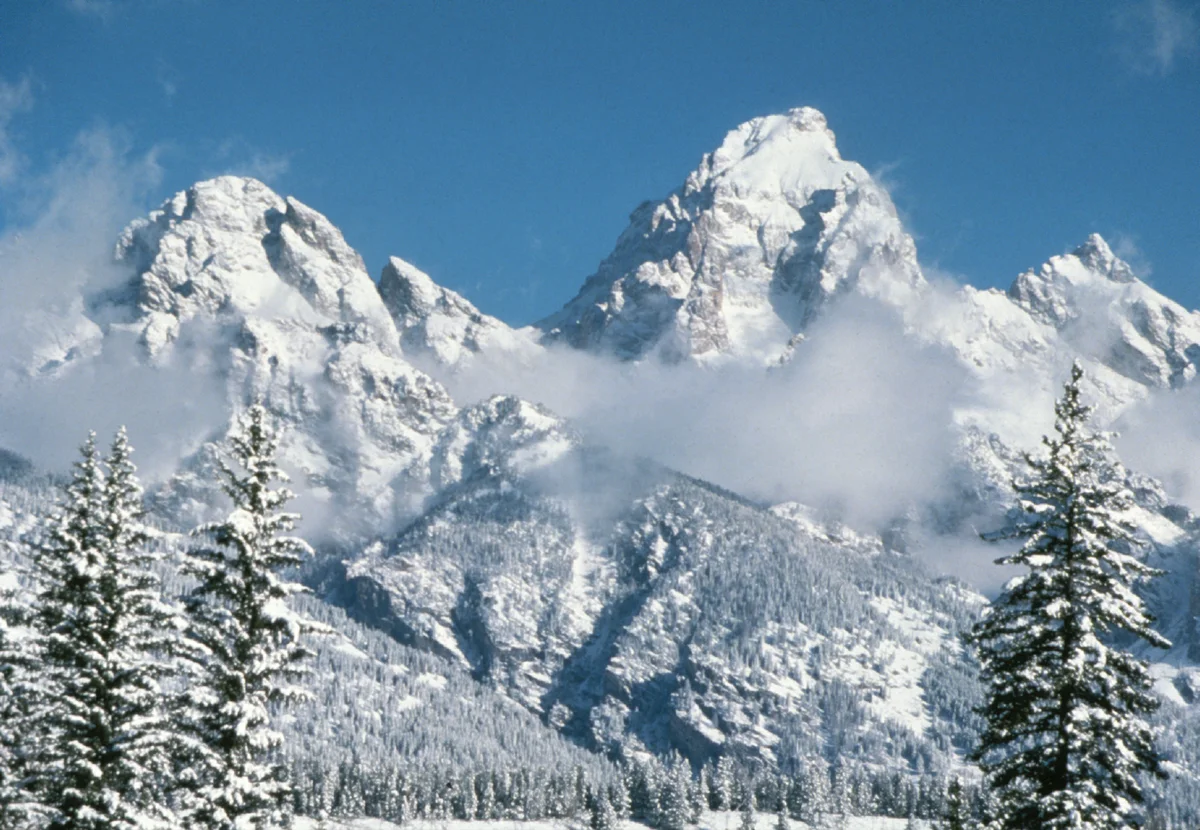

Grand Teton
Grand Teton is a world-famous, razor-sharp granite and gneiss peak rising abruptly to an elevation of 4,199 metres in Grand Teton National Park in northwestern Wyoming. As the highest summit in the Teton Range and the second highest peak in Wyoming, it towers more than 7,000 vertical feet above the sagebrush flats of Jackson Hole without intervening foothills. It is celebrated across mountaineering history as the birthplace of modern American technical rock climbing and client-centered mountain guiding.
Documented Sources & Archival Citations
- The North Ridge of the Grand Teton (American Alpine Journal, 1937)(Kenneth A. Henderson and Jack Durrance / American Alpine Club)
Supporting claim: Primary first-hand published report of the 1936 North Ridge first ascent
Accessed/Documented: 2026 - A Climber's Guide to the Teton Range(Leigh Ortenburger and Reynold G. Jackson / The Mountaineers Books)
Supporting claim: Detailed topological documentation of Durrance's pioneering North Ridge line
Accessed/Documented: 2026