
United States
Home to diverse mountain systems ranging from the granite big walls of Yosemite in California's Sierra Nevada to the rugged peaks of the Cascades, Alaska Range, and Rocky Mountains.
Peer Review: Senior Editorial Board & Historical Reviewers • Editorial Standards
Key Statistics & Topographic Figures
- Archive Classification
- COUNTRIES
Mountanity Knowledge Corpus
- Verification Status
- Editorially Verified
Archival Standards
- Citation Standard
- Primary Source Verified
Alpine Research Desk
Mountain Peaks in United States
Technical profiles, elevations, and ascent histories for summits located in or spanning United States.
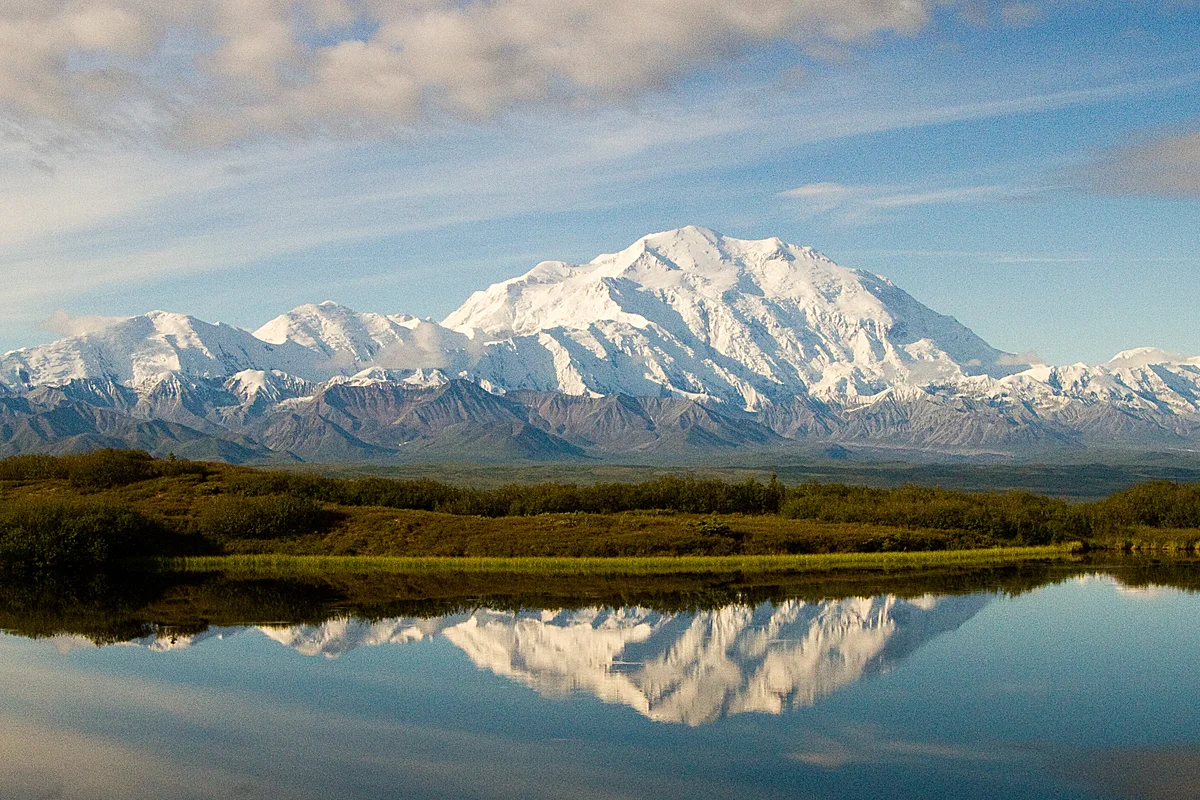
Denali
Denali is the highest mountain peak in North America, soaring to an elevation of 6,190 metres in south-central Alaska. Ranked third among the world's most topographically prominent summits, it possesses greater vertical base-to-peak relief than Mount Everest, rising over 5,500 vertical metres above the surrounding glacial plains amidst severe Arctic storms and extreme sub-zero temperatures.
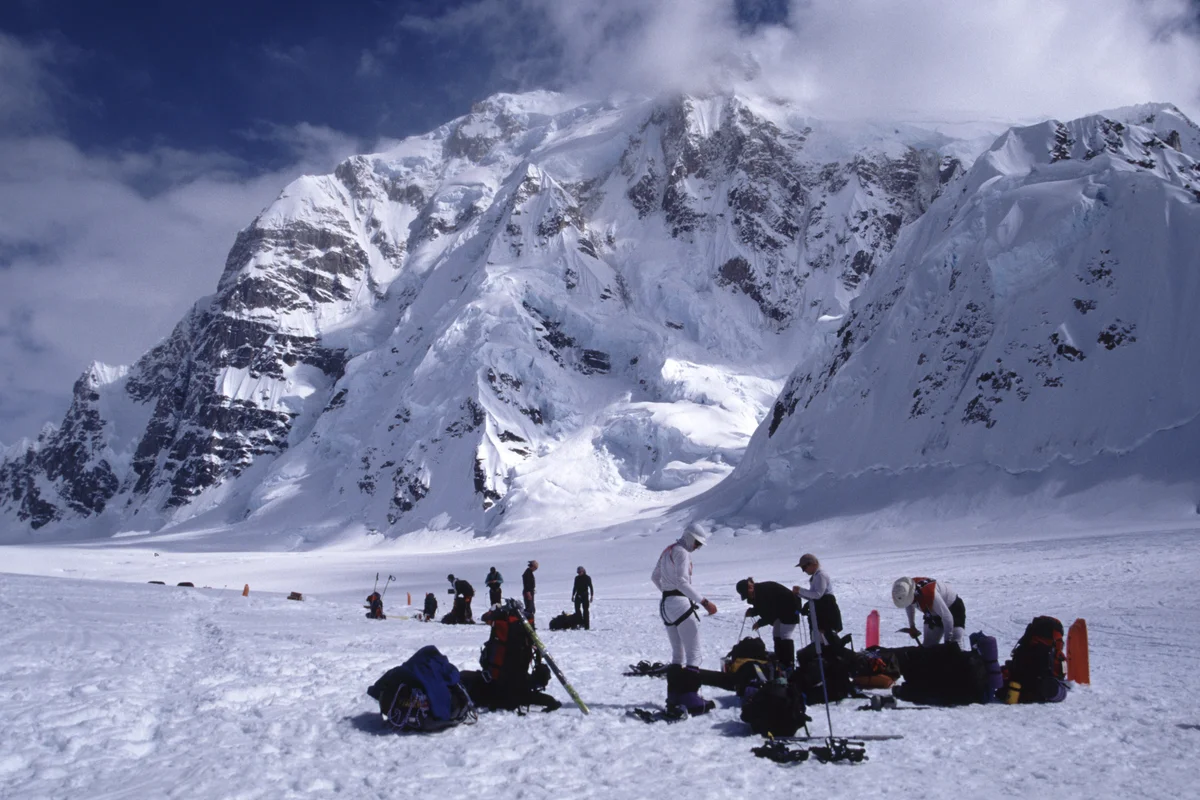
Mount Hunter
Mount Hunter, known natively in Dena'ina Athabascan as Begguya, is a 4,442-metre glaciated granite mountain situated approximately 13 kilometres south of Denali in the Alaska Range. Widely regarded as the steepest and most technically demanding of the central Alaska Range giants, it features soaring granite buttresses, hanging seracs, and severe corniced ridges.
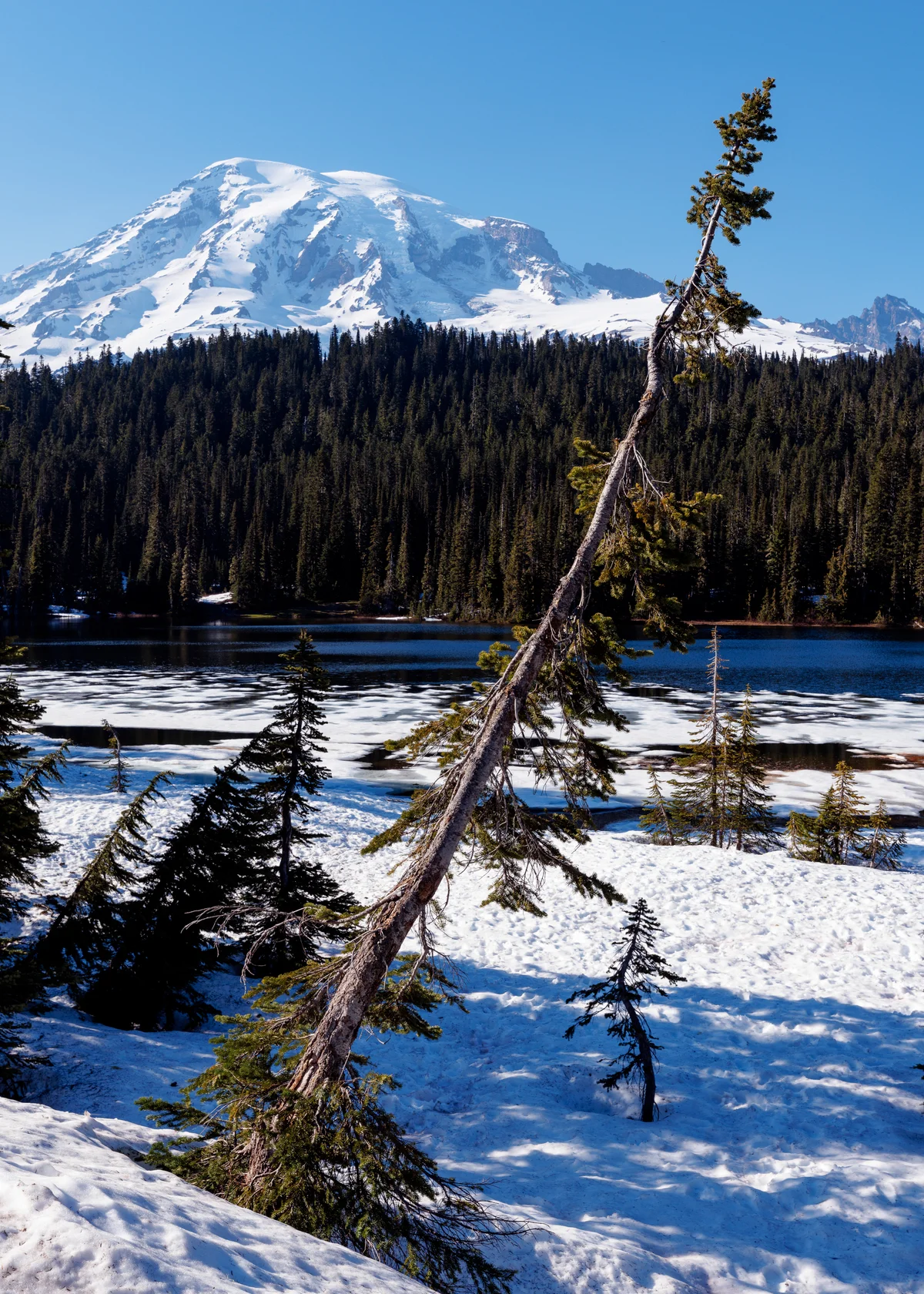
Mount Rainier
Mount Rainier is an episodic active stratovolcano in the Cascade Range of Washington, rising to an elevation of 4,392 metres as the highest peak in Washington and the Cascade Volcanic Arc. Enveloped by twenty-five major named glaciers spanning over thirty-five square miles of perpetual snow and ice, it is the most heavily glaciated peak in the contiguous United States, serving as the proving ground for American high-altitude mountaineering.
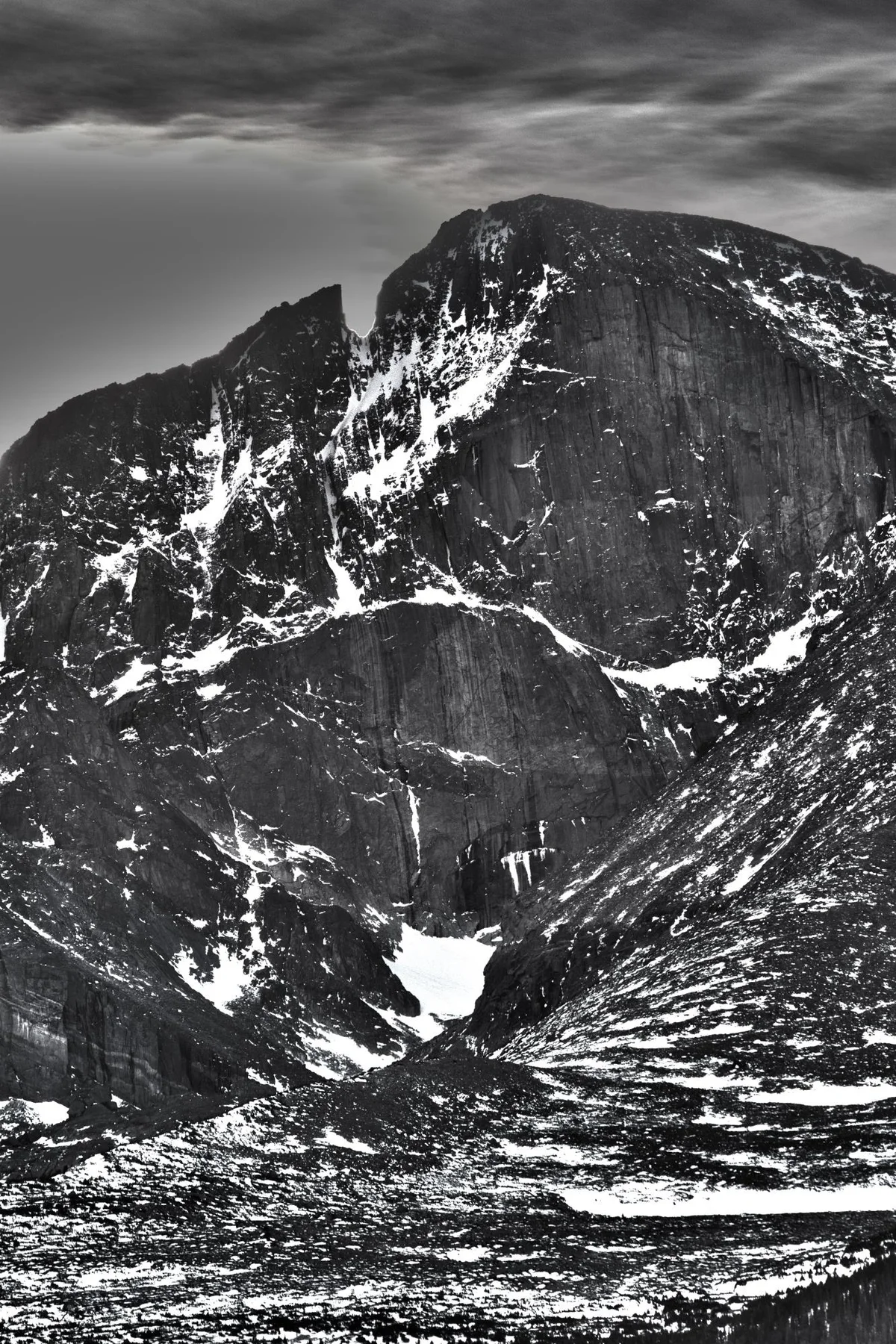
Longs Peak
Longs Peak is the undisputed monarch of northern Colorado's Front Range, rising to an elevation of 4,346 metres as the only fourteen-thousand-foot mountain in Rocky Mountain National Park. Celebrated worldwide for its sheer 1,000-foot vertical granite East Face known as 'The Diamond', Longs Peak stands as an enduring monument to early Rocky Mountain exploration, alpine endurance, and the birth of American wilderness conservation.
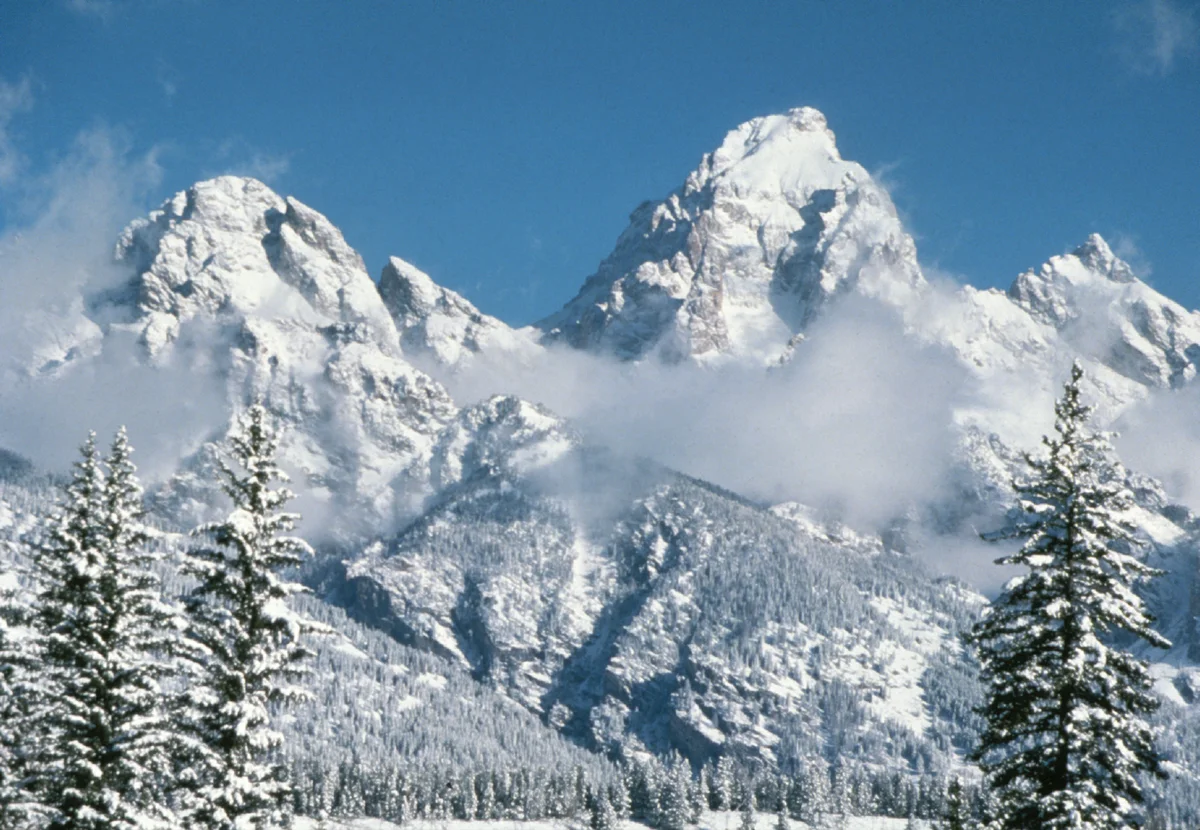
Grand Teton
Grand Teton is a world-famous, razor-sharp granite and gneiss peak rising abruptly to an elevation of 4,199 metres in Grand Teton National Park in northwestern Wyoming. As the highest summit in the Teton Range and the second highest peak in Wyoming, it towers more than 7,000 vertical feet above the sagebrush flats of Jackson Hole without intervening foothills. It is celebrated across mountaineering history as the birthplace of modern American technical rock climbing and client-centered mountain guiding.
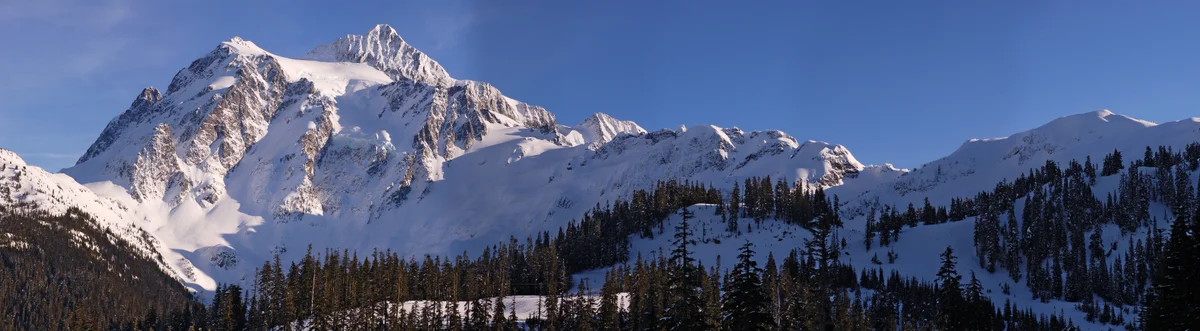
Mount Shuksan
Mount Shuksan is a majestic, heavily glaciated mountain massif in the North Cascades of Washington, rising to an elevation of 2,780 metres inside North Cascades National Park. Renowned worldwide for its iconic pyramid-like summit pinnacle and reflections across Picture Lake, it is composed of ancient Shuksan blueschist and greenstone, crowned by a dozen hanging glaciers including the Curtis, Sulphide, and Price glaciers.
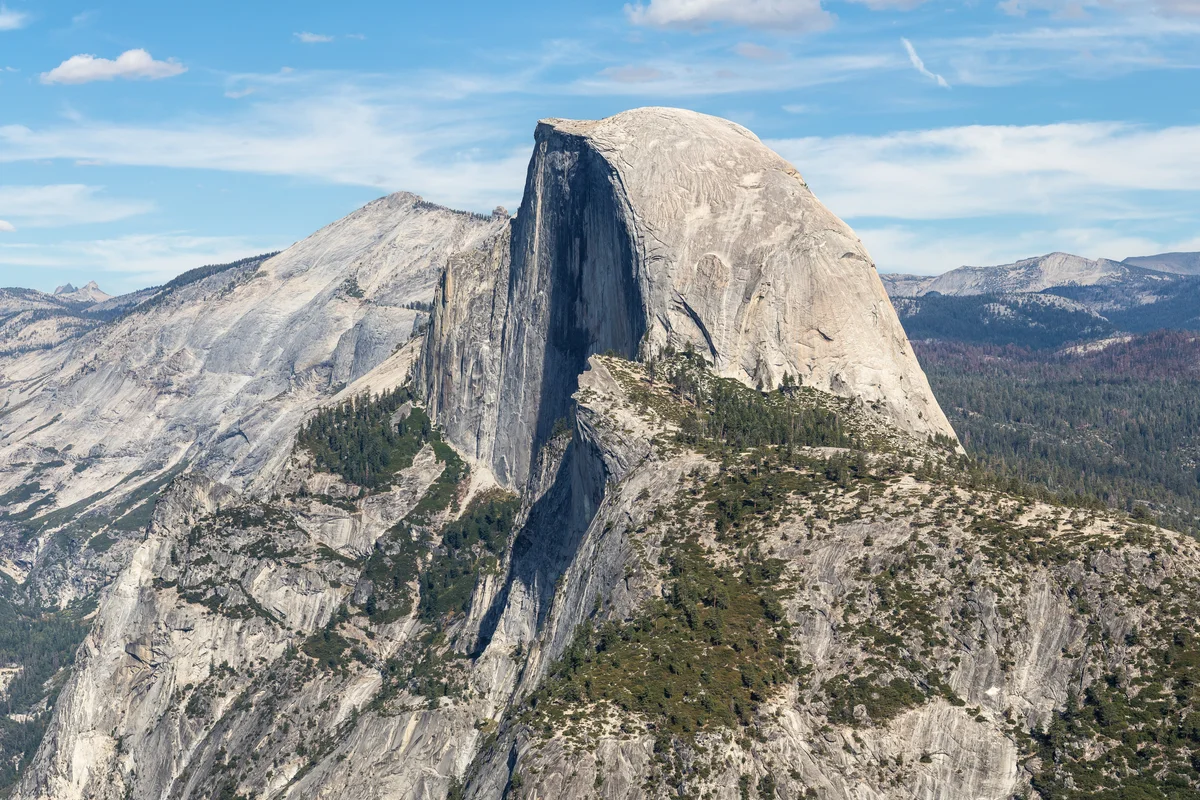
Half Dome
Half Dome is an iconic 2,694-metre granite dome rising majestically over 1,440 metres above the floor of eastern Yosemite Valley in California. Characterized by its distinctively sheared, sheer vertical northwest cliff face, Half Dome was once deemed perfectly inaccessible until pioneers opened technical big-wall routes on its massive precipice.
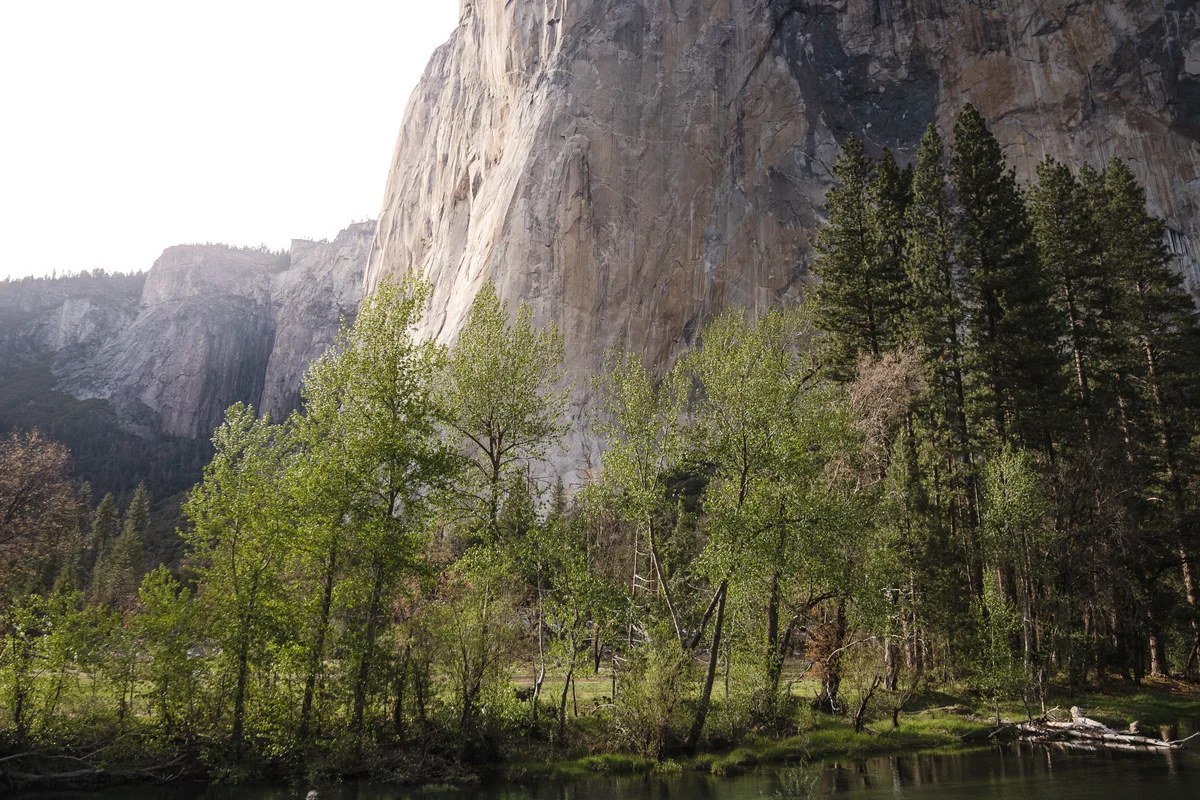
El Capitan
El Capitan is a monumental 914-metre vertical granite monolith rising above the western end of Yosemite Valley in California's Sierra Nevada. Globally renowned as the ultimate proving ground of modern big-wall rock climbing, it features legendary routes including The Nose, Salathé Wall, North America Wall, and the Dawn Wall.
Mountain Ranges Spanning United States
Geographic mountain massifs, regional topography, and glaciated chains within United States.
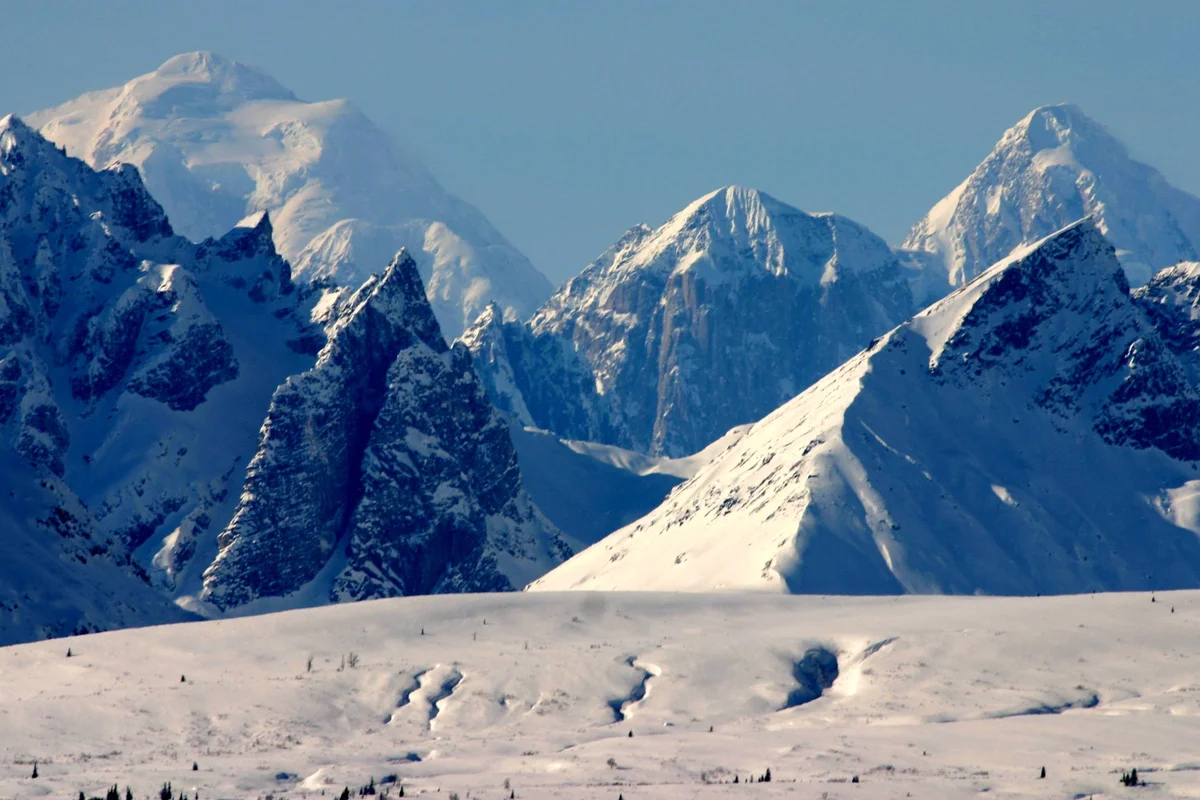
Alaska Range
A 650-kilometer arc of glacier-cloaked granite and sub-arctic wilderness in south-central Alaska. Home to Denali, the highest mountain in North America, as well as Mount Hunter and Mount Foraker, the range is renowned for extreme sub-zero weather, enormous vertical relief, and world-class alpine testpieces.
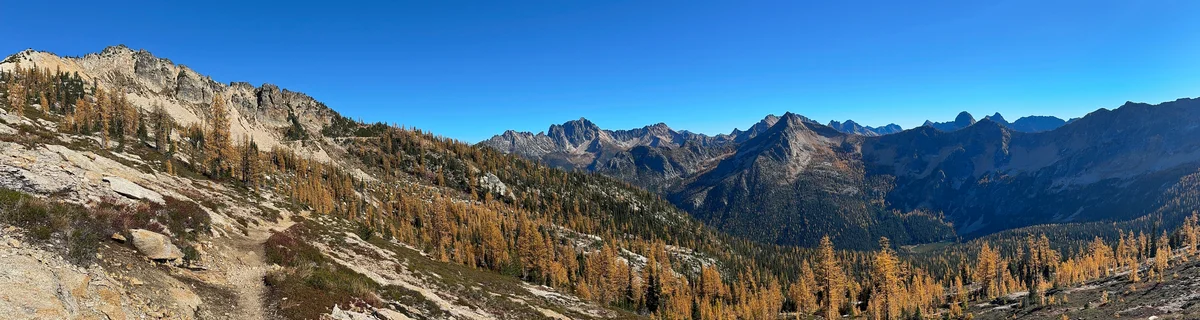
Cascade Range
A major mountain range of western North America extending from southern British Columbia through Washington and Oregon to Northern California. Dominated by massive glaciated stratovolcanoes including Mount Rainier, Mount Adams, Mount Hood, and Mount Baker, alongside the rugged granitic spires of the North Cascades, the range served as the training ground and proving center for generations of American mountaineers.
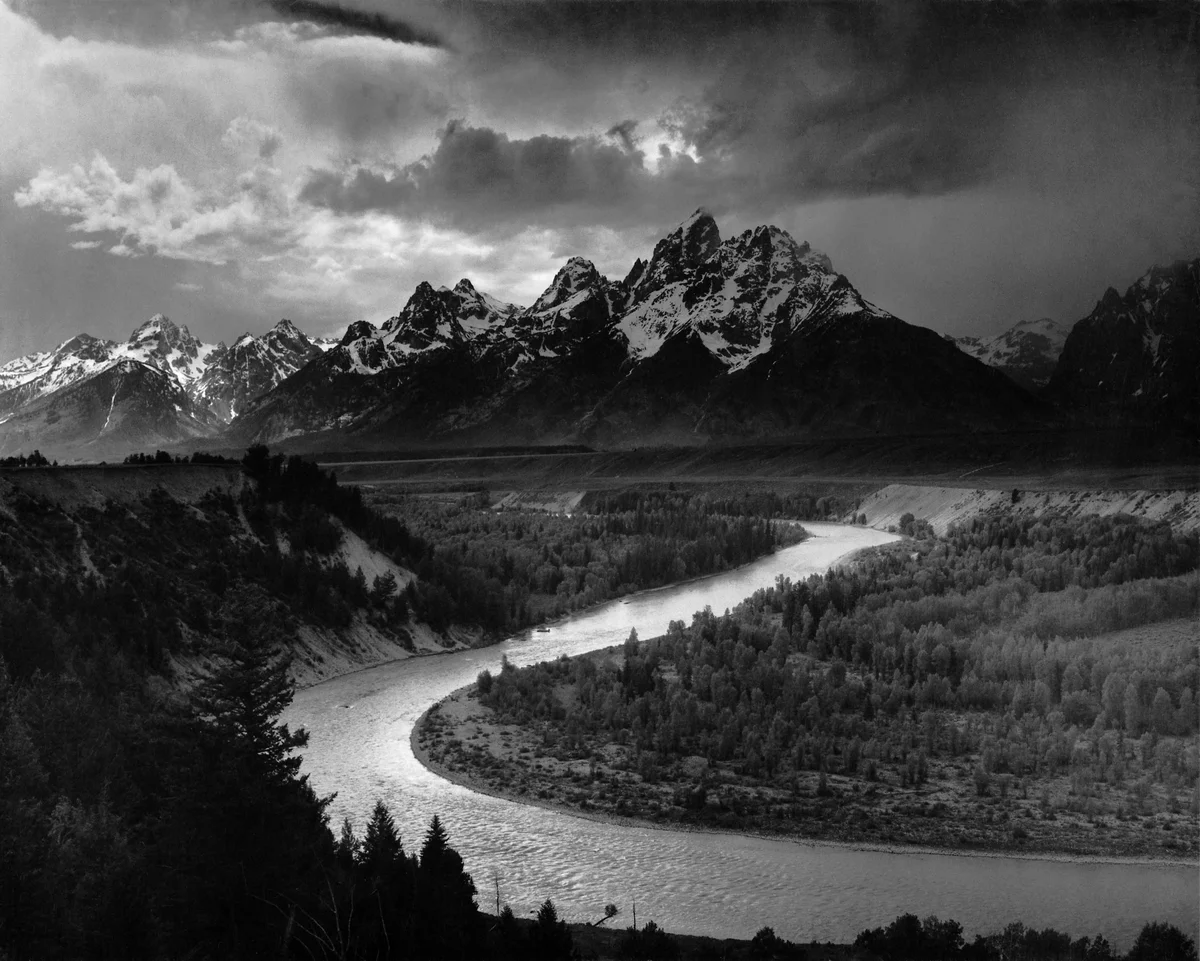
Rocky Mountains
The Rocky Mountains form the vast continental backbone of North America, stretching more than 3,000 miles from British Columbia through Wyoming, Colorado, and New Mexico. Ranging from the abrupt 7,000-foot relief of the Teton Range to the soaring Colorado fourteeners, the American Rockies provided the proving grounds for modern North American alpine rock climbing, wilderness surveying, and guiding ethics.
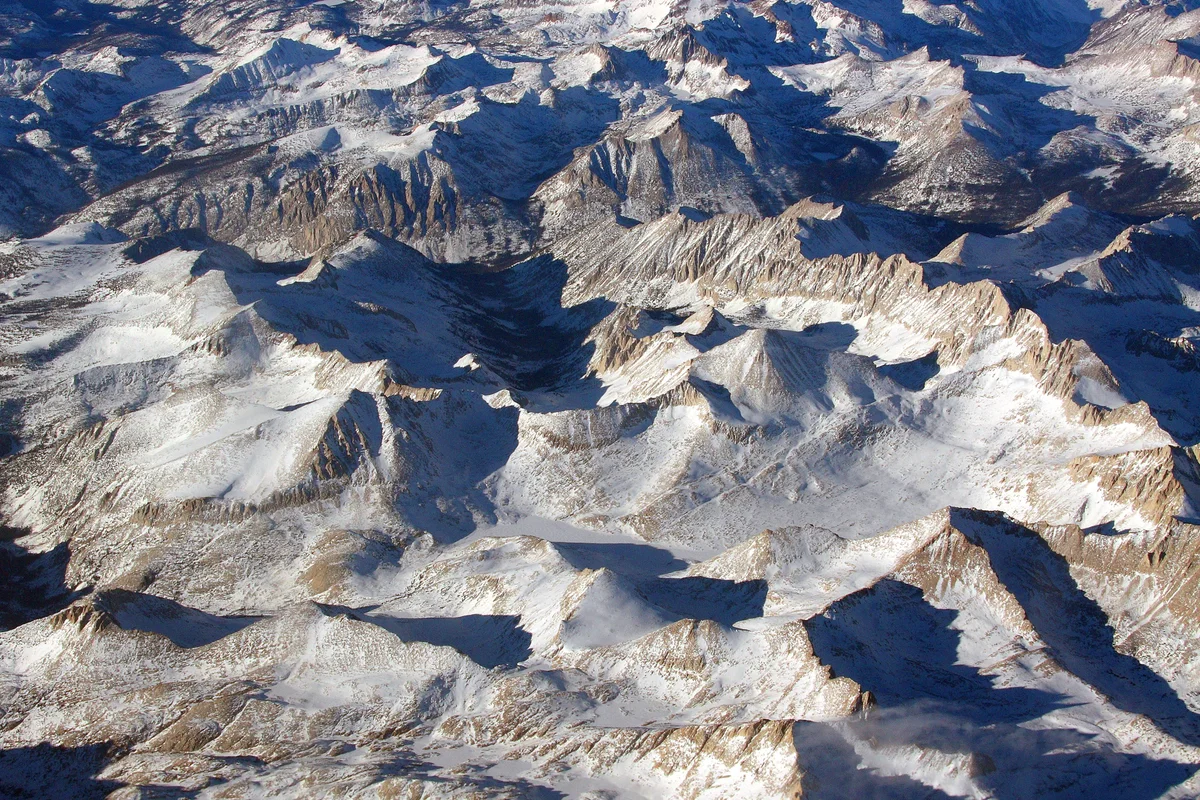
Sierra Nevada
A major mountain range in the Western United States, traversing eastern California. World-famous as the proving ground for modern big-wall rock climbing in Yosemite Valley, featuring legendary granite monoliths such as El Capitan and Half Dome.
Documented Climbing Routes
Classic lines of ascent, technical difficulties, and objective hazards across United States's summits.
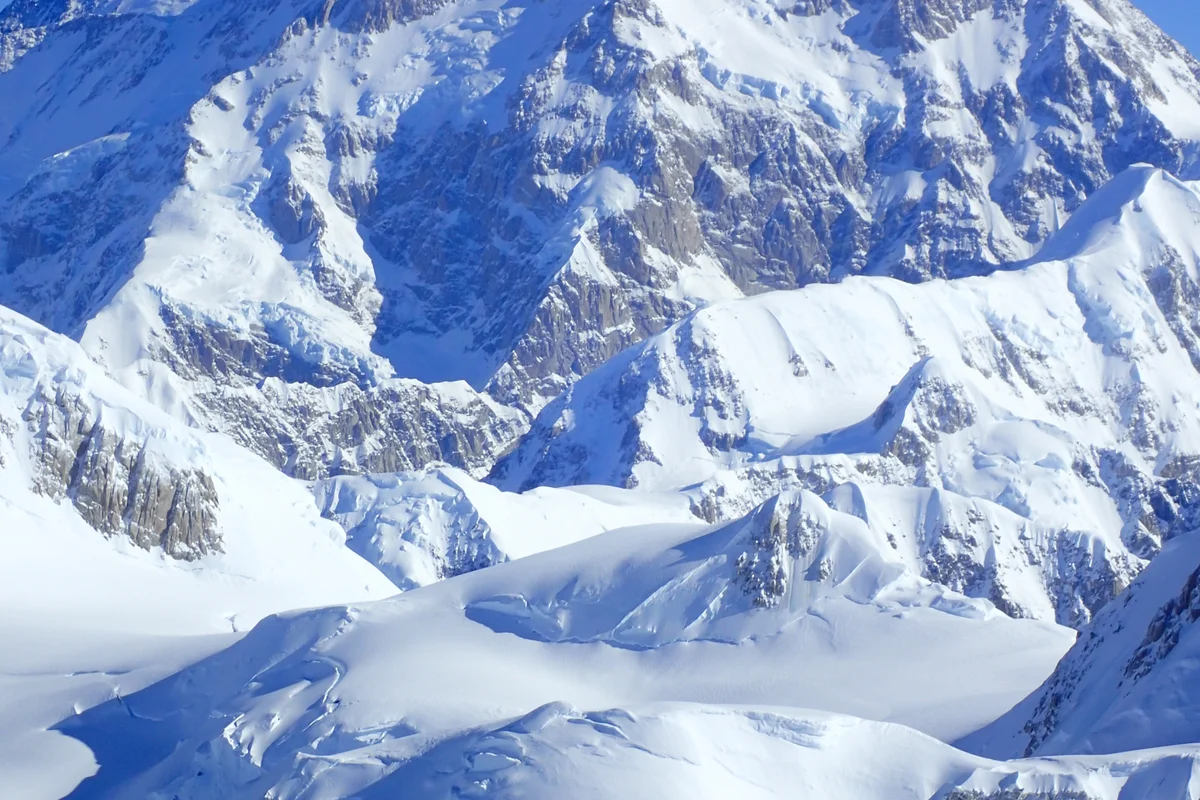
Cassin Ridge (Denali)
The Cassin Ridge is the undisputed crown jewel of North American alpine mountaineering, rising 2,500 vertical metres up the center of Denali's colossal South Face. First climbed in July 1961 by Riccardo Cassin and the Ragni di Lecco team, it demands sustained technical rock climbing up to 5.8, steep alpine ice up to AI4, razor-sharp snow arêtes, and relentless commitment in severe Arctic conditions.
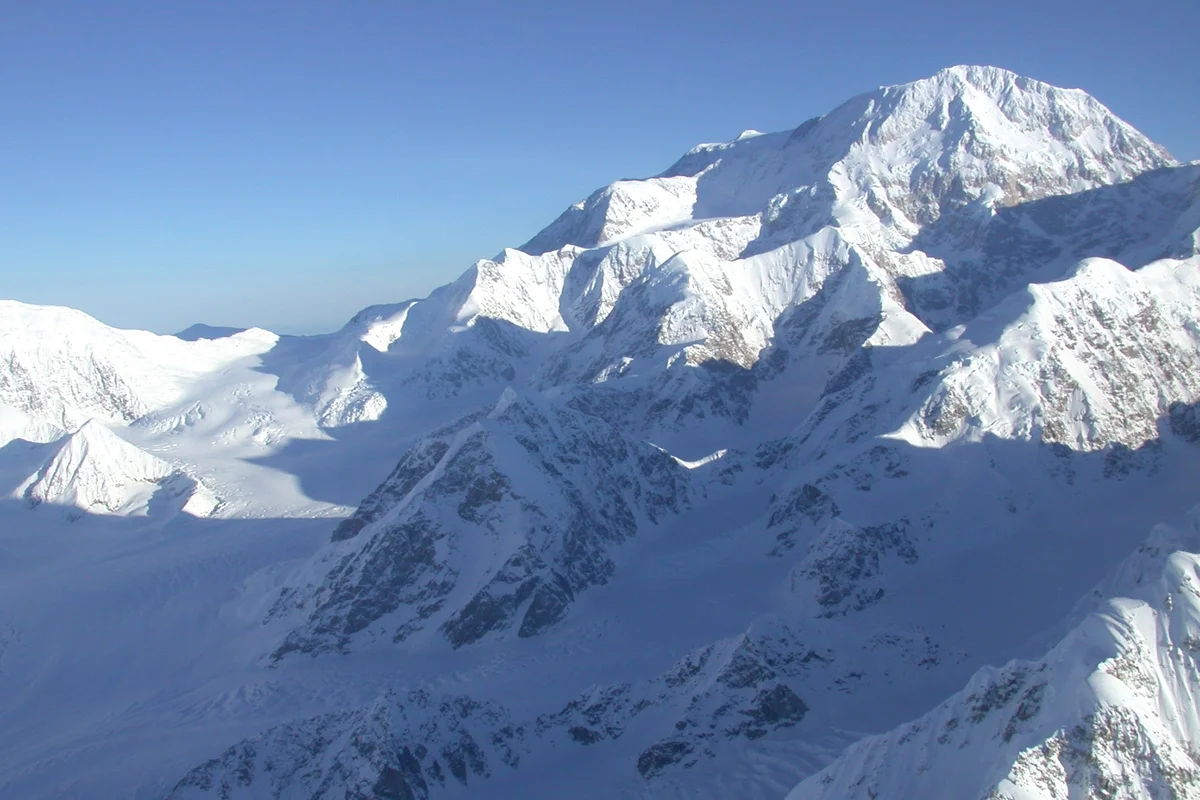
West Buttress (Denali)
The West Buttress is the premier classic mountaineering route on Denali, ascending 4,000 vertical metres from the Kahiltna Glacier to the highest point in North America at 6,190 metres. Pioneered in 1951 by Bradford Washburn, Barbara Washburn, and their team, it negotiates massive crevasse systems, the steep fixed-line ice of the Headwall, and the knife-edge granite crest above 16,000 feet amidst severe Arctic gales.
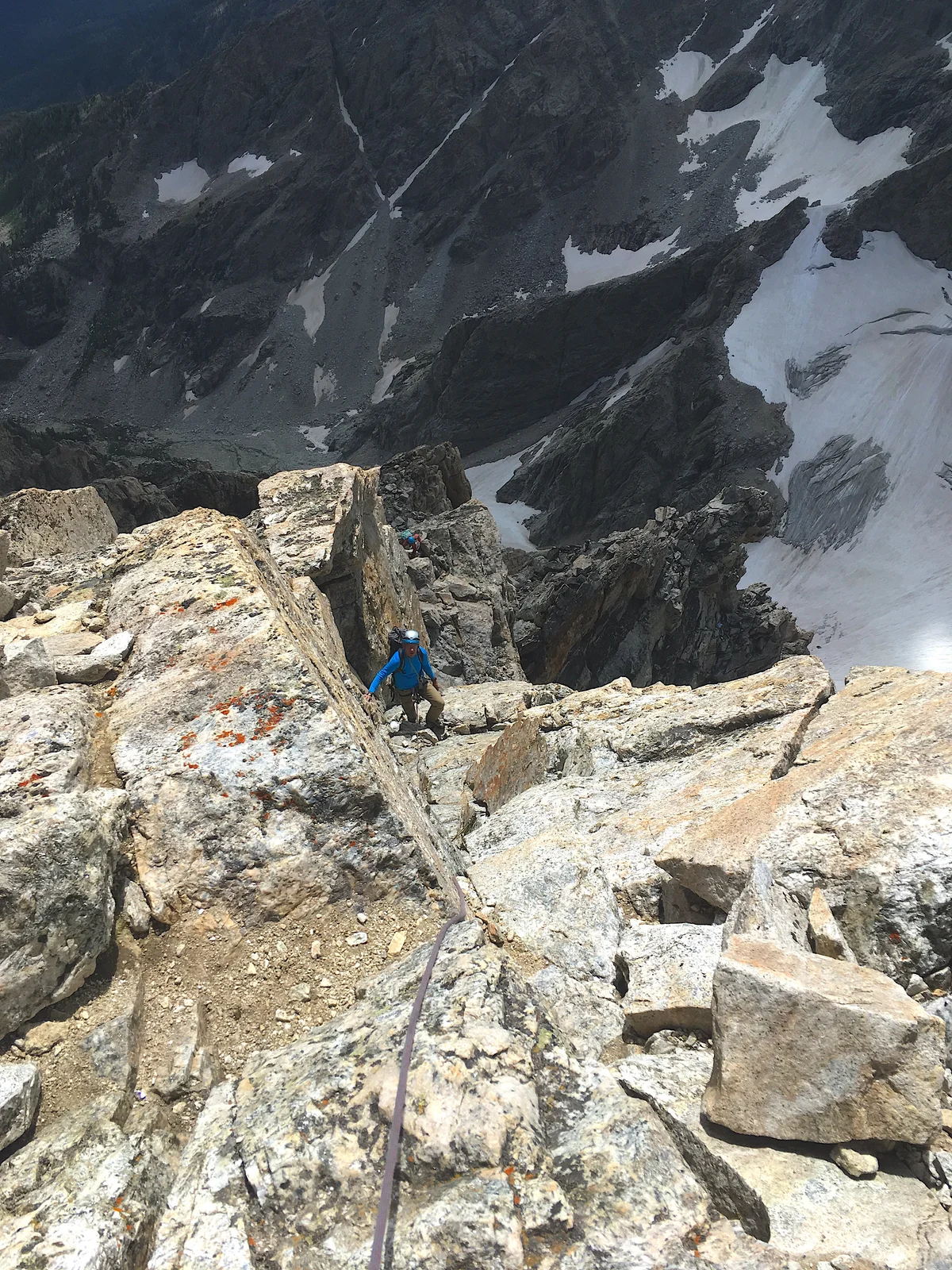
Complete Exum Ridge Route (Grand Teton)
The Complete Exum Ridge is widely revered as the finest, most aesthetic alpine rock climb in North America, scaling 1,700 vertical feet of immaculate, exposed Precambrian gneiss along the south ridge of Grand Teton directly to the summit. Pioneered in its upper section by 20-year-old Glenn Exum in 1931 during a daring solo climb and completed from the Lower Saddle by Paul Petzoldt and Glenn Exum, the route is graded Grade III / YDS 5.7 (French 5a), featured prominently in Fifty Classic Climbs of North America.
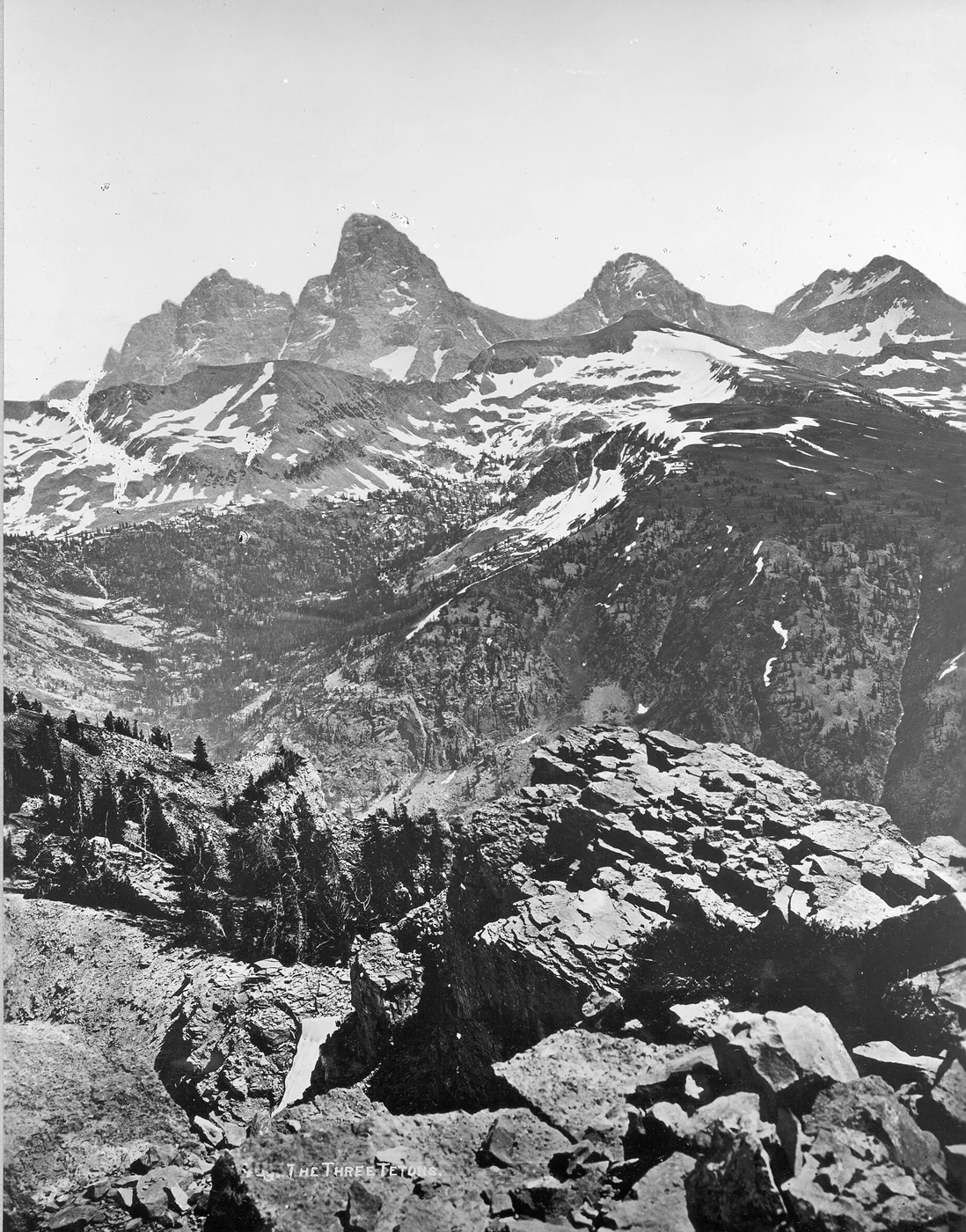
Owen-Spalding Route (Grand Teton)
The Owen-Spalding route is the historic normal route to the summit of Grand Teton, pioneering the first documented ascent of the mountain on August 11, 1898. Ascending 2,130 metres of vertical elevation gain from Lupine Meadows via Garnet Canyon, the Lower Saddle, and the Upper Saddle, the route features dramatic, world-renowned exposure on passages like the Belly Roll, The Crawl, and the physical crux of The Wall (Double Chimney), graded YDS 5.4 or French III.
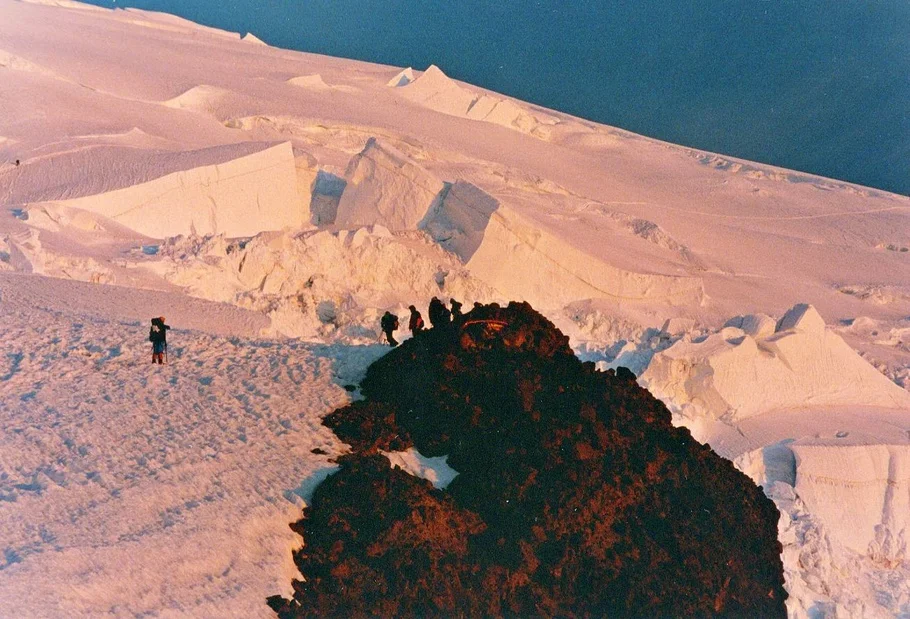
Disappointment Cleaver Route (Mount Rainier)
The Disappointment Cleaver route is the standard and most celebrated climbing route on Mount Rainier, ascending the glaciated south flank of the stratovolcano via the Muir Snowfield, the Cowlitz and Ingraham glaciers, and the rocky buttress of the Cleaver. Graded French F to PD with 2,750 metres of elevation gain from Paradise, it is North America's premier high-altitude mountaineering proving ground, presenting steep crevasse route-finding, serac fall hazards, and rapid maritime storm cycles.
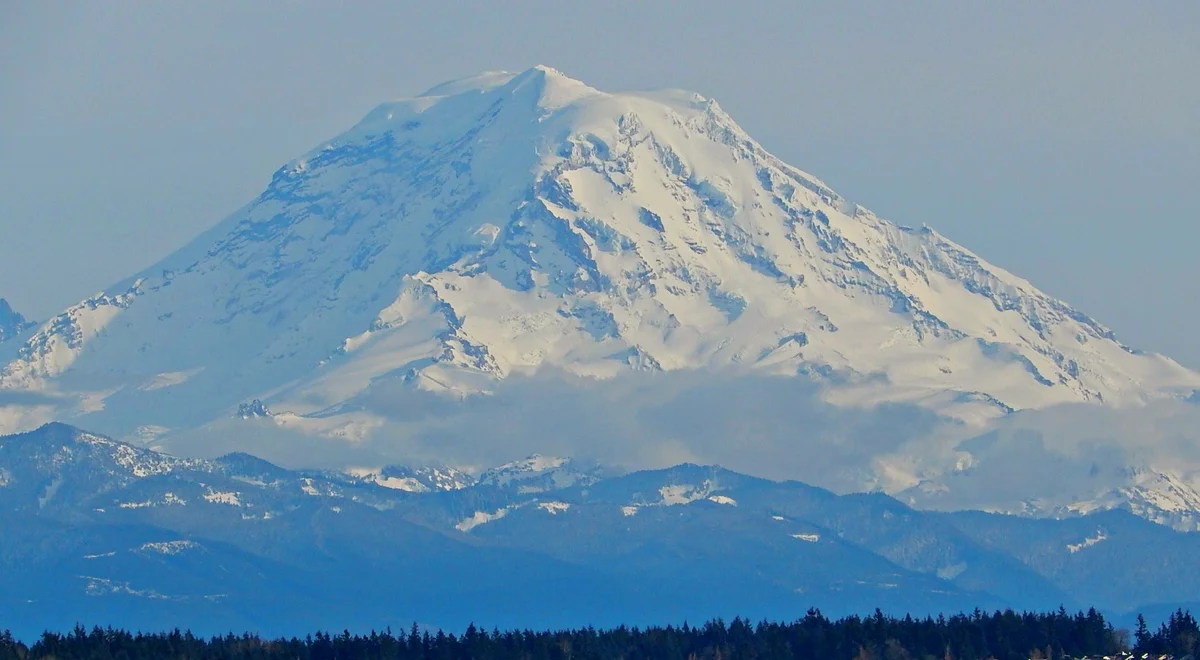
Liberty Ridge (Mount Rainier)
Liberty Ridge is the premier technical alpine classic of Mount Rainier and one of North America's Fifty Classic Climbs, rising dramatically on the mountain's north face between the Carbon and Winthrop glaciers. Ascending 1,200 vertical metres directly up a knife-edge snow, ice, and rock spine bounded by the sheer avalanche-swept walls of the Willis Wall, it is graded French D with sustained 50° to 55° ice and high objective hazards.
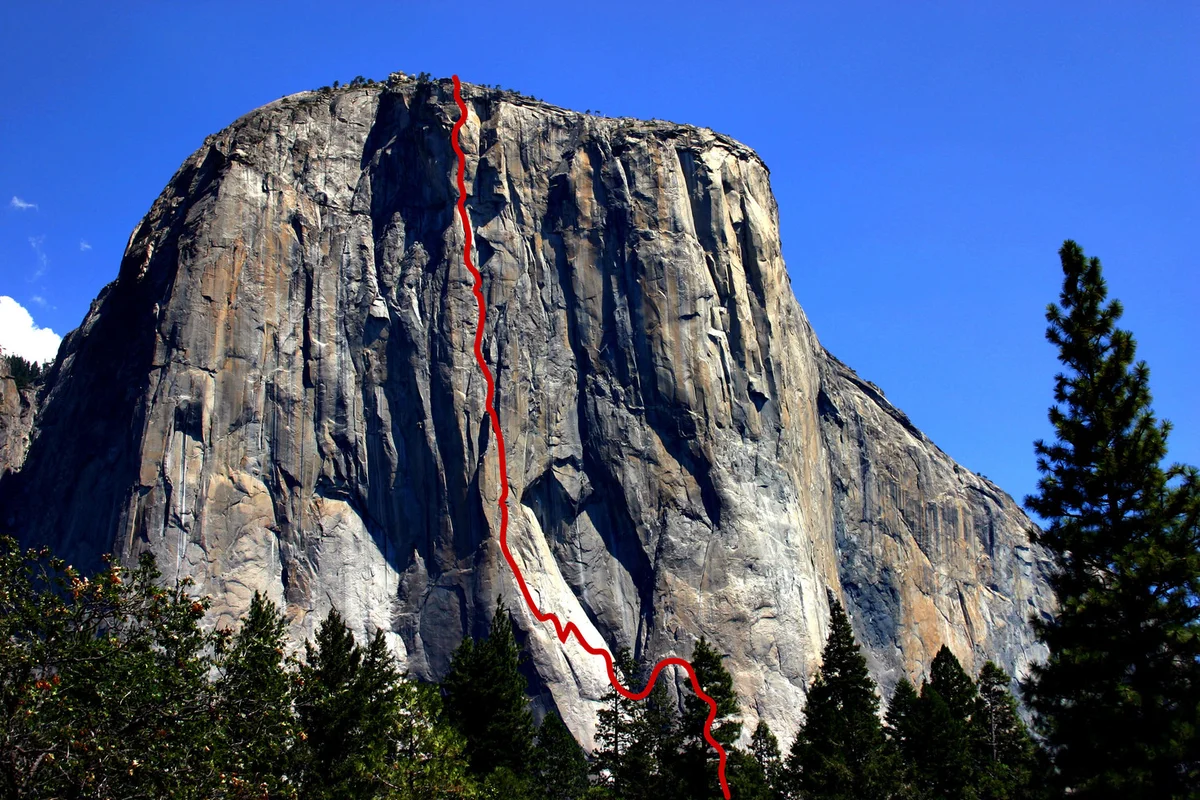
Salathé Wall (El Capitan)
The Salathé Wall is universally revered as the greatest natural big-wall route in the world, ascending the sweeping Southwest Face of El Capitan over 35 pitches. Characterized by continuous crack systems, soaring dihedrals, and the heart-stopping exposure of the Roof and Headwall pitches, it set the global gold standard for alpine big-wall ethics.
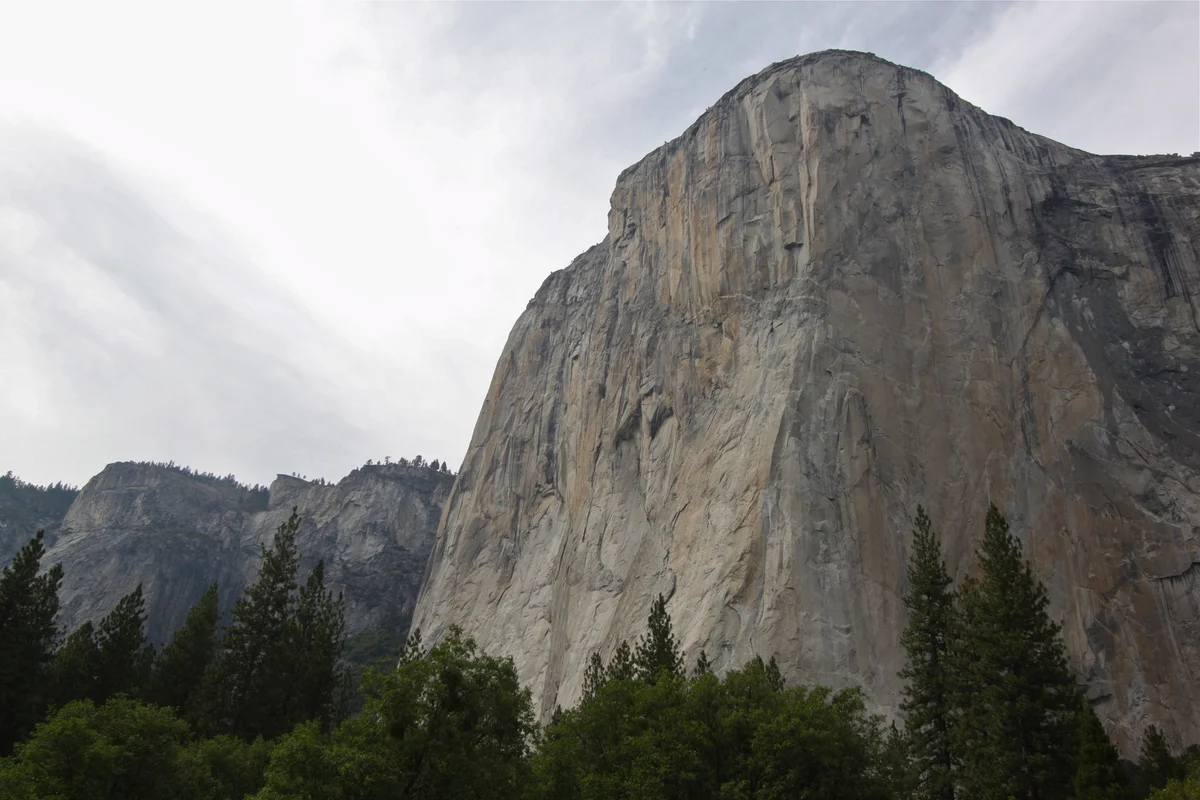
The Nose (El Capitan)
The Nose is the definitive big-wall rock climb on Earth, tracing the proud, protruding central prow of El Capitan for 31 technical pitches over 884 vertical metres. From the Boot Flake and the King Swing to the Great Roof and the sweeping summit headwall, it is the most coveted and historic multi-day climbing route in the world.
Historic Expeditions & First Ascents
Epoch-making sieges and triumphant summits recorded within United States's alpine history.
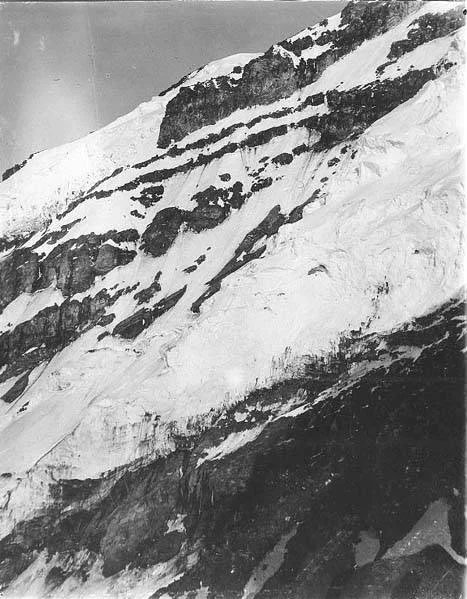
1870 Historic First Ascent of Mount Rainier by Stevens and Van Trump
On August 17, 1870, Hazard Stevens and Philemon Beecher Van Trump made the first documented ascent of Mount Rainier, climbing past Gibraltar Rock and surviving an overnight gale in summit steam vents.
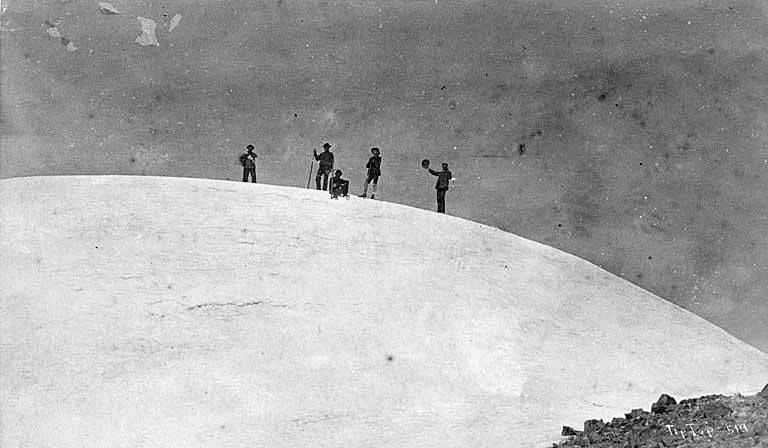
1890 Historic First Female Ascent of Mount Rainier by Fay Fuller
On August 10, 1890, twenty-year-old journalist Fay Fuller achieved the historic first female ascent of Mount Rainier, scaling Gibraltar Rock and bivouacking in the summit crater.
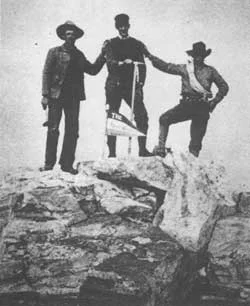
1898 Owen-Spalding Grand Teton First Documented Ascent
On August 11, 1898, Franklin Spencer Spalding, William Otis Owen, Frank Petersen, and John Shive completed the first documented climb of the Grand Teton, overcoming the sheer pitch of The Wall.
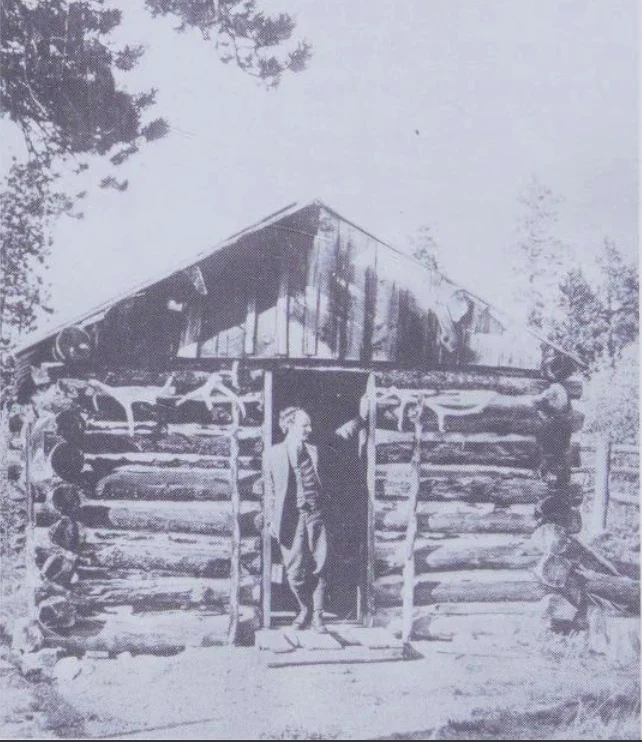
1903 Enos Mills Longs Peak Winter Night Solo Ascent
In February 1903, pioneer naturalist and guide Enos Mills completed an extraordinary solo winter night ascent of Longs Peak, navigating through the frozen Keyhole in darkness.
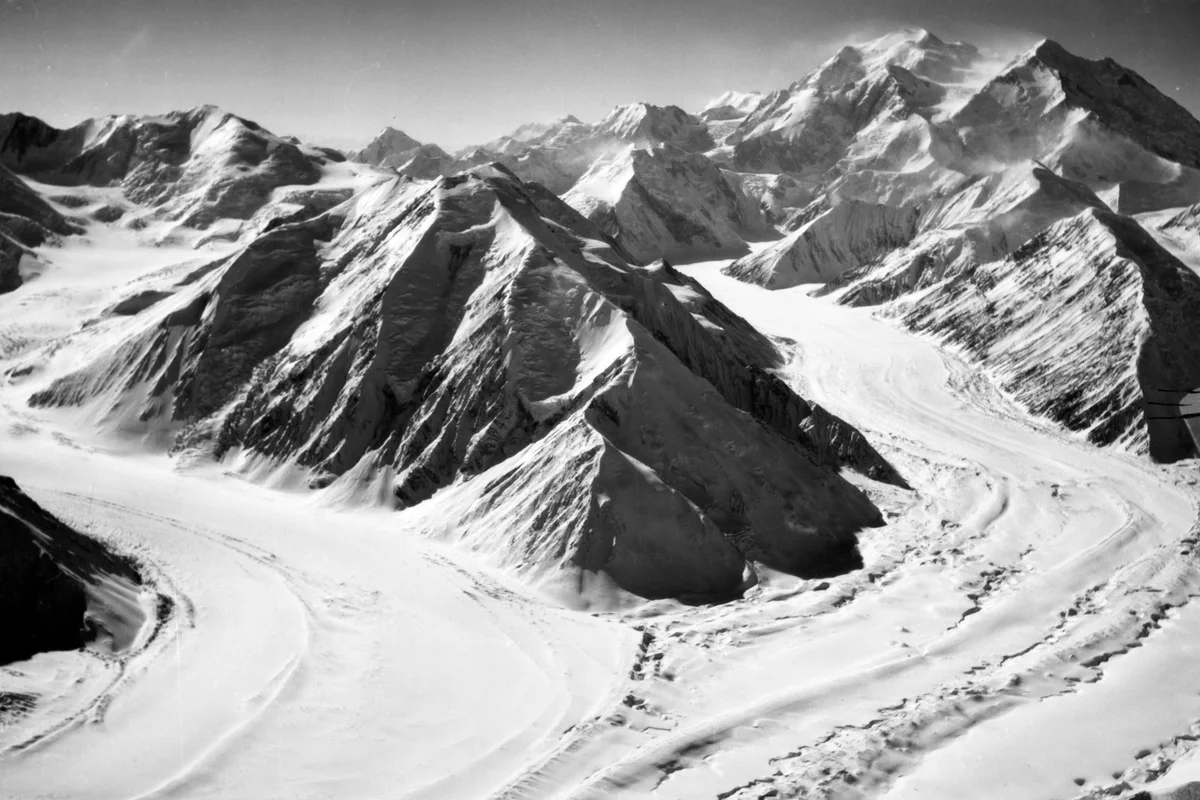
1913 Historic First Ascent of Denali via Muldrow Glacier and Karstens Ridge
On June 7, 1913, Walter Harper became the first human being to stand atop Denali, followed by Harry Karstens, Robert Tatum, and Archdeacon Hudson Stuck, conquering the shattered ice blocks of Karstens Ridge after an arduous multi-month dog-sled approach.
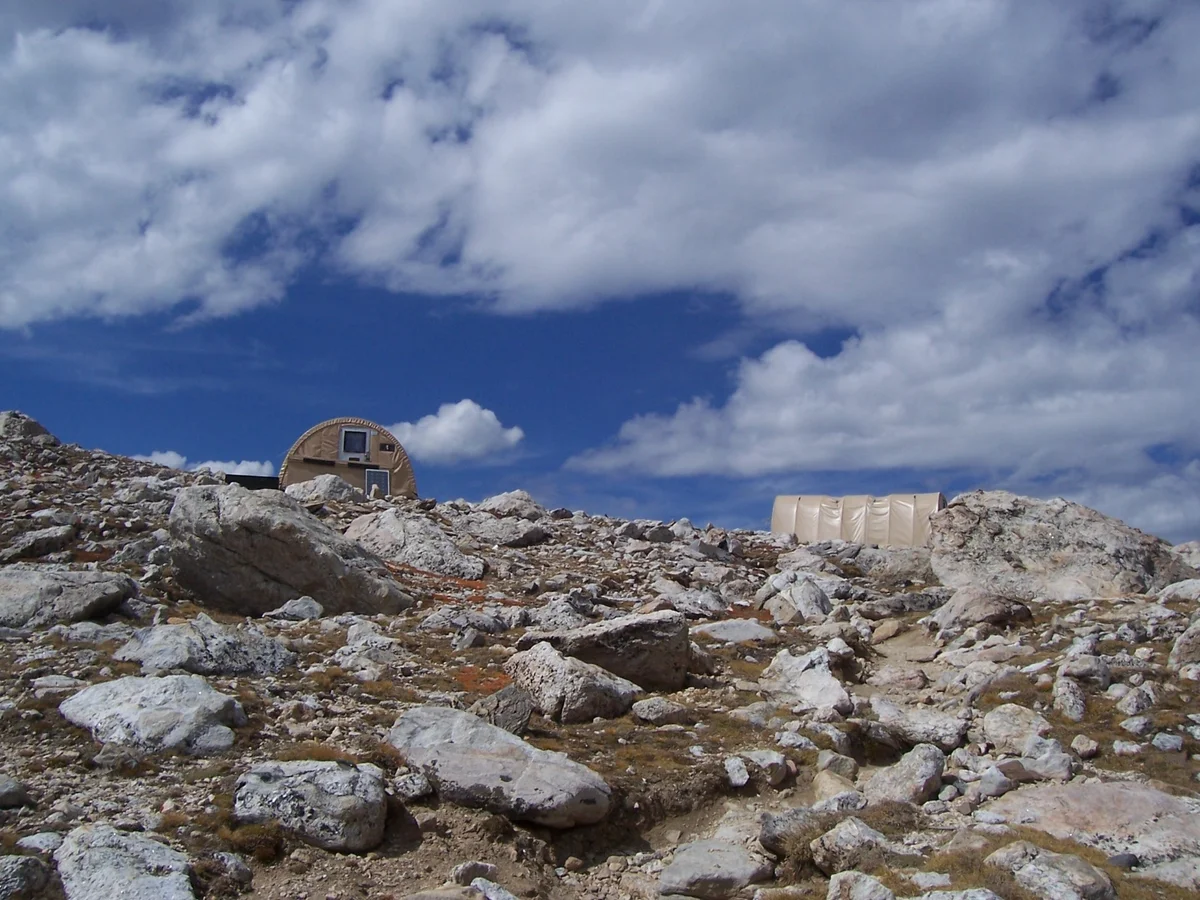
1931 Glenn Exum Upper Exum Ridge Solo Ascent
On July 15, 1931, twenty-year-old Glenn Exum made an audacious solo first ascent of the Upper Exum Ridge on Grand Teton, famously leaping the Wall Street gap in football cleats.
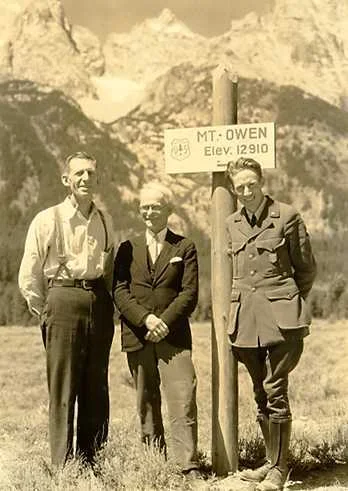
1932 Miriam Underhill Grand Teton Guideless Traverse
In August 1932, feminist alpine pioneer Miriam O'Brien Underhill and Robert Underhill completed a landmark guideless campaign across the Grand Teton and Teton Range.
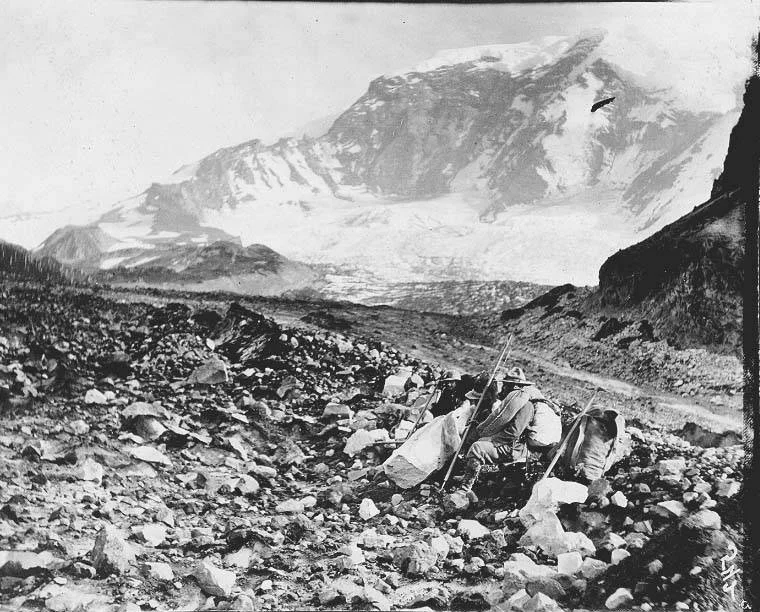
1935 First Ascent of Liberty Ridge on Mount Rainier by Daiber, Campbell, and Borrow
On September 29, 1935, Ome Daiber, Arnie Campbell, and Jim Borrow achieved the bold first ascent of Liberty Ridge on Mount Rainier, pioneering the mountain's north face classic.
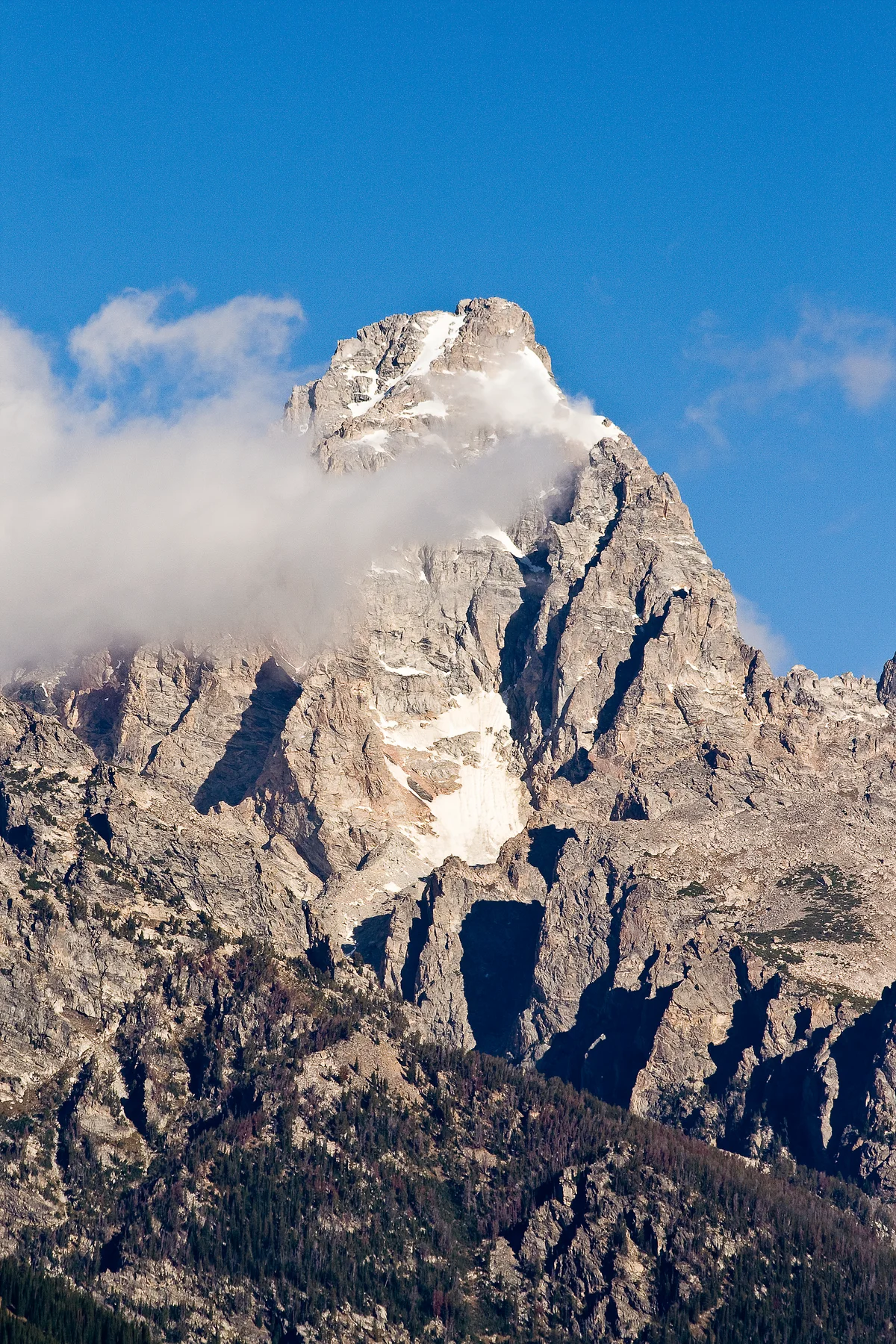
1936 Jack Durrance Grand Teton North Ridge Direct
On August 29, 1936, Jack Durrance and Kenneth Henderson established the formidable North Ridge of the Grand Teton, introducing European piton craft to the American Rockies.
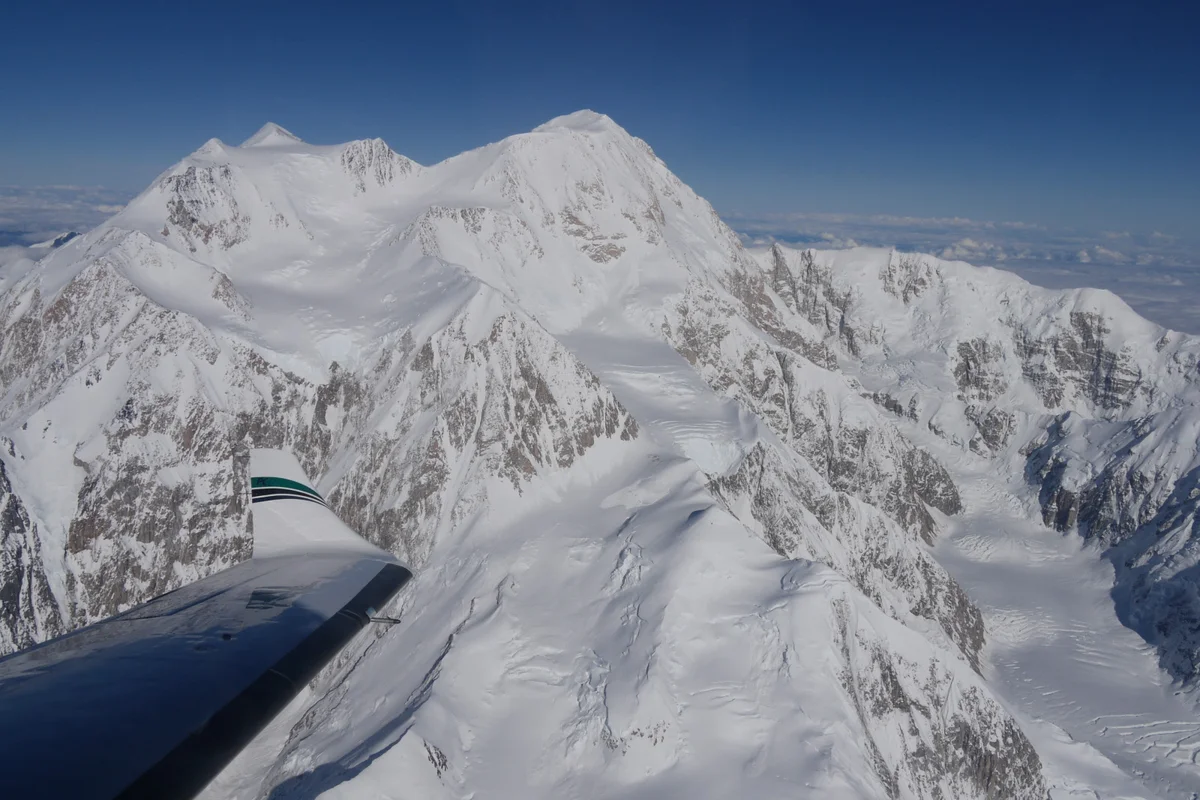
1951 Pioneering of Denali's West Buttress by Bradford and Barbara Washburn
In June–July 1951, Bradford and Barbara Washburn led a joint scientific expedition that revolutionized Alaskan mountaineering by landing on the Kahiltna Glacier and pioneering the West Buttress route to Denali's 6,190-metre summit.
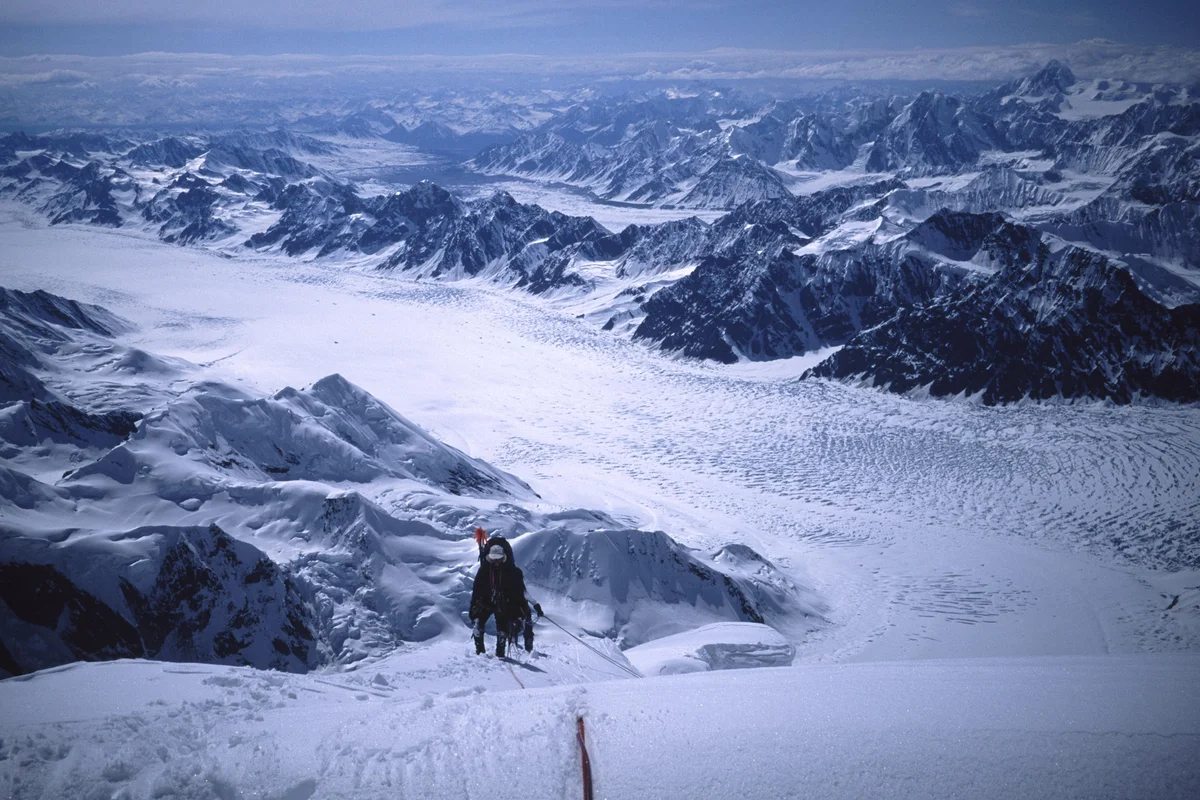
1954 First Ascent of Mount Hunter by Fred Beckey, Heinrich Harrer, and Henry Meybohm
On July 5, 1954, legendary North American mountaineer Fred Beckey, famed Eigerwand conqueror Heinrich Harrer, and German-American climber Henry Meybohm achieved the historic first ascent of Mount Hunter (4,442 m), conquering the heavily corniced West Ridge.
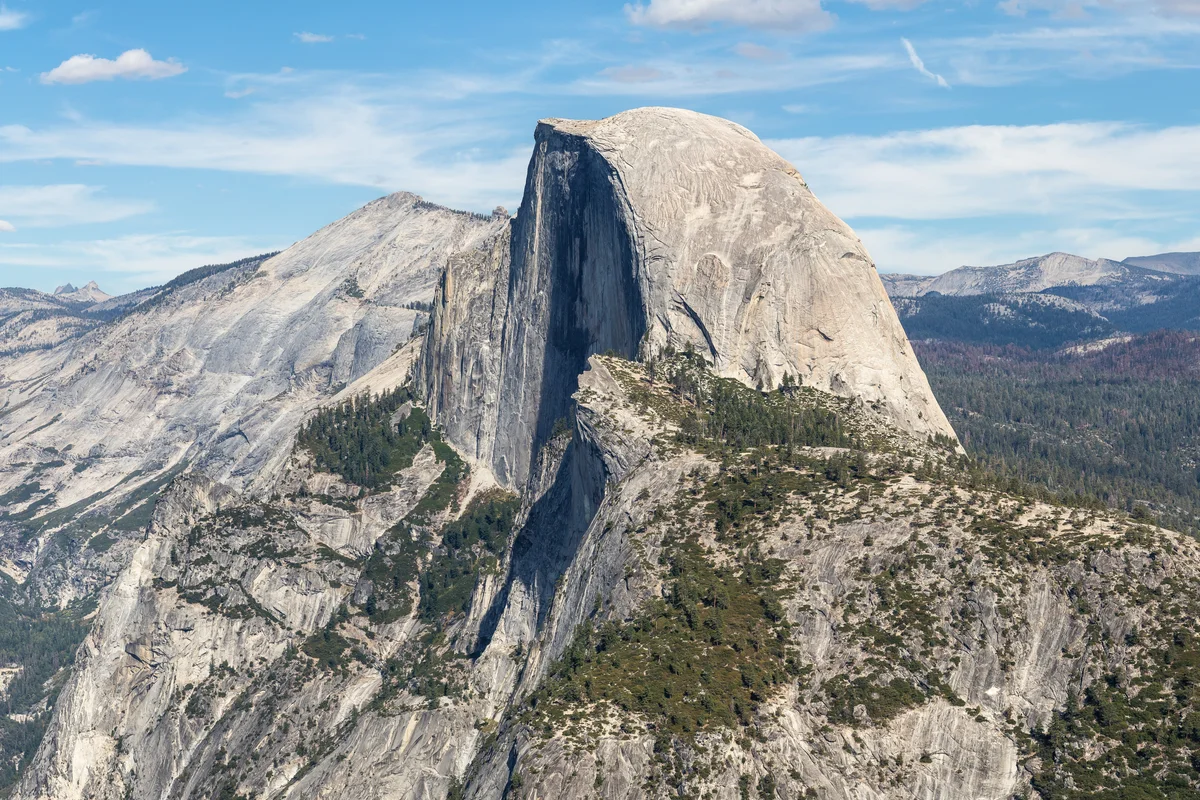
1957 First Ascent of the Northwest Face of Half Dome
In late June 1957, Royal Robbins, Mike Sherrick, and Jerry Gallwas conquered the sheer 600-metre Northwest Face of Half Dome in five continuous days, establishing the first Grade VI climb in North America.
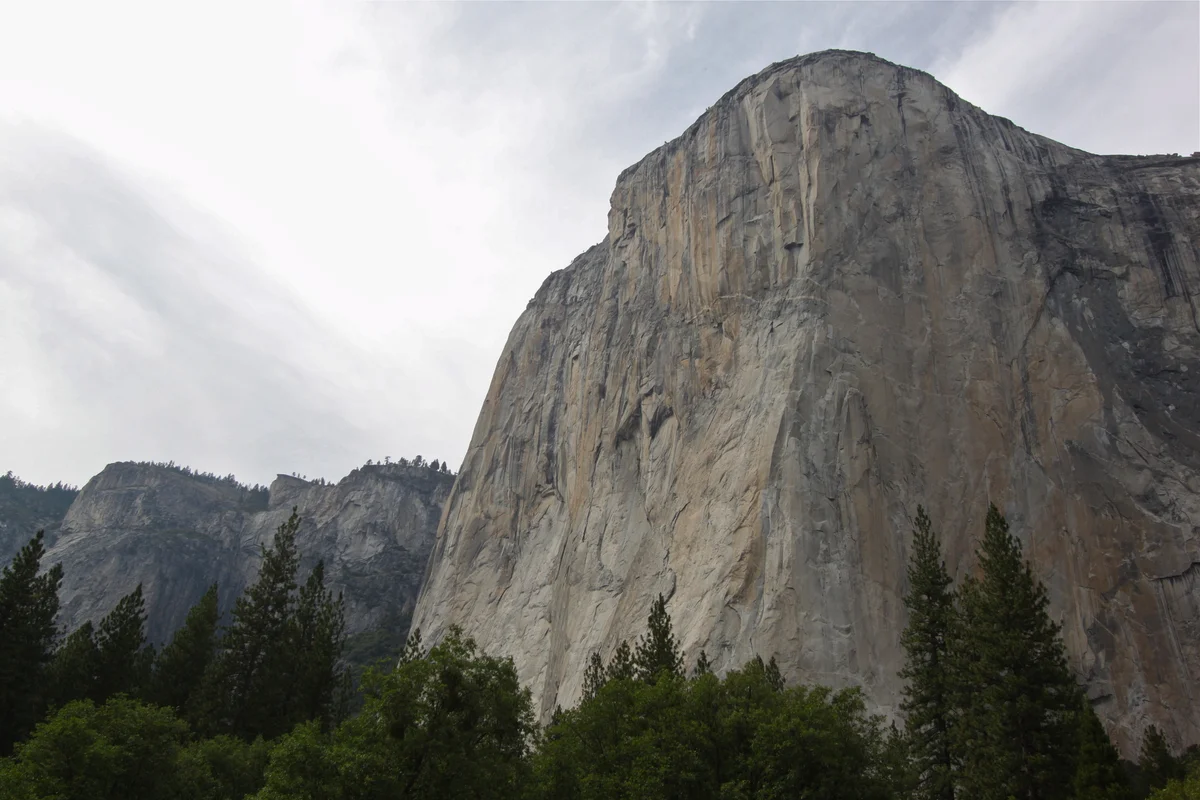
1958 First Ascent of The Nose on El Capitan
On November 12, 1958, Warren Harding, Wayne Merry, and George Whitmore stood atop El Capitan after an epic 45-day siege over 18 months, completing the monumental first ascent of The Nose.
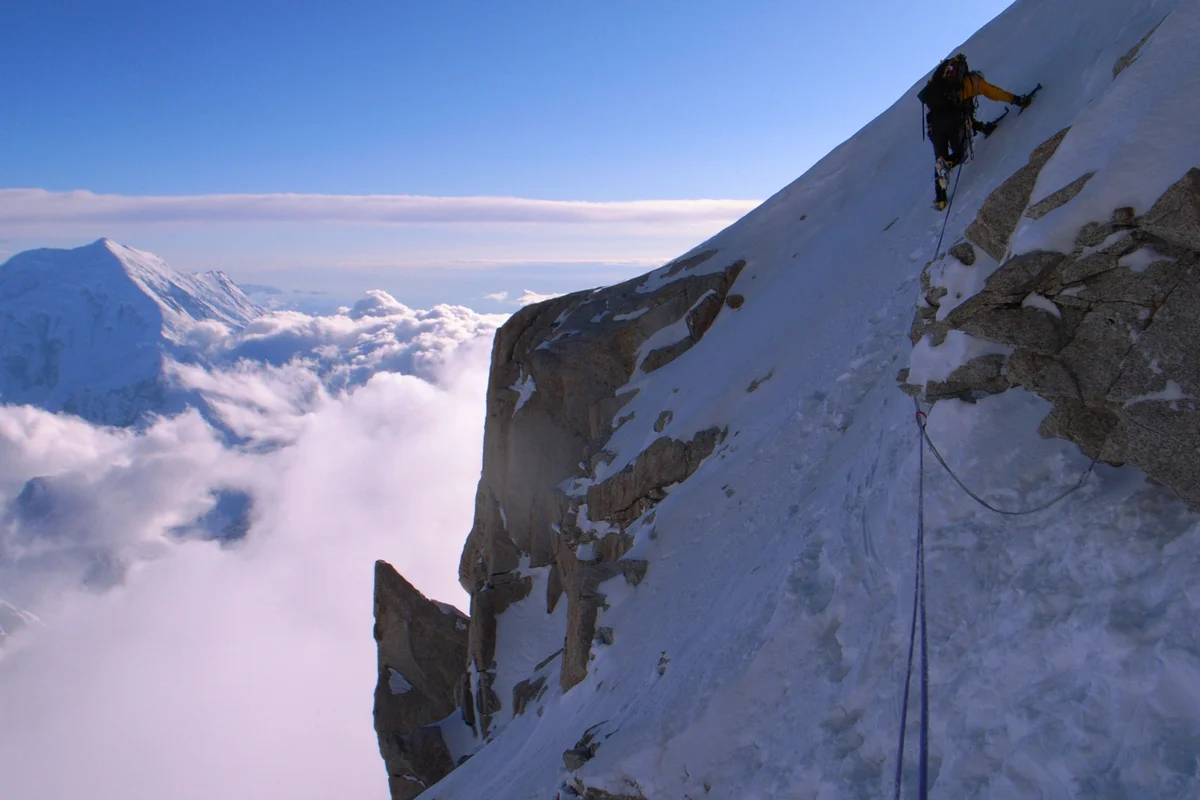
1961 First Ascent of the Cassin Ridge on Denali's South Face
In July 1961, 52-year-old Italian mountaineering legend Riccardo Cassin led a six-man team from the Ragni di Lecco to complete the heroic first ascent of Denali's South Face via the Cassin Ridge, hailed by President John F. Kennedy as a masterpiece of human endurance.
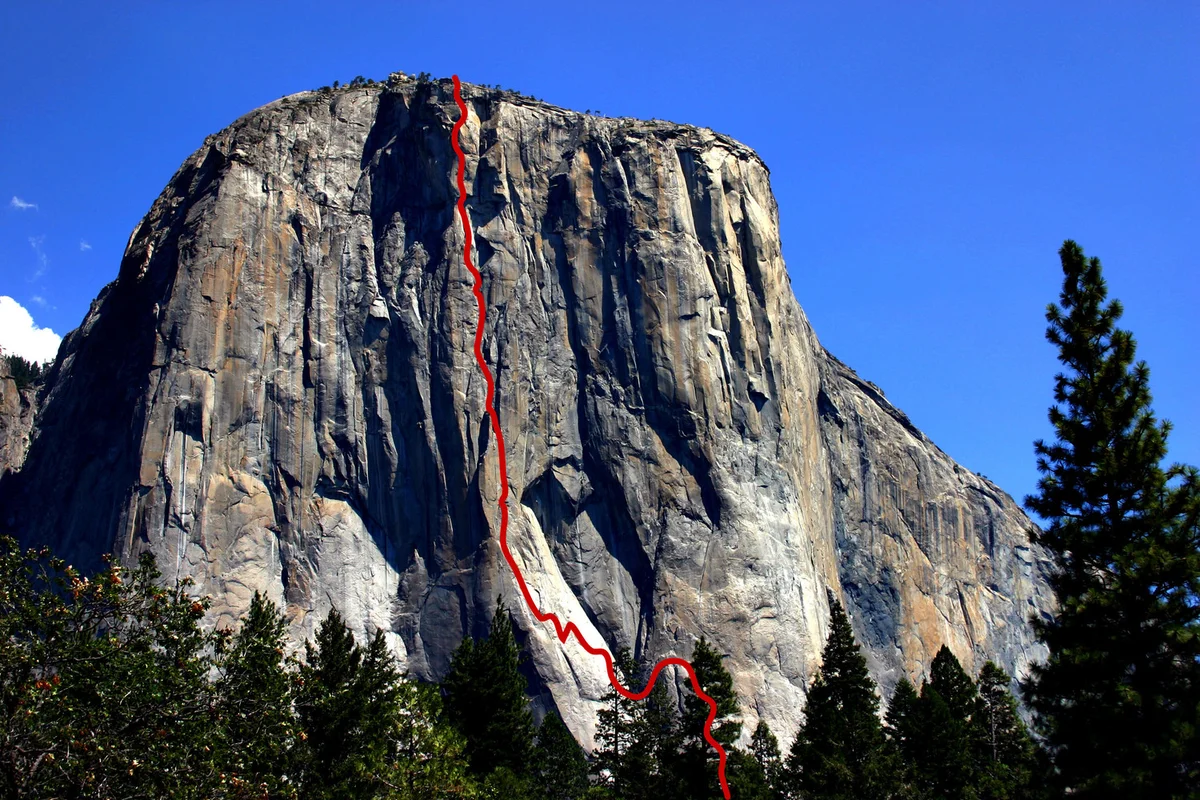
1961 First Ascent of the Salathé Wall on El Capitan
In September 1961, Royal Robbins, Tom Frost, and Chuck Pratt made the historic first ascent of the Salathé Wall on El Capitan in a continuous six-day push, placing only 13 lead bolts and setting a new global ethic for big-wall climbing.
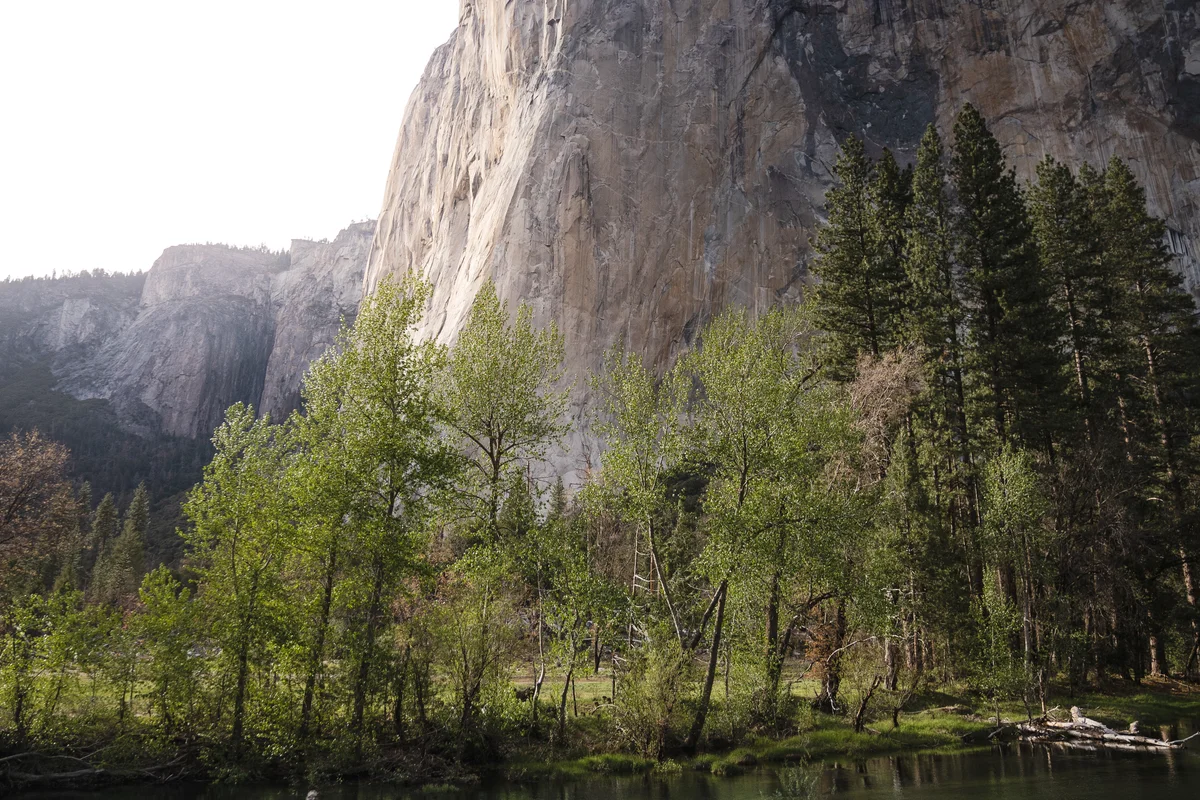
1964 First Ascent of the North America Wall on El Capitan
In late October 1964, Royal Robbins, Tom Frost, Chuck Pratt, and Yvon Chouinard made the historic first ascent of the terrifying North America Wall on El Capitan, spending ten continuous days on the overhanging face without descending.
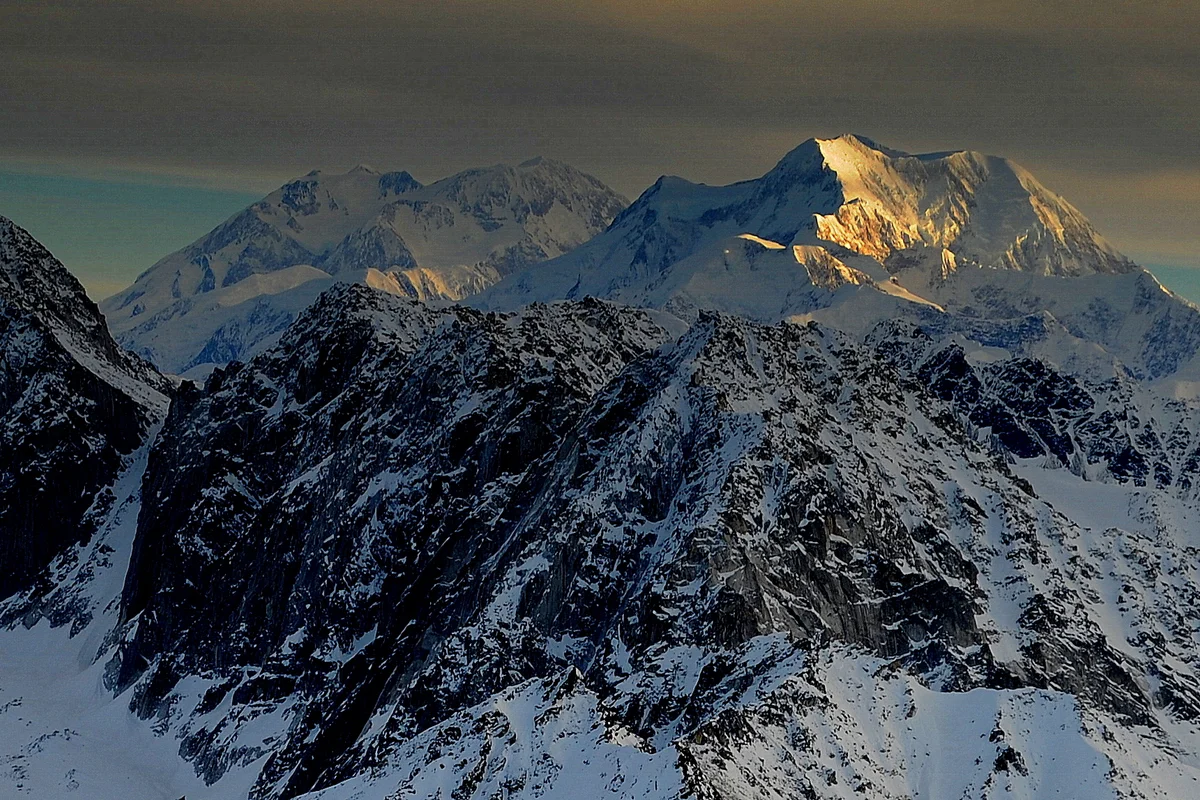
1967 First Winter Ascent of Denali and Minus 148° Survival Epic
On February 28, 1967, Art Davidson, Dave Johnston, and Ray Genet completed the first winter ascent of Denali, surviving a terrifying six-day storm trapped in an 18,200-foot snow cave in windchills below minus 148 degrees Fahrenheit.
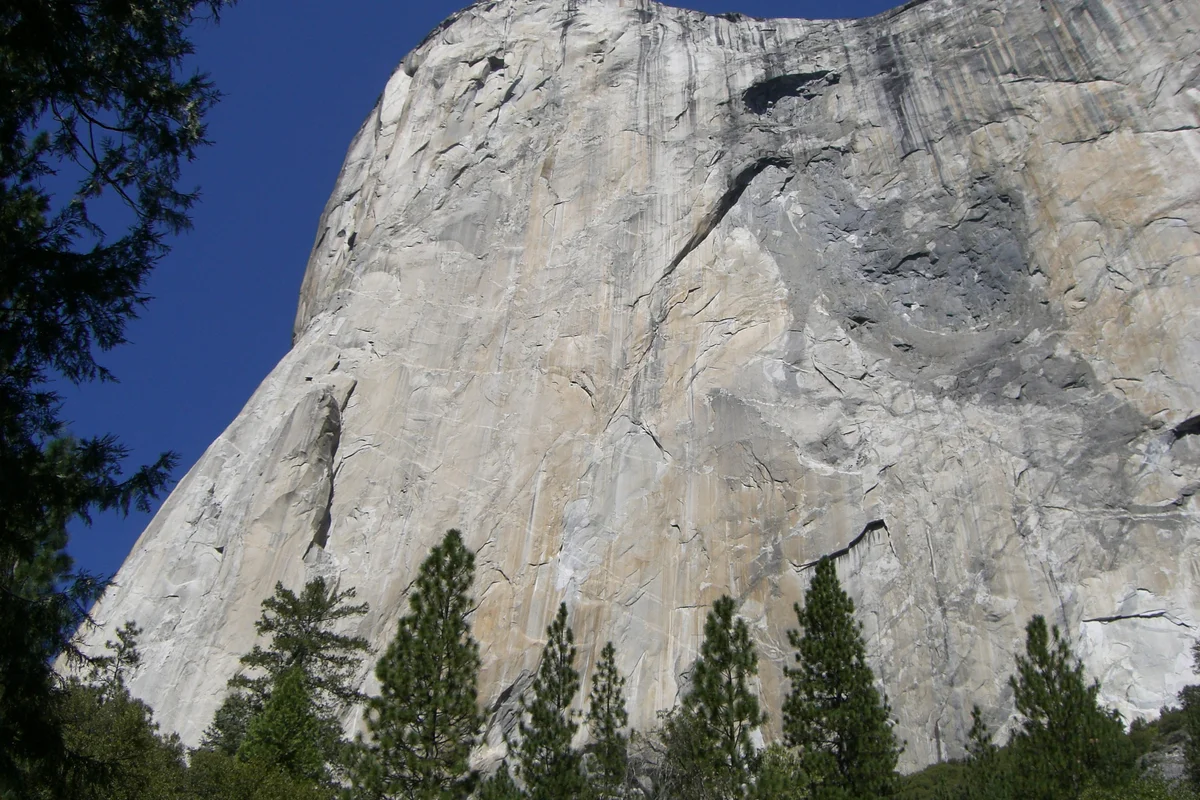
1970 First Ascent of the Dawn Wall on El Capitan
Between October 24 and November 18, 1970, Warren Harding and Dean Caldwell completed the historic first ascent of the Dawn Wall on El Capitan, spending 27 continuous days on the sheer granite face and enduring a 105-hour storm.
Pioneer Mountaineers of United States
Biographical chronicles of legendary high-altitude alpinists hailing from United States.
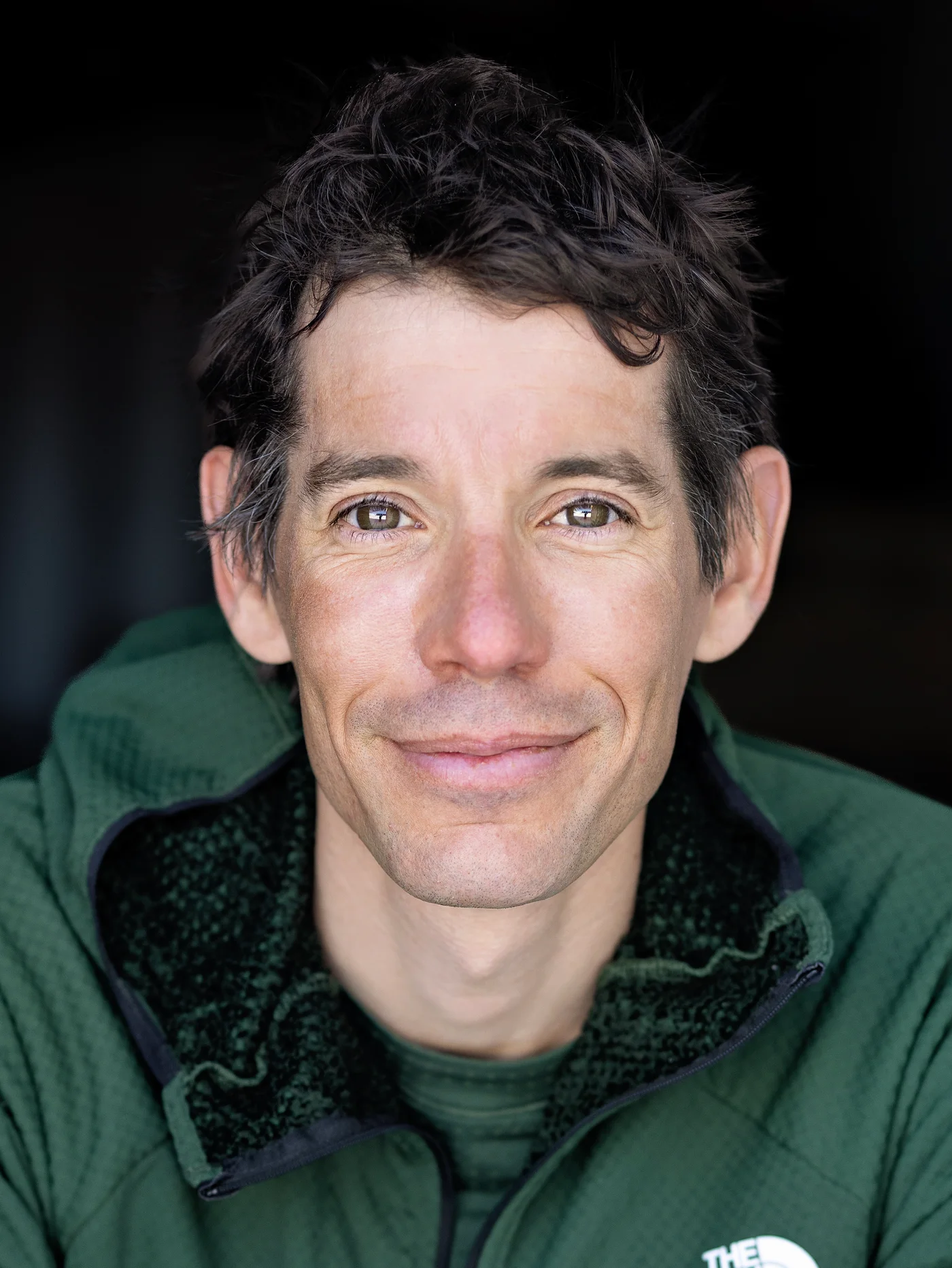
Alex Honnold
Alex Honnold was born on August 17, 1985, in Sacramento, California. Starting climbing in an indoor gym at age ten, Honnold devoted his adolescence to obsessive repetition and movement training. Dropping out of the University of California, Berkeley, to pursue climbing full-time, Honnold lived out of a Ford Econoline van, spending months in Yosemite Valley, Joshua Tree, and Zion. Possessed of superhuman psychological composure, immense finger strength, and a methodical ability to master complex sequences, Honnold pushed the perilous art of unroped free soloing to heights previously considered impossible. In 2008, Honnold stunned the climbing world by free soloing the Moonlight Buttress (5.12d) in Zion and the Regular Northwest Face of Half Dome (5.12a) in Yosemite. On June 3, 2017, Honnold achieved what is universally acclaimed as the greatest athletic feat in mountaineering history: the first free solo of El Capitan, scaling the 3,000-foot granite monolith via Freerider (5.12d, 30 pitches) without a rope in three hours and fifty-six minutes, a triumph immortalized in the Oscar-winning documentary 'Free Solo'. Beyond Yosemite, Honnold established remarkable alpine milestones in Patagonia. In February 2014, alongside Tommy Caldwell, Honnold completed the historic first full ascent of the 'Fitz Traverse', traversing all seven major summits of the Fitz Roy ridgeline, which earned them the 2015 Piolet d'Or. On January 31, 2016, teaming up with Patagonian speed specialist Colin Haley, Honnold completed the first single-day ascent of the Torre Traverse, crossing Aguja Standhardt, Punta Herron, Torre Egger, and Cerro Torre in an astonishing twenty hours and forty minutes. Alex Honnold continues to push global climbing horizons while directing the Honnold Foundation, supporting global solar energy access.
Andy Kauffman
Andrew John Kauffman II was born on November 27, 1920, in Philadelphia, Pennsylvania. Educated at Harvard University, Kauffman joined the Harvard Mountaineering Club, emerging as one of the most prolific and technically polished American alpinists of the 1940s. In 1947, he spearheaded an ambitious expedition to the remote Coast Mountains of British Columbia, making the first ascent of Mount Proteus and several neighboring wilderness summits. During the 1950s, Kauffman undertook numerous high-altitude expeditions in the Peruvian Andes, pioneering routes on Huascarán and Nevado Huandoy. In 1958, Nicholas Clinch recruited Kauffman as a senior climbing leader for the American Karakoram Expedition to Gasherbrum I (Hidden Peak, 8,080m). Backed by the American Alpine Club and the Sports Car Club of America, the expedition overcame grueling logistical challenges along the Baltoro Glacier. Teaming up with Pete Schoening for the final assault from Camp V at 7,160 meters, Kauffman and Schoening pushed through punishing winds and deep snow up the summit headwall on open-circuit oxygen equipment. At 3:00 PM on July 5, 1958, Kauffman and Schoening stood on the 8,080-meter summit of Gasherbrum I, completing the first ascent of Pakistan's highest Hidden Peak and securing America's singular conquest among the 14 eight-thousanders. Professionally, Kauffman served with distinction for decades as a diplomat in the United States Foreign Service, stationed in Europe and Southeast Asia. He served as President of the American Alpine Club from 1974 to 1976 and co-authored *The Forgotten Summit*. He passed away on December 24, 2002, remembered as a gentleman-adventurer and an essential architect of American high-altitude climbing.
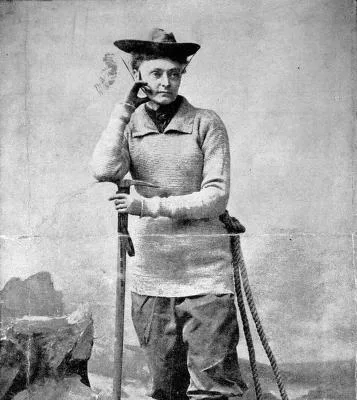
Annie Smith Peck
Born on October 19, 1850, in Providence, Rhode Island, Annie Smith Peck was an intellectual trailblazer who earned bachelor's and master's degrees from the University of Michigan before becoming one of the first women to study at the American School of Classical Studies in Athens. An avid classical scholar and lecturer, Peck turned to high-altitude mountaineering in her forties, causing a national sensation in 1895 when she climbed the Matterhorn wearing trousers rather than a traditional skirt. Captivated by the unexplored heights of the South American Andes, Peck mounted pioneering expeditions to Bolivia and Peru beginning in 1903. After multiple near-fatal attempts battling blizzards, frostbite, and uncooperative local porters, Peck hired veteran Zermatt mountain guides Gabriel Zumtaugwald and Rudolf Taugwalder. On September 2, 1908, at the age of fifty-seven, she reached the north summit of Nevado Huascarán (6,655 m), establishing the highest altitude reached by any American climber up to that date. On the summit, she unfurled a banner advocating votes for women. Peck continued climbing well into her seventies, ascending Peru's Mount Coropuna in 1911 and placing a Votes for Women pennant at over 6,400 metres. A founding member of the American Alpine Club, she passed away in New York City in 1935, revered as one of the greatest explorers of her generation.
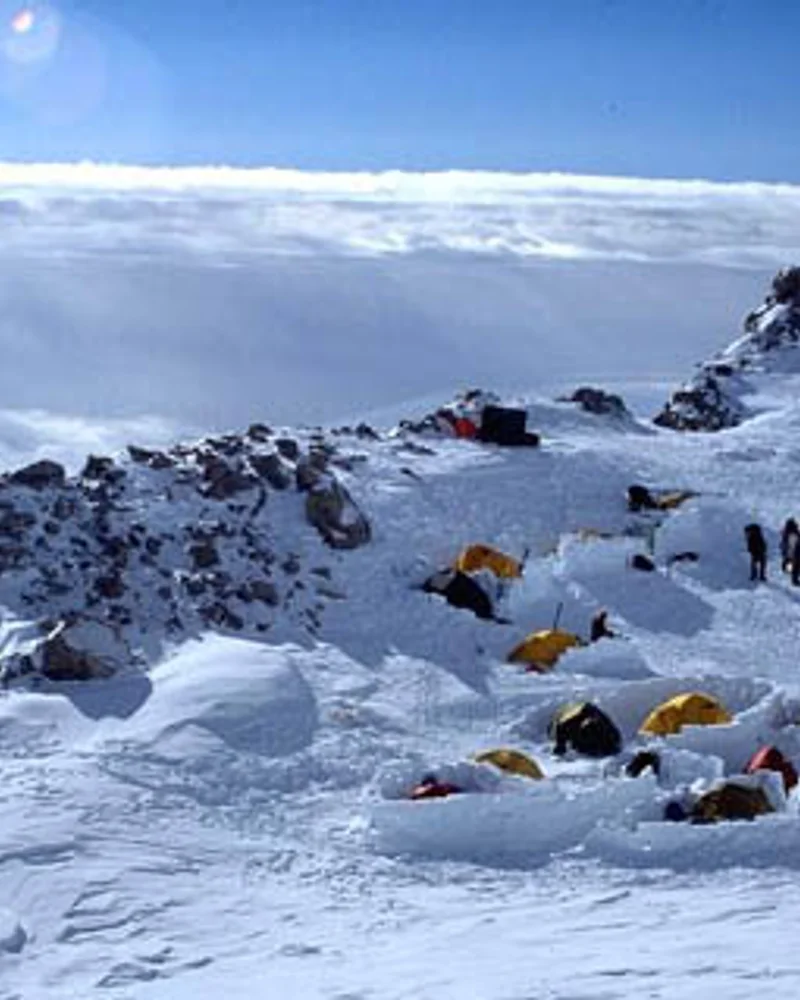
Art Davidson
Born in 1943 in Colorado, Art Davidson emerged in the 1960s as one of the boldest and most introspective figures in modern American mountaineering. Drawn to the immense scale and severe weather of the far north, Davidson joined the ambitious eight-man expedition assembled in late 1966 to attempt the first winter ascent of Denali via the West Buttress. Climbing through brutal sub-zero temperatures, intense darkness, and vicious Arctic winds, Davidson, Dave Johnston, and French-born Alaskan guide Ray Genet pushed to the summit on February 28, 1967, becoming the first mountaineers in history to stand on North America's highest peak during the calendar winter. However, their triumph turned into an agonizing battle for survival during the descent. Caught by a catastrophic blizzard at Denali Pass, the trio was forced to burrow into an improvised snow cave at 18,200 feet. For six days, trapped without food, fuel, or communication, they endured ambient temperatures of minus 40 degrees Fahrenheit and screaming jet-stream gales that generated a lethal windchill factor exceeding minus 148 degrees Fahrenheit. Miraculously surviving frostbite and hypothermia, they emerged when the storm abated to walk off the mountain. Davidson documented this harrowing ordeal in his 1969 masterpiece Minus 148: The First Winter Ascent of Mt. McKinley, universally acclaimed as one of the greatest survival narratives in mountaineering literature. Davidson subsequently dedicated his life to environmental writing and indigenous land conservation across Alaska and the Pacific Rim.
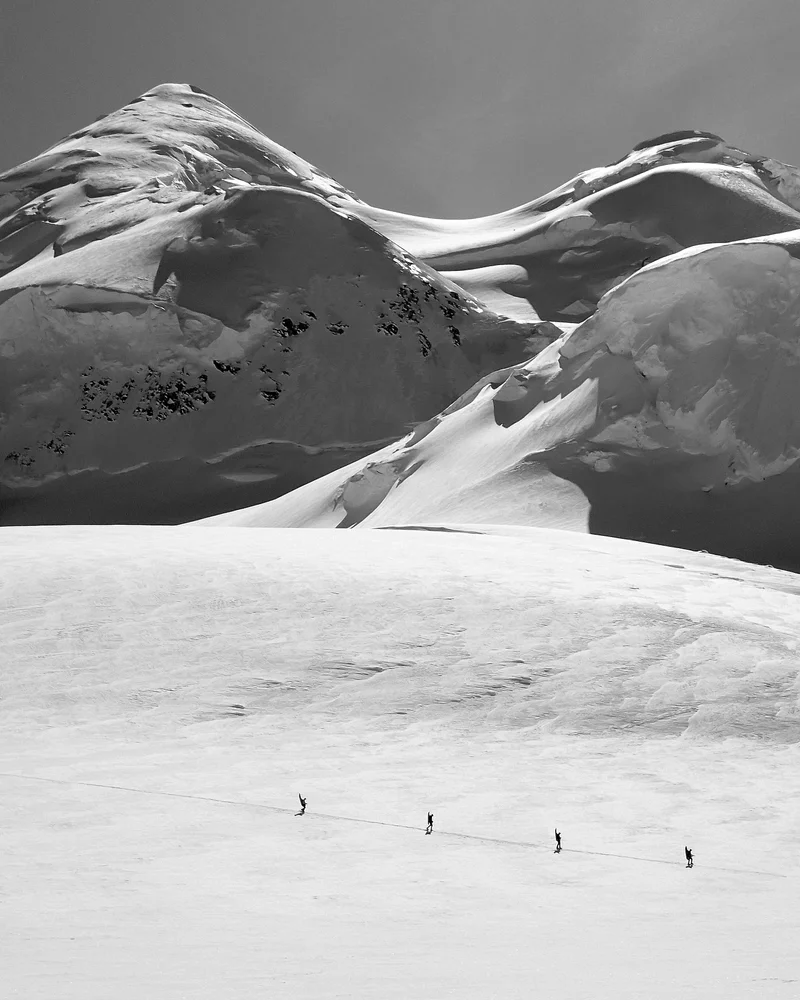
Barbara Washburn
Born on November 10, 1914, in Boston, Massachusetts, Barbara Polk graduated from Smith College in 1935 and began working as a secretary at Harvard University. In 1940, she married mountaineer and cartographer Bradford Washburn, setting off on what became a legendary partnership in science, exploration, and mountaineering. Although she had no formal climbing background prior to marriage, Washburn quickly demonstrated remarkable high-altitude endurance, technical competence, and serene composure on steep glaciated terrain. In 1940, during their honeymoon, she made the first ascent of Mount Bertha (3,110 m) in the Fairweather Range of Alaska. In 1941, she completed the first ascent of Mount Hayes (4,216 m), then the highest unclimbed peak in the eastern Alaska Range. In 1947, joining Operation White Tower, a joint military and scientific expedition to Denali, Washburn reached the 6,190-metre summit on June 6, becoming the first woman to stand atop the highest peak in North America. In 1951, she returned to Denali to co-pioneer the groundbreaking West Buttress route, spending weeks at high camps conducting theodolite survey readings for the Boston Museum of Science's seminal maps. Washburn also played an integral role in mapping the Grand Canyon and Mount Everest. She authored the celebrated memoir The Accidental Adventurer and was inducted into the Alaska Women's Hall of Fame in 2009 before passing away in September 2014 at the age of ninety-nine.
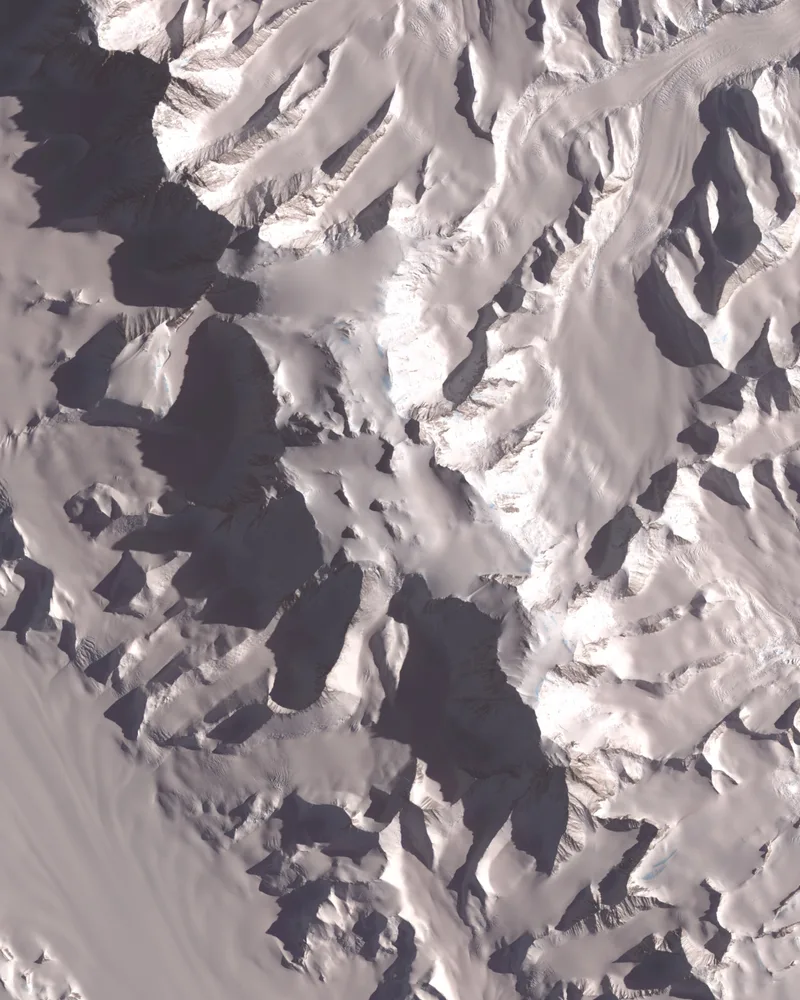
Barry Corbet
Barry Corbet was born on November 27, 1936, in Vancouver, British Columbia, and grew up in the Pacific Northwest before moving to Jackson Hole, Wyoming, where he became one of the star alpine guides for Exum Mountain Guides on the Grand Teton. Renowned for his extraordinary strength, humor, and technical rock and ice mastery, Corbet spotted a terrifying, near-vertical ski slot off the top of Rendezvous Mountain in 1960, remarking that someday someone would ski it—a run now internationally famous as *Corbet's Couloir*. In 1963, Corbet served as a key lead climber on the legendary American Mount Everest Expedition. On the unclimbed West Ridge, Corbet carried heavy loads and forged the technical route through the rock cruxes up to 8,300 metres, enabling Tom Hornbein and Willi Unsoeld to complete the historic first traverse of Everest. In late 1966, Corbet joined Nicholas Clinch's American Antarctic Mountaineering Expedition. On December 18, 1966, Corbet was on the four-man lead rope that reached the summit of Mount Vinson (4,892 m). Seeking a far greater technical challenge, Corbet teamed up with John Evans on January 6, 1967, to attempt the terrifying, unclimbed 2,000-metre Northwest Face of Mount Tyree (4,852 m). Climbing for 22 continuous hours in temperatures of -35°C, Corbet and Evans conquered the vertical rock pitches and blue ice gullies to stand upon Antarctica's most difficult summit. In 1968, Corbet survived a devastating helicopter crash in the Colorado Rockies that left him paralyzed from the waist down. Refusing to surrender his adventuring spirit, Corbet became a pioneering filmmaker, wheelchair athlete, and editor of *New Mobility* magazine, advocating passionately for disability rights. He passed away on December 18, 2004—exactly thirty-eight years to the day after summiting Mount Vinson.
Bradford Washburn
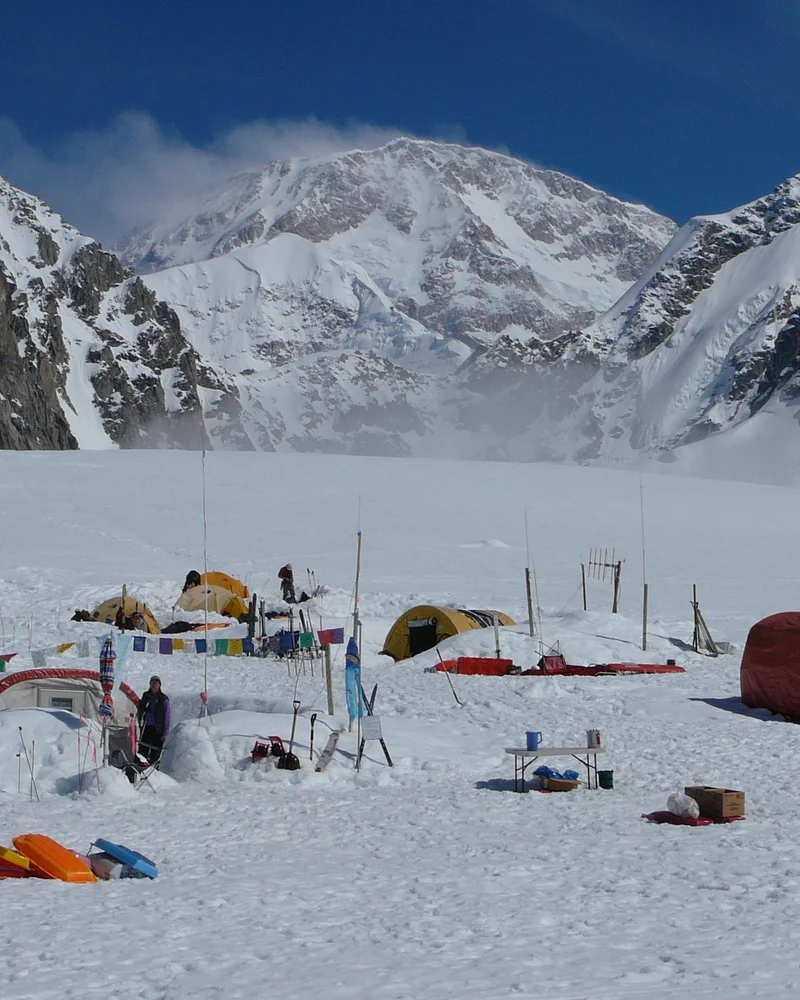
Born on June 7, 1910, in Cambridge, Massachusetts, Bradford Washburn began climbing in the White Mountains of New Hampshire and the Alps during his teenage years, completing ascents of the Matterhorn and Mont Blanc. Earning degrees from Harvard University, Washburn pioneered the use of large-format aerial photography for high-mountain mapping, capturing breathtaking black-and-white vistas of Alaskan glaciated peaks while hanging out the open doors of airplanes in sub-zero winds. In 1937, Washburn completed the heroic first ascent of Mount Lucania (5,226 m) in the Yukon with Robert Bates, surviving an epic 150-mile wilderness trek after being abandoned by their bush pilot. Over four decades, Washburn led numerous expeditions into the Alaska Range. In 1951, collaborating with bush pilot Don Sheldon, Washburn pioneered the use of ski-equipped airplanes to land on the Kahiltna Glacier, establishing the West Buttress route on Denali alongside his wife Barbara Washburn and fellow climbers. This masterstroke avoided the perilous Muldrow Glacier approach and became the classic global standard route on the mountain. Serving as director of the Boston Museum of Science for over four decades, Washburn produced peerless topographical maps of the Grand Canyon, Denali, and Mount Everest, using laser theodolites and satellite geodesy. Washburn passed away in January 2007, remembered as one of the most prolific and visionary figures in twentieth-century mountaineering and cartography.
Chuck Pratt
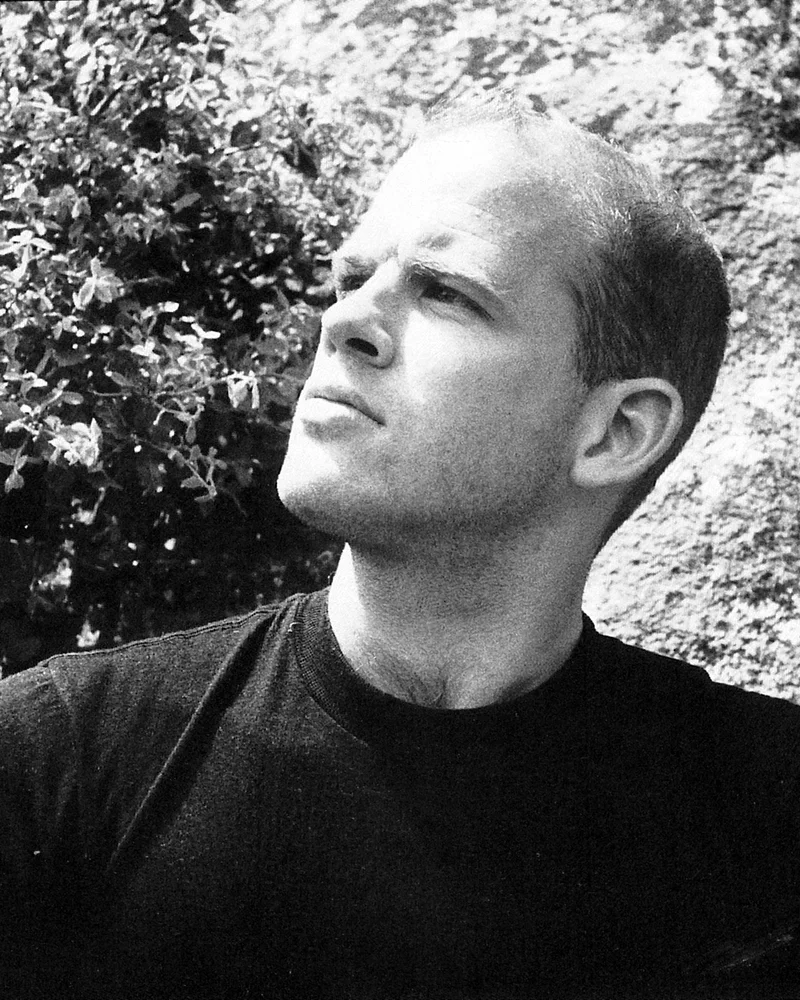
Born on March 5, 1939, in California, Charles Raymond Pratt began climbing in the late 1950s, rapidly distinguishing himself through supernatural technical intuition and calmness in terrifying positions. While many of his peers in Camp 4 were intensely competitive and vocal about ethics, Pratt was notoriously shy, gentle, and indifferent to personal fame, rarely speaking about his accomplishments. Yet on the rock, he was unmatched: whenever Royal Robbins, Tom Frost, or Warren Harding encountered a horrifyingly wide, unprotectable crack, a suffocating chimney, or a vertical off-width that seemed humanly impossible, they handed the lead rope to Chuck Pratt. In 1961, Pratt led the most grueling squeeze chimneys on the first ascent of the Salathé Wall on El Capitan, including the legendary Ear and the Teflon Chimney. In 1964, Pratt joined Robbins, Frost, and Yvon Chouinard to conquer the dark, overhanging diorite dioramas of the North America Wall. That same year, alongside Robbins and Joe Fitschen, Pratt completed the first ascent of the sheer 800-metre South Face of Mount Watkins, completing Yosemite's mythical big-wall trilogy (Half Dome, El Capitan, Mount Watkins). Later in life, Pratt worked as an instructor and senior mountain guide in the Grand Teton National Park, spending his winters traveling peacefully in Thailand, where he passed away in Bangkok on December 16, 2000.
Colin Haley
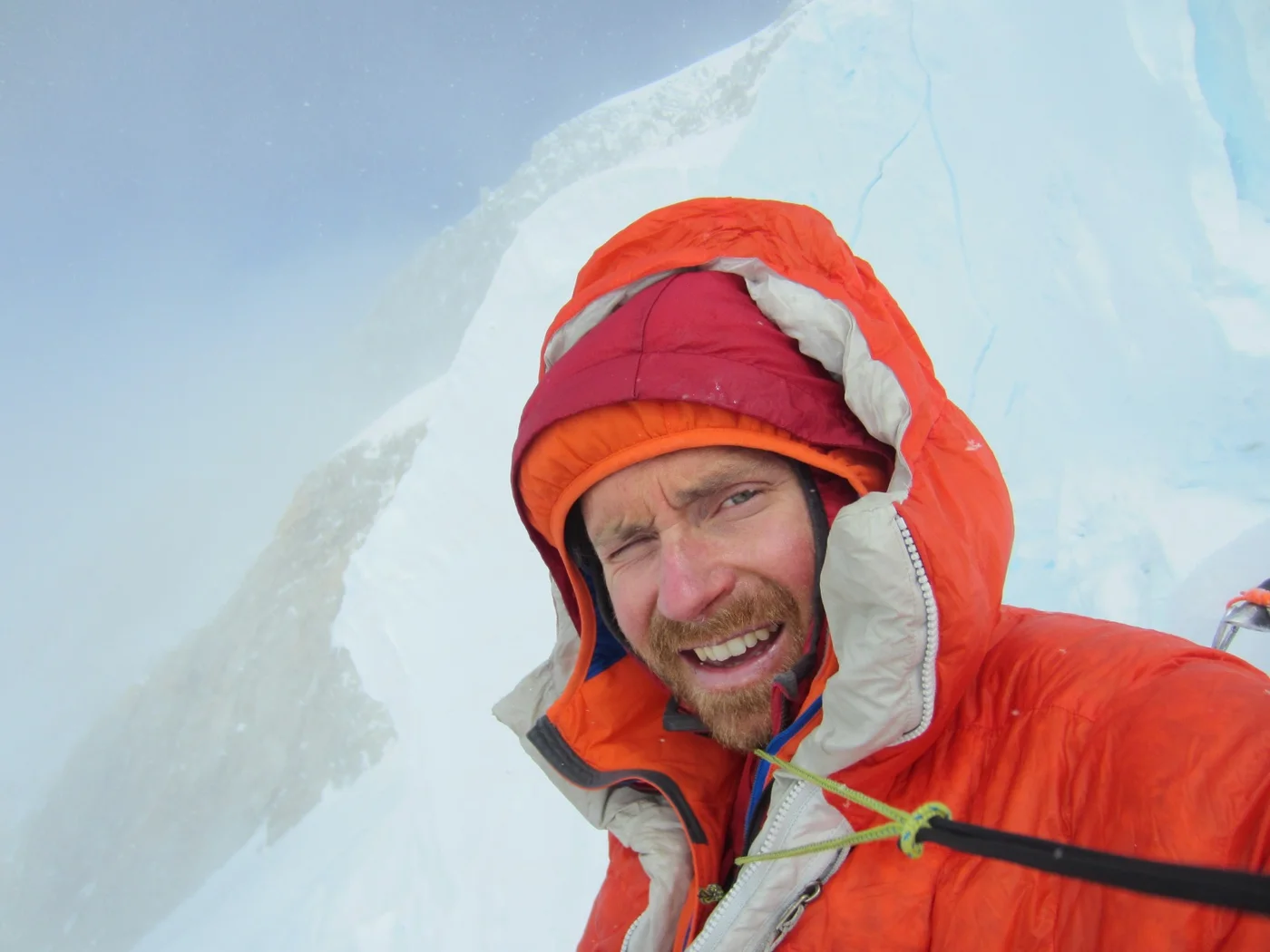
Colin Haley was born on September 21, 1984, in Seattle, Washington. Growing up hiking and scrambling in the rugged North Cascades under the guidance of his father, Haley developed a profound devotion to technical alpinism at an early age. Combining relentless physical endurance, encyclopedic meteorological knowledge, and flawless ice and rock technique, Haley chose the savage, storm-lashed spires of Patagonia as his primary climbing canvas, embarking on dozens of expeditions to the southern Andes. Haley established a new paradigm of speed and precision in Patagonia. In January 2008, alongside Argentine master Rolando Garibotti, he completed the historic first complete traverse of the entire Torre ridge—linking Aguja Standhardt, Punta Herron, Torre Egger, and Cerro Torre—a long-sought prize known as the 'Torre Traverse'. In November 2010, Haley made the historic first solo ascent of Aguja Standhardt via the Exocet route. In January 2016, he achieved the monumental first solo ascent of Torre Egger, ascending via the Italian route on the west face and descending in a continuous, breathtaking push. Just days later, on January 31, 2016, Haley teamed up with free-soloing icon Alex Honnold to make the historic first single-day ascent of the Torre Traverse, racing across all four summits of the Torre massif in an astonishing twenty hours and forty minutes. Beyond Patagonia, Haley has established daring speed and solo records in the Alaska Range, including solo ascents of Mount Hunter and the Cassin Ridge on Denali. Colin Haley remains universally respected as one of the purest, most dedicated alpine stylists of the modern era.
Dave Harrah
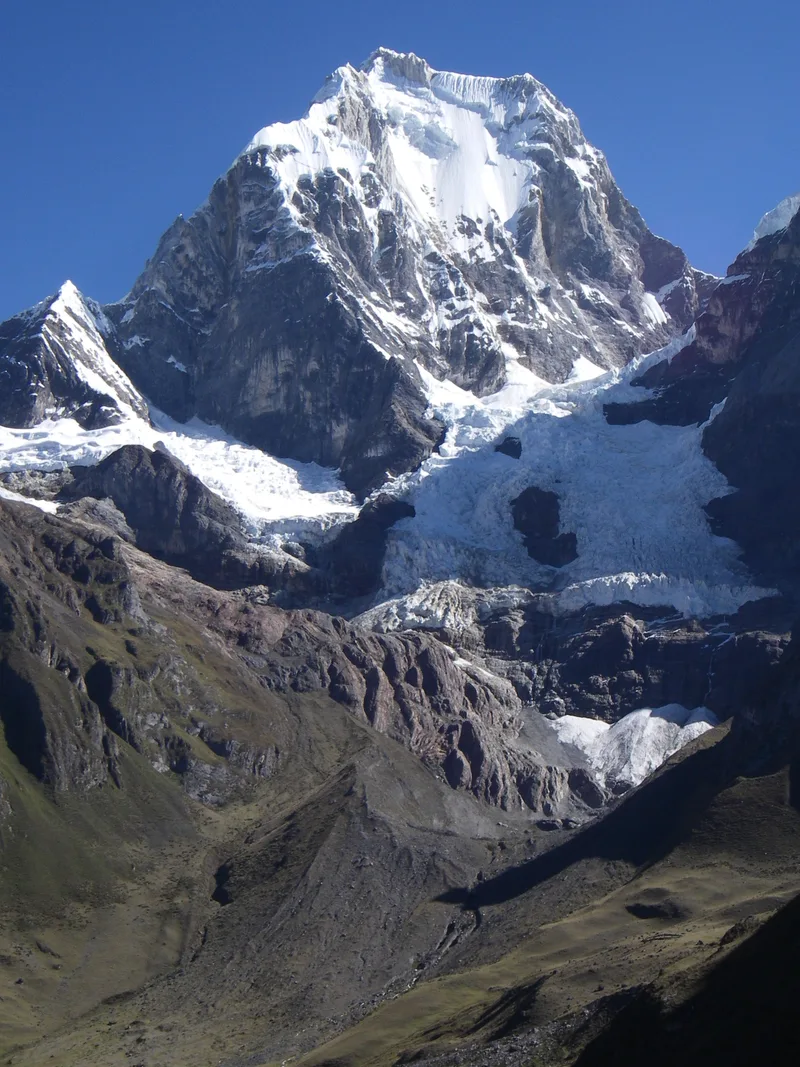
Born in 1926, David Harrah graduated from Harvard University, where he distinguished himself as both an exceptional intellect and an accomplished rock climber with the Harvard Mountaineering Club. In the summer of 1950, Harrah served as a core climbing member of the Harvard Andean Expedition targeting Mount Yerupajá (6,635 m), the second highest mountain in Peru and the undisputed monarch of the Cordillera Huayhuash. Known locally as El Carnicero, the mountain had repulsed prior European scouting parties. Harrah demonstrated remarkable icecraft, pioneering the technical passages through the lower icefall and kicking thousands of steps up the steep firn slopes of the southwest wall. Paired with Jim Maxwell for the final push, Harrah led portions of the knife-edge South Ridge, gingerly straddling overhanging snow mushrooms suspended above dizzying abysses on either side. Reaching the summit late in the day on July 31, 1950, the pair celebrated a historic milestone for American mountaineering. During the perilous descent in fading light, a snow bridge collapsed, and the climbers were forced into an emergency open bivouac at 6,500 metres in brutal freezing winds. The night of extreme exposure caused catastrophic frostbite to Harrah's feet, ultimately requiring the surgical amputation of all his toes. Despite this life-altering injury, Harrah maintained a deep love for mountaineering literature and pursued an illustrious academic career, serving for decades as Professor of Philosophy at the University of California, Riverside, where he was a leading scholar of formal logic, semantics, and game theory.
Ed Viesturs
Ed Viesturs was born on June 22, 1959, in Fort Wayne, Indiana, and grew up in Rockford, Illinois. Inspired as a youth by Maurice Herzog's account of Annapurna, he relocated to Seattle to attend the University of Washington, later earning a Doctor of Veterinary Medicine degree from Washington State University. Balancing his work as a veterinarian with seasonal guiding on Mount Rainier, where he led more than two hundred ascents, Viesturs developed phenomenal cardiovascular endurance and a deep understanding of snow mechanics and altitude physiology. In 1989, Viesturs climbed his first eight-thousander, Kangchenjunga (8,586m), establishing his signature ethical standard: climbing strictly without supplemental bottled oxygen. Over the next sixteen years, under his self-styled 'Project Endeavour 8000', Viesturs methodically climbed all fourteen 8,000-meter peaks. In 1992, he completed a landmark oxygen-free ascent of K2 alongside Scott Fischer. In 1996, while filming the landmark Everest IMAX documentary, Viesturs and his team suspended their filming to haul vital oxygen cylinders and provide medical assistance to survivors of the May 1996 Everest blizzard, before Viesturs reached the summit weeks later. On May 12, 2005, on his third attempt, Viesturs summited the lethal North Face of Annapurna I (8,091m) alongside Finnish partner Veikka Gustafsson, completing his sixteen-year quest to climb all fourteen eight-thousanders without bottled oxygen. His famous mantra—'Getting to the top is optional, getting down is mandatory'—became the philosophical gold standard for high-altitude survival. Viesturs was named Adventurer of the Year by National Geographic and received the David A. Sowles Memorial Award from the American Alpine Club.
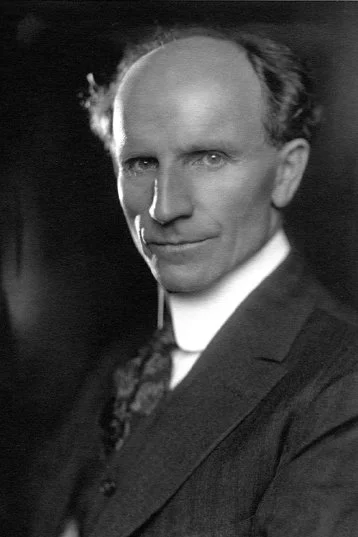
Enos Mills
Born on April 22, 1870, in Kansas, Enos Mills suffered from chronic frail health as a child, prompting his physician to recommend high-altitude mountain air. At the age of fourteen in 1884, Mills traveled entirely alone to the Colorado Rockies, homesteading in the high Tahosa Valley in the shadow of Longs Peak and building a hand-hewn log cabin by the age of fifteen. In 1889, during a visit to San Francisco, Mills had a chance encounter with iconic conservationist John Muir on a Pacific beach. Muir immediately recognized the young mountaineer's observational gifts and urged him to dedicate his life to learning, defending, and interpreting the high wilderness. Returning to Estes Park, Mills established the Longs Peak Inn and became the foremost mountain guide on Longs Peak, summiting the 4,346-metre peak more than forty times in all seasons. He pioneered the practice of nature-guiding, eschewing dry scientific lectures in favor of awakening wonder and curiosity in his clients. In February 1903, Mills completed an audacious solo winter night ascent of Longs Peak, navigating through the treacherous Keyhole, the frozen Ledges, and the windswept Homestretch in darkness to witness the sunrise over the Great Plains from the arctic summit. Appointed Colorado State Snow Observer in 1907, Mills spent three winters traversing thousands of miles alone on ten-foot wooden skis across the Continental Divide to measure high-altitude snowpack. For six years, Mills campaigned across the United States, lecturing in hundreds of cities and writing passionate articles advocating for permanent preservation of the Front Range. His efforts bore fruit on January 26, 1915, when President Woodrow Wilson signed legislation creating Rocky Mountain National Park. Mills passed away at his home near Longs Peak on September 21, 1922, at the age of fifty-two.
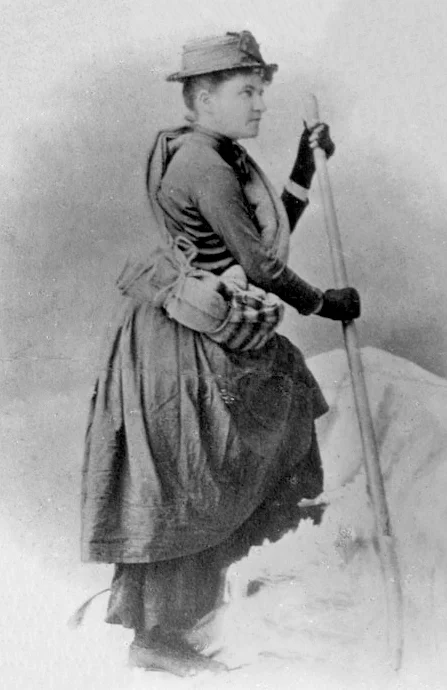
Fay Fuller
Born on October 10, 1869, in Jersey City, New Jersey, Fay Fuller moved with her family to the Washington Territory in 1882, settling in Tacoma where her father founded a local newspaper. Working as a twenty-year-old schoolteacher in Yelm and writing for the Tacoma Ledger, Fuller gazed daily at the looming white pyramid of Mount Rainier and determined to stand on its apex. When veteran mountain explorer Philemon Beecher Van Trump organized a summit expedition in August 1890, Fuller asked to join and was welcomed into the team. Wearing flannel underwear, a heavy woolen dress that reached past her knees, sturdy calked boy's boots, goggles, and charcoal on her face to prevent snow blindness, she ascended the rocky ridge of Gibraltar Rock and breached the ice slopes of the summit crater on August 10, 1890. Fuller spent the night sheltering inside the steam vents of the volcanic crater before descending safely. She reported on her climb in widely syndicated newspaper articles, encouraging women to engage in outdoor exploration. Fuller went on to co-found the Mazamas mountaineering club atop Mount Hood in 1894 and helped establish the Washington Alpine Club. Fuller passed away in Salt Lake City in May 1958, celebrated as an enduring icon of American mountaineering courage.
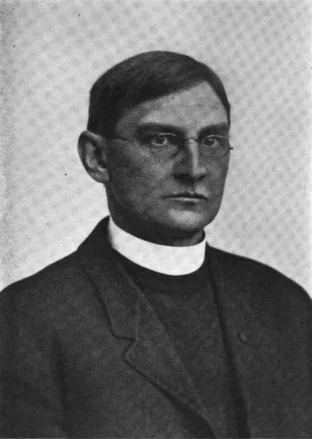
Franklin Spencer Spalding
Born on March 13, 1865, in Erie, Pennsylvania, Franklin Spencer Spalding was the son of John Franklin Spalding, who served as the Episcopal Bishop of Colorado. A natural athlete of formidable physical strength and moral conviction, Spalding graduated from Princeton University in 1887 and from the General Theological Seminary in New York City in 1890. Ordained to the priesthood, he served parishes in Colorado and Pennsylvania before traveling extensively across western frontier mining camps as an itinerant missionary. In the summer of 1898, while visiting Wyoming, Spalding was invited by surveyor William Otis Owen to join an expedition attempting the unclimbed summit of the Grand Teton. While previous attempts by Owen and earlier explorers had stalled at the sheer northwest headwall above the Upper Saddle at nearly 4,000 metres, Spalding demonstrated exceptional rock-climbing technique. Confronted with a terrifyingly sheer, sixty-foot vertical fissure dropping directly into western abysses, Spalding volunteered to lead unroped over the crux known as The Wall or the Double Chimney. Jamming his hands and boots into slick crystalline cracks, he pulled through the overhanging bulge, reached a stable belay ledge, and secured a rope to assist Owen, Frank Petersen, and John Shive to the top. The team reached the summit at four in the afternoon on August 11, 1898. Consecrated Episcopal Bishop of Utah in 1904, Spalding became a prominent advocate for labor rights, economic equality, and peace throughout the Intermountain West. He died tragically in Salt Lake City on September 25, 1914, after being struck by an automobile at the age of forty-nine.
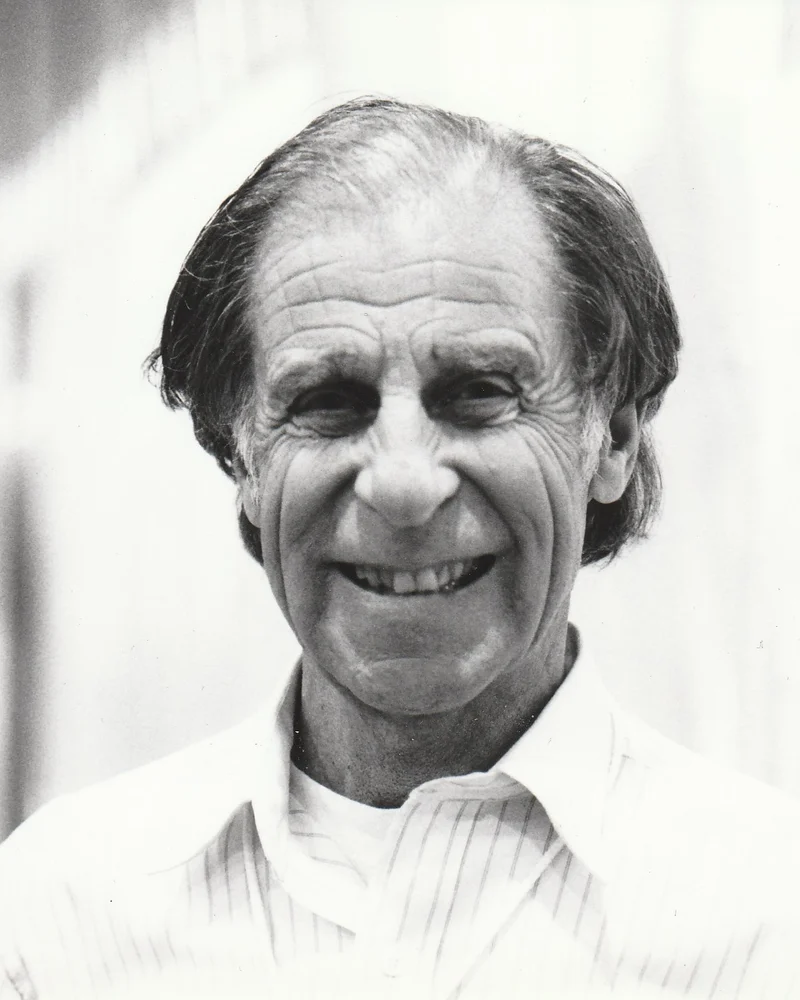
Fred Beckey
Born on January 14, 1923, in Düsseldorf, Germany, Friedrich Wolfgang Beckey immigrated to Seattle, Washington, with his family as an infant. Joining The Mountaineers Boy Scouts troop, Beckey developed an unquenchable obsession with exploring unclimbed summits. In 1942, at just nineteen years old, Fred and his younger brother Helmy stunned the international climbing world by completing the second ascent of Mount Waddington (4,019m) in the Coast Mountains of British Columbia, solving what was widely called 'Mystery Mountain' after sixteen prior expeditions had failed. Rejecting traditional domestic life, a steady corporate career, or family, Beckey lived as a nomadic climber for over seventy years, sleeping in his car or under the stars, subsisting on fast food and diner coffee, and keeping meticulously organized notebooks containing maps, aerial photographs, and weather reports of unclimbed lines across North America. Beckey logged hundreds of classic first ascents, including Mount Deborah (1954) and Mount Hunter (1954) in the Alaska Range with Heinrich Harrer, the Beckey-Chouinard route on South Howser Tower (1961) in the Bugaboos, Mount Edith Cavell North Face (1961), and Liberty Bell (1946) in the North Cascades. He authored the definitive three-volume Cascade Alpine Guide and climbed well into his nineties, passing away peacefully on October 30, 2017, at the age of ninety-four as the undisputed dean of North American exploratory climbing.
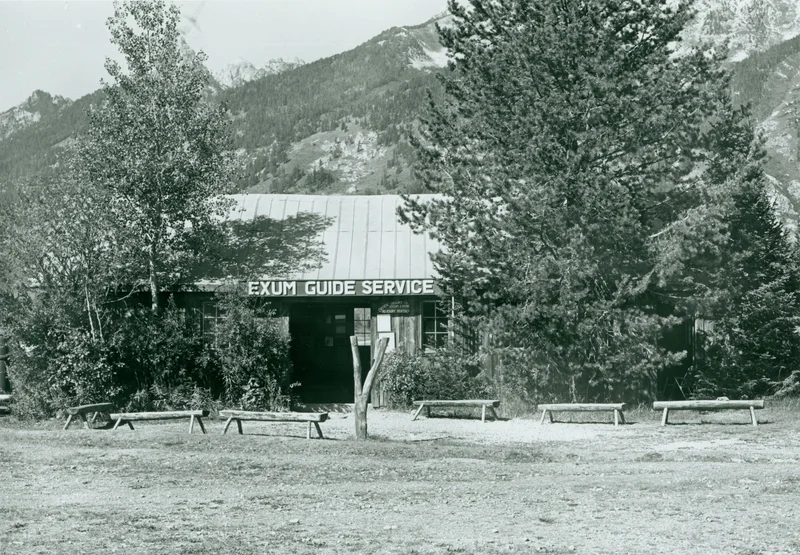
Glenn Exum
Born on June 24, 1911, in North Carolina, Glenn Exum moved west as a teenager, arriving in Jackson Hole, Wyoming, in the late 1920s with an insatiable passion for the granite peaks of the Teton Range. Mentored by fellow pioneer Paul Petzoldt, Exum climbed the Grand Teton for the first time in 1929. On July 15, 1931, at the age of twenty, Exum set out alone to explore the sheer southern ramparts of the Grand Teton. Lacking specialized climbing boots, he wore a pair of oversized, leather-soled football shoes with cleats shaved down. Scrambling high along the southeast face, Exum discovered an ascending natural terrace that narrowed into a sheer shelf flanked by thousands of feet of exposure, now called Wall Street. When the ledge abruptly ended several feet short of the main ridge, Exum famously paced back and forth seven times before launching himself in an audacious standing leap across the open chasm onto a boulder on the south ridge. Continuing unroped and solo, he climbed through the Golden Stair, the Friction Pitch, and the airy chimneys to the summit, establishing the Upper Exum Ridge. In 1936, Exum and Petzoldt climbed the lower crest from the Lower Saddle, completing the Complete Exum Ridge, which became the most celebrated rock route in North America. Together, they established the Petzoldt-Exum School of American Mountaineering, today known as Exum Mountain Guides, the oldest mountain guide service in the United States. Rejecting traditional European guiding customs where passive clients were physically hauled up mountains, Exum pioneered an empowering educational model where clients learned route-finding, balance, and belaying skills to become genuine climbing partners. Exum directed the guide service for decades, training generations of world-class American alpinists. He passed away on March 17, 2000, at the age of eighty-eight.
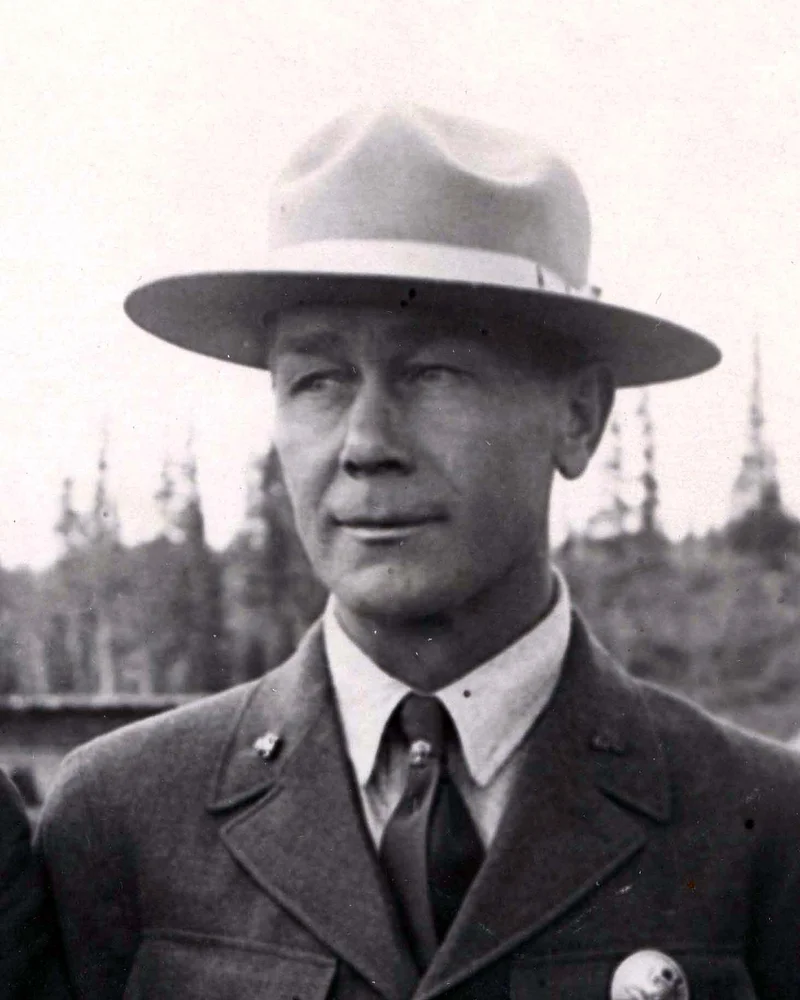
Harry Karstens
Born on September 9, 1878, in Chicago, Illinois, Harry Karstens moved to the Yukon Territory during the Klondike Gold Rush of 1897 at age nineteen. Hardy, disciplined, and possessing extraordinary northern wilderness survival skills, Karstens quickly earned the nickname The General for his iron resolution and exceptional competence as a freight hauler, dog-musher, and trail blazer. In 1906, he guided naturalist Charles Sheldon into the wilderness of the Alaska Range to study Dall sheep, an expedition that sparked the creation of Mount McKinley National Park. In 1913, Archdeacon Hudson Stuck enlisted Karstens as climbing leader and co-commander for the historic attempt on Denali. When the expedition arrived at the northeast approach to find the Muldrow Glacier ridge violently shattered into a chaotic maze of yawning crevasses and razor-edged ice pinnacles by the 1912 Katmai earthquake, Karstens spent three grueling weeks chopping thousands of steps by hand to construct a safe pathway up what became permanently immortalized as Karstens Ridge. On June 7, 1913, Karstens stepped onto the summit of Denali alongside Walter Harper, Robert Tatum, and Stuck. In 1921, Karstens was appointed the first superintendent of Mount McKinley National Park, establishing ranger patrols, enforcing wildlife protection against poachers, and laying the groundwork for modern Alaskan wilderness conservation.
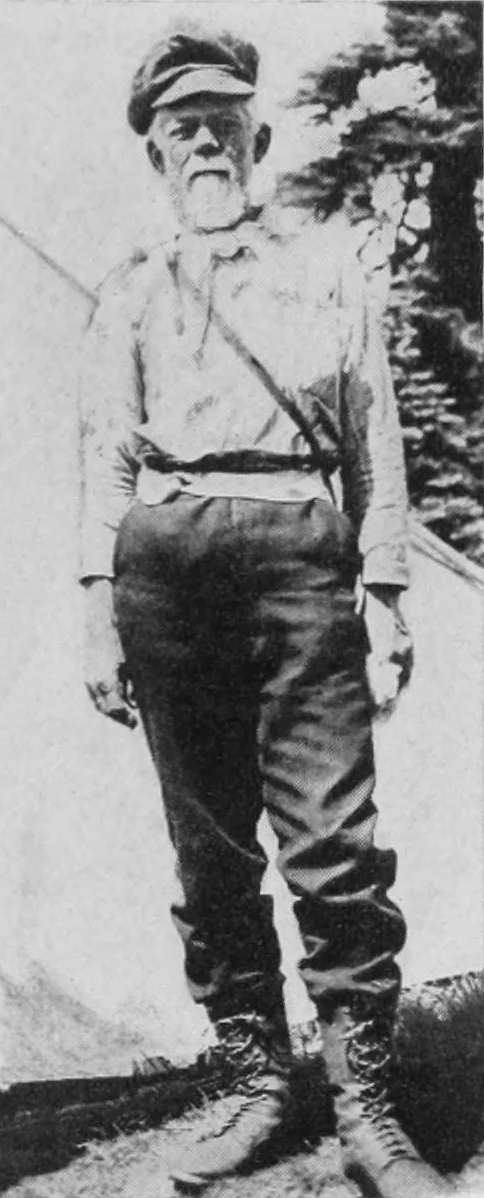
Hazard Stevens
Born on June 9, 1842, in Newport, Rhode Island, Hazard Stevens was the son of Isaac Stevens, the first governor of the Washington Territory. Hazard Stevens attended Harvard University before joining the Union Army during the American Civil War, rising to the rank of brigadier general and receiving the Medal of Honor for gallantry at the Battle of Fort Huger. Moving westward to Olympia, Washington, in 1867, Stevens was entranced by the volcanic monolith of Mount Rainier, then called Tahoma or Takhoma by local indigenous tribes. In August 1870, Stevens joined forces with Philemon Beecher Van Trump and contracted Sluiskin, a skilled Yakama hunter, as guide to the snowline. Sluiskin warned them that an evil spirit dwelt on the summit and pleaded with them not to ascend. Departing their base camp on August 17, Stevens and Van Trump ascended the steep icy slopes of the Nisqually and Paradise glaciers, carefully traversing the sheer, crumbly rock band of Gibraltar Rock with alpenstocks and rope. Reaching the rim of the summit crater at five in the afternoon, Stevens named the southern volcanic point Point Success. Cut off from descent by freezing gale-force winds and nightfall, Stevens and Van Trump dug into the snow adjacent to boiling sulfurous steam vents inside the crater, surviving eleven hours in the subterranean caverns before descending safely. Stevens published a famous account of the ascent, The Ascent of Takhoma, in The Atlantic Monthly in 1876. He passed away in Goldendale, Washington, in October 1918.
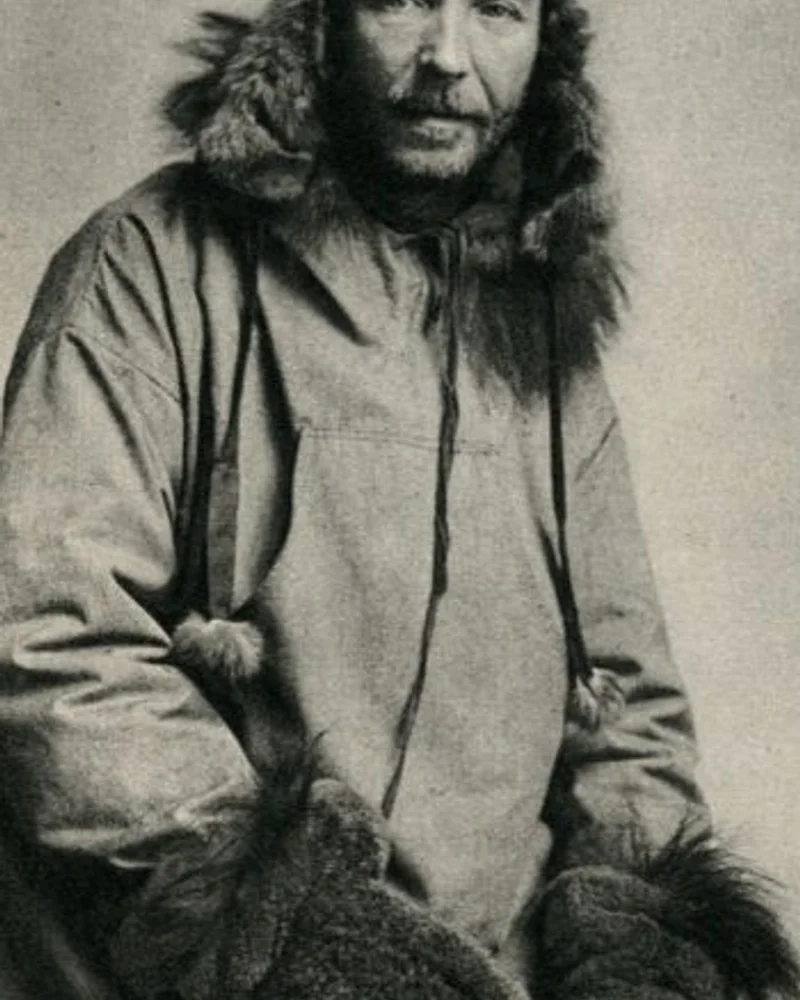
Hudson Stuck
Born on November 11, 1863, in London, England, Hudson Stuck emigrated to the United States in 1885, completing theological studies at the University of the South in Sewanee, Tennessee. Ordained an Episcopal priest, he served as dean of Saint Matthew's Cathedral in Dallas, Texas, before volunteering in 1904 for missionary service in the vast sub-arctic wilderness of the Yukon and interior Alaska. Appointed Archdeacon of the Yukon, Stuck traveled thousands of miles each winter by dog team across trackless frozen tundra to minister to indigenous Athabascan communities. Entranced by the majestic bulk of Denali, which rose above the Alaskan interior, Stuck conceived an ambitious expedition to achieve its first complete ascent. Partnering with seasoned frontier dog-musher Harry Karstens, Koyukon Athabascan woodsman Walter Harper, and postulant Robert Tatum, Stuck mounted the 1913 expedition via the Muldrow Glacier. Despite suffering from chronic bronchial illness and the physical strain of extreme altitude, Stuck's leadership, spiritual fortitude, and logistical planning held the team together. On June 7, 1913, the party stood atop the highest point in North America. Throughout his life, Stuck fiercely advocated for the preservation of indigenous cultures and insisted on restoring the mountain's traditional native name, Denali.
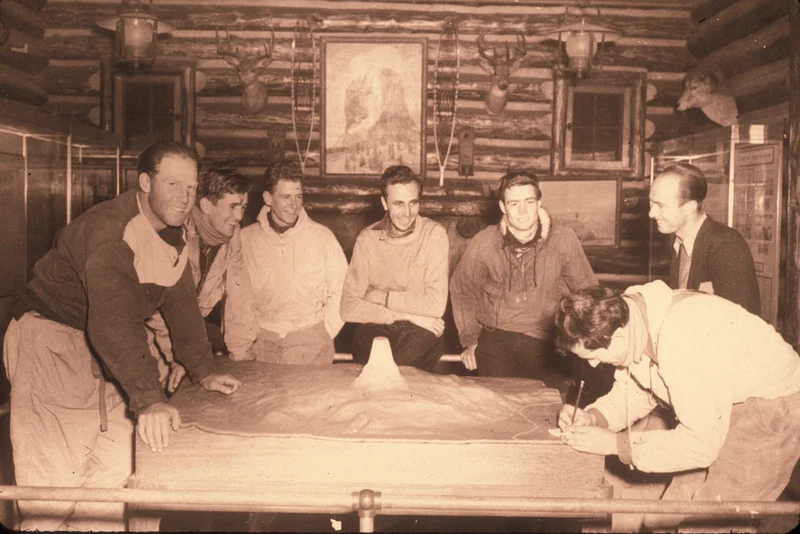
Jack Durrance
Born on August 24, 1912, in Florida, Jack Durrance spent several of his formative childhood and teenage years living in Garmisch-Partenkirchen, Germany. Immersed in the Bavarian Alps, he trained with master Austrian and German alpinists, gaining mastery of steel pitons, carabiners, two-rope climbing systems, and body belays decades ahead of typical North American methods. Returning to the United States to attend Dartmouth College in 1935, Durrance brought these modern alpine techniques to the Teton Range, revolutionizing climbing standards between 1935 and 1940. During that golden era, Durrance established an astonishing array of first ascents on the Grand Teton, including the technical West Face in 1936, the North Ridge with Kenneth Henderson in August 1936, and the classic Durrance Ridge on the mountain's east flank. In 1938, he pioneered the historic Durrance Route on Devils Tower in northeastern Wyoming, creating the standard line up the fractured volcanic columns. Selected for the 1939 American Karakoram expedition to K2 under Fritz Wiessner, Durrance carried heavy loads to high camps on the Abruzzi Spur before acute altitude sickness forced his descent. In October 1941, when daredevil parachutist George Hopkins leaped onto the summit of Devils Tower on a bet and found himself hopelessly marooned without ropes as winter blizzards closed in, the National Park Service summoned Durrance. Arriving from Dartmouth, Durrance mobilized an elite climbing team, scaled his sheer namesake route on the monument through freezing sleet, and escorted Hopkins safely down. Durrance later served as an army physician and became a distinguished pulmonary medical researcher in Denver, Colorado. He passed away on November 13, 2003, at the age of ninety-one.
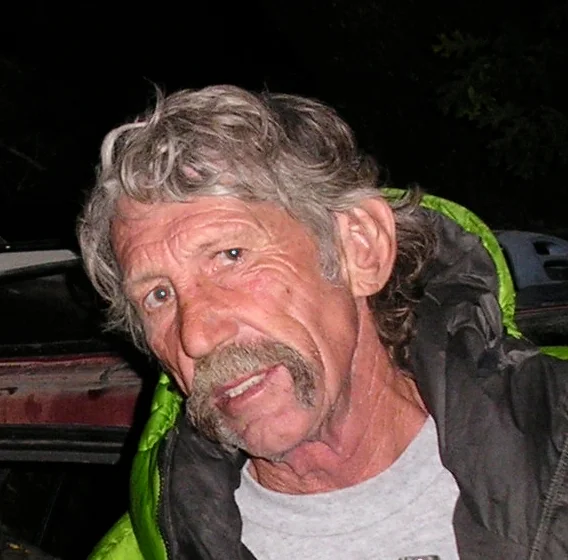
Jim Bridwell
Jim Bridwell was born on July 29, 1944, in San Antonio, Texas. Arriving in California's Yosemite Valley in the 1960s, Bridwell rapidly emerged as the visionary leader and intellectual tactician of the 'Stonemasters', the iconic counter-cultural climbing fraternity centered around Camp 4. Known affectionately as 'The Bird', Bridwell transformed big-wall climbing from arduous multi-day siege warfare into a fast, athletic, and stylish art form. Bridwell pioneered over one hundred new routes throughout Yosemite Valley, pushing both free climbing standards and extreme micro-aid horizons. On May 26, 1975, alongside John Long and Billy Westbay, Bridwell pulled off the legendary first one-day ascent of The Nose on El Capitan (3,000 feet, 31 pitches) in just fifteen hours, wearing painter's pants and paisley shirts. Bridwell subsequently established terrifying big-wall testpieces on El Capitan including Pacific Ocean Wall, Sea of Dreams, and Zenyatta Mondatta, pushing aid ratings to A5. In January 1979, Bridwell turned his sights to Patagonia. Climbing with Steve Brewer, he made the audacious first complete ascent of the Compressor Route on Cerro Torre (3,128m). Arriving at the high bolt anchor where Cesare Maestri had abandoned the route nine years prior, Bridwell and Brewer climbed past the end of the bolts and into the wild, hanging rime-ice mushroom of the summit, becoming the first climbers ever to summit Cerro Torre via the Southeast Ridge. Bridwell went on to establish the legendary 'Dance of the Woo-Li Masters' on the East Face of the Moose's Tooth in the Alaska Range in 1981. Jim Bridwell passed away on January 12, 2018, at age seventy-three, revered worldwide as the godfather of modern big-wall climbing.
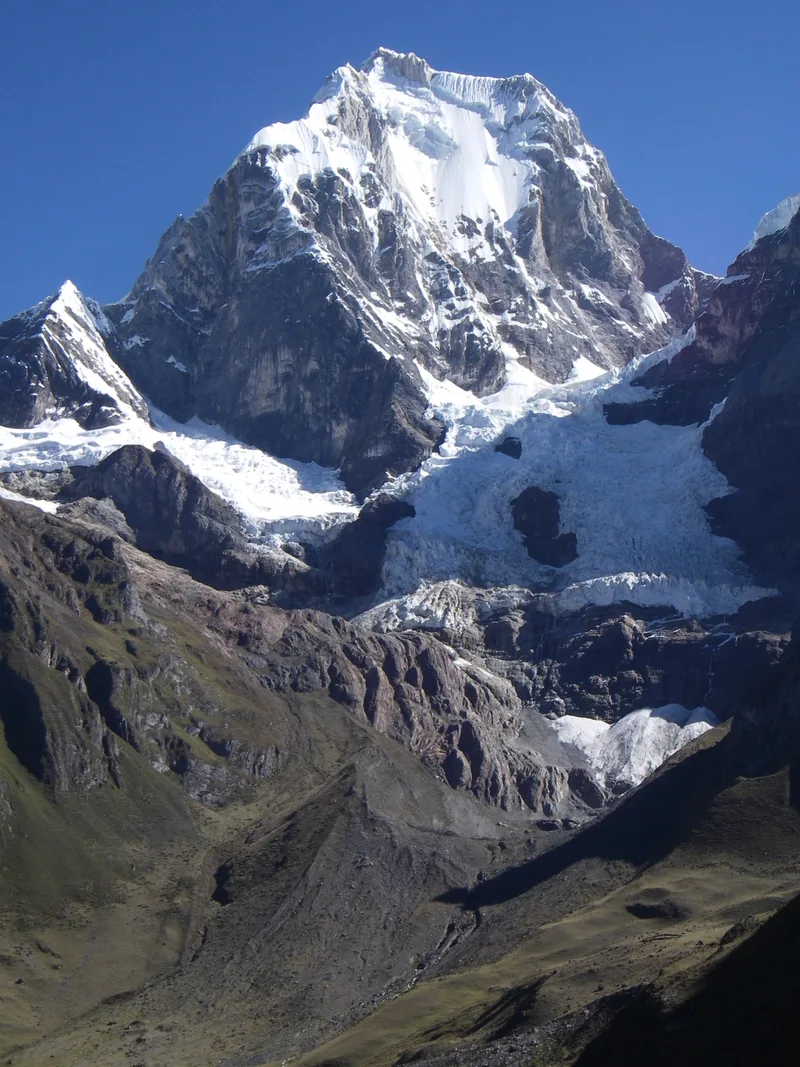
Jim Maxwell
James Maxwell grew up in the northeastern United States and joined the Harvard Mountaineering Club following World War II, during an era when American climbers were beginning to match European standards on the world's great ranges. Known for his formidable physical stamina, ice-climbing skill, and rock craft honed in the White Mountains and Shawangunks, Maxwell helped organize the ambitious 1950 Harvard Andean Expedition to Peru. The objective was Mount Yerupajá (6,635 m), the towering second-highest peak in Peru, locally feared as El Carnicero (The Butcher) due to its lethal avalanches and knife-edge summit crest. Establishing a series of camps up the glaciated southwest slopes from Laguna Jahuacocha, Maxwell and his collegiate climbing partner Dave Harrah were selected for the final summit assault. On July 31, 1950, Maxwell and Harrah pushed through intense cold, step-kicking up 60-degree firn and delicately traversing monstrous overhanging double cornices suspended over 4,000-foot precipices. At late afternoon, they stood victorious atop Yerupajá's 6,635-metre pinnacle, claiming the first ascent of the greatest unclimbed peak in the Americas. Caught by darkness during the descent, the pair were forced to endure an unplanned open bivouac at 6,500 metres in temperatures plunging far below zero. Despite severe frostbite that later required the amputation of several toes, Maxwell displayed magnificent fortitude in shepherding his frostbitten partner down the mountain to safety. Maxwell's ascent marked the coming-of-age of American high-altitude mountaineering in the Andes and earned him enduring respect in alpine history.
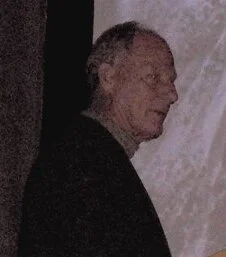
Jim Whittaker
Born on February 10, 1929, in Seattle, Washington, Jim Whittaker began scaling the peaks of the Pacific Northwest with his twin brother Lou, cutting his teeth on Mount Rainier and the North Cascades. In 1955, Whittaker became the first full-time employee of the outdoor cooperative Recreational Equipment Incorporated, commonly known as REI, eventually serving as its chief executive officer and overseeing its transformation into an international retail cooperative. In 1963, Whittaker was chosen as a lead climber for Norman Dyhrenfurth's historic American Mount Everest Expedition. On May 1, 1963, battling sub-zero gales and depleted oxygen cylinders, Whittaker and Sherpa Nawang Gombu persevered to the 8,848-metre summit of Mount Everest via the South Col, planting the American flag on the highest point on Earth. For this landmark achievement, President John F. Kennedy awarded Whittaker the Hubbard Medal of the National Geographic Society. In 1965, Whittaker guided Senator Robert F. Kennedy to the first ascent of Mount Kennedy in the Saint Elias Mountains of Yukon. In 1978, Whittaker led the first successful American ascent of K2 via the Northeast Ridge, placing Jim Wickwire and Louis Reichardt on the summit. In 1990, Whittaker organized and led the historic Earth Day International Peace Climb, uniting American, Soviet, and Chinese mountaineers to place twenty climbers on Everest's summit while removing two tons of trash from the mountain. Whittaker authored the acclaimed autobiography A Life on the Edge: Memoirs of Everest and Beyond.
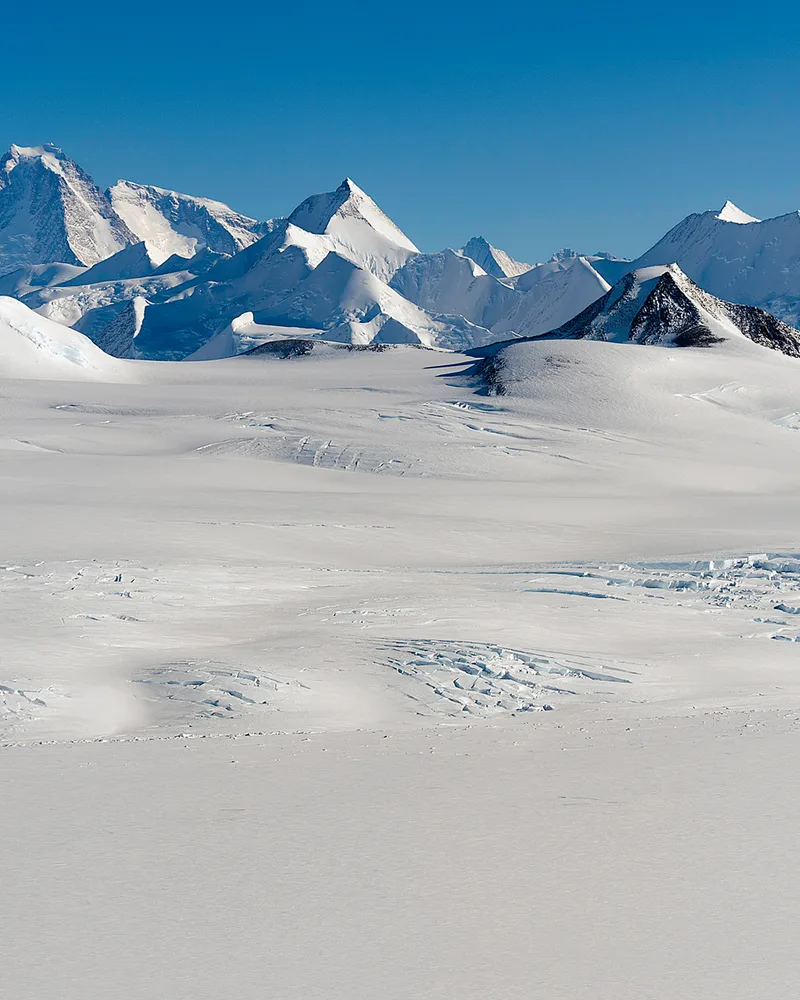
John Evans
John P. Evans was born in 1939 in Minnesota and developed into one of the most accomplished all-around technical climbers in North America during the 1960s. A standout member of the Dartmouth Mountaineering Club, Evans mastered extreme granite climbing in the Bugaboos and Canadian Rockies before joining the 1966–1967 American Antarctic Mountaineering Expedition organized by Nicholas Clinch. On December 18, 1966, Evans roped up with Clinch, Barry Corbet, and Peter Anderson to make the maiden first ascent of Mount Vinson (4,892 m), the continental roof of Antarctica. Not content with climbing the glaciated ramps of Vinson, Evans and Corbet fixed their sights on the terrifying, dark granite obelisk of Mount Tyree (4,852 m). On January 6, 1967, starting from an advance camp on the Patton Glacier, Evans and Corbet tackled the 2,000-metre Northwest Face in alpine style. Evans led severe technical rock pitches (5.8) wearing heavy gloves and plastic boots on frozen, brittle granite, overcoming vertical chimneys choked with blue ice. After twenty-two continuous hours of non-stop climbing in -35°C polar cold, the pair safely reached the summit and descended without fixed ropes. In recognition of his legendary contributions, the US Advisory Committee on Antarctic Names named Evans Peak (3,950 m) in the Sentinel Range in his honour.
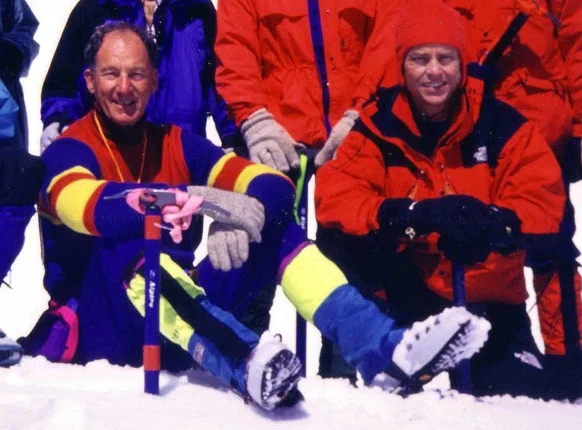
Lou Whittaker
Born on February 10, 1929, in Seattle, Washington, Lou Whittaker grew up exploring the Cascade Range with his identical twin brother, Jim Whittaker. Climbing Mount Rainier as teenagers in 1945, Lou dedicated his life to mountain guiding, mountain rescue, and outdoor leadership. In 1969, Whittaker co-founded Rainier Mountaineering Incorporated, commonly known as RMI, building it into the world's premier commercial mountaineering guide service. Whittaker personally led more than two hundred and fifty summits of Mount Rainier, survived catastrophic avalanches, and pioneered high-altitude rescue techniques on heavily crevassed terrain that saved dozens of lives. Beyond the Cascades, Whittaker led major international expeditions to the Karakoram and Himalayas. In 1984, Whittaker served as expedition leader for the historic American Mount Everest Expedition that achieved the first American ascent of the Great Couloir and North Col via Tibet, placing Phil Ershler on the summit without oxygen after Whittaker coordinated the complex logistics. In 1989, he led an expedition to K2. Whittaker authored the acclaimed memoir Memoirs of a Mountain Guide. Whittaker passed away on March 24, 2024, at the age of ninety-five, revered as the patriarch of American professional mountain guiding.
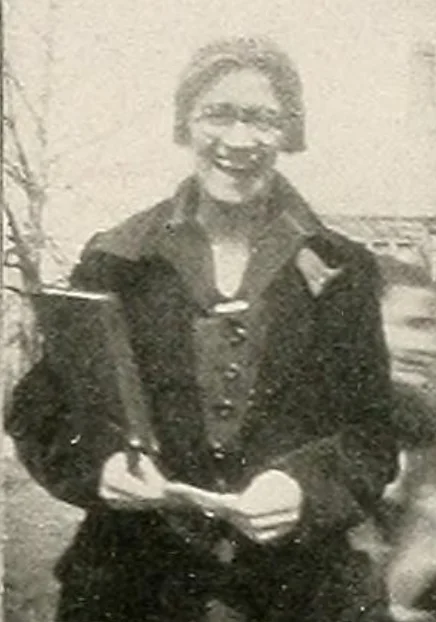
Miriam O'Brien Underhill
Born on July 22, 1898, in Forest Hills, Massachusetts, Miriam O'Brien was educated at Bryn Mawr College and Columbia University. She began her mountaineering career in the White Mountains of New Hampshire before venturing to the European Alps in the 1920s, climbing with premier Chamonix and Valais guides. She soon observed that even when a woman had the skill to lead difficult rock pitches, conventional society and male companions assumed the male guide did all the work, reducing the woman to a passenger. Determined to achieve complete autonomy and self-reliance, O'Brien conceived the revolutionary ethic of manless climbing, organizing guideless ascents composed exclusively of women. In August 1929, climbing roped with French alpinist Alice Damesme, O'Brien completed the first all-female ascent of the notoriously technical Aiguille du Grépon in the Mont Blanc massif, an achievement that made global headlines and caused famed guide Étienne Couriche to lament that the Grépon was now a ladies' climb. In August 1932, O'Brien partnered with Micheline Morin to achieve the historic first all-female traverse of the Matterhorn, ascending from Switzerland via the Hörnli Ridge and descending into Italy. In 1932, she married fellow alpine pioneer Robert Underhill, a Harvard philosophy professor who had introduced modern European rope techniques to North America. Together, the Underhills traveled to Wyoming's Teton Range, where they made pioneering guideless ascents across the Grand Teton, Mount Owen, and the jagged spires of the Cathedral Group. Later settling in New Hampshire, she and her husband founded the Four Thousand Footer Club of the White Mountains, becoming the first climbers to complete winter ascents of all forty-eight peaks above 4,000 feet. She authored the classic mountaineering memoir Give Me the Hills in 1956. She passed away on January 7, 1976, at the age of seventy-seven.
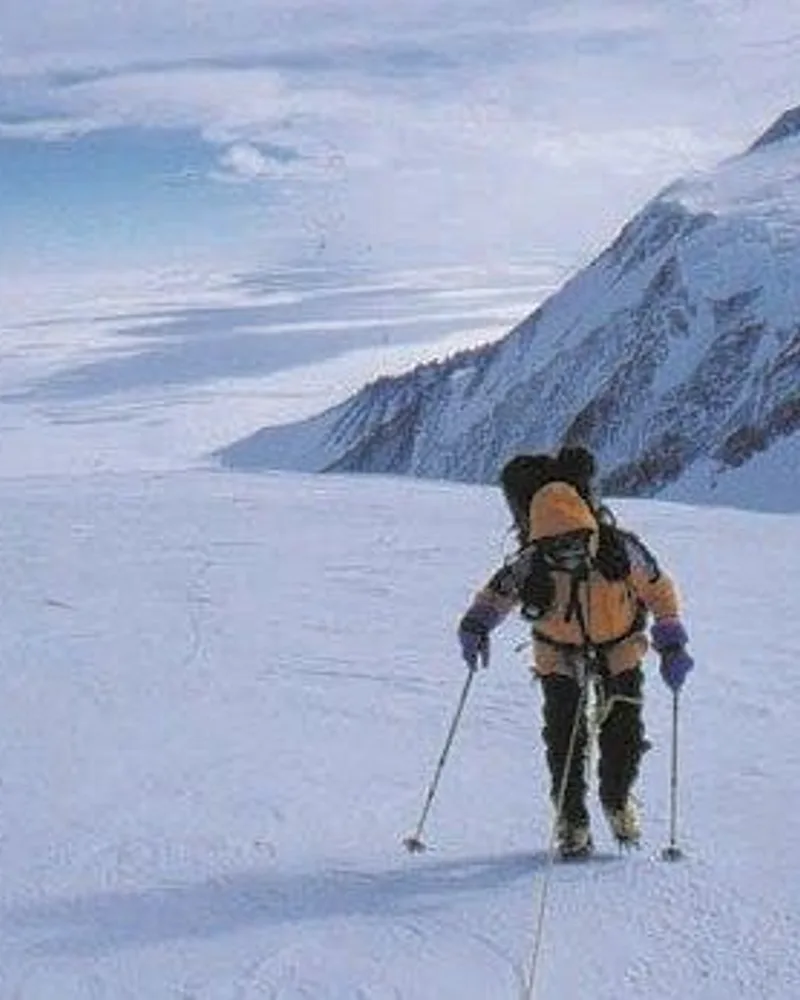
Nicholas Clinch
Nicholas Bayard Clinch III was born on November 9, 1930, in Evanston, Illinois. Raised in Dallas, Texas, Clinch attended the New Mexico Military Institute before graduating from Stanford University in 1951, where he earned a law degree and discovered high-angle rock climbing with the Stanford Alpine Club in Yosemite and the Sierra Nevada. Possessing a rare genius for expedition diplomacy, fundraising, and organizational logistics, Clinch resolved in the late 1950s to organize an all-American assault in the high Karakoram. In 1958, Clinch organized and led the historic American Karakoram Expedition that placed Pete Schoening and Andy Kauffman atop Gasherbrum I (Hidden Peak, 8,080 m) on July 5, 1958—the only maiden first ascent of an 8,000-metre peak ever achieved by an American team. In 1960, Clinch returned to Pakistan to lead the first ascent of Masherbrum (7,821 m). In late 1966, Clinch spearheaded his greatest logistical masterpiece: the joint American Alpine Club, National Geographic Society, and US Navy American Antarctic Mountaineering Expedition. Transported into the unexplored Sentinel Range of the Ellsworth Mountains via ski-equipped LC-130 Hercules aircraft, Clinch led a ten-man team in sub-zero polar temperatures. On December 18, 1966, Clinch, Barry Corbet, John Evans, and Peter Anderson summited Mount Vinson (4,892 m), claiming the summit of Antarctica. Over the ensuing weeks, his expedition conquered Mount Tyree (4,852 m), Mount Shinn (4,660 m), and Mount Gardner (4,587 m) without a single serious injury. Clinch served as President of the American Alpine Club (1968–1970) and executive director of the Sierra Club Foundation (1970–1981). In 2006, the US Advisory Committee on Antarctic Names designated Clinch Peak near Mount Vinson in his honour. He passed away on June 15, 2016, at age 85, revered as one of the towering statesmen of 20th-century world exploration.
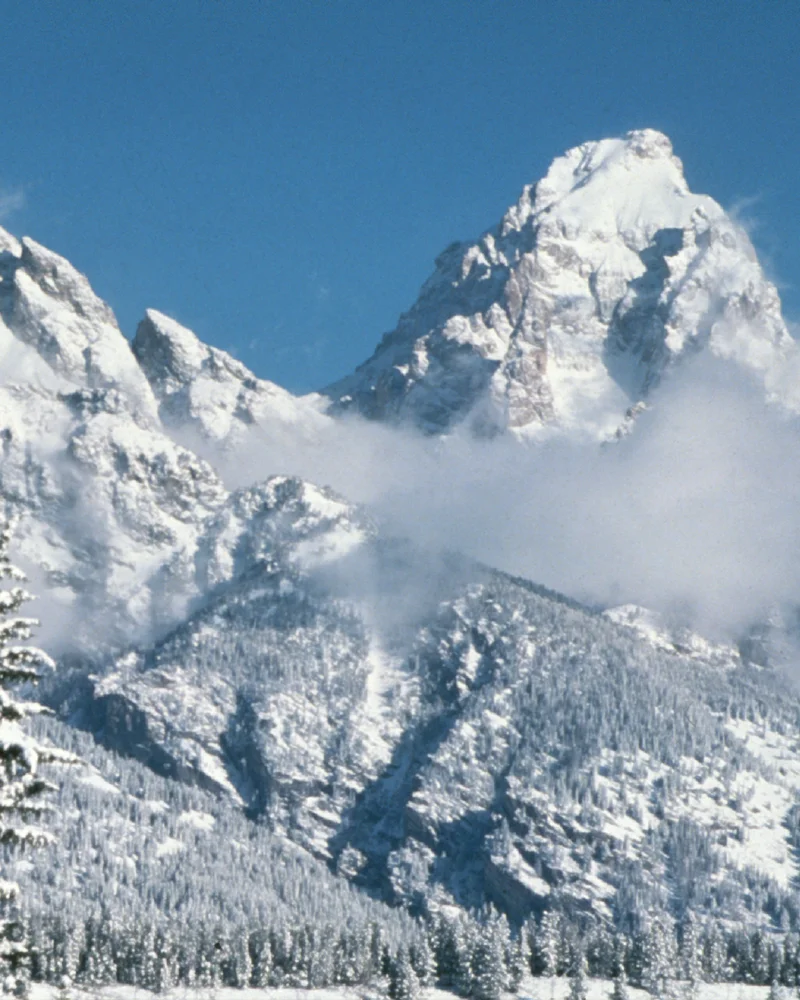
Paul Petzoldt
Born on January 16, 1908, in Creston, Iowa, Paul Petzoldt grew up working on farms in Idaho and Wyoming. In 1924, at just sixteen years of age, Petzoldt made a sensational ascent of the Grand Teton wearing cowboy boots, igniting a lifelong obsession with mountain exploration. By the early 1930s, Petzoldt had established Petzoldt's Climbing School in Jackson Hole and completed major first ascents across the Teton Range, including the North Face and East Ridge of the Grand Teton. In 1938, Petzoldt was chosen by Charles Houston as a lead climber for the first American Karakoram expedition to K2. Operating in pure expeditionary style, Petzoldt and Houston reached Camp VI at 7,900 metres on the Abruzzi Spur without supplemental oxygen, proving that American mountaineers could compete at the highest Himalayan levels. During the Second World War, Petzoldt served in the elite Tenth Mountain Division, training soldiers in alpine winter survival. In 1965, Petzoldt founded the National Outdoor Leadership School (NOLS) in Lander, Wyoming, and later established the Wilderness Education Association (WEA), pioneering modern principles of wilderness stewardship, group decision-making, and outdoor safety that transformed mountaineering education worldwide.
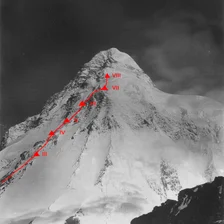
Pete Schoening
Peter Kittilsby Schoening was born on July 30, 1927, in Seattle, Washington. Learning to climb in the rugged Cascade Range and the Olympic Mountains of the Pacific Northwest, Schoening quickly established a reputation for phenomenal physical strength, rock-solid composure under extreme duress, and meticulous ropework. In 1953, Schoening was selected for the third American Karakoram Expedition to K2 (8,611m), led by Charles Houston. Trapped at Camp VIII (7,770m) by a ten-day blizzard while teammate Art Gilkey was stricken with thrombophlebitis, the team was forced to attempt a desperate evacuation down steep mixed ice. During the descent on August 10 at approximately 7,600 meters, George Bell slipped, pulling Tony Streather, Bob Bates, Charles Houston, and Dee Molenaar into a catastrophic tangle of falling bodies. Positioned slightly above, Schoening wedged his wooden-shafted ice axe behind a rock outcrop, braced his shoulder and hips, and held the entire rope system. Absorbing the violent kinetic shock of five falling men and Gilkey's litter simultaneously, Schoening held firm, single-handedly preventing the entire team from plunging thousands of meters to the Godwin-Austen Glacier. 'The Belay' remains universally celebrated as the most miraculous single act of belaying in mountaineering history. Five years later, in 1958, Schoening returned to the Karakoram on the American expedition to Gasherbrum I (Hidden Peak, 8,080m) led by Nick Clinch. Approaching up the South Gasherbrum Glacier, Schoening and Andy Kauffman spearheaded the route up the Roch Ridge and upper snow face. On July 5, 1958, using supplemental oxygen, Schoening and Kauffman reached the summit of Gasherbrum I at 3:00 PM, achieving the maiden first ascent of the mountain. It stands as the only first ascent of an 8,000-meter peak achieved by American mountaineers. In 1966, Schoening led the American Antarctic Mountaineering Expedition, achieving the maiden first ascent of Mount Vinson (4,892m), the highest peak in Antarctica. In 1996, at age 68, he joined Scott Fischer's Mountain Madness expedition on Mount Everest, reaching Camp III before retiring due to heart arrhythmia and descending safely prior to the deadly May storm. He passed away on September 22, 2004, leaving an enduring legacy of selfless heroism, humility, and pioneering alpine achievement.
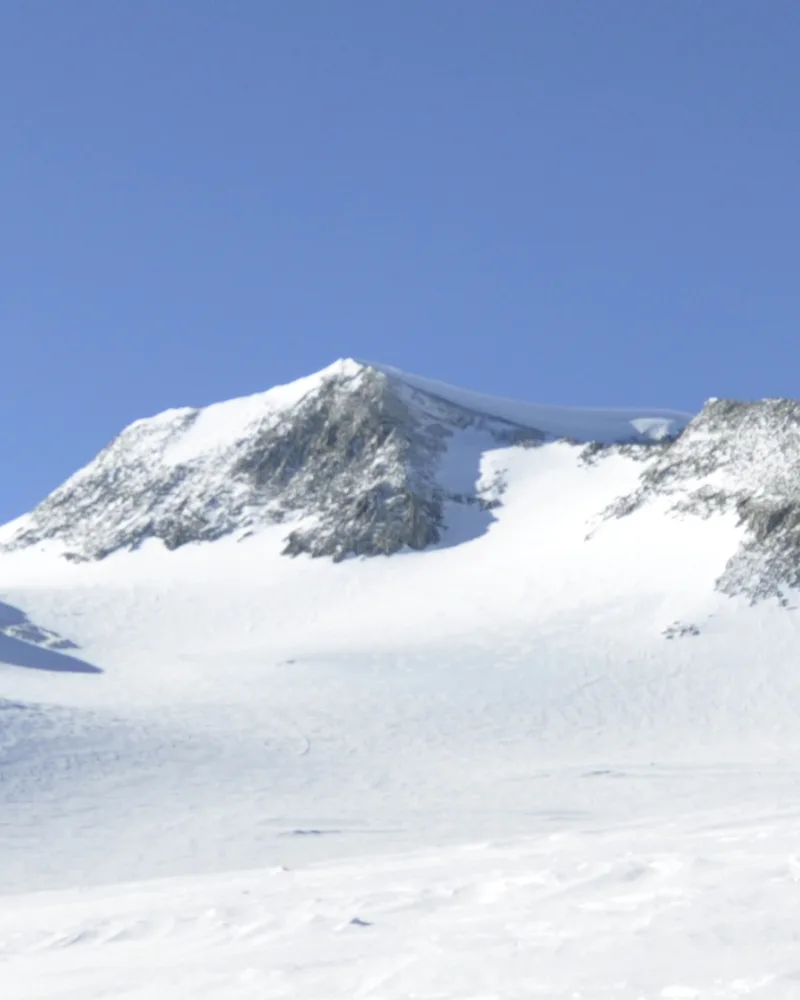
Peter Anderson
J. Peter Anderson was born in the United States and educated in geology and polar glaciology. Working with the Institute of Polar Studies at Ohio State University and the United States Antarctic Research Program (USARP), Anderson conducted extensive seismic and ice-coring research across Queen Maud Land and Marie Byrd Land in the early 1960s. Recognizing that an Antarctic mountaineering expedition required rigorous polar scientific capabilities to secure US Navy logistical flight support, expedition leader Nicholas Clinch invited Anderson to serve as chief scientist on the 1966–1967 American Antarctic Mountaineering Expedition. Anderson proved to be as robust an alpine climber as he was a meticulous scientist. On December 18, 1966, Anderson stood atop Mount Vinson (4,892 m) alongside Clinch, Corbet, and Evans, helping plant the flags of the twelve Antarctic Treaty nations on the continental summit. Over the following weeks, Anderson recorded barometric elevations, studied ice temperatures, and participated in the first ascent of Mount Shinn (4,660 m). In recognition of his polar scientific and exploratory achievements, the US Board on Geographic Names named Anderson Peak (4,254 m) in the Sentinel Range in his honour.
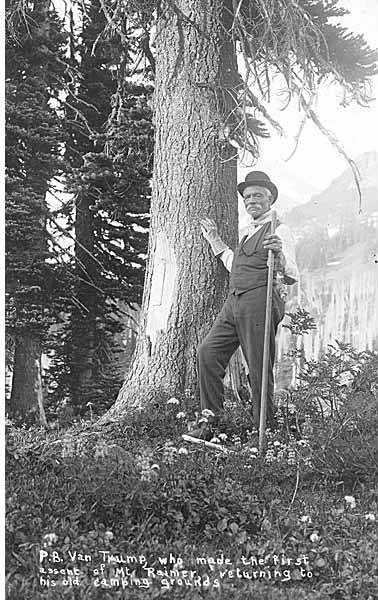
Philemon Van Trump
Born on December 18, 1838, in Lancaster, Ohio, Philemon Beecher Van Trump was educated at Kenyon College and New York University before moving westward to the Washington Territory in 1867. Serving as private secretary to territorial governor Marshall F. Moore, Van Trump became captivated by the immense snowy massif of Mount Rainier. In August 1870, Van Trump teamed with General Hazard Stevens to attempt the mountain. Accompanied to timberline by Yakama guide Sluiskin, Stevens and Van Trump ascended the hazardous rotten volcanic cliffs of Gibraltar Rock, reaching the summit rim on August 17, 1870. Trapped at the top by a freezing storm, they survived by taking refuge within geothermal steam vents inside the crater. Van Trump returned to Mount Rainier repeatedly, making additional ascents in 1883 and 1892. In August 1883, Van Trump joined James Longmire and George Bayley to achieve the first documented ascent of Mount Saint Helens. In August 1888, Van Trump guided famed naturalist John Muir, artist Edward Stuhl, and party up Mount Rainier via Gibraltar Rock, creating an alliance that spurred the national campaign to establish Mount Rainier National Park in 1899. Van Trump served as an early park ranger and advocate. He passed away in Centralia, Washington, in December 1916. Van Trump Park, Van Trump Glacier, and Van Trump Creek in Mount Rainier National Park commemorate his foundational legacy.
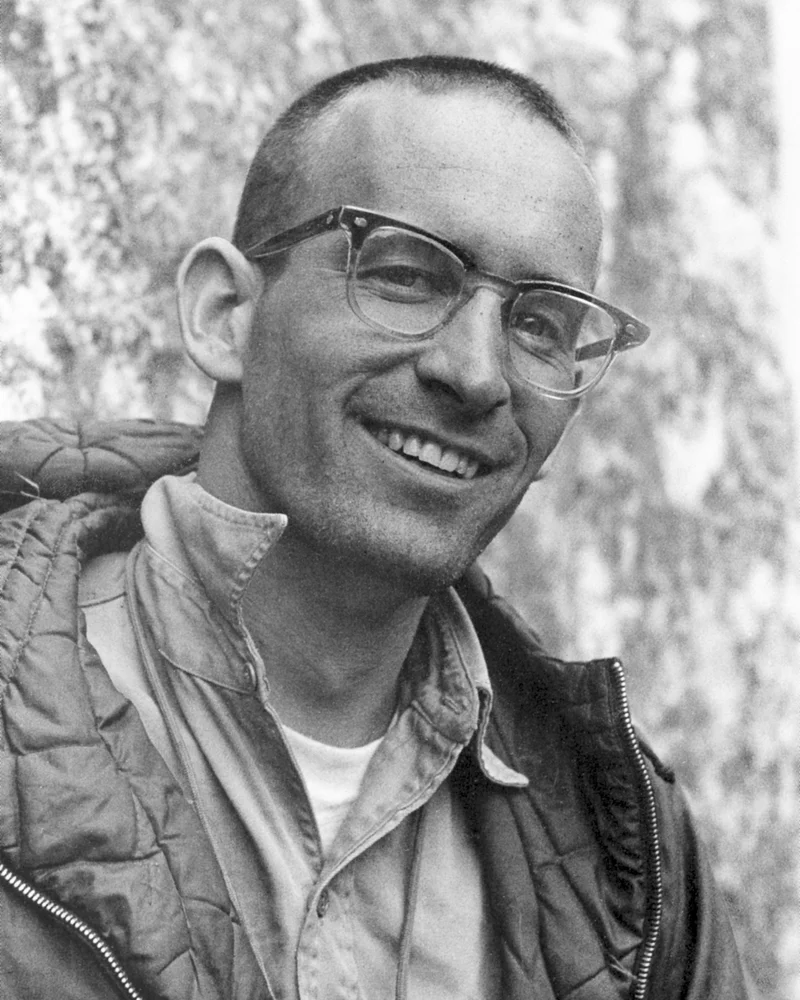
Royal Robbins
Born on February 3, 1935, in Point Pleasant, West Virginia, Royal Robbins moved to southern California as a child, discovering rock climbing in the San Jacinto Mountains at Tahquitz Rock. By the mid-1950s, Robbins had migrated north to Yosemite Valley, where Camp 4 was emerging as the crucible of North American rock climbing. In June 1957, alongside Mike Sherrick and Jerry Gallwas, Robbins achieved the historic first ascent of the sheer 600-metre Northwest Face of Half Dome, establishing the first Grade VI climb in the United States over five grueling days. Rejecting the siege tactics and excessive bolting popularized by rival Warren Harding, Robbins championed a purist philosophy centered on continuous pushes, athletic free climbing, and minimal reliance on expansion bolts. In September 1961, Robbins, Tom Frost, and Chuck Pratt made the historic first ascent of the Salathé Wall on El Capitan, placing only thirteen lead bolts on a 35-pitch natural crack line. Three years later, in October 1964, Robbins led the legendary first ascent of the North America Wall on El Capitan with Frost, Pratt, and Yvon Chouinard, conquering terrifying diorite overhangs in continuous capsule style over ten days. In the 1970s, Robbins authored foundational instruction manuals on rock climbing and co-founded the Royal Robbins outdoor apparel company with his wife Liz, leaving an enduring legacy of environmental responsibility and alpine purity.
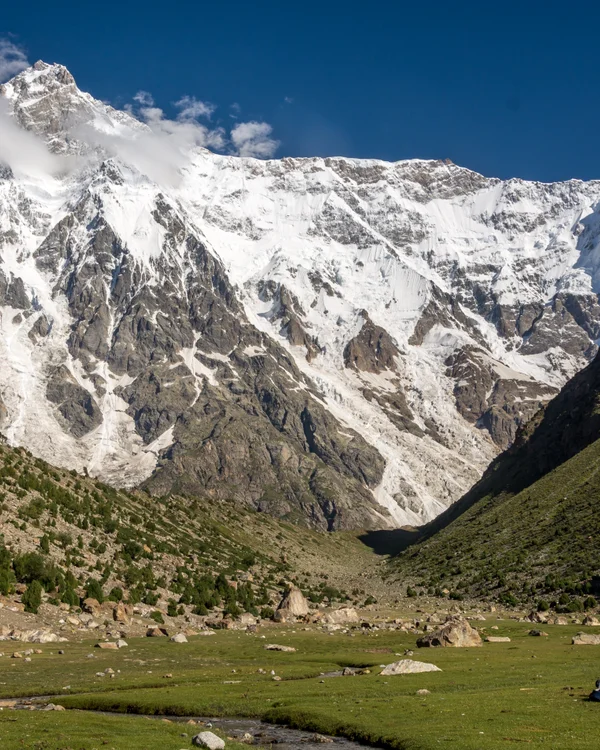
Steve House
Steve House was born on August 4, 1970, in La Grande, Oregon. Introduced to mountaineering in the Pacific Northwest, House underwent a formative transformation while living as an exchange student in Slovenia in 1988, where he was mentored by the fierce, purist school of Slovenian alpinists. Rejecting heavy siege-style expedition tactics, House dedicated himself to pure alpine style: climbing without fixed ropes, without intermediate high-altitude camps, without high-altitude porters, and without supplemental bottled oxygen. Over the 1990s and early 2000s, House established an astonishing resume of lightweight first ascents in the Alaska Range and Canadian Rockies. Highlights included new direct routes on Mount Bradley, Mount Hunter, and the legendary Slovak Direct on the South Face of Denali, which House, Mark Twight, and Scott Backes climbed continuously in sixty hours in 2000. In 2004, House made an audacious solo ascent of K7 (6,934m) in the Karakoram's Charakusa Valley, a masterwork that garnered international acclaim. In September 2005, House and longtime climbing partner Vince Anderson achieved what is widely regarded as one of the greatest alpine-style ascents in mountaineering history: the direct first ascent of the 4,100-metre Central Pillar of the Rupal Face on Nanga Parbat (8,126m). Climbing over eight continuous days carrying minimalist twenty-pound packs, they navigated vertical granite and brittle mixed runnels to reach the summit, winning the 2005 Piolet d'Or. An eloquent writer and philosopher, House authored 'Beyond the Mountain' and co-founded Uphill Athlete, profoundly shaping the training and ethical standards of modern global mountaineering.
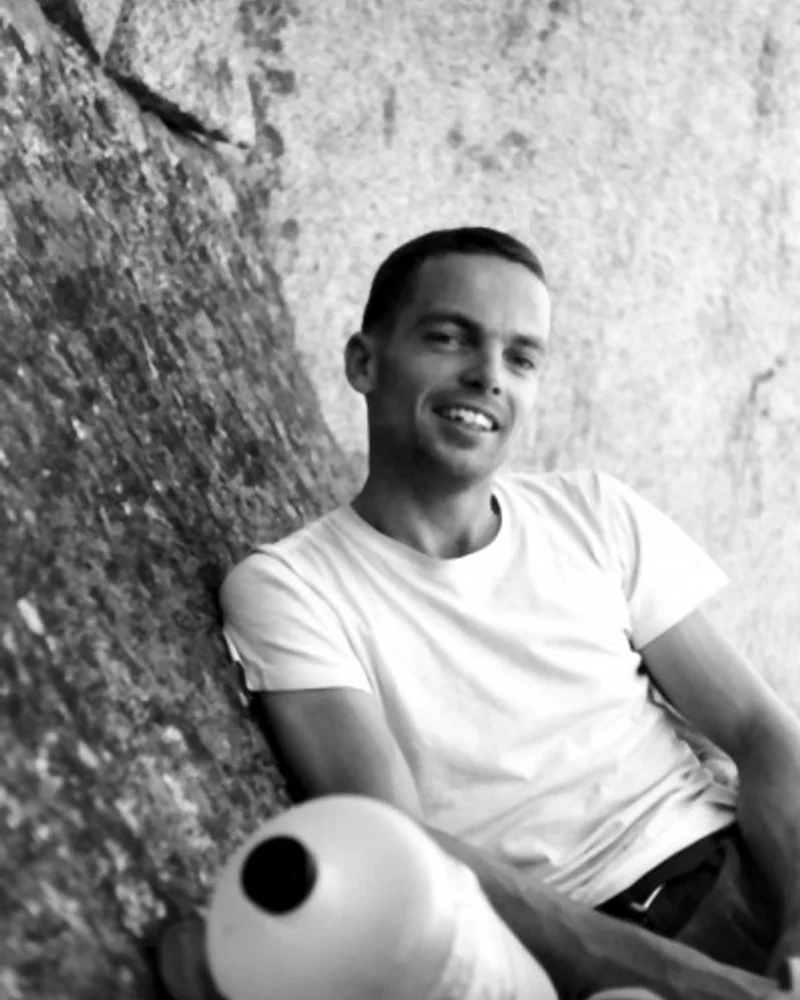
Tom Frost
Born on June 30, 1936, in Hollywood, California, Tom Frost graduated from Stanford University in 1958 with a degree in mechanical engineering, where he was also an accomplished collegiate swimmer. Moving into aerospace engineering, Frost was introduced to rock climbing in the late 1950s, bringing rigorous engineering precision, meticulous safety discipline, and extraordinary physical stamina to Yosemite Valley. Forming an unbeatable partnership with Royal Robbins and Chuck Pratt, Frost became a cornerstone of Yosemite's finest big-wall achievements. In September 1961, the trio opened the Salathé Wall on El Capitan, hailed as the finest natural big-wall line in the world. In October 1964, joined by Yvon Chouinard, they conquered the North America Wall in continuous capsule style over ten days. Frost's engineering background was vital to the development of modern climbing equipment: partnering with Chouinard in 1965, he co-designed the revolutionary RURP (Real Realised Ultimate Reality Piton), the curved-pick alpine ice axe that enabled modern steep ice climbing, and lightweight aluminum carabiners and chocks. Carrying heavy Leica and Hasselblad film cameras up multi-day vertical walls, Frost captured the iconic, museum-grade black-and-white photographs that documented the soul and aesthetic beauty of Yosemite's Camp 4 era for all time.
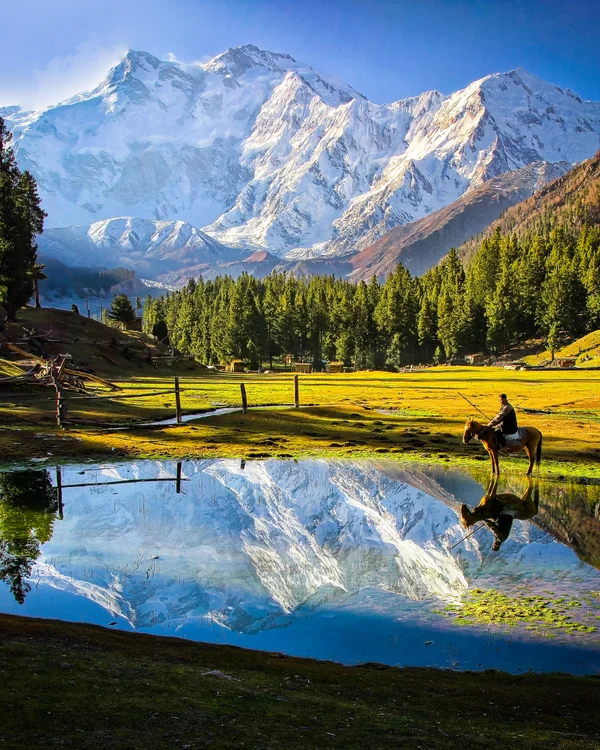
Vince Anderson
Vince Anderson was born on April 15, 1970, in the United States. Drawn to rock climbing and backcountry skiing in the Rocky Mountains and Pacific Northwest, Anderson became one of the premier American mountain guides, attaining full UIAGM/IFMGA international certification. Renowned among peers for his ice-climbing virtuosity, quiet focus, and bulletproof route judgment, Anderson forged a legendary partnership with Steve House, based on shared convictions about fair-means alpine style. In September 2005, Anderson and House journeyed to the remote Rupal Valley in Pakistan to tackle the largest vertical precipice on Earth: the 4,100-metre Rupal Face of Nanga Parbat (8,126m). Rejecting siege tactics, fixed ropes, and bottled oxygen, they launched an alpine-style sprint straight up the Central Pillar. Over eight days of intense climbing, Anderson led critical mixed cruxes through sheer granite bands and crumbling ice flutings. Reaching the summit on September 6, 2005, they completed one of the most revered ascents in alpine history, earning the 2005 Piolet d'Or. Throughout his subsequent career, Anderson continued to open technical alpine routes across Alaska, the Canadian Rockies, the Karakoram, and the Alps. A dedicated mentor and educator, he has served as a senior instructor for the American Mountain Guides Association (AMGA) and co-coach at Uphill Athlete, training hundreds of professional guides and aspiring alpinists. Vince Anderson remains celebrated as a consummate professional whose technical excellence helped elevate modern alpine style to its highest expression.
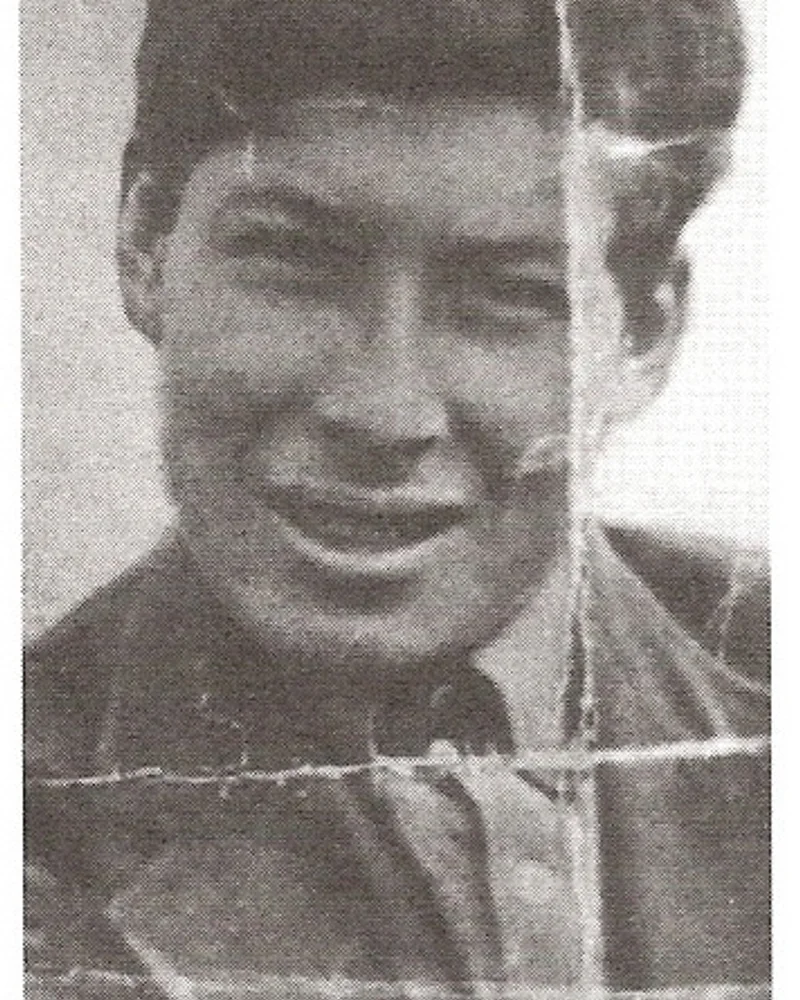
Walter Harper
Born in 1892 in Tanana, Alaska, Walter Harper was the youngest child of Koyukon Athabascan native woman Seenia and pioneer trader Arthur Harper. Possessing immense physical strength, deep traditional woodland knowledge, and extraordinary natural grace, Harper joined Archdeacon Hudson Stuck's missionary journeys as dog-musher, riverboat engineer, and expedition guide at age sixteen. In 1913, at just twenty years old, Harper was chosen as the lead scout and climbing stalwart for the historic expedition to Denali. Across grueling weeks on the Muldrow Glacier and the precarious ice steps of Karstens Ridge, Harper's relentless stamina, buoyant cheer, and sharp mountain instincts proved the backbone of the enterprise. On the morning of June 7, 1913, as the party reached the wind-swept 20,000-foot summit ridge, Stuck and Karstens insisted that Harper lead the rope onto the highest crest. At 1:30 in the afternoon, Harper became the first human being to stand atop Denali, North America's highest peak. Harper subsequently trained at the Mount Hermon School in Massachusetts with dreams of becoming a medical missionary to his people. Tragically, in October 1918, on his way to medical school in Philadelphia with his newlywed bride Frances Wells, Harper was lost at sea when the steamship Princess Sophia foundered on Vanderbilt Reef in the Lynn Canal. In 2013, on the centennial of the ascent, Harper was honored across Alaska as a foundational indigenous pioneer and national mountain hero.
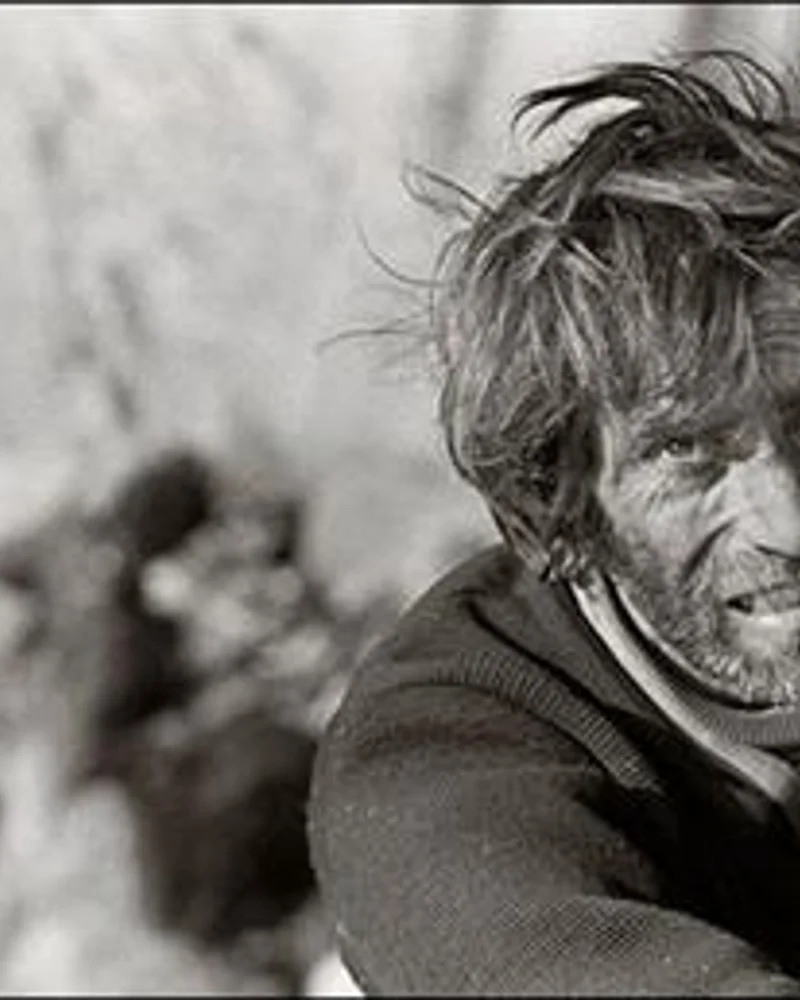
Warren Harding
Born on June 18, 1924, in Oakland, California, Warren Harding took up rock climbing in the early 1950s after working as a state highway surveyor. Nicknamed Batso for his fondness for sleeping suspended from vertical rock faces in custom bat tents, Harding embodied the rebellious, iconoclastic spirit of post-war California climbing. When Royal Robbins and his companions climbed Half Dome's Northwest Face in 1957, Harding responded by targeting the grandest, most intimidating rock formation on the continent: the unclimbed 914-metre prow of El Capitan. Beginning in July 1957 alongside Mark Powell and Bill Feuerer, and later joined by Wayne Merry and George Whitmore, Harding led an epic siege up The Nose. Over 45 days spread across eighteen months, the team fixed thousands of feet of rope and drilled 125 expansion bolts into blank granite headwalls. On the night of November 11, 1958, Harding drilled 28 bolts non-stop through fourteen freezing hours, pulling himself and his teammates onto the summit at dawn on November 12 to complete the first ascent of El Capitan. In 1970, Harding created a global sensation on the Dawn Wall (Wall of the Early Morning Light), spending 27 consecutive days on El Capitan with Dean Caldwell, enduring a 105-hour storm, and famously refusing a National Park Service rescue by lowering a message: 'A rescue is unwarranted, unwanted, and will not be accepted.'
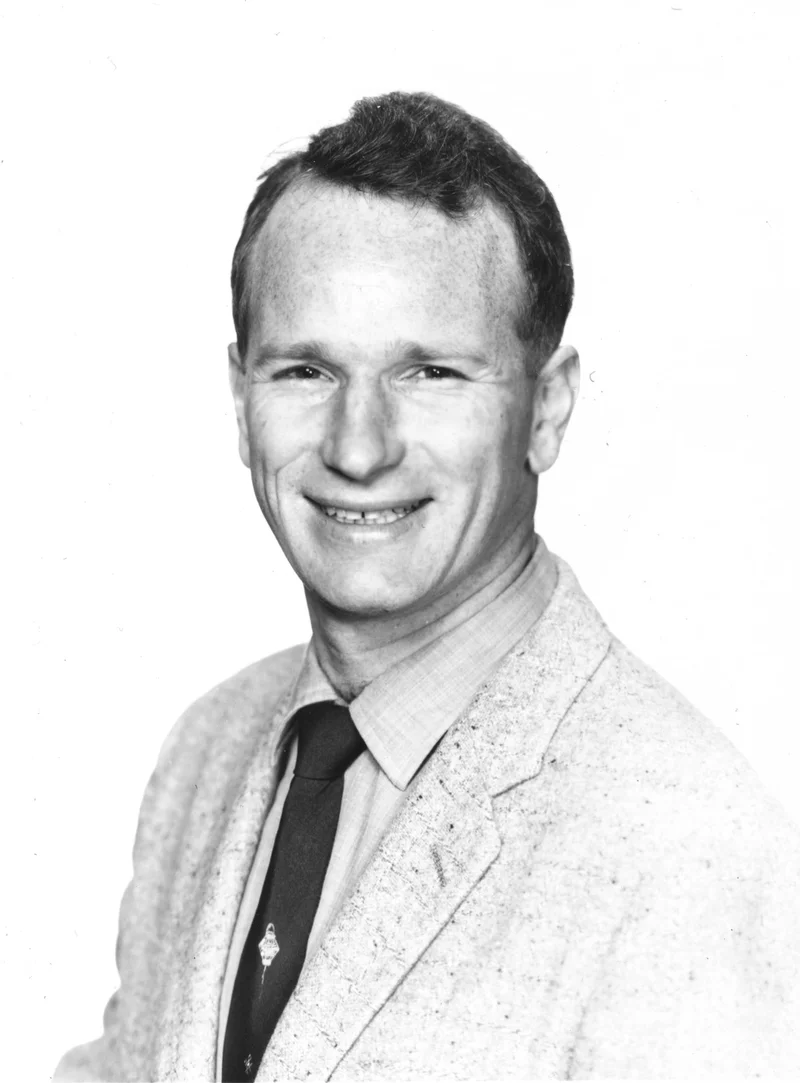
Willi Unsoeld
Born on October 5, 1926, in Arcata, California, Willi Unsoeld discovered mountaineering in the Sierra Nevada and the Tetons, earning a doctorate in philosophy from the University of Washington. Working as a mountain guide on the Grand Teton with the Exum Mountain Guides and on Mount Rainier, Unsoeld blended rigorous physical climbing prowess with existential spiritual philosophy. In 1960, Unsoeld made the first ascent of Masherbrum (7,821 m) in the Karakoram with George Bell. In 1963, Unsoeld joined the American Mount Everest Expedition led by Norman Dyhrenfurth. While teammate Jim Whittaker summited via the South Col route, Unsoeld and anesthesiologist Tom Hornbein embarked on an audacious, committing assault up the untamed West Ridge. Surmounting the treacherous limestone notch now known as the Hornbein Couloir, they reached the summit of Mount Everest at 6:15 in the evening on May 22, 1963, completing the first ascent of the West Ridge and the first traverse of an 8,000-metre peak in history. Descending the unfamiliar South Col route in total darkness, they ran out of oxygen and bivouacked with teammates Barry Bishop and Lute Jerstad in the open at 8,500 metres without shelter or sleeping bags, surviving sub-zero winds. Unsoeld lost nine toes to severe frostbite but returned to teaching, outdoor education with Outward Bound, and founding the Wilderness Program at The Evergreen State College. In 1976, he co-led an expedition to Nanda Devi where his daughter, Devi Unsoeld, tragically perished from altitude complications. Unsoeld died in an avalanche on Mount Rainier on March 4, 1979, during a descent from Camp Muir, leaving a monumental legacy in modern alpine ethics.
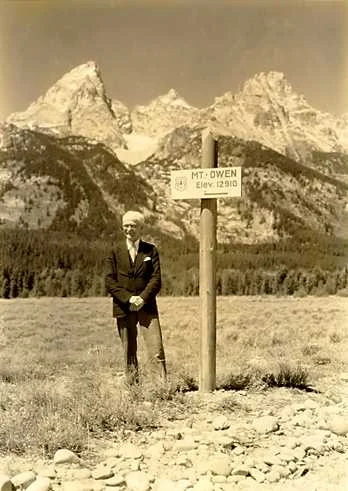
William O. Owen
Born on November 7, 1859, in Pleasant Grove, Iowa, William Otis Owen moved with his pioneer family to the frontier territory of Wyoming as a young child. Educated at the University of Wyoming, Owen became a master civil engineer and land surveyor, surveying vast tracts of wild territory across the Laramie Plains and western Wyoming. Enamored with the dramatic granite tooth of the Grand Teton rising without foothills above Jackson Hole, Owen made his first exploratory attempt on the mountain in 1891. Finding the vertical ramparts impassable with primitive footwear and equipment, he returned with renewed determination in 1893 and 1897, establishing route familiarity up the steep couloirs of Garnet Canyon to the Lower Saddle. In the summer of 1898, Owen organized a determined four-man climbing party comprising himself, Episcopal missionary bishop Franklin Spencer Spalding, rancher Frank Petersen, and John Shive. On August 11, 1898, guided by Spalding's remarkable rock-climbing agility on the vertical pitch above the Upper Saddle, the team reached the summit boulder of Grand Teton at 4,199 metres, building a rock cairn and carving their names into the summit stone. Owen subsequently led a vigorous, thirty-year public campaign to disprove the contested 1872 first ascent claim of Nathaniel Langford and James Stevenson, arguing that their physical description of the summit did not match the topography. On February 9, 1929, the Wyoming State Legislature officially recognized Owen and his companions as the genuine first conquerors of Grand Teton, and Mount Owen, the second-highest peak in the Teton Range at 3,940 metres, was named in his enduring memory. Owen passed away in California on March 3, 1947, at the age of eighty-seven.
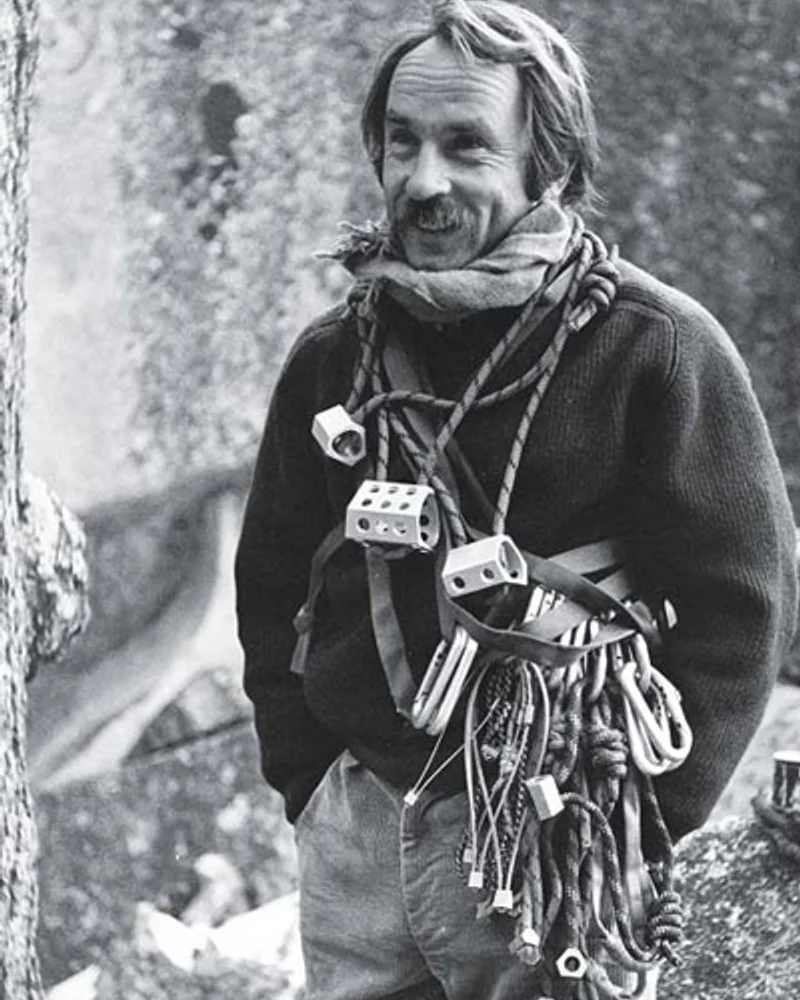
Yvon Chouinard
Born on November 9, 1938, in Lewiston, Maine, to a French-Canadian family, Yvon Chouinard moved to Burbank, California, at age eight. A keen falconer, he learned to rappel down steep cliffs to reach hawk aeries, which ignited a lifelong passion for rock climbing. Realizing that European soft-iron pitons deformed and ruined Yosemite's hard granite, Chouinard taught himself blacksmithing in 1957, forging reusable chrome-molybdenum steel pitons from old harvester blades in a backyard chicken coop. Selling his gear from the trunk of his car in Yosemite's Camp 4, Chouinard Equipment soon became the premier climbing hardware company in North America. As a climber, Chouinard was an elite vanguard. In October 1964, he teamed with Royal Robbins, Tom Frost, and Chuck Pratt to make the historic first ascent of the terrifying North America Wall on El Capitan. In 1968, he embarked on a legendary road trip to Patagonia in a secondhand van with Doug Tompkins and Dick Dorworth, establishing the California Route on Cerro Fitz Roy. When Chouinard realized in the early 1970s that repeated piton placement was destroying rock cracks, he made the courageous business decision to phase out pitons in favor of aluminum chocks and hexes, publishing the historic 1972 Clean Climbing catalog essay that revolutionized mountaineering ethics worldwide. He subsequently founded the global apparel company Patagonia, dedicating its corporate profits to global wilderness protection.
Archival Primary Source Quotations
“Great things are done when men and mountains meet; this is not done by jostling in the street.”
Defined Alpine Terminology & Concepts
- Archival Integrity
- The standard of verifying historical mountain facts, summit claims, and altitudes using primary expeditions journals and geodetic measurements.
Frequently Asked Questions: United States Mountaineering
What historical significance does this countrie hold?
United States represents an essential chapter in global mountaineering heritage, verified through contemporary expedition journals and archival sources.
How are the facts and records for United States verified?
All records are checked against peer-reviewed journals, national alpine clubs, geodetic surveys, and the Mountanity Archival Integrity Policy.