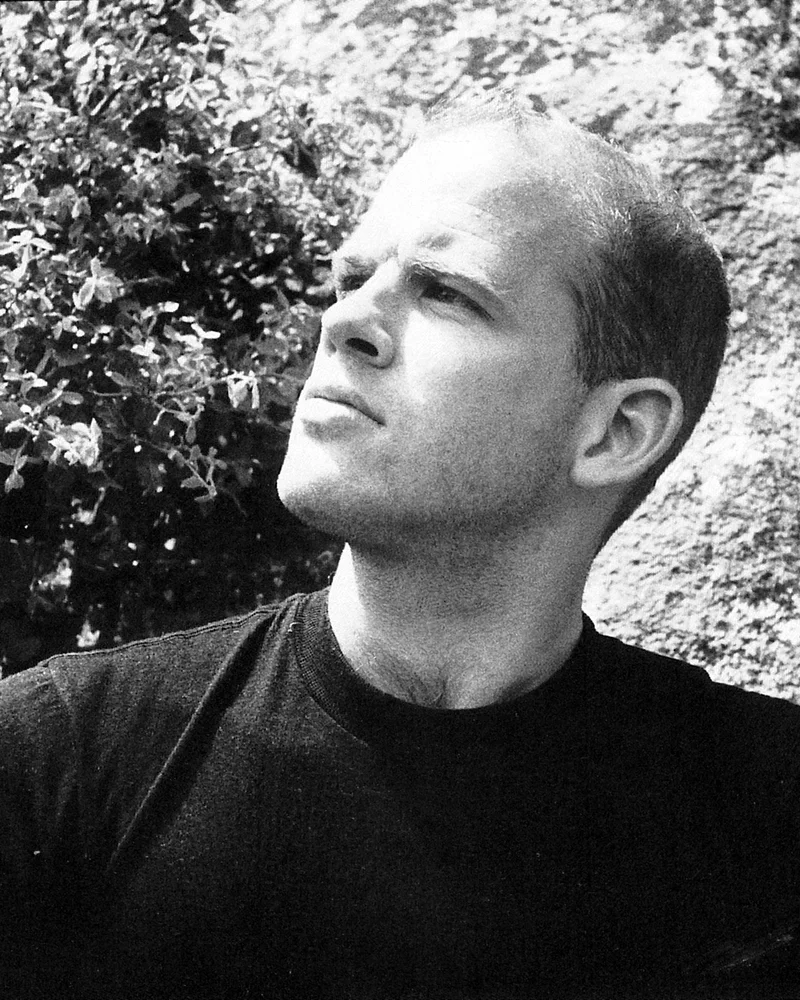
Chuck Pratt
Chuck Pratt was an extraordinary American rock climber widely regarded as the finest natural crack and off-width master of Yosemite's Golden Age. He played a pivotal role in the historic first ascents of the Salathé Wall and North America Wall on El Capitan, as well as the South Face of Mount Watkins. His humble demeanor, poetic spirit, and flawless climbing technique inspired generations of climbers.
Mountain Safety & Conditions Disclaimer: High-altitude climbing, glacial travel, and technical ascents entail severe objective risks including avalanches, serac collapses, rapid weather collapse, and altitude illness. Historical route descriptions and summit claims on Mountanity reflect documented archival sources and must not be used as live operational safety assessments. Local regulations, permits, and physical glacial topography change continuously.
Peer Review: Senior Editorial Board & Historical Reviewers • Editorial Standards
Biographical Record & Archival Chronicle
Born on March 5, 1939, in California, Charles Raymond Pratt began climbing in the late 1950s, rapidly distinguishing himself through supernatural technical intuition and calmness in terrifying positions. While many of his peers in Camp 4 were intensely competitive and vocal about ethics, Pratt was notoriously shy, gentle, and indifferent to personal fame, rarely speaking about his accomplishments. Yet on the rock, he was unmatched: whenever Royal Robbins, Tom Frost, or Warren Harding encountered a horrifyingly wide, unprotectable crack, a suffocating chimney, or a vertical off-width that seemed humanly impossible, they handed the lead rope to Chuck Pratt. In 1961, Pratt led the most grueling squeeze chimneys on the first ascent of the Salathé Wall on El Capitan, including the legendary Ear and the Teflon Chimney. In 1964, Pratt joined Robbins, Frost, and Yvon Chouinard to conquer the dark, overhanging diorite dioramas of the North America Wall. That same year, alongside Robbins and Joe Fitschen, Pratt completed the first ascent of the sheer 800-metre South Face of Mount Watkins, completing Yosemite's mythical big-wall trilogy (Half Dome, El Capitan, Mount Watkins). Later in life, Pratt worked as an instructor and senior mountain guide in the Grand Teton National Park, spending his winters traveling peacefully in Thailand, where he passed away in Bangkok on December 16, 2000.
Notable Milestones & Ascents
- First ascent of the Salathé Wall on El Capitan (1961) with Royal Robbins and Tom Frost
- First ascent of the North America Wall on El Capitan (1964) with Royal Robbins, Tom Frost, and Yvon Chouinard
- First ascent of the South Face of Mount Watkins (1964) with Royal Robbins and Joe Fitschen
- Pioneered the hardest off-width cracks and chimneys in the world, including Twilight Zone and Crack of Doom in Yosemite
- Author of the classic climbing essay The View from Dead Elm (1965)
- Senior mountain guide with Exum Mountain Guides in the Grand Teton Range for over two decades
Key Statistics & Topographic Figures
- Lifespan
- March 5, 1939 – December 16, 2000 (Age 61)
- Legendary Crux Leads
- Hollow Flake & The Ear on Salathe Wall (1961)
- First Grade VI Ascents
- Salathe Wall (1961), North America Wall (1964)
- Teton Guiding Career
- Senior Guide with Exum Mountain Guides
- Reputation
- Finest pure crack climber of Yosemite Golden Age
Archival Primary Source Quotations
“Pratt had no equal in wide cracks. Where the rest of us were terrified, Chuck moved with effortless grace and silence.”
Defined Alpine Terminology & Concepts
- Off-Width Crack
- A rock fissure too wide for standard hand jams yet too narrow for whole-body entry, demanding awkward arm bars and heel-toe cams.
- Leading Runout
- Climbing a long distance above the last piece of protection, where a fall would result in catastrophic injury or death.
Frequently Asked Questions: Chuck Pratt
Who was Chuck Pratt in American rock climbing history?
Chuck Pratt was an exceptionally gifted American rock climber revered as the premier crack-climbing virtuoso of Yosemite's Golden Age.
What famous first ascents did Chuck Pratt achieve on El Capitan?
Pratt made the historic first ascents of the Salathe Wall in 1961 and the North America Wall in 1964 with Royal Robbins and Tom Frost.
Why was Chuck Pratt feared and admired as a crack climber?
Pratt possessed flawless technique on off-width cracks and squeeze chimneys, leading terrifying pitches without protection where others fell.
What terrifying pitch did Chuck Pratt master on the Salathe Wall?
Pratt led the infamous Hollow Flake and The Ear, wriggling up unprotected squeeze chimneys hundreds of metres above the ground.
What other legendary Yosemite routes did Chuck Pratt pioneer?
He made the first ascents of the Steck-Salathe on Sentinel Rock, Crack of Doom, and the direct North Face of Fairview Dome in Tuolumne.
Why was Chuck Pratt known for shunning publicity?
Pratt climbed for pure personal joy and camaraderie, avoiding commercial sponsorships, fame, and media interviews.
What profession did Chuck Pratt pursue later in life?
He worked for decades as a respected mountain guide in the Grand Tetons of Wyoming and spent winter seasons climbing in Thailand.
When was Chuck Pratt born and when did he pass away?
He was born on March 5, 1939, in California, and passed away on December 16, 2000, in Sangkhlaburi, Thailand, at age 61.
Associated Summits (1)
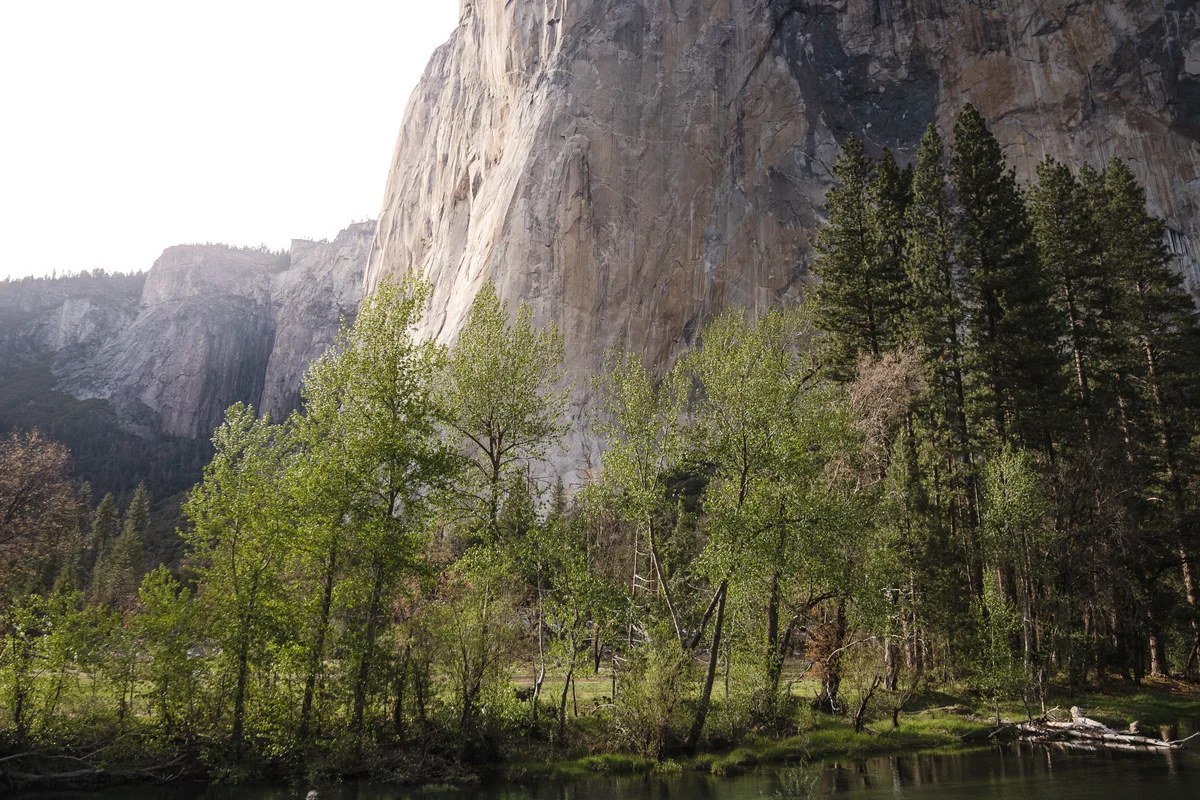

El Capitan
El Capitan is a monumental 914-metre vertical granite monolith rising above the western end of Yosemite Valley in California's Sierra Nevada. Globally renowned as the ultimate proving ground of modern big-wall rock climbing, it features legendary routes including The Nose, Salathé Wall, North America Wall, and the Dawn Wall.
Pioneered & Associated Routes (2)
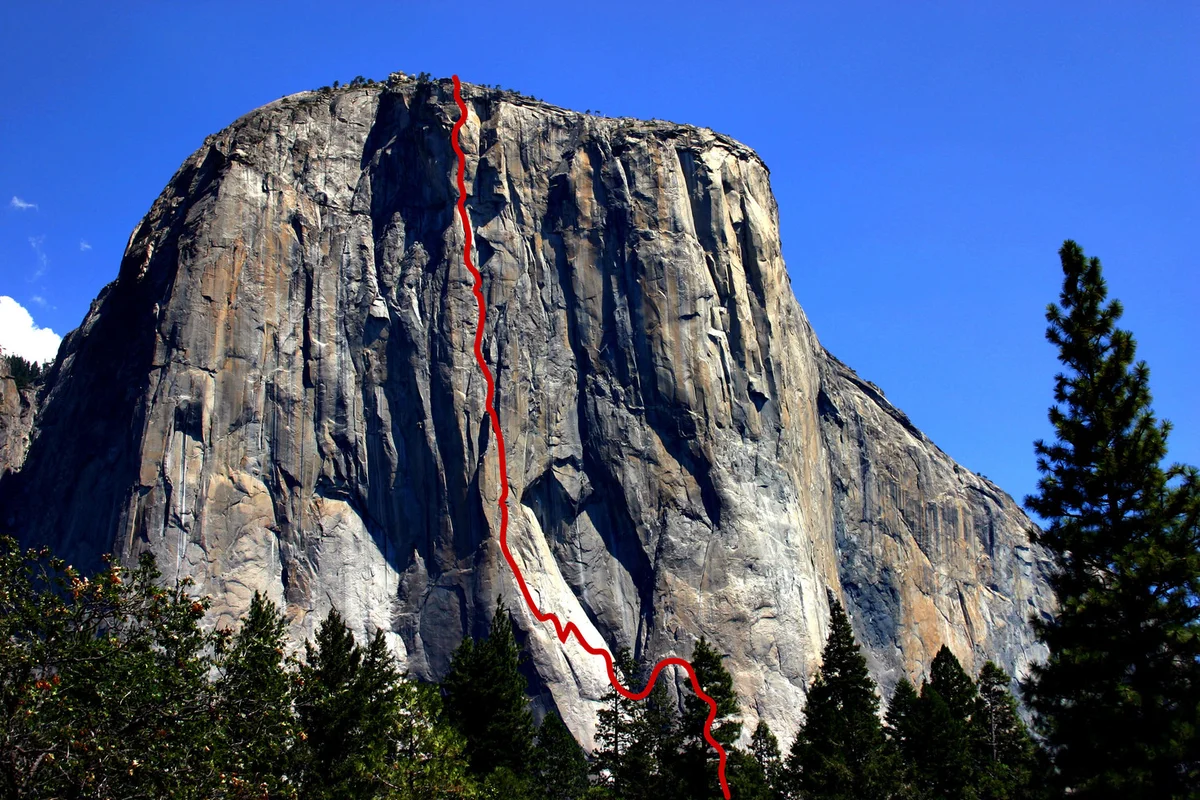
Salathé Wall (El Capitan)
The Salathé Wall is universally revered as the greatest natural big-wall route in the world, ascending the sweeping Southwest Face of El Capitan over 35 pitches. Characterized by continuous crack systems, soaring dihedrals, and the heart-stopping exposure of the Roof and Headwall pitches, it set the global gold standard for alpine big-wall ethics.
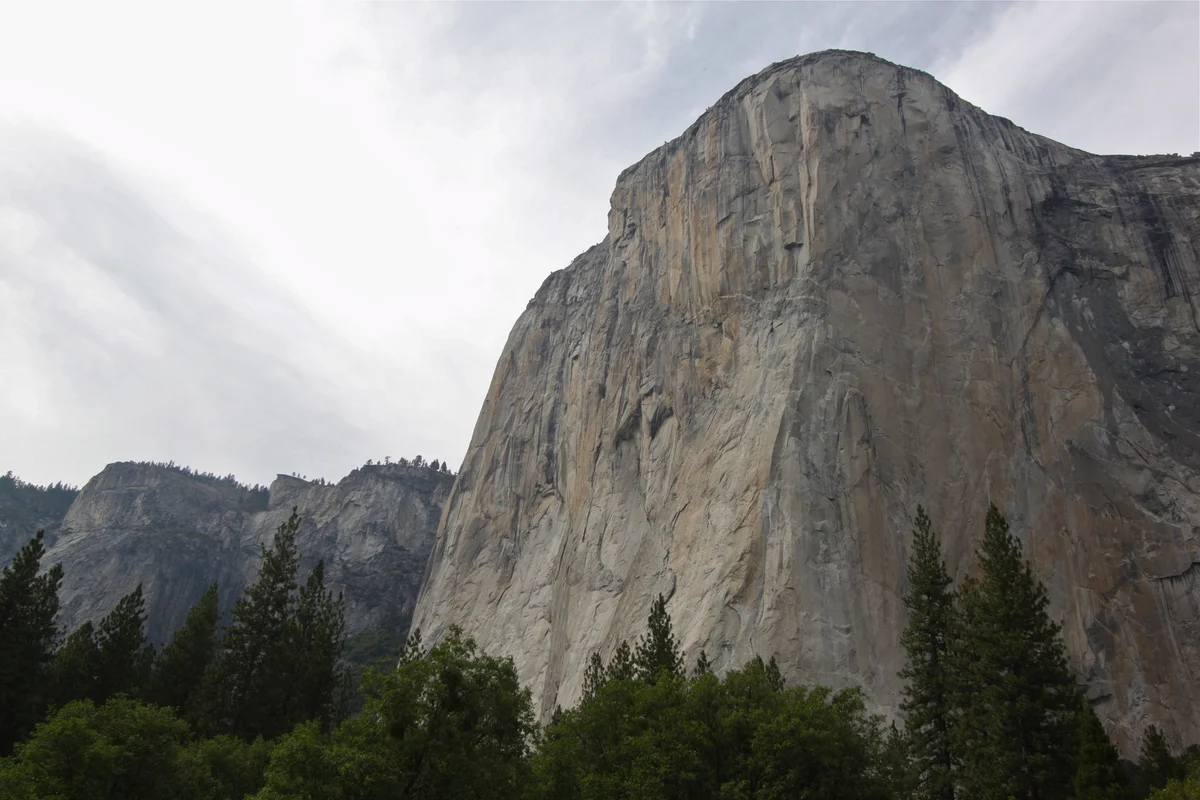
The Nose (El Capitan)
The Nose is the definitive big-wall rock climb on Earth, tracing the proud, protruding central prow of El Capitan for 31 technical pitches over 884 vertical metres. From the Boot Flake and the King Swing to the Great Roof and the sweeping summit headwall, it is the most coveted and historic multi-day climbing route in the world.
Documented Expeditions (2)
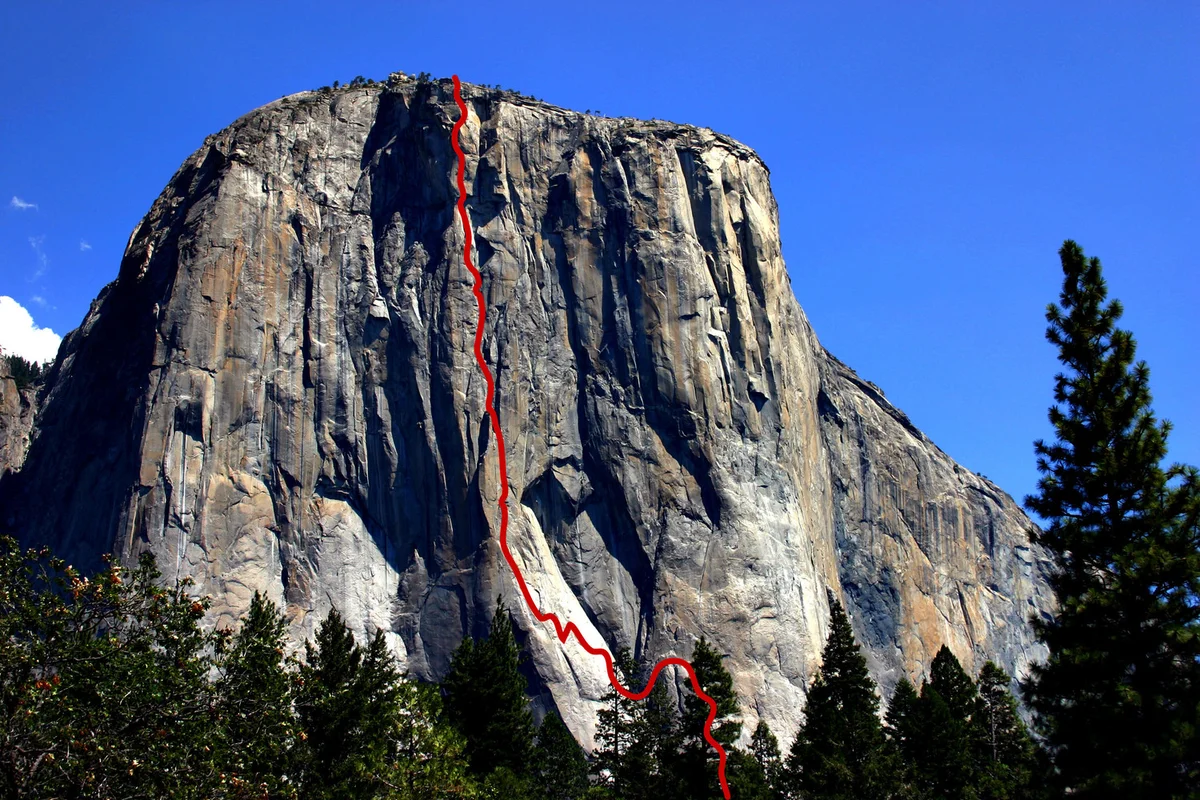
1961 First Ascent of the Salathé Wall on El Capitan
In September 1961, Royal Robbins, Tom Frost, and Chuck Pratt made the historic first ascent of the Salathé Wall on El Capitan in a continuous six-day push, placing only 13 lead bolts and setting a new global ethic for big-wall climbing.
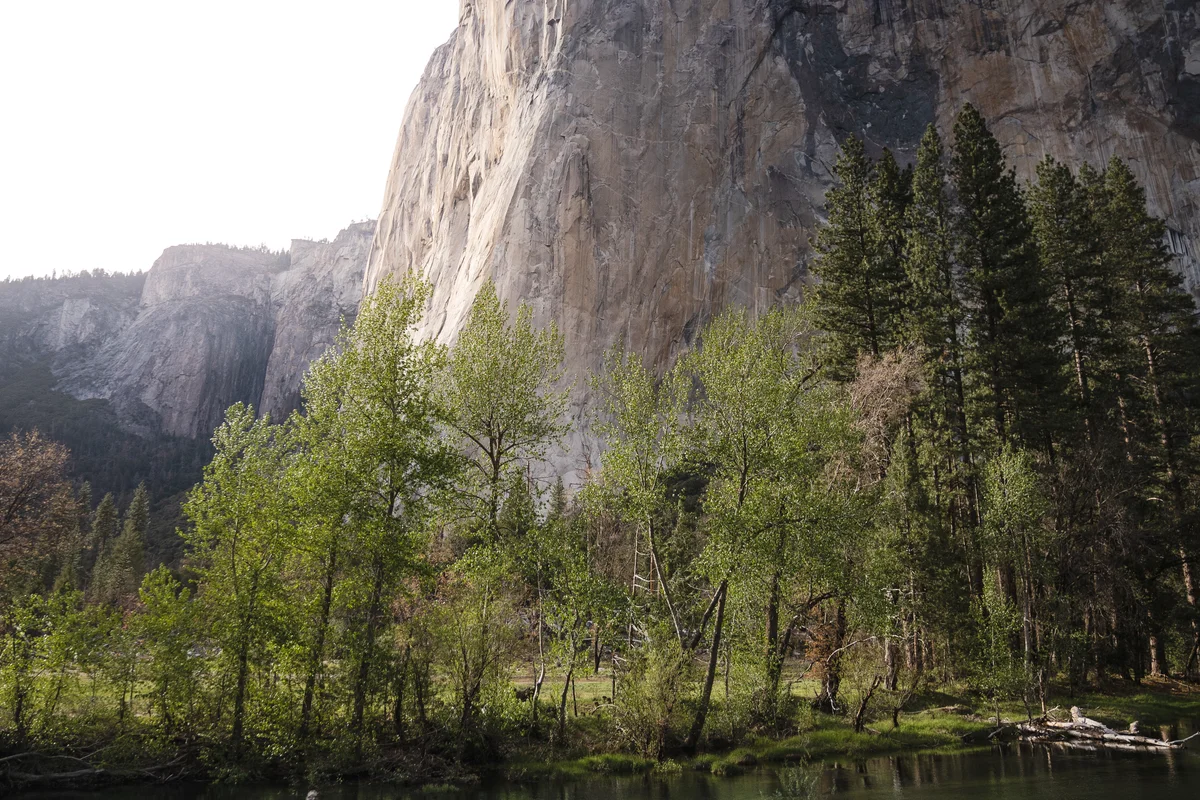
1964 First Ascent of the North America Wall on El Capitan
In late October 1964, Royal Robbins, Tom Frost, Chuck Pratt, and Yvon Chouinard made the historic first ascent of the terrifying North America Wall on El Capitan, spending ten continuous days on the overhanging face without descending.
Associated Chronicles & Stories (2)
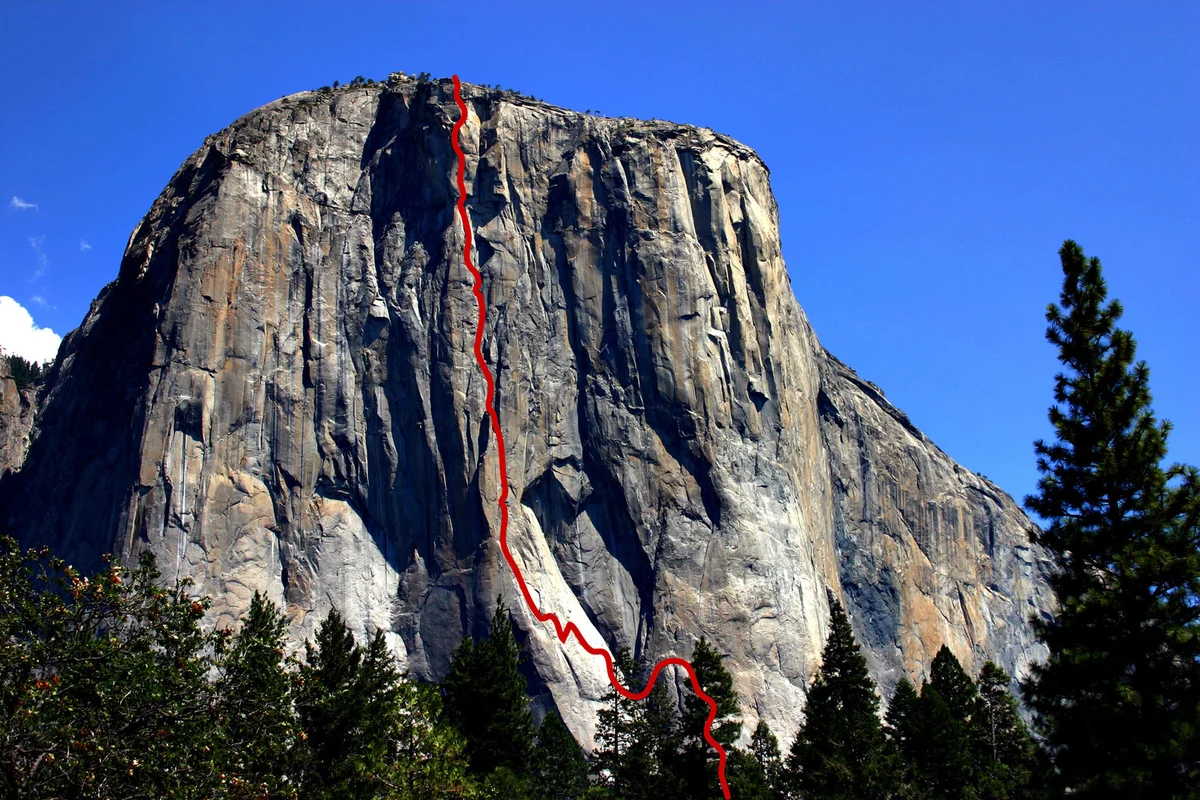
Masterpiece of Granite: Royal Robbins and the 1961 Salathé Wall
In September 1961, Royal Robbins, Tom Frost, and Chuck Pratt conquered the 35-pitch Salathé Wall on El Capitan, placing just thirteen lead bolts over six days and establishing the modern benchmark of big-wall climbing style.
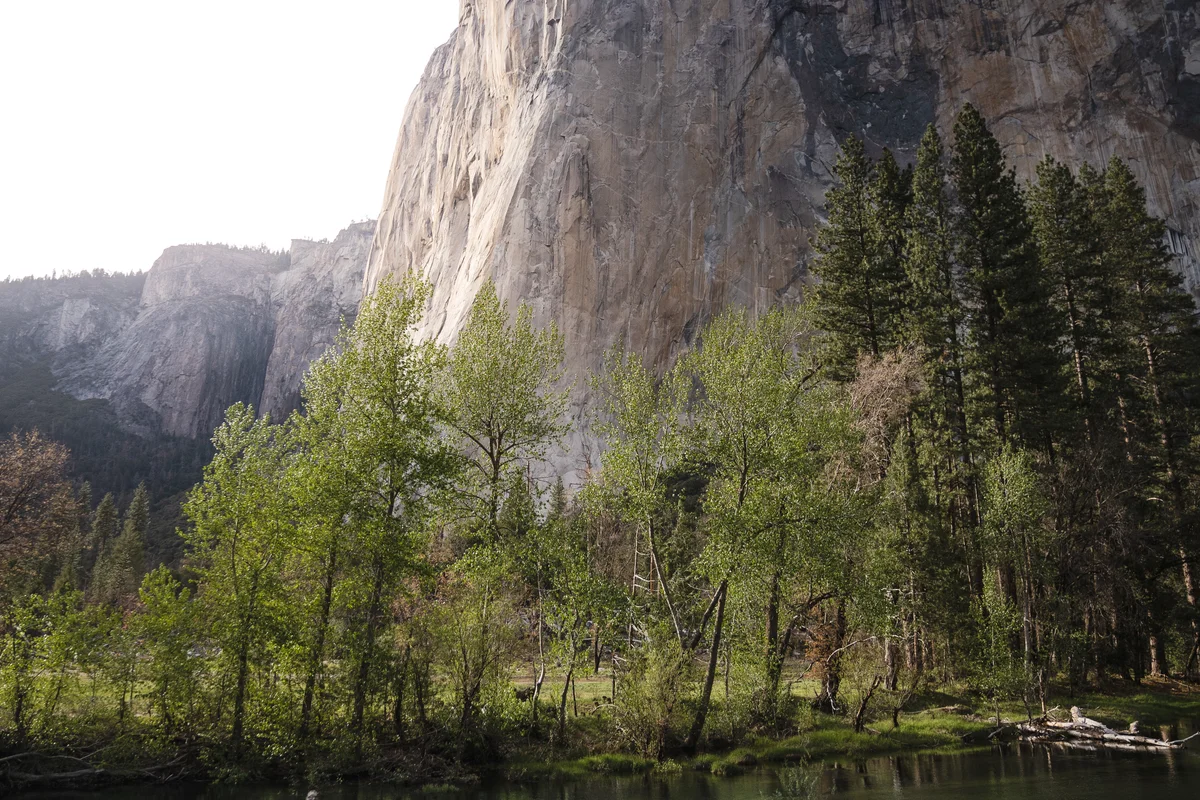
Ten Days in the Void: The 1964 North America Wall Expedition
In October 1964, Royal Robbins, Tom Frost, Chuck Pratt, and Yvon Chouinard achieved the first ascent of the terrifying North America Wall on El Capitan, spending ten continuous days on the overhanging face in North America's first true capsule push.
Documented Sources & Archival Citations
- American Alpine Journal: In Memoriam - Chuck Pratt (1939-2000)(American Alpine Club)
Supporting claim: Biographical tribute and climbing career retrospective by Royal Robbins
Accessed/Documented: 2026 - Camp 4: Recollections of a Yosemite Rockclimber(Steve Roper / The Mountaineers Books)
Supporting claim: Firsthand accounts of Pratt's crack climbing virtuosity on El Capitan and Mount Watkins
Accessed/Documented: 2026