Salathé Wall (El Capitan)
The Salathé Wall is universally revered as the greatest natural big-wall route in the world, ascending the sweeping Southwest Face of El Capitan over 35 pitches. Characterized by continuous crack systems, soaring dihedrals, and the heart-stopping exposure of the Roof and Headwall pitches, it set the global gold standard for alpine big-wall ethics.
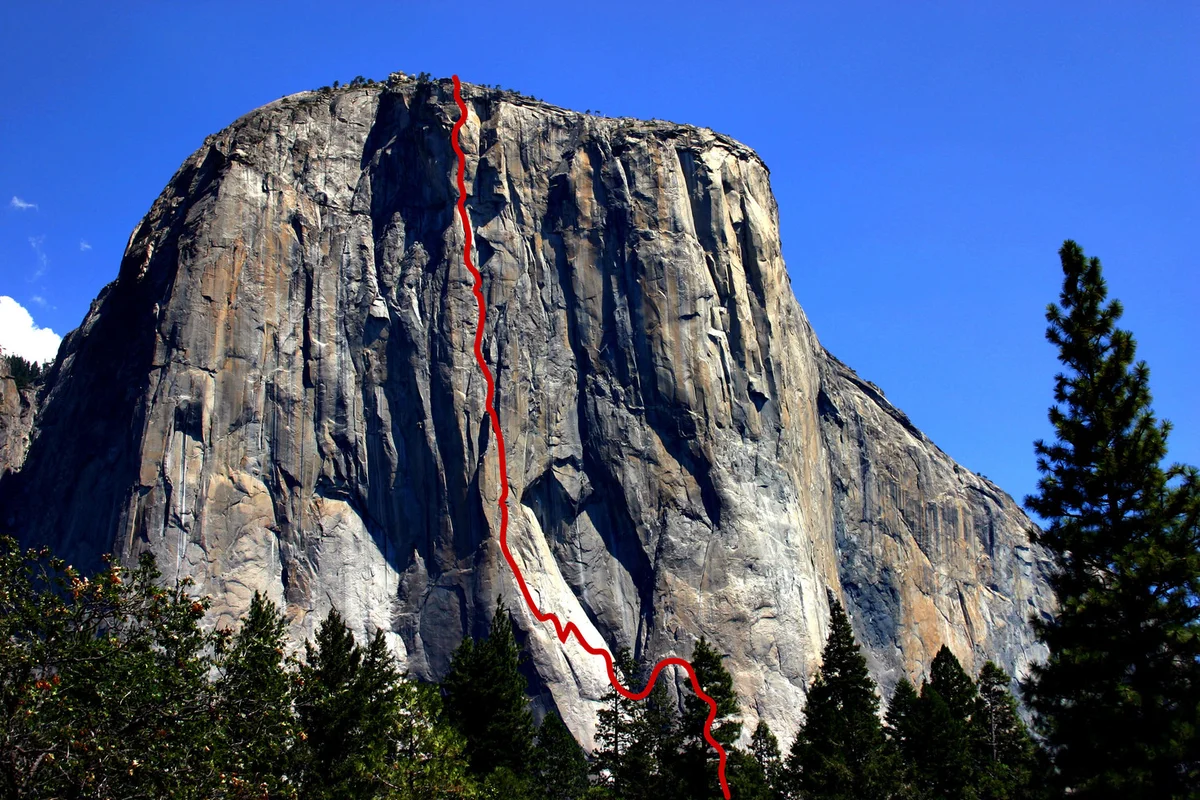
Ascent line, technical cruxes & camp topography profile for Salathé Wall (El Capitan)
Mountain Safety & Conditions Disclaimer: High-altitude climbing, glacial travel, and technical ascents entail severe objective risks including avalanches, serac collapses, rapid weather collapse, and altitude illness. Historical route descriptions and summit claims on Mountanity reflect documented archival sources and must not be used as live operational safety assessments. Local regulations, permits, and physical glacial topography change continuously.
Peer Review: Senior Editorial Board & Historical Reviewers • Editorial Standards
Tactical & Camp Notes
Pioneered in 1961 by Royal Robbins, Tom Frost, and Chuck Pratt in continuous push style using minimal bolts. It features iconic pitches such as the Hollow Flake, the Ear, the Teflon Chimney, El Cap Spire, and the wildly exposed 5.13b summit headwall.
Identified Objective Hazards
- •Terrifying chimney exposure with wide gear requirements on the Hollow Flake
- •Extreme wind gusts and sudden hypothermia on the exposed upper headwall
- •Falling gear or dropped haul lines from upper parties
- •Exhaustion and severe hand abrasion from sustained crack jamming
- •Intense afternoon sun exposure on the Southwest Face
Historical Context
Established between September 12 and 18, 1961, by Royal Robbins, Tom Frost, and Chuck Pratt. Robbins named the route after blacksmith John Salathé, who forged the first chrome-molybdenum pitons in Yosemite. In 1988, Todd Skinner and Paul Piana made history by free climbing the entire 35-pitch line over nine days.
Interactive Elevation Profile
Vertical profile, technical cruxes, and camp staging progression for Salathé Wall (El Capitan) on El Capitan.
Broad sloping terrace at pitch 10, often reached by fixed lines during preparation.
Camp-by-Camp Topography
Key staging altitudes, technical cruxes, and terrain transitions for Salathé Wall (El Capitan).
Heart Ledge
Broad sloping terrace at pitch 10, often reached by fixed lines during preparation.
Lung Ledge
Small rock shelf above the Hollow Flake chimney pitches.
El Cap Spire
Legendary flat summit of a detached granite tower at pitch 20, the finest natural bivouac in Yosemite.
Sous le Toit
Hanging stance directly beneath the massive overhanging Salathé Roof.
Long Ledge
Narrow horizontal ledge system four pitches below the summit headwall.
Summit of El Capitan
The top out above the sheer overhanging headwall pitches.
Topographic Location & Terrain Map
Cartographic datum, massif coordinates, and terrain context for Salathé Wall (El Capitan) on El Capitan.
Interactive Topographic Terrain Map
Click below to load live cartographic contours, glacier approaches, and geographic markers for El Capitan (37°44′02″ N, 119°38′16″ W).
Key Statistics & Topographic Figures
- Vertical Height
- 884 metres (2,900 feet)
- Total Pitches
- 35 technical pitches
- Original Lead Bolts Placed
- 13 bolts (compared to 125 on The Nose)
- Difficulty Grade
- Grade VI, 5.9 C2 (Aid) / 5.13b (Free)
- First Ascent Date
- September 18, 1961
Archival Primary Source Quotations
“The Salathe Wall was our masterpiece, an ascent where style, commitment, and restraint harmonized with the mountain.”
Defined Alpine Terminology & Concepts
- Squeeze Chimney
- A vertical rock fissure barely wider than a climber's body, requiring full-body friction and exhaling to advance upward.
- Clean Climbing
- A climbing ethic emphasizing removable protection like nuts and camming devices that leave the rock face undamaged.
Frequently Asked Questions: Salathé Wall (El Capitan)
What is the Salathe Wall on El Capitan?
The Salathe Wall is an iconic 35-pitch big-wall climbing route on the Southwest Face of El Capitan in Yosemite Valley.
Who made the first ascent of the Salathe Wall?
Royal Robbins, Tom Frost, and Chuck Pratt completed the first ascent between September 12 and 18, 1961, in a continuous push.
Why was the 1961 Salathe Wall ascent an ethical milestone?
The climbers placed only thirteen lead expansion bolts over 884 metres of rock, proving big walls could be climbed cleanly with minimal drilling.
Who is the Salathe Wall named after?
It was named in honor of John Salathe, the Swiss-American blacksmith who pioneered hard-steel pitons in Yosemite in the 1940s.
What is the crux pitch of the Salathe Wall?
The Upper Headwall, featuring continuous overhanging crack climbing hundreds of metres above the ground, graded 5.13b for free climbing.
Who first free climbed the Salathe Wall?
Todd Skinner and Paul Piana completed the first free ascent over thirty days in 1988, swinging leads on the daunting headwall.
What famous natural bivouac exists on the Salathe Wall?
El Cap Spire, a spectacular detached granite pillar providing a flat, two-metre-wide sleeping platform over 300 metres above the deck.
What are the most famous chimney features on the Salathe Wall?
The Hollow Flake, an enormous expanding flake, and The Ear, a claustrophobic squeeze chimney led by Chuck Pratt without protection.
Mountain Ascended

El Capitan
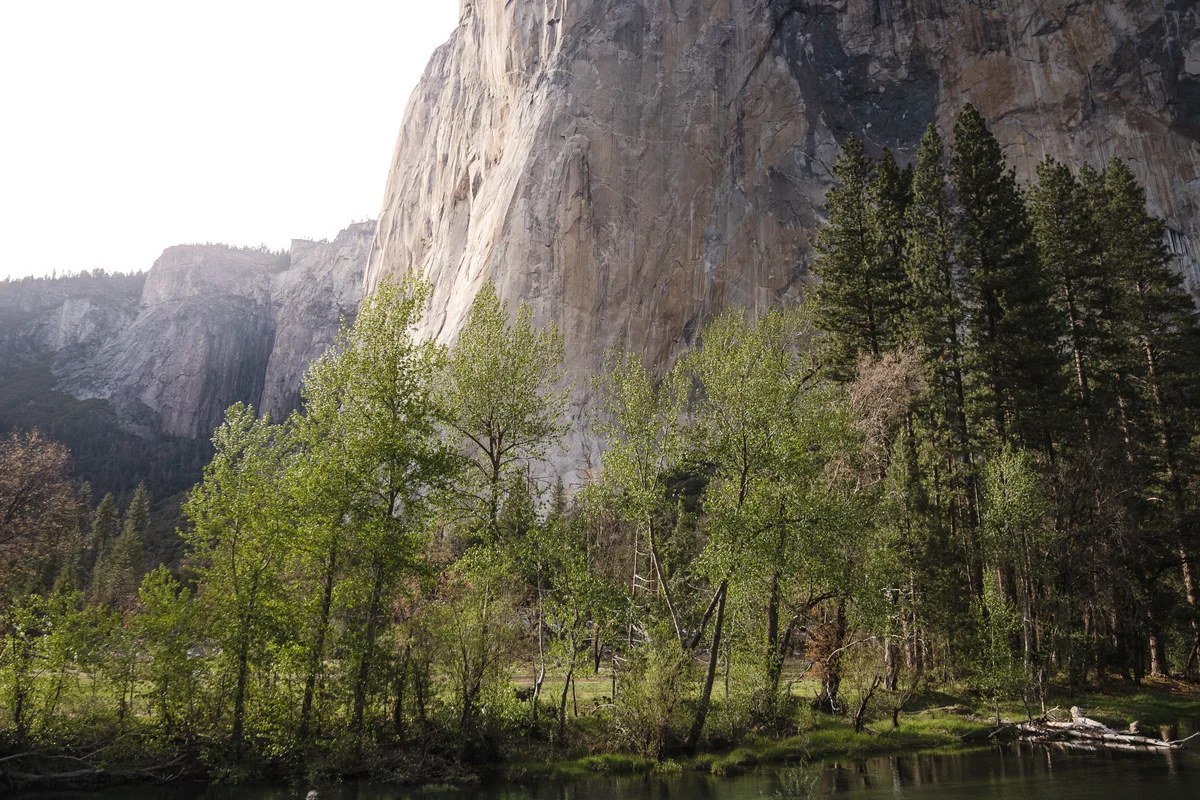
El Capitan is a monumental 914-metre vertical granite monolith rising above the western end of Yosemite Valley in California's Sierra Nevada. Globally renowned as the ultimate proving ground of modern big-wall rock climbing, it features legendary routes including The Nose, Salathé Wall, North America Wall, and the Dawn Wall.
Documented Expeditions on this Route (1)
Verified historical summits, siege campaigns, and pioneer attempts recorded on Salathé Wall (El Capitan).
1961 First Ascent of the Salathé Wall on El Capitan
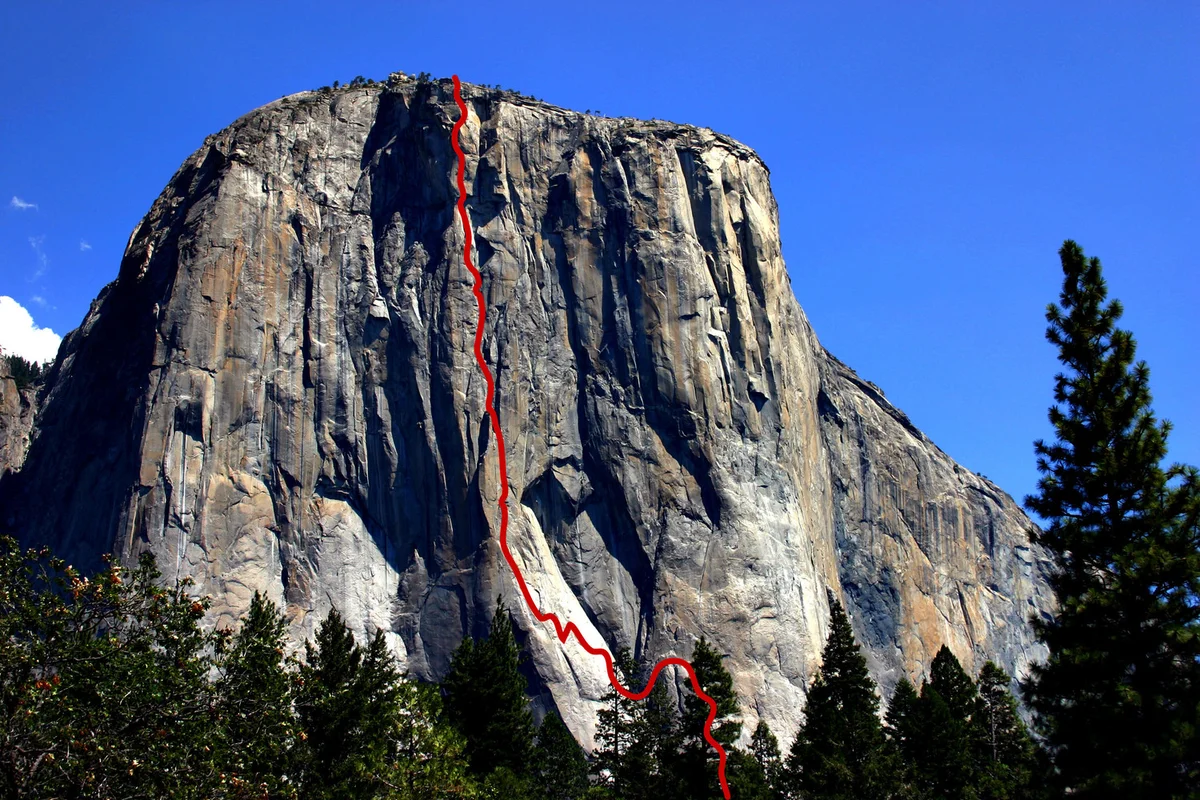
In September 1961, Royal Robbins, Tom Frost, and Chuck Pratt made the historic first ascent of the Salathé Wall on El Capitan in a continuous six-day push, placing only 13 lead bolts and setting a new global ethic for big-wall climbing.
Archival Chronicles & Stories on this Route (1)
In-depth longform historical narratives, harrowing survival accounts, and firsthand alpine journals on Salathé Wall (El Capitan).
Masterpiece of Granite: Royal Robbins and the 1961 Salathé Wall
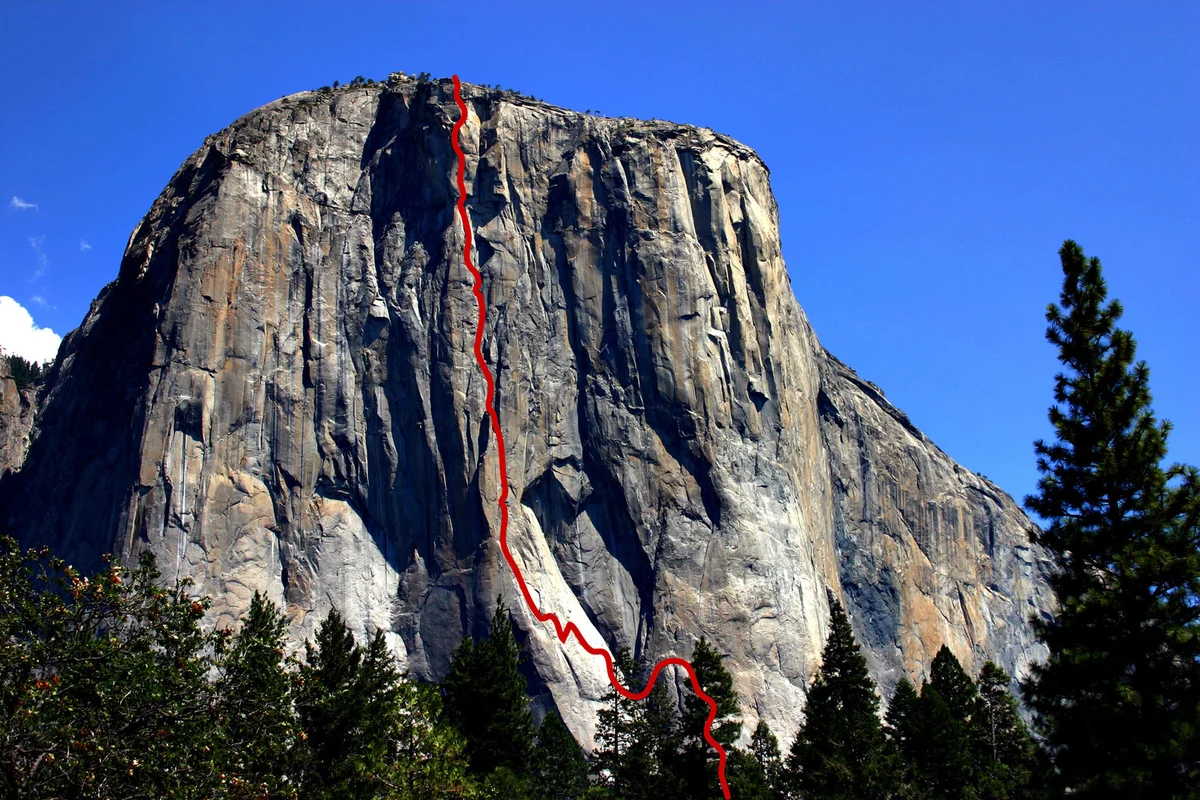
In September 1961, Royal Robbins, Tom Frost, and Chuck Pratt conquered the 35-pitch Salathé Wall on El Capitan, placing just thirteen lead bolts over six days and establishing the modern benchmark of big-wall climbing style.
Documented Sources & Archival Citations
- American Alpine Journal: The Salathé Wall of El Capitan (1962)(American Alpine Club)
Supporting claim: Official climb report by Royal Robbins documenting the first continuous ascent
Accessed/Documented: 2026 - Camp 4: Recollections of a Yosemite Rockclimber(Steve Roper / The Mountaineers Books)
Supporting claim: Historical narrative of the 1961 ascent and its impact on international climbing ethics
Accessed/Documented: 2026