Masterpiece of Granite: Royal Robbins and the 1961 Salathé Wall
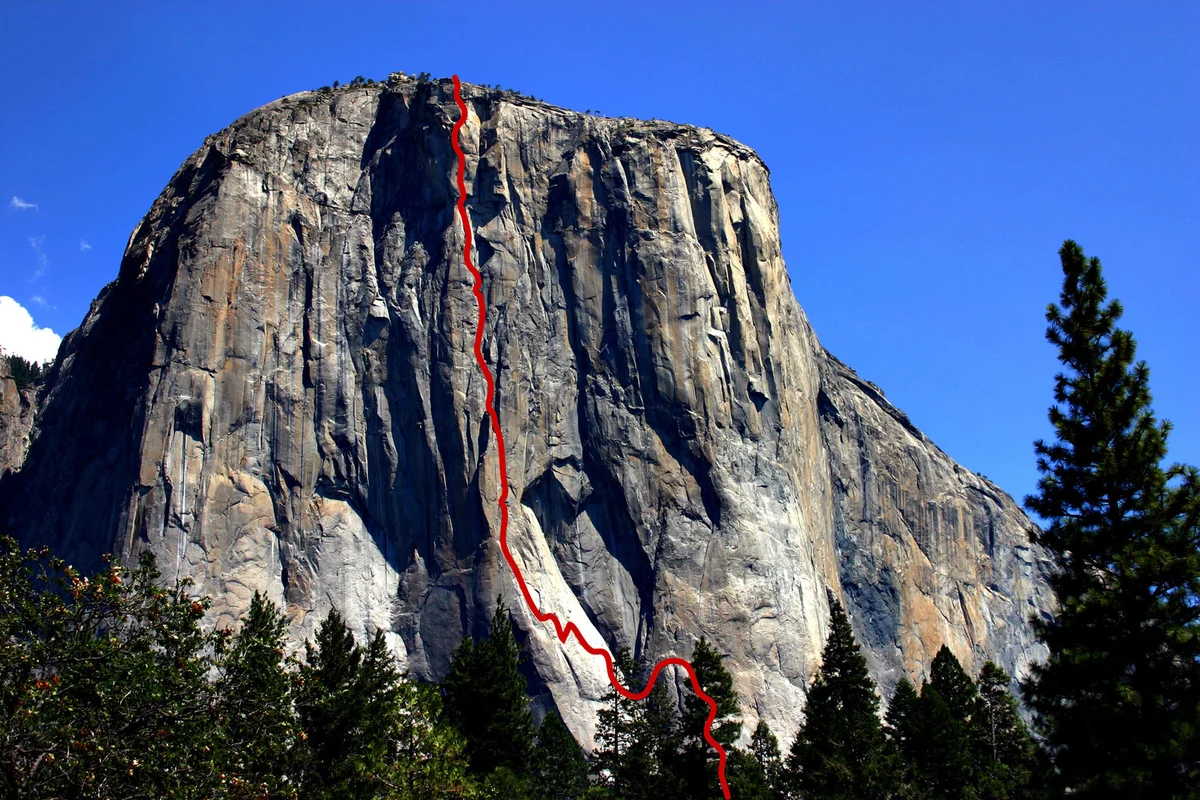
In September 1961, Royal Robbins, Tom Frost, and Chuck Pratt conquered the 35-pitch Salathé Wall on El Capitan, placing just thirteen lead bolts over six days and establishing the modern benchmark of big-wall climbing style.
Mountain Safety & Conditions Disclaimer: High-altitude climbing, glacial travel, and technical ascents entail severe objective risks including avalanches, serac collapses, rapid weather collapse, and altitude illness. Historical route descriptions and summit claims on Mountanity reflect documented archival sources and must not be used as live operational safety assessments. Local regulations, permits, and physical glacial topography change continuously.
Peer Review: Senior Editorial Board & Historical Reviewers • Editorial Standards
A Philosophical Confrontation on Stone
Following Warren Harding’s triumphant yet controversial 1958 ascent of The Nose—which consumed forty-five days of drilling and thousands of feet of fixed ropes over eighteen months—a fierce philosophical rift opened across Camp 4. To Royal Robbins, the undisputed intellectual leader of Yosemite climbing, Harding’s siege was a technological conquest rather than a sporting triumph. Robbins believed that climbing should test human courage, ingenuity, and physical prowess against the natural architecture of the mountain, not overwhelm the rock through mechanical brute force.
Robbins envisioned an ascent that would honor the mountain. The sheer, soaring Southwest Face of El Capitan presented the ultimate test: 884 vertical metres of sweeping golden dihedrals, terrifying overhanging headwalls, and gaping chimney clefts. Naming the proposed route after John Salathé, the Swiss-born blacksmith who had pioneered hand-forged alloy steel pitons in Yosemite during the late 1940s, Robbins resolved to climb the wall in a continuous push, eschewing fixed ropes from the ground and placing the absolute minimum number of expansion bolts.
To realize this ambitious dream, Robbins assembled two companions who formed what became widely regarded as the most formidable climbing partnership of the twentieth century: Tom Frost, an aerospace engineer whose mechanical precision was matched by an artist’s eye and an unflappable temperament, and Chuck Pratt, a quiet climbing virtuoso with supernatural crack-climbing ability and extraordinary endurance.
The Push to Heart Ledge
In early September 1961, the trio initiated the ascent. Recognizing the intense summer heat radiating from El Capitan’s granite, they first fixed ropes up the initial 250 metres to Heart Ledge over several days, caching supplies of water, canned tuna, and dried fruits. Then, on September 12, they returned to Heart Ledge and severed their lines to the ground. From that moment onward, there would be no retreat ropes, no support crew, and no turning back. They were committed to the vertical ocean of granite.
Above Heart Ledge lay the legendary Half Dollar and Mammoth Terraces. Here, the granite offered natural continuous cracks, but they demanded supreme physical exertion. Chuck Pratt stepped forward to lead the most feared feature on the lower wall: the Hollow Flake. This gargantuan, detached slab of granite resonated like a hollow bass drum when struck. Backing into the gaping chimney behind the flake with zero protection, Pratt bridged outward with his back and boots, slowly wriggling upward dozens of metres above his belayer in a mesmerizing display of mental composure. A single slip would have sent him plunging to certain death.
Pratt followed this feat by tackling The Ear, an awkward, suffocating squeeze chimney where a climber was forced to exhale completely to squeeze their ribcage through the narrow constrictions. Pratt conquered both pitches with calm grace, preserving precious daylight and sparing the team from drilling artificial bolt ladders.
Living on El Cap Spire
By the fourth day, the climbers reached one of the most sublime bivouac perches on planet Earth: El Cap Spire. Rising like a solitary stone chimney detached from the main face, its tabletop summit measured barely two metres wide and dropped vertically into three hundred metres of thin air on three sides.
Sitting on the summit of the Spire, Robbins, Frost, and Pratt watched the golden afternoon light bathe the Cathedral Rocks and the meadows of Yosemite Valley far below. While their bodies ached from days of hauling heavy canvas duffels and their hands were raw and blackened by granite dust, morale remained sky-high. Frost meticulously documented their journey with his Leica camera, capturing black-and-white portraits that would become defining images of mountaineering literature.
Yet the crux of the climb loomed immediately above: the Upper Headwall.
The Overhanging Headwall
Above the Spire, the southwest face reared back into an intimidating, continuously overhanging amphitheater. Pitch after pitch of thin crack systems split the granite, requiring Frost and Robbins to execute delicate aid sequences using wafer-thin knifeblade and RURP pitons driven mere millimeters into hairline seams.
On the final headwall pitches, Robbins found himself suspended hundreds of metres above the valley floor, placing pitons upside down beneath towering roofs while the wind howled around his ears. Where the granite became completely blank, Robbins refused to drill endless bolt ladders. Instead, he made courageous pendulum traverses across slick rock faces to link up distant vertical crack systems. In total, across 35 arduous pitches and nearly 900 vertical metres, the party placed only thirteen lead expansion bolts—a staggering contrast to the 125 bolts drilled on The Nose.
On the afternoon of September 18, 1961, after six continuous days of monumental effort, Royal Robbins, Tom Frost, and Chuck Pratt hauled themselves onto the sun-drenched summit rim of El Capitan.
The Golden Standard of Style
The first ascent of the Salathé Wall sent shockwaves through the global mountaineering community. In the 1962 American Alpine Journal, Robbins wrote with quiet conviction:
“The style of the ascent was as important to us as the ascent itself. We sought to make the climb with as few bolts as possible, and to rely upon our own physical and moral resources rather than upon siege equipment.”
By demonstrating that the most formidable big wall in North America could be climbed continuously, safely, and cleanly without desecrating the rock with hundreds of permanent drill holes, the Salathé Wall established a new international standard for modern alpine rock climbing. It remains revered today as the supreme architectural masterpiece of Yosemite’s Golden Age.
Key Statistics & Topographic Figures
- Category
- Big Wall Alpine Legends
Archival Subject
- Reading Time
- 15 min read
Narrative Length
- Key Mountain
- el-capitan
Objective
- Ascent Route
- salathe-wall-el-capitan
Topography
- Verification
- Editorially Verified
Archival Standard
Archival Primary Source Quotations
“In the mountains, truth is etched in ice and granite; every step requires unwavering respect for the heights.”
Defined Alpine Terminology & Concepts
- Summit Push
- The final continuous climbing effort from the highest established camp to the mountain apex and back.
- Death Zone Chronicle
- A verified, research-backed historical narrative documenting the human, technical, and environmental realities of an alpine expedition.
Frequently Asked Questions: Masterpiece of Granite: Royal Robbins and the 1961 Salathé Wall
What is the core chronicle and subject of "Masterpiece of Granite: Royal Robbins and the 1961 Salathé Wall"?
In September 1961, Royal Robbins, Tom Frost, and Chuck Pratt conquered the 35-pitch Salathé Wall on El Capitan, placing just thirteen lead bolts over six days and establishing the modern benchmark of big-wall climbing style.
Which mountain peaks and routes are featured in "Masterpiece of Granite: Royal Robbins and the 1961 Salathé Wall"?
This narrative documents climbs on el-capitan along the salathe-wall-el-capitan in United States.
Which documented expedition is chronicled in this story?
This historical chronicle captures the events of the 1961-robbins-frost-pratt-salathe-wall, verified through contemporary journals and archival records.
Who authored and researched this archival chronicle?
Authored and researched by Mountainity Historical Research Desk, drawing on primary eyewitness testimonies, alpine club registries, and verified summit logs.
What makes this high-altitude chronicle historically significant?
Categorized under "Big Wall Alpine Legends", this chronicle preserves critical lessons in alpine leadership, survival, tactical speed, and human endurance in the death zone.
Related Mountains

El Capitan
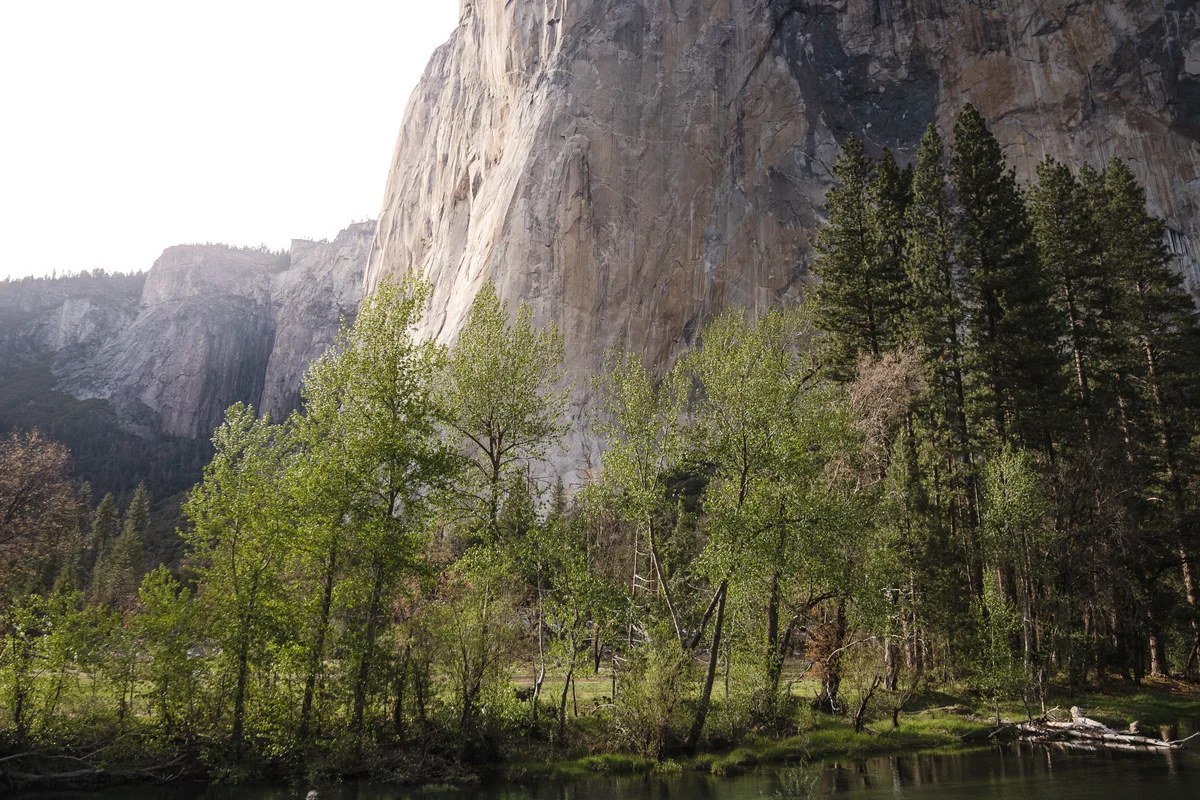
El Capitan is a monumental 914-metre vertical granite monolith rising above the western end of Yosemite Valley in California's Sierra Nevada. Globally renowned as the ultimate proving ground of modern big-wall rock climbing, it features legendary routes including The Nose, Salathé Wall, North America Wall, and the Dawn Wall.
Documented Sources & Archival Citations
- American Alpine Journal: The Salathé Wall of El Capitan (1962)(American Alpine Club)
Supporting claim: Official first ascent account written by Royal Robbins
Accessed/Documented: 2026 - Camp 4: Recollections of a Yosemite Rockclimber(Steve Roper / The Mountaineers Books)
Supporting claim: Historical narrative and analysis of the Salathé Wall breakthrough
Accessed/Documented: 2026