El Capitan
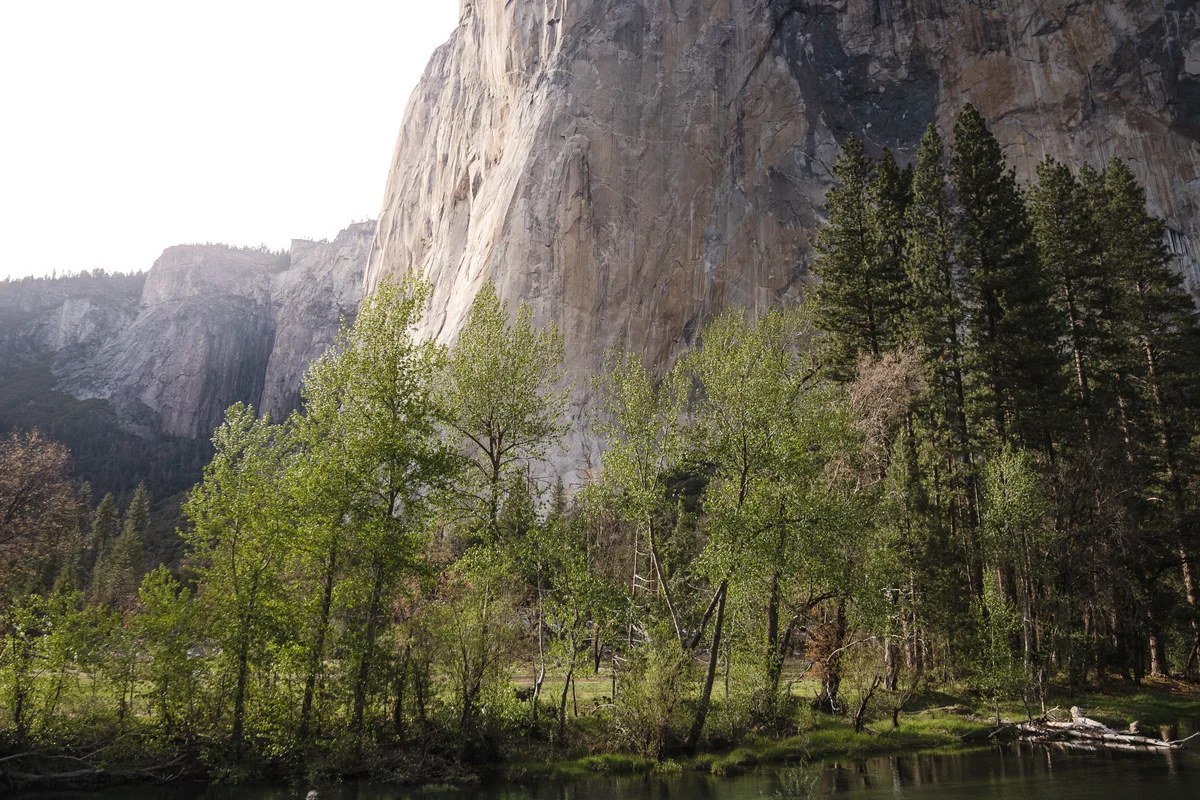
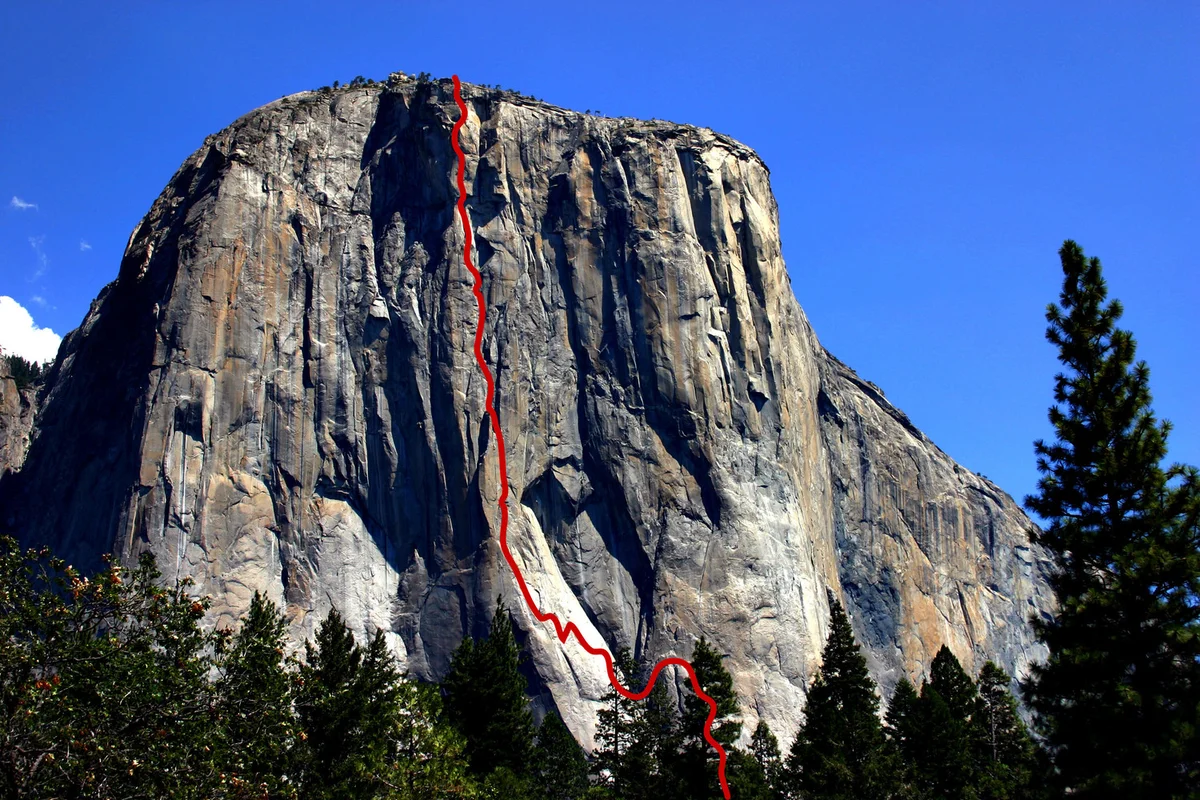
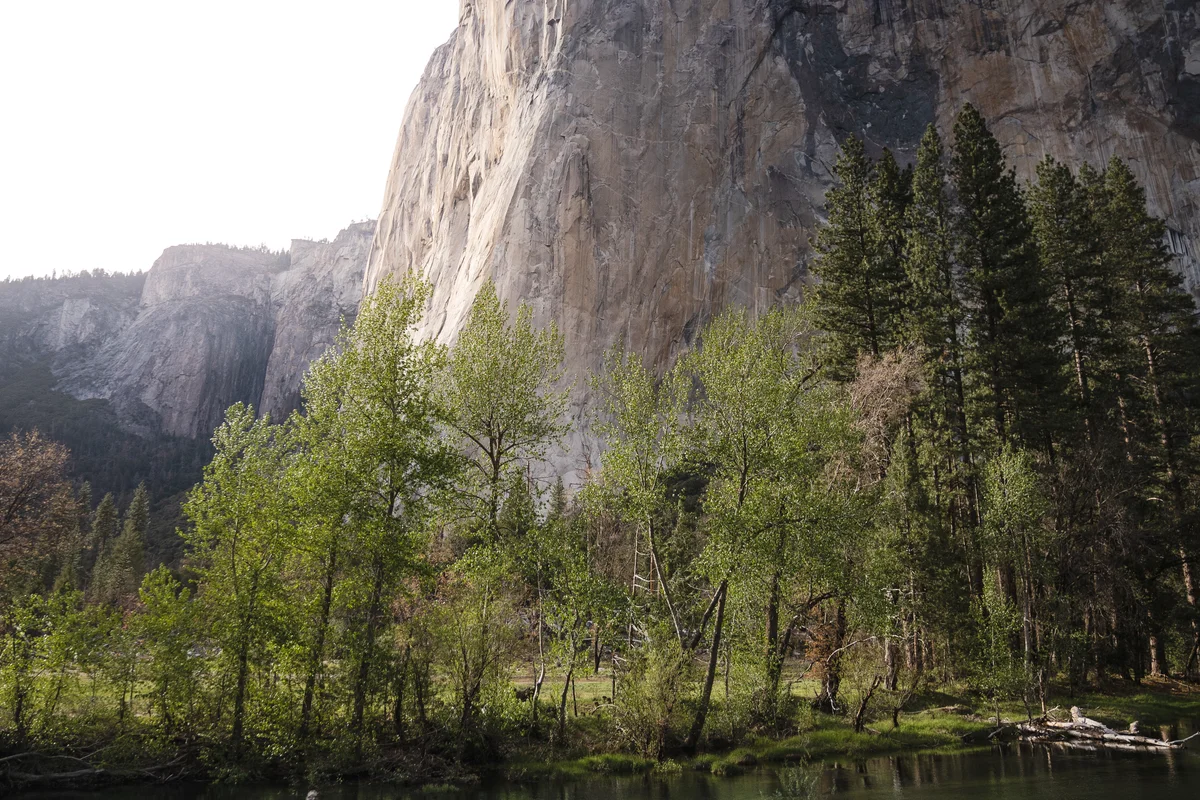
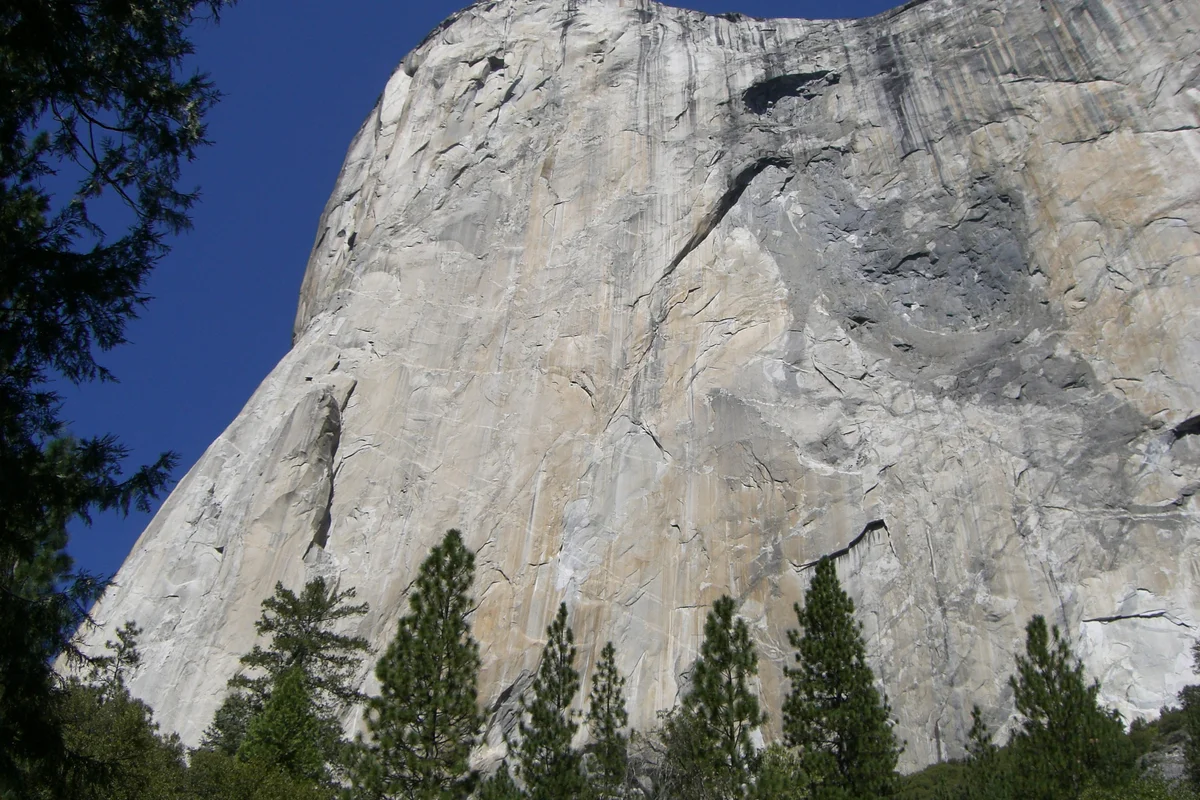
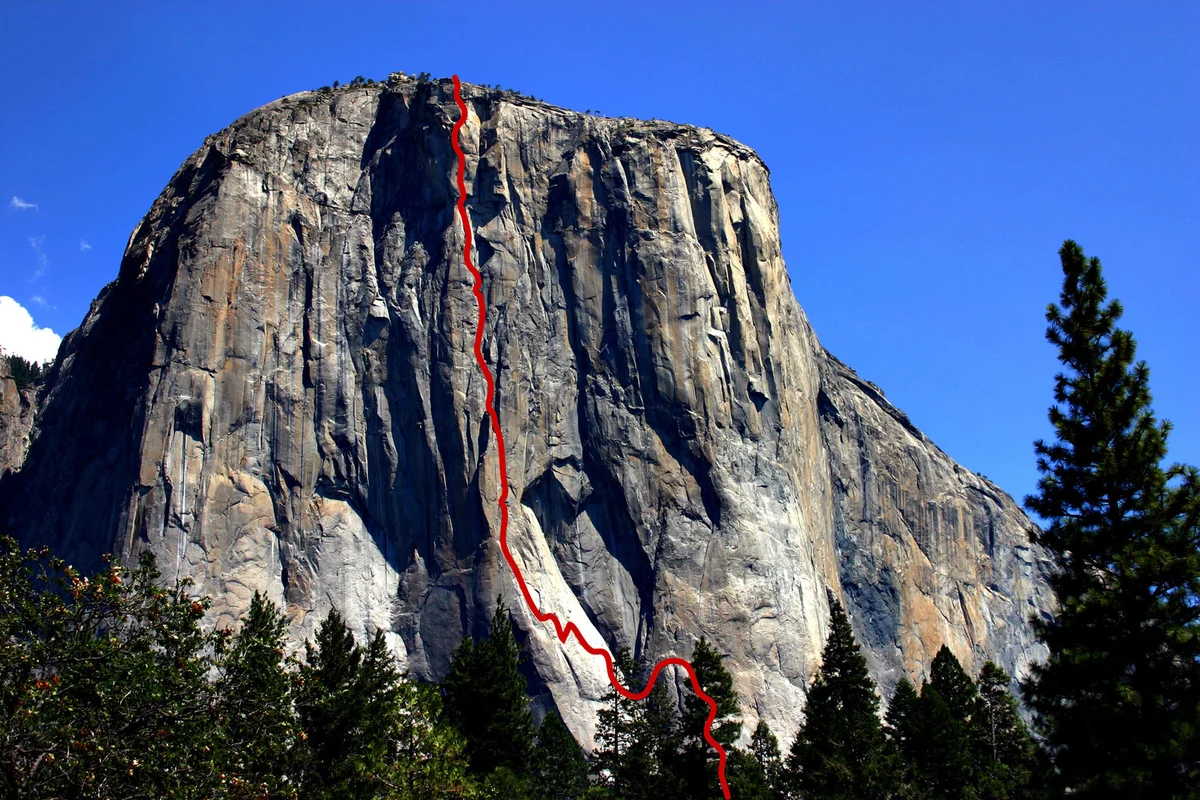
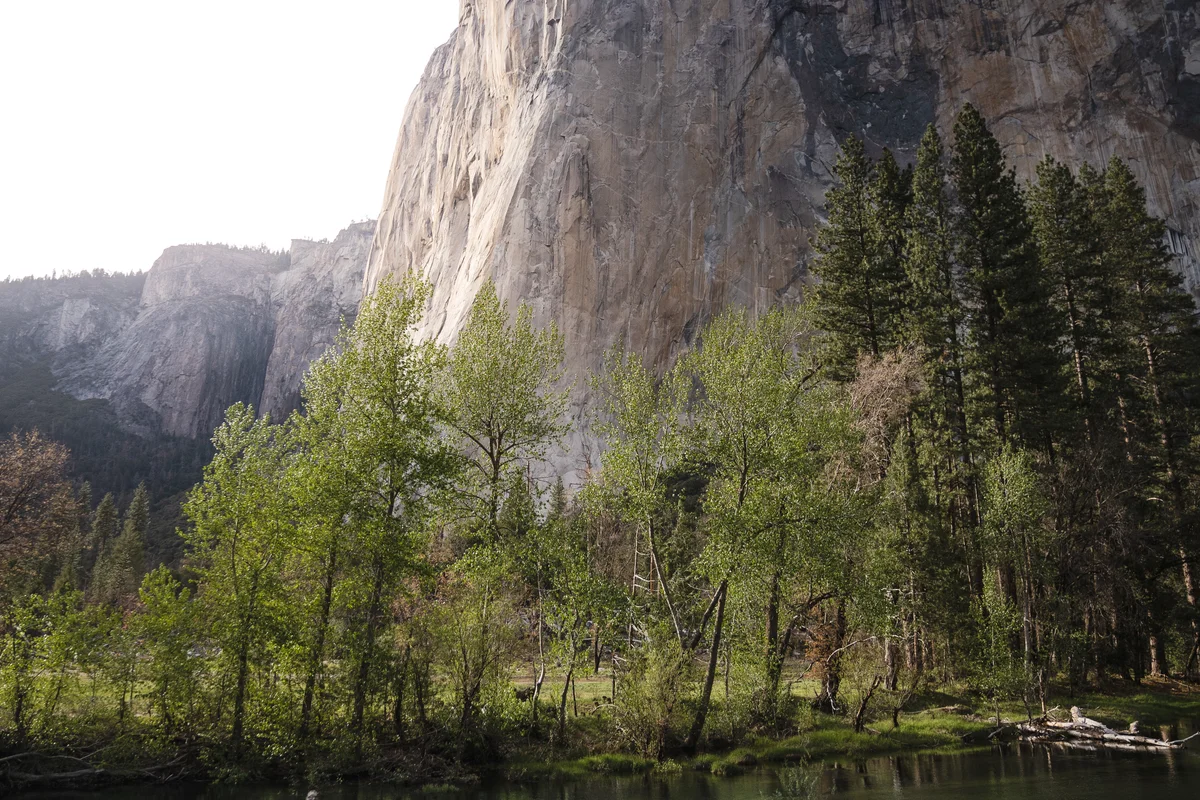
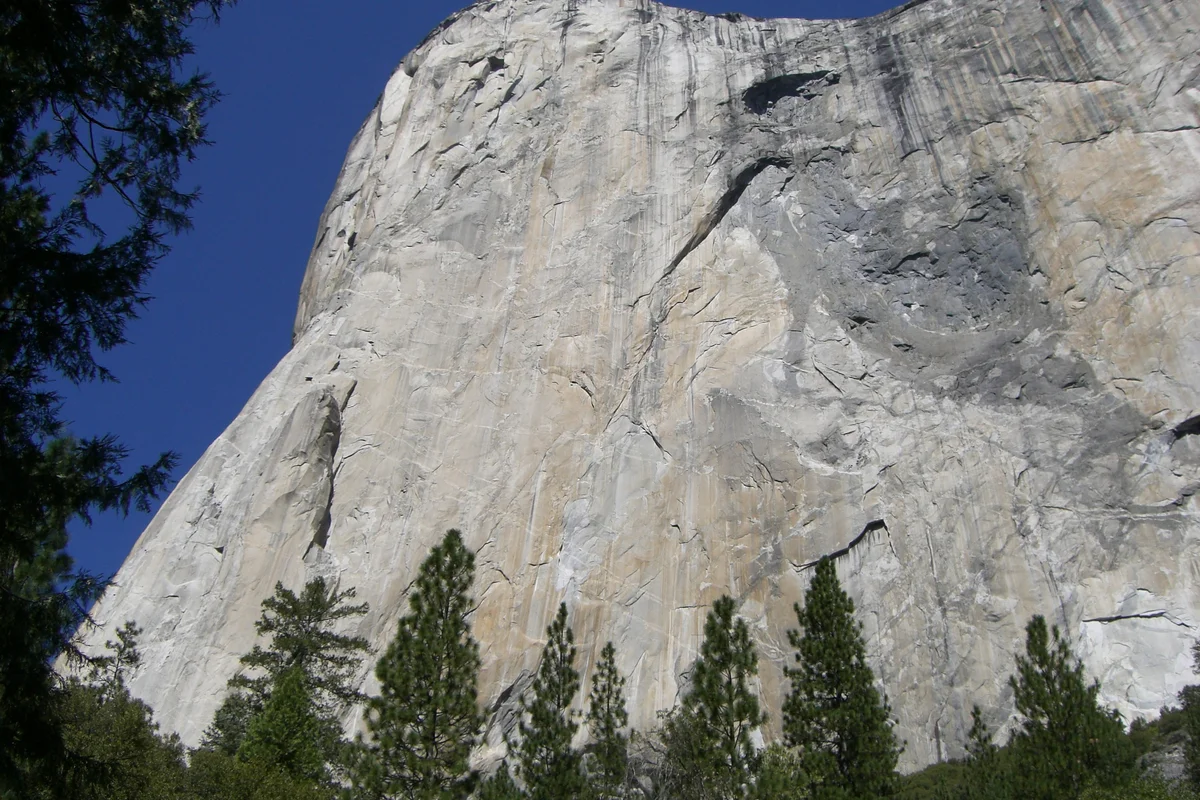
El Capitan is a monumental 914-metre vertical granite monolith rising above the western end of Yosemite Valley in California's Sierra Nevada. Globally renowned as the ultimate proving ground of modern big-wall rock climbing, it features legendary routes including The Nose, Salathé Wall, North America Wall, and the Dawn Wall.

Mountain Safety & Conditions Disclaimer: High-altitude climbing, glacial travel, and technical ascents entail severe objective risks including avalanches, serac collapses, rapid weather collapse, and altitude illness. Historical route descriptions and summit claims on Mountanity reflect documented archival sources and must not be used as live operational safety assessments. Local regulations, permits, and physical glacial topography change continuously.
Peer Review: Senior Editorial Board & Historical Reviewers • Editorial Standards
Geographical Setting & Topography
Composed almost entirely of coarse, light-colored El Capitan Granite intruded by dark diorite veins, El Capitan towers over the Merced River. Its sheer south-facing prow forms The Nose, dividing the Southwest and Southeast faces into nearly vertical and overhanging rock walls.
Historic First Ascent
Date: 1958-11-12
Ascent Team: Warren Harding, Wayne Merry, and George Whitmore
Key Statistics & Topographic Figures
- Official Summit Elevation
- 2,308 metres (7,573 feet)
- Vertical Wall Height
- 914 metres (3,000 feet)
- First Ascent Date
- November 12, 1958
- First Ascent Team
- Warren Harding, Wayne Merry, George Whitmore
- Rock Composition
- El Capitan Granite & Taft Granite
Archival Primary Source Quotations
“As I looked up at the 3,000-foot prow, it seemed not merely large, but impossible.”
Defined Alpine Terminology & Concepts
- Big Wall Climbing
- A discipline of rock climbing tackling massive multi-pitch cliff faces requiring sustained multi-day commitment and vertical bivouacs.
- Pendulum Traverse
- A technical climbing maneuver where a climber swings across a blank rock section on a tensioned rope to reach a distant crack system.
El Capitan Mountain Weather Forecast
Meteorological Feed Unavailable
Unable to reach meteorological station endpoint. Please verify your connection or retry.
Loading condition...
Target Elevation: 2,308 mSafe summit ridge climbing requires gusts below 40 km/h.
Evaluating thermal loss...
Tracking glacial freezing boundary...
Assessing whiteout and cloud immersion hazards...
High-altitude snow glare requires Category 4 glacier glasses to prevent snow blindness.
Evaluating oxygen partial pressure...
Detailed 14-Day Summit Window & Weather Timeline
Explore day-by-day summit push safety windows, wind shear analysis, and extended multi-day forecasts for El Capitan.
Explore El Capitan (2,308 m) in Interactive 3D
Inspect steep glacial walls, hanging seracs, ridge approaches, and elevation relief with 360° rotation and terrain tilt in WebGL.
Documented Climbing Routes (2)
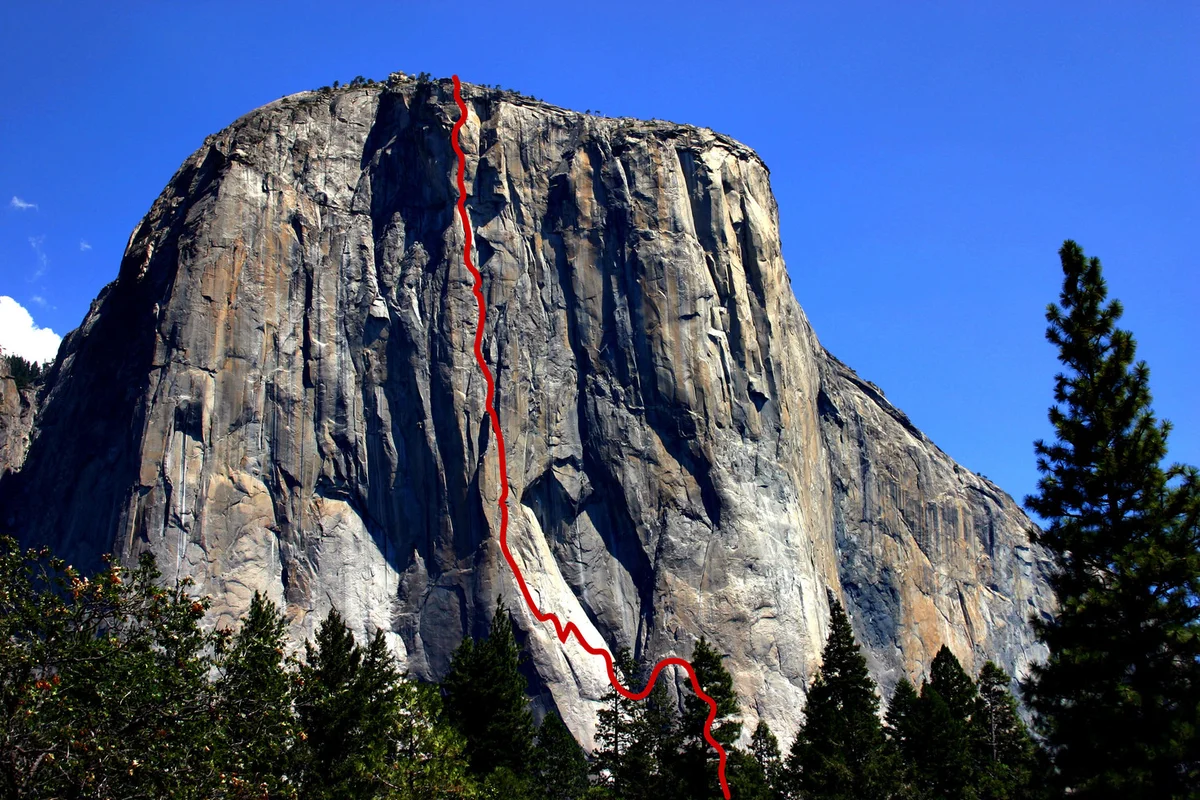
Salathé Wall (El Capitan)
The Salathé Wall is universally revered as the greatest natural big-wall route in the world, ascending the sweeping Southwest Face of El Capitan over 35 pitches. Characterized by continuous crack systems, soaring dihedrals, and the heart-stopping exposure of the Roof and Headwall pitches, it set the global gold standard for alpine big-wall ethics.
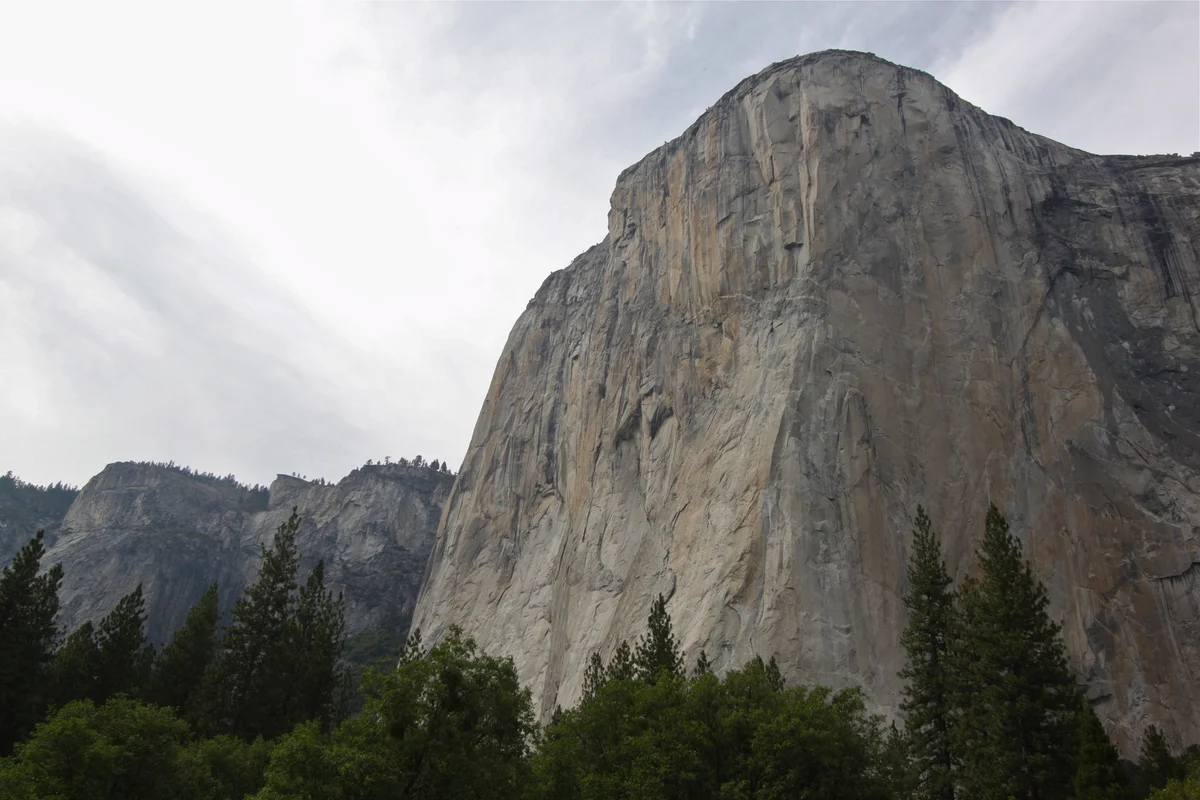
The Nose (El Capitan)
The Nose is the definitive big-wall rock climb on Earth, tracing the proud, protruding central prow of El Capitan for 31 technical pitches over 884 vertical metres. From the Boot Flake and the King Swing to the Great Roof and the sweeping summit headwall, it is the most coveted and historic multi-day climbing route in the world.
Historical Expeditions (4)
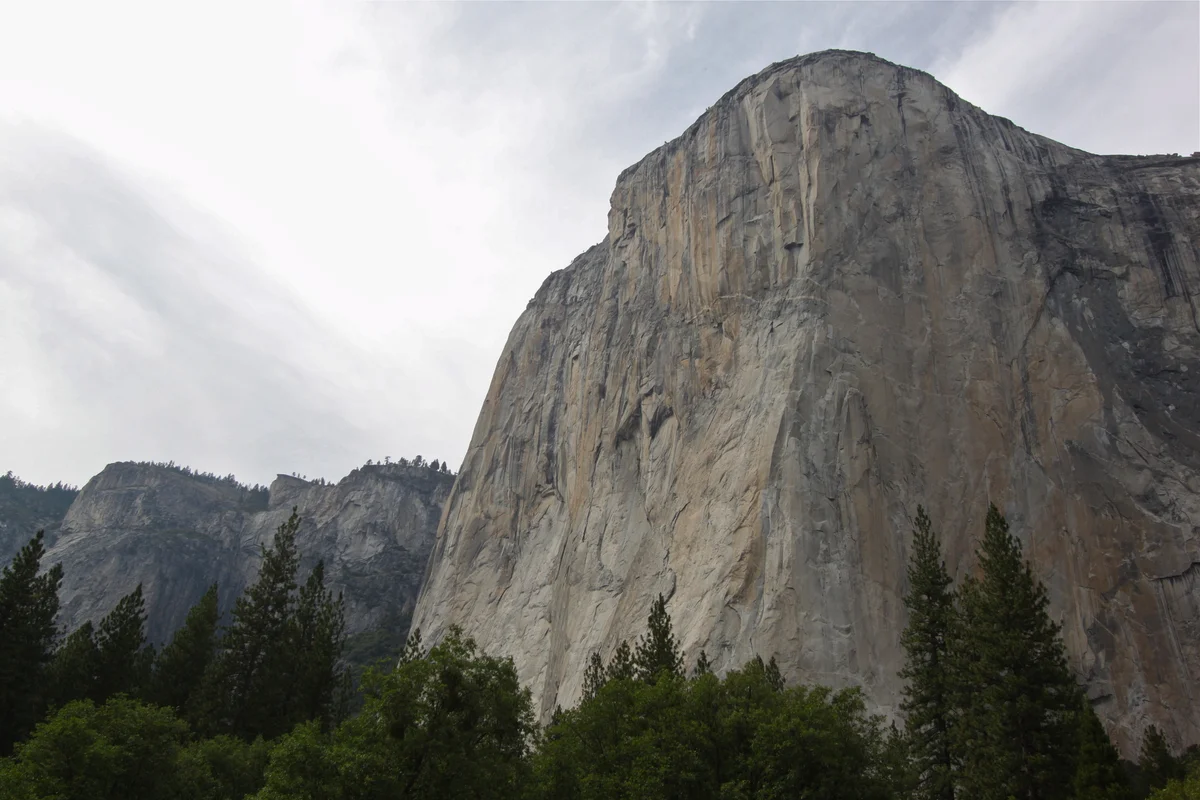
1958 First Ascent of The Nose on El Capitan
On November 12, 1958, Warren Harding, Wayne Merry, and George Whitmore stood atop El Capitan after an epic 45-day siege over 18 months, completing the monumental first ascent of The Nose.
1961 First Ascent of the Salathé Wall on El Capitan
In September 1961, Royal Robbins, Tom Frost, and Chuck Pratt made the historic first ascent of the Salathé Wall on El Capitan in a continuous six-day push, placing only 13 lead bolts and setting a new global ethic for big-wall climbing.
1964 First Ascent of the North America Wall on El Capitan
In late October 1964, Royal Robbins, Tom Frost, Chuck Pratt, and Yvon Chouinard made the historic first ascent of the terrifying North America Wall on El Capitan, spending ten continuous days on the overhanging face without descending.
1970 First Ascent of the Dawn Wall on El Capitan
Between October 24 and November 18, 1970, Warren Harding and Dean Caldwell completed the historic first ascent of the Dawn Wall on El Capitan, spending 27 continuous days on the sheer granite face and enduring a 105-hour storm.
Summit Chronicles & Stories (4)
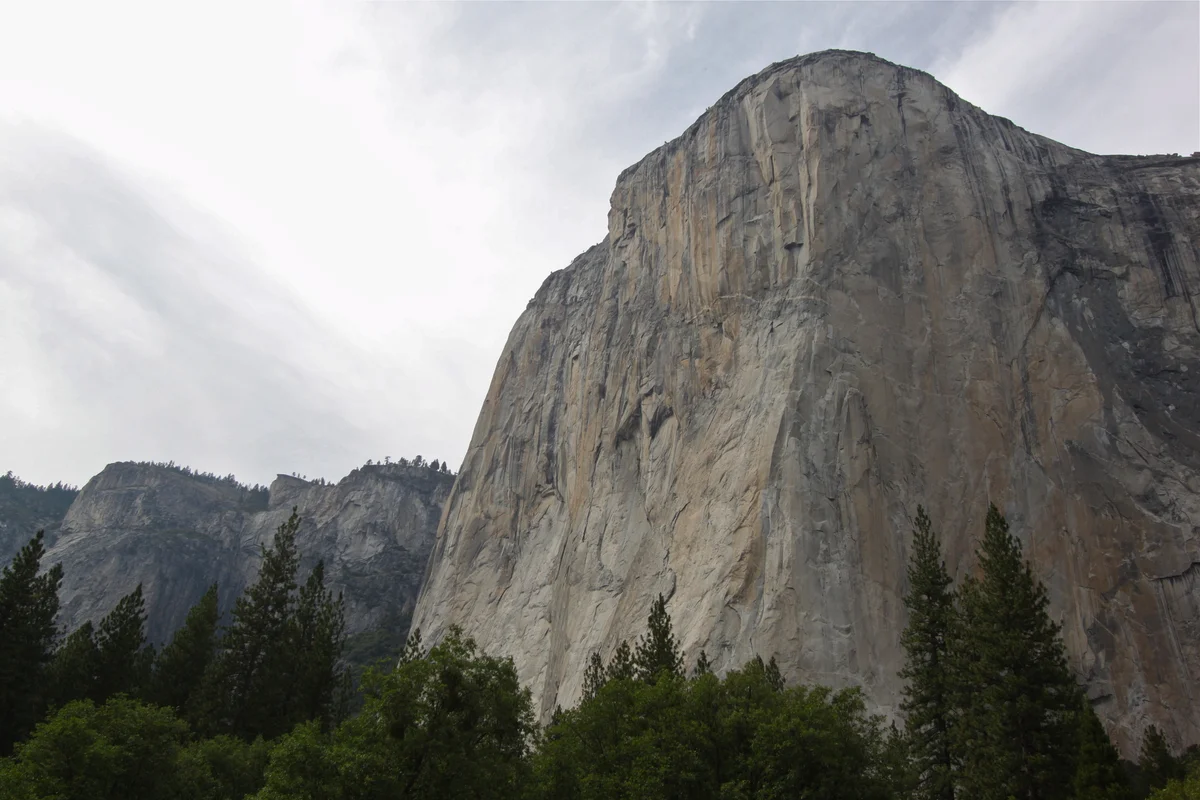
The Siege of the Captain: Warren Harding and the 1958 First Ascent of The Nose
On November 12, 1958, Warren Harding, Wayne Merry, and George Whitmore stood atop El Capitan after an epic 45-day siege over 18 months, completing the monumental first ascent of The Nose.
Masterpiece of Granite: Royal Robbins and the 1961 Salathé Wall
In September 1961, Royal Robbins, Tom Frost, and Chuck Pratt conquered the 35-pitch Salathé Wall on El Capitan, placing just thirteen lead bolts over six days and establishing the modern benchmark of big-wall climbing style.
Ten Days in the Void: The 1964 North America Wall Expedition
In October 1964, Royal Robbins, Tom Frost, Chuck Pratt, and Yvon Chouinard achieved the first ascent of the terrifying North America Wall on El Capitan, spending ten continuous days on the overhanging face in North America's first true capsule push.
Defiance on the Dawn Wall: Warren Harding and the 27-Day Siege of 1970
Between October 24 and November 18, 1970, Warren Harding and Dean Caldwell lived for twenty-seven continuous days on the sheer Wall of the Early Morning Light, refusing rescue in a fierce 105-hour storm to complete the legendary Dawn Wall.
Frequently Asked Questions: El Capitan
What is El Capitan and where is it situated?
El Capitan is a colossal 914-metre vertical granite monolith located on the north side of Yosemite Valley in California.
What is the elevation and vertical wall height of El Capitan?
El Capitan stands at an elevation of 2,308 metres above sea level with a vertical granite wall extending 914 metres above the valley floor.
Who made the first ascent of El Capitan?
Warren Harding, Wayne Merry, and George Whitmore completed the first ascent of El Capitan via The Nose on November 12, 1958, after 45 days on the rock.
What are the most famous climbing routes on El Capitan?
The most iconic routes are The Nose, the Salathe Wall, the North America Wall, and the Dawn Wall.
Who completed the first free solo ascent of El Capitan?
Alex Honnold made the first rope-free solo ascent on June 3, 2017, climbing the Freerider route in three hours and 56 minutes.
Who first free climbed the Dawn Wall on El Capitan?
Tommy Caldwell and Kevin Jorgeson completed the first free ascent of the Dawn Wall in January 2015 over nineteen continuous days.
What type of rock comprises El Capitan?
It is composed of Cretaceous El Capitan Granite, an exceptionally fine-grained, flawless plutonic rock formed over one hundred million years ago.
Why is El Capitan considered the center of big-wall climbing history?
It established the modern multi-day big-wall climbing discipline, sparking innovations in clean climbing, haul systems, and portaledge design.
Documented Sources & Archival Citations
- American Alpine Journal: First Ascent of The Nose of El Capitan (1959)(American Alpine Club)
Supporting claim: Official expedition report by Warren Harding detailing the 45-day first ascent
Accessed/Documented: 2026 - Camp 4: Recollections of a Yosemite Rockclimber(Steve Roper / The Mountaineers Books)
Supporting claim: Historical chronicle of big-wall exploration in Yosemite Valley
Accessed/Documented: 2026