The Siege of the Captain: Warren Harding and the 1958 First Ascent of The Nose
On November 12, 1958, Warren Harding, Wayne Merry, and George Whitmore stood atop El Capitan after an epic 45-day siege over 18 months, completing the monumental first ascent of The Nose.
Mountain Safety & Conditions Disclaimer: High-altitude climbing, glacial travel, and technical ascents entail severe objective risks including avalanches, serac collapses, rapid weather collapse, and altitude illness. Historical route descriptions and summit claims on Mountanity reflect documented archival sources and must not be used as live operational safety assessments. Local regulations, permits, and physical glacial topography change continuously.
Peer Review: Senior Editorial Board & Historical Reviewers • Editorial Standards
The Great Granite Wall
In the mid-1950s, Yosemite Valley was ground zero for a quiet revolution. Sheltered beneath colossal granite cliffs carved by ancient glaciers, a vibrant, eccentric subculture of young climbers had taken up residence in Camp 4. Living out of dusty tents and jalopies, subsisting on cheap canned food, and united by a shared contempt for the comfortable conformity of post-war suburban America, they turned their eyes toward the vertical world.
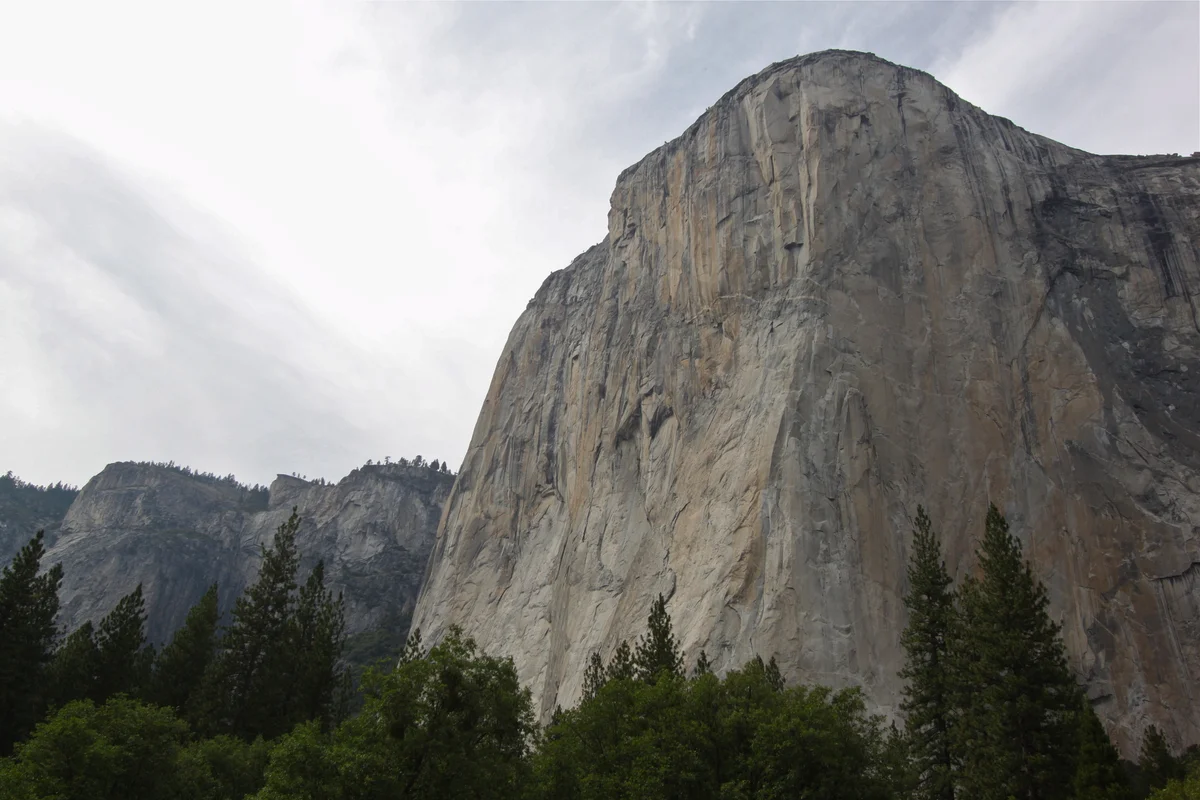
Yet one formation commanded awe above all others: El Capitan. Rising 914 metres sheer above the valley floor, its smooth, glacier-polished prow seemed to mock human ambition. Even respected leaders of the Sierra Club had declared El Capitan completely unscalable, arguing that its blank verticality lay far beyond the limits of human strength and equipment.
When Royal Robbins, Jerry Gallwas, and Mike Sherrick made the historic first ascent of the 600-metre Northwest Face of Half Dome in June 1957, a 33-year-old state highway surveyor named Warren Harding took it as a personal challenge. While Robbins’s triumph was hailed as the ultimate big wall, Harding cast his gaze upon El Capitan’s prow—The Nose.
The Eighteen-Month War of Attrition
Harding—irreverent, fiercely determined, and endowed with superhuman physical stamina—assembled an expedition. Joined initially by Mark Powell and Bill Feuerer, Harding stepped onto the lower rocks of The Nose on July 4, 1957.
The vertical obstacles were staggering. Above the lower ramps, the rock was virtually devoid of natural cracks. Traditional soft-iron pitons bent against the diamond-hard El Capitan granite, requiring the climbers to drill expansion bolts into blank stone—a tedious, wrist-shattering process using hand drills and heavy hammers. Furthermore, the National Park Service, alarmed by the prospect of climbers dying on public view, imposed severe restrictions, limiting the party to short pushes and prohibiting them from remaining on the wall indefinitely.
Consequently, Harding was forced into an exhausting war of siege. For eighteen months, spread across forty-five arduous days on the rock, Harding and a revolving cast of partners fixed thousands of feet of manila and early nylon ropes, ascending via mechanical jumars and descending to the valley floor when supplies ran dry. When Powell broke his ankle and Feuerer stepped aside, Wayne Merry and George Whitmore stepped forward to share the heavy burden.
The Long Road Up the Prow
Pitch by agonizing pitch, Harding unlocked the greatest features in rock climbing history: the sweeping Sickle Ledge, the dizzying drop of Dolt Tower, the massive detached pillar of Texas Flake, and the heart-stopping exposure of the Boot Flake.
To link the Boot Flake to the main crack systems on the upper face, Harding executed the legendary “King Swing”—a terrifying hundred-foot pendulum across blank granite, running back and forth across the rock face while suspended from a high rope anchor until momentum carried him into a narrow vertical crack system.
By late autumn 1958, Harding, Merry, and Whitmore had reached Camp VI at pitch 27, perched on a narrow, sloping shelf 700 metres above the trees. Above them loomed the final barrier: the sweeping, blank summit headwall.
The Fourteen-Hour Night: November 11–12, 1958
On the afternoon of November 11, 1958, with winter storms threatening the Sierra Nevada and supplies down to their final rations, Harding made his stand. Taking the lead rope, he confronted a blank, overhanging headwall requiring continuous bolt ladders.
As dusk fell and temperatures plummeted below freezing, Harding refused to stop. Working through the night by the dim glow of a miner’s headlamp, he hammered continuously for fourteen uninterrupted hours, hand-drilling twenty-eight expansion bolts into the granite. His hands were blistered and swollen, his muscles seized with agonizing cramps, and his knuckles bled from missed hammer blows. Below him, Merry and Whitmore shivered in their harnesses on the hanging stance, paying out rope and shouting encouragement into the darkness.
At 06:00 on the morning of November 12, 1958, just as the first golden rays of dawn illuminated the Cathedral Rocks across the valley, Harding drove his final bolt into the flat summit rim. Pulling himself over the lip, he collapsed onto the pine-studded granite plateau. Moments later, Wayne Merry and George Whitmore joined him. They had conquered El Capitan.
An Immortal Standard
Harding’s triumph electrified the global climbing community. The conquest of The Nose proved that no wall on Earth was too steep or too high for human determination. While the climb sparked lively debates over style and bolting that would define Yosemite’s Golden Age, Harding’s raw courage and legendary perseverance remain unquestioned.
Today, The Nose is the most iconic big-wall rock climb in existence, attempted by thousands of climbers from across the globe and celebrated as the supreme monument of American mountaineering.
Key Statistics & Topographic Figures
- Category
- Big Wall Alpine Legends
Archival Subject
- Reading Time
- 14 min read
Narrative Length
- Key Mountain
- el-capitan
Objective
- Ascent Route
- the-nose-el-capitan
Topography
- Verification
- Editorially Verified
Archival Standard
Archival Primary Source Quotations
“In the mountains, truth is etched in ice and granite; every step requires unwavering respect for the heights.”
Defined Alpine Terminology & Concepts
- Summit Push
- The final continuous climbing effort from the highest established camp to the mountain apex and back.
- Death Zone Chronicle
- A verified, research-backed historical narrative documenting the human, technical, and environmental realities of an alpine expedition.
Frequently Asked Questions: The Siege of the Captain: Warren Harding and the 1958 First Ascent of The Nose
What is the core chronicle and subject of "The Siege of the Captain: Warren Harding and the 1958 First Ascent of The Nose"?
On November 12, 1958, Warren Harding, Wayne Merry, and George Whitmore stood atop El Capitan after an epic 45-day siege over 18 months, completing the monumental first ascent of The Nose.
Which mountain peaks and routes are featured in "The Siege of the Captain: Warren Harding and the 1958 First Ascent of The Nose"?
This narrative documents climbs on el-capitan along the the-nose-el-capitan in United States.
Which documented expedition is chronicled in this story?
This historical chronicle captures the events of the 1958-harding-the-nose-el-capitan, verified through contemporary journals and archival records.
Who authored and researched this archival chronicle?
Authored and researched by Mountainity Historical Research Desk, drawing on primary eyewitness testimonies, alpine club registries, and verified summit logs.
What makes this high-altitude chronicle historically significant?
Categorized under "Big Wall Alpine Legends", this chronicle preserves critical lessons in alpine leadership, survival, tactical speed, and human endurance in the death zone.
Related Mountains

El Capitan
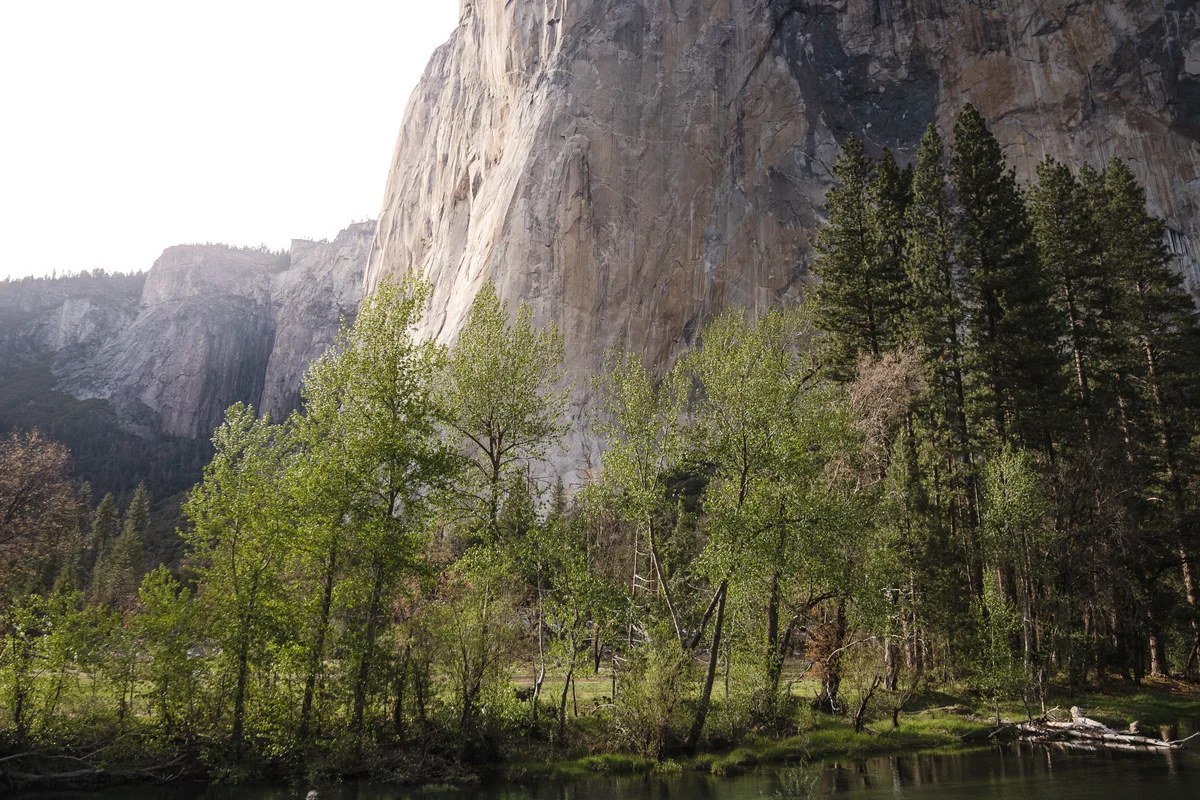
El Capitan is a monumental 914-metre vertical granite monolith rising above the western end of Yosemite Valley in California's Sierra Nevada. Globally renowned as the ultimate proving ground of modern big-wall rock climbing, it features legendary routes including The Nose, Salathé Wall, North America Wall, and the Dawn Wall.
Documented Sources & Archival Citations
- American Alpine Journal: First Ascent of The Nose of El Capitan (1959)(American Alpine Club)
Supporting claim: Official expedition journal by Warren Harding recording the 1958 first ascent
Accessed/Documented: 2026 - Camp 4: Recollections of a Yosemite Rockclimber(Steve Roper / The Mountaineers Books)
Supporting claim: Historical narrative of the 18-month campaign on The Nose
Accessed/Documented: 2026