Defiance on the Dawn Wall: Warren Harding and the 27-Day Siege of 1970
Between October 24 and November 18, 1970, Warren Harding and Dean Caldwell lived for twenty-seven continuous days on the sheer Wall of the Early Morning Light, refusing rescue in a fierce 105-hour storm to complete the legendary Dawn Wall.
Mountain Safety & Conditions Disclaimer: High-altitude climbing, glacial travel, and technical ascents entail severe objective risks including avalanches, serac collapses, rapid weather collapse, and altitude illness. Historical route descriptions and summit claims on Mountanity reflect documented archival sources and must not be used as live operational safety assessments. Local regulations, permits, and physical glacial topography change continuously.
Peer Review: Senior Editorial Board & Historical Reviewers • Editorial Standards
The Blankest Wall in Yosemite
By 1970, the climbing community in Camp 4 was largely dominated by the clean climbing ethos championed by Royal Robbins. Drilling expansion bolts was increasingly viewed as an ethical transgression, and climbers strived to ascend natural fissures using removable protection.
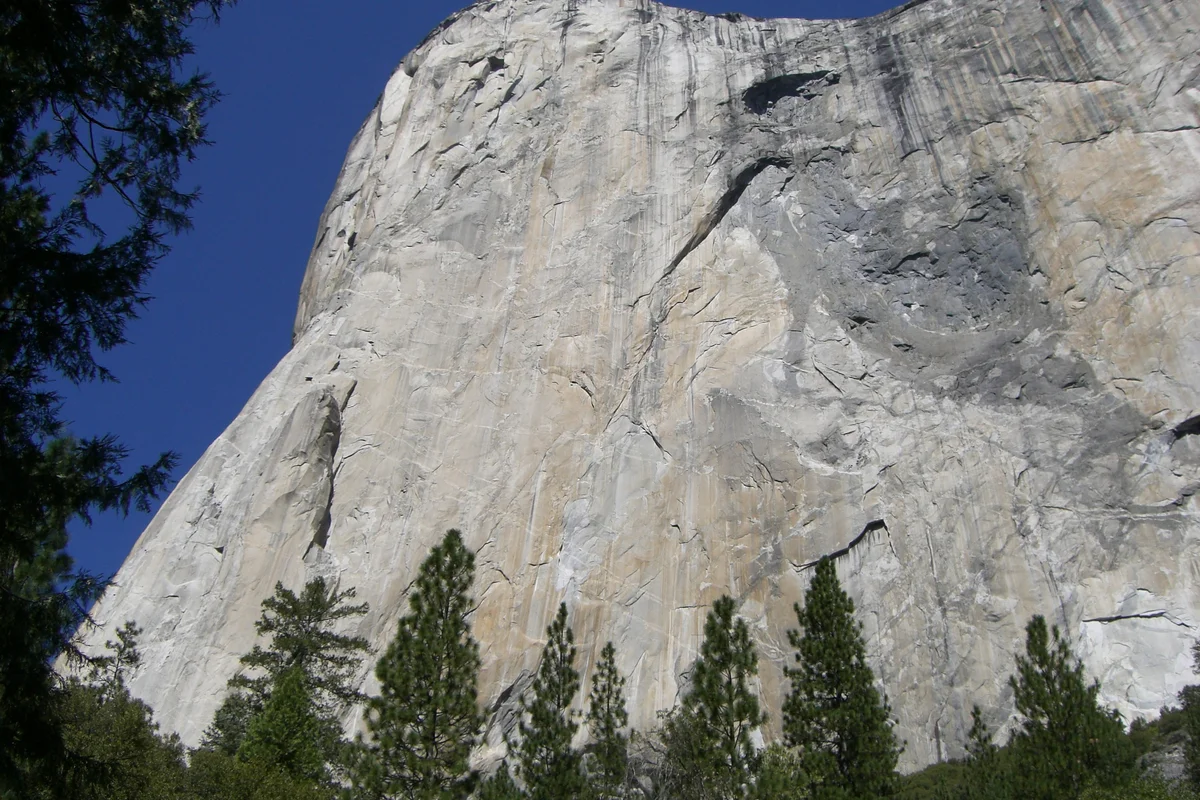
To forty-six-year-old Warren “Batso” Harding, however, climbing had never been a solemn, quasi-religious pursuit bound by dogmatic rules. It was an unruly adventure, a contest of pure physical and mental endurance, and above all, a celebration of individual liberty. For years, Harding had stared at the southeast face of El Capitan—the Wall of the Early Morning Light, colloquially known as the Dawn Wall. Rising nearly 900 vertical metres, this immense sheet of golden granite was virtually devoid of cracks, ledges, or natural features. Most climbers considered it unclimbable without drilling hundreds of expansion bolts, and therefore ethically illegitimate.
Harding disagreed. Teaming up with twenty-seven-year-old climber Dean Caldwell, Harding resolved to climb the wall in a single, audacious continuous push. They would carry all necessary provisions, suspend themselves in specialized nylon hammocks called “bat tents,” and hand-drill bolt ladders wherever the rock refused to offer natural purchase.
Entering the Vertical Crucible
On October 24, 1970, Harding and Caldwell stepped off the talus and began their upward ascent. Behind them, they hauled nearly 300 pounds of equipment: sixty quarts of water, sacks of canned fruit, cheese, sausage, and several bottles of Christian Brothers brandy.
Progress was slow and brutally demanding. In the absence of cracks, the climbers were forced to rely on “bat hooks”—small steel hooks slotted into shallow, hand-drilled holes—and expansion bolts. Standing in webbed stirrups with the valley floor dropping hundreds of metres below their feet, Harding and Caldwell pounded steel drill bits into solid granite with heavy geological hammers, twisting the drill quarter-turn by quarter-turn for hours on end.
As the days turned into weeks, the climb captured the attention of the American public. Binoculars and spotting scopes lined the meadows of Yosemite Valley. Tourists, rangers, and national reporters watched the two tiny specks inching upward across the golden granite precipice.
The 105-Hour Tempest
By early November, after two weeks on the wall, the climbers were suspended at the 600-metre mark beneath the sheer upper headwall. Suddenly, the serene autumn weather shattered. A massive winter storm swept in from the Pacific, bringing howling gale-force winds, sub-freezing temperatures, and torrential freezing rain.
Trapped in their hanging bat tents, Harding and Caldwell experienced sheer misery. Torrents of freezing water cascaded over the rock face, transforming El Capitan into a vertical river. The waterproof fabric of their tents leaked, soaking their down sleeping bags. For four continuous days and nights—105 agonizing hours—the two men remained pinned inside their cramped, sodden cocoon, unable to move or cook, shivering uncontrollably as ice coated their nylon rigging.
Below in the valley, National Park Service rangers and concerned climbers gathered in solemn concern. Believing the climbers were hypothermic and near death, park officials mobilized a major rescue operation. A team of climbers was flown to the summit rim of El Capitan by helicopter, preparing to lower steel cables and hoist the two men off the face.
“A Rescue Is Unwarranted, Unwanted, and Will Not Be Accepted”
When the storm finally subsided on the fifth day, the summit rescue team lowered a weighted message bottle to the climbers. Inside, the rangers instructed Harding and Caldwell to prepare for evacuation.
Harding’s reaction was legendary. Furious that his monumental climb might be aborted just two hundred metres from the summit, he scrawled a defiant reply on a scrap of paper, placed it in the can, and sent it back up the wall:
“A rescue is unwarranted, unwanted, and will not be accepted. We have plenty of food and water, morale is high, and we intend to continue to the summit under our own power.”
Stunned by their resolve, the Park Service reluctantly stood down. Harding and Caldwell resumed drilling.
Triumph Under the Flashbulbs
Living on severely rationed water and whatever canned provisions remained, the duo pressed through the final overhangs over the next several days.
On November 18, 1970—twenty-seven continuous days after stepping onto the rock—Harding and Caldwell reached the summit rim of El Capitan. They were greeted not by empty wilderness, but by a carnival of national media: flashbulbs popping, television cameras whirring, fresh fruit baskets, sandwiches, and bottles of chilled champagne.
The 1970 first ascent of the Dawn Wall became an international sensation, featured in Life magazine and nightly news broadcasts. While purists debated the ethics of drilling hundreds of bolts, no one could deny the superhuman endurance, psychological grit, and sheer defiance of Warren Harding and Dean Caldwell. They had endured the longest continuous big-wall survival ordeal in mountaineering history, proving that human willpower could conquer even the blankest face of stone.
Key Statistics & Topographic Figures
- Category
- Big Wall Alpine Legends
Archival Subject
- Reading Time
- 15 min read
Narrative Length
- Key Mountain
- el-capitan
Objective
- Ascent Route
- the ascent route
Topography
- Verification
- Editorially Verified
Archival Standard
Archival Primary Source Quotations
“In the mountains, truth is etched in ice and granite; every step requires unwavering respect for the heights.”
Defined Alpine Terminology & Concepts
- Summit Push
- The final continuous climbing effort from the highest established camp to the mountain apex and back.
- Death Zone Chronicle
- A verified, research-backed historical narrative documenting the human, technical, and environmental realities of an alpine expedition.
Frequently Asked Questions: Defiance on the Dawn Wall: Warren Harding and the 27-Day Siege of 1970
What is the core chronicle and subject of "Defiance on the Dawn Wall: Warren Harding and the 27-Day Siege of 1970"?
Between October 24 and November 18, 1970, Warren Harding and Dean Caldwell lived for twenty-seven continuous days on the sheer Wall of the Early Morning Light, refusing rescue in a fierce 105-hour storm to complete the legendary Dawn Wall.
Which mountain peaks and routes are featured in "Defiance on the Dawn Wall: Warren Harding and the 27-Day Siege of 1970"?
This narrative documents climbs on el-capitan along the the ascent route in United States.
Which documented expedition is chronicled in this story?
This historical chronicle captures the events of the 1970-harding-caldwell-dawn-wall, verified through contemporary journals and archival records.
Who authored and researched this archival chronicle?
Authored and researched by Mountainity Historical Research Desk, drawing on primary eyewitness testimonies, alpine club registries, and verified summit logs.
What makes this high-altitude chronicle historically significant?
Categorized under "Big Wall Alpine Legends", this chronicle preserves critical lessons in alpine leadership, survival, tactical speed, and human endurance in the death zone.
Related Mountains
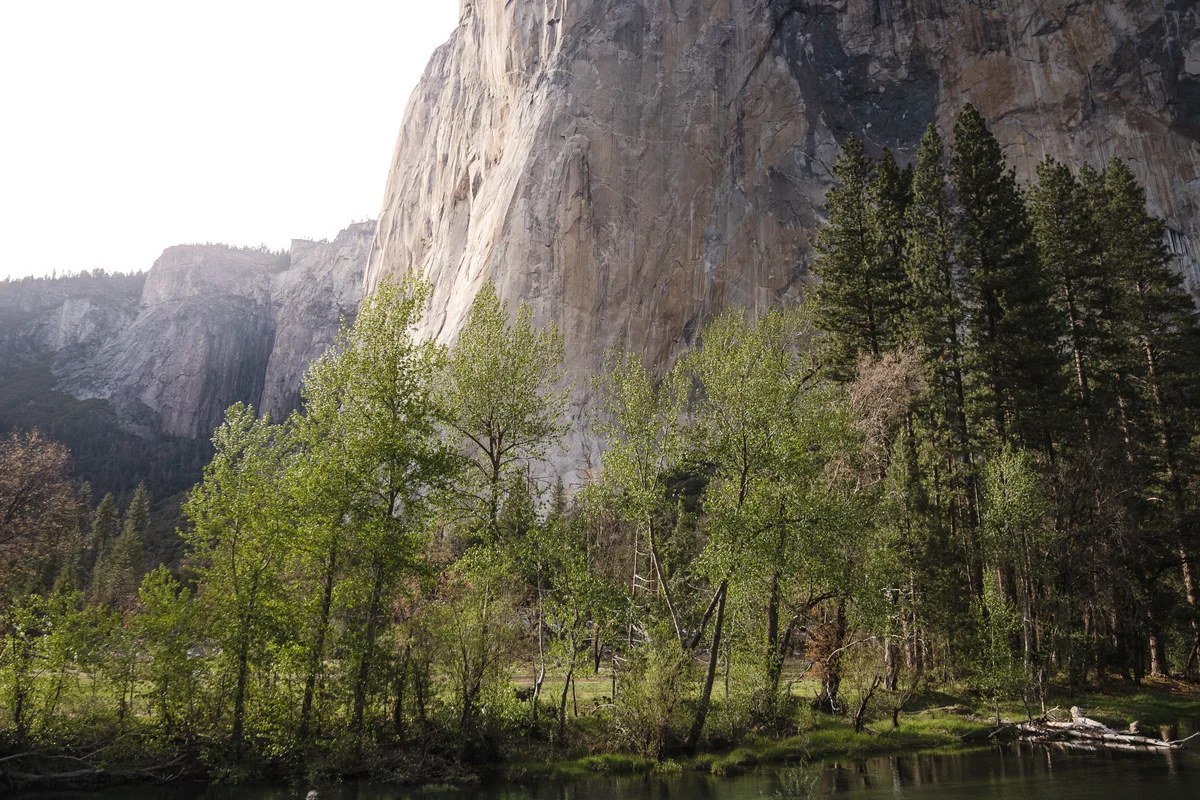

El Capitan
El Capitan is a monumental 914-metre vertical granite monolith rising above the western end of Yosemite Valley in California's Sierra Nevada. Globally renowned as the ultimate proving ground of modern big-wall rock climbing, it features legendary routes including The Nose, Salathé Wall, North America Wall, and the Dawn Wall.
Documented Sources & Archival Citations
- American Alpine Journal: El Capitan, Wall of the Early Morning Light (1971)(American Alpine Club)
Supporting claim: Official first ascent expedition report written by Warren Harding
Accessed/Documented: 2026 - Downward Bound: A Mad! Guide to Rock Climbing(Warren Harding / Prentice-Hall)
Supporting claim: Comprehensive autobiographical narrative of the 1970 Dawn Wall climb and rescue refusal
Accessed/Documented: 2026