The Nose (El Capitan)
The Nose is the definitive big-wall rock climb on Earth, tracing the proud, protruding central prow of El Capitan for 31 technical pitches over 884 vertical metres. From the Boot Flake and the King Swing to the Great Roof and the sweeping summit headwall, it is the most coveted and historic multi-day climbing route in the world.
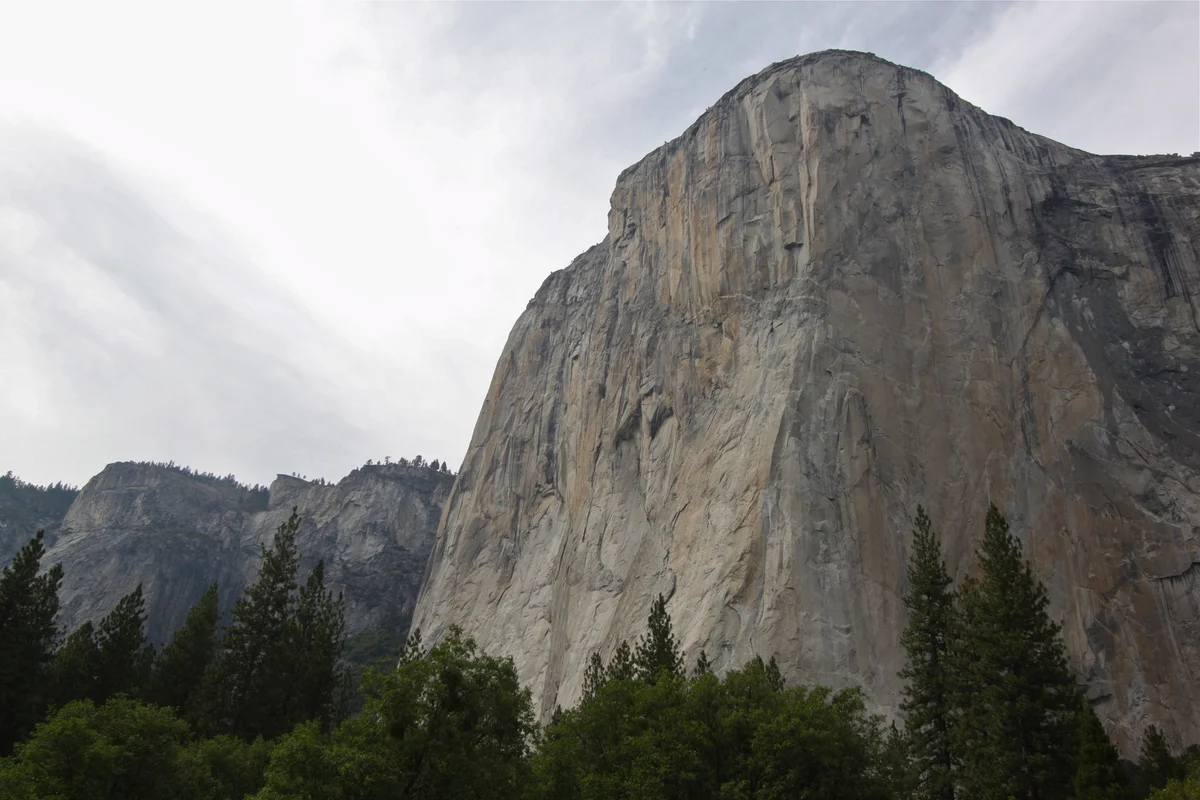
Ascent line, technical cruxes & camp topography profile for The Nose (El Capitan)
Mountain Safety & Conditions Disclaimer: High-altitude climbing, glacial travel, and technical ascents entail severe objective risks including avalanches, serac collapses, rapid weather collapse, and altitude illness. Historical route descriptions and summit claims on Mountanity reflect documented archival sources and must not be used as live operational safety assessments. Local regulations, permits, and physical glacial topography change continuously.
Peer Review: Senior Editorial Board & Historical Reviewers • Editorial Standards
Tactical & Camp Notes
First climbed in 1958 by Warren Harding over 45 days using expedition siege tactics. In 1993, Lynn Hill revolutionized climbing by completing the first free ascent, declaring 'It goes, boys!' Modern speed climbers race up the route in under two hours.
Identified Objective Hazards
- •Sudden Sierra Nevada storms and flash waterfall flooding on the wall
- •Extreme pendulum falls during the King Swing
- •Severe dehydration during hot summer days on sun-baked granite
- •Haul bag failure and rope abrasion across sharp flake edges
- •Crowding and falling gear from ascending parties on popular pitches
Historical Context
Pioneered between 1957 and 1958 by Warren Harding, Wayne Merry, and George Whitmore, who fixed thousands of feet of rope and drilled 125 expansion bolts, summiting on November 12, 1958. In 1975, Jim Bridwell, John Long, and Billy Westbay climbed The Nose in a single day (17 hours 45 minutes), sparking the modern speed climbing era.
Interactive Elevation Profile
Vertical profile, technical cruxes, and camp staging progression for The Nose (El Capitan) on El Capitan.
Staging area in the pine forest beneath the sheer granite prow.
Camp-by-Camp Topography
Key staging altitudes, technical cruxes, and terrain transitions for The Nose (El Capitan).
Base of El Capitan
Staging area in the pine forest beneath the sheer granite prow.
Sickle Ledge
Sloping granite ledge at pitch 4, end of the lower access pitches.
Dolt Tower
Broad sandy terrace on top of a detached granite pillar at pitch 11.
El Cap Tower
Spacious flat granite bivouac ledge at pitch 15, below Texas Flake.
Camp IV
Narrow rocky ledge system at pitch 20, staging point for the Great Roof.
Camp VI
High hanging bivouac ledge at pitch 27 beneath the final overhanging headwall.
Summit of El Capitan
The flat pine-studded granite summit plateau overlooking Yosemite Valley.
Topographic Location & Terrain Map
Cartographic datum, massif coordinates, and terrain context for The Nose (El Capitan) on El Capitan.
Interactive Topographic Terrain Map
Click below to load live cartographic contours, glacier approaches, and geographic markers for El Capitan (37°44′02″ N, 119°38′16″ W).
Key Statistics & Topographic Figures
- Vertical Height
- 884 metres (2,900 feet)
- Pitch Count
- 31 technical pitches
- Climbing Grade
- Grade VI, 5.9 C2 (Aid) / 5.14a (Free)
- First Ascent Date
- November 12, 1958
- Speed Record
- 1 hour 58 minutes 7 seconds (Honnold & Caldwell)
Archival Primary Source Quotations
“It goes, boys!”
Defined Alpine Terminology & Concepts
- King Swing
- A massive 30-metre lateral pendulum on pitch 17 of The Nose used to cross from the Boot Flake to the Eagle Creek system.
- Haul Bag (Pig)
- A heavy-duty vinyl bag hauled up vertical cliff faces on an independent line to transport water, food, and sleeping gear.
Frequently Asked Questions: The Nose (El Capitan)
What is The Nose on El Capitan?
The Nose is the prominent 884-metre central prow of El Capitan, widely considered the most famous big-wall rock climb in the world.
Who made the first ascent of The Nose?
Warren Harding, Wayne Merry, and George Whitmore made the first ascent on November 12, 1958, after 45 days of climbing spread over 18 months.
What is the climbing grade of The Nose?
The route is graded VI 5.9 C2 for aid climbing, or 5.14a for all-free climbing.
Who completed the first all-free ascent of The Nose?
Lynn Hill made the historic first free ascent in 1993, and in 1994 became the first person to free climb The Nose in a single day.
What is the speed record on The Nose of El Capitan?
Alex Honnold and Tommy Caldwell set the current record of one hour, 58 minutes, and seven seconds on June 6, 2018.
What are the most famous named pitches on The Nose?
Famous features include the Stoveleg Cracks, the King Swing, the Great Roof, Camp IV, and the final overhanging Summit Bolt Ladder.
What was the King Swing on The Nose?
A dramatic pendulum traverse where the climber runs back and forth across a vertical face on rope to swing around into the Eagle Way crack.
How long does a standard ascent of The Nose take?
Modern recreational climbing parties typically spend three to five continuous days on the wall, sleeping on hanging ledges like El Cap Tower.
Mountain Ascended
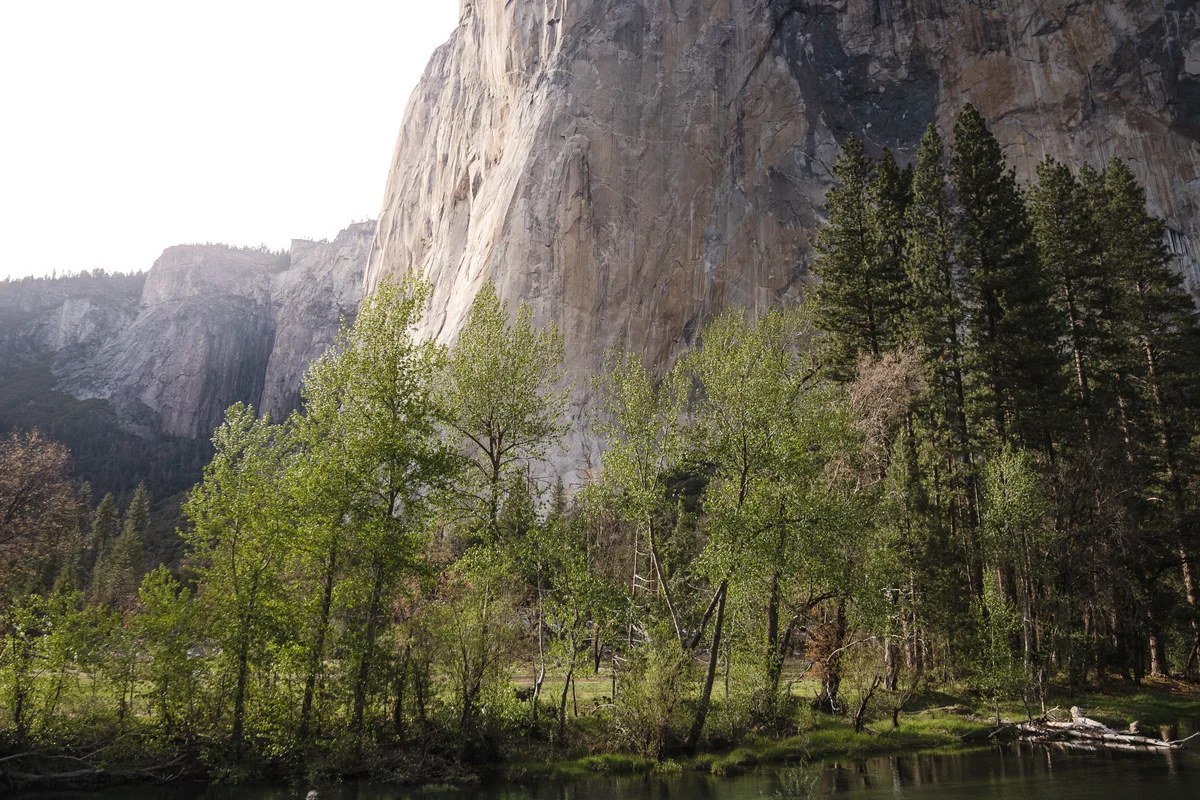

El Capitan
El Capitan is a monumental 914-metre vertical granite monolith rising above the western end of Yosemite Valley in California's Sierra Nevada. Globally renowned as the ultimate proving ground of modern big-wall rock climbing, it features legendary routes including The Nose, Salathé Wall, North America Wall, and the Dawn Wall.
Documented Expeditions on this Route (1)
Verified historical summits, siege campaigns, and pioneer attempts recorded on The Nose (El Capitan).
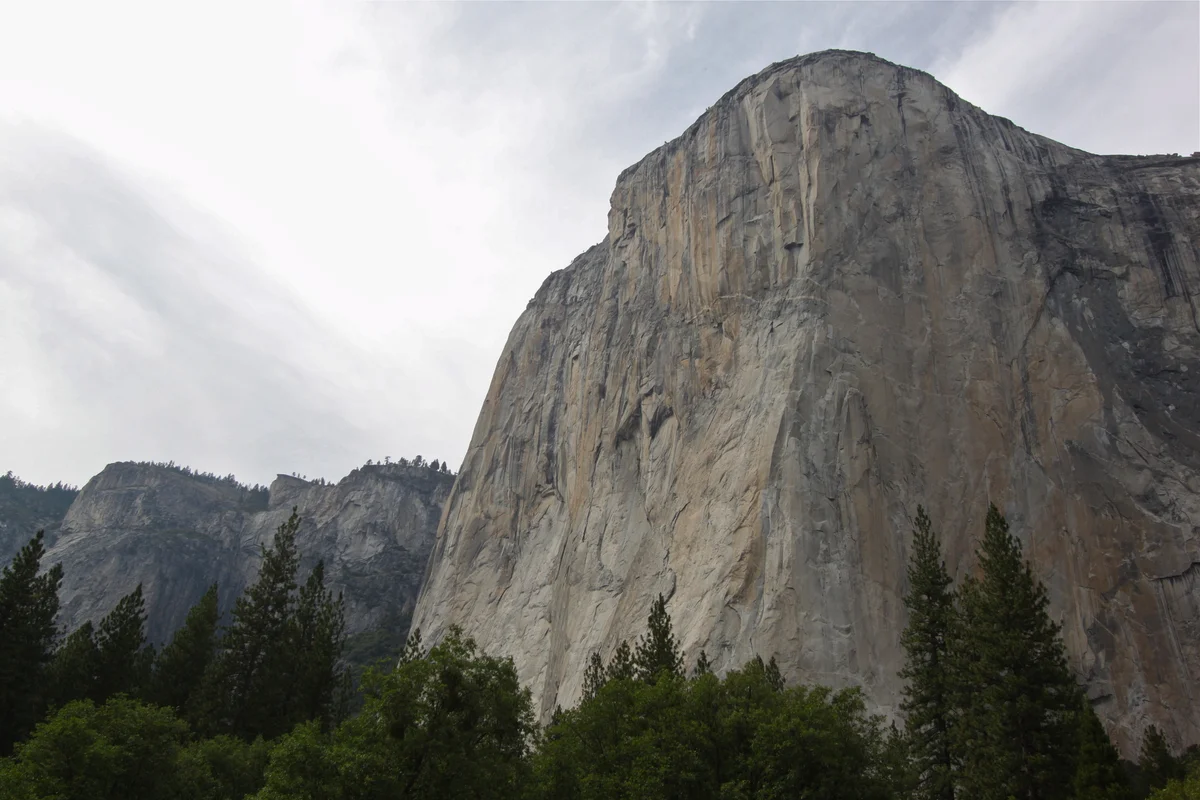
1958 First Ascent of The Nose on El Capitan
On November 12, 1958, Warren Harding, Wayne Merry, and George Whitmore stood atop El Capitan after an epic 45-day siege over 18 months, completing the monumental first ascent of The Nose.
Archival Chronicles & Stories on this Route (1)
In-depth longform historical narratives, harrowing survival accounts, and firsthand alpine journals on The Nose (El Capitan).
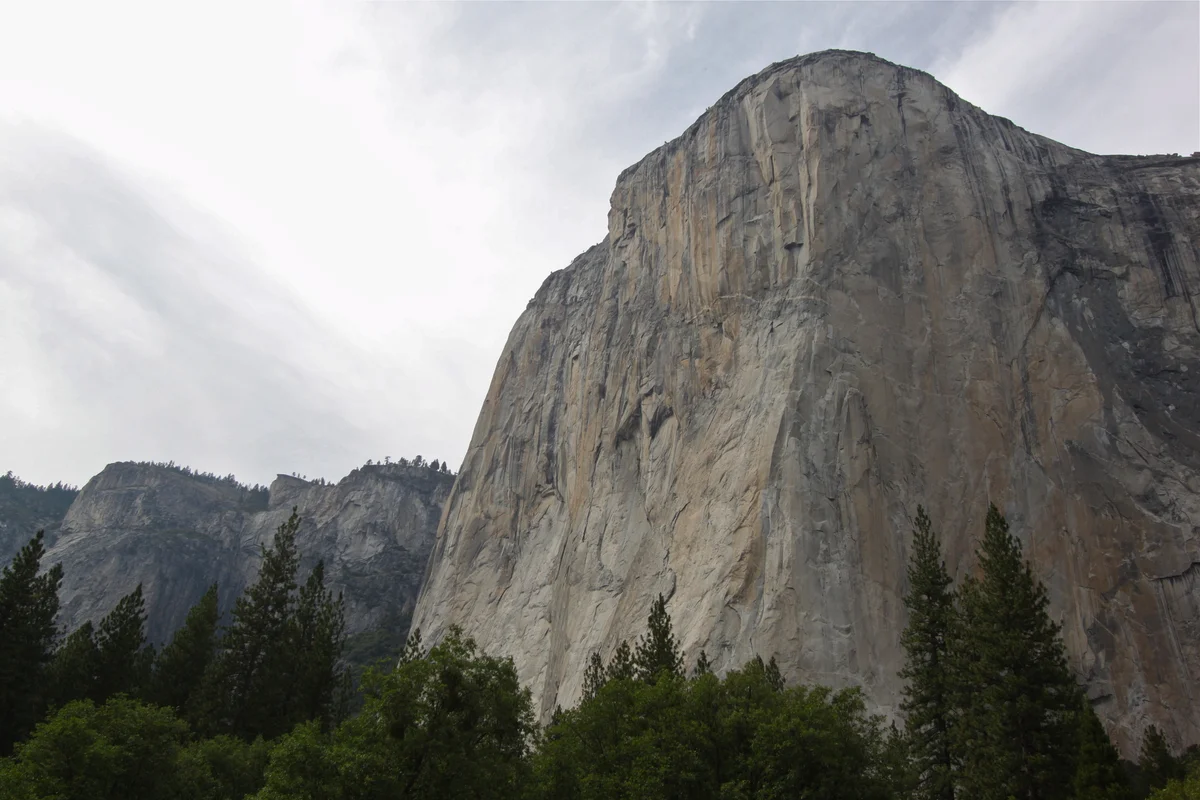
The Siege of the Captain: Warren Harding and the 1958 First Ascent of The Nose
On November 12, 1958, Warren Harding, Wayne Merry, and George Whitmore stood atop El Capitan after an epic 45-day siege over 18 months, completing the monumental first ascent of The Nose.
Documented Sources & Archival Citations
- American Alpine Journal: First Ascent of The Nose of El Capitan(American Alpine Club)
Supporting claim: Official account by Warren Harding documenting the 1958 first ascent
Accessed/Documented: 2026 - Yosemite Big Walls(Chris McNamara / SuperTopo)
Supporting claim: Pitch-by-pitch topographical survey, gear requirements, and history
Accessed/Documented: 2026