Ten Days in the Void: The 1964 North America Wall Expedition
In October 1964, Royal Robbins, Tom Frost, Chuck Pratt, and Yvon Chouinard achieved the first ascent of the terrifying North America Wall on El Capitan, spending ten continuous days on the overhanging face in North America's first true capsule push.
Mountain Safety & Conditions Disclaimer: High-altitude climbing, glacial travel, and technical ascents entail severe objective risks including avalanches, serac collapses, rapid weather collapse, and altitude illness. Historical route descriptions and summit claims on Mountanity reflect documented archival sources and must not be used as live operational safety assessments. Local regulations, permits, and physical glacial topography change continuously.
Peer Review: Senior Editorial Board & Historical Reviewers • Editorial Standards
The Darkest Face of El Capitan
By the autumn of 1964, the Golden Age of Yosemite big-wall climbing had reached its zenith. The sweeping prow of The Nose and the soaring dihedrals of the Salathé Wall had both fallen, proving that the vertical granite monolith of El Capitan was conquerable. Yet one colossal section of the mountain remained untouched, whispered about with genuine dread: the Southeast Face.
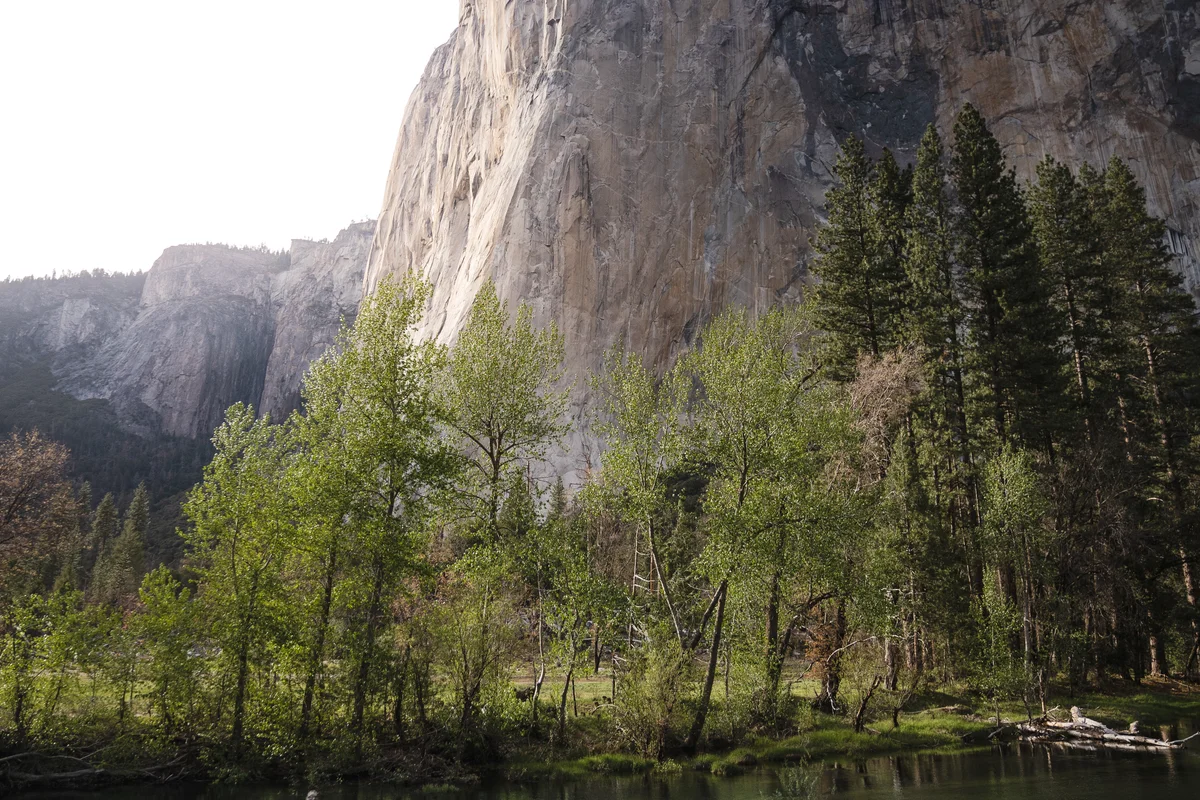
Here, a vast intrusion of dark, rotten diorite rock stood out against the pale granite, creating a sinister silhouette that uncannily resembled the North American continent. Nicknamed the North America Wall, this section of El Capitan was dramatically steeper, more continuously overhanging, and far more treacherous than the rest of the monolith. Loose flakes hung suspended by friction, yawning chimneys gaped open into empty space, and natural ledges for sleeping simply did not exist.
To face this supreme challenge, four men—widely celebrated as the greatest dream team in American climbing history—joined forces: Royal Robbins, the undisputed philosophical leader; Tom Frost, the methodical aerospace engineer and photographer; Chuck Pratt, the unmatched master of terrifying cracks; and Yvon Chouinard, the restless blacksmith and gear innovator whose hand-forged chrome-molybdenum pitons had transformed modern aid climbing.
The Capsule Commitment
The team rejected siege tactics completely. There would be no fixed ropes leading back down to Camp 4, and no support team to ferry hot food or spare water. Instead, they committed to an uncompromising “capsule-style” push: once they stepped onto the wall and pulled up their ropes, they would remain on the face until they either reached the summit or died trying.
Because the wall overhung so continuously, descending from the upper pitches would be practically impossible. Once past the initial pitches, gravity and the bulging rock would prevent rappelling back to their belay anchors. As Robbins later reflected, “A retreat from the upper wall would have been an epic nightmare beyond contemplation.”
On October 22, 1964, the four climbers stepped onto the rock, hauling hundreds of pounds of gear in heavy canvas sacks: ten gallons of water, dozens of tins of sardines and fruit, hundreds of specialized pitons, and early two-point fabric hammocks.
Terrifying Diorite and the Great Roofs
The first days tested their nerves to the limit. The dark diorite rock was soft, crumbly, and prone to sudden fracturing. Chouinard and Frost took turns placing microscopic RURP and Knifeblade pitons into razor-thin seams, tapping them with featherlight hammer blows while suspended in webbed nylon stirrups thousands of feet above the tree line.
On the fifth day, Pratt took the lead beneath the terrifying Great Yawning Chimney, a massive, cavernous slot cutting behind an enormous detached granite flake. Wriggling upward through dark constrictions, Pratt was confronted by the infamous “Borderline” pitch—a flared crack that seemed to offer no purchase whatsoever. With icy calm, Pratt worked his way upward, placing protection with supreme precision.
At night, the four men endured extreme discomfort. With no natural ledges, they hung their canvas hammocks from multi-piton anchors drilled into blank stone. Suspended in space, buffeted by freezing winds, they slept while the vast floor of Yosemite Valley twinkled like distant starlight beneath their hanging boots.
Autumn Tempest on the Headwall
By the eighth day, having reached the sheer Cyclops Eye and approaching the summit overhangs, disaster struck. The sunny California autumn gave way to a ferocious Pacific cold front. Sleet, freezing rain, and bitter snow showers enveloped the upper half of El Capitan.
Drenched to the bone, shivering violently in their hanging hammocks, and running dangerously low on food and water, the four climbers faced a grave survival test. Frost recalled that the cold was so penetrating that operating carabiners and tying knots required agonizing mental concentration. Yet their collective composure never cracked. Robbins later wrote:
“We were united by an unspoken bond of trust. There was no bickering, no panic, and no complaint. Each man did his job with absolute devotion to the team.”
Gathering their remaining strength on October 31, 1964, the tenth day of their epic vertical voyage, the four climbers fought their way through the final overhanging granite headwall. At 2:00 PM, Royal Robbins pulled over the rounded granite rim onto the summit flatland, followed closely by Frost, Pratt, and Chouinard.
The Climax of an Era
The first ascent of the North America Wall was widely hailed as the most difficult multi-day rock climb ever accomplished in the world. Spending ten continuous days suspended on an overhanging big wall, pioneering 28 pitches of Grade VI climbing without descending or relying on rescue lines, the quartet pushed human climbing capability into an entirely new realm.
It proved that the ultimate frontier of rock climbing lay not in the mechanical subjugation of nature, but in the audacity of the human spirit to venture into the vertical unknown and rely entirely on skill, brotherhood, and style.
Key Statistics & Topographic Figures
- Category
- Big Wall Alpine Legends
Archival Subject
- Reading Time
- 16 min read
Narrative Length
- Key Mountain
- el-capitan
Objective
- Ascent Route
- the ascent route
Topography
- Verification
- Editorially Verified
Archival Standard
Archival Primary Source Quotations
“In the mountains, truth is etched in ice and granite; every step requires unwavering respect for the heights.”
Defined Alpine Terminology & Concepts
- Summit Push
- The final continuous climbing effort from the highest established camp to the mountain apex and back.
- Death Zone Chronicle
- A verified, research-backed historical narrative documenting the human, technical, and environmental realities of an alpine expedition.
Frequently Asked Questions: Ten Days in the Void: The 1964 North America Wall Expedition
What is the core chronicle and subject of "Ten Days in the Void: The 1964 North America Wall Expedition"?
In October 1964, Royal Robbins, Tom Frost, Chuck Pratt, and Yvon Chouinard achieved the first ascent of the terrifying North America Wall on El Capitan, spending ten continuous days on the overhanging face in North America's first true capsule push.
Which mountain peaks and routes are featured in "Ten Days in the Void: The 1964 North America Wall Expedition"?
This narrative documents climbs on el-capitan along the the ascent route in United States.
Which documented expedition is chronicled in this story?
This historical chronicle captures the events of the 1964-robbins-frost-chouinard-pratt-north-america-wall, verified through contemporary journals and archival records.
Who authored and researched this archival chronicle?
Authored and researched by Mountainity Historical Research Desk, drawing on primary eyewitness testimonies, alpine club registries, and verified summit logs.
What makes this high-altitude chronicle historically significant?
Categorized under "Big Wall Alpine Legends", this chronicle preserves critical lessons in alpine leadership, survival, tactical speed, and human endurance in the death zone.
Related Mountains

El Capitan
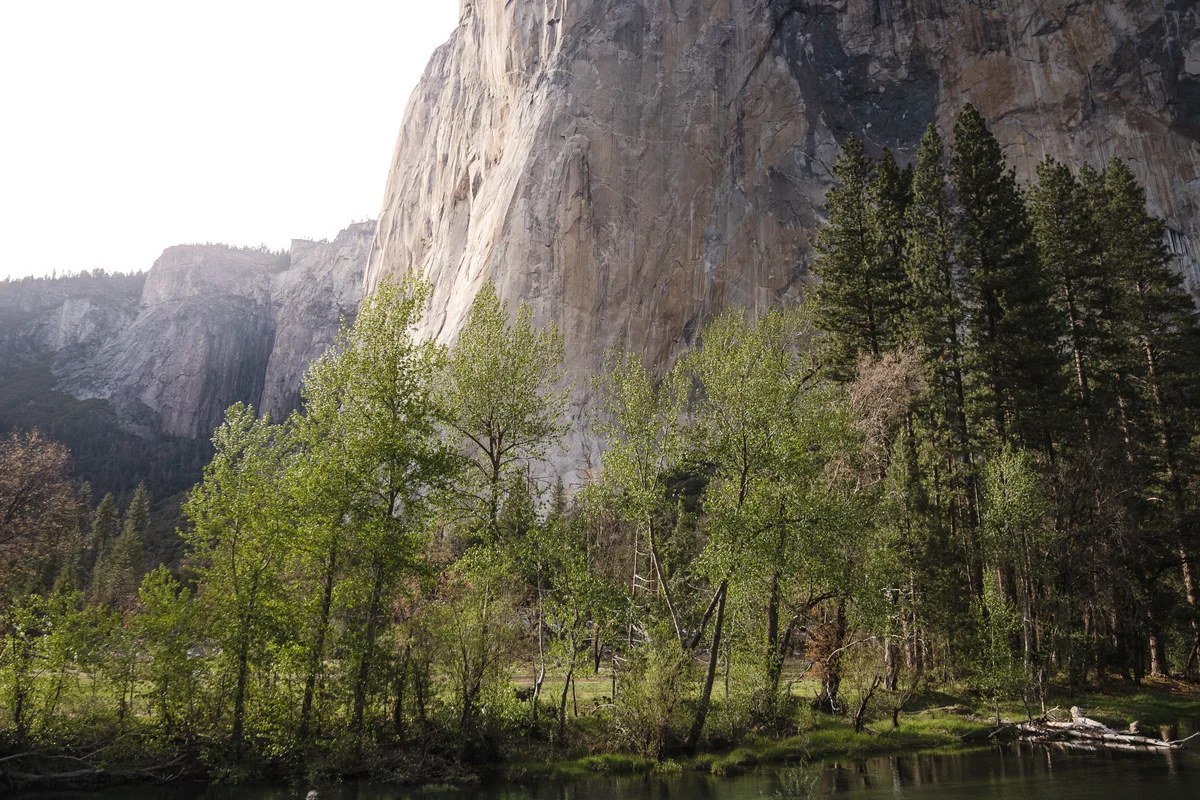
El Capitan is a monumental 914-metre vertical granite monolith rising above the western end of Yosemite Valley in California's Sierra Nevada. Globally renowned as the ultimate proving ground of modern big-wall rock climbing, it features legendary routes including The Nose, Salathé Wall, North America Wall, and the Dawn Wall.
Documented Sources & Archival Citations
- American Alpine Journal: North America Wall (1965)(American Alpine Club)
Supporting claim: Official first ascent expedition journal written by Royal Robbins
Accessed/Documented: 2026 - Camp 4: Recollections of a Yosemite Rockclimber(Steve Roper / The Mountaineers Books)
Supporting claim: Historical analysis of the 1964 North America Wall climb as the zenith of Golden Age climbing
Accessed/Documented: 2026