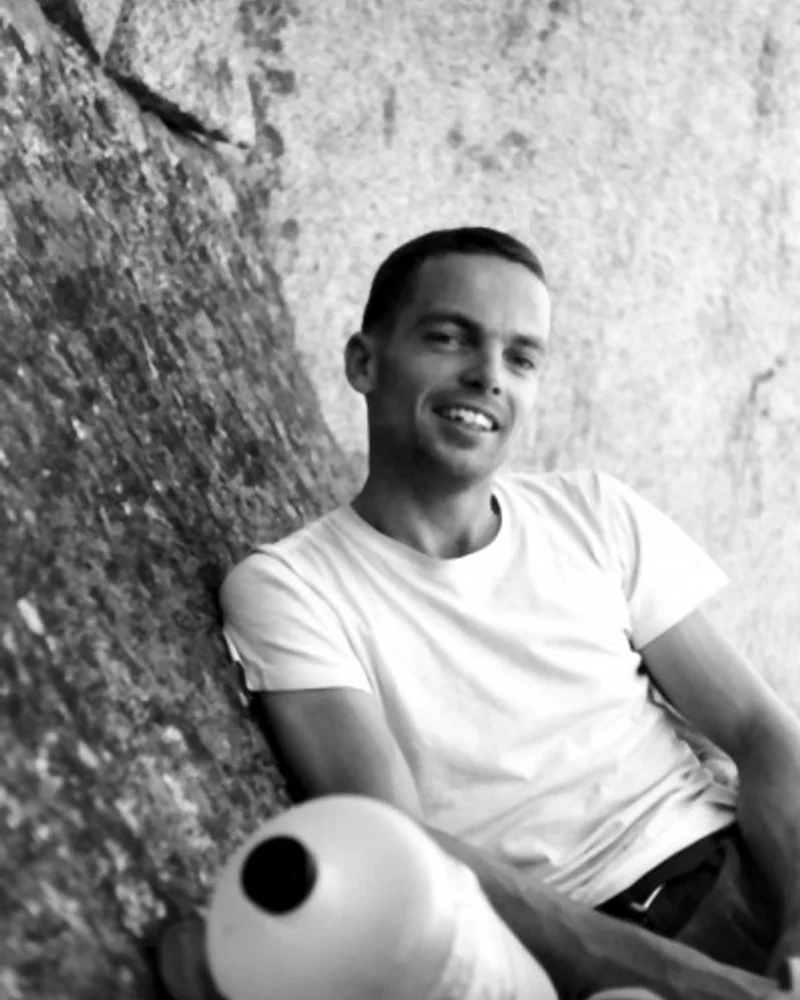
Tom Frost
Tom Frost was an elite American big-wall pioneer, aerospace engineer, and photographer whose technical ingenuity shaped Yosemite's Golden Age. Alongside Royal Robbins and Chuck Pratt, he completed historic first ascents of the Salathé Wall and North America Wall on El Capitan. His peerless black-and-white photography and innovative climbing hardware designs established the visual and ethical standards of modern alpinism.
Mountain Safety & Conditions Disclaimer: High-altitude climbing, glacial travel, and technical ascents entail severe objective risks including avalanches, serac collapses, rapid weather collapse, and altitude illness. Historical route descriptions and summit claims on Mountanity reflect documented archival sources and must not be used as live operational safety assessments. Local regulations, permits, and physical glacial topography change continuously.
Peer Review: Senior Editorial Board & Historical Reviewers • Editorial Standards
Biographical Record & Archival Chronicle
Born on June 30, 1936, in Hollywood, California, Tom Frost graduated from Stanford University in 1958 with a degree in mechanical engineering, where he was also an accomplished collegiate swimmer. Moving into aerospace engineering, Frost was introduced to rock climbing in the late 1950s, bringing rigorous engineering precision, meticulous safety discipline, and extraordinary physical stamina to Yosemite Valley. Forming an unbeatable partnership with Royal Robbins and Chuck Pratt, Frost became a cornerstone of Yosemite's finest big-wall achievements. In September 1961, the trio opened the Salathé Wall on El Capitan, hailed as the finest natural big-wall line in the world. In October 1964, joined by Yvon Chouinard, they conquered the North America Wall in continuous capsule style over ten days. Frost's engineering background was vital to the development of modern climbing equipment: partnering with Chouinard in 1965, he co-designed the revolutionary RURP (Real Realised Ultimate Reality Piton), the curved-pick alpine ice axe that enabled modern steep ice climbing, and lightweight aluminum carabiners and chocks. Carrying heavy Leica and Hasselblad film cameras up multi-day vertical walls, Frost captured the iconic, museum-grade black-and-white photographs that documented the soul and aesthetic beauty of Yosemite's Camp 4 era for all time.
Notable Milestones & Ascents
- First ascent of the Salathé Wall on El Capitan (1961) with Royal Robbins and Chuck Pratt
- First ascent of the North America Wall on El Capitan (1964) with Royal Robbins, Chuck Pratt, and Yvon Chouinard
- First ascent of the West Face of Mount Hidden Tower and Lotus Flower Tower in Canada (1968)
- Co-designed the RURP, the curved-pick ice axe, and the first rigid front-point crampons at Chouinard Equipment
- World-renowned black-and-white photography chronicling Yosemite's Golden Age, exhibited in major art institutions
- Led successful grassroots historic preservation campaigns to save Camp 4 from commercial development in Yosemite Valley
Key Statistics & Topographic Figures
- Lifespan
- June 30, 1937 – August 24, 2018 (Age 81)
- Stanford Degree
- Aeronautical Engineering (Class of 1958)
- Golden Age Masterpieces
- Salathe Wall (1961), North America Wall (1964)
- Hardware Patents & Designs
- RURP, Bong Pitons, Curved-Pick Ice Axes
- Conservation Legacy
- Saved Yosemite Camp 4 from demolition (1997-2003)
Archival Primary Source Quotations
“Yosemite was holy ground to us. We sought not to conquer the rock, but to become worthy of its grandeur.”
Defined Alpine Terminology & Concepts
- RURP
- Realized Ultimate Reality Piton: a postage-stamp-sized steel blade designed by Frost and Chouinard for hairline rock seams.
- Bong Piton
- A wide, U-shaped aluminum or steel channel piton designed to protect wide rock cracks up to four inches.
Frequently Asked Questions: Tom Frost
Who was Tom Frost in Yosemite climbing history?
Tom Frost was an American big-wall pioneer, precision equipment designer, and photographer who played a pivotal role in Yosemite's Golden Age.
What major first ascents did Tom Frost make in Yosemite?
Frost made historic first ascents of the Salathe Wall in 1961 and the North America Wall in 1964 on El Capitan, and the West Face of Sentinel Rock.
What was Tom Frost's professional engineering background?
Frost held an aeronautical engineering degree from Stanford University, which he applied to designing revolutionary climbing equipment.
What climbing hardware did Tom Frost help develop?
Working with Yvon Chouinard, Frost co-designed Realized Ultimate Reality Pitons (RURPs), chrome-moly bongs, and the curved-pick piolet.
What historical contribution did Tom Frost make as a photographer?
Using a Leica camera on hanging belays, Frost captured iconic black-and-white photographs that document the human drama of Yosemite big walls.
What historic Himalayan ascent did Tom Frost make in 1970?
Frost climbed the steep South Face of Annapurna in 1970 on Chris Bonington's expedition, reaching Camp VI at 7,300 metres.
What environmental preservation campaign did Tom Frost lead in Yosemite?
In the late 1990s, Frost successfully sued the National Park Service to prevent the demolition of historic Camp 4, preserving it on the National Register.
When was Tom Frost born and when did he pass away?
He was born on June 30, 1937, in Hollywood, California, and passed away on August 24, 2018, in Oakdale, California, at age 81.
Associated Summits (1)
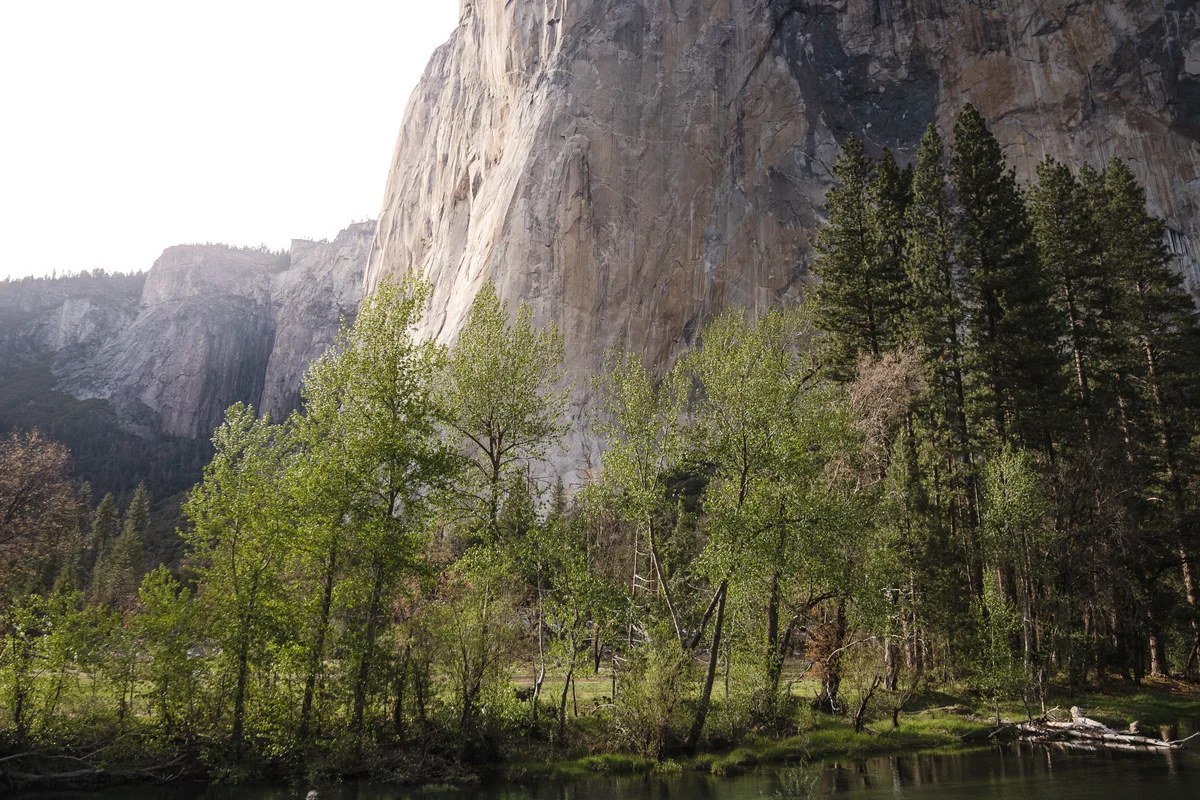

El Capitan
El Capitan is a monumental 914-metre vertical granite monolith rising above the western end of Yosemite Valley in California's Sierra Nevada. Globally renowned as the ultimate proving ground of modern big-wall rock climbing, it features legendary routes including The Nose, Salathé Wall, North America Wall, and the Dawn Wall.
Pioneered & Associated Routes (2)
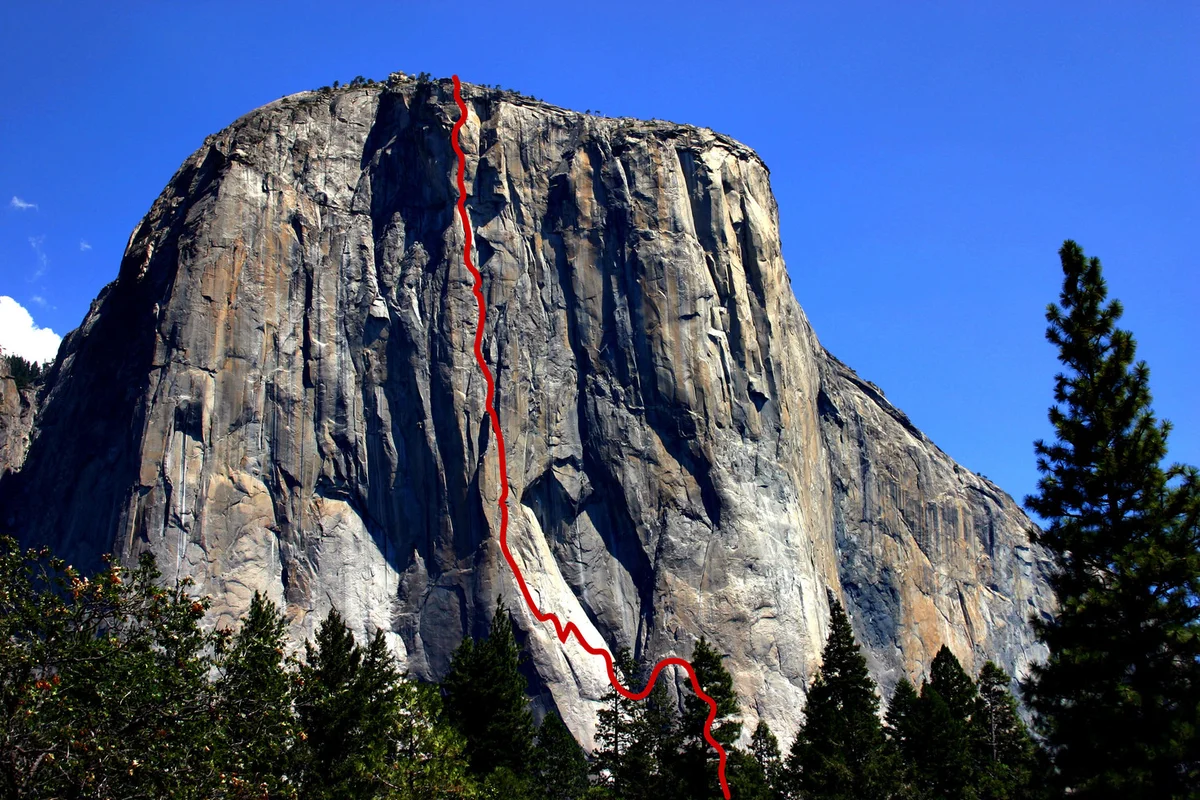
Salathé Wall (El Capitan)
The Salathé Wall is universally revered as the greatest natural big-wall route in the world, ascending the sweeping Southwest Face of El Capitan over 35 pitches. Characterized by continuous crack systems, soaring dihedrals, and the heart-stopping exposure of the Roof and Headwall pitches, it set the global gold standard for alpine big-wall ethics.
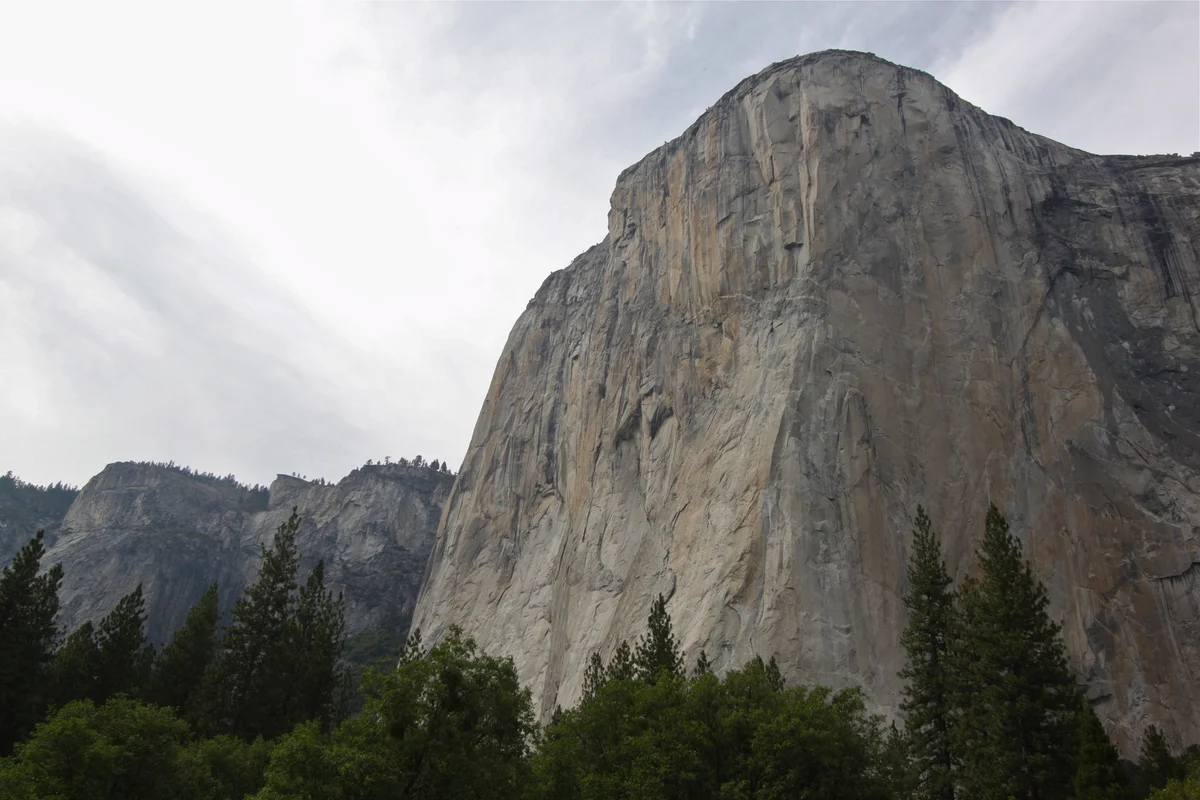
The Nose (El Capitan)
The Nose is the definitive big-wall rock climb on Earth, tracing the proud, protruding central prow of El Capitan for 31 technical pitches over 884 vertical metres. From the Boot Flake and the King Swing to the Great Roof and the sweeping summit headwall, it is the most coveted and historic multi-day climbing route in the world.
Documented Expeditions (2)
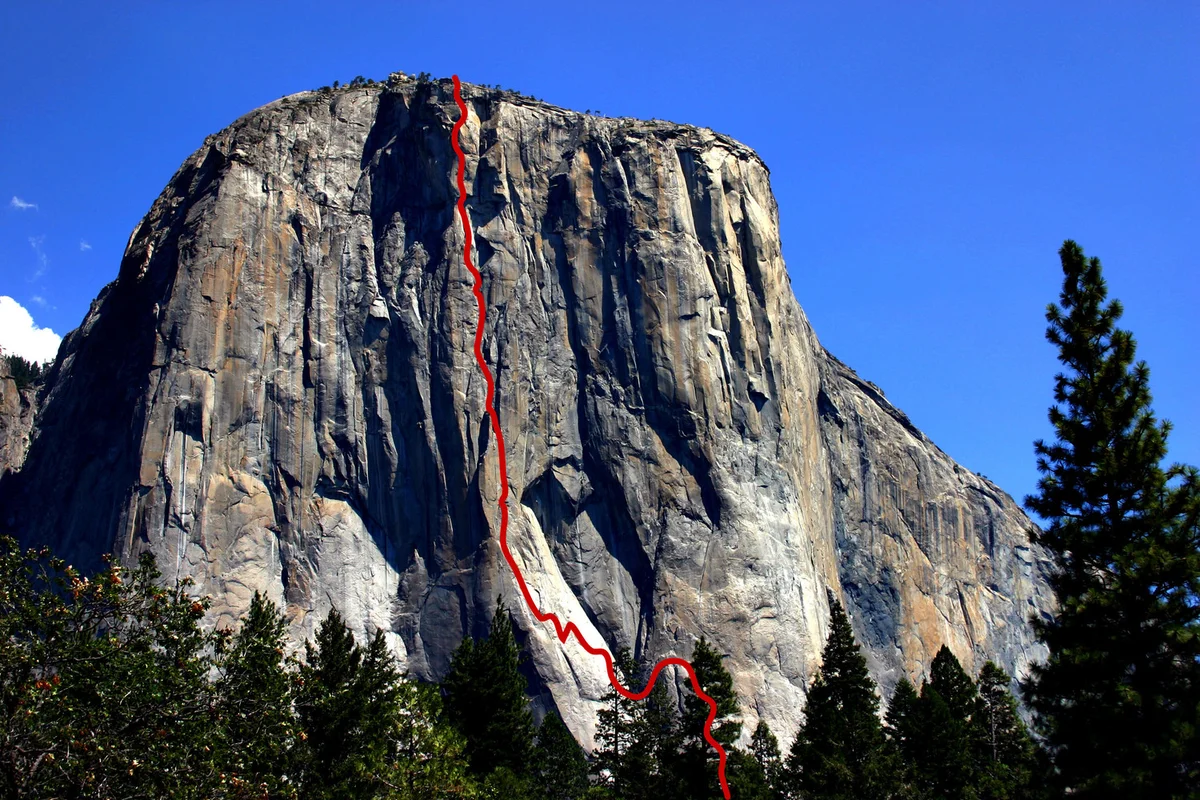
1961 First Ascent of the Salathé Wall on El Capitan
In September 1961, Royal Robbins, Tom Frost, and Chuck Pratt made the historic first ascent of the Salathé Wall on El Capitan in a continuous six-day push, placing only 13 lead bolts and setting a new global ethic for big-wall climbing.
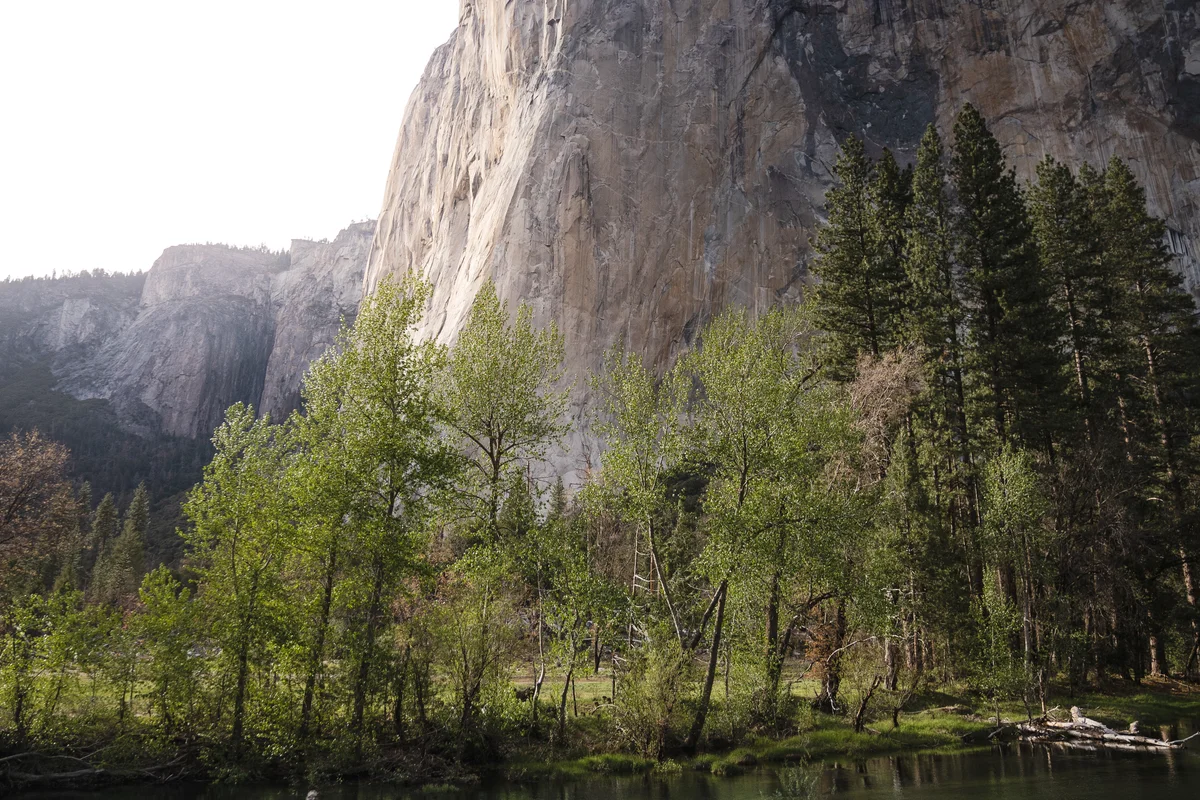
1964 First Ascent of the North America Wall on El Capitan
In late October 1964, Royal Robbins, Tom Frost, Chuck Pratt, and Yvon Chouinard made the historic first ascent of the terrifying North America Wall on El Capitan, spending ten continuous days on the overhanging face without descending.
Associated Chronicles & Stories (2)
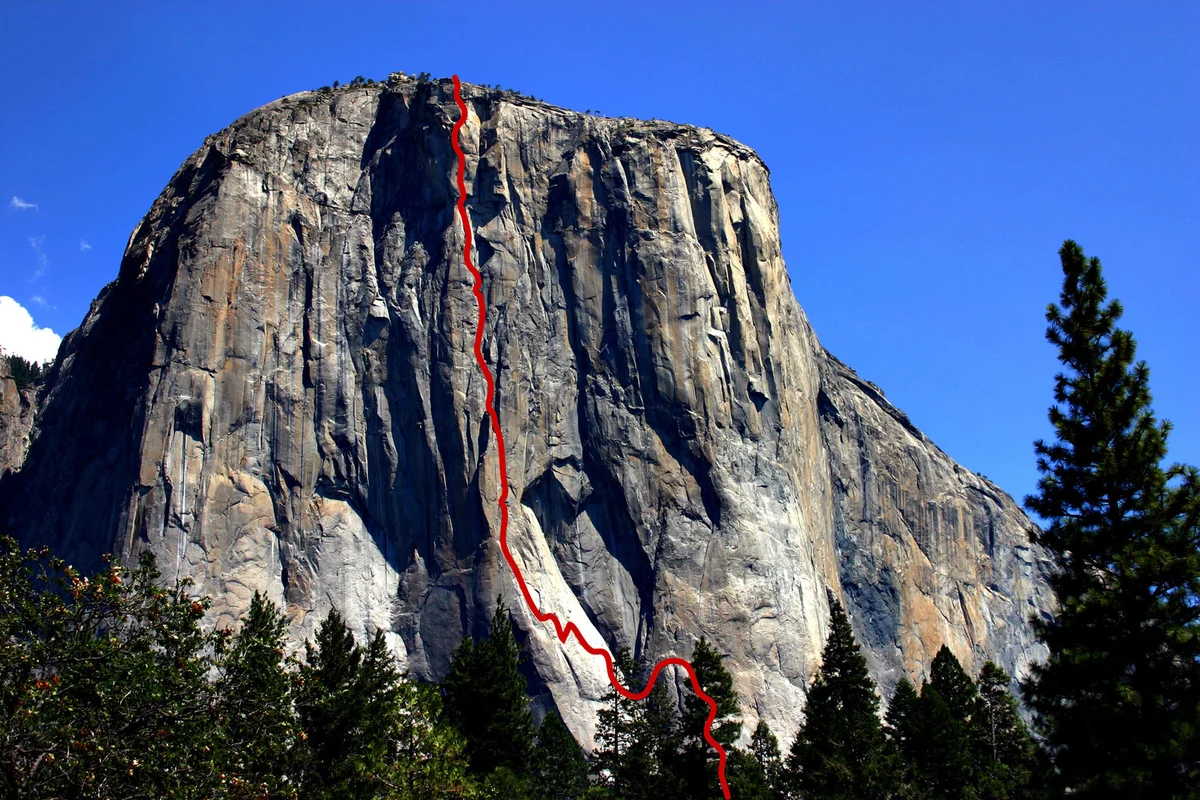
Masterpiece of Granite: Royal Robbins and the 1961 Salathé Wall
In September 1961, Royal Robbins, Tom Frost, and Chuck Pratt conquered the 35-pitch Salathé Wall on El Capitan, placing just thirteen lead bolts over six days and establishing the modern benchmark of big-wall climbing style.
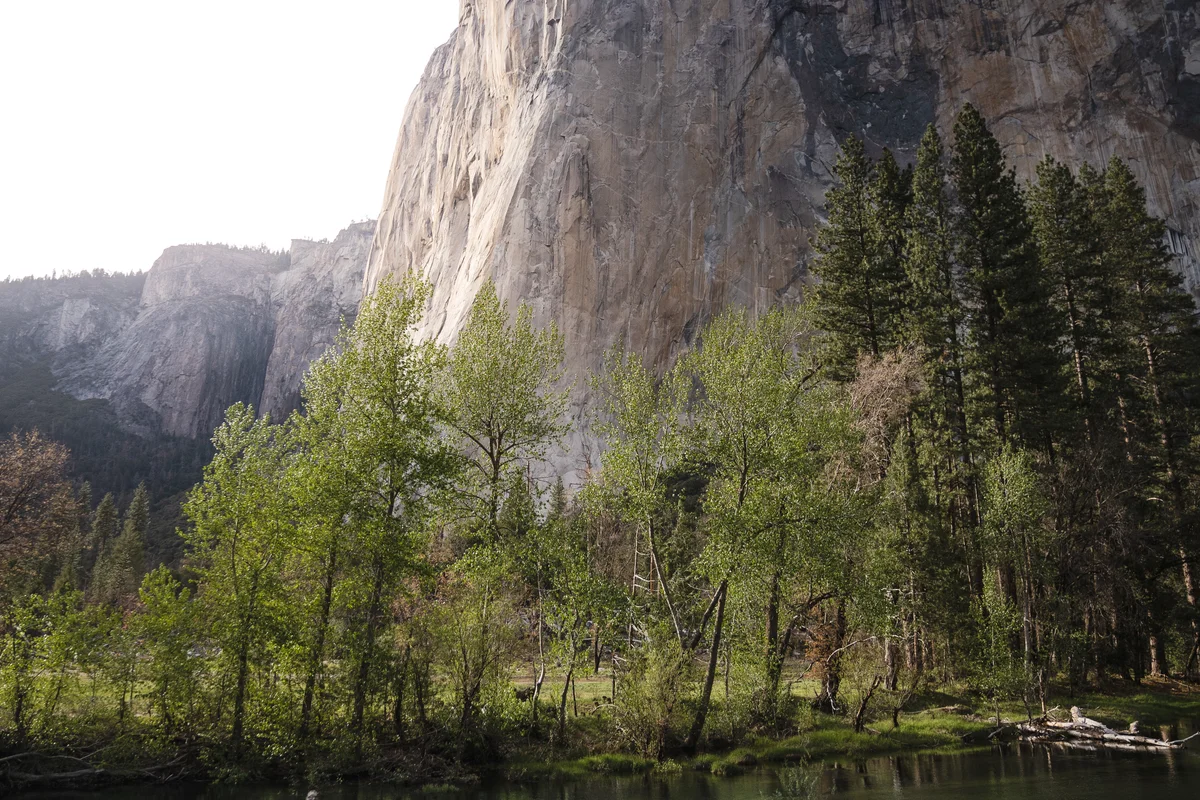
Ten Days in the Void: The 1964 North America Wall Expedition
In October 1964, Royal Robbins, Tom Frost, Chuck Pratt, and Yvon Chouinard achieved the first ascent of the terrifying North America Wall on El Capitan, spending ten continuous days on the overhanging face in North America's first true capsule push.
Documented Sources & Archival Citations
- American Alpine Journal: In Memoriam - Tom Frost (1936-2018)(American Alpine Club)
Supporting claim: Obituary and historical tribute detailing Frost's climbs, engineering designs, and photography
Accessed/Documented: 2026 - Yosemite in the Sixties(Glen Denny and Tom Frost / Patagonia Books)
Supporting claim: Photographic collection and historical survey of the Camp 4 Golden Age
Accessed/Documented: 2026