1970 First Ascent of the Dawn Wall on El Capitan
Between October 24 and November 18, 1970, Warren Harding and Dean Caldwell completed the historic first ascent of the Dawn Wall on El Capitan, spending 27 continuous days on the sheer granite face and enduring a 105-hour storm.
Mountain Safety & Conditions Disclaimer: High-altitude climbing, glacial travel, and technical ascents entail severe objective risks including avalanches, serac collapses, rapid weather collapse, and altitude illness. Historical route descriptions and summit claims on Mountanity reflect documented archival sources and must not be used as live operational safety assessments. Local regulations, permits, and physical glacial topography change continuously.
Peer Review: Senior Editorial Board & Historical Reviewers • Editorial Standards
Official Expedition Narrative & Archival Record
In late October 1970, Warren Harding and 27-year-old partner Dean Caldwell approached the stark, virtually featureless southeast face of El Capitan, known as the Wall of the Early Morning Light or the Dawn Wall. Embarking on a continuous capsule-style push without fixed lines to the valley, the pair hauled hundreds of pounds of canned food, water, and specialized nylon 'bat tents' up the blank, vertical granite. For weeks, Harding and Caldwell methodically made upward progress, hand-drilling hundreds of expansion bolts and bat hooks across sheer expanses of unbroken rock. In early November, a severe autumn blizzard struck Yosemite, trapping the climbers inside their bat tents for 105 continuous hours in sub-freezing temperatures while waterfalls cascaded over their heads. Concerned for their survival, the National Park Service mobilized a massive rescue team and prepared to lower cables from the summit rim. In response, Harding lowered a defiance note: 'A rescue is unwarranted, unwanted, and will not be accepted.' Refusing to abandon their climb, they resumed drilling once the storm cleared. On November 18, 1970, after 27 continuous days suspended above the valley floor, Harding and Caldwell pulled onto the summit, met by a throng of television journalists, champagne bottles, and national headlines.
Documented Team Composition
- Warren Harding (Climber, USA)
- Dean Caldwell (Climber, USA)
Key Statistics & Topographic Figures
- Summit Date
- November 18, 1970
- Continuous Duration
- 27 continuous days on the wall
- Storm Confinement
- 105 continuous hours in bat tents
- Bolts & Hooks Drilled
- Approximately 300 anchors
- Team
- Warren Harding and Dean Caldwell
Archival Primary Source Quotations
“A rescue is unwarranted, unwanted, and will not be accepted. We intend to continue under our own power.”
Defined Alpine Terminology & Concepts
- Bat Hook
- A small steel hook placed into a shallow, hand-drilled dimple in blank rock to support climber body weight during aid climbing.
- Wall of the Early Morning Light
- The official name given by Warren Harding to the southeast face of El Capitan, now universally known as the Dawn Wall.
Frequently Asked Questions: 1970 First Ascent of the Dawn Wall on El Capitan
What was the 1970 First Ascent of the Dawn Wall on El Capitan?
It was the sensational 27-day continuous first ascent of the Wall of the Early Morning Light by Warren Harding and Dean Caldwell.
How long did Harding and Caldwell live continuously on the rock in 1970?
They lived on the sheer granite face for twenty-seven consecutive days between October 24 and November 18, 1970.
What storm did Harding and Caldwell survive on the Dawn Wall?
They survived a 105-hour autumn blizzard inside their nylon bat tents while waterfalls poured directly over their heads.
Why did Warren Harding refuse the National Park Service rescue?
Harding believed the rescue would rob them of their triumph, scrawling a note that a rescue was unwarranted and unwanted.
How many bolts and bat hooks were placed during the 1970 ascent?
The pair placed approximately three hundred expansion bolts and bat hooks across the blank, featureless granite.
What equipment did Harding invent for sleeping on blank rock?
He created the "bat tent," a single-suspension enclosed nylon shelter hung from an expansion bolt in the cliff.
What controversy erupted around the 1970 Dawn Wall climb?
Purist climbers criticized the heavy drilling of bolts, while the public and media celebrated the climbers' raw physical endurance.
How were Harding and Caldwell welcomed on the summit rim?
They were greeted on November 18, 1970, by dozens of television reporters, photographers, champagne, and fresh food.
Ascent Route & Topography
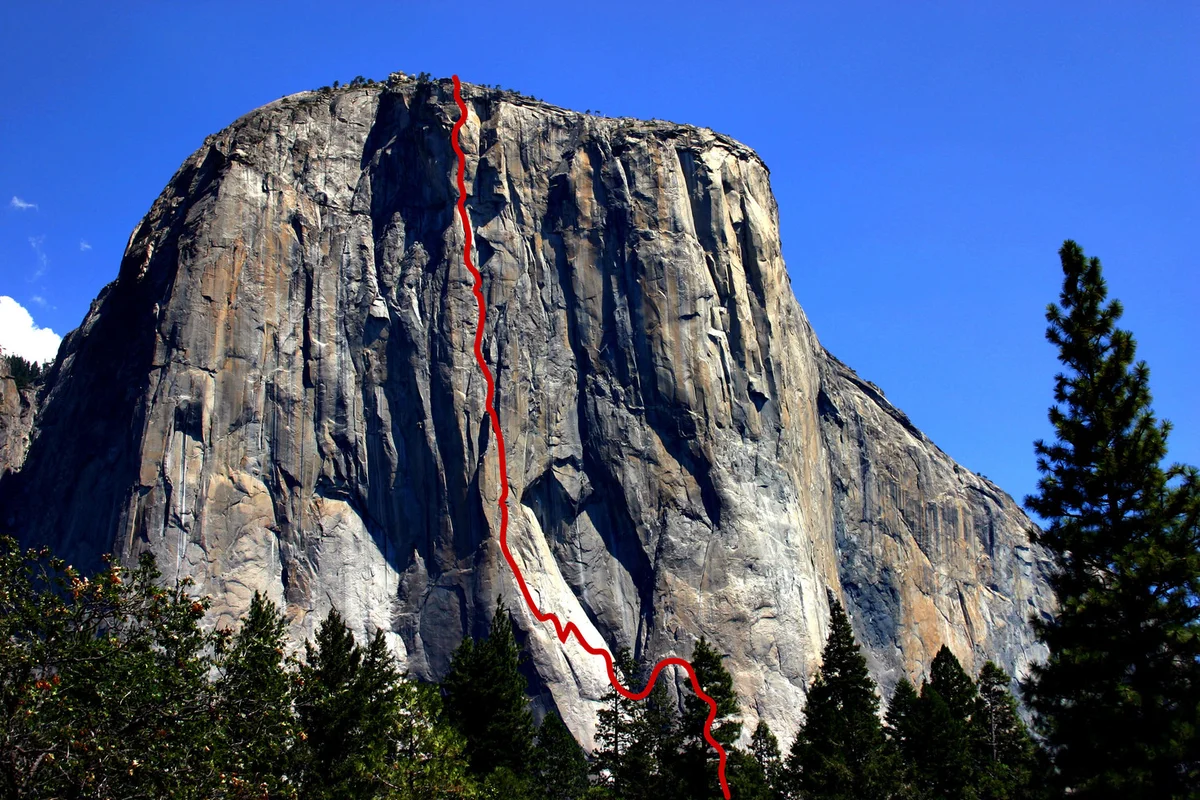
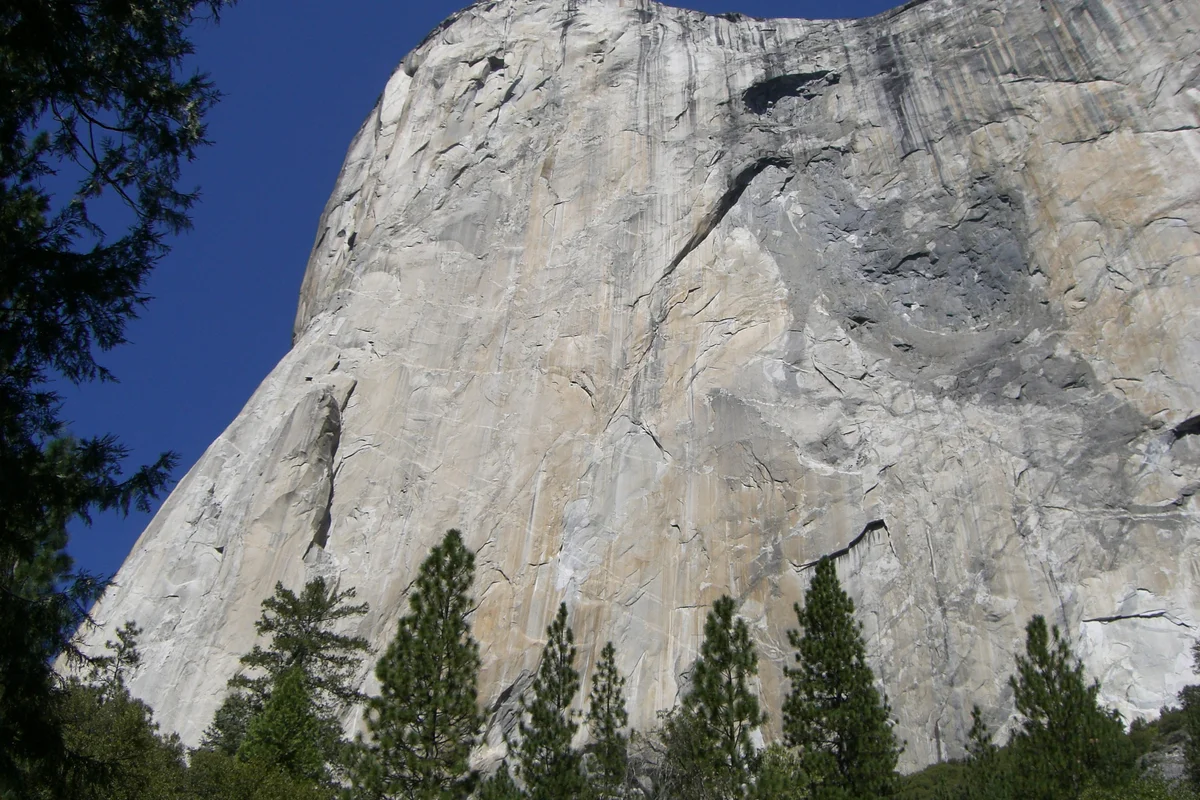
Salathé Wall (El Capitan)
The Salathé Wall is universally revered as the greatest natural big-wall route in the world, ascending the sweeping Southwest Face of El Capitan over 35 pitches. Characterized by continuous crack systems, soaring dihedrals, and the heart-stopping exposure of the Roof and Headwall pitches, it set the global gold standard for alpine big-wall ethics.
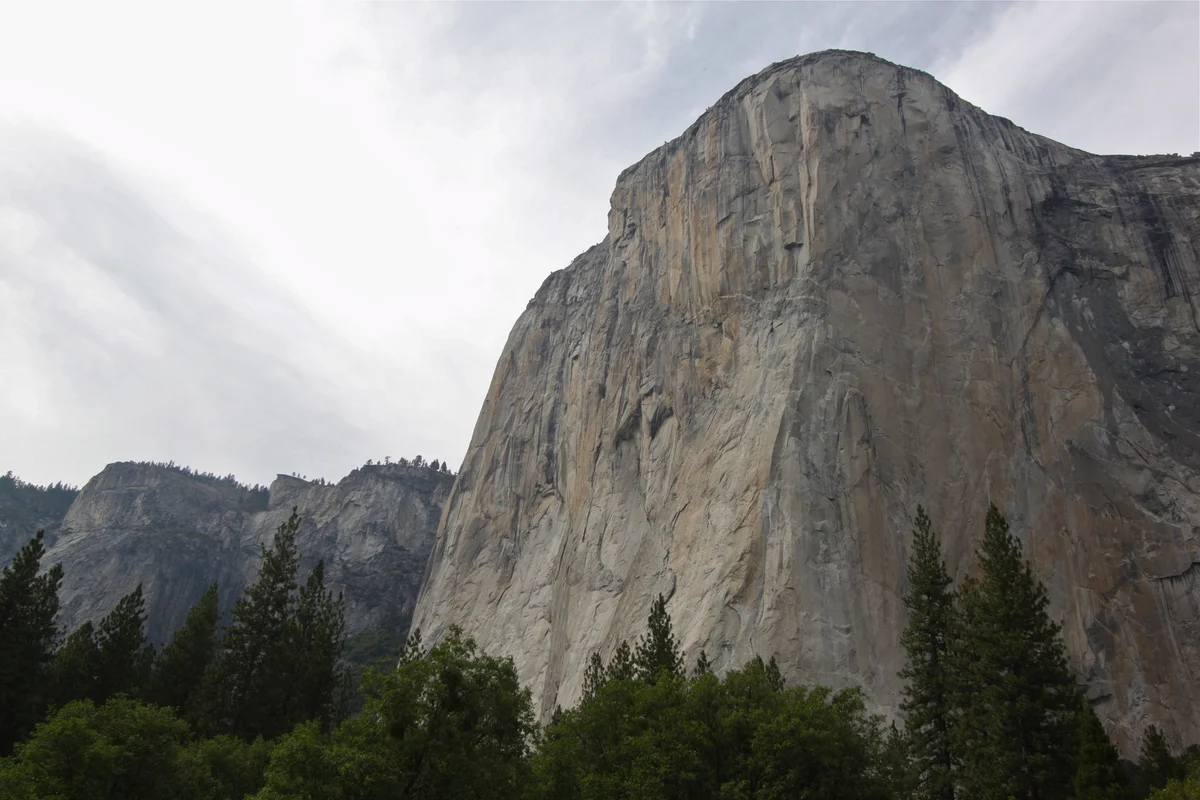
The Nose (El Capitan)
The Nose is the definitive big-wall rock climb on Earth, tracing the proud, protruding central prow of El Capitan for 31 technical pitches over 884 vertical metres. From the Boot Flake and the King Swing to the Great Roof and the sweeping summit headwall, it is the most coveted and historic multi-day climbing route in the world.
Target Objective Peak
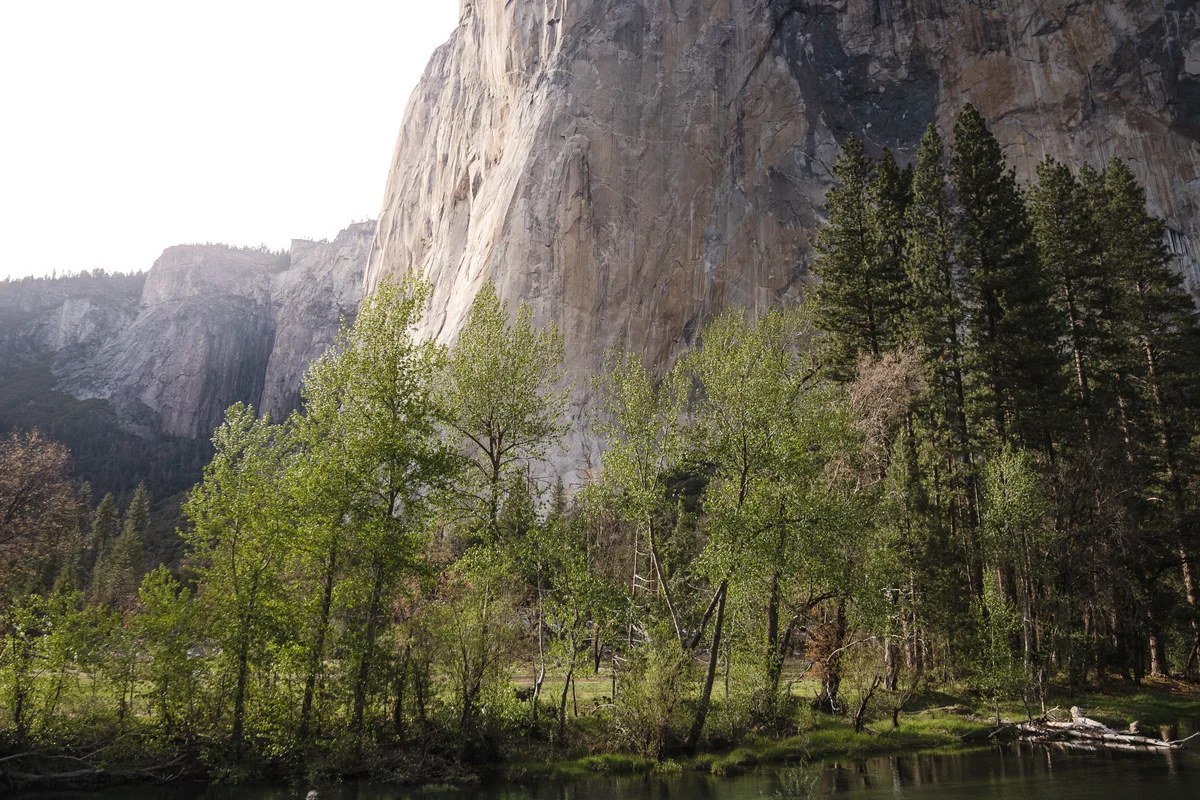

El Capitan
El Capitan is a monumental 914-metre vertical granite monolith rising above the western end of Yosemite Valley in California's Sierra Nevada. Globally renowned as the ultimate proving ground of modern big-wall rock climbing, it features legendary routes including The Nose, Salathé Wall, North America Wall, and the Dawn Wall.
Featured Expedition Climber
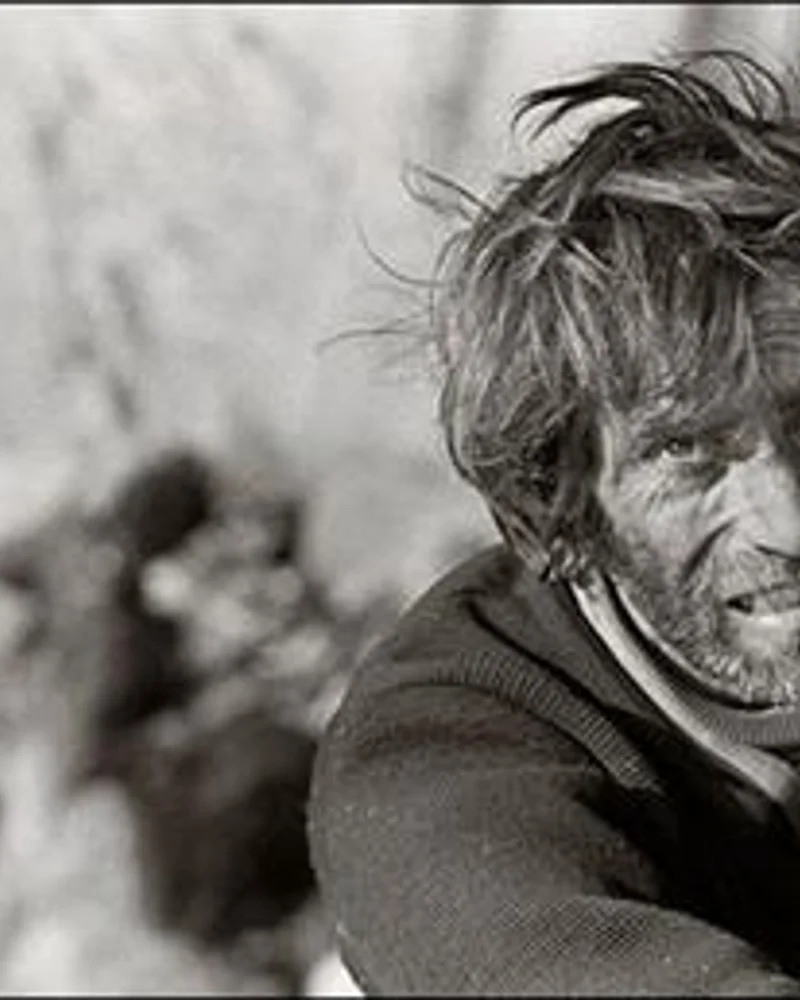
Warren Harding
Born on June 18, 1924, in Oakland, California, Warren Harding took up rock climbing in the early 1950s after working as a state highway surveyor. Nicknamed Batso for his fondness for sleeping suspended from vertical rock faces in custom bat tents, Harding embodied the rebellious, iconoclastic spirit of post-war California climbing. When Royal Robbins and his companions climbed Half Dome's Northwest Face in 1957, Harding responded by targeting the grandest, most intimidating rock formation on the continent: the unclimbed 914-metre prow of El Capitan. Beginning in July 1957 alongside Mark Powell and Bill Feuerer, and later joined by Wayne Merry and George Whitmore, Harding led an epic siege up The Nose. Over 45 days spread across eighteen months, the team fixed thousands of feet of rope and drilled 125 expansion bolts into blank granite headwalls. On the night of November 11, 1958, Harding drilled 28 bolts non-stop through fourteen freezing hours, pulling himself and his teammates onto the summit at dawn on November 12 to complete the first ascent of El Capitan. In 1970, Harding created a global sensation on the Dawn Wall (Wall of the Early Morning Light), spending 27 consecutive days on El Capitan with Dean Caldwell, enduring a 105-hour storm, and famously refusing a National Park Service rescue by lowering a message: 'A rescue is unwarranted, unwanted, and will not be accepted.'
Associated Historical Chronicles & Stories
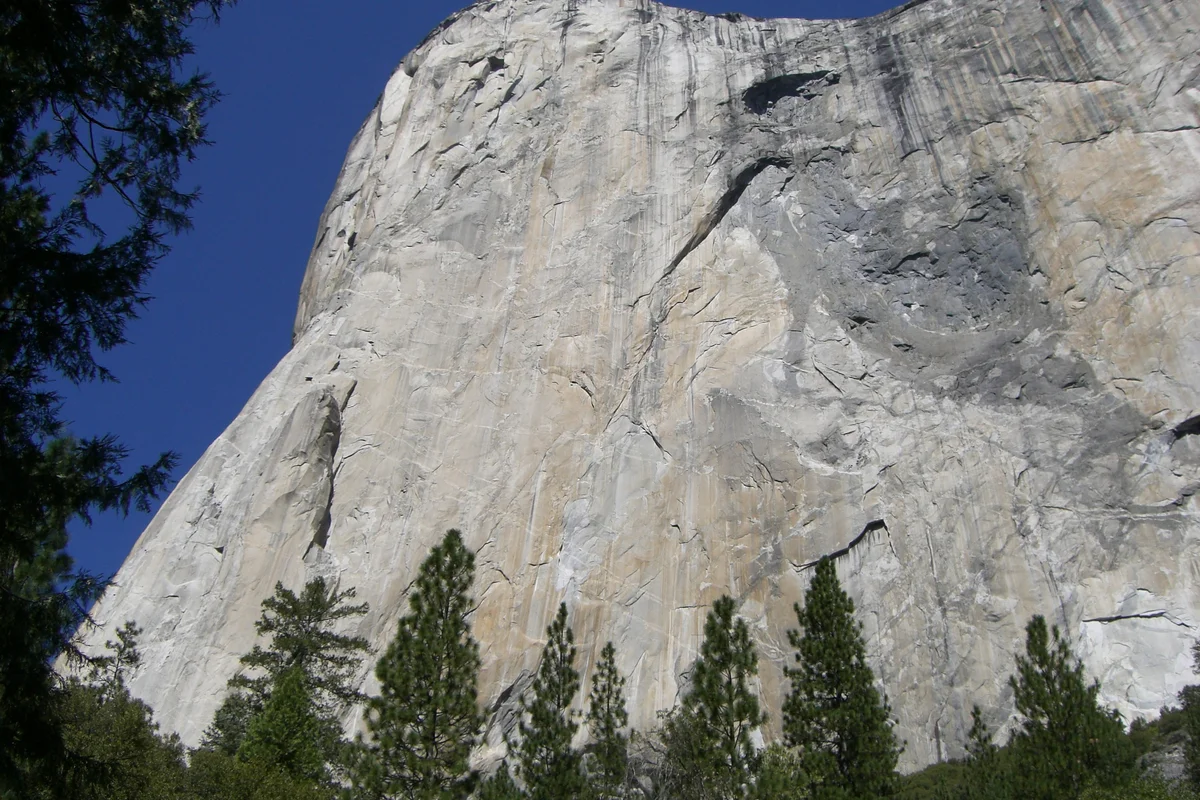
Defiance on the Dawn Wall: Warren Harding and the 27-Day Siege of 1970
Between October 24 and November 18, 1970, Warren Harding and Dean Caldwell lived for twenty-seven continuous days on the sheer Wall of the Early Morning Light, refusing rescue in a fierce 105-hour storm to complete the legendary Dawn Wall.
Documented Sources & Archival Citations
- American Alpine Journal: El Capitan, Wall of the Early Morning Light (1971)(American Alpine Club)
Supporting claim: Official expedition journal by Warren Harding recording the 27-day first ascent
Accessed/Documented: 2026 - Downward Bound: A Mad! Guide to Rock Climbing(Warren Harding / Prentice-Hall)
Supporting claim: Comprehensive account of the 1970 Dawn Wall climb and rescue refusal
Accessed/Documented: 2026